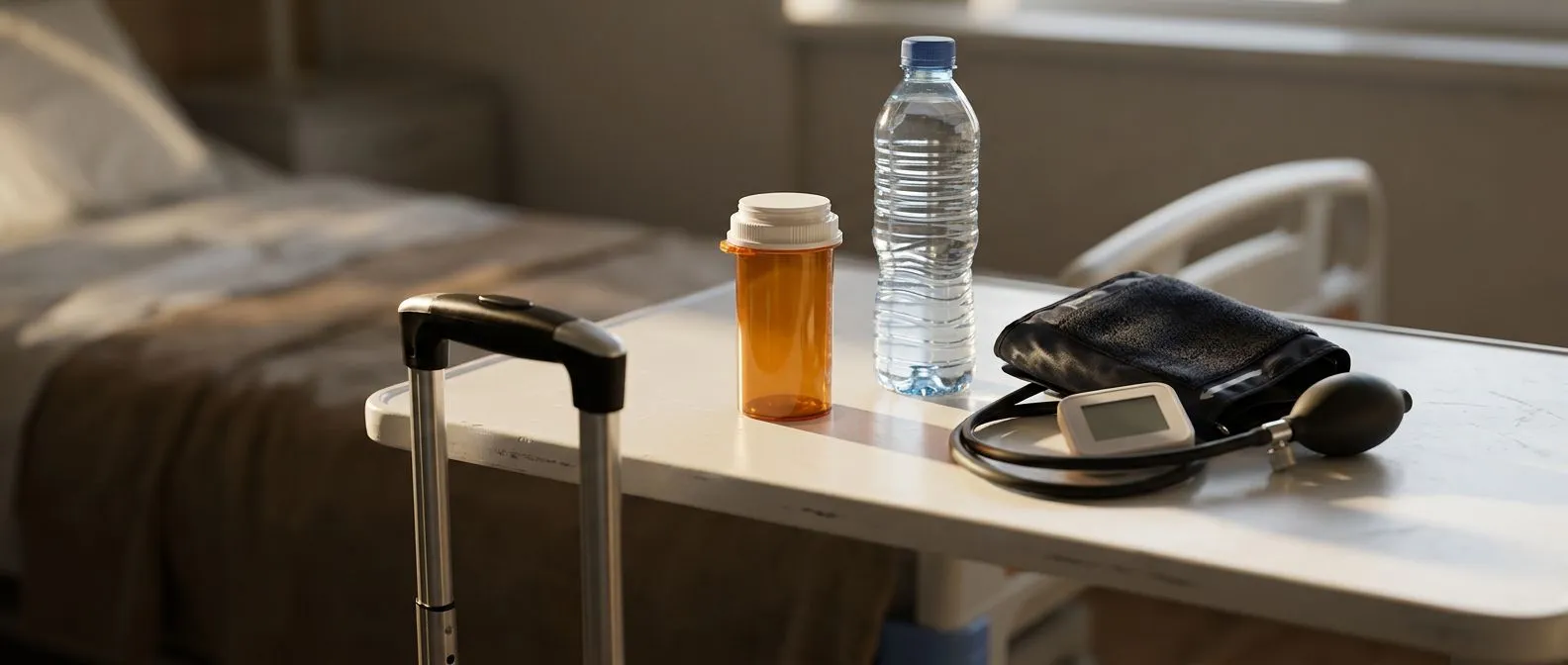
Early Mobilisation After Heart Surgery: Getting Up Safely
Early mobilisation after heart surgery helps you recover faster and safer.
Early mobilisation after heart surgery means getting out of bed and walking within the first day or two of your operation. For many patients this sounds alarming. It should not. Moving early is one of the most studied and most trusted parts of modern cardiac recovery, and it is often the difference between a slow, complicated hospital stay and a steady return to normal life.
What Is Early Mobilisation After Heart Surgery?
Early mobilisation after cardiac surgery is a planned programme of movement that starts in the intensive care unit, often within 24 hours of your operation. It does not mean running or lifting. It means small, supervised steps: turning in bed, sitting on the edge of the bed, standing with help, and taking your first walks down the corridor.
The word "early" is deliberate. Older practice kept patients in bed for days, sometimes a week, to let the chest heal. Research has since shown that prolonged bed rest does more harm than good. Muscles weaken quickly, the lungs become congested, and the risk of blood clots rises. The current standard is to move you as soon as it is safe.
What counts as "safe" is decided by your care team. They look at your blood pressure, oxygen levels, the drainage tubes in your chest, and your alertness. When those markers are stable, the first step happens. In our practice, every case is reviewed by the multidisciplinary team before we set the mobility plan, so the timing is tailored to the patient rather than to a fixed calendar.
Why Is Early Mobilisation Important?
The question "why is early mobilisation important?" has a simple answer with deep consequences. Your body responds to surgery the same way it responds to any serious injury: it goes into a protective mode. Heart rate changes, breathing becomes shallow, and muscles begin to lose strength within days of inactivity. Moving early interrupts that process.
Muscle loss happens faster than most people expect. Older adults can lose a noticeable share of muscle strength after just a few days of complete bed rest. That loss is what turns a routine recovery into a long one, because a patient who cannot walk cannot cough effectively, cannot clear their lungs, and cannot regain independence.
Frailty and pre-existing conditions shape the outcome. Large UK research using OpenSAFELY data has shown that age, obesity, frailty and other health factors strongly influence how patients fare when illness strikes the heart and lungs. Building strength back quickly after surgery is one of the few things you can actively control.
There is also a psychological benefit. Patients who walk early consistently report feeling more like themselves sooner. That confidence matters. We take the time in the consultation to explain that the first steps are the hardest part of recovery, and knowing what to expect removes much of the fear patients carry into the hospital.
When Can You Walk After Heart Surgery?
Families often ask us when to walk after heart surgery. The honest answer is: sooner than most people imagine. For many patients, the first session of sitting up on the edge of the bed happens the same day the breathing tube is removed, usually within the first day after surgery. The first supervised walk often follows within 24 to 48 hours.
How soon to move after heart surgery depends on several checkpoints. Your team will confirm that you are awake and alert, that your blood pressure and heart rhythm are stable, that chest drainage tubes are producing minimal output, and that your oxygen levels are comfortable without aggressive support. Only then does the walking begin.
Early walking after open heart surgery is always supervised. A physiotherapist or nurse stays with you, monitors how you feel, and stops the session if you become dizzy, breathless, or have chest pain. This is not a test of willpower. It is a carefully staged return to activity, one small step at a time.
It is normal to feel hesitant. Many patients describe the first walk as the hardest thing they do in hospital.
Getting Out of Bed After Heart Surgery: Step by Step
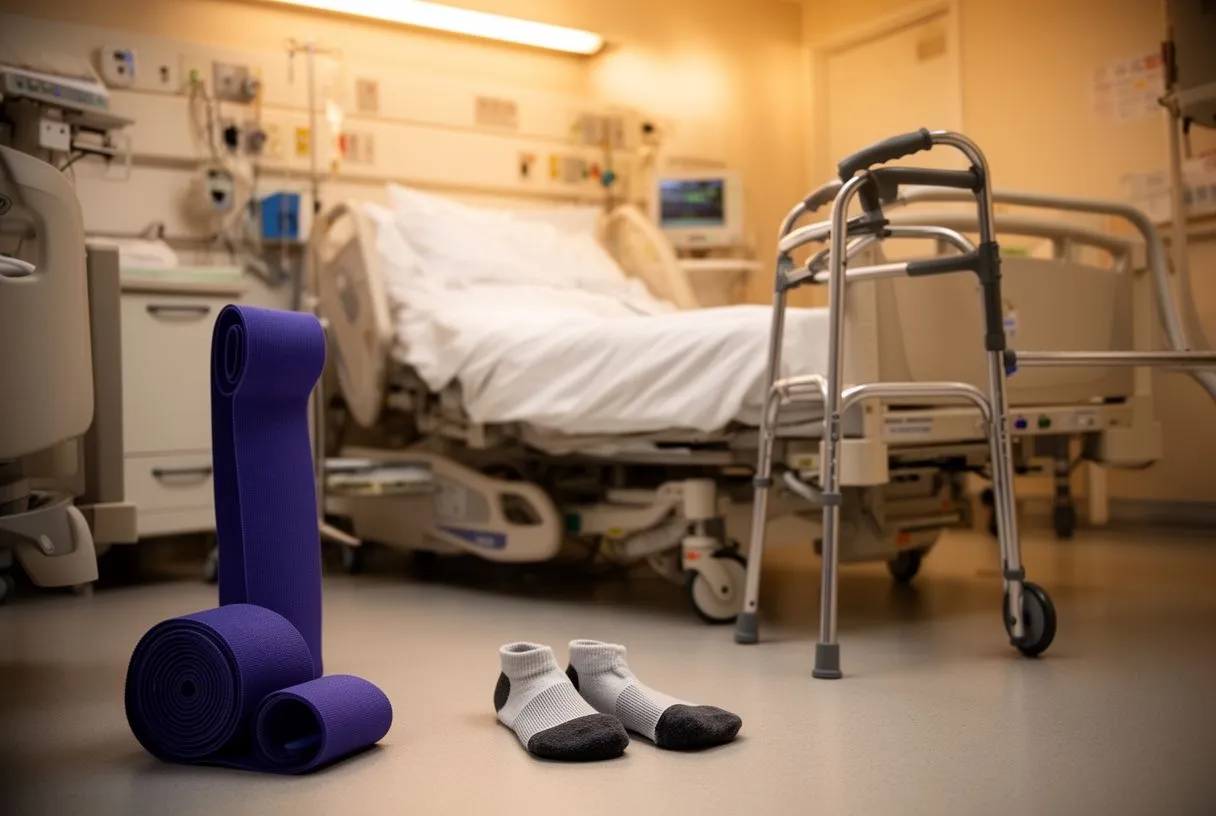
Getting out of bed after heart surgery is a skill, not a scramble. The sternum — the breastbone that was opened during surgery — is healing, and it needs protection. Nurses and physiotherapists teach a sequence, often called the "log roll", that protects the chest while you reposition.
Sitting up after heart surgery starts from the side. First, you bend your knees while keeping your shoulders and hips together. Then you roll onto your side as one unit, pushing down with your lower arm to raise yourself, and swinging your legs off the bed. This avoids pushing up directly with your arms, which would strain the chest.
Take a moment before you stand. After lying down, blood pressure can dip when you first sit up. Sit on the edge of the bed for a minute or two, let your body settle, and breathe deeply. Dizziness is a signal to stop, not something to push through.
Once you are upright, the standing part comes next. Practising this exact sequence with guidance before trying it alone helps, because a calm, correct first attempt builds confidence for the rest of recovery.
Sitting Up and Standing After Coronary Bypass
Standing after coronary bypass follows the same principles, but bypass patients often have a leg wound too, since a vein from the leg is commonly used as a graft. That means movement can be uncomfortable on both sides of the body. The discomfort is normal, and it should not stop you from moving, because movement is what helps the wounds heal.
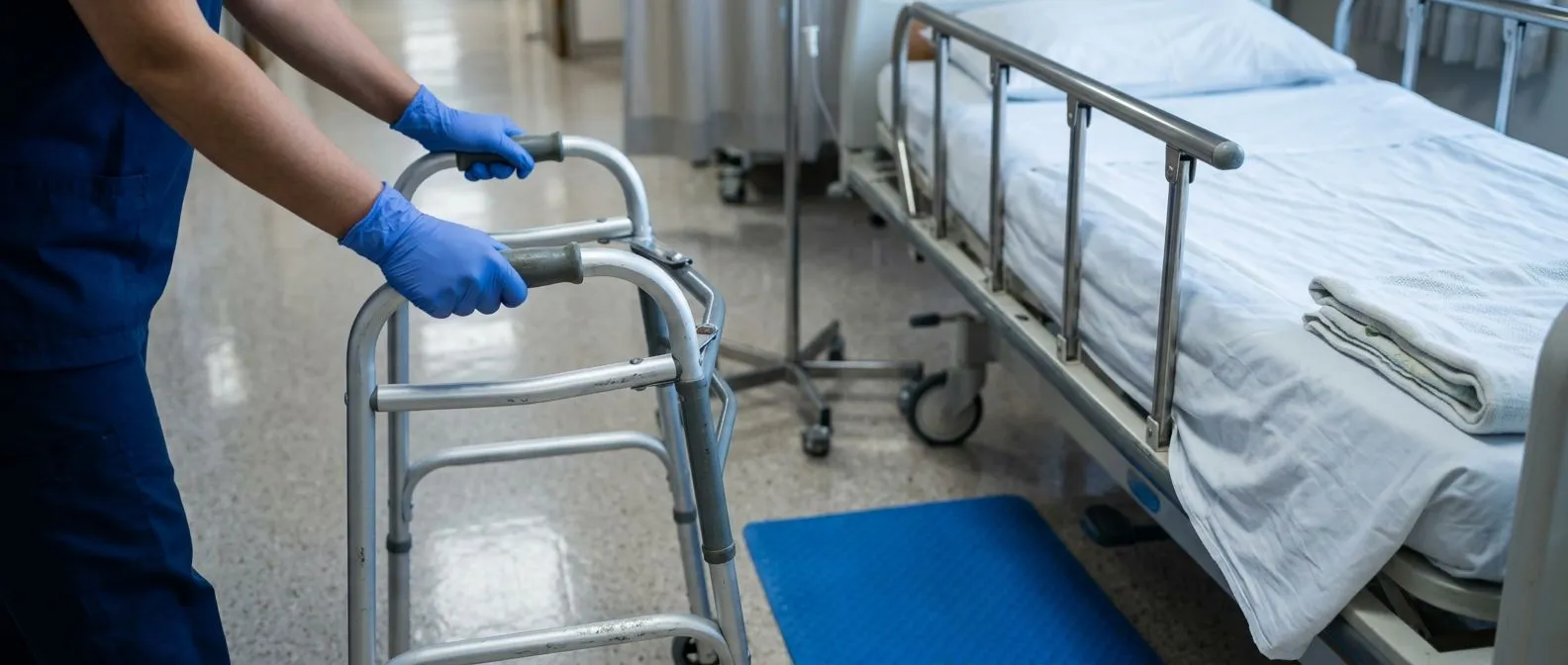
Safe movement after bypass surgery means protecting the chest and the leg. Physiotherapists will show you how to shift weight onto the leg that was not used for the graft, how to stand with a wide, stable base, and how to use a walking frame or a chair for support. The goal is steady progress, not speed.
Expect the first stand to feel strange. Your legs may feel heavy, your balance may feel off, and the incision may pull. None of this means something is wrong. It means your body has been through a major operation and is now asking for gentle, consistent activity.
Most patients find that the second and third days bring rapid improvement. We review every patient's mobility progress with the whole team against international practice guidelines, so if something is not progressing as it should, we identify it early rather than late.
Heart Surgery Bed Exercises You Can Do on Day One
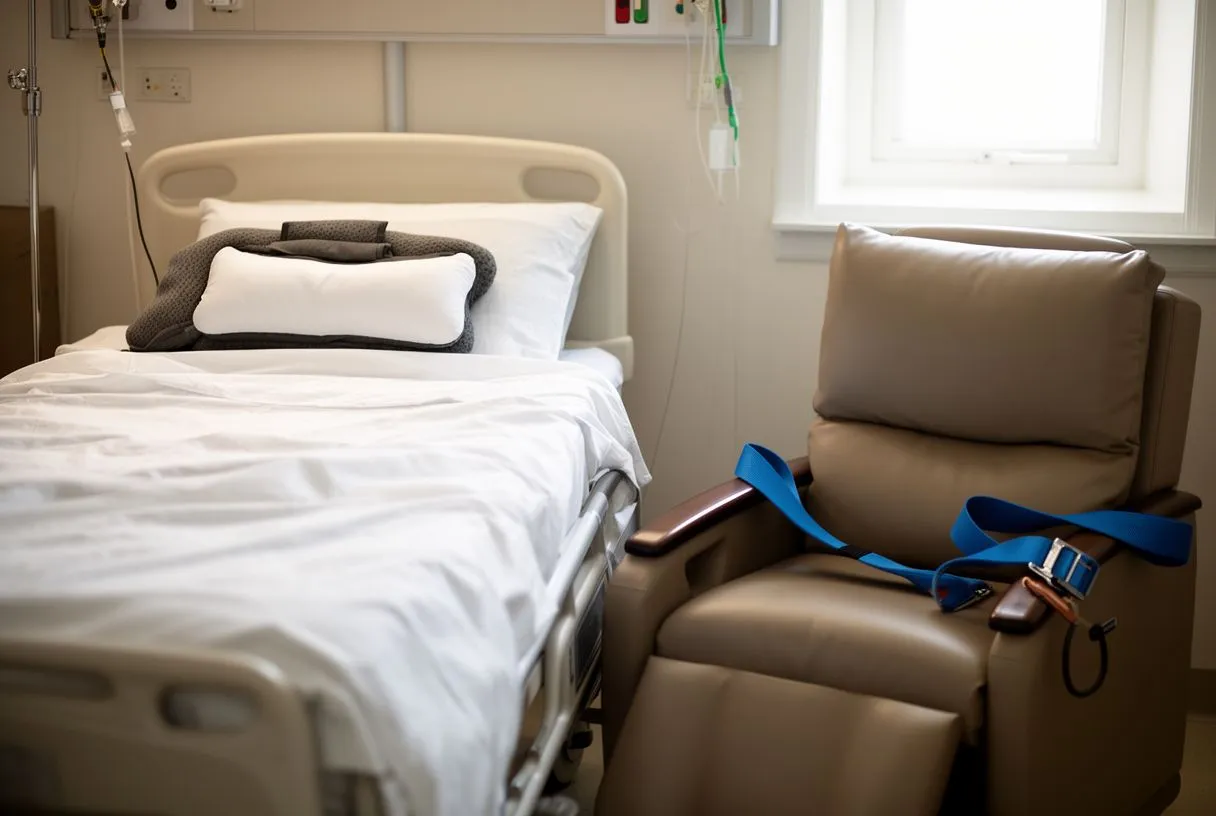
Heart surgery bed exercises exist for the hours when you cannot yet walk. They keep blood moving, protect your lungs, and stop joints from stiffening. Your physiotherapist will teach them, and you can then repeat them between visits. They are simple, and they matter more than they look.
- Ankle pumps: point your toes toward your feet and up toward your knees, ten times each hour. This keeps blood flowing in your legs and is a key part of preventing blood clots after heart surgery.
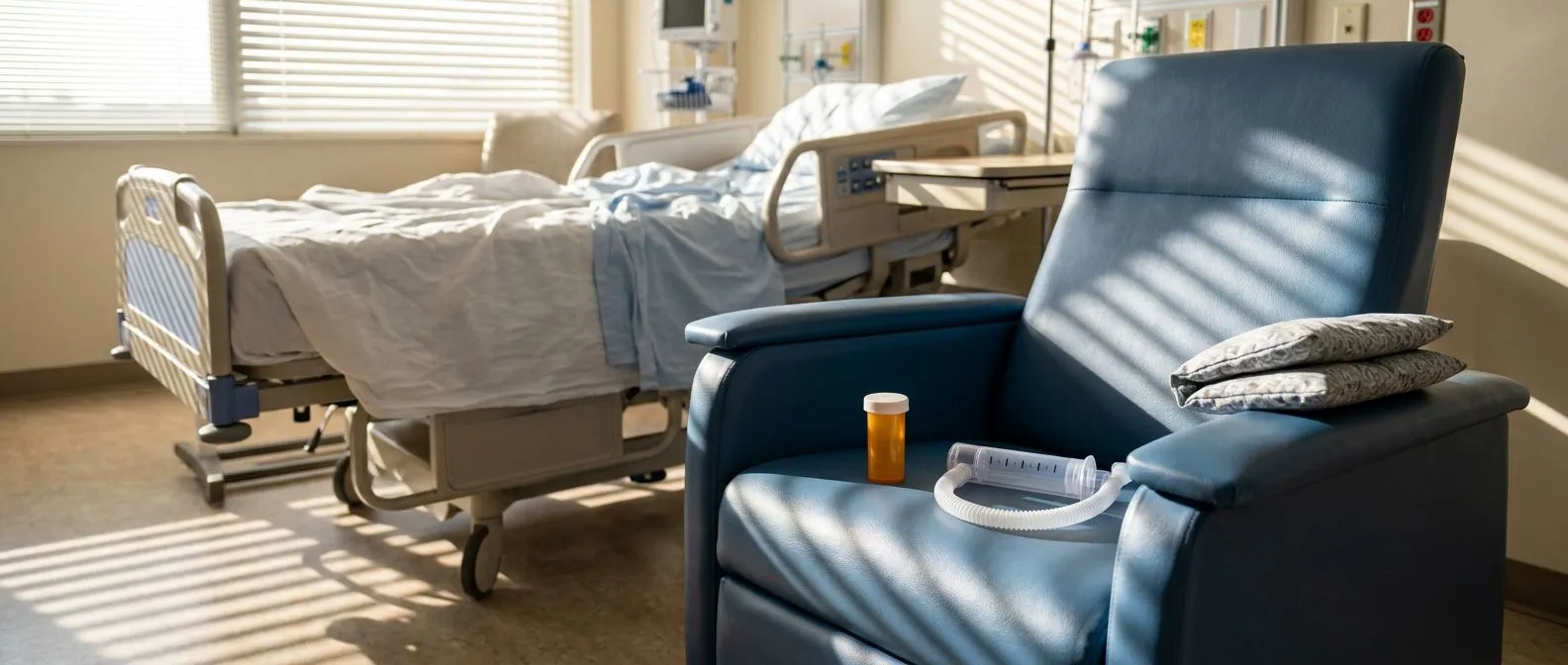
- Deep breathing: breathe in slowly through your nose, hold briefly, then breathe out. Some hospitals give you a device called an incentive spirometer to guide this.
- Gentle arm circles: small, slow shoulder movements that keep the upper body mobile without straining the sternum.
Bed exercises are not a substitute for walking, but they bridge the gap. Hospital mobility after a cardiac procedure is built on exactly this layering: movement in bed first, then sitting, then standing, then walking. We encourage patients to practise these exercises before surgery where possible, because patients who already know the routine start recovering faster on the other side.
Sternal Precautions When Walking
The breastbone takes roughly six to eight weeks to knit back together. That is why sternal precautions when walking are so important. These are rules that protect the healing bone while you become active again.
The classic precautions are easy to remember. Avoid lifting, pushing or pulling anything heavier than a small bottle of water with both hands. Avoid using your arms to push yourself out of bed. Avoid driving until your surgeon clears you. Avoid sudden twisting or reaching overhead in the first weeks.
- Use your legs, not your arms: roll to your side to get out of bed, and push up from chairs using your legs.
- Hold a pillow over the chest: many patients find hugging a small pillow against the sternum reduces discomfort when walking or coughing.
- Build distance gradually: start with a short corridor walk, then extend a little each day as your team allows.
These precautions feel restrictive at first. They are temporary. In our consultations we explain exactly which sternal precautions apply to each patient's specific operation, because the rules differ between a sternotomy, a minimally invasive incision and a transcatheter procedure.
Preventing Blood Clots and Reducing Pneumonia After Heart Surgery
The two most common complications after heart surgery are blood clots in the legs — which can travel to the lungs — and chest infections. Early mobilisation is the main defence against both. This is not a theory. It is the reason hospitals changed their whole approach to post-operative care.
Preventing blood clots after heart surgery relies on leg movement. When the calf muscles contract, they pump blood back toward the heart. Lying still for days lets blood pool. Ankle pumps, early walking, and compression stockings work together to keep circulation moving. Your team may also prescribe blood-thinning medication.
Reducing pneumonia after heart surgery starts with breathing. Shallow breathing after surgery lets fluid and mucus sit in the lower lungs. Deep breathing exercises, coughing with a pillow pressed against the chest, and simply sitting upright all help the lungs clear. Walking upright is the most powerful lung exercise there is.
Neither complication announces itself loudly at first. Watch for swelling, redness or pain in one calf, or new fever, breathlessness, or chest pain. Legs and lungs are usually checked during recovery, and patients should know exactly which warning signs mean they should seek care rather than wait.
Cardiac Rehabilitation Early Phase: Physical Therapy After Heart Surgery
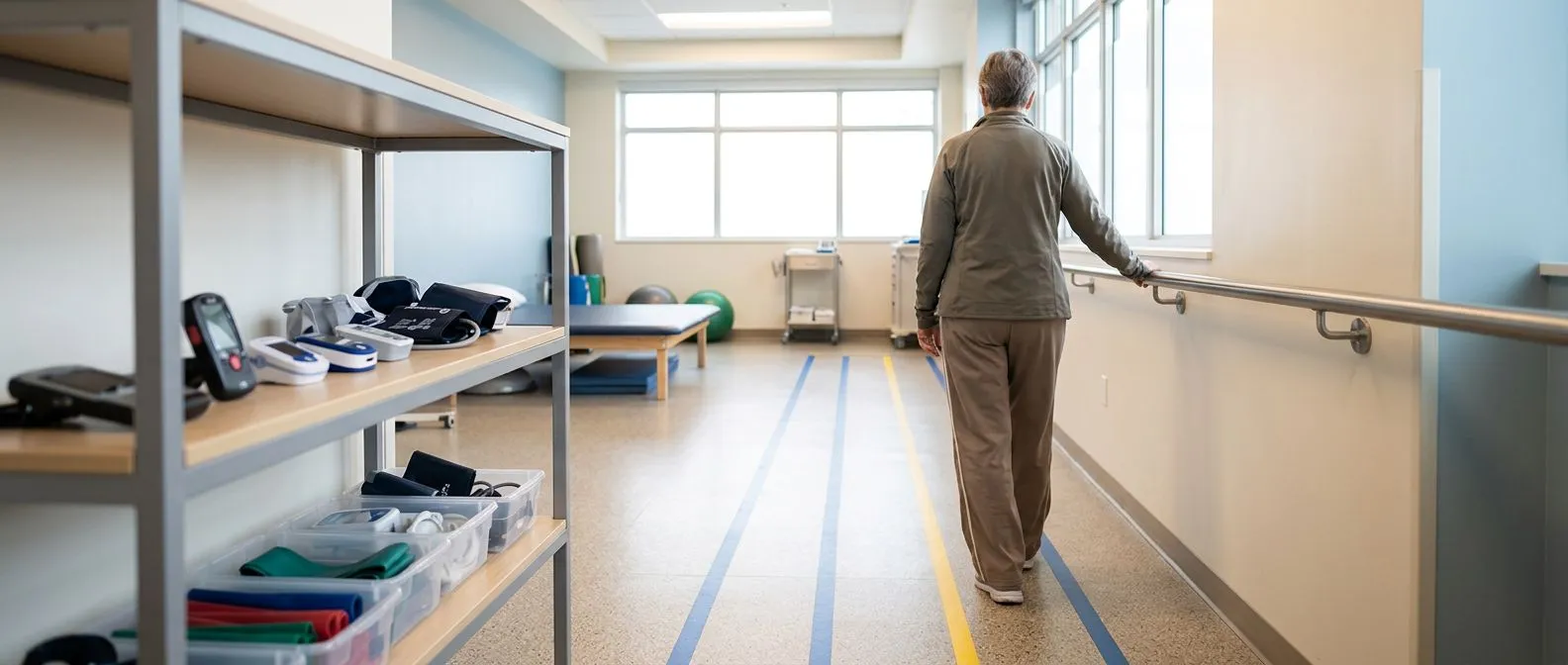
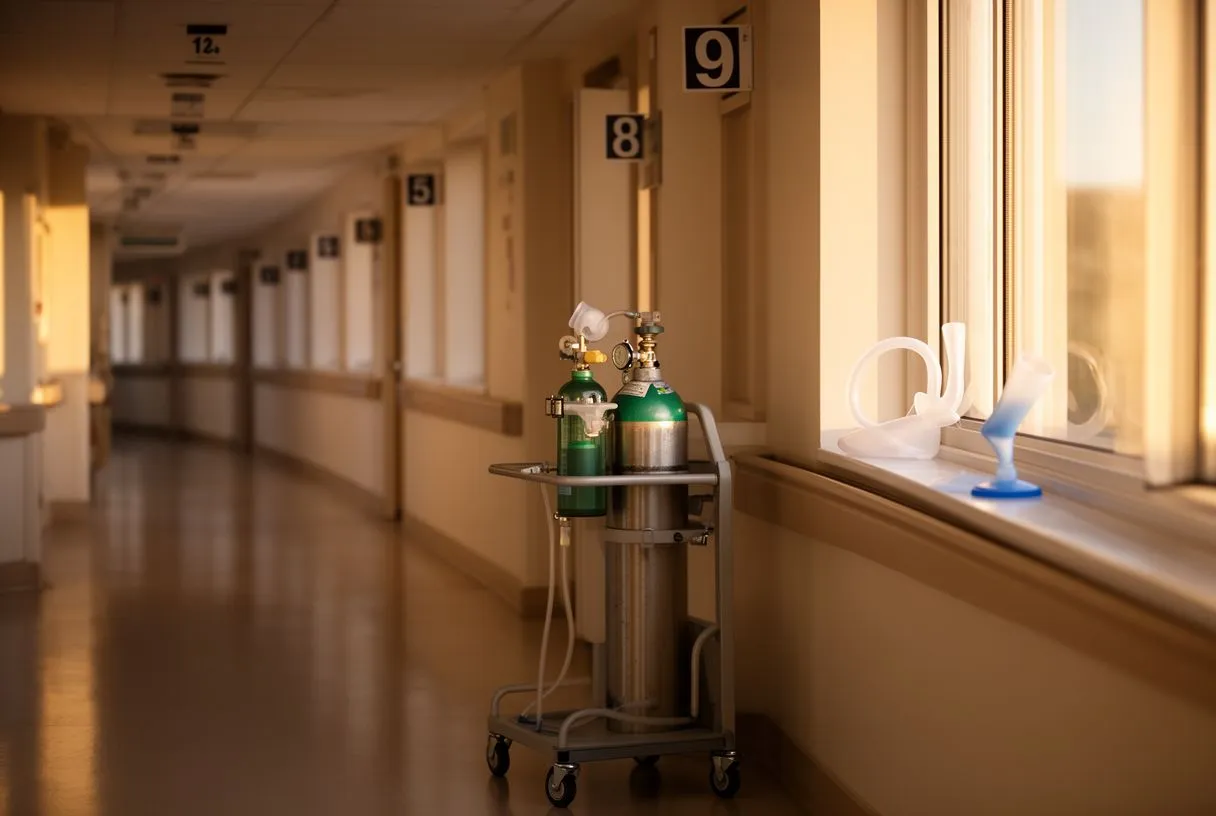
Physical therapy after heart surgery does not end when you leave hospital. It continues in a structured programme called cardiac rehabilitation, which many guidelines recommend for almost every patient who has had cardiac surgery or a cardiac event. The early phase of cardiac rehabilitation is where long-term recovery is built.
The programme has stages. Phase one happens in hospital: those first bed exercises and corridor walks. Phase two begins after discharge, usually as supervised, monitored exercise sessions a few times a week. Phase three and beyond are the maintenance phase, where you learn to exercise safely for life.
Each session is monitored. Your heart rate, blood pressure, and oxygen levels are checked before, during and after exercise. The intensity is deliberately low at first and increases as your body adapts. Patients recovering from valve disease, bypass surgery or structural heart procedures follow the same principle, adjusted to their condition.
Rehabilitation is also education. It covers diet, medication, stress management, and how to recognise warning signs. A structured cardiac rehabilitation programme is recommended for most suitable patients after surgery.
Returning to Daily Activities After Heart Surgery
Returning to daily activities after heart surgery is a gradual process, and the heart surgery recovery timeline for mobility follows a fairly predictable rhythm. Knowing it in advance helps patients pace themselves and avoid both overdoing it and underdoing it.
In the first two weeks, focus on walking and light tasks. Daily walks, preparing simple meals, showering with care, and short visits from family are all appropriate. Avoid driving, lifting, and anything that strains the chest. Sleep elevated or on your side; the best position to sleep after heart surgery is usually on your back with your head raised, or on your side with a pillow for support.
From weeks two to six, activity expands. Most patients can drive when their surgeon clears them, return to office work, and walk progressively longer distances. Heavy lifting and strenuous exercise wait until the sternum has healed, typically around the six to eight week mark, confirmed by your surgical team.
By three months, most patients feel substantially back to normal, and many feel better than before surgery. Mapping out this timeline before discharge helps both the patient and their family know what to expect at each stage.
One thing worth remembering: if your heart condition is aortic valve disease, the screening that caught it matters as much as the surgery itself. Community screening programmes, including a study registered with the ClinicalTrials.gov database that detected aortic stenosis during flu vaccination visits, show how simple checks can catch valve disease before it becomes urgent. Early detection and early recovery both follow the same principle: act sooner, and outcomes improve.
Conclusion: Moving Early, Moving Safely
Early mobilisation after heart surgery is not a bonus or a luxury. It is the foundation of your recovery. It lowers the risk of clots and pneumonia, protects your strength, and shortens the road back to independence. The rules are simple: move early, move often, protect the chest, and follow the team that is guiding you.
If you are facing heart surgery, or you are recovering from one, talk to a qualified cardiac team about your own mobility plan rather than guessing. Our first contact is a free video consultation where we get to know the patient, explain the condition, and map out which studies are genuinely needed — and we always encourage second opinions, because a decision about heart surgery should be made with confidence.