Enoxaparin Injections Before and After Surgery
Enoxaparin before surgery protects heart patients from clots.
If you or a family member are preparing for heart surgery, you may already have heard the word enoxaparin. Understanding enoxaparin before surgery is one of the most practical things a patient can do, because this injectable blood thinner is often part of the plan both before and after an operation. It sits at the center of anticoagulant management in cardiac surgery, and timing it well protects you from clots without raising bleeding risk on the day of your operation. This guide walks through what the medication does, how it is injected, when it is paused, and what recovery looks like, in plain language.
What Is Enoxaparin and Why Is It Given Before Surgery?
A preventive medicine, not a cure. Enoxaparin is a low molecular weight heparin, a family of medications that keeps blood from clotting too easily. It does not dissolve clots that already exist; its job is to stop new ones from forming. For patients waiting for heart surgery, that matters because many cardiac conditions — atrial fibrillation, mechanical valves, recent stents, or reduced heart function — already raise the risk of a stroke or clot.
Why surgery raises the stakes. An operation adds two clot risks at once. The body's natural response to tissue injury is to become more clot-prone, and lying still during recovery slows blood flow in the legs. That combination is why preoperative enoxaparin guidelines exist: the medication covers the high-risk waiting period, then is timed so its strongest effect does not overlap with the incision.
Part of a larger plan. Enoxaparin is never a decision on its own. It is one piece of a plan that includes your diagnosis, the operation planned, and any other blood thinner before heart surgery you may already be taking. In our practice, every case is reviewed by the multidisciplinary team against international practice guidelines before a recommendation is made, and the patient receives a clear proposal with the alternatives, the final decision always remaining theirs.
How Enoxaparin Works to Prevent Blood Clots
The clotting cascade in simple terms. Blood clotting is a chain reaction. When a vessel is injured, proteins in the plasma activate one another in sequence, ending in thrombin, which converts fibrinogen into the mesh that holds a clot together. Enoxaparin steps in early in that chain by accelerating antithrombin, a natural clot-blocking protein, which then disables factor Xa and, to a lesser degree, thrombin.
What breaks up blood clots fast? Patients often ask this, and the honest answer is that a class of medications called fibrinolytics — sometimes called clot busters — can dissolve clots quickly in emergencies such as a large pulmonary embolism or an ongoing heart attack. These are different from enoxaparin and are reserved for true emergencies, because fast clot-dissolving also carries real bleeding risk. Enoxaparin's role is quieter: it prevents the clot from forming in the first place, which is far safer for a surgical patient.
Why "low molecular weight" matters. Enoxaparin is made by cutting unfractionated heparin into shorter chains. The shorter chains act predictably, which means a standard weight-based dose produces a reliable effect without frequent blood tests. That predictability is exactly why low molecular weight heparin surgery protocols favor it for home use and outpatient care.
Enoxaparin Injection Protocol: How Is It Injected?
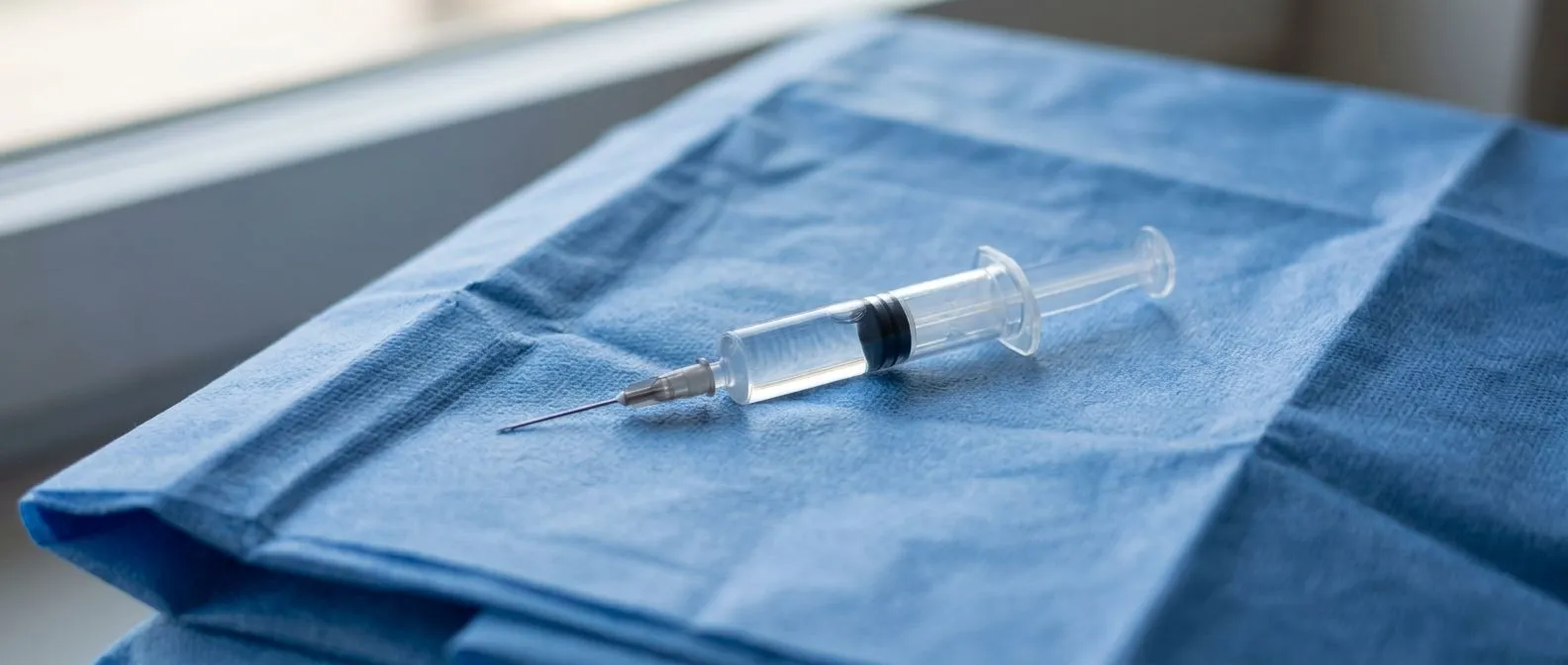
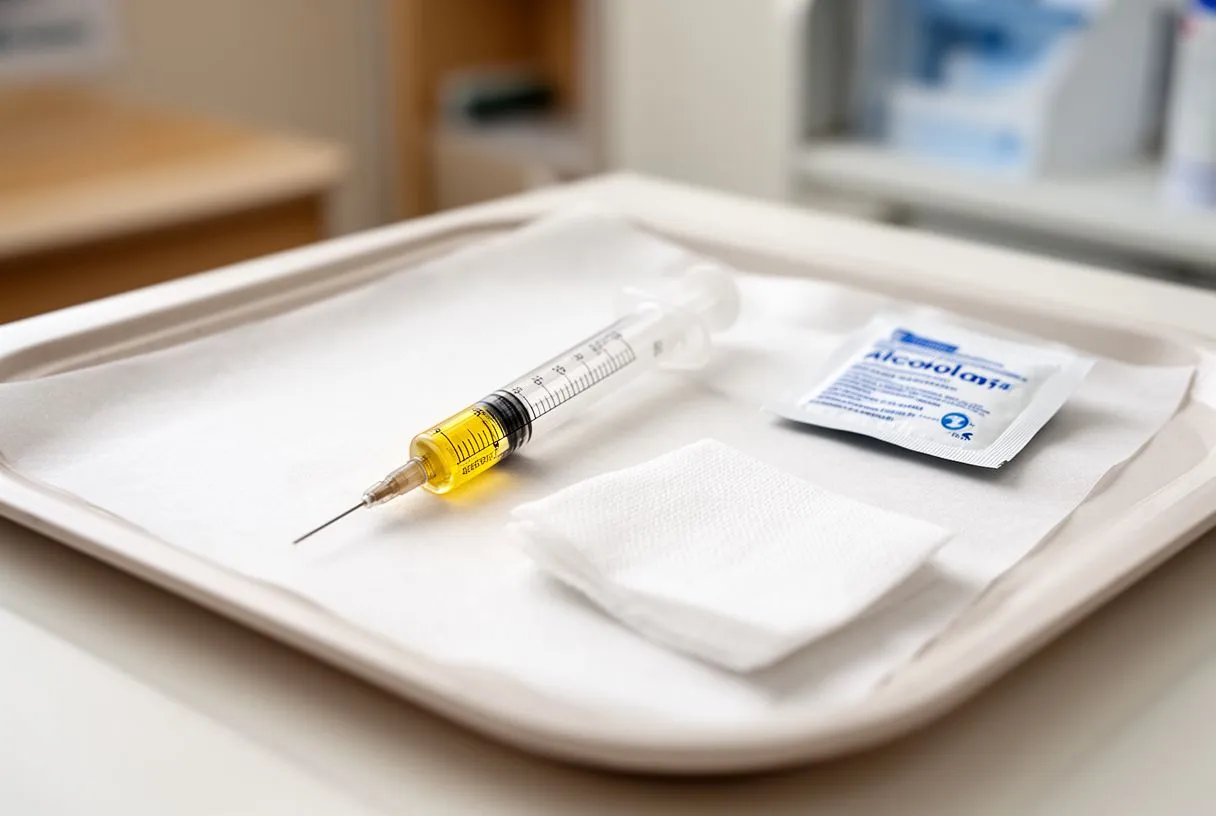
The injection itself. Enoxaparin comes pre-filled in a small syringe with a very fine needle. It is injected under the skin — subcutaneously — not into a muscle or vein. Most patients learn to give it to themselves, and the technique is straightforward once a nurse has shown you. Many people say the anticipation is worse than the injection.
The standard steps. A typical enoxaparin injection protocol looks like this:
- Wash hands and check the syringe dose and expiry date.
- Choose the site: the abdomen, at least two fingers' width away from the navel, alternating left and right sides each time.
- Pinch a fold of skin gently and keep it pinched throughout the injection.
- Inject slowly at a 90-degree angle, then withdraw the needle straight out.
- Dispose of the syringe in a approved sharps container — never in household trash.
Small habits that reduce bruising. Do not rub the site afterward; rubbing spreads the medication under the skin and increases bruising. Rotate sites with every dose, and avoid areas with existing bruises or scars. A small bruise or a firm little lump at the injection site is common and usually harmless, but if a site becomes hot, painful, or swollen, tell your medical team.
Practical rhythm. Doses are usually given once or twice a day, at the same times each day. Setting phone alarms helps enormously in the first weeks. Missing a dose does not cause an emergency, but you should take it as soon as you remember and tell your team rather than doubling up.
When to Stop Enoxaparin Before Surgery
The general rule. Because enoxaparin's anticoagulant effect lasts roughly 12 hours, the usual instruction is to hold it about 24 hours before surgery for prophylactic doses, and about 24 hours for a twice-daily therapeutic dose as well — with the timing decided case by case. Stopping enoxaparin before bypass or valve surgery always follows a written plan from your surgeon and cardiologist, never a general rule from the internet. If you take a therapeutic dose twice a day, some teams ask you to skip two doses; if once a day, they may move your dose earlier the day before.
Why precision matters. If the medication is still active when the incision is made, bleeding during and after the operation increases. If it is stopped too early, the clot risk you were being protected from returns. Enoxaparin and surgery timing is therefore a balance, and it depends on the dose you take, your kidney function, and how high your individual clot risk is.
In our consultations we take the time to explain exactly when each patient should take their last dose, in plain words, and we answer every question before any decision is made — patients should never arrive at surgery guessing about their medication.
Enoxaparin Bridging Therapy Before Heart Surgery
What "bridging" means. Enoxaparin bridging therapy is a technique for patients who take a long-term oral anticoagulant, most often warfarin. Warfarin must be stopped about five days before surgery because its effect fades slowly. That leaves a window when the patient is under-protected, so a fast-acting injectable such as enoxaparin is used as a bridge — covering the gap until the oral medication is paused, then restarting it once bleeding risk has settled after the operation.
When bridging is actually needed. Not everyone who takes warfarin needs a bridge. The decision rests on how high your clot risk is: a mechanical mitral valve, a recent stroke, or a recent clot in the legs or lungs usually justifies bridging; many patients with atrial fibrillation at lower risk do not need it. Over-bridging adds bleeding risk without adding protection, so the assessment has to be individual.
What the schedule looks like. A typical enoxaparin bridging protocol cardiology teams use runs like this: warfarin stops five days before surgery, enoxaparin injections begin about three days before, the last injection is 24 hours before the operation, and both warfarin and enoxaparin resume a few days afterward once surgical bleeding is controlled. Your own team will adjust this schedule to your specific situation, and you should leave the consultation with the dates written down.
Our team reviews each bridging plan together before the patient receives a proposal, because a plan that is right for one heart patient can be wrong for the next.
Enoxaparin vs Heparin: Which Blood Thinner Is Used When?
Two forms of the same family. Unfractionated heparin and enoxaparin both work through antithrombin, but they behave differently. When deciding between heparin vs enoxaparin, teams weigh three practical differences:
- Duration: unfractionated heparin lasts minutes to hours and is given by continuous IV drip; enoxaparin lasts about 12 hours under the skin.
- Monitoring: heparin requires regular blood tests to check its effect; enoxaparin usually does not, except in kidney disease, obesity, or pregnancy.
- Reversibility: because IV heparin fades so quickly, it is the standard choice in the operating room and on the heart-lung machine during bypass, where rapid control of anticoagulation is essential.
How this plays out for a cardiac patient. A common pattern is enoxaparin at home before admission, a switch to IV heparin in the hospital in the days leading to surgery, then careful management on the day of the operation. Research published in the Circulation journal family has long shaped how anticoagulation is managed around cardiac procedures, and guidelines from the cardiology societies are built on that evidence.
Is Enoxaparin the Same as Clexane?
Yes — different names, same molecule. One of the most frequent questions we hear is whether enoxaparin and Clexane are the same thing. They are. Clexane is the brand name used in Europe, Latin America, and many other regions, while Lovenox is the brand name used in the United States. The active ingredient in both is enoxaparin sodium, produced by the same manufacturing process, so the dose and effect are identical.
Why the confusion matters for travelers. This matters for international patients. Someone treated in Canada on Lovenox who comes to Mexico for surgery may be prescribed Clexane locally and worry the medication has changed. It has not — only the label has. The same applies to generic enoxaparin, which is widely available and must meet the same standards.
What to double-check. What does vary between countries is the syringe presentation and concentration, so always confirm the dose in milligrams with your team before starting a new supply abroad. If you travel for surgery, bring your medication record and the actual boxes to your preoperative visit so the doses can be verified directly.
Enoxaparin After Surgery and During Recovery
Restarting is a staged process. Enoxaparin after surgery usually does not begin immediately. On the day of the operation your anticoagulation is deliberately minimal to allow clotting at the surgical site. In the days that follow, your team restarts anticoagulation gradually — often first as low prophylactic doses of enoxaparin, then stepping up to your therapeutic regimen once drains are removed and surgical bleeding is controlled.
Why the sequence matters. The first 48 to 72 hours after cardiac surgery are a careful negotiation between two opposite risks: bleeding from the operated heart, and clotting in the slowing circulation. Restarting too aggressively can cause bleeding around the heart or in the chest; restarting too cautiously can allow clots. This is where anticoagulant management in cardiac surgery shows its real value, and where an experienced team earns its role.
After surgery, drainage volumes, blood counts and kidney function are usually checked before dose adjustments, and you should expect a plain explanation whenever the plan changes.
Going home on injections. Many patients leave the hospital still needing enoxaparin for a period — sometimes weeks — before switching back to an oral anticoagulant or stopping altogether. This is normal and not a sign that something went wrong. A study published in the Al Mustansiriyah Journal of Pharmaceutical Sciences found that involving a pharmacist in medication follow-up measurably improved adherence and clinical outcomes after acute coronary events, which underlines a simple point: patients who understand their medication schedule take it correctly more often.
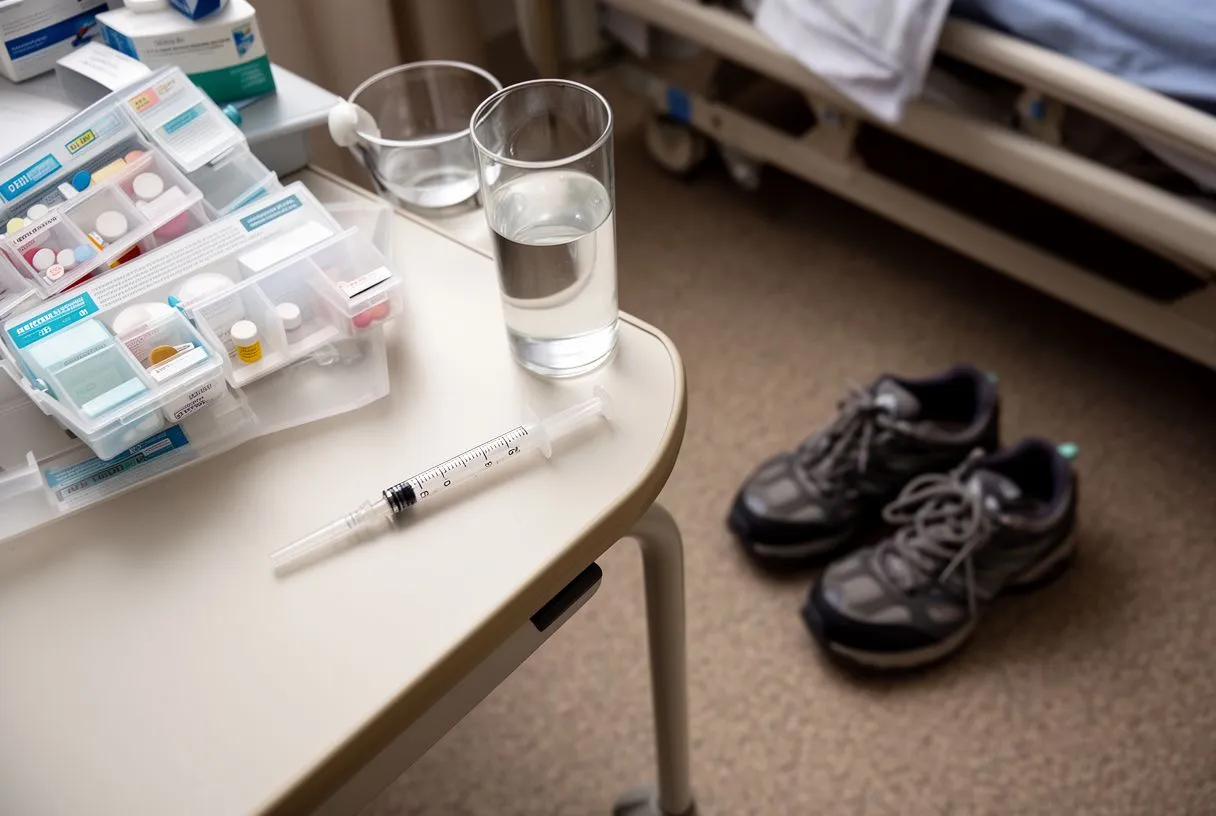
Recovery rhythm at home. Continue injections at the same times daily, keep the injection sites rotating, and watch for the warning signs listed below. Plan follow-up blood tests if your team requests them, and keep every appointment — the recovery room and early discharge period are where most medication adjustments happen. Many patients find that by the second week the injections feel routine, and the first question at follow-up is usually when they can stop.
Enoxaparin DVT Prevention and Safety in Cardiac Patients
What it prevents. The core purpose of enoxaparin DVT prevention surgery protocols is stopping deep vein thrombosis — a clot forming in the deep veins of the legs — and the far more dangerous event it can trigger: a pulmonary embolism, where part of the clot travels to the lungs. For patients who cannot walk much after cardiac surgery, this protection is one of the most important parts of the recovery plan.
Common side effects. Most patients tolerate enoxaparin well. Expect some bruising at injection sites. Mild bleeding such as bleeding gums when brushing, small nosebleeds, or slightly heavier bruising elsewhere can occur. These are usually manageable, but they should still be mentioned at follow-up, especially if they increase.
Warning signs that need urgent attention. Call your medical team or seek emergency care promptly for any of these:
- Bleeding that will not stop from any wound, or blood in urine or stool.
- Sudden shortness of breath or chest pain that is new or worsening.
- A painful, swollen, warm calf or thigh on one side only — a possible DVT.
- Severe headache, confusion, or vision changes — possible internal bleeding.
Kidney function and dosing. Because enoxaparin is cleared by the kidneys, patients with reduced kidney function need adjusted doses, sometimes with blood monitoring. This is one reason your team orders blood tests before and during treatment rather than dosing by habit. The full prescribing details for enoxaparin sodium are published by regulators such as the DailyMed label database, and your team applies those standards to your individual case.
Questions to Ask Your Cardiac Team About Enoxaparin
Bring a list to your consultation. Blood thinner coordination is one of the areas where patients benefit most from asking questions directly. Useful questions include: Do I need enoxaparin before surgery, and if so for how long? Do I need bridging therapy, or can I simply pause my current anticoagulant? Exactly when should my last dose be? What dose will I take after surgery, and when does it stop? Should any of my other medications be adjusted around it?
Choosing the right team matters. The quality of your outcome depends heavily on the team that coordinates these details. We are a multidisciplinary team of cardiac surgeons led by Dr Alejandro Molina, with consulting rooms in Guadalajara, Querétaro and Hermosillo, and our work covers valve disease, coronary disease, the aorta and structural heart conditions — we perform conventional, minimally invasive, robotic and transcatheter procedures, and we recommend the less invasive route only where the evidence supports it for that patient. Every plan, including medication timing, is reviewed against international practice guidelines before a recommendation is made.
How a consultation works with us. The first contact is a free video consultation: we get to know the patient, talk through the condition, and say which studies are still needed so no unnecessary ones are ordered; a face-to-face visit at the consulting rooms follows when the patient decides to go ahead. We also encourage second opinions and treat seeking one as a normal part of deciding about heart surgery — a well-informed patient makes the safest decisions about medication and operation alike.

The takeaway. Enoxaparin before surgery is one of the most studied and most routine parts of modern cardiac care: a preventive injection that protects you from clots while your team times its pause and restart around your operation. If you are facing heart surgery and are unsure how your blood thinners will be managed, discuss your own situation with a qualified cardiac team and book a consultation rather than trying to work it out alone.