

Extubation After Heart Surgery: Breathing on Your Own
Extubation after heart surgery is when the breathing tube comes out and recovery truly begins.
What Is Extubation After Heart Surgery?
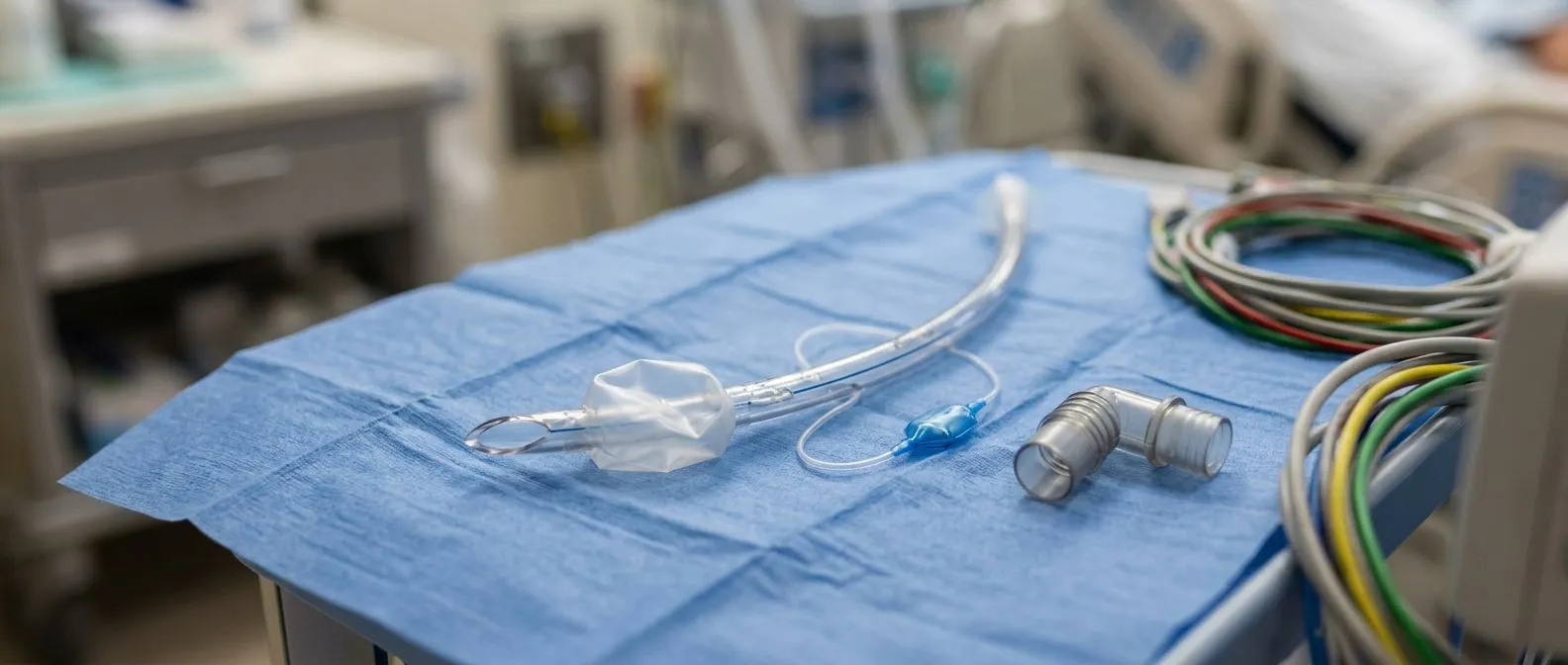
Extubation after heart surgery is the moment the breathing tube is removed and you begin breathing on your own again. For families waiting outside the operating room, this milestone carries enormous emotional weight — it signals that the most critical phase of surgery is over and your loved one is transitioning toward recovery. The tube, formally called an endotracheal tube, was placed while you were under general anaesthesia to keep your airway open and allow the ventilator to push oxygen into your lungs while your heart was still or being supported by the bypass machine.
The decision to remove this tube is never rushed. Your cardiac surgery team — including the anaesthetist, intensivist, and respiratory therapist — evaluates multiple parameters before acting. They want to confirm that your heart is pumping effectively, your blood pressure is stable, and there is no significant bleeding from the surgical site. Only when these conditions align does extubation become the safe next step, not a minute sooner.
Understanding this process helps families manage anxiety during the hours after surgery. The breathing tube is not a sign that something has gone wrong; it is a standard part of cardiac surgical care. Knowing what to expect, how long the tube typically stays in, and what happens immediately after removal can transform a frightening wait into a more informed vigil.
When Is Breathing Tube Removal Done After Cardiac Surgery?
Timing varies depending on the type of procedure, your overall health, and how your body responds in the immediate postoperative period. In many modern cardiac surgery programmes, the goal is early extubation — removing the tube within four to six hours of arriving in the intensive care unit — provided you meet clinical criteria. This approach, often called fast-track cardiac anaesthesia, reduces the time spent on the ventilator and can lower the risk of ventilator-associated complications such as pneumonia and airway injury.
However, early extubation is not appropriate for everyone. Patients who undergo more complex procedures — such as combined valve and bypass surgery, or surgery involving the Ascending Aorta — may require longer ventilator support. Your surgical team assesses factors such as blood gas values, core temperature, and the need for ongoing circulatory support before making this decision. According to data compiled by the National Center for Biotechnology Information, prolonged mechanical ventilation after cardiac surgery is associated with increased ICU stays and higher complication rates, which is why teams aim to wean patients as soon as safely possible.
For families, the key message is that there is no single timeline that applies to every patient. Some patients are extubated within hours; others need a day or more of ventilator support. What matters is that the decision is individualised, guided by measurable criteria rather than an arbitrary clock. If your loved one remains intubated longer than you expected, ask the ICU team what specific thresholds they are waiting to see before removing the tube.
How Does Mechanical Ventilation Work After Bypass?
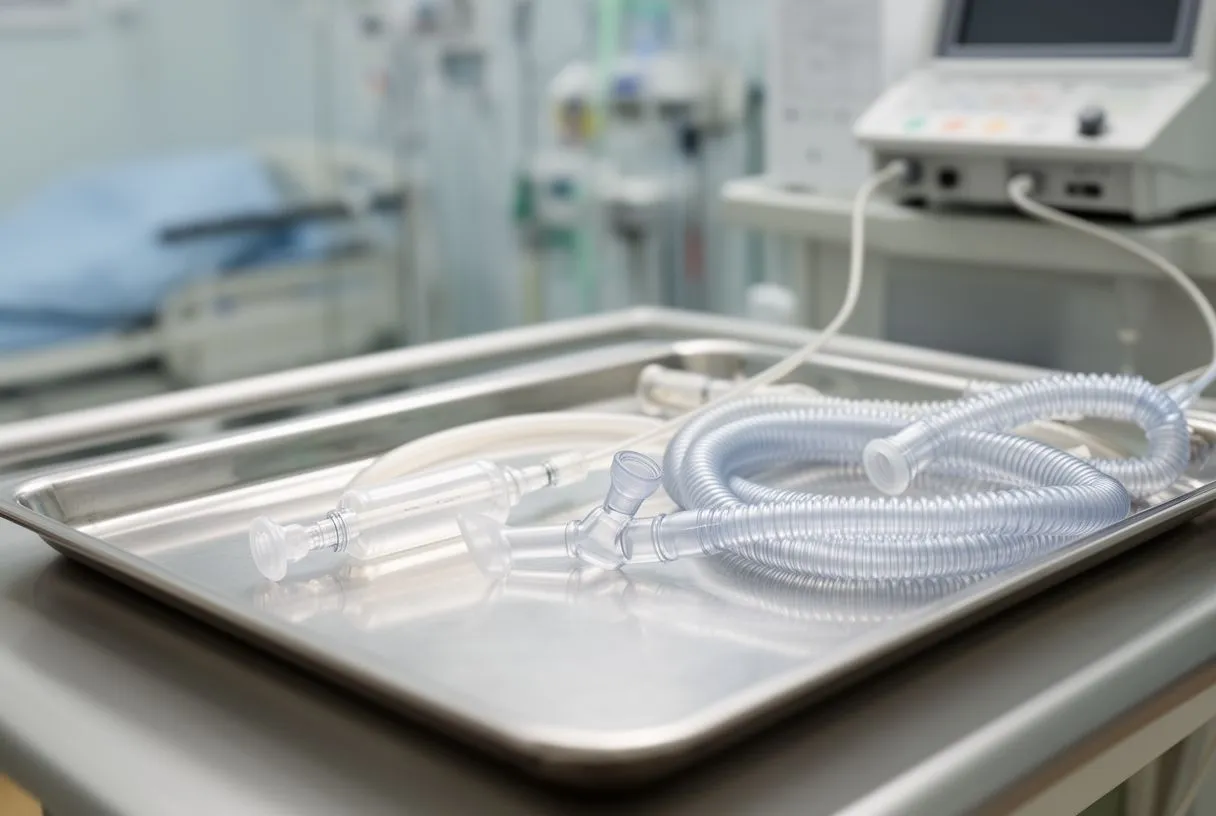
During cardiac surgery, the ventilator takes over the work of breathing while you are under anaesthesia. The machine delivers precisely controlled amounts of oxygen and anaesthetic gas through the endotracheal tube, maintaining your blood oxygen levels while surgeons operate on a still or supported heart. When cardiopulmonary bypass is used, an Arterial Cannula and venous cannula redirect your blood through the heart-lung machine, which oxygenates it outside the body — the ventilator continues working in parallel to keep the lungs inflated and protect delicate lung tissue.
Once surgery is complete and you are transferred to the ICU, the ventilator settings are gradually adjusted. Rather than the machine fully controlling each breath, the team shifts to a support mode where you may begin triggering your own breaths. This transition is called weaning, and it is a critical bridge between full mechanical ventilation and independent breathing. Sedation medications are reduced so that your natural respiratory drive can re-emerge without the suppressive effects of anaesthetic agents.
A spontaneous breathing trial often follows, where the ventilator provides minimal support or simply supplies humidified oxygen while you do the work of breathing yourself. If you tolerate this trial — meaning your oxygen levels remain adequate, your breathing rate is comfortable, and your blood gases are stable — the team proceeds to extubation. If not, they return you to fuller ventilator support and try again later, sometimes within hours.
What Are the Criteria for Extubation After Heart Surgery?
Extubation is guided by a structured set of criteria rather than a single measurement. Your ICU team looks at whether you are awake enough to protect your own airway, whether your cough reflex is strong, and whether your breathing rate, oxygen saturation, and carbon dioxide levels fall within safe ranges. Blood pressure must be stable without excessive medication, and there should be no evidence of ongoing bleeding that might require a return to the operating theatre.
Researchers have studied extubation outcomes extensively in the cardiac surgery population. Findings referenced in Transcatheter Aortic-Valve Implantation for Aortic Stenosis in Patients Who Cannot Undergo Surgery highlight how respiratory recovery patterns differ depending on procedural complexity and baseline lung function. The evidence underscores that extubation readiness is multifactorial — no single number determines the answer, and the team weighs respiratory, cardiac, and neurological factors together.
Below is a summary of the key criteria your team evaluates before removing the breathing tube:
- Adequate oxygenation: Oxygen saturation above 90% on minimal ventilator support, with no rapid deterioration
- Neurological wakefulness: Patient follows commands, opens eyes on cue, and can protect their airway
- Haemodynamic stability: Blood pressure stable without escalating vasoactive medications
- Acceptable blood counts: Haemoglobin sufficient to carry oxygen without additional strain on the heart
- Stable temperature: Core body temperature near normal range, indicating metabolic recovery from bypass
What Happens During the Extubation Procedure?
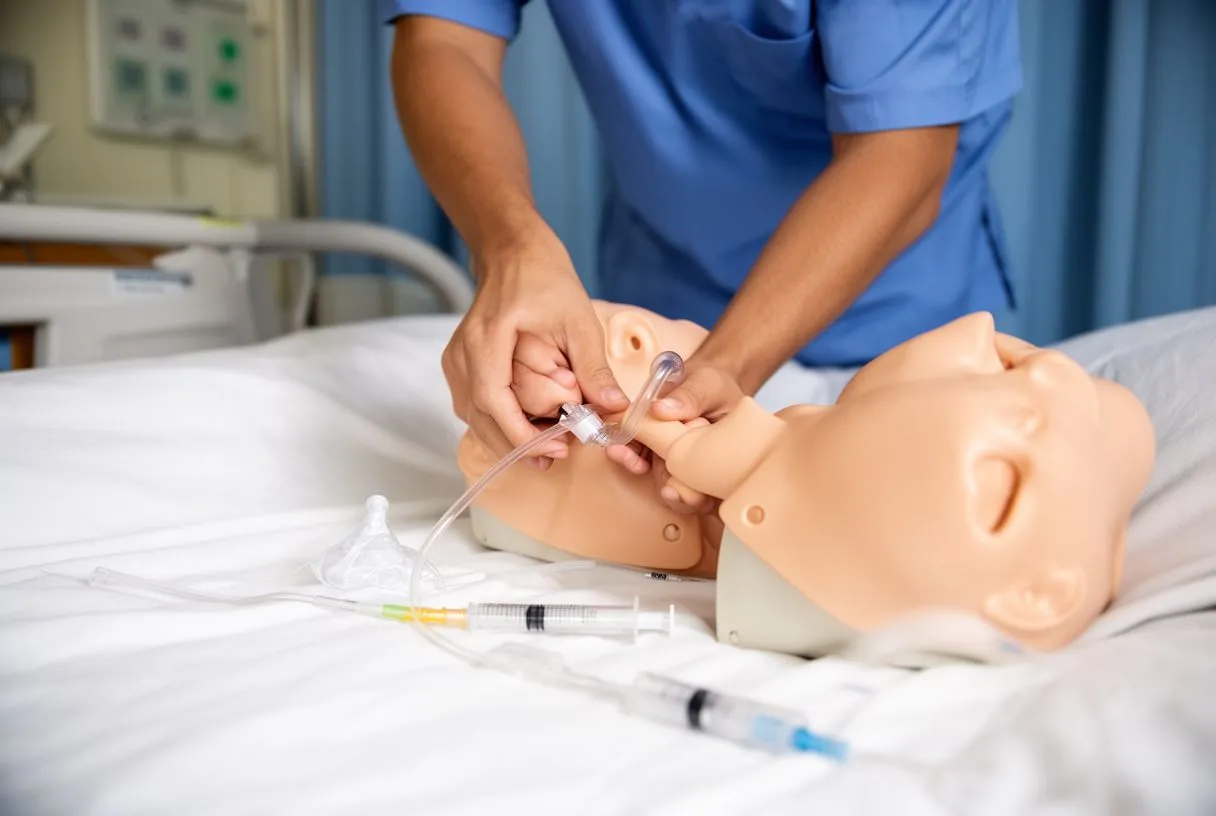
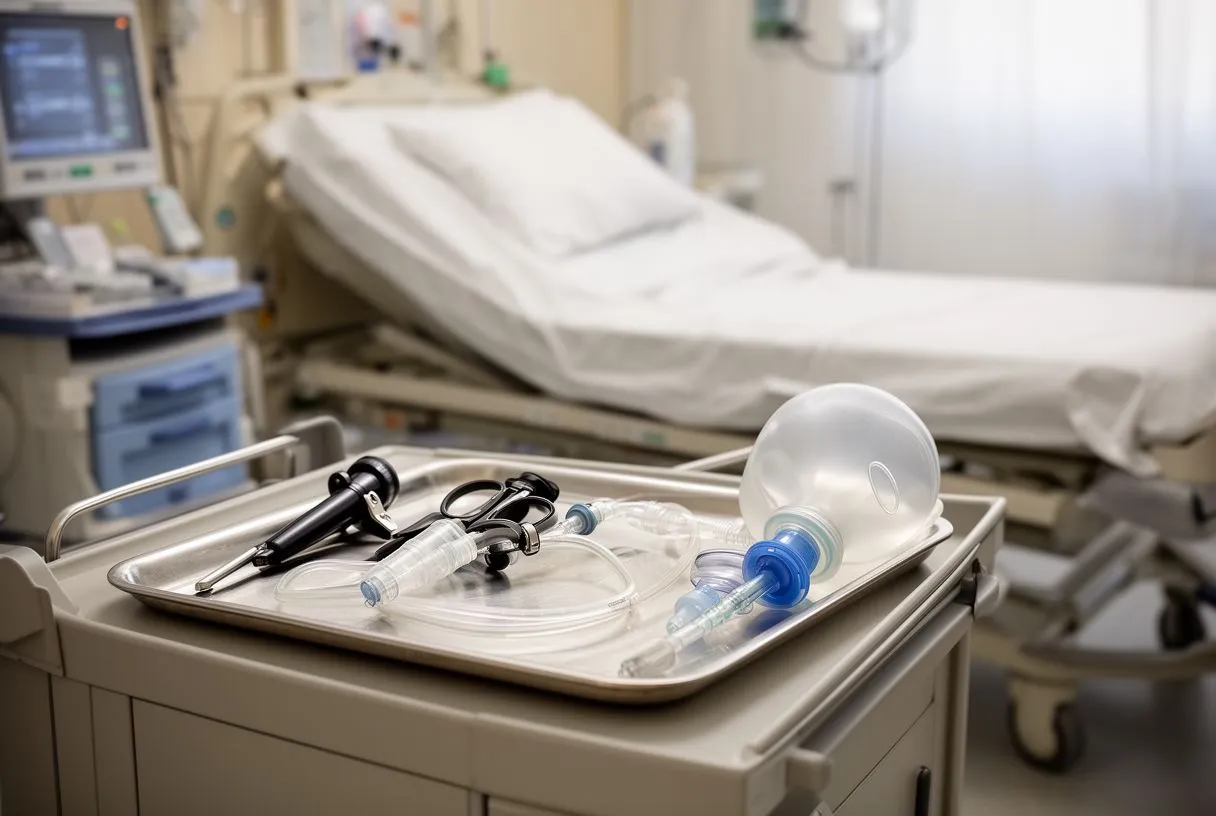
When the team confirms you meet all criteria, a nurse or respiratory therapist performs the extubation at the bedside. They first suction the tube and your airway to clear any secretions that accumulated during surgery — these can cause coughing or irritation when the tube comes out. You are asked, if awake, to take a deep breath, and the tube is gently withdrawn as you exhale. The entire process takes only seconds, though the preparation and checks leading up to it may span an hour or more.
After the tube is removed, you may feel throat irritation, hoarseness, or a sore throat that lasts a day or two. This is common and typically managed with simple pain relief. The team immediately checks your breathing using Auscultation — listening to your lungs with a stethoscope — and may place a simple oxygen mask or nasal prongs to provide supplemental oxygen while your body adjusts to breathing entirely on its own without mechanical assistance.
Some patients cough vigorously or feel anxious immediately after extubation, which is a normal response to the sensation of the tube being removed. The ICU nurse stays at the bedside during this period, monitoring your oxygen levels, breathing effort, and overall comfort. If you struggle to maintain adequate oxygenation, the team may briefly support you with non-invasive ventilation — a mask that delivers pressurised air — before deciding whether reintubation is necessary.
What to Expect in the ICU After the Tube Comes Out
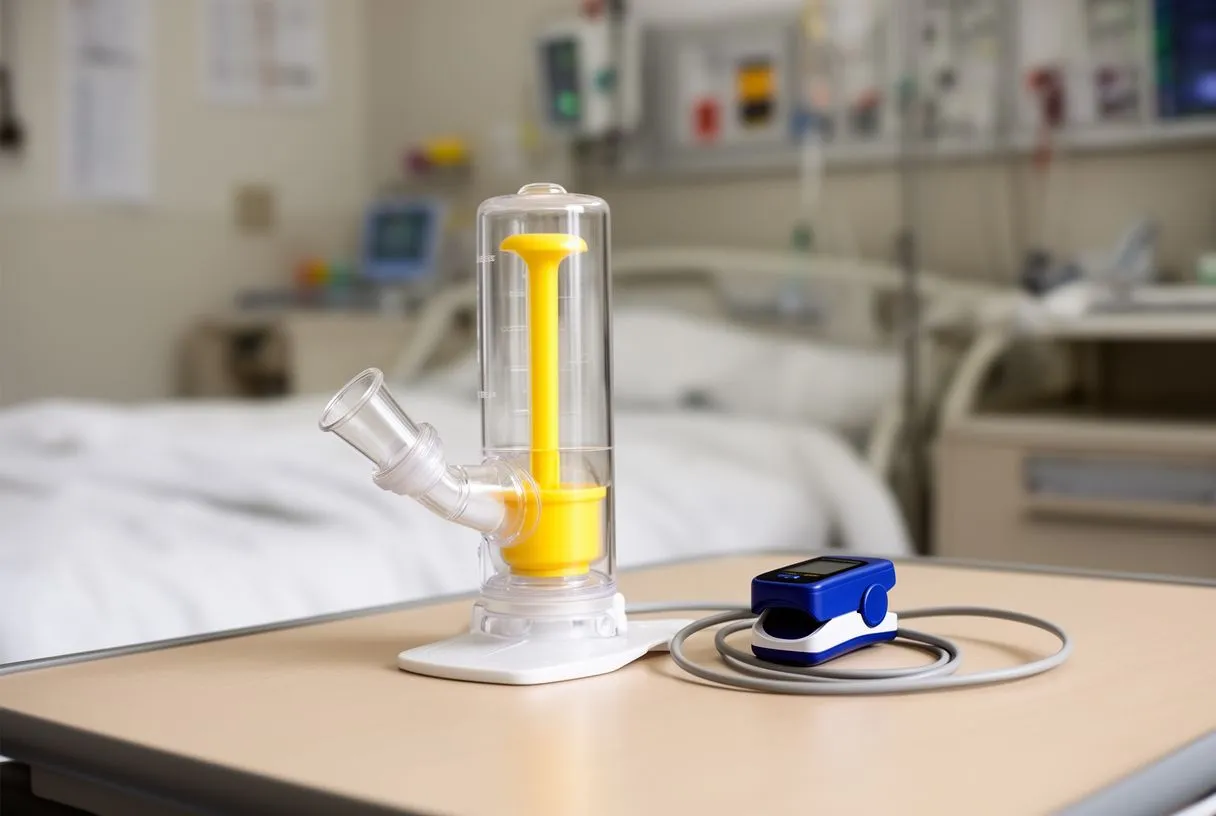
Once the breathing tube is out, your recovery shifts into a new phase. You will be encouraged to sit up in bed, and within hours the team may help you move to a chair. Early mobilisation is a cornerstone of modern cardiac surgery recovery because it expands your lungs, improves circulation, and helps clear secretions that could otherwise lead to pneumonia. A respiratory therapist or nurse will guide you through deep-breathing exercises using a device called an incentive spirometer, which gives you visual feedback as you inhale.
Your heart rhythm is monitored continuously during this period. Some patients develop Atrial Flutter — a rapid, irregular heartbeat in the upper chambers of the heart — in the days following surgery, and the team watches for this closely. Medications such as Aspirin may be started or continued to reduce clot risk, and any Autologous Blood collected during surgery may be returned to you to support red blood cell recovery. According to the Heart Disease and Stroke Statistics—2013 Update, postoperative arrhythmias are among the most common complications after cardiac surgery, though most are manageable with medication or short-term electrical correction.
For families, the first hours after extubation can feel like a roller coaster. Your loved one may be groggy, confused, or irritable as anaesthesia and sedation medications clear from the body. This is expected and usually resolves within a day. Speak calmly, orient them to time and place, and let the nursing team know if you notice anything that concerns you — they expect questions and would rather assess early than miss a developing problem.
How Long Until You Breathe on Your Own After Cardiac Surgery?
For most patients undergoing elective coronary bypass or valve surgery, the breathing tube is removed within four to eight hours of arriving in the ICU. This means that by the time family members are allowed to visit, many patients are already breathing on their own, though they may still have an oxygen mask in place. The speed of this transition depends on the complexity of the surgery, your preoperative lung function, and how quickly anaesthetic medications clear from your system.
Patients with chronic lung conditions such as COPD, those who smoked heavily before surgery, or those who underwent emergency procedures may need longer ventilator support. This does not mean recovery has failed — it means the team is being cautious and giving your lungs the time they need. The spontaneous breathing trial described earlier is repeated at intervals, and when your body consistently demonstrates it can sustain unassisted breathing across multiple measurements, the tube is removed.
A small percentage of patients require prolonged ventilation — defined as more than 24 hours on the ventilator. This is more common after complex or emergency operations, and in patients with significant pre-existing heart or lung disease. If this happens, your surgeon and intensivist will discuss the reasons with you and outline a plan. Prolonged ventilation is a challenge, not a catastrophe, and many patients in this category still go on to full recovery with appropriate support and patience.
Are There Risks of Extubation Failure After Heart Surgery?
Extubation failure — needing to reinsert the breathing tube within hours of removal — occurs in a small minority of cardiac surgery patients, but it is a recognised risk. The most common reasons include residual weakness from anaesthesia, fluid overload causing lung congestion, or an unexpected change in heart function after surgery. Your team weighs the risk of premature extubation against the risks of keeping the tube in longer, which include ventilator-associated pneumonia, airway injury, and prolonged ICU stay.
Certain factors raise the likelihood of needing reintubation. Patients with severe pre-existing lung disease, those who required emergency surgery, or those who experienced significant bleeding during the operation face higher odds. Arm Pain or shoulder discomfort can sometimes limit chest wall movement and make breathing shallow, so the team encourages early pain control to keep you breathing deeply. In rare cases, a condition like Atypical Infarction — a heart attack with unusual symptoms — may develop postoperatively and compromise breathing, requiring the tube to be replaced while the underlying issue is addressed.
To reduce these risks, your team uses a structured daily approach that combines assessment, medication management, and physical mobilisation:
- Daily assessment: Breathing readiness evaluated each morning by the multidisciplinary ICU team
- Fluid management: Careful balance of intravenous fluids to prevent lung congestion without dehydrating
- Pain optimisation: Adequate analgesia without oversedation, so breathing remains deep and effective
- Early mobilisation: Sitting, standing, and walking to expand lung capacity and clear secretions
Breathing Exercises and Recovery After Tube Removal
Once the tube is out, your active participation becomes essential. The incentive spirometer is your most important tool in the first days — you will be asked to inhale through it ten times each hour while awake, holding each breath for a few seconds. This sustained deep breathing re-expands alveoli that may have partially collapsed during surgery and helps flush out stagnant secretions. Most patients find the device straightforward after a few supervised attempts with a respiratory therapist at the bedside.
Coughing is also critical, though it can be uncomfortable after chest surgery. Your nurse will show you how to splint your chest incision with a pillow to reduce pain while coughing. Effective coughing clears mucus from your airways and lowers the risk of pneumonia. If you had a sternotomy — the vertical incision through the breastbone — you will receive specific guidance on how to support your chest during coughing and deep breathing to protect the healing bone while still keeping your lungs clear.
Some patients benefit from supervised pulmonary rehabilitation in the days and weeks after discharge, particularly those with pre-existing lung conditions. This may include guided breathing exercises, progressive walking programmes, and education on recognising early signs of respiratory trouble. The goal is not just to recover the breath you had before surgery but to build resilience that supports your heart and overall health in the long term.
When to Seek Help After Extubation After Heart Surgery
Most patients breathe comfortably within hours of extubation, but certain symptoms warrant immediate attention. If you or your loved one develops shortness of breath that worsens rather than improves, oxygen levels that drop below the range set by your team, or a breathing rate that seems rapid and laboured, alert the nursing staff right away. Blue-tinged lips or fingertips are an emergency and require instant notification of the medical team.
Other warning signs include a persistent cough producing thick or blood-tinged secretions, chest pain that differs from the expected incisional discomfort, or confusion that deepens rather than lifts as time passes. Fever developing a day or more after surgery may signal early infection, including pneumonia. None of these symptoms mean that something has definitively gone wrong, but they are signals that the team needs to reassess — and early intervention consistently produces better outcomes than waiting and hoping the problem resolves on its own.
Extubation after heart surgery is one of the most important milestones on the road to recovery, but every patient's path looks slightly different. The timeline, the criteria, and the challenges vary based on your procedure, your health history, and how your body responds in the ICU. If you or a family member is facing cardiac surgery, the most valuable step you can take is to discuss your specific situation with a qualified cardiac team who can explain what to expect for your case. Book a consultation with Dr Alejandro Molina and the team at Cirugía de Corazón in Guadalajara, Querétaro, or Hermosillo to understand your options and make informed decisions about your heart health.






