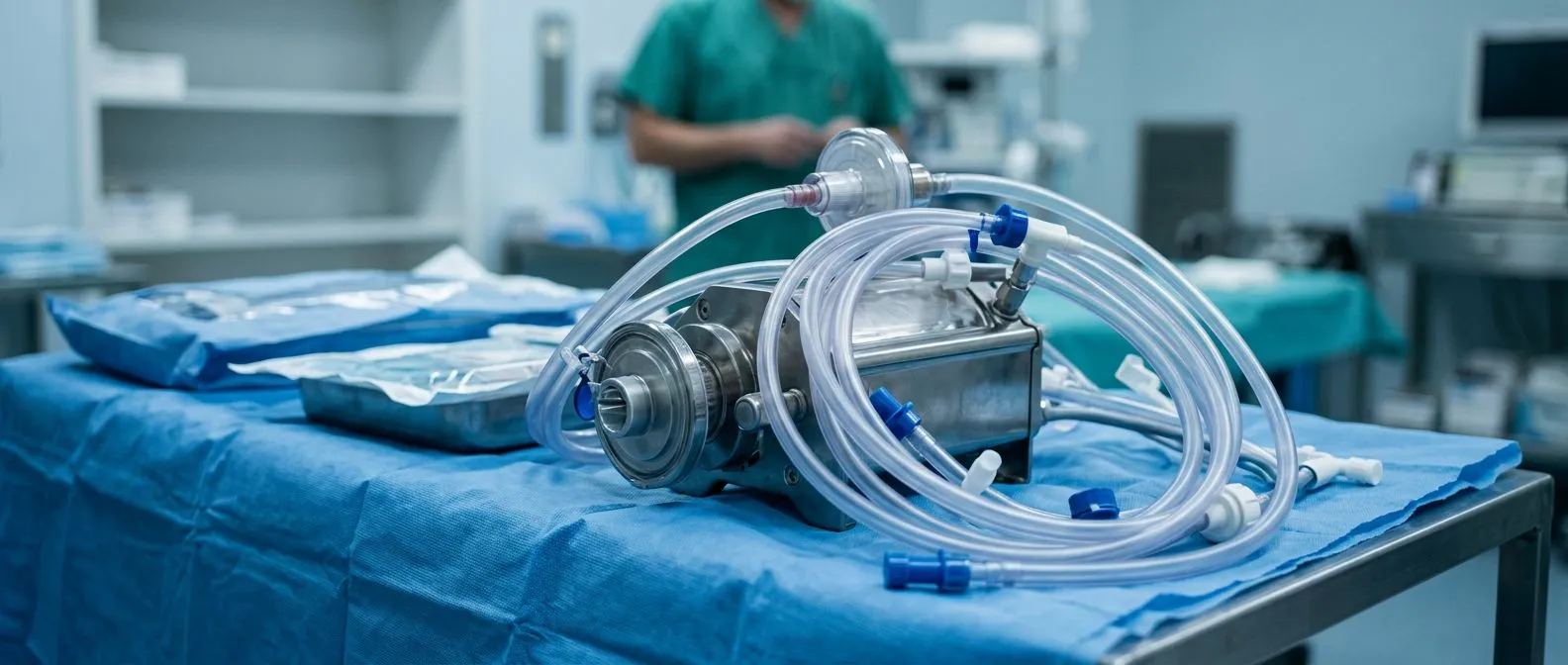
Fasting Before Heart Surgery: Food, Drink and Medicines
Fasting before heart surgery: know exactly what to eat, drink and which medications to stop.
If you or a family member are preparing for a cardiac procedure, one of the first instructions you will receive concerns fasting before heart surgery. It sounds simple — "don't eat after midnight" — but modern guidelines are more precise than that, and following them correctly can genuinely reduce your risk of complications. This guide walks through what you can eat and drink in the days and hours before heart surgery, which medications to keep taking and which to pause, and what to expect when the surgical team reviews your instructions with you.
What Is Fasting Before Heart Surgery?
Why the stomach must be empty. When you receive anesthesia for heart surgery, your body's protective reflexes — including the gag reflex that normally keeps stomach contents out of your airway — are switched off. If your stomach holds food or liquid, that material can travel upward and into your lungs, a serious event called aspiration pneumonia. Fasting ensures the stomach is empty so this cannot happen.
It is not about "cleansing." Many patients assume fasting before heart surgery is a form of detox or that a fuller fast is somehow better. In fact, prolonged fasting has downsides of its own: dehydration, low blood sugar, and added stress on the body right when it needs reserves. The goal is a stomach that is empty but a patient who is well hydrated and metabolically stable.
What "fasting" actually means. Fasting instructions divide everything you might take by mouth into categories — full meals, light meals, breast milk, and clear liquids — because each leaves the stomach at a different speed. Your team will give you specific clock times, not vague rules, and those times are calculated from your scheduled surgery time.
How Long to Fast Before Heart Surgery?
The standard guidelines. Most anesthesia societies around the world, including guidance summarized by the Centers for Disease Control and Prevention in perioperative safety materials, follow a widely accepted pattern: no solid food for roughly six to eight hours before surgery, and clear liquids allowed up to about two hours before. For an open heart operation scheduled at 8:00 a.m., that usually means a light dinner the night before, nothing to eat after roughly midnight, and clear liquids stopped around 6:00 a.m.
Heart surgery can be stricter. Cardiac operations are longer, involve general anesthesia for several hours, and often require a tube in the airway, so many cardiac teams apply the most conservative end of these ranges. Ask your team for written, time-specific fasting instructions before surgery.
What happens if you accidentally eat? Tell your team immediately — do not hide it. An anesthesiologist can delay the operation, adjust the anesthetic plan, or take precautions to protect the airway. Hiding a snack before surgery puts you at real risk of aspiration, and honesty is always the safer path.
Can I Drink Water Before Heart Surgery?
Usually yes, up to two hours before. This surprises many patients who remember the old "nothing after midnight" rule. Current preoperative fasting guidelines for adults generally permit plain water up to about two hours before surgery, and staying hydrated actually makes intravenous lines easier to place and supports blood pressure under anesthesia.
Not all fluids are equal. Water, and sometimes clear electrolyte drinks, fall into the "clear liquid" category that leaves the stomach quickly. Coffee with milk, juice with pulp, and anything thick do not. Your specific instructions always override general rules — some patients with heart failure or reflux disease receive individualized restrictions because fluid retention matters in their case.
Why hydration matters for heart patients. Many people arriving for cardiac surgery are older, take diuretics (water pills), or have fluid restrictions as part of managing their condition. This is precisely why the fasting plan should come from your own team rather than a generic list. In our consultations we take the time to explain, in plain words, how each patient's fluid and medication instructions fit their own heart condition before any decision about surgery is made.
What to Eat Before Heart Surgery?
The night before. Most cardiac teams recommend a light, easily digested dinner — think rice, chicken, steamed vegetables, or soup. Avoid heavy, fatty, or fried foods, which slow gastric emptying and can effectively extend your required fasting time. Alcohol should be avoided the evening before surgery, as it dehydrates you and interacts with anesthetic drugs.
What a "light meal" means in guidelines. The rules below reflect how anesthesia teams classify intake before surgery:
- Full meals: stopped about eight hours before surgery — a regular dinner with meat, rice, and vegetables qualifies.
- Light meals: toast, clear soup, or crackers — often stopped about six hours before.
- Clear liquids: water, black coffee or tea without milk, clear juice without pulp — often allowed until about two hours before.
- Individual instructions: your team's written times always override these general figures.
Chewing, gum, and smoking. Gum, candy, and even chewing tobacco stimulate stomach acid and are typically prohibited after the fasting cut-off. Smoking should also stop before surgery — ideally well before — because it impairs lung function and wound healing. If you smoke, tell your team; there are safe ways to help you through the perioperative period.
Medications Before Heart Surgery: What to Stop and What to Keep
Blood thinners need individual decisions. Anticoagulants and antiplatelet drugs such as warfarin, clopidogrel, or the newer direct oral anticoagulants are central to cardiac patients, yet stopping them carries its own risk of clot or stroke. Never stop these on your own — the decision to pause, bridge, or continue depends on your specific procedure and condition. In our multidisciplinary team, every case is reviewed together against international practice guidelines before any recommendation about medications or surgery is given, and the final decision is always the patient's.
Medicines usually taken with a small sip of water. Most cardiac teams allow essential medications — such as beta-blockers, statins, or blood pressure pills — to be swallowed with a tiny sip of water on the morning of surgery, even during fasting. Which ones qualify is decided in advance, ideally at a preoperative assessment where your full list is reviewed. Note that some herbal products can affect bleeding or interact with anesthesia, and the vitamin K in food — abundant in leafy greens — matters for patients on warfarin, so diet changes before surgery should also be discussed with your team rather than made alone.
Diabetes medications and insulin. Because fasting changes your blood sugar pattern, insulin doses and oral diabetes drugs usually need adjustment on the day of surgery. Your anesthesiologist or surgeon will give you a specific plan; do not guess. Bring your complete medication list — including supplements — to your preoperative visit so nothing is missed.
Clear Liquids Before Heart Surgery: What Counts?
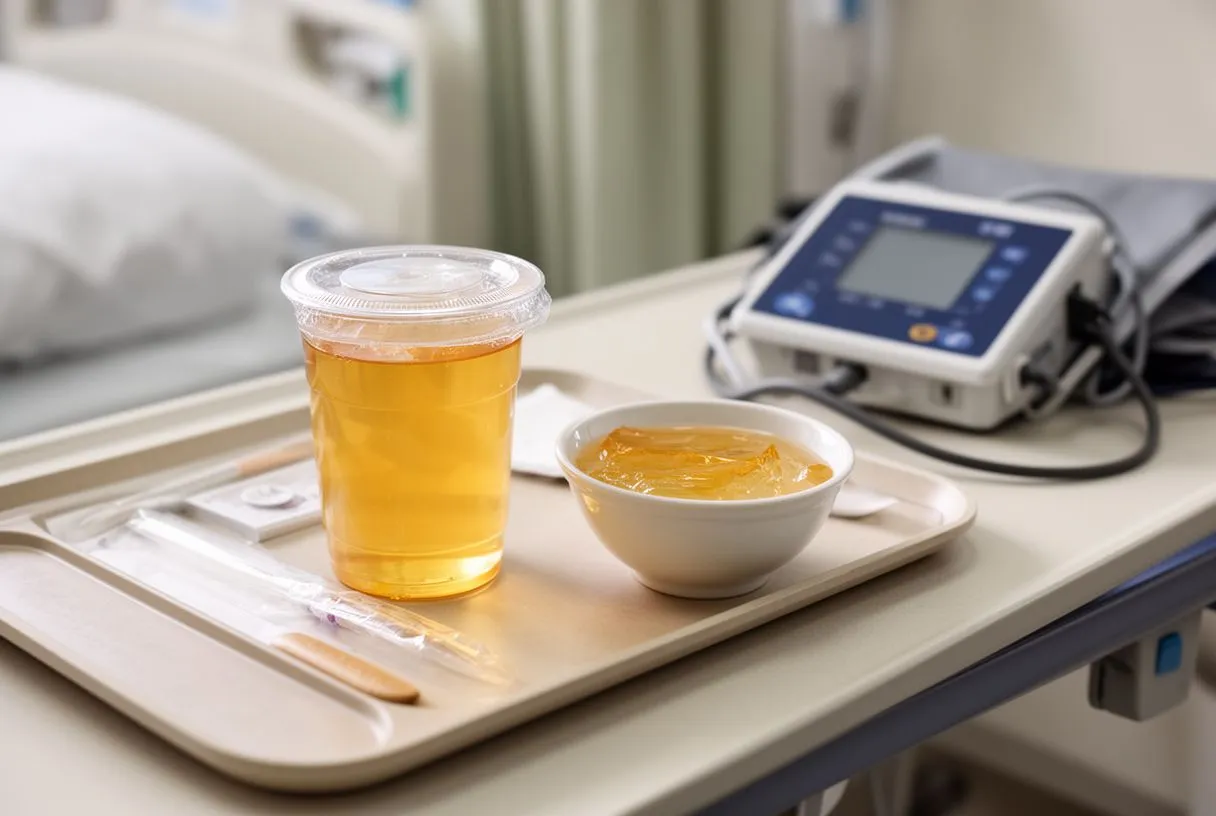
The definition is stricter than it sounds. A clear liquid is one you can see through at room temperature, without pulp, fat, or protein. This includes plain water, clear fruit juice without pulp (apple juice is a common example), black tea or coffee without milk or creamer, and clear electrolyte solutions. Milk, orange juice with pulp, smoothies, and broth with fat do not qualify.
Carbohydrate loading drinks. Some anesthesiology teams give patients a clear, carbohydrate-rich drink to sip the evening before and up to two hours preoperatively. Studies summarized in the 36th International Symposium on Intensive Care and Emergency Medicine literature on perioperative care suggest this practice can reduce insulin resistance and improve patient comfort after surgery. Whether it applies to your cardiac operation is a question for your own anesthesiology team.
When clear liquids are not allowed at all. Patients with gastroparesis (delayed stomach emptying, common in long-standing diabetes), severe reflux, or certain airway concerns may be given zero-by-mouth instructions. This is one of the reasons generic internet advice can never substitute for the written instructions your own surgical team provides.
Fasting Rules for Open Heart Surgery vs Minimally Invasive Procedures
Open heart operations. Procedures such as coronary bypass surgery (where the surgeon creates new routes around blocked coronary arteries) or open valve replacement involve sternotomy — opening the breastbone — and hours on a heart-lung machine. Fasting requirements here are typically the most conservative: no solid food for at least eight hours, clear liquids stopping about two hours before, sometimes earlier depending on the anesthesia plan.
Minimally invasive and catheter-based procedures. Even minimally invasive cardiac surgery and TAVR (transcatheter aortic valve replacement, where a new valve is delivered through a catheter, usually from the groin) still require general anesthesia and therefore full fasting precautions. The "less invasive" nature of the approach does not relax the fasting rules, because the airway protection issue is the same.
Matching the approach to the patient. We perform conventional, minimally invasive, robotic and transcatheter procedures, and we recommend the less invasive route only where the evidence supports it for that patient. The fasting plan itself, however, is similar across approaches — what changes is the recovery, not the stomach-emptying rules.
Why Anesthesia Fasting Requirements Exist
Aspiration is rare but serious. General anesthesia suppresses the reflexes that protect your airway. Without those reflexes, stomach contents can reach the lungs and cause chemical pneumonitis — inflammation of lung tissue from acid exposure — or aspiration pneumonia. The fasting rules exist to make this event extremely rare, and they are among the most studied safety measures in all of medicine.
Volume matters, not just timing. Modern guidelines are based on research showing that the stomach handles different substances at different rates: clear liquids pass through in about an hour or two, light meals take several hours, and fatty meals can take much longer. This is why the rules are tiered rather than a single blanket "no food or drink."
Older rules were stricter than needed. "Nothing after midnight" dates from an era when anesthesia was less precise. Contemporary evidence-based guidelines reduce unnecessary fasting without increasing aspiration risk — meaning you fast long enough to be safe, but not so long that you arrive dehydrated, dizzy, and stressed.
Fasting Before Valve Replacement Surgery and TAVR
Open valve surgery. Whether the aortic valve (the valve between the heart's main pumping chamber and the body's main artery) or the mitral valve (between the two left chambers of the heart) is being replaced or repaired, open procedures follow the standard cardiac fasting pattern: light dinner the night before, no solids for at least eight hours, clear liquids up to roughly two hours before the operating room.
TAVR and same-day preparation. TAVR patients — often older adults — frequently arrive the same morning. Their fasting window is calculated backwards from the procedure time, and because many TAVR patients take anticoagulants for other conditions, the medication plan is coordinated across cardiology and surgery well in advance.
Questions to ask your team before the day. Before any valve procedure, make sure you know:
- The exact clock times when you must stop eating and drinking.
- Which of your morning medications to take with a sip of water, and which to skip.
- Whether you need to stop any blood thinner, and who coordinates that decision.
- Who to call if you accidentally eat or drink past the deadline.
In our experience, patients who arrive with these answers written down are calmer, better hydrated, and easier to prepare for surgery. In the consultation we take the time to explain what each preoperative study actually shows, in plain words, and we encourage patients to seek second opinions — deciding about heart surgery is a major decision that deserves that level of care.
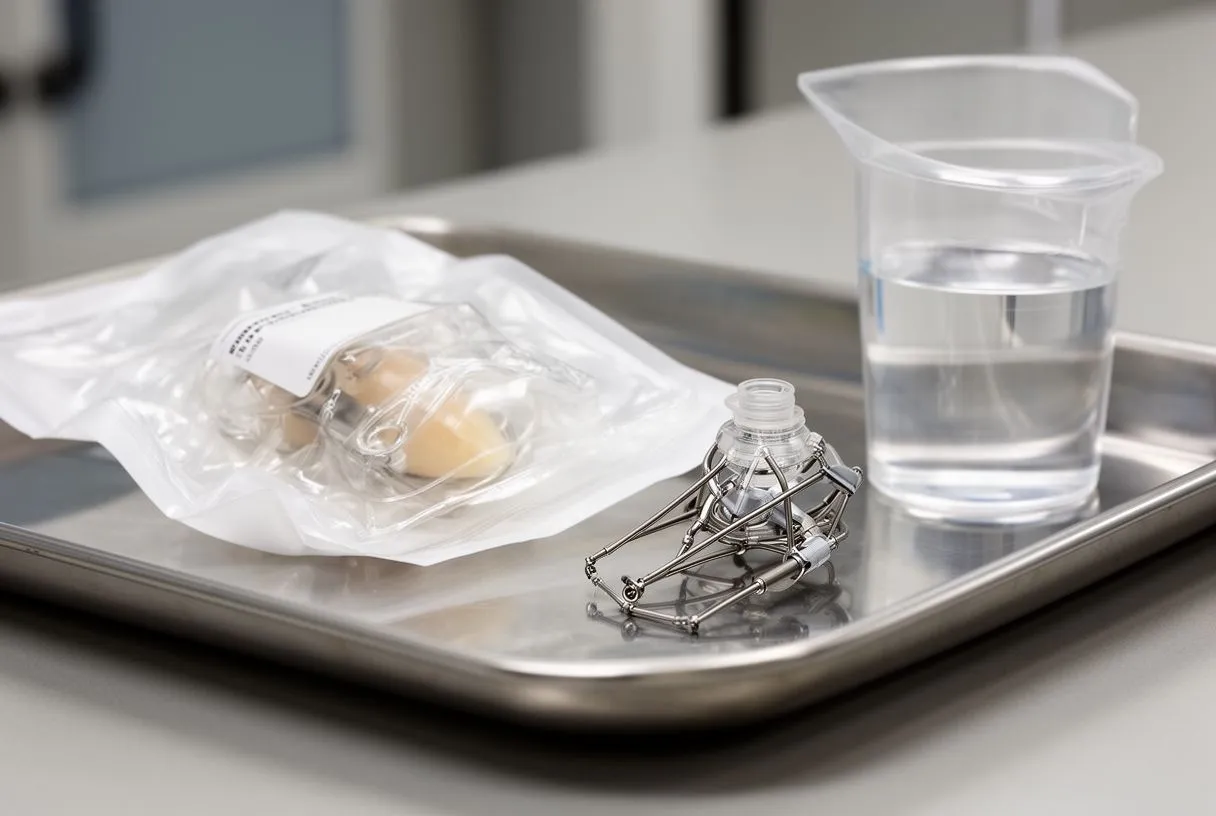
Pre Surgery Diet for Heart Patients in the Days Before
The week before surgery. For most cardiac patients, the pre-surgery diet is not a special regimen but a sensible continuation of heart-healthy eating: balanced meals, limited salt, moderate portions, and no alcohol in the final 24 to 48 hours. Patients with heart failure who have fluid restrictions should follow their prescribed limits exactly, since fluid balance directly affects how they tolerate anesthesia.
What not to change on your own. Some patients stop eating certain foods, cut doses, or start supplements in the weeks before surgery hoping to improve outcomes. Most of these changes help little and some can interfere with anticoagulation control — particularly swings in the vitamin K in food that warfarin-sensitive patients consume. Run every planned change past your surgical or cardiology team first; plant compounds studied in work such as the phytochemical survey of Nigerian medicinal plants illustrate how even natural products carry pharmacological activity worth disclosing to your doctors.
The day of surgery. Arrive having followed your written fasting instructions exactly. Bring your medication list, leave valuables at home, and plan for a family member to accompany you. If you feel unwell in the days before — a fever, a cough, chest changes — call your team rather than waiting, because timing adjustments are far easier made in advance.
Fasting before heart surgery comes down to a few clear principles: no solid food for roughly eight hours, clear liquids often allowed until about two hours before, essential medications taken only as your team directs, and every blood thinner decision made individually. These rules exist to protect your lungs during anesthesia while keeping you hydrated and comfortable. If you are facing heart surgery and feel unsure about your preparation, discuss your specific situation with a qualified cardiac team — Dr Alejandro Molina and our multidisciplinary team in Guadalajara, Querétaro and Hermosillo offer a free video consultation as a first step, where we review your condition, explain which studies are genuinely needed, and answer every question before any decision is made. Book a consultation rather than trying to prepare alone.