

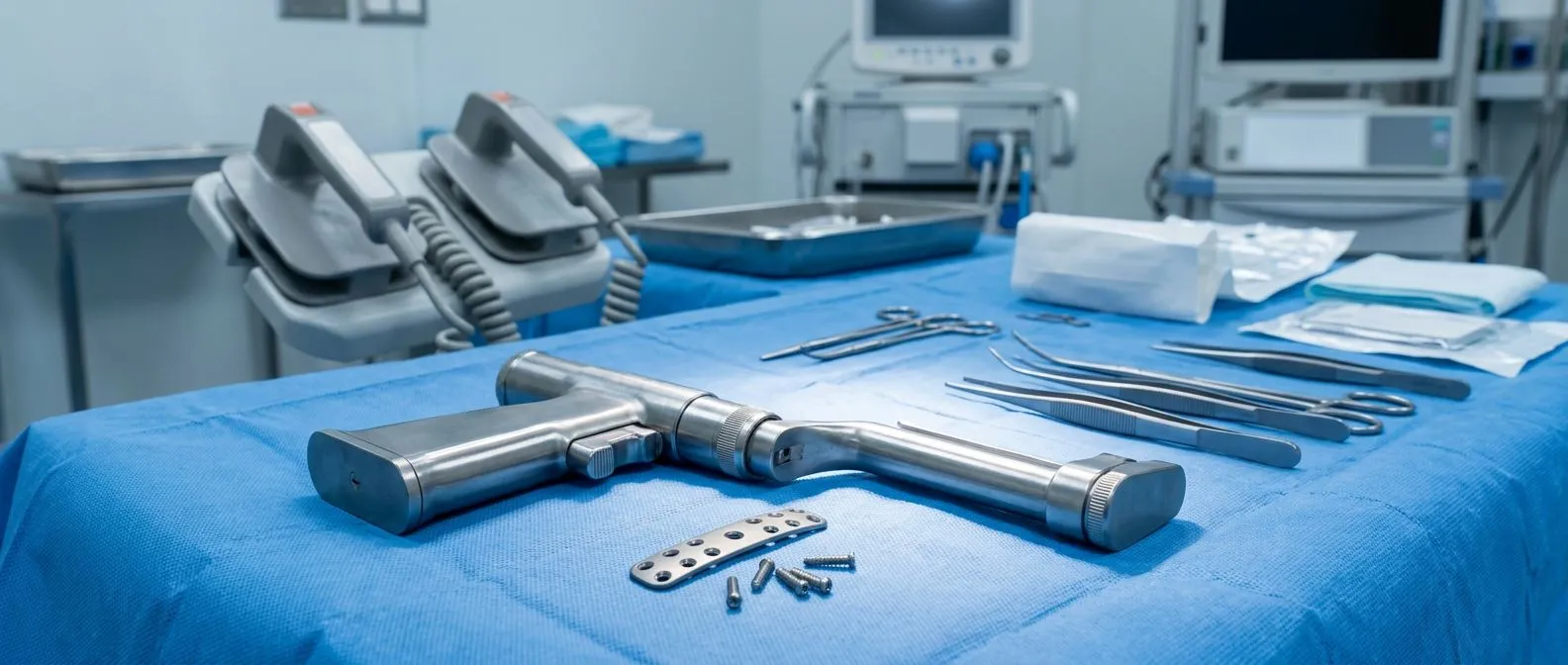
Fellowship Training in Cardiac Surgery: Why It Matters
Cardiac surgery fellowship training means advanced expertise for complex heart procedures.
When you or someone you love is facing heart surgery, the qualifications of the person holding the scalpel become the most important conversation you will ever have. Fellowship training in cardiac surgery is the additional, highly specialized period of education that turns a fully qualified surgeon into a sub-specialist — and understanding what it means can help you make a confident, informed decision about your care. This guide explains what fellowship training involves, how it differs from standard residency, and why it matters for your specific cardiac condition.
What Is Cardiac Surgery Fellowship Training?
After completing a residency in general surgery and then a cardiothoracic surgery residency, some surgeons choose to pursue additional, highly specialized training called a fellowship. Fellowship training in cardiac surgery represents one to two additional years focused exclusively on a specific sub-discipline — such as minimally invasive techniques, pediatric congenital repairs, heart transplantation, or robotic-assisted procedures. During this period, the surgeon works under the direct mentorship of experienced specialists, gradually taking on increasing responsibility for complex cases that most general cardiothoracic surgeons encounter only occasionally.
For patients, this matters because the surgeon standing at your bedside has dedicated years beyond their basic certification to master the exact procedure you need. A surgeon who has completed a minimally invasive fellowship, for example, has performed hundreds of valve repairs through small incisions rather than through a full sternotomy (opening the breastbone). That repetition builds muscle memory, refines judgment under pressure, and deepens understanding of the anatomical variations that can turn a straightforward operation into a challenging one.
The term "fellow" can sometimes confuse patients because it sounds informal, as though the surgeon is still learning. In reality, a fellow is already a fully qualified surgeon who has chosen to sub-specialize. According to Harvard Health, patients who understand their surgeon's credentials — including fellowship training — are better positioned to make informed decisions about their care. The fellowship year is not a rehearsal; it is an intensive refinement period where a competent surgeon becomes an expert in a specific domain of cardiac surgery.
How Does Fellowship Training Differ from Residency?
Residency provides the foundation. A cardiac surgery residency — typically six years in an integrated program or two to three years following a general surgery residency — teaches the core competencies: how to operate on the heart safely, manage cardiopulmonary bypass (the heart-lung machine that takes over the heart's pumping function during surgery), and handle routine complications. Every surgeon who completes a cardiothoracic residency can perform coronary artery bypass grafting, valve replacements, and other standard cardiac operations. Fellowship training builds on that foundation by narrowing the focus dramatically.
Where residency is broad, fellowship is deep. During residency, a surgeon might rotate through thoracic surgery, adult cardiac surgery, and congenital heart surgery, spending a few months in each. During a fellowship, that same surgeon spends an entire year — sometimes two — doing nothing but, for instance, robot-assisted mitral valve repairs or pediatric heart transplants. This concentrated exposure means the surgeon encounters rare anatomical challenges, unusual complications, and edge cases that a general cardiothoracic practice might see only a handful of times in an entire career.
Patients sometimes ask whether a residency alone is sufficient. For many routine cardiac operations, it absolutely is. A board-certified cardiothoracic surgeon who performs standard coronary bypass surgery regularly has the training and experience to do so safely. However, if your case involves a re-operation (a second surgery on a heart that has already been operated on), a complex congenital defect, or a minimally invasive approach, fellowship training in that specific area provides an extra layer of specialized skill that can directly influence your outcome and recovery.
Why Choose a Fellowship-Trained Cardiac Surgeon?
Matching expertise to your specific condition: The decision to seek out a fellowship-trained cardiac surgeon depends on the complexity of your condition and the specific procedure recommended. For a straightforward single-vessel coronary bypass, the additional fellowship year may not change the outcome meaningfully. But when the surgical plan involves repairing rather than replacing a leaking mitral valve, operating on the ascending aorta (the first segment of the body's largest artery as it leaves the heart), or correcting a congenital defect in a child, the surgeon's sub-specialty training becomes central to the result. Fellowship-trained surgeons learn techniques to preserve the patient's own valve tissue whenever possible, often eliminating the need for lifelong blood thinners like aspirin.

Minimally invasive and robotic expertise: A fellowship in minimally invasive cardiac surgery trains surgeons to operate through small incisions between the ribs, avoiding the full sternotomy. This approach can mean less postoperative pain, shorter hospital stays, and faster return to normal activities. However, these techniques demand extensive specialized training to perform safely. A surgeon who learned minimally invasive techniques during a dedicated fellowship has typically performed the procedure hundreds of times under supervision before performing it independently.
Managing complex re-operations safely: When a patient needs a second heart surgery — perhaps a valve installed years earlier has worn out, or a previous bypass has narrowed — the anatomy is scarred and distorted. Fellowship training in re-operative cardiac surgery teaches specific techniques for safely re-entering the chest, managing densely adhered tissue, and protecting structures like the right ventricle and coronary grafts from injury during dissection. This is one of the highest-risk scenarios in cardiac surgery, and specialized training directly reduces the chance of catastrophic bleeding or injury to existing grafts.
What Are the Types of Cardiac Surgery Fellowships?
Cardiac surgery fellowships are not all the same. Each focuses on a distinct sub-specialty, and the type of fellowship a surgeon completes tells you what procedures they have spent the most time mastering. Understanding these categories can help you match the right surgeon to your specific condition and anticipated procedure.
- Adult cardiac surgery fellowship: Focuses on coronary bypass, valve repair and replacement, and surgery of the aorta in adult patients. This is the most common pathway and prepares surgeons for the broadest range of adult heart operations.
- Pediatric and congenital cardiac fellowship: Centers on repairing structural heart defects present from birth — such as holes in the heart, abnormal valve formation, or misconnected great vessels. Pediatric cardiac surgery is among the most demanding sub-specialties because the anatomy varies dramatically from one child to another.
- Minimally invasive and robotic fellowship: Trains surgeons to avoid full chest opening, using camera-guided instruments and robotic arms to repair valves, bypass coronaries, or close defects through small incisions.
- Transplant and mechanical support fellowship: Focuses on heart transplantation and ventricular assist devices. This includes training in the use of an arterial cannula for extracorporeal membrane oxygenation (ECMO), a form of life support that oxygenates blood outside the body.
Each fellowship type reflects a genuine clinical need. A patient needing an aortic valve replacement may do well with any fellowship-trained adult cardiac surgeon, but a child born with transposition of the great arteries needs a surgeon who has spent a full fellowship studying congenital anatomy. Similarly, a patient considering transcatheter aortic valve replacement (TAVR) — where a new valve is threaded into the heart through a catheter — benefits from a surgeon who understands both the open surgical approach and the catheter-based technique, which is increasingly part of advanced fellowship programs.
How Does Fellowship Training Improve Surgical Outcomes?
Volume, repetition, and pattern recognition: Fellowship training immerses a surgeon in a high-volume environment for a full year or more. When a fellow performs or assists in 150 to 300 complex valve repairs during a fellowship, they encounter the full spectrum of anatomical variation and intraoperative challenges. This repetition is not merely about speed; it is about developing the pattern recognition needed to anticipate problems before they become complications. A surgeon who has seen difficult anatomy hundreds of times recognizes when an atheromatous plaque (a cholesterol deposit in an artery wall) threatens to embolize during manipulation, and adjusts technique accordingly.
Team-based care and system familiarity: Fellowship-trained surgeons typically trained at high-volume academic centers where multidisciplinary teams — anesthesiologists, perfusionists, intensive care specialists — work together daily. They bring this collaborative model to their own practice. Managing a patient with atrial flutter (a rapid, irregular rhythm originating in the atrium) after surgery requires coordination between the surgeon, the electrophysiologist, and the ICU team. Fellowship-trained surgeons are accustomed to this environment and often implement it in their own operating rooms.
Evidence-based decision-making: Fellowship programs emphasize clinical judgment grounded in published evidence. A fellow learns when to attempt a valve repair versus when replacement is safer, how to weigh the risks of re-operation against watchful waiting, and how to use risk-scoring tools like EuroSCORE II. According to a study published in BMC Geriatrics examining the association between atherosclerotic cardiovascular disease and hearing loss in older adults, systemic vascular health influences outcomes across multiple organ systems — underscoring why fellowship-trained surgeons are taught to evaluate the whole patient, not just the heart.
What Does a Cardiac Surgery Fellowship Program Include?
A typical cardiac surgery fellowship is structured around progressive responsibility, structured teaching, and research. The fellow begins by observing and assisting in complex cases, gradually taking on the role of primary surgeon as their skills and judgment mature. By the end of the fellowship, the surgeon should be capable of independently performing the full range of procedures within their sub-specialty, from first incision to postoperative management.
The daily routine includes morning rounds where fellows present patients to the attending surgeon, discuss management plans, and review imaging such as echocardiograms (ultrasound images of the heart) and CT angiograms. In the operating room, fellows participate in every stage of the procedure — from preparing the patient and establishing cardiopulmonary bypass, to performing the critical surgical steps and managing separation from the heart-lung machine. They also learn to manage complications in real time: what to do when bleeding is excessive, when the heart does not recover well from the arrest, or when an autograft (tissue transplanted from the patient's own body) does not function as expected.
Beyond the operating room, fellowship programs include didactic teaching sessions, morbidity and mortality conferences where complications are reviewed openly, and simulation training. Many programs now incorporate high-fidelity simulators that allow fellows to practice rare emergency scenarios — such as managing an arterial line (a catheter placed in an artery for blood pressure monitoring) that has become dislodged, or responding to sudden hemodynamic collapse — in a safe environment before encountering them in real patients. Research is also a core component; fellows contribute to published studies, keeping them engaged with the latest evidence and techniques emerging in the field.
Are Fellowship-Trained Surgeons Better for Complex Cases?
Complex valve pathology and advanced repair techniques: Some mitral valves are not simply leaking; they may have multiple damaged components, calcium deposits in the annulus (the ring-shaped base of the valve), or damage from endocarditis (an infection of the heart valves). Repairing such a valve requires advanced techniques — chordal replacement, annular reconstruction, or patching of leaflet defects. A surgeon with valve fellowship training has dedicated an entire year to mastering these techniques and can often achieve a durable repair where a less specialized surgeon might default to replacement.
High-risk patient profiles and comorbidity management: Patients with severe comorbidities — advanced lung disease, kidney failure, previous stroke, or poorly controlled diabetes — face higher surgical risks. Fellowship training includes learning to stratify these risks using validated scoring systems and to modify the surgical plan accordingly. For instance, a patient with severe sleep apnoea faces specific perioperative challenges related to airway management and oxygenation. Research published in BMC Public Health on sleep apnoea in men documents the significant disease burden and comorbidities associated with this condition, highlighting why fellowship-trained surgeons account for such factors in their surgical planning.
Congenital and pediatric complexity: In pediatric cardiac surgery, nearly every case is complex. The hearts are smaller, the anatomy more variable, and the margin for error narrower. A congenital cardiac fellowship is considered essential for any surgeon operating on children with structural heart defects. The training includes specific techniques for managing cardiopulmonary bypass in small children, protecting the immature myocardium (heart muscle), and addressing the unique physiological challenges of the developing heart. No amount of adult cardiac experience substitutes for this focused pediatric training.
How Long Is Cardiac Surgery Fellowship Training?
The timeline to become a fellowship-trained cardiac surgeon is long — often twelve or more years of postgraduate education. After medical school (four to six years depending on the country), the surgeon completes a general surgery residency (five years) or an integrated cardiothoracic surgery residency (six years in some programs that combine general and cardiac training). Only then does the fellowship year or two begin, adding further specialized experience on top of an already extensive foundation.
A standard adult cardiac surgery fellowship typically lasts one to two years. Pediatric cardiac surgery fellowships are usually two years because of the additional complexity and the need to cover the full range of congenital defects from infancy through adulthood. Transplant fellowships may be one to two years, often combined with training in mechanical circulatory support. Minimally invasive and robotic fellowships are typically one year, though some surgeons combine this with an additional year focused on advanced catheter-based interventions like balloon aortic valvuloplasty (a procedure that uses a balloon catheter to stretch a narrowed aortic valve).
For patients, the practical question is not the exact duration but whether the surgeon has completed the training relevant to your procedure. A surgeon who finished their cardiothoracic residency three years ago and then completed a one-year minimally invasive fellowship has been practicing independently for only a short time. Experience matters alongside training; the ideal combination is fellowship training plus several years of independent practice in the specific procedure you need. When evaluating a surgeon, ask not only about fellowship completion but about how many of your specific procedures they perform annually — both during and after their fellowship.
What Board Certification Follows Fellowship Training?
Board certification is the formal recognition that a surgeon has met the standards of a professional body. In cardiac surgery, certification typically follows completion of residency and passing rigorous written and oral examinations. Fellowship training is not always a separate certification — in many countries, there is no specific board for "minimally invasive cardiac surgery" or "pediatric cardiac surgery" as distinct from general cardiothoracic certification. Instead, fellowship completion is documented through certificates from the training institution and through the surgeon's operative log, which records the number and type of procedures performed during the fellowship.
What this means for patients is that "board-certified cardiothoracic surgeon" and "fellowship-trained cardiac surgeon" are not the same credential. Board certification confirms that the surgeon has the core competencies to practice cardiac surgery safely. Fellowship training confirms that the surgeon has gone beyond those core competencies to sub-specialize. Some countries and specialty boards do offer sub-specialty certificates — for example, in pediatric cardiac surgery or transplant — but in many systems, the fellowship is documented through the surgeon's curriculum vitae and operative records rather than a separate examination.
When evaluating a surgeon's qualifications, look for both. Board certification tells you the surgeon meets a minimum standard recognized by the profession. Fellowship training tells you the surgeon has invested additional time to develop specific expertise. Neither alone is sufficient. A surgeon who is board-certified but has no fellowship may be excellent for routine cases. A surgeon who has a fellowship but is not yet board-certified may be highly skilled but still building their independent practice volume. The most reassuring combination is board certification plus fellowship training in the relevant sub-specialty plus several years of independent experience performing your specific procedure.
When Should You Ask Your Surgeon About Their Training?
Questions to ask directly: Every patient facing cardiac surgery should feel empowered to ask their surgeon about training, experience, and outcomes. Ask whether the surgeon completed a fellowship, in what sub-specialty, at which institution, and how many years ago. Ask how many of your specific procedures they perform each year — both now and during their fellowship. Ask about personal outcomes: complication rates, mortality rates, and need for re-operation. A surgeon who has completed a fellowship in the specific area relevant to your case should be able to discuss these numbers openly.
- Training specifics: Did you complete a fellowship, in which sub-specialty, and at which institution?
- Procedure volume: How many of my specific procedures do you perform annually, and how many did you perform during your fellowship?
- Outcomes data: What are your personal complication and mortality rates for this procedure?
- Re-operation rates: How often do your patients need a second surgery, and why?
When training matters most: If you have been told you need a valve repair, a minimally invasive approach, a re-operation, a pediatric congenital repair, or a transplant, fellowship training in that specific area is particularly important. For these procedures, the technical demands are high enough that the concentrated, supervised practice of a fellowship year translates directly into better outcomes. If your recommended procedure is a routine coronary bypass or standard valve replacement, the surgeon's overall experience and volume may matter more than whether they completed a specific fellowship. Fellowship training is one piece of the puzzle — the quality of the entire surgical team, the institution's resources, and your own health status all influence outcomes. If you are considering cardiac surgery and want to discuss your situation with a qualified team, we encourage you to book a consultation rather than self-diagnosing. A fellowship-trained cardiac surgeon can evaluate your specific anatomy, review your imaging, and help you understand whether a specialized approach is right for you.






