

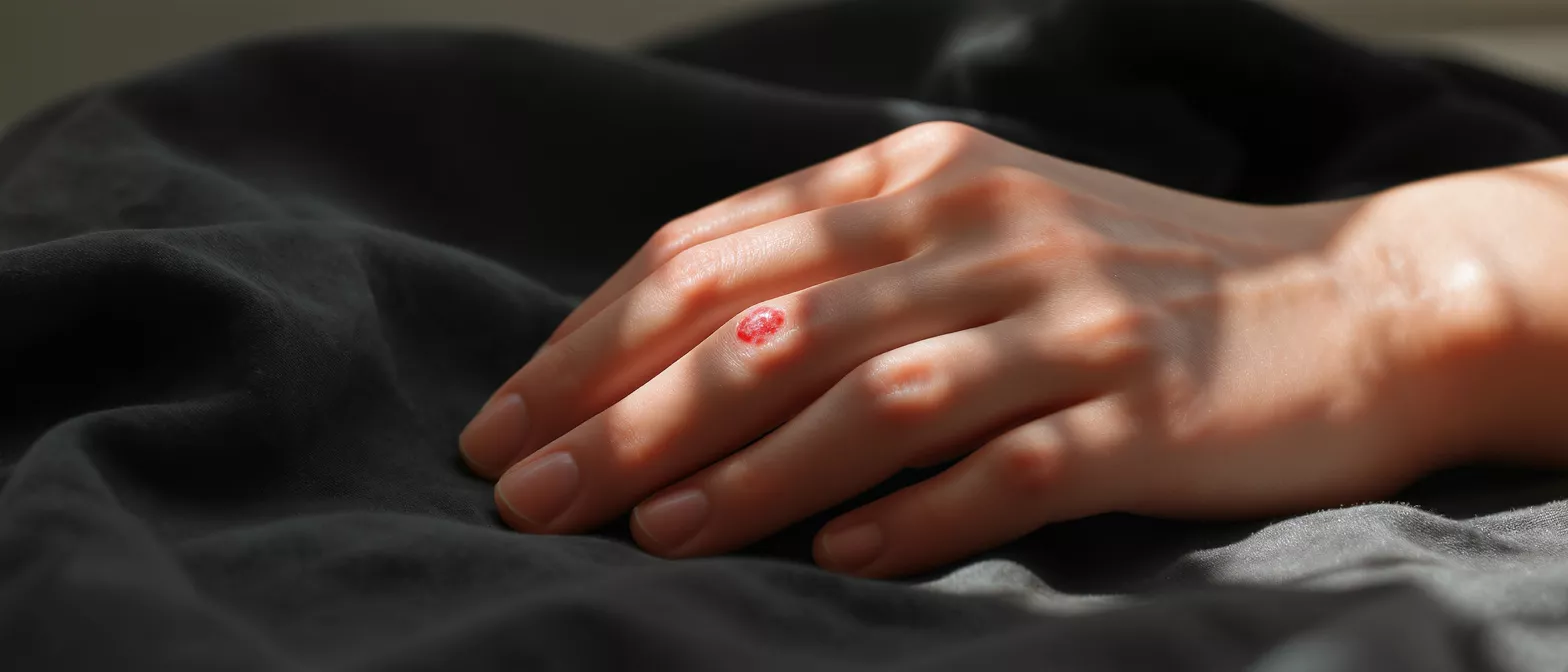
Osler Nodes
Osler nodes are tender skin nodules linked to heart conditions like endocarditis.
What are Osler nodes
Osler nodes are small, tender, swollen lumps that appear on the skin, most commonly on the pads of the fingers and toes. Named after the Canadian physician Sir William Osler, these painful nodules are a clinical sign historically linked to cardiovascular disease. For patients preparing for or recovering from heart surgery, noticing these skin changes can feel frightening, but understanding their purpose helps demystify them. They act as an external clue pointing doctors toward internal processes, often acting as an early warning system for inflammation or infection involving the heart valves.
When a cardiologist or cardiac surgeon evaluates a patient, they look for physical signs that suggest systemic illness. Osler nodes represent an immune system reaction happening deep within the body's tissues. They are not a disease themselves but rather a symptom of an underlying condition requiring attention. Seeing these nodes tells a medical team that the immune system is actively responding to a trigger, such as bacteria circulating in the bloodstream. Recognizing them early allows for prompt investigation and targeted care before any planned surgical interventions.
It is important to remember that these growths are usually temporary and resolve once the underlying issue is properly treated. While they can cause physical discomfort, the nodules do not typically cause permanent damage to the skin or underlying tissues. For a heart-surgery patient, the sudden appearance of Osler nodes means the medical team will likely perform additional tests to ensure the heart structures are fully protected before proceeding with an operation.
Osler nodes causes and pathophysiology
The pathophysiology of Osler nodes involves the deposition of immune complexes in the small blood vessels of the skin. When the body fights a severe infection, such as endocarditis, the immune system produces antibodies to neutralize the threat. These antibodies bind to the invasive pathogens, forming clumps known as immune complexes. These clumps travel through the bloodstream and lodge in the tiny capillaries of the fingertips, leading to localized inflammation, swelling, and pain.
What triggers Osler nodes endocarditis? The most frequent trigger is infective endocarditis, an infection of the heart's inner lining and valves. When bacteria enter the blood—often after a dental procedure, surgery, or even routine IV placement—they can settle on damaged heart valves. The immune system responds aggressively, inadvertently causing these painful nodules to form on the extremities. Other less common causes include certain autoimmune disorders, such as lupus, or even reactions to specific medications.
For patients facing cardiac surgery, understanding these causes is vital because valve damage from infection often requires surgical repair or replacement. If Osler nodes appear, it alerts the surgical team to the presence of an active infection. They must clear this infection before safely operating, ensuring the new valve will function perfectly without being compromised by lingering bacteria.
Osler nodes symptoms and clinical features
Recognizing the symptoms of Osler nodes helps patients and families communicate effectively with their healthcare providers. The clinical features are quite distinct, making them recognizable during a physical examination. They appear as small, pea-sized bumps that are distinctly red or purple. The coloration comes from the underlying inflammation and tiny areas of bleeding beneath the skin.
How do painful nodules on hands and feet feel? The hallmark symptom of these growths is pain. Unlike painless skin spots, Osler nodes are highly tender to the touch. Patients often describe a throbbing or aching sensation that worsens when pressed. This tenderness makes daily tasks uncomfortable, such as gripping objects or walking, depending on whether the nodules are on the fingers or the toes.
- Location: Fleshy pads of fingers and toes, sometimes the palms.
- Color: Red, pink, or purplish hues indicating inflammation.
- Sensation: Distinctly tender and painful when pressed or bumped.
Osler nodes vs Janeway lesions
Medical professionals often discuss Osler nodes alongside another clinical sign known as Janeway lesions. Both manifest on the extremities and both point to systemic infections affecting the cardiovascular system. However, distinguishing between them helps doctors pinpoint the exact nature of the underlying disease. Understanding the Janeway lesions vs Osler nodes difference also helps cardiology teams track the progression of an infection.
What is the main difference between Janeway lesions vs Osler nodes? The critical difference lies in sensation. Osler nodes are painful and tender, whereas Janeway lesions are completely painless. Janeway lesions present as flat, non-tender red spots on the palms or soles, caused by micro-abscesses from direct bacterial infection of the tiny skin capillaries. In contrast, the nodular swelling of an Osler node comes from an immune-mediated inflammatory response.
While both signs strongly suggest infectious endocarditis, their presentation tells a slightly different story about how the disease is interacting with the patient's body. Janeway lesions typically indicate a more direct bacterial spread, while the painful nodes reflect a robust immune system reaction. For a patient recovering from valve surgery, the presence of either requires immediate communication with their cardiologist.
Osler nodes and infectious endocarditis
The relationship between these painful skin nodules and infectious endocarditis is the cornerstone of cardiovascular diagnosis. Endocarditis involves the inner lining of the heart, particularly the delicate valves that regulate blood flow. When bacteria or fungi enter the bloodstream and colonize a heart valve, they form growths called vegetations. The immune system attacks these vegetations, inadvertently causing skin signs like the nodes to appear on the hands and feet.
Why are Osler nodes important in cardiology? In modern practice, these nodes act as historical markers that still hold clinical weight. Even with advanced echocardiography and blood cultures, a physical exam finding like an Osler node immediately directs a physician's attention to the heart. It prompts a closer look at the valves to rule out valve destruction, abscess formation, or structural deterioration that might require urgent surgical intervention.
If a patient awaiting heart surgery develops these nodules, the procedure may be delayed until blood cultures confirm the infection is cleared. Once the endocarditis is resolved, the skin nodes fade, clearing the way for a safe, successful operation.
Osler nodes diagnosis and differential diagnosis
Diagnosing Osler nodes begins with a thorough physical examination and careful review of the patient's medical history. A cardiac specialist will gently palpate the pads of the fingers and toes to confirm the presence of tender, nodular swellings. Because these nodules mimic other skin conditions, a proper Osler nodes differential diagnosis is necessary to avoid misdiagnosis. Conditions like contact dermatitis, insect bites, or traumatic cysts must be ruled out.
Once the physical signs are confirmed, the diagnostic focus shifts to identifying the underlying systemic cause. This involves drawing blood to test for pathogens and performing an echocardiogram to visualize the heart valves. The echocardiogram looks for active infections or structural damage. Finding bacteria in the blood combined with valve vegetations confirms the diagnosis of endocarditis.
- Physical Exam: Palpating for tender, raised nodules on extremities.
- Blood Cultures: Identifying bacteria or fungi in the bloodstream.
- Echocardiogram: Visualizing heart valves for vegetations or damage.
Osler nodes treatment options
Treating these cardiovascular signs requires addressing the root cause rather than just treating the skin. Because the nodules are an immune response, they will naturally disappear once the underlying infection or inflammation is cured. Osler nodes treatment primarily involves aggressive, targeted antimicrobial therapy to clear the bloodstream of the offending pathogens.
How long does it take for Osler nodes to resolve? With appropriate antibiotic treatment, patients usually notice a significant improvement in pain and swelling within a few days. The nodules typically fade completely over a couple of weeks, leaving no scarring.
If the endocarditis has severely damaged a heart valve, treatment extends beyond antibiotics to surgical repair or replacement. A cardiac surgeon will remove the infected tissue and implant a new valve, eliminating the source of the immune response. Post-surgery, patients continue antibiotics to ensure full clearance, preventing the nodes from returning.
Osler nodes complications in cardiology
While the skin nodules themselves are harmless and temporary, the conditions causing them pose significant risks if left unchecked. Osler nodes complications stem entirely from the underlying endocarditis. If a heart valve infection goes untreated, it can lead to heart failure, where the heart muscle becomes too weak to pump blood efficiently.
Can endocarditis lead to severe heart damage? Yes, untreated valve infections cause structural deterioration, leading to leaks or blockages that strain the heart muscle. Pieces of the infected valve can also break off, traveling through the bloodstream and causing strokes or damaging other organs. The appearance of these nodes is a crucial warning sign that allows doctors to intervene before these catastrophic complications occur.
This is why prompt medical evaluation is essential for any cardiac patient noticing new, painful lumps on their hands or feet. Early intervention prevents permanent heart damage and preserves the viability of natural heart valves, often making the difference between managing the condition solely with medication versus needing complex heart surgery.
Are Osler nodes dangerous for heart patients
For a patient already navigating cardiac surgery, discovering Osler nodes can cause immediate anxiety. It is natural to wonder if this development derails surgical plans or indicates a critical emergency. Addressing the question, "Are Osler nodes dangerous?" requires looking at the bigger clinical picture rather than the skin growths alone.
Do Osler nodes mean the heart is failing? Finding these nodules does not mean the heart is actively failing, but it does mean the body is fighting an infection. They serve as an early warning sign, catching the infection before it permanently damages the heart structure. If a patient was scheduled for surgery, the procedure might be rescheduled until the infection clears, ensuring the safest possible environment for the operation.
The presence of the nodes simply shifts the immediate medical priority to clearing the infection using intravenous antibiotics. Once the immune system wins the battle, the nodes vanish, and the original surgical plan can safely proceed.
Living with Osler nodes after cardiac surgery
For patients who develop infectious endocarditis following a valve replacement, seeing new nodules appear post-operatively can be distressing. However, this is exactly what careful monitoring is designed to catch. The nursing and surgical teams are prepared to adjust post-operative antibiotics to tackle the infection aggressively, ensuring the newly implanted valve remains secure and functional.
Recovery involves balancing rest with the body's effort to heal. The pain from the nodes can make gripping objects difficult, so adapting daily routines to reduce pressure on the fingertips is helpful. Patients are encouraged to protect their hands and feet from trauma and keep the skin clean and moisturized. As the antibiotics take effect, the tenderness will gradually subside.
Ultimately, Osler nodes are a temporary road sign pointing doctors toward a deeper issue. With modern diagnostics, targeted antibiotics, and expert surgical care, patients can confidently move past this sign and focus on full cardiovascular recovery. Monitoring your health and maintaining open communication with your cardiology team remains the best strategy for a successful outcome.






