Haptic Feedback in Robotic Heart Surgery
Haptic feedback robotic surgery restores touch sensation for safer heart procedures in Guadalajara.
What is haptic feedback robotic surgery?
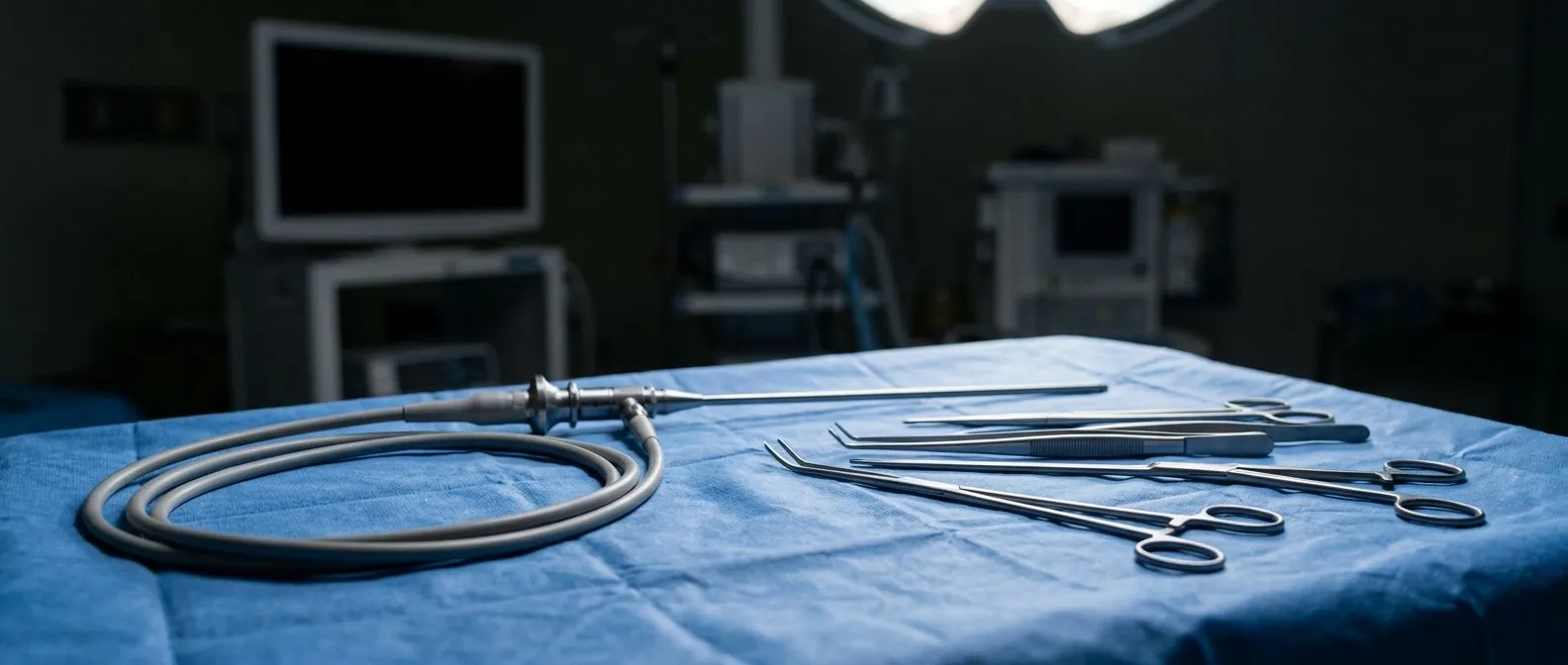
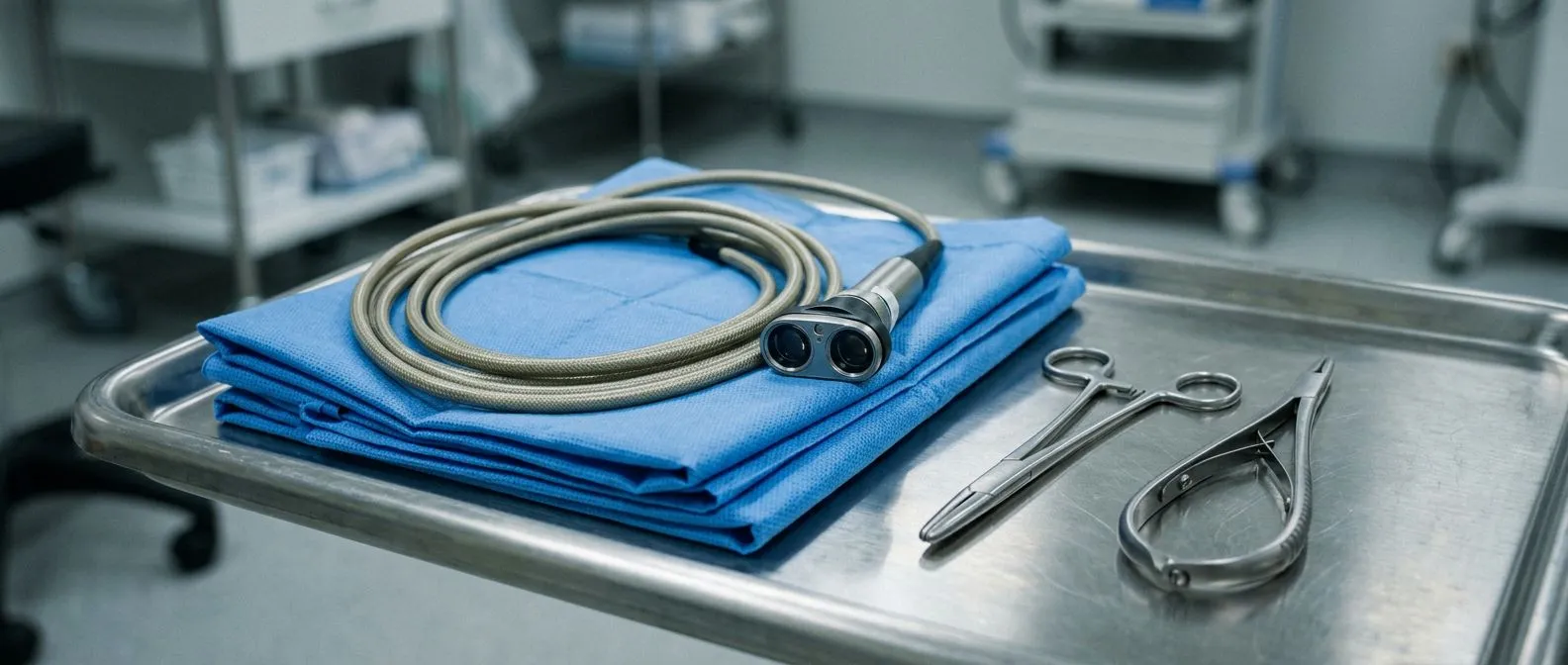
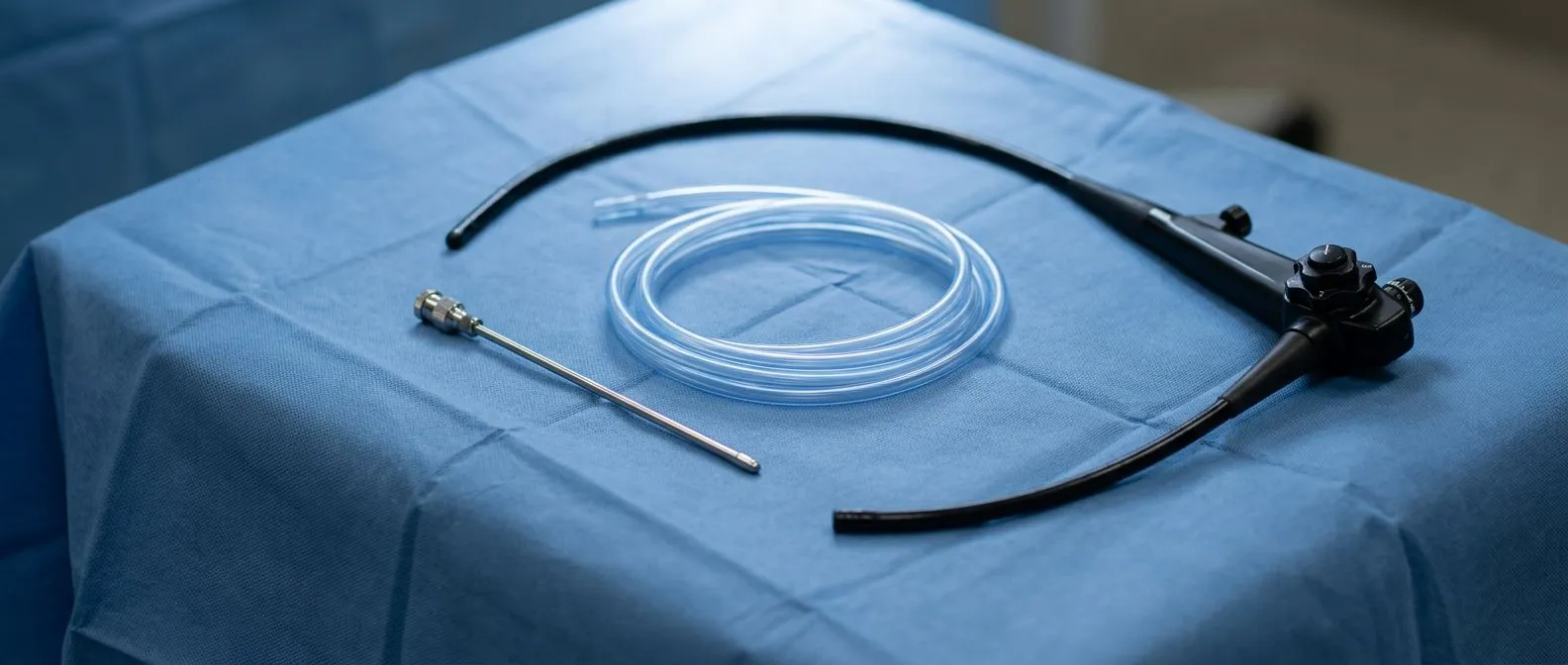
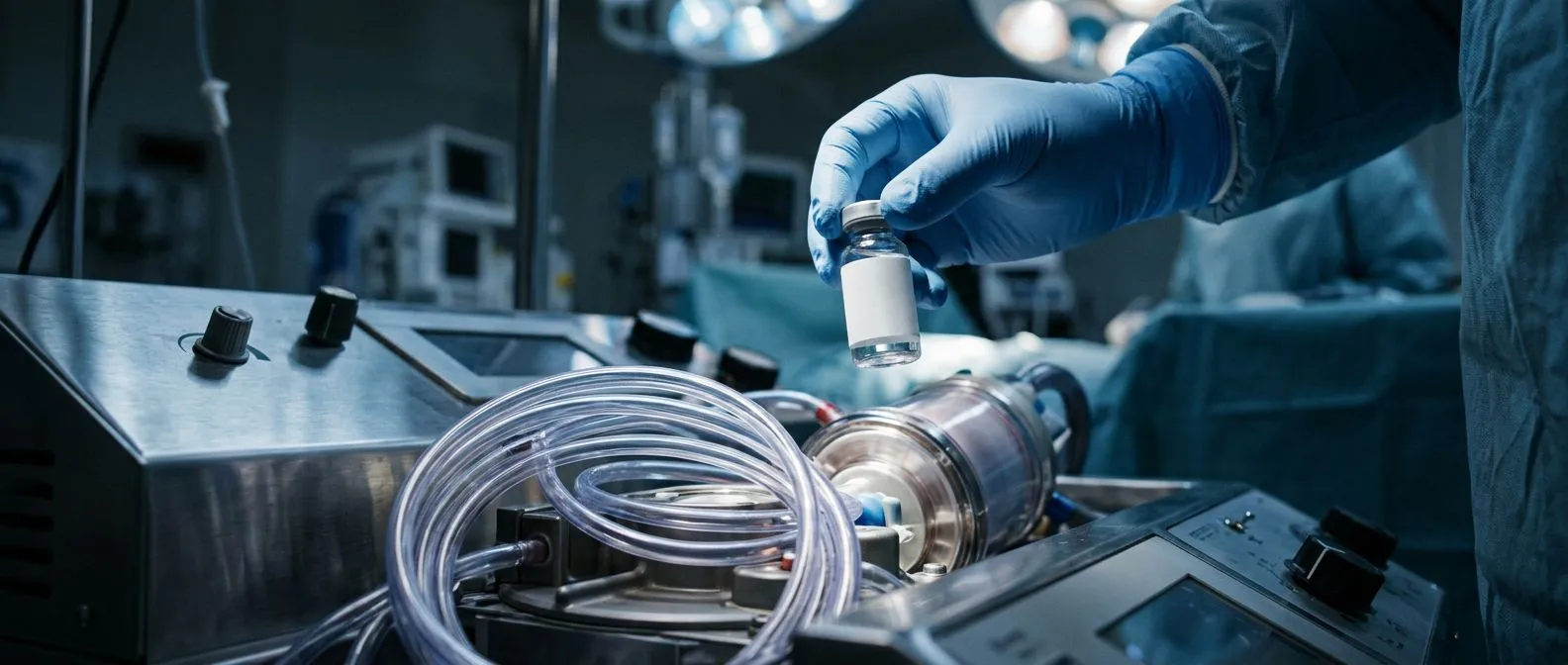
Haptic feedback robotic surgery represents a significant evolution in how complex cardiac procedures are performed. The term "haptic" refers to the sense of touch. In traditional minimally invasive surgery, surgeons manipulate long instruments through small incisions, which can sometimes blunt the feeling of the tissue. By integrating advanced sensors into robotic systems, haptic feedback robotic surgery restores and even enhances the tactile sensations a surgeon feels, translating the physical resistance of heart tissues directly back into the surgeon’s hand controls. This allows for a more natural and controlled operative experience.
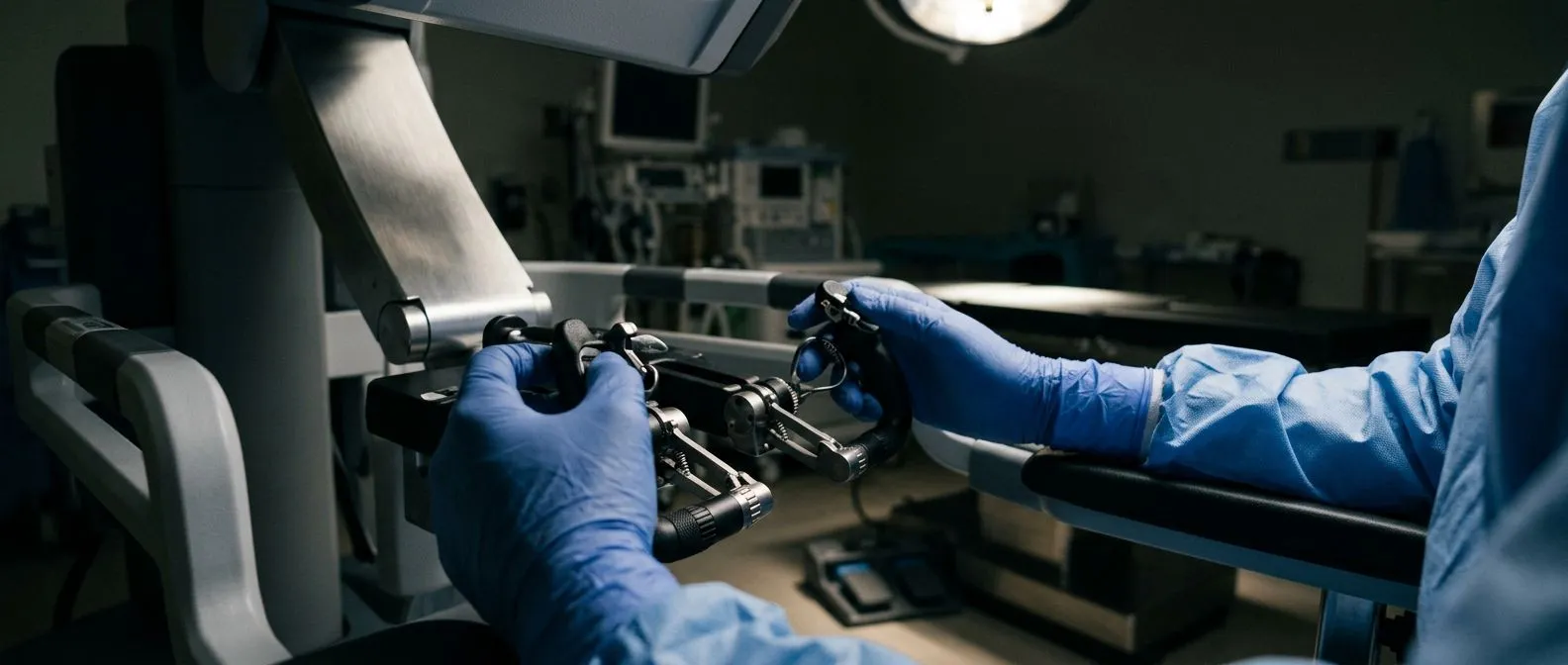
Understanding the surgeon's console: The surgeon sits at a specialized console a few feet away from the operating table. As they move their fingers, the robotic arms inside the patient's chest mirror these movements precisely. The haptic technology works by measuring the forces applied to the surgical instruments by the patient's tissue. These measurements are instantly processed and sent back to the surgeon's hand controls, allowing them to feel the density, elasticity, and resistance of the heart structures. Research published by AHA Journals continuously highlights how these technological advancements improve surgical accuracy.
Why sensation matters in cardiac care: The heart is a dynamic, constantly moving organ, and its tissues vary greatly in strength and fragility. When repairing a valve or bypassing a vessel, the surgeon must apply exactly the right amount of force—enough to secure a stitch, but not so much that the tissue tears. The integration of tactile sensing technology provides an extra layer of safety, ensuring the surgeon is never operating solely by sight. This combination of high-definition 3D visualization and touch helps bridge the gap between traditional open surgery and robotic-assisted techniques.
How does tactile feedback surgery improve precision?
Tactile feedback surgery improves precision by addressing one of the main challenges of early robotic systems: the loss of direct touch. When surgeons cannot feel the tissue, they must rely entirely on visual cues to judge how hard they are pulling or pressing. Tactile feedback technology solves this by utilizing complex algorithms and highly sensitive force sensors located at the tips of the robotic instruments. These sensors detect minute changes in pressure and instantly relay that information back to the surgeon's hands as physical resistance.
The mechanics of tactile sensing: The system essentially creates a closed loop of information. As the robotic instrument grips a piece of tissue, the sensor calculates the force. If the tissue is dense and fibrous, the surgeon feels a strong resistance in the controls. If the tissue is delicate, the controls offer less resistance, warning the surgeon to ease their grip. This real-time physical data is crucial for maneuvers like passing a needle through the tissue of the Atrium, the upper chamber of the heart, where wall thickness can vary.
Bridging the gap between sight and touch: Even with the best high-definition cameras, visual information can sometimes be misleading, especially when blood or shadows obscure the surgical field. By adding the sense of touch, surgeons can confirm what they are seeing. During your preoperative evaluation, your surgical team will listen to your heart using a stethoscope, a process known as Auscultation. The detailed understanding of your heart’s function gained from this exam is matched in the operating room by the detailed tactile information provided by these advanced robotic systems, ensuring every movement is deliberate and precise.
Why is robotic surgery precision important for heart procedures?
Robotic surgery precision is essential because the structures of the heart are incredibly small, fragile, and vital to life. Traditional open-heart surgery requires a large incision through the breastbone to give the surgeon direct access and a clear line of sight. While effective, this approach causes significant trauma to the chest wall. Robotic precision allows surgeons to perform the same complex repairs through tiny incisions between the ribs, sparing the bone and drastically reducing recovery trauma.
Protecting the main arteries: The Ascending Aorta, the large vessel that carries oxygen-rich blood from the heart to the rest of the body, is a critical structure that demands absolute precision during surgery. Any tear or excessive manipulation here can lead to severe complications. Robotic arms, guided by haptic feedback, can maneuver around these major vessels with a range of motion that exceeds human capabilities, reducing the risk of accidental damage. Prior to surgery, patients are often asked to stop taking blood thinners like Aspirin to reduce bleeding risks, and the precise nature of robotic instruments helps keep blood loss to an absolute minimum.
Navigating tight anatomical spaces: The heart sits in a very crowded space within the chest, surrounded by the lungs and major blood vessels. The ability to operate with millimeter accuracy means the surgeon can repair small structures without needing to move other vital organs out of the way. This meticulous approach minimizes collateral tissue damage, leading to less inflammation and a smoother postoperative course. The robotic system acts as an extension of the surgeon's hands, shrinking down human-scale movements to operate flawlessly within the microscopic environment of the chest cavity.
What to expect during robotic-assisted surgery in Mexico?
Choosing robotic-assisted surgery in Mexico at Cirugía de Corazón means you will receive care from a highly specialized team led by Dr Alejandro Molina. The process begins long before you enter the operating room. You will undergo a thorough evaluation to ensure you are a suitable candidate for a minimally invasive approach. On the day of the surgery, you will be greeted by a dedicated cardiac anesthesia team who will carefully manage your sedation and monitor your vital signs throughout the procedure.
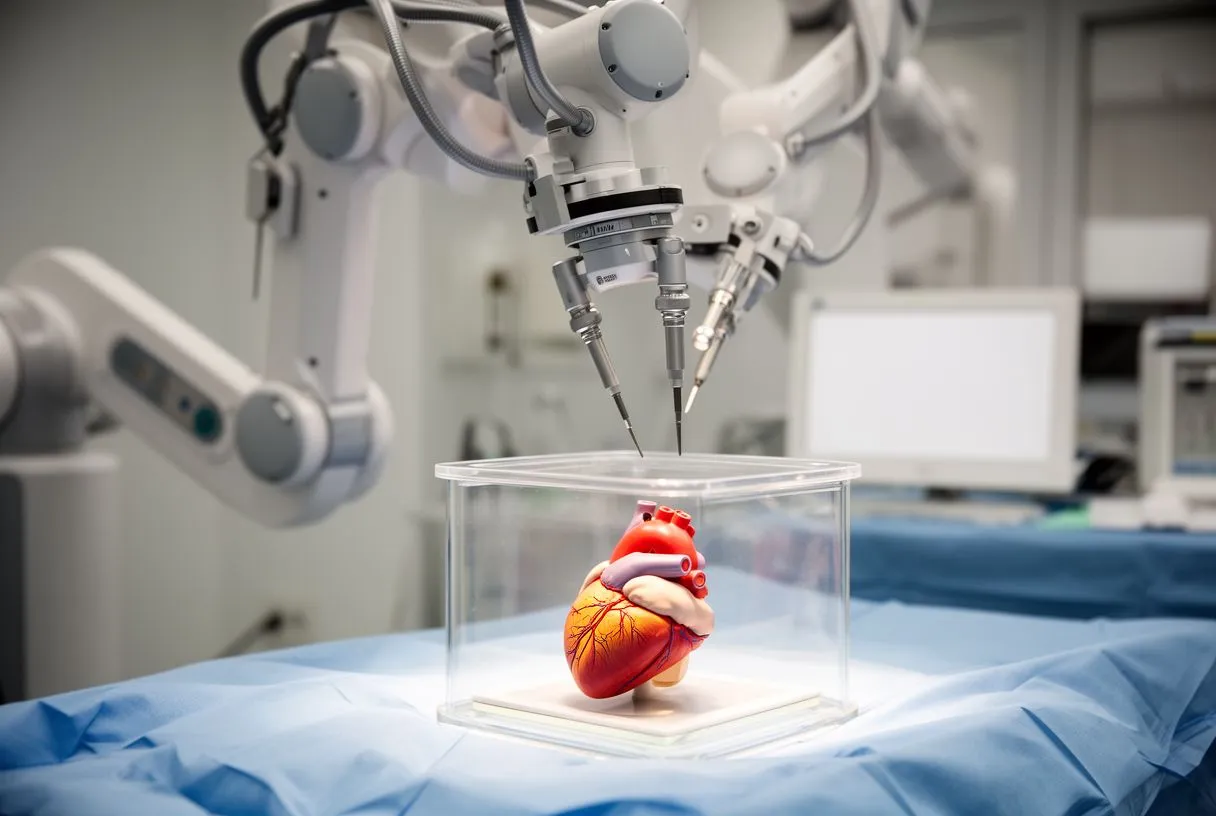
Inside the operating room: Once you are asleep, the surgical team will make a few small incisions on the side of your chest. An Arterial Line, a thin tube placed into an artery, will be used to monitor your blood pressure continuously and accurately. The robotic arms are then inserted, and the surgeon takes their position at the console. Because the incisions are small and the robotic arms hold steady, patients sometimes experience less postoperative Arm Pain and shoulder discomfort compared to traditional surgeries where the chest is opened and spread.
The role of the surgical team: It is important to understand that the robot does not perform the surgery on its own. Dr Molina and his team are in complete control of every movement. The surgical table is staffed by a highly trained first assistant who helps guide the robotic arms and changes the surgical instruments as needed. The entire team works in harmony, combining the advanced technology of the robotic system with the clinical expertise and judgment of human surgeons to provide you with the lowest risk procedure for your situation.
Are there haptic feedback systems for mitral valve repair?
Yes, haptic feedback systems are increasingly utilized in robotic mitral valve repair. The mitral valve sits between the left Atrium and the left ventricle, and its job is to ensure blood flows in one direction. When the valve leaks, a condition known as mitral regurgitation, blood flows backward, forcing the heart to work harder. Repairing this valve requires immense delicacy, as the leaflets of the valve are as thin as tissue paper. Haptic feedback allows the surgeon to feel the tension of the valve tissues and place sutures with extreme accuracy.
Complex repairs made safer: A comprehensive study titled Endoscopic Mitral Repair for Degenerative Mitral Regurgitation: Effect of Disease Complexity on Short- and Mid-term Outcomes demonstrates how minimally invasive approaches handle even complex valve geometries. When repairing degenerative valves, which often involve prolapse, the surgeon must resect damaged tissue and place artificial chords. Feeling the exact tension on these chords is where tactile feedback becomes invaluable. Furthermore, understanding the root causes of these valve issues is vital, as explored in the research Genetics and pathophysiology of mitral valve prolapse.
Comparing repair techniques: In some cases, a damaged valve cannot be repaired and must be replaced. While valve replacement often requires different tools, such as a Balloon-expandable Valve used in transcatheter procedures, robotic mitral valve repair focuses on preserving your native tissue. By using haptic feedback to meticulously reconstruct the valve, surgeons can often avoid a replacement entirely. Repairing your own valve is generally preferable because it maintains the natural architecture of your heart and reduces the need for long-term blood thinners.
How does force feedback surgery protect delicate tissues?
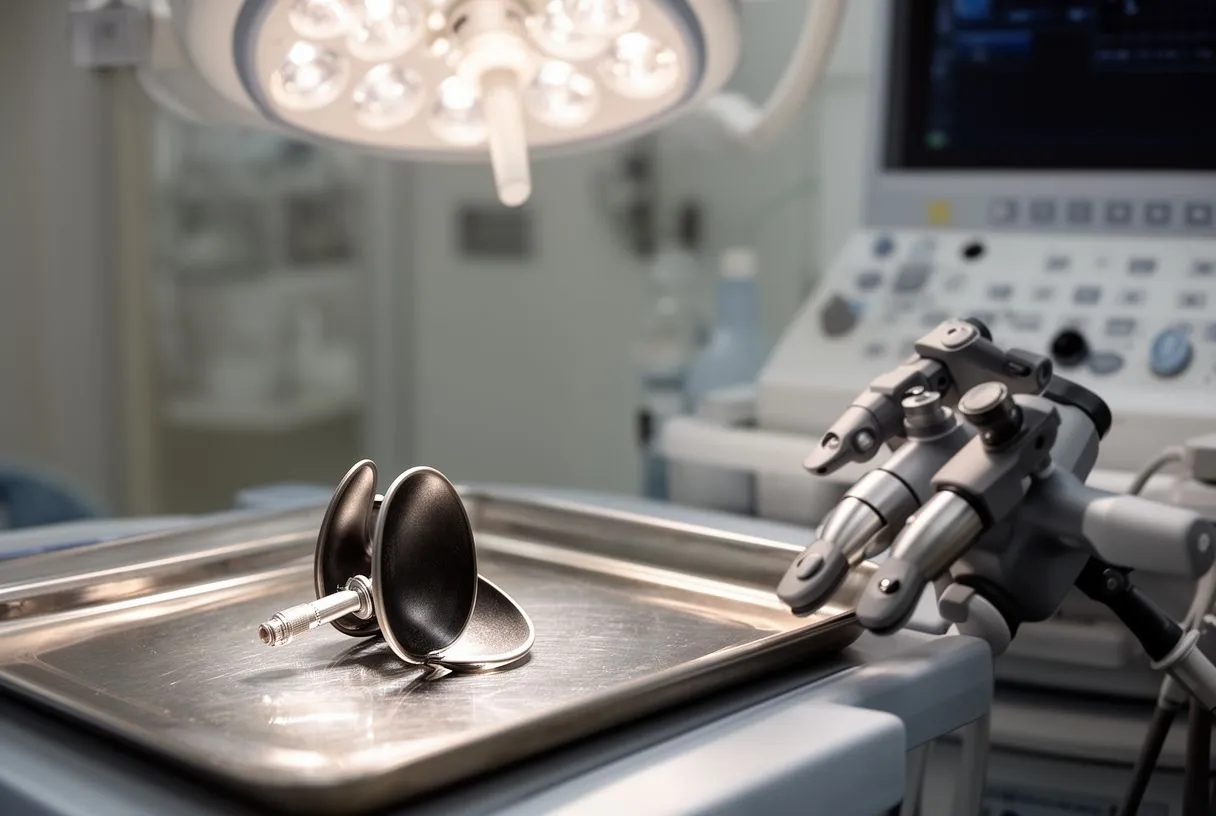
Force feedback surgery protects delicate tissues by establishing invisible boundaries that prevent the surgeon from applying too much pressure. In cardiac surgery, tissues must be handled with extreme care to prevent microscopic tears that could lead to bleeding or future failure of the repair. The force feedback system continuously calculates the safety threshold for the specific tissue being manipulated and communicates this directly to the surgeon's hands through varying levels of resistance.
Preventing tissue trauma: When a surgeon is tying a knot to secure a graft, such as an Autograft (a blood vessel taken from one part of your body to bypass a blockage elsewhere), the tension must be perfect. If the knot is too loose, the graft will leak; if it is too tight, the vessel wall can be crushed. The force feedback system acts as an intelligent buffer, allowing the surgeon to feel the tissue yielding and stopping the pull just before the breaking point. This ensures every suture is placed with the exact right amount of tension.
Key benefits of force feedback protection: This technology provides several specific advantages during the operation.
- Reduced bleeding: Precise control over tissue handling minimizes trauma to blood vessels, keeping the surgical field clean and reducing the need for blood transfusions.
- Accurate suturing: Surgeons can feel the needle passing through the tissue layers, ensuring the suture bites deeply enough to hold without pulling through the fragile tissue.
- Preserved tissue integrity: By avoiding unnecessary crushing forces, the natural healing processes of the heart are supported, leading to stronger, more durable repairs.
What is the recovery time for robotic heart surgery?
The recovery time for robotic heart surgery is significantly shorter than traditional open-heart surgery, which is one of the primary benefits for patients. Because the breastbone is not cut and spread apart, the intense pain and long healing time associated with bone recovery are eliminated. Instead, the small incisions between the ribs heal quickly, allowing patients to return to their normal lives much faster.
Days in the hospital: Typically, patients who undergo robotic-assisted cardiac surgery spend about three to four days in the hospital. This is a marked improvement over the week or more required for traditional sternotomy. During your hospital stay, the team will monitor your progress, manage your pain, and help you begin walking and moving. Unlike patients who undergo a catheter-based procedure like Balloon Angioplasty and often go home the next day, robotic surgery patients still need a few days of observation to ensure their heart function is stable.
Returning to daily life: Once you are discharged, your recovery continues at home. The timeline for resuming activities is much faster because you do not have to wait for a broken bone to heal. Here is a general look at what to expect:
- Weeks 1-2: Focus on gentle walking and resting. You will be able to perform basic self-care without assistance.
- Weeks 3-4: Most patients can return to driving and resume light, non-strenuous work.
- Weeks 6-8: You can gradually return to more vigorous activities and exercise, guided by your cardiac rehabilitation team.

Are robotic surgery outcomes better than traditional methods?
When asking if robotic surgery outcomes are better than traditional methods, it is important to define what "better" means for your specific situation. In terms of clinical success—fixing the valve or bypassing the blockage effectively—the outcomes are comparable to traditional open-heart surgery. However, when looking at the patient experience, complication rates, and recovery quality, robotic surgery demonstrates significant advantages that make it a preferred option for suitable candidates.
Reduced complications and blood loss: Because the procedure is minimally invasive, the inflammatory response in the body is much lower. This leads to a reduced risk of infections and a lower likelihood of irregular heart rhythms, such as Atrial Flutter, postoperatively. Additionally, the precision of the robotic instruments and the ability to reuse your own blood, known as Autologous Blood, during the procedure mean that blood transfusions are drastically reduced. In the rare event of a cardiac emergency during recovery, an Automated External Defibrillator (AED) is always available on the ward, but the need for such interventions is minimized by the gentle nature of the robotic approach.
Long-term durability of repairs: The long-term durability of robotic heart surgeries is excellent. The enhanced visualization and precise tactile feedback allow surgeons to perform repairs that are structurally sound and built to last. By avoiding the large incisions of traditional surgery, patients also experience less chronic pain and a better quality of life in the months following the operation. While no surgery is without risk, the combination of advanced technology and expert surgical skill provides a pathway to healing that is both effective and respectful of the patient's body.
When to consider robotic cardiac surgery in Guadalajara?
You should consider robotic cardiac surgery in Guadalajara when you have been diagnosed with a condition that requires surgical intervention, such as mitral valve disease, and you desire a less invasive approach. Dr Alejandro Molina and the team at Cirugía de Corazón serve patients from Guadalajara, Querétaro, and Hermosillo, as well as international patients traveling for high-quality cardiac care. The decision to pursue robotic surgery is a collaborative one between you, your cardiologist, and your surgeon.
Evaluating your condition: Not every patient is a candidate for robotic heart surgery. Your medical team will conduct a thorough review of your medical history, including blood tests to check your Apolipoprotein B levels, which help assess your cardiovascular risk. They will also evaluate the extent of any Atheromatous Plaque (cholesterol build-up) in your arteries to ensure a robotic approach is safe for you. If you have had previous chest surgeries or severe lung disease, a traditional approach might be deemed lower risk for your specific situation. The goal is always to choose the method that provides the safest and most effective outcome.
For patients traveling from out of town or from abroad, the team provides comprehensive support to help coordinate your travel, accommodations, and medical records. You will receive the same standard of care and technological advancement that you would expect in leading cardiac centers globally, provided with warmth and cultural understanding. Discussing your case with Dr Molina will help you understand if the robotic approach aligns with your medical needs and personal preferences.
How to prepare for your robotic heart surgery consultation?
Preparing for your robotic heart surgery consultation is a vital step toward taking control of your heart health. This initial meeting is your opportunity to share your medical history, understand your treatment options, and build trust with your surgical team. Coming prepared ensures that Dr Molina has all the information needed to make an accurate assessment of your condition and to determine if haptic feedback robotic surgery is the right path for you.
Gathering your medical records: Before your appointment, collect all relevant medical documents. This includes recent echocardiograms, CT scans, blood work, and a list of all medications you are currently taking. It is also important to note if you have experienced any unusual symptoms, such as the signs of an Atypical Infarction (a heart attack with unusual symptoms like jaw pain or nausea rather than chest pain), or if you are on specific medication regimens, such as the ARISTOTLE protocol for blood thinners. Having this information ready allows the surgical team to evaluate your case efficiently without delays.
Asking the right questions: Your consultation is a two-way conversation. Be ready to ask questions about the procedure, the recovery timeline, and what to expect on the day of surgery. Understanding the realistic outcomes and the commitment required for recovery will help alleviate anxiety and set clear expectations. The team at Cirugía de Corazón is dedicated to answering your questions with clarity and empathy. We encourage you to discuss your own situation with a qualified cardiac team and to book a consultation rather than self-diagnosing, ensuring you receive personalized medical advice tailored to your unique heart health needs.