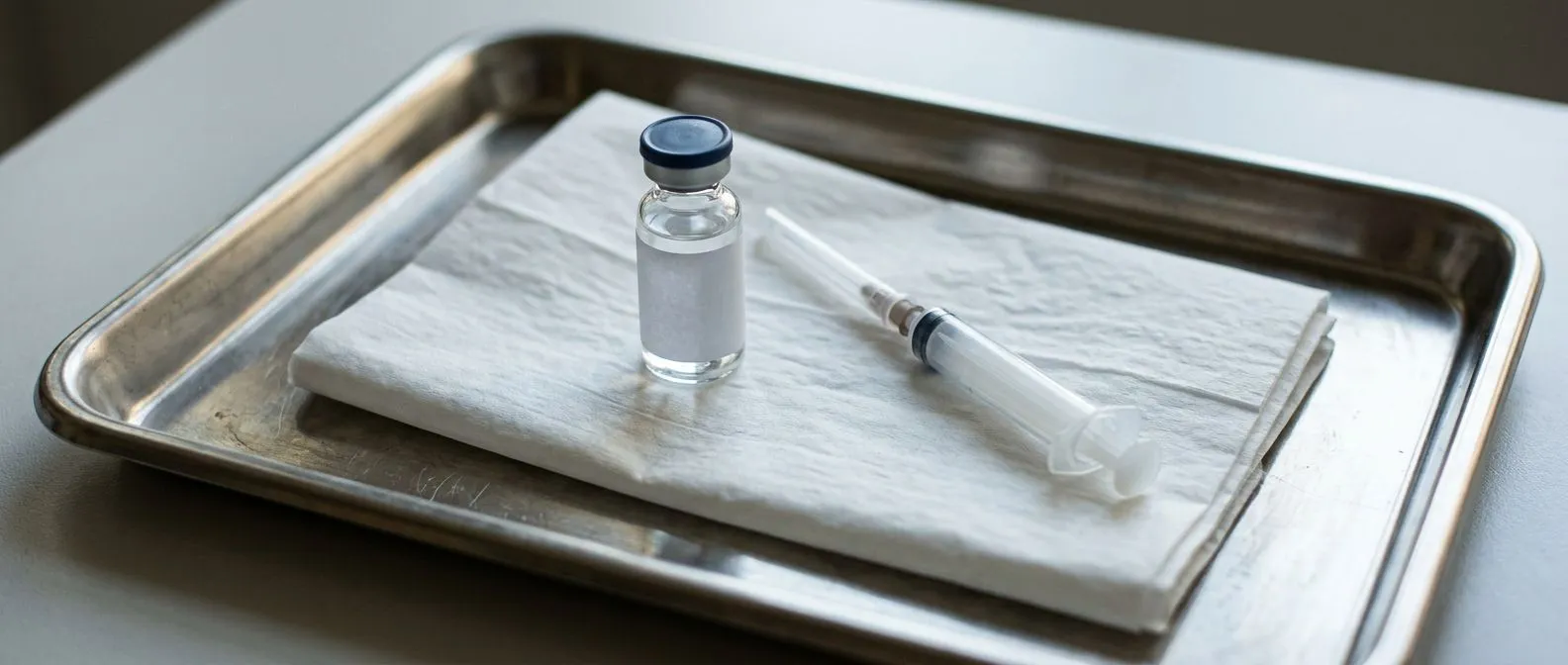
Heparin in Heart Surgery: Why It Is Used and the Risks
Heparin heart surgery protocols prevent dangerous blood clots during cardiac procedures.
Heparin heart surgery protocols represent one of the most critical safeguards in modern cardiac care. For patients facing procedures ranging from coronary artery bypass grafting to valve replacement, this anticoagulant prevents the formation of dangerous clots while surgeons work on the heart. Understanding why your cardiac team chooses heparin—and what vigilance surrounds its use—can transform anxiety about your procedure into informed confidence. This guide explains the science, the safeguards, and the genuine risks every patient and family member should discuss with their surgical team.
What Is Heparin Heart Surgery and How It Began
Heparin's discovery in 1916 marked a turning point for cardiac surgery. A medical student named Jay McLean, working under William Henry Howell at Johns Hopkins University, isolated this compound from dog liver tissue—hence the name "heparin," from the Greek hepar for liver. Initially too impure for human use, refined versions arrived by the 1930s, and by the 1950s heparin became standard for open-heart procedures. Before this breakthrough, surgeons could operate on the heart for mere minutes before clot formation threatened both the surgical field and the patient's life.
The historical significance extends beyond laboratory curiosity. Early cardiac pioneers including John Gibbon, who developed the heart-lung machine, relied on heparin to keep blood flowing without coagulating during prolonged cardiopulmonary bypass. Without this anticoagulant, the entire field of modern cardiac surgery would remain impossible. Today, an estimated 1.5 million cardiac procedures annually worldwide depend on heparin anticoagulation surgery protocols, making it arguably the most universally used drug in cardiovascular operating rooms.
For patients preparing for surgery, this history matters because it underscores a fundamental truth: heparin is not optional or incidental. It is the pharmacological foundation upon which contemporary cardiac surgery rests. Your surgical team has generations of refined practice behind every milligram they administer.

How Heparin Works During Cardiac Procedures
Heparin operates through a remarkably elegant mechanism that exploits the body's natural anticoagulant systems. It binds to a protein called antithrombin III, amplifying that protein's ability to neutralize thrombin and factor Xa—two enzymes essential for clot formation. Think of heparin as a molecular accelerator: it does not directly attack clots but rather turbocharges the body's existing defenses against them. This indirect action explains both its rapid onset and why its effects can be quickly reversed when surgery concludes.
During cardiac procedures, this mechanism serves two distinct purposes. First, it prevents clot formation within the heart-lung machine itself, where blood contacts artificial surfaces that powerfully trigger coagulation. Second, it maintains systemic anticoagulation so that blood flowing through the patient's own vessels does not form clots in the sluggish or turbulent conditions created by surgical manipulation. The comparison of interventional approaches for pulmonary hypertension published in Scientific Reports illustrates how anticoagulation strategies vary across cardiac procedures, though heparin remains the cornerstone for open surgical cases.
Understanding the difference between unfractionated and low-molecular-weight forms helps patients grasp monitoring requirements. Standard heparin (unfractionated) has unpredictable metabolism between individuals, requiring frequent blood tests. Low-molecular-weight heparins offer more predictable effects but lack easy reversibility, making them less suitable for the immediate control demanded in cardiac surgery. This pharmacological distinction directly shapes your experience in the operating room and intensive care unit.
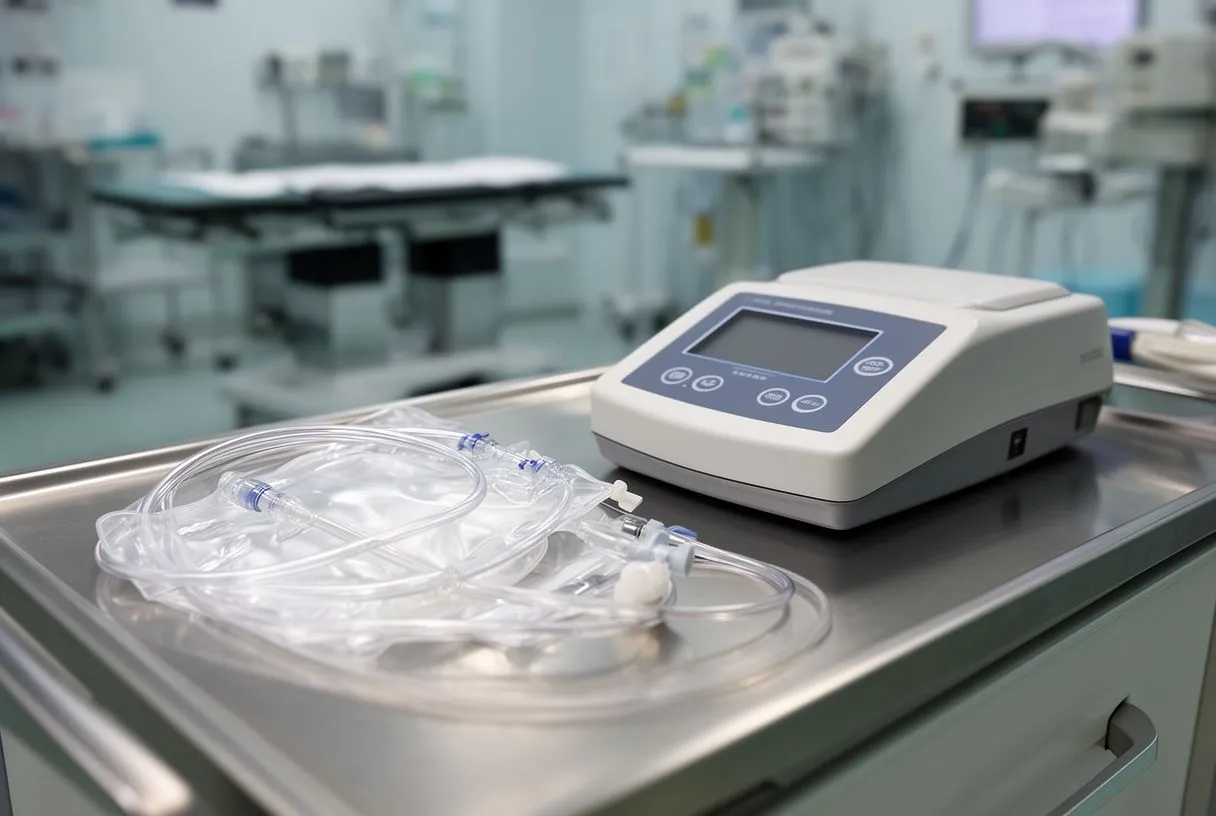
Heparin Heart Surgery Protocol: Step by Step
The heparin heart surgery protocol follows a meticulously choreographed sequence that begins before incision and extends into recovery. Before the patient receives any anticoagulant, the team establishes baseline coagulation studies and confirms no active bleeding or recent heparin exposure that might complicate management. The initial dose—typically calculated per kilogram of body weight—delivers through a central venous line for immediate systemic distribution.
Once heparin circulates, the perfusionist and anesthesiologist monitor its effect using the activated clotting time (ACT), a bedside test measuring how long blood takes to clot under standardized conditions. Target ACT values usually exceed 400-480 seconds for cardiopulmonary bypass, compared to a normal baseline of approximately 100-140 seconds. The surgical team will not initiate bypass until confirming adequate anticoagulation, and they recheck ACT every 30 minutes during prolonged procedures, supplementing heparin as needed.
Protocol deviations for specific patient populations require individualized adjustments. Patients with prior heparin-induced thrombocytopenia, those on chronic anticoagulation for conditions like atrial flutter, or individuals with antiphospholipid antibodies may demonstrate heparin resistance requiring substantially higher doses. Conversely, elderly patients or those with liver dysfunction may exhibit heightened sensitivity. Your cardiac team's preoperative assessment specifically screens for these variables to personalize the protocol protecting you.
Why Heparin Is Essential During Heart Surgery
The essential nature of heparin during heart surgery becomes viscerally apparent when considering what occurs without it. Blood exposed to the foreign surfaces of bypass circuits, oxygenators, and arterial cannula triggers massive coagulation activation—clot formation that would occlude the machine and shower microemboli into the patient's circulation. Within the surgical field itself, blood stasis in opened cardiac chambers and the trauma of suturing create ideal conditions for thrombus formation that could cause stroke, myocardial infarction, or device malfunction.
Beyond these mechanical necessities, heparin enables the physiological support systems upon which complex repairs depend. Procedures involving the ascending aorta, such as valve replacement or aortic root reconstruction, require circulatory arrest with profound cooling. During these intervals, blood movement ceases entirely; without robust anticoagulation, catastrophic clotting would occur before rewarming and resumption of circulation. Similarly, long operations using cardiopulmonary bypass—sometimes extending eight hours or more for reoperations or complex congenital repairs—demand sustained anticoagulation that only heparin's rapid titration can provide.
The consequences of inadequate anticoagulation extend far beyond the operating room. Clot formation during surgery can embolize to the brain causing stroke, lodge in coronary grafts causing early failure, or accumulate on prosthetic valves threatening dysfunction. These complications carry mortality and morbidity far exceeding the manageable risks of proper heparin use. This risk-benefit calculus—thoroughly established through decades of surgical experience—informs every cardiac center's commitment to meticulous heparin management.
- Clot prevention: Heparin blocks thrombin generation throughout the bypass circuit and patient's vasculature, preventing thrombus that could embolize to critical organs.
- Circuit patency: The heart-lung machine contains artificial surfaces that intensely activate coagulation; heparin maintains circuit function without occlusion.
- Temporary protection: Unlike oral anticoagulants, heparin's short duration and reversibility allow precise control timed to surgical needs.
- Generational evidence: Millions of cardiac procedures over seven decades have validated heparin's efficacy and refined its safest use.

Types of Heparin Used in Cardiac Surgery
Cardiac surgical practice employs primarily unfractionated heparin—derived from porcine intestinal mucosa or bovine lung tissue—due to its immediate onset, ease of monitoring, and complete reversibility with protamine sulfate. This standard preparation contains a mixture of polysaccharide chains with molecular weights ranging 5,000 to 30,000 daltons, with anticoagulant activity concentrated in longer chains. Despite its natural origin and complex composition, pharmaceutical manufacturing achieves consistent potency units ensuring predictable clinical effect when properly monitored.
Low-molecular-weight heparins such as enoxaparin have largely replaced unfractionated heparin for medical anticoagulation and some percutaneous procedures, but cardiac surgery's demands for immediate, complete reversibility keep unfractionated preparation dominant in operating rooms. Some centers investigating reduced bleeding have explored low-molecular-weight alternatives for specific off-pump coronary bypass procedures, though this remains non-standard. Patients should explicitly ask their surgeon which preparation their protocol employs and why.
Porcine versus bovine sourcing carries relevance for patients with specific allergies or religious dietary restrictions. Most modern heparin derives from porcine sources; bovine preparations, historically associated with higher impurity rates, are less common. For patients with pork allergy or certain religious observances, discussion with the surgical team allows exploration of alternatives or documentation of acceptable use in life-saving contexts. Transparency about these considerations is part of respectful, patient-centered cardiac care.
Heparin Dosing Guide for Cardiac Patients
Heparin dosing during surgery follows weight-based calculations rather than fixed amounts, typically beginning with 300-400 units per kilogram intravenously to achieve target ACT values. For a 70-kilogram patient, this translates to 21,000-28,000 units initially—quantities that would cause catastrophic bleeding without the controlled surgical environment and planned reversal. The perfusionist maintains additional heparin in the bypass circuit priming solution, and anesthesiologists administer supplemental boluses when ACT values trend downward during prolonged procedures.
Individual patient factors substantially modify these calculations. Patients with greater body weight, especially obesity, present particular challenges. The relationship between obesity and inflammatory complications documented in Polish research extends to heparin pharmacokinetics, as adipose tissue affects drug distribution and increased blood volume may dilute apparent effect. Some centers use adjusted body weight calculations; others empirically increase initial doses, always guided by ACT monitoring rather than formulas alone.
Special populations require modified approaches that your team should discuss preoperatively. Patients with prior balloon angioplasty or recent coronary stenting on dual antiplatelet therapy face compounded bleeding risks when heparin is added. Those with atheromatous plaque burden may have friable vessels prone to hemorrhage even with standard anticoagulation. Heparin resistance—defined as failure to achieve target ACT despite adequate weight-based dosing—occurs in up to 10% of cardiac surgical patients, often requiring antithrombin III supplementation or fresh frozen plasma to overcome.
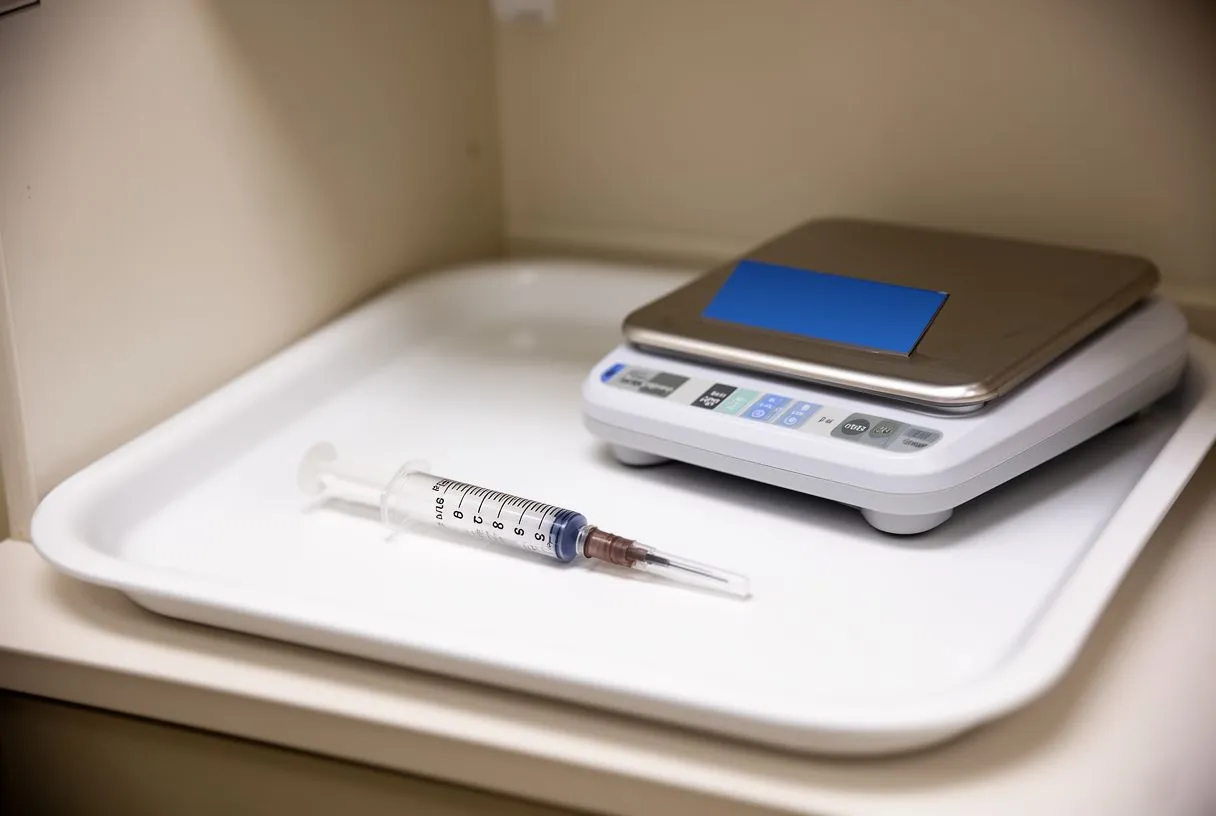
Heparin Reversal with Protamine After Surgery
The capacity for complete reversal distinguishes heparin from nearly all other anticoagulants and makes cardiac surgery feasible. Protamine sulfate, derived from salmon sperm, carries strong positive charges that bind heparin's negatively charged molecules, forming a stable complex devoid of anticoagulant activity. This neutralization occurs within minutes, allowing surgeons to secure hemostasis before chest closure. The typical protamine dose of 1-1.3 mg per 100 units of heparin administered reflects the stoichiometric relationship between these agents.
Protamine administration is not without its own risks, and the reversal moment represents a critical transition in cardiac anesthesia. Rapid infusion can precipitate hypotension, pulmonary vasoconstriction, or rarely catastrophic pulmonary hypertension. Patients with prior protamine exposure from insulin preparations containing this protein, those with fish allergies, or individuals with severe left ventricular dysfunction face heightened vulnerability. Anesthesiologists administer protamine slowly while monitoring cardiac output and pulmonary pressures, prepared to intervene if hemodynamic compromise develops.
Incomplete reversal or excessive protamine both create postoperative problems. Residual heparin effect manifests as bleeding from surgical sites and chest tube output; excessive protamine paradoxically impairs coagulation and can itself cause bleeding. Thromboelastography and point-of-care testing increasingly guide precise protamine titration, moving beyond fixed ratios toward individualized reversal. Your surgical team's approach to this balance directly influences postoperative transfusion requirements and reoperation for bleeding rates.
Are Heparin Risks During Heart Surgery Serious
Heparin risks during heart surgery divide into two categories: those inherent to anticoagulation itself and those specific to heparin as a biological product. The fundamental risk of any anticoagulation is bleeding—expected to some degree in all cardiac surgery, potentially requiring transfusion of blood products, reoperation, or in rare cases causing death from hemorrhage. Surgical teams mitigate this through meticulous technique, temperature management, antifibrinolytic agents, and the protamine reversal discussed above. Serious bleeding despite these measures occurs in approximately 2-5% of cardiac surgical cases, with multifactorial causes in which heparin plays one part.
Heparin-specific risks include heparin-induced thrombocytopenia, allergic reactions to the porcine or bovine source material, and rare episodes of heparin resistance or unexpected sensitivity. Anaphylaxis to heparin itself is exceedingly rare but documented; more commonly, patients experience transient hypotension during heparin bolus administration, usually attributable to histamine release rather than true allergy. The operating team's immediate recognition and management of these events—supported by anesthesia expertise and resuscitation capacity—determines outcomes when they occur.
Contextualizing risk requires comparing heparin against the alternative of inadequate anticoagulation. The morbidity from thrombotic complications—stroke, graft occlusion, valve thrombosis, limb ischemia from arterial line placement—generally exceeds that from manageable bleeding. This does not minimize bleeding risk but frames the therapeutic dilemma correctly: heparin is not risk-free, but its careful use represents the lowest risk for your situation given the catastrophic consequences of clot formation during cardiac surgery. Your team's experience and vigilance, not elimination of heparin, manage these competing risks.
Heparin-Induced Thrombocytopenia After Cardiac Surgery
Heparin-induced thrombocytopenia (HIT) represents the most feared immune complication of heparin therapy, with particular significance in cardiac surgical patients who receive large heparin doses and whose platelet counts are monitored intensively. HIT type I, a non-immune mild platelet decline occurring within two days, is benign and self-limited. HIT type II, an immune-mediated prothrombotic condition caused by antibodies against platelet factor 4-heparin complexes, can cause devastating arterial and venous thrombosis despite low platelet counts—hence the paradox of thrombosis in a "thrombocytopenic" disorder.
Cardiac surgery complicates HIT diagnosis because platelet count declines commonly result from bypass itself, sepsis, drug effects, and consumption. The "4 T" clinical scoring system—evaluating Thrombocytopenia nadir, Timing of count fall, Thrombosis or other clinical sequelae, and other causes of thrombocytopenia—helps distinguish probable HIT from expected postoperative platelet fluctuations. Scores of 0-3 indicate low probability; 4-5 intermediate; 6-8 high probability. Laboratory confirmation via serotonin release assay or heparin-induced platelet aggregation test follows clinical suspicion, though these require days for results during which management decisions must proceed.
For cardiac surgical patients with suspected or confirmed HIT, immediate heparin discontinuation and transition to alternative anticoagulation becomes essential. This presents particular challenges when anticoagulation must continue—during intra-aortic balloon pump support, mechanical circulatory support, or when surgery is urgently needed. Direct thrombin inhibitors such as argatroban or bivalirudin serve as primary alternatives, though they lack reversibility and require careful monitoring. Postoperative patients with HIT may need delayed sternal closure, extended alternative anticoagulation, and avoidance of all heparin exposure permanently—including heparin flushes and low-molecular-weight preparations.
Heparin Alternatives When Standard Anticoagulation Fails
When heparin heart surgery protocols prove unsuitable—due to HIT, true heparin allergy, or demonstrated failure to achieve adequate anticoagulation—cardiac surgical teams must deploy alternatives that sacrifice some of heparin's advantages for necessary anticoagulation. Direct thrombin inhibitors, particularly bivalirudin, have emerged as the primary substitute for cardiopulmonary bypass. Unlike heparin, these synthetic molecules directly inhibit thrombin without requiring antithrombin III, offering predictable anticoagulation unaffected by acquired or congenital antithrombin deficiency. Clinical trials and registry data support bivalirudin's efficacy, though bleeding rates may exceed heparin-based protocols and no reversal agent exists.
Other alternatives occupy narrower niches. Argatroban, another direct thrombin inhibitor with hepatic metabolism, finds use in patients with renal dysfunction where bivalirudin accumulation would occur. Fondaparinux, a synthetic pentasaccharide inhibiting factor Xa, has no role during surgery due to long half-life and irreversibility but may bridge HIT patients preoperatively. For off-pump coronary bypass procedures of limited duration, some surgeons have employed enhanced antiplatelet regimens with minimal or no heparin, though this remains controversial and patient-selective.
Future directions in anticoagulation may eventually reshape cardiac surgical practice. Research registered on clinicaltrials.gov continues investigating novel agents, modified heparin preparations with reduced immunogenicity, and improved monitoring technologies. For now, patients requiring heparin alternatives should seek centers with specific experience—the technical modifications to bypass circuits, monitoring protocols, and postoperative management differ substantially from standard practice. Your cardiac team's transparency about their experience with alternative agents, and their willingness to consult or refer if your situation requires, marks quality in patient-centered surgical care.
The evolution of heparin heart surgery practice—from McLean's laboratory isolation through contemporary precision dosing and reversal—reflects medicine's broader trajectory toward safer, more individualized therapy. For patients facing cardiac surgery, understanding this anticoagulant's role transforms an abstract medication into a comprehensible protection with manageable, well-characterized risks. Open discussion with your cardiac team about your specific heparin plan, monitoring approach, and contingency for unexpected responses ensures you enter surgery as an informed participant rather than passive recipient.
Every cardiac patient's anticoagulation needs differ based on procedure type, individual physiology, and prior drug exposures. The protocols described here represent established practice, but your surgical team will adapt them to your situation. If you or a family member are preparing for cardiac surgery in Guadalajara, Querétaro, or Hermosillo, we encourage you to bring questions about heparin use to your consultation. Understanding your anticoagulation plan—why it protects you, how it is monitored, and what alternatives exist if standard approaches prove unsuitable—is an essential step toward confident, collaborative cardiac care.