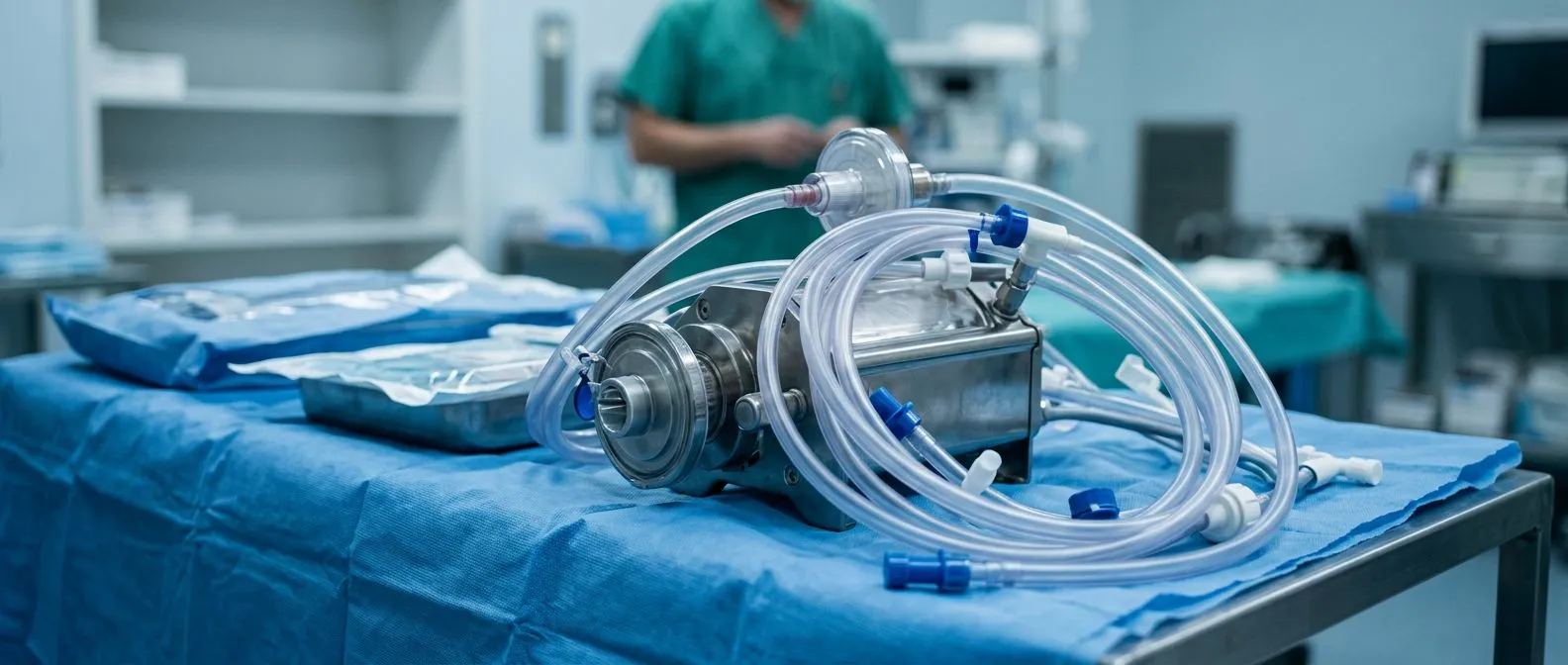
Hospital Admission for Heart Surgery: What to Bring and Expect
Plan your hospital admission for heart surgery with confidence.
What Is a Hospital Admission for Heart Surgery?
A hospital admission for heart surgery is the formal step where you are checked into a hospital as an inpatient so that your operation can be performed and your recovery supervised. It is the moment your surgical journey stops being a plan and becomes a scheduled process — with a bed, a care team, a set of final checks, and a timeline. Knowing what this admission involves removes much of the fear that surrounds it.
What does admission actually involve? Admission is not simply walking through hospital doors. It is a structured clinical pathway that usually begins a day or two before surgery. You will meet your cardiac surgeon, complete final blood work and imaging, review your consent documents, and receive instructions about fasting, medication adjustments, and the surgical day itself. Every step exists to reduce risk and to make sure you reach the operating room in the best possible condition.
Who will you meet? Your care team includes your cardiac surgeon, an anaesthesiologist, intensive care nurses, and physiotherapists. At Cirugía de Corazón, every case is reviewed by our multidisciplinary team against international practice guidelines before a recommendation is made, and you receive a clear proposal with the alternatives — the final decision is always yours. If your procedure involves the aortic valve or the ascending aorta, the team will review your imaging with you in plain language so you understand the anatomical target before you sign anything.
How Do You Prepare Before Heart Surgery?
Heart surgery preparation starts well before the hospital doors. The weeks before your admission are your chance to optimise your body and your home so that recovery is smoother. Patients who arrive well-prepared tend to face fewer complications and shorter stays, whether they are undergoing coronary bypass, valve replacement, or a minimally invasive approach.
Medication and lifestyle adjustments: Your surgical team will give you a specific list of medications to stop or continue. Blood thinners, certain diabetes medications, and supplements that affect clotting are commonly paused. If you take aspirin, your team will weigh the risk of stopping it against the surgical bleeding risk. Stopping smoking is one of the most powerful things you can do — even a few weeks without tobacco improves healing and lung function. Gentle walking and deep-breathing exercises strengthen the muscles you will rely on after surgery.
Practical home preparation: Think about your return home before you leave for the hospital. Move frequently used items to waist height so you do not have to reach above your head or bend deeply after a chest incision. Arrange for a family member to stay with you for the first week. Prepare easy meals, buy a loose front-buttoning shirt, and place a chair with armrests in your living room so you can sit and stand without straining your sternum.
Choosing your team early: Our first contact is a free video consultation: we get to know the patient, talk through the condition, and say exactly which studies are still needed so no unnecessary ones are ordered. A heart surgery consultation before admission also lets you settle travel and timing questions calmly, especially if you are coming from abroad to Guadalajara, Querétaro, or Hermosillo.
What to Bring to the Hospital: Heart Surgery Checklist
Packing for cardiac surgery is different from packing for any other hospital stay. You will move from the ward to the intensive care unit and back, sometimes over several days, and your belongings should support comfort and clarity without clutter. A well-organised bag reduces stress on admission day — this is the most practical before heart surgery tip there is.
Documents and personal items: Bring your identification, insurance or financial agreement, and a complete current list of every medication you take, including doses and frequency. Bring recent imaging on a disc or USB drive, plus any reports of previous procedures. Include a short written medical history — allergies, previous surgeries, family cardiac history — so any team member can review it quickly. Eyeglasses, hearing aids, and dentures in labelled cases are essential for communication and comfort.
Comfort and recovery items: Loose, front-buttoning pyjamas are far easier to manage than pullovers when you have a chest incision. Slip-on shoes with non-slip soles help you walk safely on the ward. A small firm pillow to hold against your chest when coughing — a technique nurses will teach you — makes a real difference. Phone chargers with long cables, a notebook for questions for your surgeon, and a book round out the list. Leave valuables, jewellery, and large amounts of cash at home.
- Documents: ID, insurance or agreement, medication list, imaging discs, written medical history
- Medical items: Eyeglasses, hearing aids, dentures in labelled cases, CPAP machine if prescribed
- Clothing: Front-button pyjamas, loose robe, non-slip slip-on shoes, warm socks
- Comfort: Small firm pillow for coughing support, phone with long charger, notebook for questions

What Happens During the Heart Surgery Admission Process?
Arriving at the hospital on the day of your heart surgery admission process can feel overwhelming, but the sequence is predictable and every cardiac unit repeats it daily. Knowing what comes next — and roughly how long each step takes — helps you and your family move through the day with less anxiety.
Checking in and final assessments: After you register at the admissions desk, a nurse escorts you to your room or a pre-operative holding area. You change into a hospital gown, and the team verifies your identity, your planned procedure, and your consent forms — a safety check repeated several times before surgery. Vital signs are recorded, blood is drawn for cross-matching, and an intravenous line is placed in your arm. In some cases an arterial line is inserted to monitor blood pressure continuously during and after the operation.
Meeting the anaesthesia team: The anaesthesiologist will review your airway, discuss the anaesthesia plan, and answer your questions. For most cardiac procedures, general anaesthesia is combined with specialised monitoring that tracks heart function throughout the operation. This conversation is your opportunity to share any previous reactions to anaesthesia or concerns about waking up. Once all checks are complete, you receive a mild sedative through your IV, and the next conscious memory is typically waking in the intensive care unit.
Choosing the right facility: Check that the hospital holds Hospital Accreditation and that its cardiac unit meets recognized standards. Not all hospitals offer the same level of cardiac support, and the facility matters as much as the surgeon.
Which Tests Are Needed Before Heart Surgery?
Before the operating room, there is a thorough diagnostic phase. These tests are not redundant — each one provides specific information your surgeon uses to confirm the planned procedure is appropriate and to anticipate challenges. Some tests may be completed at home before travelling, while others are done on the day before admission. In the consultation we take the time to explain what the studies actually show, in plain words, and to answer every question before any decision.
Imaging and cardiac assessment: Echocardiography evaluates valve function, chamber sizes, and the strength of the heart muscle. Coronary angiography maps blockages in the arteries and helps decide whether bypass grafting is needed and where to place the grafts. CT scans of the chest provide detailed anatomy of the aorta and surrounding structures. The stethoscope examination — auscultation — gives the clinician a real-time impression of valve sounds and blood flow.
Systemic and functional evaluation: Blood tests check kidney and liver function, blood count, and clotting profile. Lung function tests assess whether your respiratory system can tolerate anaesthesia and the temporary use of a heart-lung machine. If your team suspects frailty may affect recovery, they may use a validated frailty assessment to guide the plan. Research published in Frontiers has examined how pre-operative factors influence outcomes after valve procedures, underscoring why thorough evaluation matters.
How Long Is a Cardiac Surgery Hospital Stay?
One of the most common questions patients ask is: how long will I be in the hospital? While every case is unique, a cardiac surgery hospital stay follows a fairly standard rhythm that helps you and your family plan ahead. Knowing what each day typically brings lets you focus on recovery milestones rather than the clock.
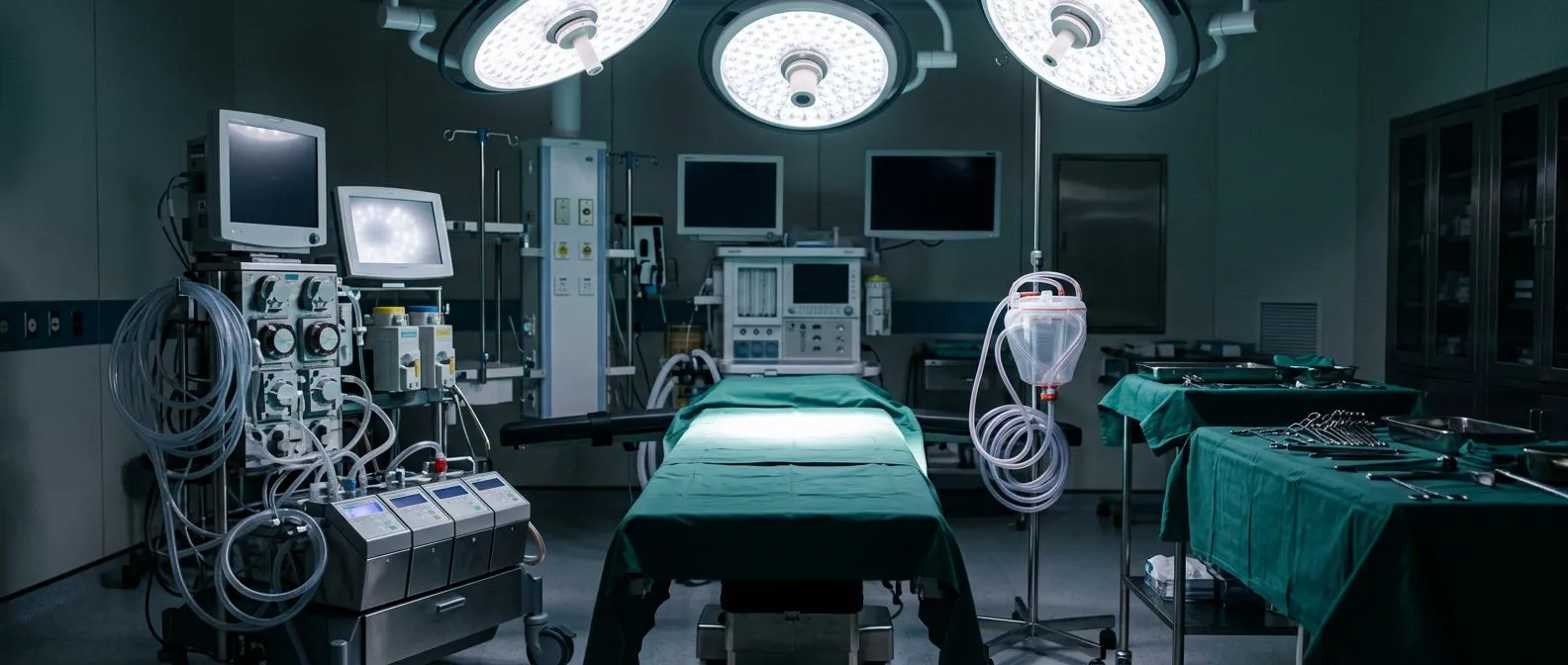
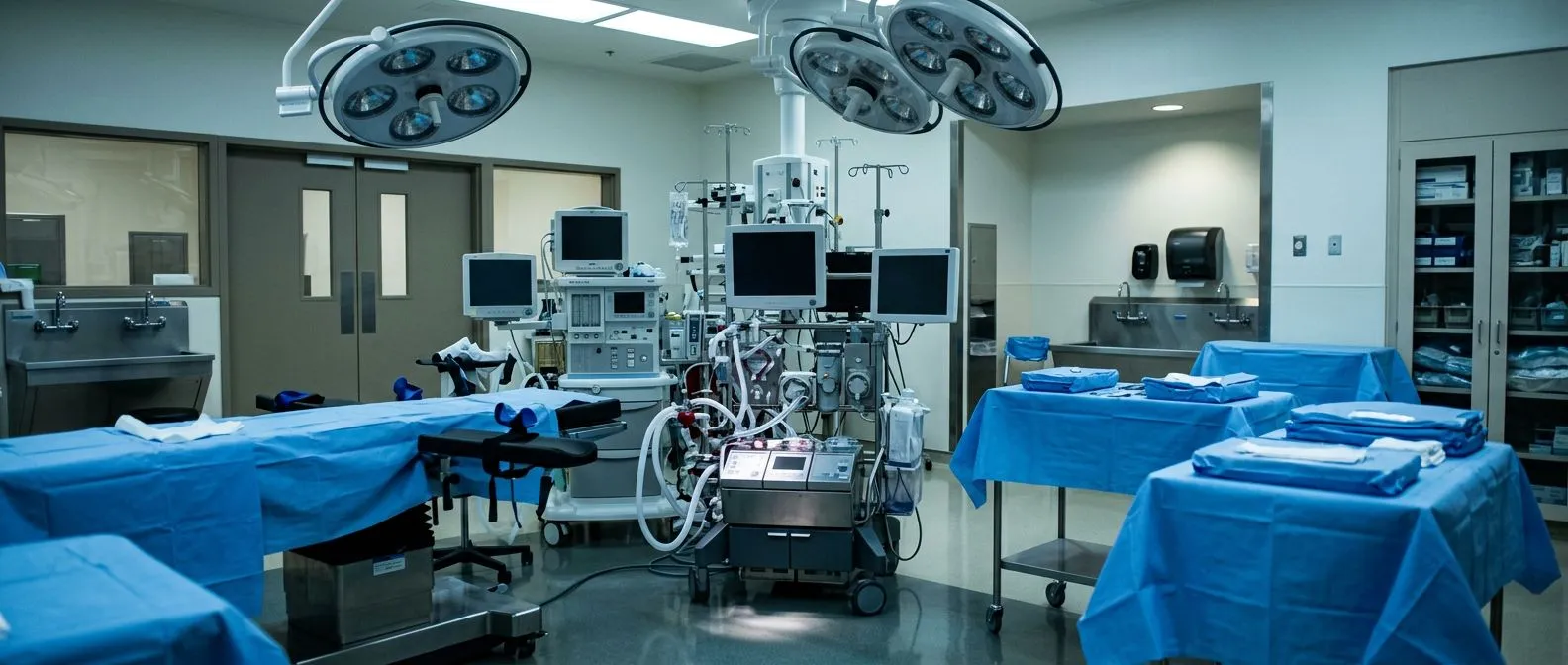
Day zero — surgery and ICU: After the operation, you will wake in the intensive care unit, usually within a few hours of the procedure finishing. You will be connected to monitors, a breathing tube, and lines for fluids and medications. The breathing tube is typically removed within hours once you are awake and breathing independently. Nurses begin gentle mobilisation — sitting up in bed, then standing — often the same evening or the following morning.
Days one to five — step-down and ward: Once stable, you transfer to a step-down unit or standard cardiac ward. Each day brings more independence: walking in the hallway, practising stairs, eating regular meals, and managing your own pain medication. Most patients go home between four and seven days after surgery, though complex procedures or complications can extend the stay. For selected transcatheter valve procedures, some patients are now discharged the next day — research on uncomplicated TAVR admissions has documented both the feasibility and the predictors of next-day discharge (Journal of the American Heart Association).
- Day 0: Surgery, ICU admission, breathing tube removal, initial sitting up
- Days 1–2: Transfer to ward, first walks with assistance, removal of chest tubes and lines
- Days 3–4: Independent walking, stair practice, breathing exercises, discharge teaching
- Days 5–7: Final checks, medication review, discharge home with a follow-up plan
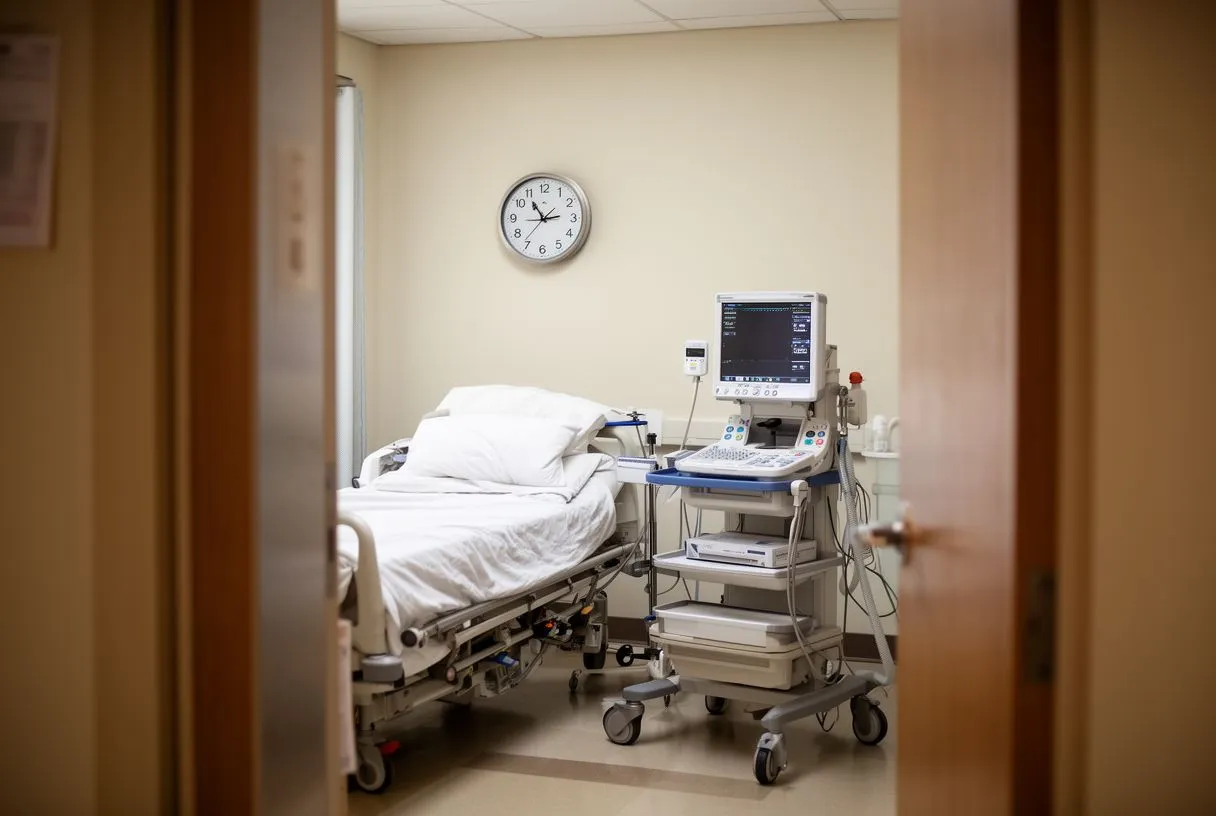
What Is Recovery Like in the ICU After Heart Surgery?
The intensive care unit is where the most critical early recovery happens. For many patients and families, the ICU is the most intimidating part of the entire experience — monitors beep, tubes are everywhere, and visiting hours are restricted. Understanding what each element does helps demystify the environment and lets you focus on healing rather than fear.
Monitors and lines: When you wake, you will see a screen displaying your heart rhythm, blood pressure, and oxygen levels. An arterial line provides beat-to-beat blood pressure readings, while a central venous line delivers medications and measures fluid balance. Chest tubes drain excess fluid from around the heart and lungs and are usually removed within the first day or two. A urinary catheter tracks kidney output, which matters after procedures that can stress the kidneys.
Early mobilisation and comfort: Modern cardiac recovery emphasises early movement. Nurses will help you sit on the edge of the bed, then stand and take a few steps within the first 24 hours if your condition allows. This is deliberate — movement prevents blood clots, improves lung expansion, and signals to your body that healing is underway. Pain is managed with medications adjusted to keep you comfortable enough to participate in these activities.
What families should expect: Visiting times in the ICU are limited, typically short windows of 15 to 30 minutes, so the team can focus on intensive monitoring. For patients who had minimally invasive heart surgery preparation, the ICU stay may be shorter, but the monitoring is just as thorough. We recommend the less invasive route only where the evidence supports it for that patient, and we explain the recovery difference honestly during the consultation.
Is Pain After Heart Surgery Manageable?
Pain after heart surgery is real, but it is also well-managed with modern protocols. Understanding what type of pain to expect, how long it typically lasts, and what warning signs should prompt you to call your team helps you recover with confidence. Many patients are surprised that some of the most uncomfortable sensations come not from the heart itself but from surrounding structures.
What kind of pain is normal? Chest incision soreness, muscle aching around the shoulders and back, and throat discomfort from the breathing tube are all expected in the first week. If your surgeon used an internal artery graft, you may feel numbness or tingling along the chest wall, or discomfort in the arm where the graft was harvested — this usually fades over weeks to months. Sharp, worsening, or sudden pain that does not respond to medication is not normal and should be reported immediately.
Pain management strategies: Medication is the foundation — a combination of scheduled pain relievers and breakthrough doses keeps discomfort manageable. Non-medication approaches complement this: holding a pillow firmly against your chest when you cough or sneeze splints the incision and reduces pain. Ice packs on shoulder and back muscles, gentle walking, and consciously relaxing the shoulders all help. Honest communication with your nurses, using the zero-to-ten scale, lets the team adjust doses before pain becomes severe.
Recovery at home: Cardiac surgery recovery preparation continues after discharge. Pain decreases noticeably after the first week for most patients, transitioning from prescription medication to simple over-the-counter options. Before discharge, review your recovery plan with your team, so you know which sensations are expected and which ones should prompt a call.
How Can Your Family Prepare for Your Hospital Stay?
Heart surgery affects the whole family, not just the patient. Spouses, children, and close friends often carry significant anxiety, and their role in your recovery is too important to leave to chance. A family that knows what to expect, where to wait, and how to support you can make the difference between a smooth recovery and one filled with unnecessary stress.
During the surgery: Families are directed to a waiting area while the operation takes place. Cardiac procedures can last anywhere from three to six hours, sometimes longer for complex cases. Your surgical team will arrange a communication plan — often through a designated liaison or periodic updates — so that your family is not left wondering. They should bring a book, a phone charger, snacks, and comfortable clothing. Having one family member serve as the primary point of contact reduces confusion.
Supporting recovery at home: The first week at home is when family support matters most. Your relative will need help with bathing, dressing, meals, and transportation to follow-up appointments. They should understand that fatigue is profound and normal — your body is using enormous energy to heal. Encourage short walks, ensure medications are taken on schedule, and watch for warning signs such as fever, increasing shortness of breath, or redness at the incision site.
Asking questions together: Family members are often the best at noticing things patients miss. Encourage them to write down questions before the cardiac surgeon appointment and to join the consultation when possible. We encourage second opinions and treat seeking one as a normal part of deciding about heart surgery — a family that understands the reasoning behind the plan supports recovery better.

When Can You Go Home After Heart Surgery?
Going home after heart surgery is a milestone worth celebrating, but it is not the end of the journey. Discharge is a transition from intensive hospital support to self-managed recovery, and it comes with specific instructions, medications, follow-up appointments, and precautions. Understanding the discharge process helps you leave the hospital prepared rather than anxious.
What happens on discharge day? Your surgeon or a senior team member will review your incision, confirm that your vital signs are stable, and discuss the operation findings with you. A nurse will go through a detailed discharge plan: wound care instructions, a medication schedule, activity restrictions, and warning signs that require a phone call or a return to the hospital. You will receive prescriptions and dates for your first follow-up visit, typically within one to two weeks.
Life at home in the first weeks: Recovery at home is gradual. You can walk, climb stairs gently, shower (but not bathe until incisions are fully healed), and perform light household tasks. You should not lift anything heavier than your surgeon specifies, drive, or push yourself to pre-surgery activity levels. Fatigue will come in waves — some days will feel better than others. The goal of the first month is steady, incremental improvement, not a rush back to normal.
Planning your next steps: If heart surgery has been recommended for you or someone you love, the most important next step is a detailed conversation with a qualified cardiac team about your specific situation. Every patient's anatomy, risk profile, and recovery path are unique, and no article can replace personalised guidance. We invite you to book a consultation with Dr Alejandro Molina in Guadalajara, Querétaro, or Hermosillo — we will talk through your condition, your options, and the admission process, and the decision remains yours.