How Heart Surgery Works: From Incision to Recovery
Learn how heart surgery works step by step, from preparation through operating room procedures to recovery timeline.
Understanding how heart surgery works takes much of the fear out of it. Most anxiety comes from the unknown: what happens in the operating room, what the surgeon actually does, and how the weeks afterwards unfold. This guide walks you through the whole journey — from the first consultation to the Return to Work milestone — in plain language, so you can ask better questions and make calmer decisions about your own heart.
How Does Heart Surgery Work, Step by Step?
At its simplest, heart surgery is a planned repair of the heart or its nearby blood vessels. The team opens the chest, works on the problem — a blocked artery, a leaking valve, a weakened aorta — and closes everything again. The word "planned" matters more than people realise. Almost nothing in a modern operating room is improvised.
The broad sequence. Every case follows the same backbone: evaluation, preparation, anaesthesia, the operation itself, then a Recovery Room stay and gradual rehabilitation. Within that backbone, each patient's path differs based on their diagnosis, their other conditions, and the technique chosen. Understanding how heart surgery works step by step helps you see where your own decisions fit in.
In our practice, how heart surgery works is explained to the patient during the first consultation, in plain words, before any decision is made. We believe a patient who understands the sequence is a calmer, safer patient. The rest of this guide follows that same sequence in detail.
Types of Heart Surgery Explained
Not all heart operations are the same, and the differences matter for your recovery. Knowing the main types of heart surgery explained in everyday terms helps you understand why your team recommends one approach over another.
- Coronary artery bypass grafting (CABG): new routes built around blocked heart arteries, so blood reaches the heart muscle again.
- Valve surgery: repairing or replacing a mitral or aortic valve that no longer opens or closes properly.
- Aortic surgery: replacing a section of the aorta, the body's main artery, when it has widened beyond a safe diameter.
- Structural heart procedures: smaller repairs done with catheters, including TAVR — transcatheter aortic valve replacement, where a new valve is delivered through a blood vessel without opening the chest.
Open versus less invasive. Traditional open heart surgery uses a sternotomy — an incision down the centre of the chest with the breastbone temporarily opened. Minimally invasive surgery uses small incisions between the ribs, sometimes with an Inverted T-incision or a J-incision lower on the chest to preserve the breastbone. Robotic surgery goes further, with the surgeon controlling instruments from a console.
Our team performs conventional, minimally invasive, robotic and transcatheter procedures, and we recommend the less invasive route only where the evidence supports it for that specific patient. The incision is not cosmetic trivia; it shapes pain, healing and the recovery timeline that follows.
What Are the Heart Surgery Preparation Steps?
Good preparation is half the operation. The heart surgery preparation steps begin well before the morning of surgery, and each one has a clear purpose.
Studies and evaluation. You will have an echocardiogram (an ultrasound of the heart), coronary images, blood work and often a stress test. These studies tell the team exactly what they will find inside your chest, so there are no surprises. In our practice, every case is reviewed by the multidisciplinary team against international practice guidelines before a recommendation is given, and we tell patients which studies are still needed so no unnecessary ones are ordered.
Practical preparation. In the days before surgery you will be asked to stop certain medications, especially blood thinners, follow fasting instructions, and shower with an antiseptic wash to lower infection risk. You will also notice some peculiar-sounding rules in the operating area.
One common question is why you cannot wear a bra or any underwire clothing during surgery. The reason is simple and practical: metal interferes with imaging and with the electrical monitoring leads placed on your skin, and any fabric must stay far from where the antiseptic is applied. Everything worn in the operating room is supplied and sterilised by the hospital. You should also arrange help at home, stop smoking well in advance, and let your team know about any dental problems, since untreated infections can complicate recovery.
What Happens Inside the Operating Room?
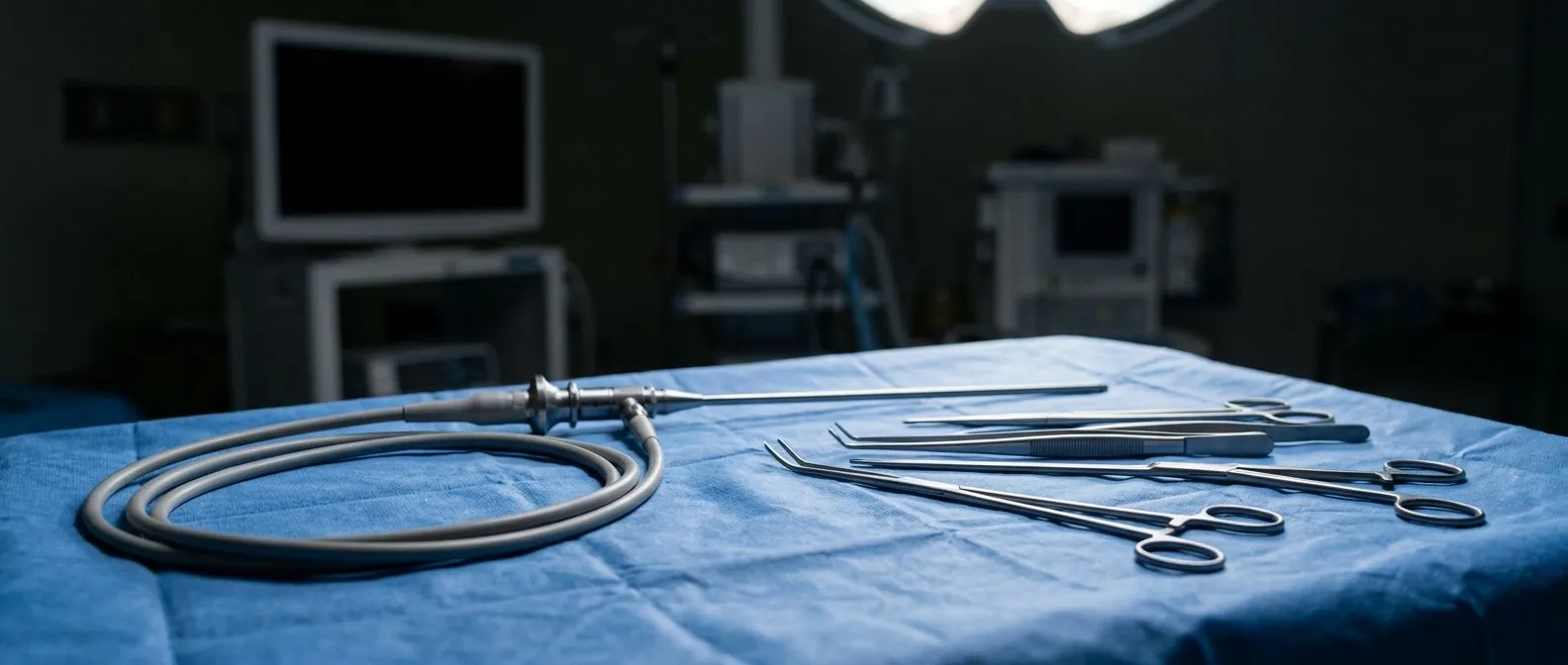
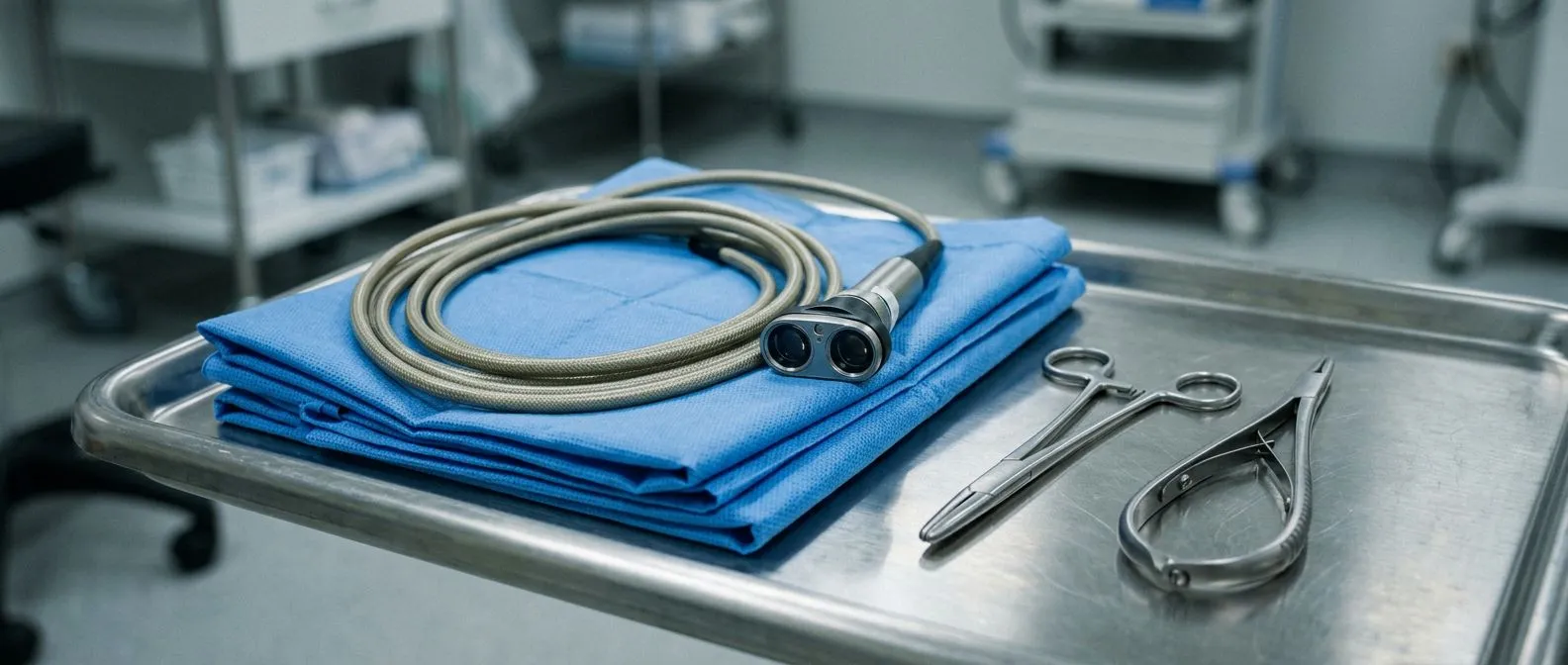
Once you are wheeled in, the room may look busier than you expect — a surgeon, an anaesthesiologist, perfusionists who run the heart-lung machine, and scrub nurses, each with a defined role. The National Institutes of Health describes how modern surgical teams use this structured division of labour to keep procedures predictable and safe.
Anaesthesia first. You will fall asleep in seconds and remember nothing. The anaesthesiologist then places monitoring lines, intubates you so a machine breathes for you, and watches your heart, lungs and brain continuously throughout the operation.
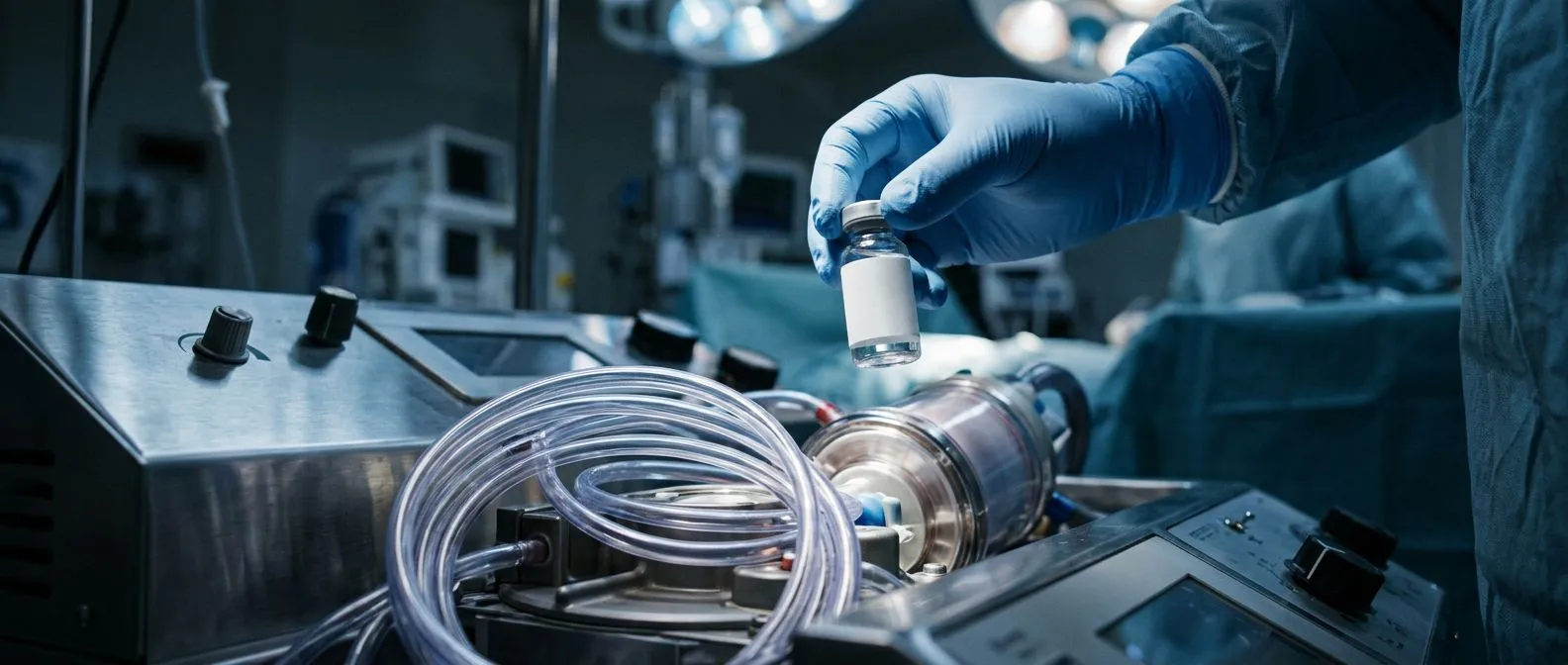
The operative phase. The surgeon makes the planned incision, often an Inverted T-incision or J-incision in less invasive cases. Many operations use cardiopulmonary bypass — the heart-lung machine — which takes over circulation so the heart can be still and bloodless while the team works. Some procedures are done on a beating heart without bypass, depending on the case. When the repair is finished, the heart is restarted, the chest is closed with wires or sutures, and you are taken to the Recovery Room still asleep.
Is surgery painful? During the operation, no — you are completely asleep and receive local anaesthetic blocks that control pain before it begins. After surgery, pain is real but managed closely with medication, and the level depends heavily on the incision type. In our consultations we take the time to explain exactly what pain control will look like for your specific incision, in plain words, so nothing about the first days is a surprise.
How Does the Coronary Bypass Surgery Process Work?
Coronary artery disease means the arteries feeding the heart muscle have narrowed with plaque. The coronary bypass surgery process creates detours around those blockages, and it is one of the most studied operations in medicine.
Where the grafts come from. The surgeon uses the patient's own vessels — usually a vein from the leg and arteries from the chest wall or forearm. These vessels are not essential where they come from; blood finds other routes. One end is attached to the aorta, the other to the heart artery beyond the blockage, restoring full flow.
At this point it is worth understanding the distinction patients often ask about: a procedure is a less invasive intervention done through catheters or small incisions, while open surgery involves opening the chest itself. A blockage treated with a stent in the cath lab is a procedure; three blocked arteries typically call for bypass surgery. When Dr Molina reviews a case, he compares both routes against the patient's anatomy and recommends whichever the evidence supports for that person — and explains the trade-offs openly.
How long it takes. A bypass operation commonly runs three to five hours, longer for multiple grafts or complex anatomy. Most of that time is careful, methodical work rather than emergency drama.
How Does a Heart Valve Repair Procedure Work?
Valves are one-way doors inside the heart. When one narrows (stenosis) or leaks (regurgitation), the heart strains to push blood through. The heart valve repair procedure aims to fix the patient's own door wherever possible, and replace it only when repair is not feasible.
Repair techniques. Repair can mean tightening a stretched ring around the valve, reshaping or removing excess leaflet tissue, or adding artificial chords to hold the leaflets in place. Repair preserves your own tissue, which is why it is preferred when anatomy allows.
Replacement options. When replacement is needed, the choice is between mechanical valves (durable, but requiring lifelong blood-thinning medication) and biological valves (tissue valves that may need redo surgery years later but need less medication). Dr Molina performed the first robotic mitral valve repair in the Ángeles Health System and the first robotic heart surgery in Guadalajara, and our team uses these minimally invasive approaches for valve disease when they are the right fit.
For aortic stenosis in older or higher-risk patients, TAVR offers a different path entirely. A new valve is folded into a catheter, guided up through a blood vessel — usually from the groin — and expanded inside the old valve. There is no chest incision and often no need for general anaesthesia, which is why TAVR has transformed care for patients who would struggle with open surgery.
What Are the Cardiac Surgery Risks and Benefits?
Honest teams talk about both sides. The cardiac surgery risks and benefits picture differs for every patient, which is why a standardised risk score — such as EuroSCORE II — is calculated before any recommendation is made. It estimates surgical risk from your age, heart function and other conditions.
The risks. The main risks include bleeding, infection of the chest wound, irregular heart rhythm after surgery, stroke, and in a small minority of cases kidney or lung complications. The benefits. Set against that are real gains: relief of chest pain and breathlessness, restored ability to exercise and work, and for many conditions, protection of the heart muscle from further damage.
What patients rarely hear is that surgery is not always the answer. Some blockages do better with medication and stents. Some valves should be watched before being touched. We encourage second opinions and treat seeking one as a normal part of deciding about heart surgery — the final decision is always the patient's. A team confident in its judgement welcomes that question rather than resisting it.
What Is the Open Heart Surgery Recovery Timeline?
The open heart surgery recovery timeline is measured in milestones, not days on a calendar. Everyone heals at a slightly different pace, but the sequence is broadly predictable.
- Days 1–3: the Recovery Room and intensive care — waking, breathing on your own, sitting up, first short walks with help.
- Days 4–7: the ward — longer walks in the corridor, pain medication tapering down, learning to protect the breastbone.
- Weeks 2–6: home — walking daily as the main exercise, wound care, and a gradual return to light household activity.
- Weeks 6–12: cardiac rehabilitation, strength returning, and for many patients the Return to Work conversation begins around this window depending on the job.
The Bridge to Recovery. The first weeks at home feel fragile, and that is normal — the sternum needs roughly six to eight weeks to knit solidly. Think of this period as a Bridge to Recovery: you are not yet back to your old life, but every day of walking takes you further across it. Patients are usually followed closely through this window, with checks on wound healing and adjustments to medications at each stage.
Which Heart Surgery Recovery Exercises Help Most?
The most important heart surgery recovery exercises are the simplest ones, and they start earlier than most patients expect — often within the first day.
Walking first. Daily walking is the backbone of cardiac recovery. The usual pattern is several short walks a day, each a little longer than the last, guided by how you feel rather than by a stopwatch. Formal cardiac rehabilitation programmes, where available, supervise this progression and teach you your own safe limits.
Breathing and coughing exercises. Deep breathing exercises and supported coughing — pressing a pillow against the chest — keep the lungs clear and prevent pneumonia. This sounds trivial but is genuinely one of the most protective things you can do in the first week.
What to avoid. Do not lift anything heavier than about a couple of kilograms, do not drive until your team clears you, and do not push through sharp sternal pain. A written, personalised activity plan, reviewed at each follow-up visit, helps patients know what is safe at each stage. Movement should feel like progress, never like punishment.
What to Expect After Heart Surgery — and How to Choose Your Team
Knowing what to expect after heart surgery in the long term helps you set realistic goals. Most patients who recover well describe a return to activities they had quietly given up — walking without stopping, playing with grandchildren, returning to work. Medication almost always continues, and follow-up visits are part of life.
Costs and logistics for international patients. For patients considering care in Mexico, transparency matters: ask what the quoted heart surgery cost in Mexico includes — surgeon, anaesthesia, hospital stay, implants and follow-up — and confirm whether the offer covers complications. A heart surgeon consultation in Guadalajara, Querétaro or Hermosillo with our team begins with a free video consultation, where we talk through your condition and identify exactly which studies are still needed. The face-to-face visit follows only when you decide to go ahead.
Choosing your cardiac team. Look for a multidisciplinary team rather than a single opinion, surgeons trained in both conventional and minimally invasive techniques, and a willingness to explain decisions rather than dictate them. People often ask whether a surgeon is a well paid job — the honest answer matters less than what it implies: this work demands years of training, and a team's experience should be open and verifiable, not assumed.
The take-home message. How heart surgery works is not a mystery reserved for doctors. It is a sequence — evaluation, preparation, operation, Recovery Room, rehabilitation — and at every stage you have questions worth asking and choices worth understanding. If you have been told you may need heart surgery, the most useful next step is not searching for more answers alone. It is a conversation with a qualified cardiac team about your own heart. We invite you to book a consultation, bring your questions, and let us explain what your studies actually show before any decision is made.