
International Normalized Ratio: Targets on Warfarin
Get your international normalized ratio target explained by heart specialists in Guadalajara.
What Is the International Normalized Ratio Target on Warfarin?
When your cardiologist prescribes warfarin, they set a specific international normalized ratio target — a narrow window that tells you how thin your blood should be. The INR is a standardized number calculated from a simple blood draw, and it lets doctors anywhere in the world compare clotting results on the same scale. Without an explicit target, warfarin dosing is guesswork: too little and clots form, too much and dangerous bleeding can occur. The whole purpose of INR monitoring is to keep you inside that safe corridor.
Warfarin works by blocking vitamin K, a nutrient your liver uses to make several clotting factors. Because your diet, medications, and even illness can shift vitamin K levels day to day, the INR value can swing even when your dose stays the same. That is why your cardiac team does not simply hand you a fixed pill amount and send you home. Instead, they compare your latest INR blood test results against your prescribed goal and adjust the dose up or down in small increments. This process — often called optimal anticoagulation monitoring — is what makes warfarin safe over months and years of treatment.
It helps to think of the INR target as a speed limit. Driving well below it means you are not protected from stroke or clot extension; driving well above it means you risk a bleed. Most adults on warfarin for common conditions like atrial fibrillation land in the 2.0 to 3.0 band, while certain mechanical heart valves push the target higher. Your individual goal depends on the condition being treated, your anatomy, and any additional risk factors — not on a one-size-fits-all chart.
How Warfarin INR Goal Ranges Are Determined
Why a range instead of a single number? Because your body is not a machine. The INR fluctuates with what you eat, how active you are, whether you develop a fever, and which other medications you start or stop. Giving a single target value would set patients up for constant dose changes. Instead, clinicians define a therapeutic band — usually one full point wide — that gives your blood enough room to vary naturally without triggering an alarm every time.
Your specific warfarin INR goal is chosen based on the condition that necessitated anticoagulation. For conditions where the clot risk is moderate, a lower band keeps bleeding risk to a minimum. For situations where a clot could be immediately catastrophic — such as a mechanical valve in the mitral position — a higher band is justified despite the increased bleeding trade-off. Clinical guidelines, including those referenced by Cleveland Clinic, codify these bands so that prescribing physicians do not have to reinvent the wheel for each patient.
Several variables can nudge your personal target within or even outside the standard band. Age matters: older patients may have a higher bleeding baseline and sometimes warrant careful reconsideration of intensity. Kidney and liver function influence how long warfarin stays active in your bloodstream. If you have had a previous major bleed, your team may aim for the lower edge of the range or consider alternative anticoagulants entirely. Every INR target is therefore a negotiated balance — protection versus bleeding — tailored to your clinical picture at that moment.
INR 2.0 to 3.0: The Standard Therapeutic INR Level
For the majority of warfarin patients, the therapeutic INR level sits between 2.0 and 3.0, with a sweet spot around 2.5. This band is the default for atrial fibrillation, most cases of deep vein thrombosis, pulmonary embolism, and anticoagulation after certain heart surgeries. At an INR of 2.5, your blood takes roughly two and a half times longer to clot than normal — enough to prevent dangerous clots from forming, but not so thin that everyday minor cuts become emergencies.
Staying inside this band consistently is harder than it sounds. A single heavy meal of leafy greens — spinach, kale, collards — can briefly raise your vitamin K intake and pull the INR downward. A course of antibiotics for a sinus infection can do the opposite, pushing the INR upward as liver enzymes slow their breakdown of warfarin. Patients who travel across time zones or change their sleep and eating patterns often see their INR drift. This is exactly why consistent habits matter more than perfect habits: the goal is predictability so your dosing team can interpret each result accurately.
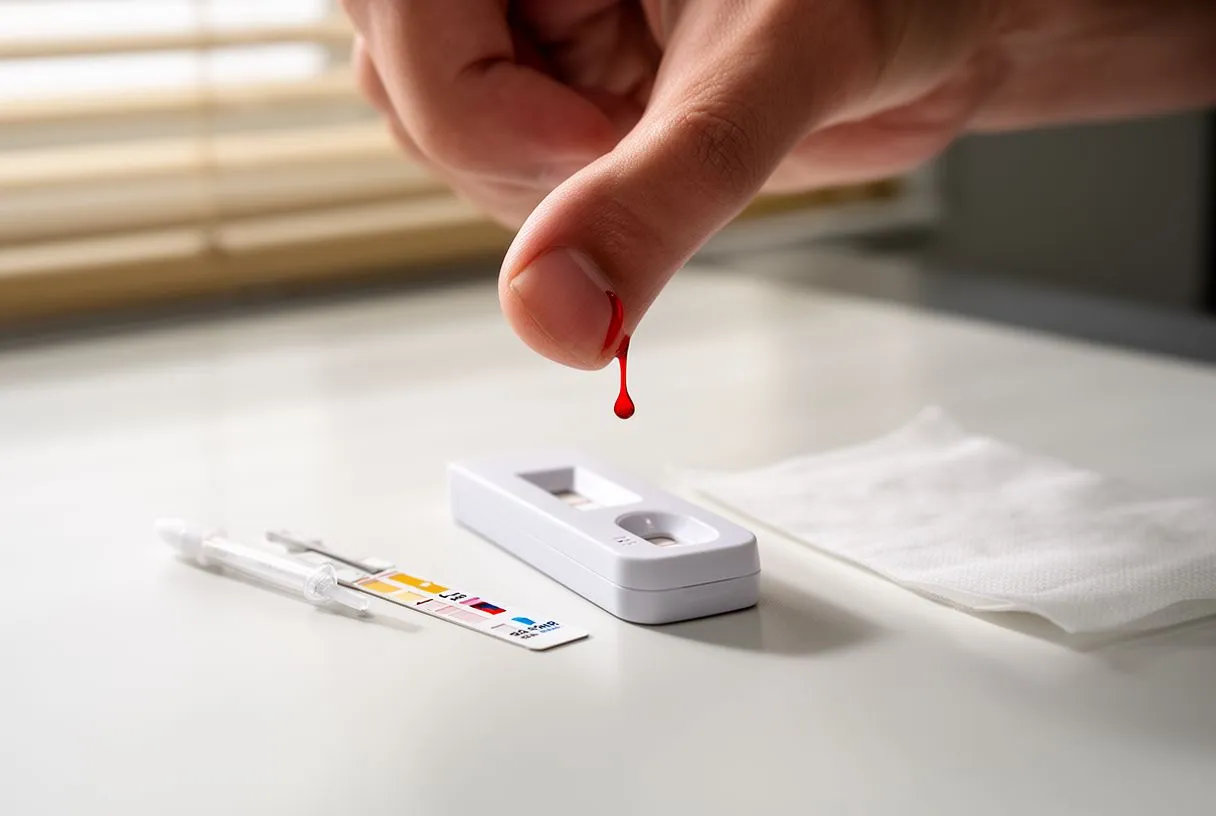
What a good INR level looks like week to week: ideally, more than 60 percent of your readings land inside the prescribed band. Research on long-term anticoagulation — including work highlighted in discussions of Clinical inertia in the treatment of heart failure — shows that patients who spend significant time outside the therapeutic range face more complications. The takeaway for you is simple: do not panic about a single out-of-range result, but do act on it. Call your INR management clinic, follow their dose-adjustment instructions, and recheck on the schedule they give you.
INR 2.5 to 3.5: When Higher Targets Apply
Some clinical situations demand more aggressive anticoagulation, and the target shifts to 2.5 to 3.5. The most common reason is a mechanical heart valve, especially one placed in the mitral position where blood flow is slower and clots can form more easily on the artificial surfaces. Patients who have had recurrent clots despite being in the standard range may also be moved to this higher band. Additionally, certain congenital heart conditions — some of which fall within the spectrum described in the Global birth prevalence of congenital heart defects systematic review — can require intensified anticoagulation after surgical correction.
Operating at a higher INR means accepting a higher baseline bleeding risk. Your team will weigh this carefully: if you are in this band, it is because the clot risk was judged severe enough to justify it. You may be asked to avoid contact sports, use a soft-bristle toothbrush, and report any unusual bruising promptly. These are not arbitrary restrictions — they are practical guardrails that keep the higher therapeutic window safe enough to live in.
Patients in the 2.5 to 3.5 band should understand that the margin for error is narrower. An INR of 3.6 is less alarming at this target than at a 2.0 to 3.0 target, but an INR of 4.0 is still a flag regardless of your band. Your monitoring frequency may increase, and your team may ask you to keep a more detailed diary of dietary changes, illnesses, and medication adjustments. The extra vigilance is the price of the stronger protection this range provides.
Mechanical Valve INR Range Explained
A mechanical heart valve is made of durable materials — typically carbon and titanium — designed to last a lifetime. Unlike biological tissue valves, which may not require long-term warfarin, mechanical valves expose flowing blood to artificial surfaces that can trigger clot formation. This is why the mechanical valve INR range can be higher than for other indications: a modern bileaflet mechanical aortic valve without additional risk factors usually targets 2.5 (2.0 to 3.0), while mitral position valves or patients with additional risk factors usually target 3.0 (2.5 to 3.5), depending on the guidelines your surgical team follows.
Valve position matters because blood flow dynamics differ between the left side of the heart. In the aortic position, the valve sits at the exit of the left ventricle where flow is fast and forceful, making clot formation somewhat less likely. In the mitral position, the valve sits between the left atrium and the left ventricle where flow is gentler, so the target is pushed upward to compensate. Your surgeon and cardiologist will tell you the exact target and the rationale behind it before you leave the hospital.
Patients sometimes wonder whether newer blood thinners could replace warfarin for a mechanical valve. The short answer is no: direct oral anticoagulants have been studied in this setting and were found unsafe for mechanical valves. Warfarin with INR monitoring remains the standard of care, and it works well when patients stay engaged with their testing schedule. The durability of the mechanical valve is a major advantage — you are unlikely to need another operation — but that durability comes with a commitment to lifelong anticoagulation management.
Atrial Fibrillation INR Target and Stroke Prevention
Atrial fibrillation is an irregular heart rhythm that allows blood to pool in the upper chambers of the heart, increasing the risk of clot formation and stroke. For patients on warfarin for this condition, the atrial fibrillation INR target is typically 2.0 to 3.0. The goal is to prevent clots from forming in the left atrium and traveling to the brain. Warfarin has been used for decades in this role, and large studies such as ARISTOTLE have helped define how newer alternatives compare — though warfarin remains a mainstay, especially when cost or specific patient factors favor it.
Patients with atrial fibrillation often have other cardiovascular conditions that compound stroke risk. If you have an atheromatous plaque in your carotid arteries or a history of atypical infarction, your overall risk profile is higher, and your team will be especially vigilant about keeping your INR in range. Sometimes low-dose aspirin is added for its antiplatelet effect, though combining aspirin with warfarin increases bleeding risk and is only done when the benefits clearly outweigh that trade-off. Your cardiologist will explain whether dual therapy applies to you.
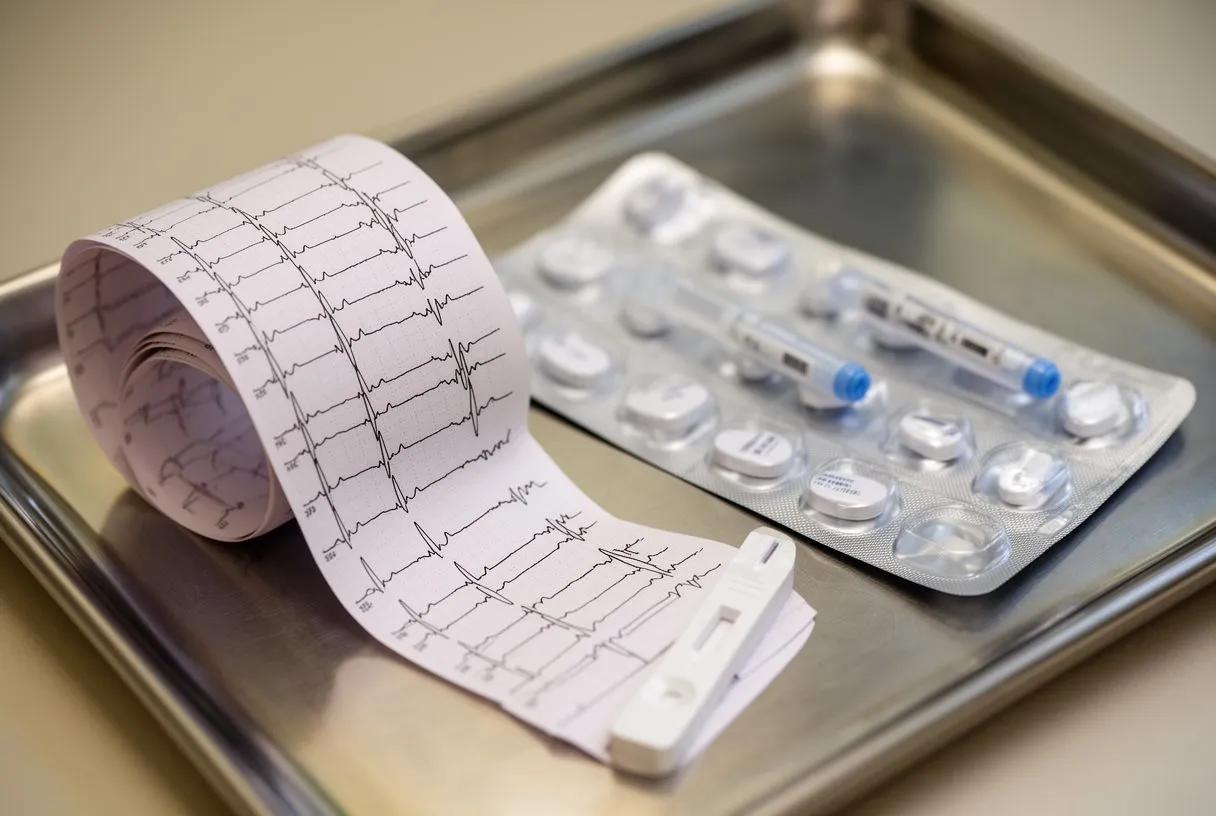
- Atrial fibrillation: INR target 2.0 to 3.0 to prevent stroke from pooling blood in the atrium.
- Atrial flutter: Similar anticoagulation logic applies when clot risk is judged clinically significant.
- Aspirin combination: Reserved for patients with additional vascular disease; increases bleeding risk and needs close oversight.
INR Target for DVT Treatment and PE Treatment
Deep vein thrombosis (DVT) and pulmonary embolism (PE) are two faces of venous thromboembolic disease. A clot forms in a deep vein — usually in the leg — and can break loose and travel to the lungs. When warfarin is used for these conditions, the INR target for DVT treatment and the INR target for PE treatment are the same: 2.0 to 3.0. Treatment usually begins with a fast-acting injectable anticoagulant (heparin) for several days while warfarin builds up, a process called bridging until the INR reaches the therapeutic band.
The duration of therapy varies. A DVT provoked by a temporary cause — surgery, a long flight, a fracture — may need only three to six months of warfarin. An unprovoked clot, or one occurring in someone with a permanent clotting disorder, may require indefinite treatment. Throughout that time, the 2.0 to 3.0 target holds steady. Patients who suffer arm pain from a clot in the upper extremity veins are managed with the same range and the same monitoring principles, though upper-extremity DVT is less common and often has different underlying triggers.
Recovery from DVT and PE is not just about blood thinners. Your team will encourage gradual return to activity, compression stockings for leg swelling, and attention to any signs of recurrence such as new calf pain or sudden shortness of breath. Warfarin prevents new and extending clots, but it does not dissolve the clot already there — your body does that over weeks to months. Staying in range simply keeps the playing field safe while that natural healing unfolds.
How Often to Check INR on Warfarin
The question of how often to check INR on warfarin has no single answer — it depends on how stable your results have been. In the first weeks after starting warfarin, testing may happen every few days because the dose is being titrated and your response is unknown. Once the INR settles into a consistent pattern within your target, the interval stretches to weekly, then every two weeks, and eventually monthly for the most stable patients. Even long-term stable patients should never go more than four weeks between tests, because a silent drift can occur without symptoms.
Events that warrant extra testing include any new illness, a course of antibiotics, changes in diet, missed or doubled doses, and the addition or removal of other medications. If you undergo a procedure requiring an arterial line or an arterial cannula, your anticoagulation status will be scrutinized closely before and after. Similarly, if you are admitted for anything from an awake ECMO evaluation to a planned balloon angioplasty, your INR will be checked more frequently because the clinical context has changed.
Patient engagement is the strongest predictor of good outcomes in warfarin therapy. Keeping a logbook — digital or paper — of your dose, your INR result, and any life events that might have influenced it gives your clinic valuable data. If your INR suddenly jumps or drops and nothing in your log explains it, your provider can investigate deeper causes such as liver function changes or an occult infection. Good records turn a one-off number into a meaningful trend.
INR Too High: What to Do and Bleeding Risk
When the INR rises above your target band, the blood becomes too thin and the risk of bleeding climbs. Common signs include nosebleeds that will not stop, bleeding gums, unusually heavy menstrual periods, pink or brown urine, and black tarry stools. An INR too high situation requires prompt action: contact your anticoagulation clinic or cardiology team the same day. Depending on the value and whether bleeding is present, they may advise skipping a dose, reducing future doses, or in severe cases administering vitamin K to reverse the effect.
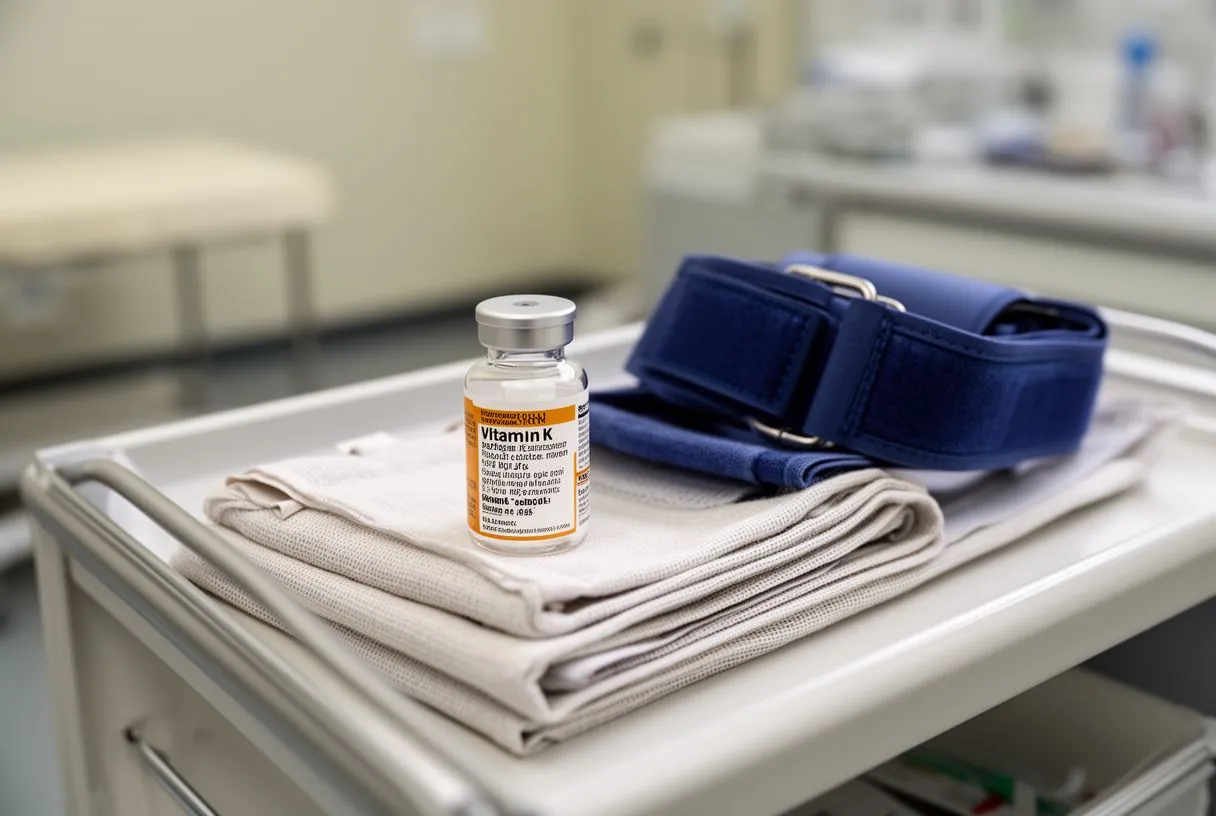
When to seek emergency care: if you experience persistent bleeding that does not stop with pressure, a severe headache with confusion, coughing up blood, or a fall with head injury, go to an emergency department immediately. These can signal intracranial or internal bleeding, which is the most feared complication of supratherapeutic warfarin. Do not wait for your clinic to call back in these scenarios — emergency evaluation takes priority.
Many high INR readings stem from identifiable triggers: a new antibiotic, a missed dose followed by a double dose, a bout of vomiting or diarrhea that dehydrates and concentrates the drug, or a dietary change that suddenly reduced vitamin K intake. Identifying the cause helps your team prevent recurrence. If your INR is slightly high and there is no bleeding, your provider may simply have you hold one dose and recheck in a few days. Never make this decision on your own — even small adjustments can have outsized effects, especially if your target is already on the higher end.
INR Self Testing at Home and Management Clinics
INR self testing at home has transformed warfarin management for many patients. A small handheld device — similar to a glucose meter — uses a fingerstick drop of blood to produce an INR result in under a minute. Patients trained on these devices can test on their own schedule, call in results to their clinic, and receive dosing adjustments without traveling to a lab. Home testing is particularly valuable for patients who live far from their cardiology center or who have mobility limitations, a concern for many international patients who travel to Mexico for their cardiac care.
Quality control is essential. Devices must be calibrated, strips must be stored properly, and the fingerstick technique must be consistent. Studies have shown that well-trained patients who test at home spend more time in their therapeutic range than those who rely solely on lab draws, likely because testing frequency increases and response time shortens. Your INR management clinic should offer training, verify your technique periodically, and provide clear protocols for what to do when a result is outside range. Home testing is a tool — it does not replace clinical oversight.
For patients of Dr Alejandro Molina and similar practices, the coordination between your local monitoring and your surgical team in Mexico matters. If you live abroad, ask whether home testing can keep you connected to your prescriber between visits. A well-run clinic will accept your home results, adjust dosing remotely, and flag when an in-person evaluation is needed. Whether you are recovering from a balloon aortic valvuloplasty, living with a balloon-expandable valve, or managing long-term atrial fibrillation, the goal is the same: keep you safely anticoagulated so the structural work your heart has received can function as intended. If you have questions about your INR target or want a second opinion on your anticoagulation plan, reach out to a qualified cardiac team and schedule a consultation rather than adjusting your medication on your own.