Irregular Heartbeat: Causes and When to Treat
Irregular heartbeat causes range from stress to heart disease.
A skipped beat, a flutter in the chest, a pulse that suddenly races for no clear reason — almost everyone feels an irregular heartbeat at some point, and most of the time it is harmless. But an irregular heartbeat can also be the first sign of heart disease that deserves attention, so understanding the possible causes — and knowing when to act — can make a real difference to your health and your peace of mind.
What Causes an Irregular Heartbeat?
Electrical signals are the root of the problem. Your heart has its own electrical system, and irregular heartbeat causes usually trace back to it. Cells in the right atrium — the upper right chamber — fire signals that tell the heart to beat. If those signals fire too fast, too slow, or from the wrong place, the rhythm changes. The medical name for this is an arrhythmia.
Underlying conditions play a major role. Coronary Artery Disease — narrowing of the arteries that feed the heart muscle — can starve the electrical system of oxygen and trigger rhythm problems. Rheumatic Heart Disease, damage from untreated strep infections, can scar the valves and disturb the heart's wiring, as can Valvular Heart Disease from any cause, high blood pressure, thyroid disorders, and Chronic Kidney Disease, which changes the balance of minerals like potassium that the heart depends on.
Everyday factors matter too. Caffeine, alcohol, dehydration, poor sleep, some medications, and anxiety can all produce extra beats or brief flutters in a completely healthy heart. Cardiovascular disease is the leading cause of death worldwide, so while these everyday triggers are usually benign, any new or persistent rhythm change deserves a proper look rather than a guess.
What Are the Types of Irregular Heartbeat?
Atrial arrhythmias start in the upper chambers. The most common is atrial fibrillation, where the atria quiver chaotically instead of squeezing properly. Atrial flutter is its faster, more organized cousin. Both raise the risk of stroke because blood can pool in the atria and form clots. Some people are also born with extra electrical pathways, part of Congenital Heart Disease, which can cause racing episodes from childhood onward.
Ventricular arrhythmias start in the lower chambers and are more serious. Ventricular arrhythmia causes include scarring from a previous heart attack, weakened heart muscle, and inherited electrical disorders. Ventricular tachycardia — a fast rhythm from the ventricles — and ventricular fibrillation, which causes the heart to stop pumping effectively, are medical emergencies. They are far less common than atrial rhythm problems, but they demand immediate care.
Slow rhythms are a category of their own. When the heart's natural pacemaker fails or signals get blocked between the chambers, the heartbeat becomes dangerously slow. The list below summarizes the main types you may hear mentioned:
- Atrial fibrillation: chaotic, fast rhythm in the upper chambers; the most common sustained arrhythmia in adults.
- Ventricular tachycardia and fibrillation: dangerous fast rhythms from the lower chambers; emergencies that need immediate treatment.
- Bradycardia and heart block: rhythms that are too slow because the pacemaker or the conduction pathways are failing.
Should I Worry About an Irregular Heartbeat?
Most palpitations are not dangerous. Extra beats — that "thud" you feel after too much coffee — happen in nearly everyone, and in a structurally normal heart they are benign. Occasional flutters that start and stop within seconds, especially during stress or after caffeine, rarely indicate serious disease.
Certain warning signs change the picture. Fainting or near-fainting during palpitations, chest pain, severe shortness of breath, or a racing pulse that lasts more than a few minutes all need urgent evaluation. A family history of sudden death at a young age is another red flag, because some inherited rhythm disorders run silently in families.
Context matters as much as the symptom. If you have known Coronary Artery Disease, a heart valve problem, diabetes, or a prior stroke, a new rhythm change should never be brushed off. In our practice, every case is reviewed by the multidisciplinary team against international practice guidelines before a recommendation is given, so a "wait and see" decision is only made when the evidence actually supports it.

Irregular Heartbeat Symptoms and When to See a Doctor
Palpitations are the classic symptom. People describe a pounding chest, a flutter like a fish flipping over, a skipped beat, or a sense that the heart is "thumping in the throat." Heart palpitations causes range from caffeine and stress to genuine arrhythmia, so the symptom alone does not tell you the diagnosis — the pattern and the context do.
Other symptoms signal the heart is not pumping efficiently. These include unexplained tiredness, breathlessness climbing stairs that used to be easy, dizziness on standing, and swelling in the ankles. When the heart beats too fast or too chaotically for a long time, it can gradually lose pumping strength, a condition known as cardiomyopathy.
Palpitations for three days deserve a doctor's visit. Many people ask: "I've been experiencing heart palpitations for 3 days. Should I be worried?" The honest answer is that three consecutive days of palpitations is a reasonable threshold to stop guessing and book an evaluation — not because it is certainly dangerous, but because it has lasted long enough to be worth recording. A doctor can capture the rhythm on a monitor and give you certainty either way.
Atrial Fibrillation: Causes and Risks of Untreated Irregular Heartbeat
Age, blood pressure, and valve disease top the list. Atrial fibrillation becomes more common with every decade after 55. High blood pressure, obesity, sleep apnea, excess alcohol, and problems with the heart valves — especially the mitral valve between the left atrium and left ventricle — all raise the risk. Sometimes it appears after thyroid problems or after heart surgery itself.
The real danger is stroke, not the palpitation. In atrial fibrillation the left atrium quivers, blood stagnates in a small pouch called the left atrial appendage, and clots can form. If a clot travels to the brain, it causes a stroke. This is why untreated atrial fibrillation is treated far more seriously than occasional benign extra beats, even when the person barely feels anything.
Untreated atrial fibrillation can also weaken the heart. Over months or years, the persistently fast rhythm can exhaust the heart muscle and lead to heart failure. The good news: with proper anticoagulation — blood thinners — and rhythm control, most of these complications are preventable. The challenge is that some people only discover they have atrial fibrillation when a complication arrives, which is why persistent, unexplained palpitations should be recorded on an ECG rather than dismissed.

What Is Bradycardia and Why Is My Heart Beating Slowly?
Bradycardia simply means a heart rate below 60 beats per minute. In trained athletes it is completely normal — their hearts are so efficient they need fewer beats. In other people, bradycardia happens when the heart's natural pacemaker, the sinus node, ages or becomes damaged, or when electrical signals get blocked on their way from the atria to the ventricles, a condition called heart block.
Medications are a frequent culprit. Beta-blockers, some calcium channel blockers, and certain drugs for blood pressure or depression can slow the heart more than intended. In older adults, an underactive thyroid and untreated sleep apnea also contribute. Sometimes the cause is treatable simply by adjusting a medication; sometimes the pacemaker itself needs replacing.
Slow rhythms matter when they cause symptoms. Dizziness, fainting, profound fatigue, or confusion during activity suggest the heart cannot keep up with the body's demands. A pacemaker — a small device implanted under the skin near the collarbone that keeps the heart beating reliably — is the standard treatment for symptomatic bradycardia, and it is one of the most successful and routine procedures in modern cardiology.
Can Stress Cause an Irregular Heartbeat?
Yes — stress is a well-documented trigger. Anxiety floods the body with adrenaline, which makes the heart beat faster and can produce extra beats or flutters. Panic attacks are often mistaken for arrhythmias, and arrhythmias are often mistaken for panic attacks, which is why the two need to be sorted out with a proper recording of the heart rhythm.
Severe stress can even temporarily stun the heart. There is a recognized condition called takotsubo cardiomyopathy, or "broken heart syndrome," in which an intense emotional shock causes a sudden, temporary weakening of the heart muscle. It is rare, but it proves that the mind and heart are genuinely connected through hormonal and nervous pathways.
Some home remedies for tachycardia really do work. When your heart races, these simple techniques can calm the rhythm in the moment:
- Slow, deep breathing: breathe out slowly for twice as long as you breathe in, for several minutes — this activates the vagus nerve, which naturally slows the heart.
- Other vagal maneuvers: splashing cold water on the face or gently coughing can interrupt some fast rhythms, and your doctor can show you how to do these safely.
- Remove the triggers: cut back on caffeine, alcohol, and energy drinks; fix poor sleep; and treat anxiety directly with relaxation practice or professional support.
These techniques help with occasional fast beats, but they are not a substitute for diagnosis. If fast rhythms are frequent or come with dizziness, they need to be captured on a monitor and treated properly.
How Do Doctors Test for Irregular Heartbeat Causes?
It starts with an ECG and blood tests. The electrocardiogram (ECG) records the heart's electrical activity in seconds and often catches the arrhythmia if it is happening right then. Blood tests check thyroid function, potassium and magnesium levels, and signs of heart damage. An echocardiogram — an ultrasound of the heart — shows whether the valves and pumping chambers are healthy.
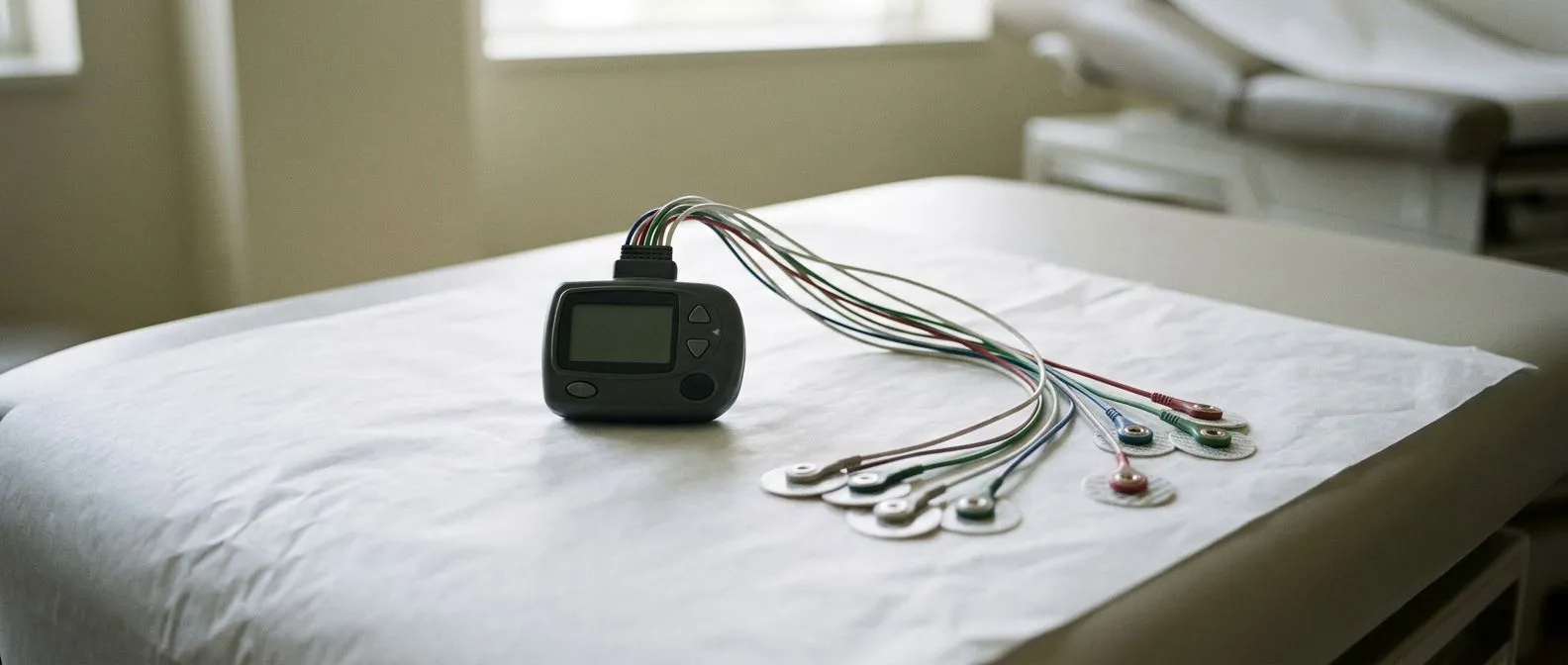
Intermittent arrhythmias need longer recording. Because many arrhythmias come and go, a wearable Holter monitor records the rhythm for 24 hours to several days, and event recorders can be worn for weeks. If the arrhythmia is linked to blood flow problems, a Coronary CT Angiography — a detailed scan of the Coronary Arteries using contrast dye — can show whether the arteries are narrowed. A Coronary Calcium Score is another quick scan that measures the amount of calcium in the artery walls and estimates cardiac risk.
Advanced imaging defines the anatomy precisely. When intervention is being considered, Coronary Angiography — a moving X-ray study using dye injected into the arteries — maps the blood vessels, and Coronary Artery Bypass Grafting or Percutaneous Coronary Intervention may follow if blockages are found. Our team takes the time in consultation to explain what the studies actually show, in plain words, and to answer every question before any decision — no test is ordered unless it changes the plan.

Irregular Heartbeat Treatment Options: From Medication to Heart Surgery
Medication is the first step for most arrhythmias. Blood thinners reduce stroke risk in atrial fibrillation; antiarrhythmic drugs keep the rhythm steady; rate-control drugs slow the heart when it races too fast. Many people live for decades on medication alone, and for many patients that is the lowest-risk path for their situation.
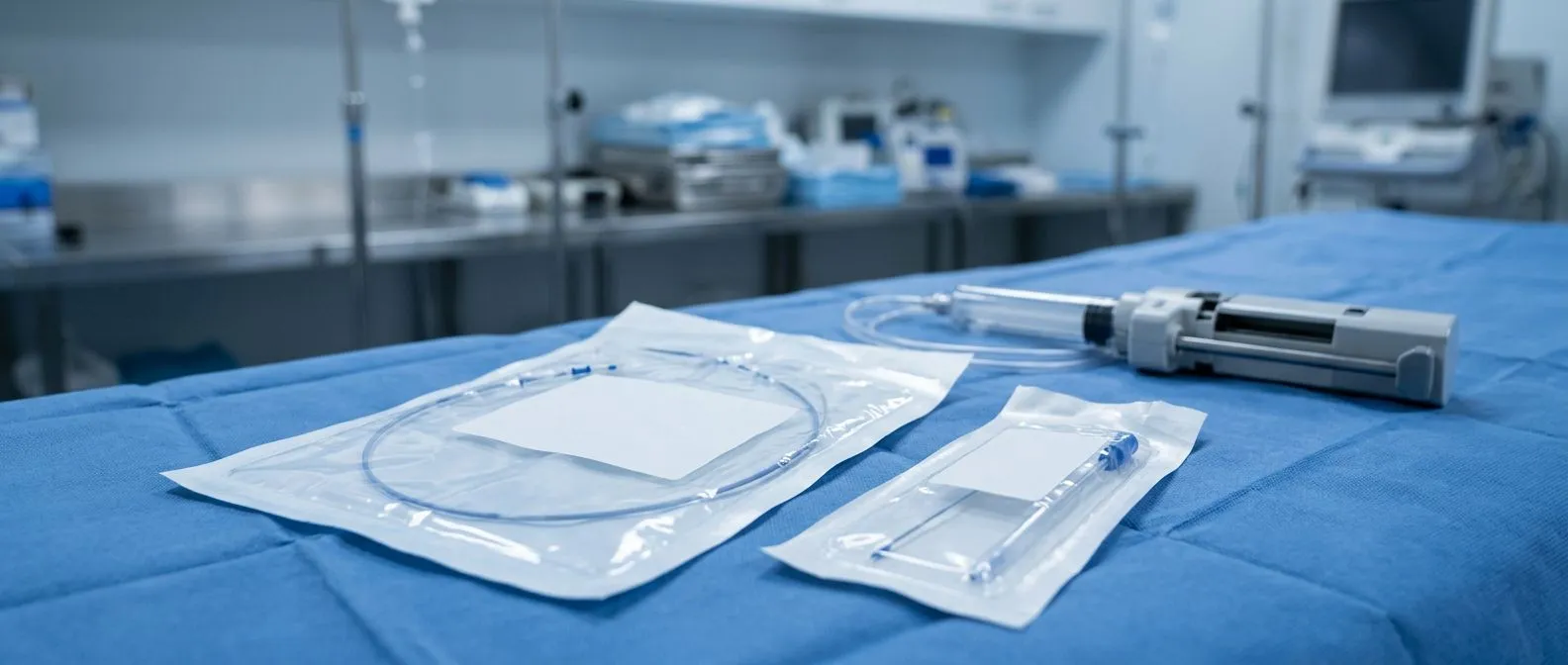
Catheter-based procedures can fix the source. Cardiac electrophysiology studies — a procedure where thin wires are fed into the heart to map the electrical circuits — allow doctors to ablate, or carefully cauterize, the tiny area causing the arrhythmia. In the case of the Left Main Coronary Artery or the Right Coronary Artery supplying the heart muscle, blockages found during the same study may be treated with Coronary Stent placement. Procedures like these are performed by interventional teams and often let patients reduce or stop medication entirely.
Heart surgery for irregular heartbeat has a clear role. When a patient needs open heart surgery for a valve or coronary problem anyway, the surgical team often performs a Cox-Maze procedure at the same time, creating a precise pattern of scar tissue in the atria that blocks the abnormal electrical circuits. In our practice, we perform conventional, minimally invasive, robotic and transcatheter procedures, and we recommend the less invasive route only where the evidence supports it for that patient. We are a multidisciplinary team of cardiac surgeons led by Dr Alejandro Molina, with consulting rooms in Guadalajara, Querétaro and Hermosillo, and our work covers valve disease, coronary disease, the aorta and structural heart conditions. For structural problems, transcatheter aortic valve replacement (TAVR) — a new aortic valve delivered through a tube in the groin, without opening the chest — can resolve arrhythmias caused by a failing valve, without open surgery.
Can You Live Normally with an Irregular Heartbeat?
For most people, yes — with proper management. Controlled atrial fibrillation, an occasional extra beat, or a well-treated arrhythmia does not stop you from working, traveling, or exercising. The key word is controlled: untreated arrhythmias carry real risks, but managed ones rarely change daily life. The same applies after procedures — people who receive a pacemaker, a stent, or a repaired valve routinely return to normal activities.
Recovery and follow-up are part of the plan. After ablation or surgery, most patients go home within a few days, and the follow-up appointments matter as much as the procedure itself. We encourage second opinions and treat seeking one as a normal part of deciding about heart surgery — the patient receives a clear proposal with the alternatives, and the final decision is always theirs. The first contact is a free video consultation: we get to know the patient, talk through the condition, and say which studies are still needed so no unnecessary ones are ordered.
Irregular heartbeat causes are many, but they are all diagnosable. From stress and caffeine to Coronary Artery Disease, valve problems, and aging pacemaker tissue, every cause has a reliable test and a treatment path — and the evidence is clear that early, proper evaluation beats years of guessing. If you have been living with palpitations, dizziness, or a racing pulse, discuss your own situation with a qualified cardiac team rather than diagnosing yourself. Book a consultation with our team in Guadalajara, Querétaro or Hermosillo, and let us explain what your heart is actually doing — in plain words, before any decision is made.