Keloid Scars After Heart Surgery: Prevention and Care
Keloid scar after heart surgery?
What Is a Keloid, and Is It a Skin Condition?
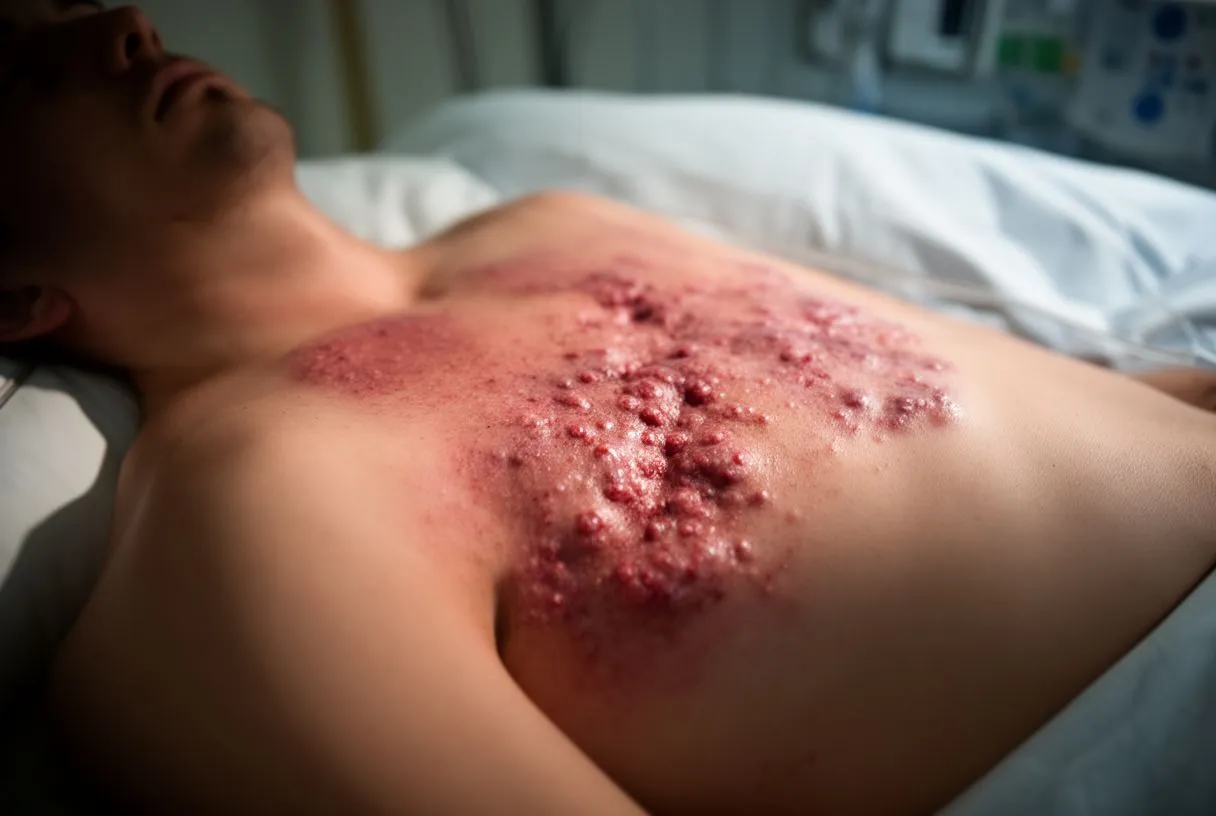
A keloid is a raised, firm growth of scar tissue that forms when the skin over-produces collagen during healing. So yes, it is a skin condition— dermatologists classify it as a benign fibroproliferative disorder of the dermis, the layer of skin beneath the surface. It is not cancer, not an infection, and not a sign that anything went wrong inside your chest. After cardiac surgery, a keloid simply means your skin responded to the incision with more enthusiasm than the wound required.
When you wake from heart surgery, the incision on your chest will close over days and mature over months. For most patients the resulting line stays flat, soft, and pale. In a smaller group, the healing process never receives its "stop" signal. Collagen keeps accumulating, the scar thickens, and the tissue grows beyond the original edges of the cut. That overgrowth is the keloid. It can feel rubbery, itch, sting, or pull slightly with each breath, because chest skin moves constantly.
Why this matters to heart patients: a keloid is a cosmetic and comfort concern, not a cardiac one. The bone, the vessels, and the repair beneath the scar are assessed separately and follow their own healing timeline. Patients who have had a TAVR—a transcatheter aortic valve replacement—through a small groin or chest access point sometimes notice raised marks at those puncture sites too. These respond to the same skin-level care we describe below. The condition is well documented and widely treated, and the Society of Thoracic Surgeons provides patient-facing guidance on wound healing after cardiac procedures, which you can read at the Society of Thoracic Surgeons.
How a Keloid Differs From a Hypertrophic Scar
The two raised scars patients most often confuse are the keloid and the hypertrophic scar. Telling them apart matters because their behaviour and their treatment differ. A hypertrophic scar is red or pink, firm, and raised—but it stays inside the borders of the original incision. Over twelve to eighteen months it frequently flattens and fades on its own, without any intervention at all. Many hypertrophic scars after sternotomy simply resolve with time and basic scar care.
A keloid behaves differently. It keeps growing past the wound edges, sometimes spreading a centimetre or more onto surrounding skin. It rarely regresses without treatment, and it tends to keep enlarging for months or even years. The texture is often firm or rubbery, and the surface can look shiny or darker than the skin around it. If your scar was still expanding at the six-month mark, that behaviour points toward a keloid rather than a hypertrophic scar.
What each looks like in practice:
- Hypertrophic scar: raised, red, and itchy early on, but confined to the incision line and gradually softening over the first year or two.
- Keloid: growing beyond the incision borders, firm or rubbery, persistently itchy or tender, and unchanged or enlarging after six months.
- Normal scar: flat or slightly raised at first, then fading to a pale line without extending outward.
Why Chest Scars After Heart Surgery Can Thicken
The mechanics of keloid formation come down to collagen. During normal healing, cells called fibroblasts lay down collagen to bridge the wound, then gradually remodel and prune it. In keloid-prone skin, the remodelling phase never quite finishes. Collagen continues to accumulate in dense, disorganised bundles, building a mound of fibrous tissue that outlives the wound itself.
The chest is a particularly demanding place for a scar. Skin over the sternum—the breastbone that holds the incision closed after open heart surgery—is under constant tension from breathing, coughing, and arm movement. Every pull on the healing edges is a signal to the fibroblasts to produce more collagen. That is why sternotomy scars thicken more often than scars on the abdomen or limbs. Smaller access incisions, such as those used for minimally invasive or robotic approaches, carry less tension across the wound and generally scar less aggressively.
Factors beyond the incision itself: wound infection, delayed closure, wound separation, and local inflammation all raise the risk of abnormal scarring. Smoking and poorly controlled blood sugar slow healing in every layer of skin and deepen the problem. You cannot change your genetics, but these modifiable factors are worth optimising before and after any cardiac procedure. In our practice, every case is reviewed by the multidisciplinary team against international practice guidelines before a recommendation is given, and wound-risk planning is part of that conversation.
Who Is Most at Risk of Keloid Scars?
Keloids run strongly in families and in skin types. They are far more common in people of African, Hispanic, South Asian, and East Asian descent, and risk climbs sharply if a parent or sibling has ever formed one after an injury, piercing, or operation. Age matters as well. Keloids appear most often between the ages of ten and thirty, when fibroblast activity peaks. Older patients having valve or coronary surgery typically scar less aggressively, though there is wide individual variation.
For our patients across Guadalajara, Querétaro, and Hermosillo, this genetic backdrop is a genuinely relevant part of preoperative planning. During the first contact—a free video consultation—we get to know the patient, talk through the condition, and identify which studies are still needed. If you have a personal or family history of keloids, mention it early so the surgical plan and scar-care instructions can reflect it from day one.
Risk factors worth mentioning before surgery:
- Family history: any close relative with a keloid significantly raises your own risk.
- Darker skin tone: higher baseline collagen activity in keloid-prone skin types.
- Younger age: fibroblast activity is greatest before about age thirty.
- Long midline incisions under tension: a full sternotomy places more strain on the healing edges than smaller approaches.
How to Prevent Keloids After Surgery
Keloid prevention is never guaranteed for genetically predisposed patients, but early, consistent scar care measurably reduces how large and firm a keloid becomes. The strategy starts the moment the incision seals and continues for months. The single most important rule is timing: begin active scar therapy only once the wound is fully closed, with no open areas or drainage. Applying products to an unhealed wound invites infection, and infection is one of the strongest triggers of abnormal scarring.
Silicone therapy is the best-studied preventive measure in scar care. Silicone sheets and silicone gel work by hydrating the scar surface and signalling the fibroblasts to slow collagen production. Sheets are worn twelve to twenty-four hours a day for two to three months or longer. On a chest scar, gel is often easier to tolerate than sheets, and it works just as well when applied twice daily. Start around two to three weeks after surgery, once the skin has sealed.
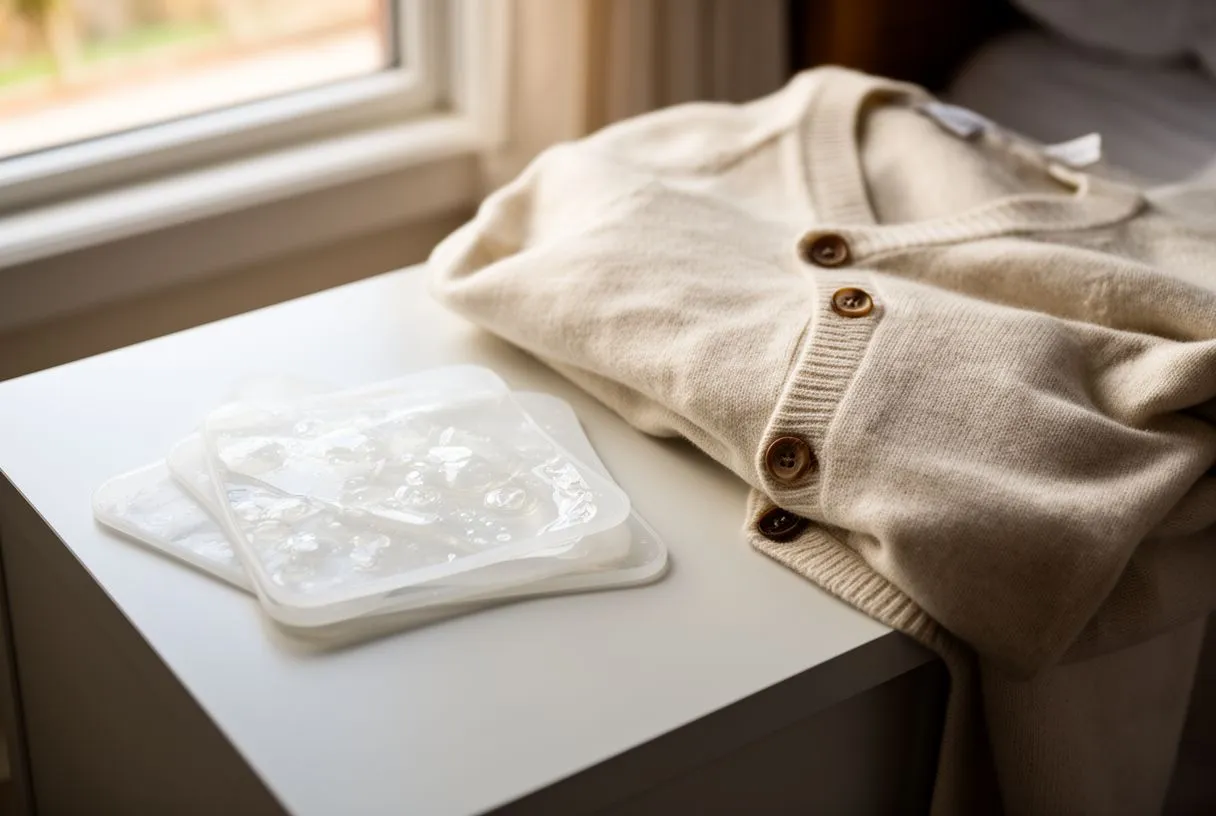
Practical steps that protect the scar: keep the incision clean and dry until fully healed, follow your surgeon's lifting and movement restrictions so the wound edges stay under minimal tension, and protect the scar from sunlight for the first year—UV exposure darkens new scars permanently and can make a thickened scar even more visible. Supportive measures such as a sternum binder in the early weeks reduce the mechanical pull that stimulates collagen. None of these steps require special products beyond silicone; consistency matters far more than cost.
Heart Surgery Scar Care and Healing Timeline
Knowing what a sternotomy scar should look like at each stage helps you spot trouble early. In the first two weeks, the incision appears as a dark red line, sometimes with mild bruising that spreads toward the neck or upper abdomen. That is normal. New blood vessels supply the healing tissue, and the surrounding inflammation reflects the surgery itself, not a complication.
From two weeks to three months, the scar enters its most active remodelling phase. It often becomes pinker and slightly firmer before it softens. This is the window in which a hypertrophic scar or early keloid begins to declare itself. Many patients read this normal firmness as a keloid and worry unnecessarily. At this stage it is usually too early to judge; what matters is trend. A scar that flattens month by month is behaving normally, even if it looks raised today.
From three months onward, a normal scar lightens and flattens steadily. A scar that is still growing past its borders at six months, still itchy, or still tender is behaving like a keloid and deserves a formal assessment. At follow-up, your surgeon will typically examine the wound, check that the sternum is stable, and judge the healing of the bone separately from the healing of the skin—two processes that run on different tracks and are judged by different standards.
What Is the Most Effective Treatment for Scars?
The honest answer is that there is no single best treatment—effectiveness depends on the scar's type, age, size, and location. For flat or mildly raised scars, silicone therapy remains the evidence-backed first step. For established keloids, the most effective approach is almost always a combination of treatments rather than one alone, because each modality attacks a different part of the problem: bulk, redness, itch, and the underlying collagen surplus.
Expectations matter as much as the treatment. A keloid can be flattened, softened, and lightened, but complete removal without recurrence is rarely achievable. Surgical excision alone, for instance, carries a high recurrence rate—more than half of keloids cut out simply grow back, often larger than before. For that reason, excision is nearly always paired with immediate corticosteroid injections or radiation to the wound bed. Setting realistic goals up front prevents the disappointment that pushes patients into unproven remedies.
What to expect from combination care: a typical plan pairs steroid injections to reduce the keloid's bulk with ongoing silicone maintenance to prevent rebound growth, and adds laser treatment for colour and texture where needed. Each step builds on the last. Treatment is gradual—months, not weeks—and the plan is adjusted at every visit based on how the scar actually responds, not on a fixed schedule.
Keloid Injections and Silicone Sheets for Scars
Keloid injections and silicone therapy are the two workhorses of keloid care, and they serve complementary roles. Silicone is best for prevention and for early, soft scars. Injections are best for established, firm, symptomatic keloids. Used together, they cover both ends of the problem: injections shrink the bulk, silicone holds the improvement in place.
Intralesional corticosteroid injections—usually triamcinolone—are delivered directly into the scar tissue every four to six weeks, typically for three to five sessions. The steroid suppresses local collagen production and progressively softens and flattens the keloid. Most patients feel a brief sting during each injection, and some notice slight lightening or thinning of the skin over time. These effects are manageable and are weighed against the benefit at each session.
How the two compare in practice: silicone requires discipline—consistent daily use for months—but carries essentially no risk beyond occasional skin irritation. Injections work faster and more visibly but involve needles and repeated visits. Cardiac medications, including blood thinners, do not conflict with either treatment; scar therapy proceeds independently of your cardiac regimen. During consultation we take the time to explain what the studies actually show, in plain words, and to answer every question before any decision is made—keloid care is no exception.
Laser Treatment and Hypertrophic Scar Removal
Laser therapy offers a non-invasive route to improving scar colour, height, and texture. Vascular lasers, such as the pulsed-dye laser, target the tiny blood vessels feeding the scar. Reducing that blood supply calms the inflammation that drives collagen overproduction, fading the red-purple hue that makes a chest keloid so conspicuous. Ablative and fractional lasers work differently, removing thin layers of surface tissue to smooth raised, rough scars.
Laser sessions are spaced several weeks apart and are generally well tolerated—patients describe the sensation as a rubber-band snap against the skin. For keloids, laser works best alongside steroid injections rather than alone, and for hypertrophic scars it is often the mainstay of treatment once the scar has matured. Results accumulate over months. Laser rarely erases a keloid completely; it improves what you and others see, and it relieves itch, but the underlying tendency to overgrow remains.
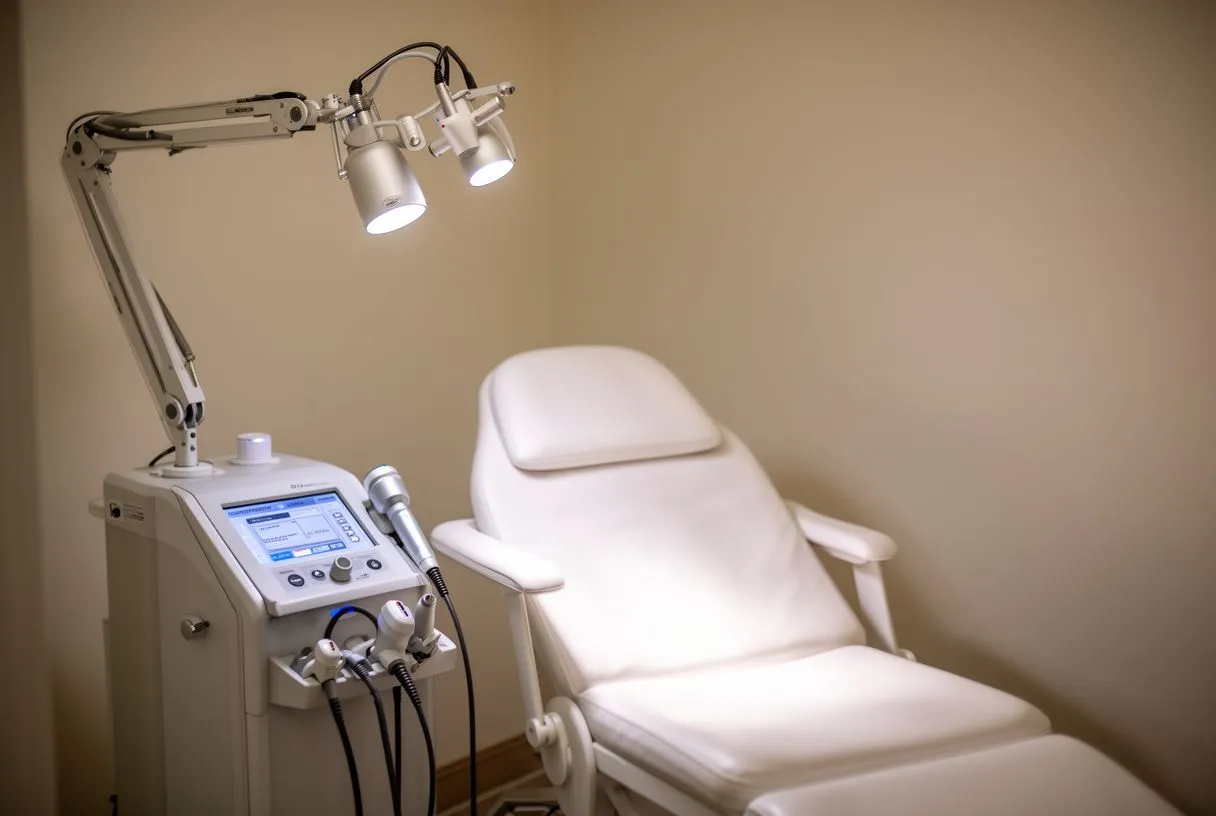
Choosing the right practitioner: laser settings for keloid-prone skin are specific. Treatment that is too aggressive can itself provoke new scarring in a predisposed person, so experience matters more than equipment. If a scar is large, symptomatic, or recurrent despite injections, the remaining option is surgical excision combined with postoperative radiation, which offers the lowest recurrence when radiation is delivered within a day of removal. That decision belongs with a team that has examined the scar and understands your cardiac history alongside your skin.
When to Talk to Your Cardiac Team About Your Scar
If you have developed a keloid after heart surgery, or you know your family history puts you at risk and want a plan in place before your operation, the most useful next step is a personalised assessment. Self-diagnosing from photographs, or trying over-the-counter creams alone for months, usually delays effective care while the keloid grows. The earlier a raised scar is evaluated, the more treatment options remain open.
At Cirugía de Corazón, our team sees the visible scar as part of the recovery story, not a cosmetic footnote. A chest scar that itches, pulls, or makes you self-conscious affects quality of life as genuinely as any other post-operative concern. We encourage second opinions and treat seeking one as a normal part of deciding about heart surgery—the same openness applies to questions about scarring and healing.
The first contact is a free video consultation: we get to know the patient, talk through the condition, and identify which studies are genuinely needed, so nothing unnecessary is ordered. A face-to-face visit at our consulting rooms in Guadalajara, Querétaro, or Hermosillo follows when you decide to go ahead. Bring photographs of how your scar has changed, mention any family history of keloids, and ask every question you have. A keloid after heart surgery is a manageable skin condition—and the right team will treat both the scar and the heart with the seriousness each deserves.