Left Ventricular Assist Device: Living With an LVAD
Left ventricular assist device living: expert daily care, battery management, diet tips and infection prevention from our Guadalajara heart specialists.
What Is a Left Ventricular Assist Device?
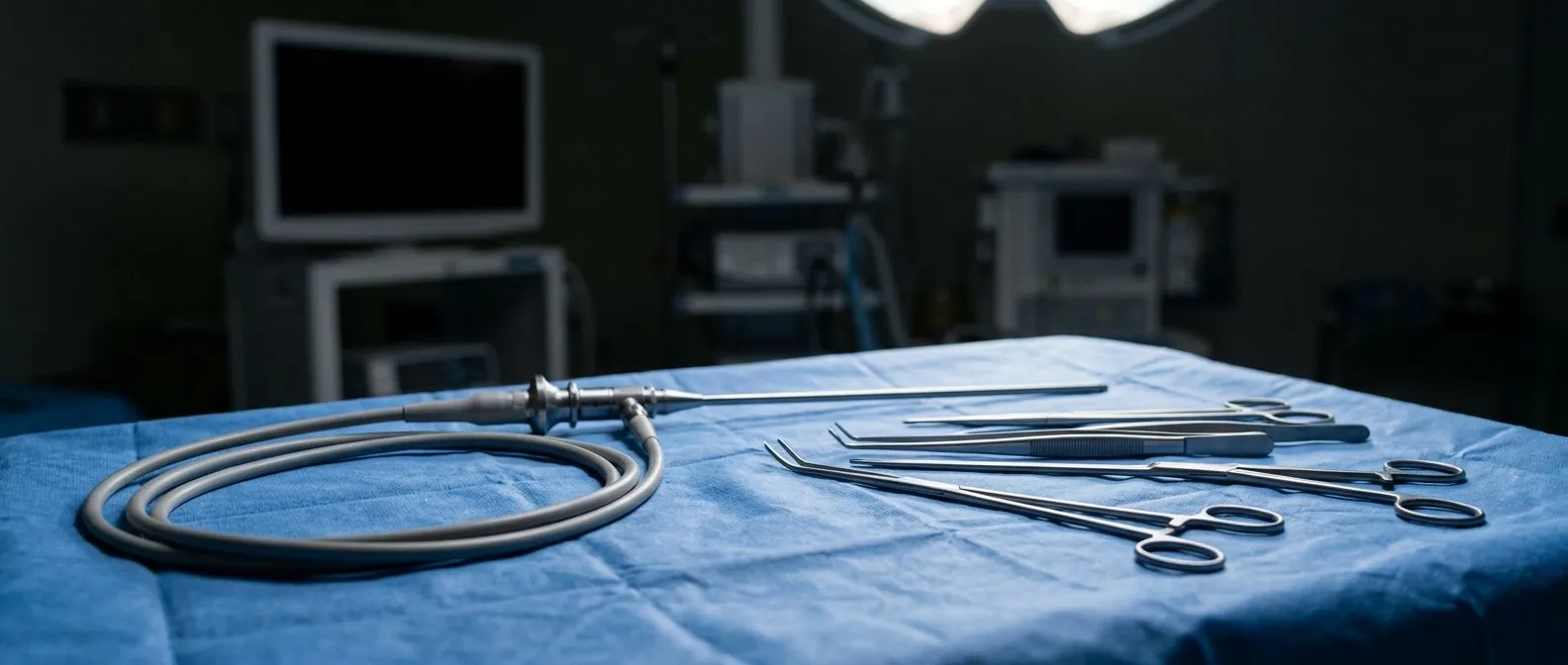
Facing advanced heart failure means exploring every medical option available to maintain blood flow and relieve debilitating symptoms. A left ventricular assist device, commonly referred to as an LVAD, is a specialized mechanical pump surgically implanted to help the lower left chamber of your heart pump blood to the rest of your body. For many patients, left ventricular assist device living begins as a bridge to heart transplantation, giving the heart time to rest while waiting for a suitable donor organ. In other cases, it serves as destination therapy for those who are not transplant candidates, providing long-term circulatory support to improve survival and daily function.
Understanding why you need this device begins with recognizing the severity of heart failure. When the heart muscle weakens significantly, it cannot generate enough force to circulate blood efficiently throughout your body. Patients might experience severe fatigue, shortness of breath, or chest discomfort that does not respond to standard medications. The primary goal of implanting this pump is to restore adequate blood flow to vital organs, improve exercise capacity, and allow you to return home to your family. Clinical research and medical guidelines detailing how mechanical support transforms outcomes for end-stage heart failure are widely documented by Europe PMC.
LVAD as a bridge to transplant: When your heart needs a rest while you wait for a suitable donor organ, the pump takes over the heavy lifting, improving organ function and building your physical strength. Destination therapy for long-term support: If a heart transplant is not an option for your specific clinical situation, the device remains in place permanently to sustain circulation and enhance your quality of life.
How Does an LVAD Work Inside the Heart?
The pump sits inside the chest cavity, typically just below the heart, and connects directly to the left ventricle. It draws blood from the weakened left ventricle and pushes it continuously into the aorta, the main artery carrying oxygenated blood to your entire body. This continuous flow ensures your organs receive a steady supply of oxygen, regardless of the heart's own pumping rhythm. The pump itself is powered by a controller and batteries that sit outside your body, connected by a driveline cable that passes through the skin of your abdomen.
The surgical implantation involves carefully attaching an outflow graft to your ascending aorta and placing an inflow conduit into the apex of the left ventricle. Surgeons may also correct other cardiac issues during the procedure, such as using an arterial cannula to establish bypass while fixing an enlarged atrium or abnormal heart rhythms like atrial flutter. Because the device creates a continuous flow rather than a pulsating one, your pulse might feel very faint or even absent. You will take medications like aspirin to prevent dangerous blood clots from forming on the device's internal mechanisms or grafts.
Mechanical vs. biological circulation: The device works in parallel with your heart, reducing the workload on the left ventricle while maintaining systemic blood pressure. Surgical approach and graft placement: The operation is complex and requires careful planning to ensure the outflow graft aligns properly with the aorta. Understanding the clinical implications of mechanical support often involves reviewing complex case studies, such as the Use of Stem Cells in the Treatment of Myocardial Infarction, which explores underlying cardiac tissue damage.
What to Expect During Heart Pump Surgery Recovery
Intensive care and initial stabilization: Recovery begins in the intensive care unit, where you will wake up connected to monitors and an arterial line to continuously track your blood pressure. The medical team will closely observe the pump's flow rates and ensure your body accepts the mechanical support. During the first few days, you will receive breathing support and intravenous fluids to maintain optimal hydration and blood volume. As you gain strength, the focus shifts to getting out of bed and taking short walks around the ward.
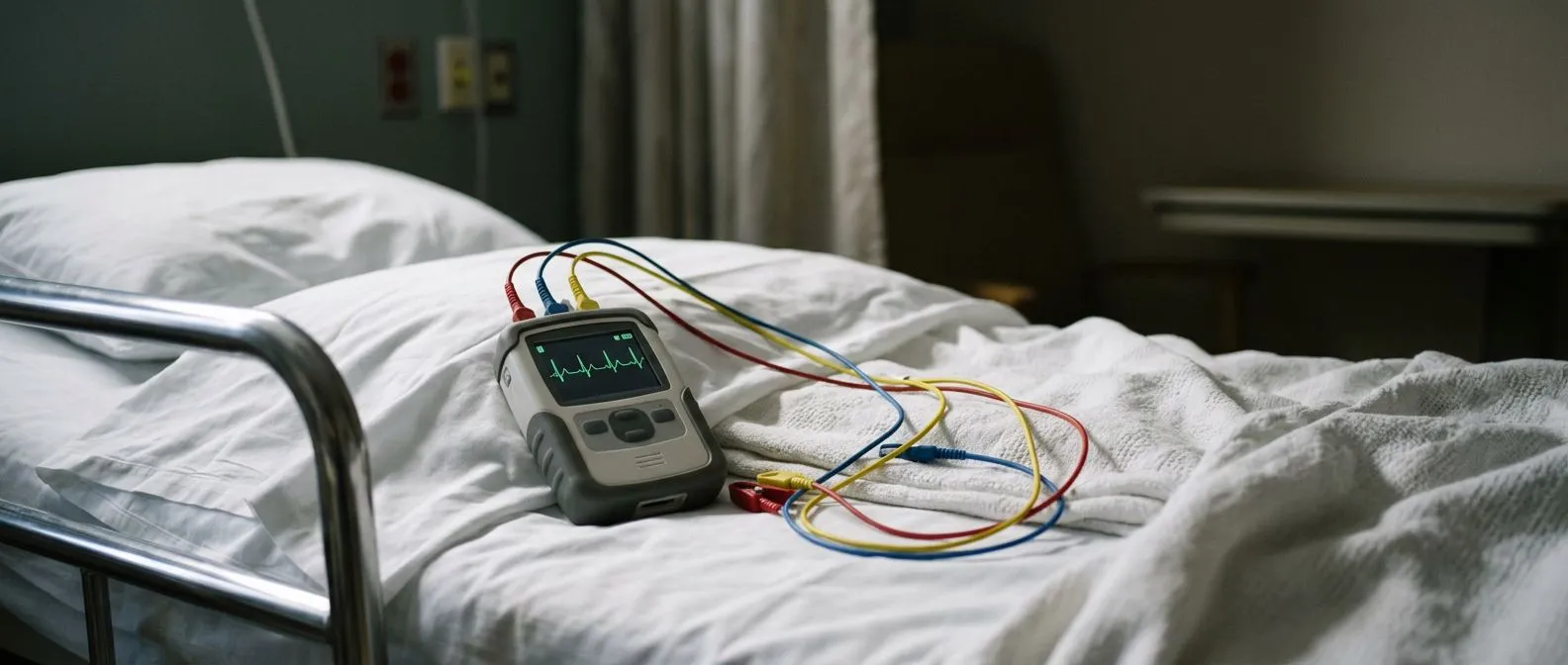
The clinical team will manage your pain carefully, ensuring you are comfortable but alert enough to participate in physical therapy. In some cases, surgeons might use autologous blood recovered during surgery to minimize transfusion risks. You will also learn basic emergency protocols, including how to use an automated external defibrillator if a severe arrhythmia occurs. It is important to remember that the LVAD itself provides continuous blood flow even if the heart's electrical rhythm becomes irregular.

Transitioning to the cardiac ward: Once stable, you will move to a regular hospital room where you begin learning how to manage the external equipment, change batteries, and care for the driveline exit site. Planning your discharge home: Recovery takes time, and most patients spend several weeks in the hospital before they are ready to go home with their new equipment. Adherence to recovery protocols improves long-term outcomes, a principle highlighted in a Comparative Analysis In The Treatment Of Myocardial Infarcted Patients...
LVAD Patient Daily Life and Activity Levels
Adjusting to life at home: Leaving the hospital with a mechanical pump brings a new routine. You will gradually resume daily activities, but you must always protect the driveline and avoid heavy lifting. Most patients can walk, climb stairs, and engage in light household chores within a few weeks of returning home. It is essential to listen to your body and rest when you feel tired, allowing your heart and surgical incisions to heal properly.
Cardiac rehabilitation benefits: Enrolling in a supervised cardiac rehabilitation program is highly recommended. These programs teach you how to exercise safely with your device, improving your cardiovascular fitness without overexerting the pump. Activity modifications for safety: You should strictly avoid contact sports, swimming, or any activity that could pull the driveline or damage the external controller. Keeping your equipment secure while moving ensures the pump continues to function without interruption.
During routine clinic visits, your cardiologist will perform an auscultation to listen to the continuous hum of the pump and check for any abnormal sounds. Even with mechanical support, you must remain vigilant for signs of heart distress, such as an atypical infarction, which might present as vague chest discomfort or unusual fatigue rather than crushing pain. Living successfully with the device requires a careful balance between staying active to maintain muscle tone and resting to protect your healing heart.
Essential LVAD Battery Management Tips
The pump relies entirely on external power, making battery management the most critical aspect of your daily routine. You must always have charged batteries available and a clear plan for transitioning between power sources. The standard setup includes two batteries that power the device for several hours, allowing you to move freely around your home or community. When you are sleeping, you will connect the controller to a wall outlet using a specialized power adapter.
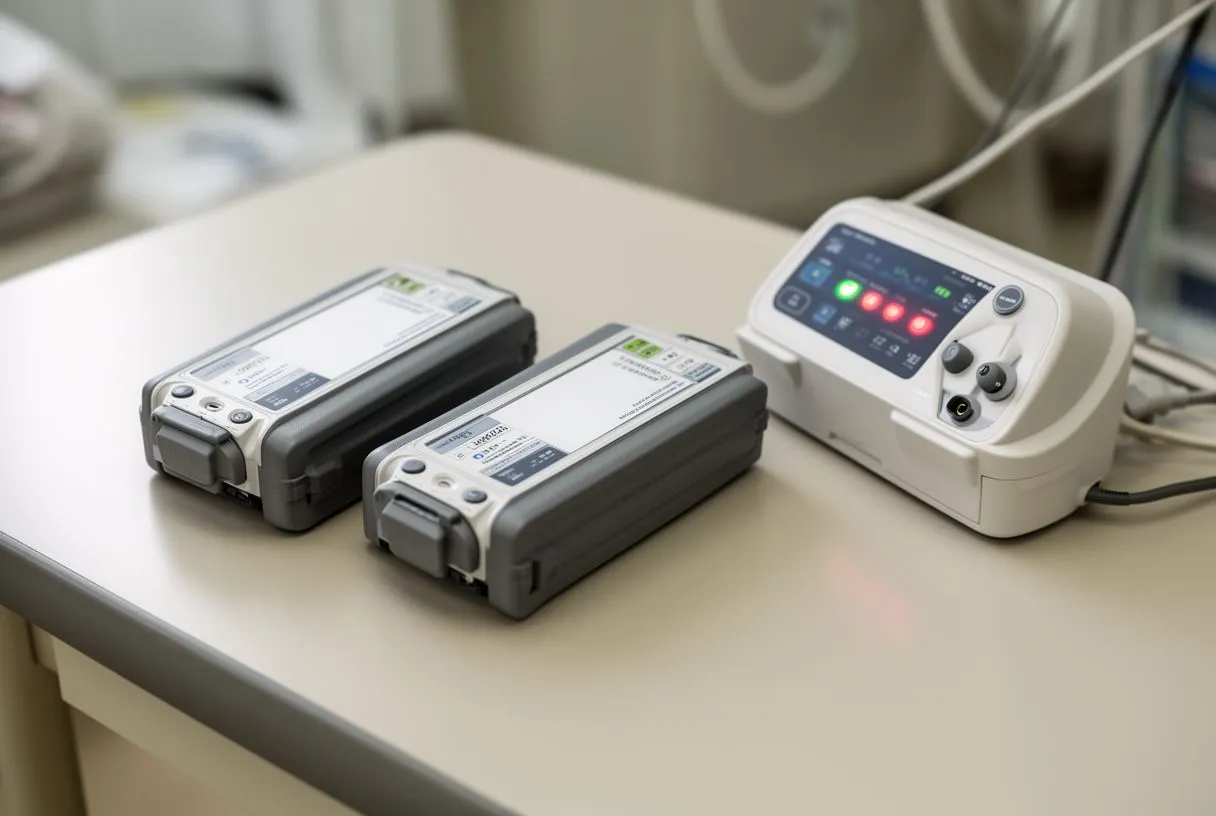
Developing a daily routine for charging and swapping batteries prevents emergencies. You should establish a designated charging station in your home where you can easily plug in depleted batteries. Always check the battery indicator lights on the controller before leaving your house to ensure you have enough power for your planned activities. Keeping a written log of battery performance can also help you identify when a battery is losing its capacity and needs to be replaced.
Traveling with power cords: If you are taking a long car ride, use the car power adapter to conserve your portable batteries for when you exit the vehicle. Preparing for power outages: Keep a surge protector and a clear plan for connecting to your backup batteries if your home loses electricity. Careful power management ensures your pump never stops circulating blood, keeping you safe and confident in any environment.
LVAD Diet Restrictions and Blood Thinner Safety
Because the LVAD is a mechanical device inside your bloodstream, you must take blood thinners to prevent clots from forming on the internal rotors. This medication requires careful dietary management to maintain a stable therapeutic level. Foods high in Vitamin K, such as leafy green vegetables, can interfere with warfarin, making it harder to keep your blood at the right thickness. You do not need to eliminate these foods, but you must consume a consistent amount from week to week.
Managing sodium intake: Heart failure requires you to limit salt to prevent fluid retention, which strains the right side of your heart. Canned soups, processed meats, and fast food contain high sodium levels that can lead to swelling and shortness of breath. Monitoring fluid balance: Weigh yourself daily to catch sudden fluid gain early, and limit your daily liquid intake exactly as directed by your care team.
Managing your diet also involves controlling cholesterol to prevent the buildup of atheromatous plaque in your remaining native arteries. High levels of apolipoprotein B, a protein found in LDL cholesterol, indicate a higher risk of plaque rupture, which could complicate your overall cardiac care. Eating a heart-healthy diet rich in lean proteins, whole grains, and consistent vegetable portions supports both your blood thinner therapy and your long-term cardiovascular health.
LVAD Infection Prevention and Showering Precautions
The driveline passing through your skin is the most vulnerable part of the LVAD system. Keeping this exit site clean and dry is the best way to prevent infections, which are a leading cause of hospital readmission. You will change the dressing regularly, following the exact sterile technique taught by your surgical team. Proper hand hygiene before touching the driveline or the controller is absolutely essential.
Showering precautions and waterproofing: For the first several months after surgery, you cannot submerge the driveline in water. Once your surgical team clears you, you may shower using a specialized waterproof cover that seals around the driveline cable. You must ensure no water leaks onto the exit site or the controller itself. Never take baths, swim, or use hot tubs, as submersion introduces bacteria directly into the surgical wound.

Recognizing the early signs of a driveline infection can prevent a minor issue from becoming a severe complication. Monitor the exit site closely every day during your dressing changes. If you notice any concerning changes, contact your clinic immediately.
- Check for redness: Inspect the skin around the driveline daily for unusual warmth, redness, or expanding color changes.
- Monitor drainage: Notice if the dressing absorbs yellow or green fluid, which often indicates a bacterial infection.
- Watch for fevers: Take your temperature if you feel unwell, as a fever is often the first systemic sign of a driveline infection.
Recognizing LVAD Complications Signs Early
The external controller features built-in alarms that alert you to changes in pump function. A red alarm indicates a serious problem, such as low flow or a mechanical issue, requiring immediate action. A yellow alarm usually means a power issue, like a low battery or a disconnected cable. You must memorize what each alarm means and keep your emergency instruction manual nearby at all times.
Identifying low flow alarms: If the pump cannot draw enough blood from your heart, perhaps due to dehydration or an irregular rhythm like atrial flutter, it will trigger a low-flow alarm. You might feel dizzy, lightheaded, or experience unexplained arm pain, which can indicate poor systemic perfusion. Checking for pump thrombosis: If a blood clot forms inside the pump, the device must work harder, changing its sound. Your doctor might detect this during an auscultation exam as a louder, higher-pitched hum.
When an alarm sounds, stay calm and follow the training you received during your hospital stay. Check the power connections first, then assess your physical symptoms. If the alarm persists or you feel unwell, contact your emergency support line or go to the nearest emergency room. Remember that the pump continues to circulate blood even if the heart is in an abnormal rhythm, but you still need prompt medical evaluation to correct the underlying issue.
Improving LVAD Quality of Life Outcomes
Adapting to life with a mechanical pump is as much a psychological journey as a physical one. Many patients experience anxiety, depression, or fear about equipment malfunctions after returning home. Acknowledging these feelings is a crucial step in your recovery process. Joining a support group for LVAD patients allows you to share experiences with people who truly understand the daily challenges of living with mechanical circulatory support.
The role of the LVAD caregiver: Your caregiver plays a vital role in your long-term success. They help manage batteries, assist with dressing changes, and provide emotional support. Caregivers must also receive thorough training on emergency protocols, including how to switch to backup power and what to do if the controller fails. Supporting your caregiver is just as important as supporting the patient, as caregiver burnout can directly impact the quality of your daily care.
Clinical studies, including those exploring guidelines similar to the ARISTOTLE trial regarding anticoagulation therapy, emphasize the importance of strict medication adherence for improving survival rates. By carefully managing your blood thinners and watching for subtle warning signs, such as an atypical infarction, you can prevent severe complications. Focusing on the positive aspects of returning home, enjoying family time, and regaining independence helps frame the device as a lifeline rather than a burden.
Heart Assist Device Travel and Long-Term Planning
Traveling with an LVAD requires extensive planning but is entirely possible for stable patients. Before planning a trip, you must notify your cardiac team to ensure you are medically cleared for travel. You will need a letter from your doctor detailing your device, which is essential for airport security. Security agents are familiar with medical equipment, but arriving early and communicating clearly helps the screening process go smoothly.

Managing power on the go: When flying, keep your batteries and controller in your carry-on luggage, never checking them with baggage. Locating destination medical care: Research hospitals near your destination that are familiar with mechanical circulatory support, just in case you experience issues like severe arm pain or require an arterial line for monitoring. Your long-term plan might eventually involve other interventions, such as balloon angioplasty for blocked native arteries or balloon aortic valvuloplasty for valve stiffness, though your LVAD provides the primary circulatory support.
While an LVAD is a major intervention, understanding your long-term cardiac health is vital. Some patients may require additional procedures, such as the implantation of a balloon-expandable valve, or even more advanced temporary support like awake ECMO if the right side of the heart fails. Managing any secondary vascular repair, whether an autograft or an arterial graft, requires the same dedication to care as managing your LVAD driveline. If you are considering treatment options or need expert guidance on heart failure management, we encourage you to discuss your specific situation with a qualified cardiac team. Contact the practice of Dr Alejandro Molina to book a consultation rather than self-diagnosing, and let us help you navigate your journey to better heart health.