Local Anaesthesia for Heart Procedures: What You Feel
Local anaesthesia heart procedures let you stay awake during cardiac care.
What Are Local Anaesthesia Heart Procedures?
When facing a cardiac intervention, many patients worry most about losing consciousness and feeling out of control. Understanding the baseline: Local anaesthesia heart procedures offer a different path, allowing you to remain awake or lightly sedated while the surgical team works. This approach can help minimize the physical stress of deep general anesthesia. You remain responsive and breathing on your own, which changes the entire physiological dynamic of the procedure.
Anatomical precision matters: Before any numbing begins, your medical team performs a thorough auscultation, which simply means listening to your heart and lungs with a stethoscope to establish a baseline. We then identify the exact access points, often relying on an arterial line—a thin tube placed into an artery to monitor your blood pressure beat-by-beat in real time. Because you are awake, your body maintains its natural blood flow dynamics, giving us a highly accurate picture of your cardiac function during the intervention.
The goal is never to cause discomfort, but to provide the lowest risk for your situation. By avoiding a breathing tube and deep sedation, your recovery time shrinks significantly. We use targeted numbing agents to block pain signals at the skin and vessel walls, ensuring you feel pressure and movement but no sharp pain. This method requires an experienced team who can clearly communicate with you throughout the process, turning a frightening event into a manageable, guided experience.
How Awake Heart Surgery Changes Your Experience
Traditional heart surgery often involves deep unconsciousness and machines that breathe for you. Staying present: Awake heart surgery, including advanced techniques like Awake ECMO (Extracorporeal Membrane Oxygenation, a machine that temporarily supports heart and lung function), shifts this paradigm. Because you are conscious, the medical team can ask you to perform simple tasks, like breathing deeply or moving a hand, which provides immediate feedback on your neurological and cardiac status.
Blood conservation in real time: During some awake procedures, autologous blood may be used, meaning your own blood is collected, cleaned, and returned to your body during the operation. This significantly reduces the need for donor blood transfusions. Because your body is not subjected to the deep physiological suppression of general anesthesia, your natural clotting mechanisms and blood volume regulation remain more stable throughout the procedure.
Remaining awake might sound intimidating, but many patients find it deeply reassuring. You will not feel the sharp incision, but you may sense pressure or tugging as the team navigates your chest or vascular system. We continuously monitor your comfort and can provide additional sedation if you feel anxious. Our priority is to ensure you feel safe and informed, transforming what is typically a black box of unconsciousness into a transparent, collaborative medical process.

Types of Heart Procedures Using Local Numbing
Not every cardiac intervention requires a full operating room and deep sleep. Matching the technique to the disease: Several minimally invasive options rely on local numbing to treat specific structural issues. For instance, if you have an atheromatous plaque—a fatty buildup narrowing your arteries—your cardiologist might open the vessel using balloon angioplasty, a technique where a tiny balloon is inflated to flatten the plaque against the artery wall.
These targeted interventions allow for precise, localized treatment without disrupting your entire cardiovascular system. The numbing agent ensures the skin and vessel entry point are insensitive to pain. You might feel a warm sensation or mild pressure as the catheter moves through your blood vessels, but the actual work on the artery blockage is managed with medication, as vessels do not have pain nerve fibers on their inner linings.
Understanding your options helps reduce fear. When Dr Molina discusses your treatment plan, he will explain exactly which procedure suits your anatomy and disease state. The choice between general and local numbing depends on the complexity of the intervention, your overall health, and the specific blood vessels involved. Here is a quick look at common options:
- Diagnostic Angiography: Mapping the heart's vessels with a contrast dye and X-rays.
- Stent Placement: Propping open a narrowed artery using a tiny wire mesh tube.
- Device Implantation: Placing pacemakers or defibrillators under the skin.
TAVR Under Local Anesthesia: What to Expect
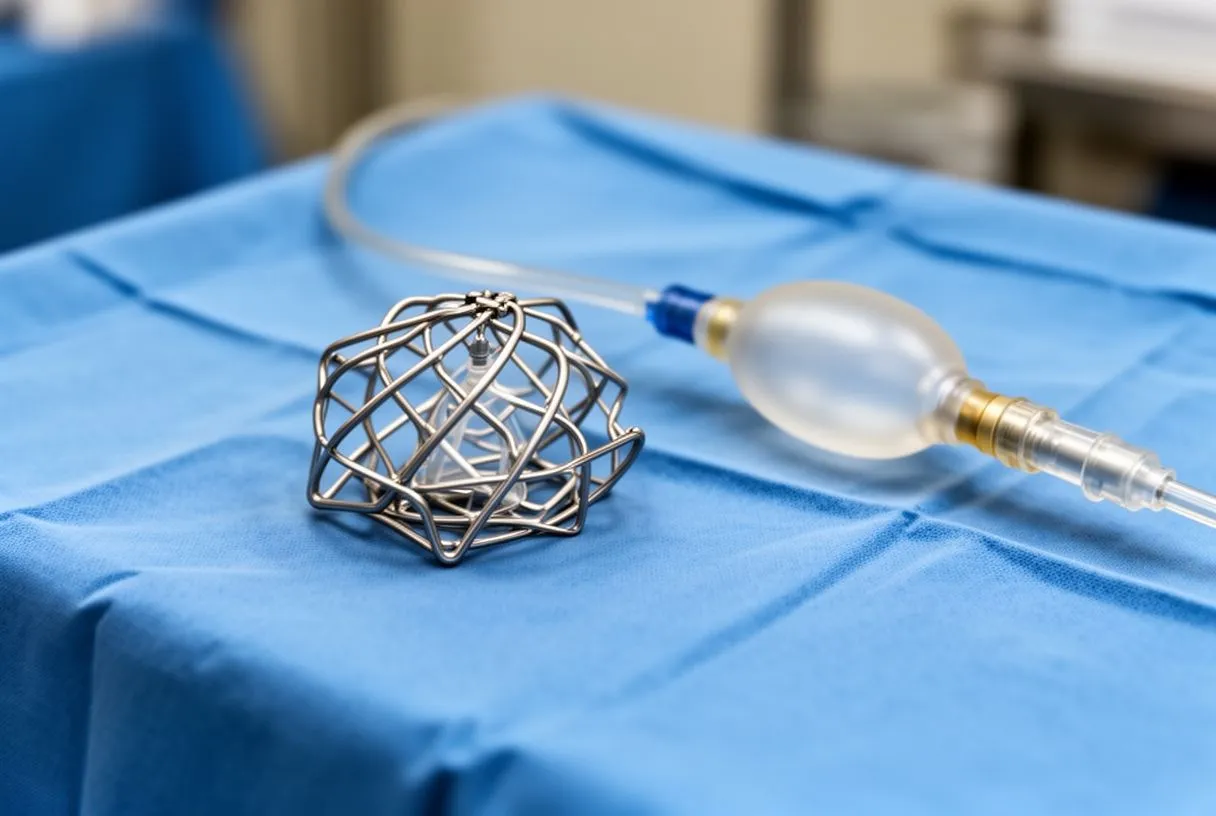
Transcatheter Aortic Valve Replacement, or TAVR, is a groundbreaking procedure for severe aortic stenosis, where the heart's main exit valve becomes stiff and narrowed. A modern approach to valve replacement: TAVR is often performed under local anesthesia. The team threads a catheter to your heart, often through a blood vessel in your groin, to deploy a balloon-expandable valve that takes over the function of your diseased valve.
During the procedure, we numb the access site thoroughly. You will be awake enough to follow commands, which is crucial. As the new valve is positioned, sometimes near the ascending aorta (the first section of the body's main artery as it leaves the heart), the doctor may ask you to hold your breath briefly or cough to help stabilize the device. Your active participation improves the precision of the placement.
Patients often report feeling a few rapid heartbeats or a brief fluttering sensation as the balloon expands to set the new valve in place. This is entirely normal. The local numbing approach means you avoid the grogginess and nausea that can follow general anesthesia, allowing you to start your recovery and sit up in bed much sooner after the valve is secured.
Pacemaker Insertion Local Anesthesia Sensations
A pacemaker is a small device placed under the skin to regulate slow or irregular heartbeats, often addressing issues in the heart's upper chambers, or atrium. Implanting a rhythm controller: This procedure is almost always performed using local numbing. The surgeon makes a small pocket near your collarbone to house the generator and threads the wires (leads) into your heart through a vein.
What you will physically feel: The injection of the numbing medicine stings for just a few seconds, similar to a dental shot. After that, the area becomes numb. You will feel pressure and tugging as the surgeon creates the pocket for the device, but no sharp pain. If the wires brush against the inner walls of your heart, you might feel a slight cough reflex or a brief flutter, which the team will monitor closely to prevent complications like atrial flutter (a rapid, abnormal heart rhythm).
Communication is constant during a pacemaker insertion. If you feel any unexpected discomfort, telling your surgeon immediately allows them to add more numbing medication. The goal is to keep you comfortable while maintaining the safest possible environment for the device placement, a standard supported by major institutions like Stanford Health Care.
Cardiac Ablation and Electrophysiology Study Local Anesthesia
When your heart beats too fast or with an irregular rhythm, doctors use an electrophysiology (EP) study to map the electrical pathways causing the problem. Mapping the heart's wiring: Cardiac ablation and EP studies are typically performed with local numbing and light sedation. The cardiologist threads catheters through your veins directly into the heart muscle to find and destroy the tiny areas of tissue causing the short circuits.
Because you are awake, you can tell the doctor exactly what you feel, which is vital diagnostic information. You might experience the exact palpitations or racing heartbeat that brought you to the clinic in the first place. This is intentional; the doctor triggers the rhythm to locate its origin. Sometimes, if you have an arterial graft from a previous bypass surgery, the team will carefully avoid these areas when navigating catheters to your heart.
During the ablation itself, when the faulty tissue is treated with radiofrequency energy or extreme cold, you may feel a mild warmth or chest pressure. The local numbing keeps the entry site in your groin or neck pain-free, while the light sedation keeps you relaxed enough to lie still. You remain an active participant in curing your own arrhythmia.
Local Anaesthesia Cardiac Catheterization: Step by Step
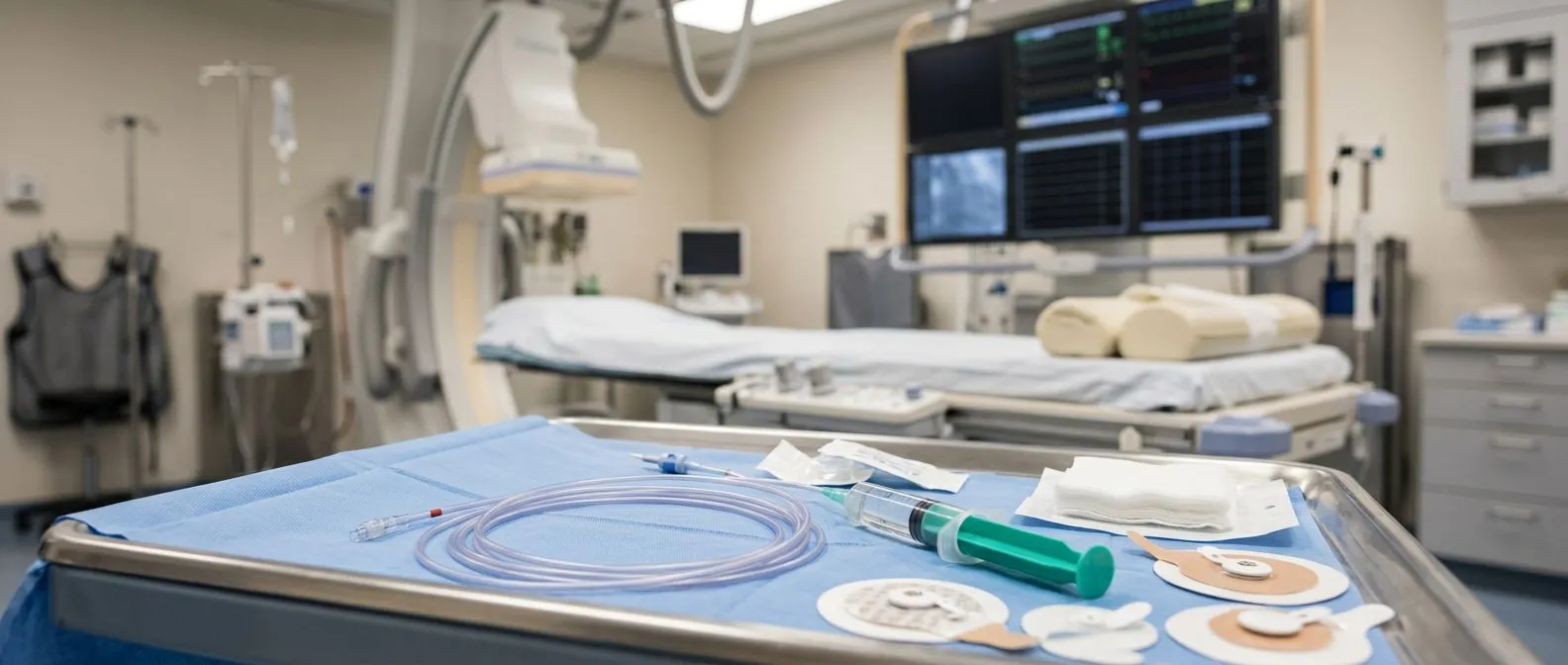
Cardiac catheterization is a common test to look for blockages or measure pressures inside the heart. Visualizing the vessels: Local anaesthesia is commonly used for procedures like this to support patient safety and comfort. The doctor inserts a thin tube into an artery or vein in your wrist or groin after injecting a local anesthetic. You will feel pressure, but the sharp sting of the needle is blocked.
As the catheter advances, you usually feel nothing in the blood vessels themselves. However, when the contrast dye is injected to highlight your coronary arteries on the X-ray screen, you might experience a brief, warm flush spreading through your chest and groin, or a metallic taste in your mouth. This lasts only a few seconds and is a hallmark of the dye moving through your system, not a sign of an atypical infarction (an unusual pattern of heart attack symptoms).
Staying awake during this diagnostic phase is incredibly valuable. If you develop any chest pain or shortness of breath as the catheter moves, you can report it instantly. This real-time feedback helps the team adjust their approach, a practice deeply rooted in modern cardiology guidelines such as the ESC working group position paper on myocardial infarction with non-obstructive coronary arteries.
Heart Procedure Comfort and Managing Sensations
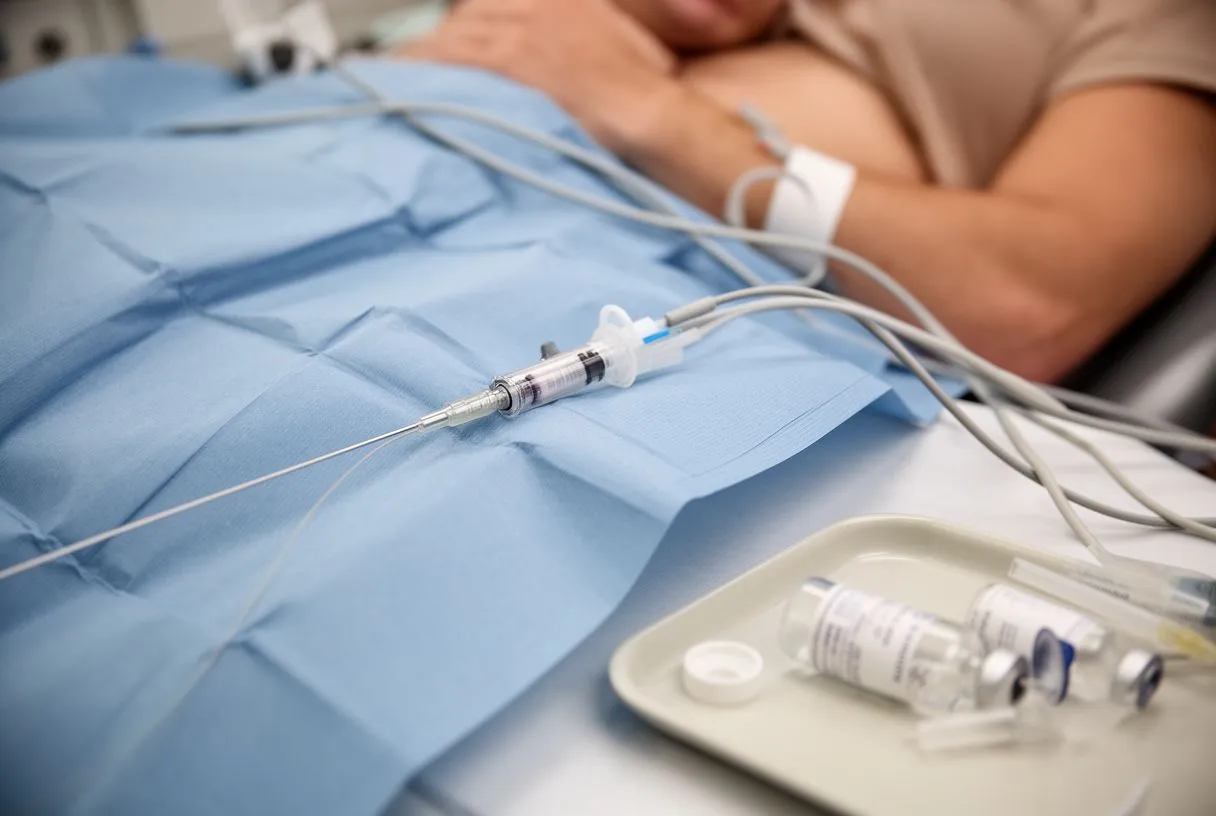
Managing your comfort goes beyond just numbing the skin. A multi-layered approach to calm: Local anaesthesia heart procedures usually combine targeted numbing with conscious sedation. Conscious sedation means you receive medication through an IV that makes you drowsy and relaxed, but you are not unconscious. You might drift off to sleep but can be easily awakened to answer questions.
Medications that support comfort: Before and after your procedure, your medical team may administer specific drugs to optimize your blood and prevent clots. For example, you might receive aspirin to thin the blood, or medications targeting apolipoprotein B (a protein involved in plaque formation) to stabilize your cholesterol. These systemic treatments work in tandem with the local numbing to ensure your entire cardiovascular system is protected and calm.
It is normal to feel anxious about being awake. We encourage you to ask for a blanket if you feel cold, or to let us know if the table is uncomfortable. Your physical comfort directly impacts your heart rate and blood pressure, making it a medical priority, not just a nicety. The team is trained to guide you through every sensation, ensuring you feel supported, as detailed in clinical research like the Repair-oriented classification of aortic insufficiency: Impact on surgical techniques and clinical outcomes.
Recovery Reality After Local Numbing Heart Procedures
The recovery phase is often where local anaesthesia heart procedures truly shine. Waking up ready to heal: Because you avoided deep general anesthesia and a ventilator breathing tube, you wake up clear-headed. There is no throat soreness, and the nausea that often accompanies heavy sedation is dramatically reduced. You can often drink water and eat a light meal within hours of the procedure.
Minimizing tissue trauma: By using your own tissues wherever possible, such as an autograft (tissue moved from one part of your body to another) in certain reconstructive procedures, and avoiding large chest incisions, the healing process is much gentler. You will likely be able to sit in a chair and even take a few steps on the same day. This early mobility is crucial for preventing blood clots and getting your digestive system back online.
However, "minimally invasive" does not mean "no recovery." Your heart still underwent an intervention, and your body needs time to heal the access sites and adjust to any new devices or repaired valves. You must follow the team's instructions carefully to ensure a smooth, uncomplicated return to your daily life. Focus on these key recovery steps:
- Rest and Monitor: Keep the access site clean and watch for any swelling or redness.
- Gentle Movement: Walk short distances to promote circulation, but avoid strenuous activity.
- Stay Hydrated: Drink plenty of water to help your kidneys flush out the contrast dye used during imaging.
When to Seek Help After Your Heart Procedure
Knowing when to call your doctor is a critical part of your recovery plan. Recognizing red flags: While mild soreness at the incision site is normal, certain symptoms require immediate medical attention. If you experience sudden, severe arm pain alongside chest pressure, or if the access site begins to bleed heavily and will not stop with firm pressure, you must seek emergency care right away.
Protecting your new valve or device: If you had a procedure like balloon aortic valvuloplasty (a balloon procedure to stretch a stiff valve open) or a TAVR, you will be on specific medication regimens. Some patients participate in clinical monitoring or studies like the ARISTOTLE trial protocols (which evaluate blood-thinning medications) to ensure their new valves function perfectly. If you feel your heart racing, skipping beats, or if you feel lightheaded and faint, contact your clinic immediately.
If you live abroad, ask for clear written guidelines on what to do if complications arise once you return home. We ensure you have the resources to manage your recovery confidently. Please book a consultation to discuss your specific condition, understand your risk profile, and decide if local numbing heart procedures are the safest, most effective choice for your cardiac care.