Low Molecular Weight Heparin Injections After Surgery
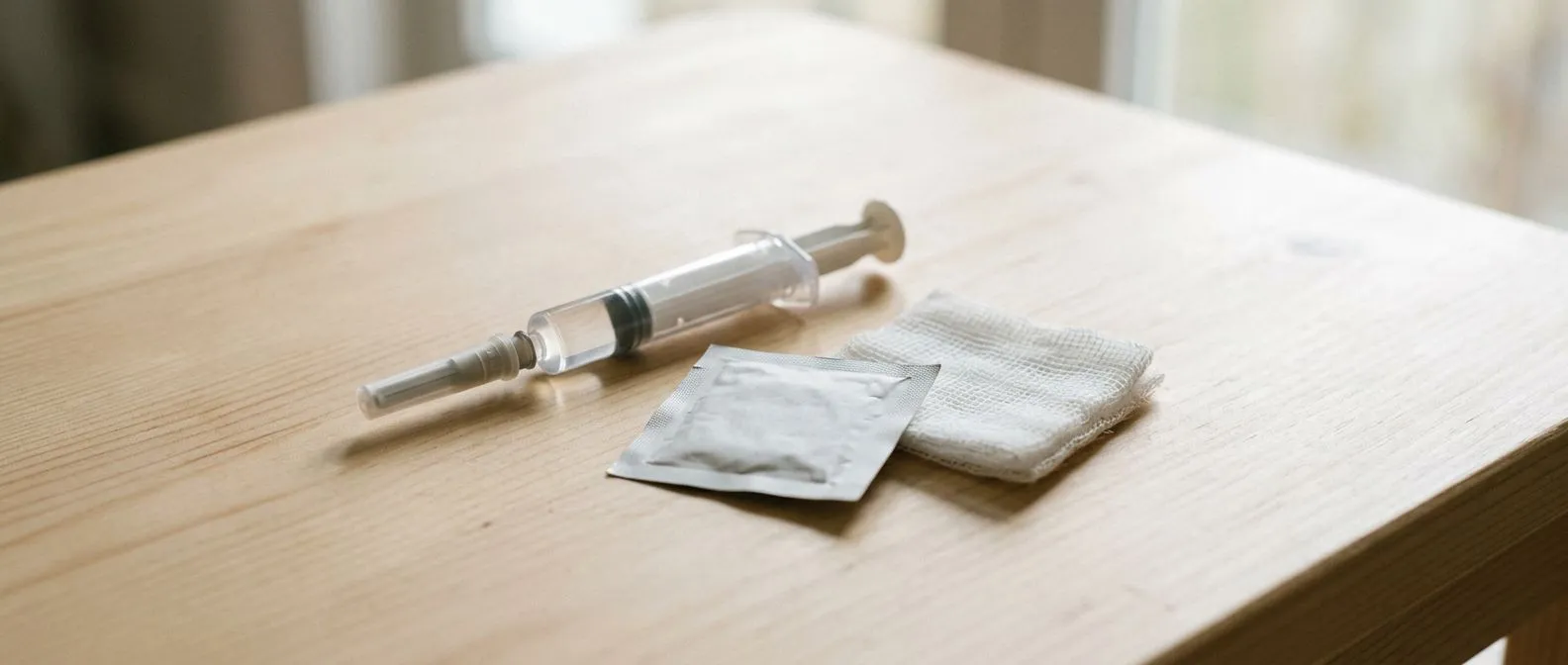
Low molecular weight heparin injections prevent blood clots after surgery.
If you or a family member has recently had heart surgery or another major operation, there is a good chance your discharge papers included a small box of prefilled syringes. These are low molecular weight heparin injections, one of the most common tools modern medicine uses to prevent dangerous blood clots while you recover. Many patients feel nervous about giving themselves an injection at home. That feeling is completely normal, and the good news is that the technique is far simpler than it looks. This guide walks you through what these injections are, why your surgical team prescribed them, how to use them safely, and what to expect in the weeks ahead.
What Are Low Molecular Weight Heparin Injections?
A refined version of an older medicine. Low molecular weight heparin, often shortened to LMWH, is a purified fragment of regular heparin, a blood thinner that has been used in hospitals since the 1930s. By breaking heparin into smaller chains, researchers produced a drug that lasts longer in the body, works predictably at fixed doses, and causes fewer side effects. The result is a medicine you can inject under the skin once or twice a day, usually without any blood monitoring.
What it actually does. LMWH does not dissolve clots that already exist. Instead, it blocks part of the clotting cascade, the chain reaction that turns liquid blood into a gel-like plug. By slowing factor Xa, one of the key steps in that chain, the injections make it much harder for a new clot to form in the deep veins of your legs or pelvis during the days when you are least mobile.
Given under the skin, not into a vein. These are subcutaneous injections, meaning the needle delivers the medicine into the fatty tissue just beneath the skin, most often on the abdomen. That is very different from the intravenous heparin drip you may remember from your hospital stay. Because the dose is fixed and predictable, most patients manage the injections themselves at home after a short lesson from a nurse.
Why Are Blood Clots a Risk After Surgery?
Three forces stack against you. Surgeons have understood for more than a century that immobility, tissue injury, and altered blood flow after an operation create ideal conditions for clots. Your legs act as pumps that push blood back toward the heart; when you lie in bed for days, blood pools in the calf veins. Meanwhile, surgery itself releases clotting factors as part of normal healing.
The danger is where the clot travels. A clot that forms in a deep leg vein is called deep vein thrombosis, or DVT. The real emergency is a pulmonary embolism, which happens when part of that clot breaks free and lodges in the arteries of the lungs. This is why clot prevention injections are considered a cornerstone of care after nearly every major operation, not just cardiac procedures. Guidelines from The Lancet and other major journals have repeatedly confirmed that prophylactic anticoagulation saves lives after surgery.
Your personal risk level matters. Not everyone receives the same regimen. Your team weighs your age, the type of operation, your mobility, and your history of clots before deciding how long the injections should continue. In our practice, every case is reviewed by the multidisciplinary team against international practice guidelines before we recommend a prevention plan, and we explain the reasoning in plain words so you know exactly why the schedule was chosen for you.
What Drugs Are Low Molecular Weight Heparin?
The names you will see on the box. Several medications belong to this family, and it helps to recognize them:
- Enoxaparin (brand name Lovenox) is by far the most prescribed, and the one most patients in Mexico and worldwide will encounter after surgery.
- Nadroparin, dalteparin, and tinzaparin are close relatives used widely in Europe and Canada, with the same purpose and similar technique.
- Fondaparinux is a synthetic cousin that works on the same target, sometimes chosen for patients who cannot tolerate heparin-based drugs.
Is low molecular weight heparin the same as enoxaparin? This is one of the most common questions we hear. The answer is no, but they overlap: enoxaparin is one specific brand-name drug within the LMWH family, in the way one model of car belongs to a broader category. When your discharge papers say enoxaparin sodium injections, you are holding an LMWH, just one particular version of it.
Why the family matters less than the plan. For practical purposes, the technique, the storage, and the precautions are nearly identical across the family. What matters is the dose your surgeon prescribed and the duration of the course, which should always come from your own team rather than a generic guide.
What Is the Difference Between Heparin and Low Molecular Weight Heparin?
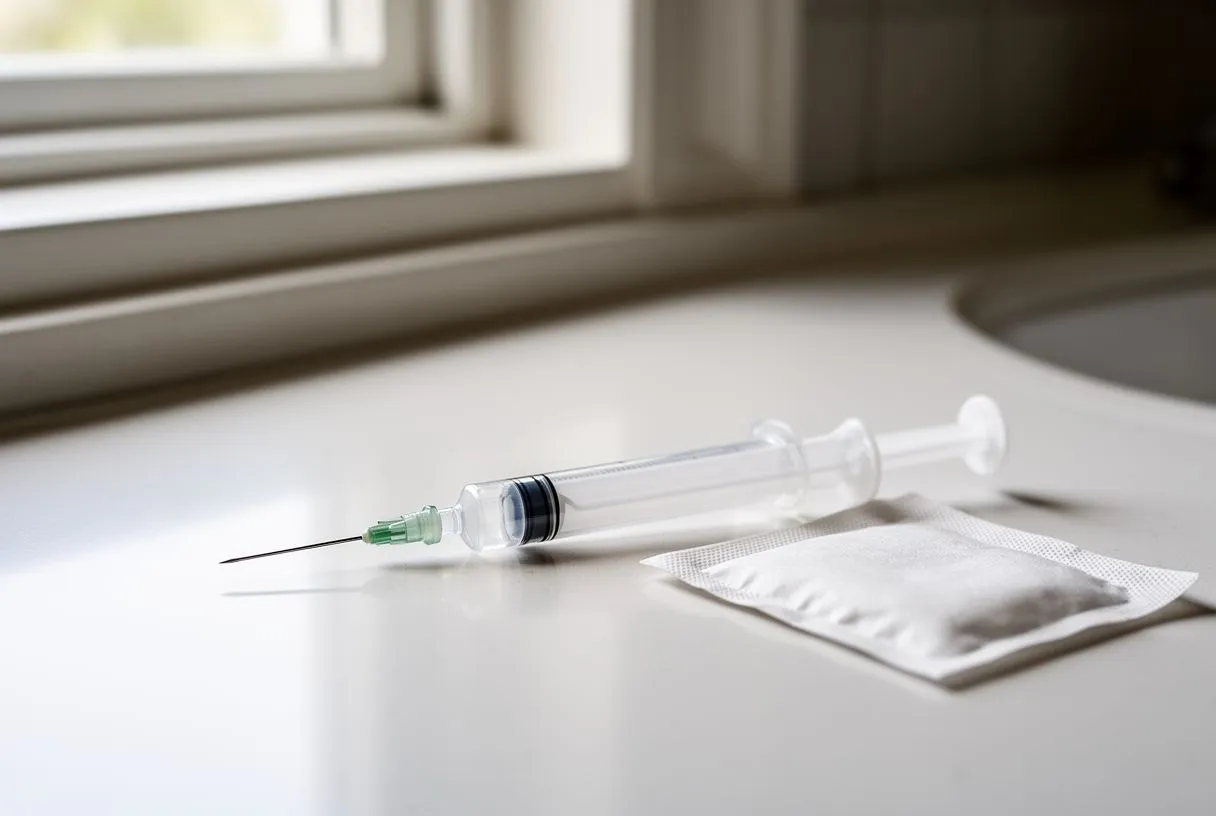
Two molecules, one origin. Unfractionated heparin, the version used in hospitals, is a mixture of chain lengths harvested from animal tissue. LMWH is created by cutting those chains down to a smaller, more uniform size. That single change explains nearly every practical difference between the two.
Where each one is used. Unfractionated heparin works within minutes and wears off quickly, which makes it ideal for the heart-lung machine during open-heart surgery and for patients on dialysis. LMWH acts more slowly but lasts much longer, which makes it ideal for home use. One is a hospital drug you receive through an intravenous line; the other is a home drug you inject under the skin.
Fewer complications with the smaller molecule. Because the short chains affect platelets less, LMWH carries a lower risk of heparin-induced thrombocytopenia, a rare but serious reaction where the drug paradoxically causes clotting. It also causes less unpredictable bleeding at fixed doses, which is why blood tests are usually unnecessary during a standard postoperative course. In our consultations, we take the time to explain which blood thinner was used at each stage of your care and why, because patients consistently tell us that understanding the plan lowers their anxiety more than any reassurance could.
How Do You Inject Low Molecular Weight Heparin at Home?
Choosing and preparing the site. The abdomen is the standard subcutaneous heparin injection site because the fatty layer there absorbs the drug evenly. Pick an area at least five centimeters away from your navel and any scars. Rotate left and right sides with each dose so no single spot becomes bruised or tender. Clean the skin with an alcohol swab and let it dry completely before injecting.
The injection technique, step by step. The prefilled syringe is designed with a very short, fine needle, so the process takes only seconds:
- Wash your hands and gather your syringe, swab, and a sharps container.
- Gently pinch a fold of skin between your thumb and forefinger; do not release it.
- Insert the needle straight in at a 90-degree angle, all the way to the hub.
- Press the plunger down slowly and steadily, then wait about five seconds before withdrawing.
- Release the skin, withdraw the needle at the same angle, and dispose of the syringe immediately.
Small details that make a real difference. Never expel the tiny air bubble in the syringe; it is meant to stay there. Do not rub the site afterward, as this increases bruising. Ice can soothe a tender spot. If a nurse in the hospital can supervise your first injection before discharge, ask for that opportunity.
What Role Does Low Molecular Weight Heparin Play After Cardiac Surgery?
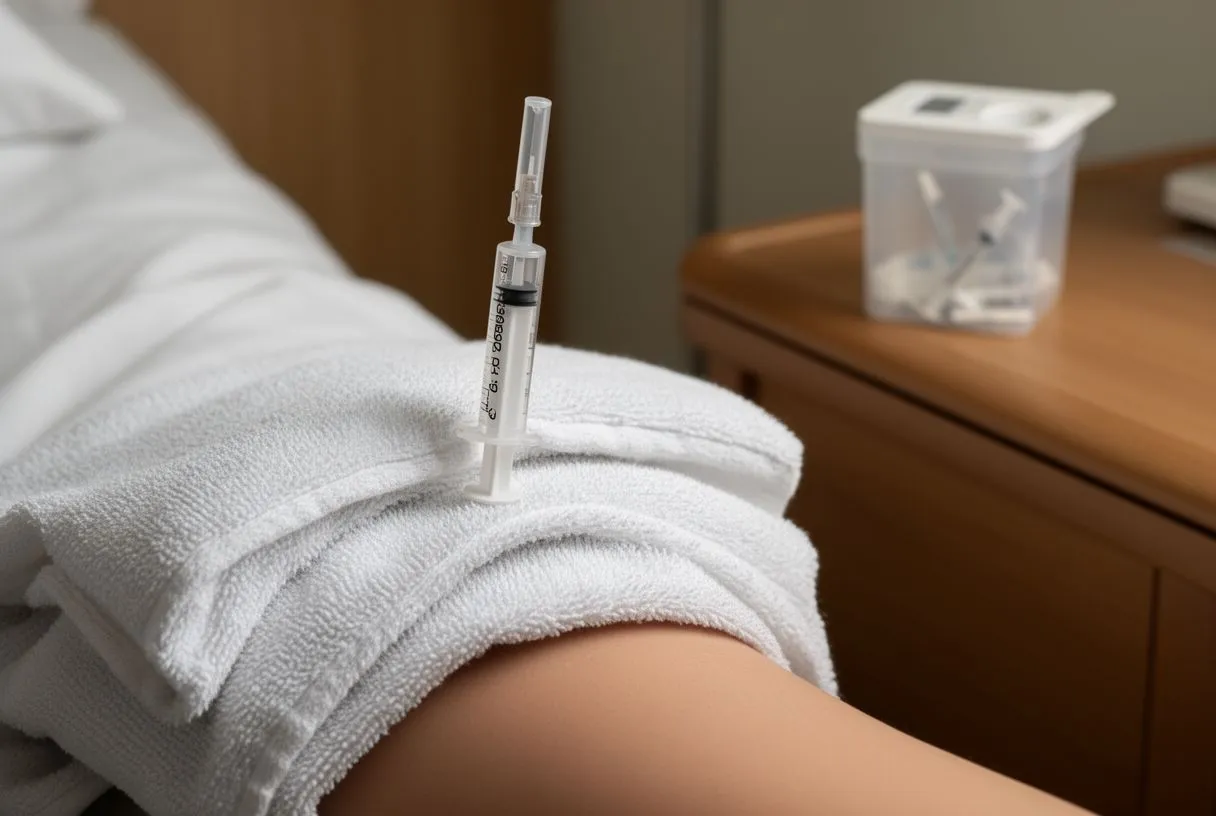
A careful balance in heart patients. After cardiac surgery, clot prevention and bleeding risk pull in opposite directions. The chest wound, the graft sites, and the area around the heart all need to heal without bleeding, yet the immobility of early recovery raises clot risk. This is why the cardiac surgery heparin protocol at most centers starts LMWH later than in general surgery, often a day or more after the operation, once drainage tubes are out and bleeding has clearly stopped.
What recovery typically looks like. Most patients go home with a two- to four-week course of injections, sometimes longer if they had a valve procedure, an arrhythmia such as atrial fibrillation, or a previous clot. The injections bridge the early weeks until either healing is complete or an oral anticoagulant such as warfarin has taken over. Missing doses in this window is a common preventable error, so ask for a written schedule with the exact start and stop dates before discharge.
Tailoring to the individual. Recovery timelines differ enormously between a young patient after a minimally invasive procedure and an older patient after a complex aortic operation. Our team performs conventional, minimally invasive, robotic, and transcatheter procedures, and the anticoagulation plan is matched to the specific operation and the specific patient, never copied from a template. When Dr Molina reviews a case, the decision about when to start and stop these injections is made by the whole multidisciplinary team, with the patient receiving a clear written proposal and the final word always remaining theirs.
Which Heparin Injection Side Effects Should You Watch For?
Reactions that are normal. A small bruise at the injection site is expected and usually harmless. Mild tenderness, a firm lump that fades over days, and occasional pinpoint red marks are all part of injecting under the skin daily. None of these mean the drug is causing a problem deeper in your body.
Signs that need a phone call. Some symptoms deserve prompt attention:
- Unusual bleeding or bruising: nosebleeds that will not stop, blood in urine or stool, gums bleeding when you brush, or bruises that spread far beyond the injection site.
- Possible DVT: new swelling, warmth, or pain in one calf, especially if only one leg is affected.
- Possible pulmonary embolism: sudden shortness of breath, chest pain when breathing deeply, or a racing heart. This needs emergency care, not a phone call.
- Allergic reaction: widespread rash, itching, or swelling of the face or throat.
Low platelets are a rare concern. If you develop new clots or worsening symptoms while on the injections, your doctor may check for heparin-induced thrombocytopenia with a simple blood count. It is uncommon with short postoperative courses, but it is the reason you should never extend a prescribed course on your own or restart leftover syringes from a previous hospital stay.
When Should You Stop Heparin After Surgery?
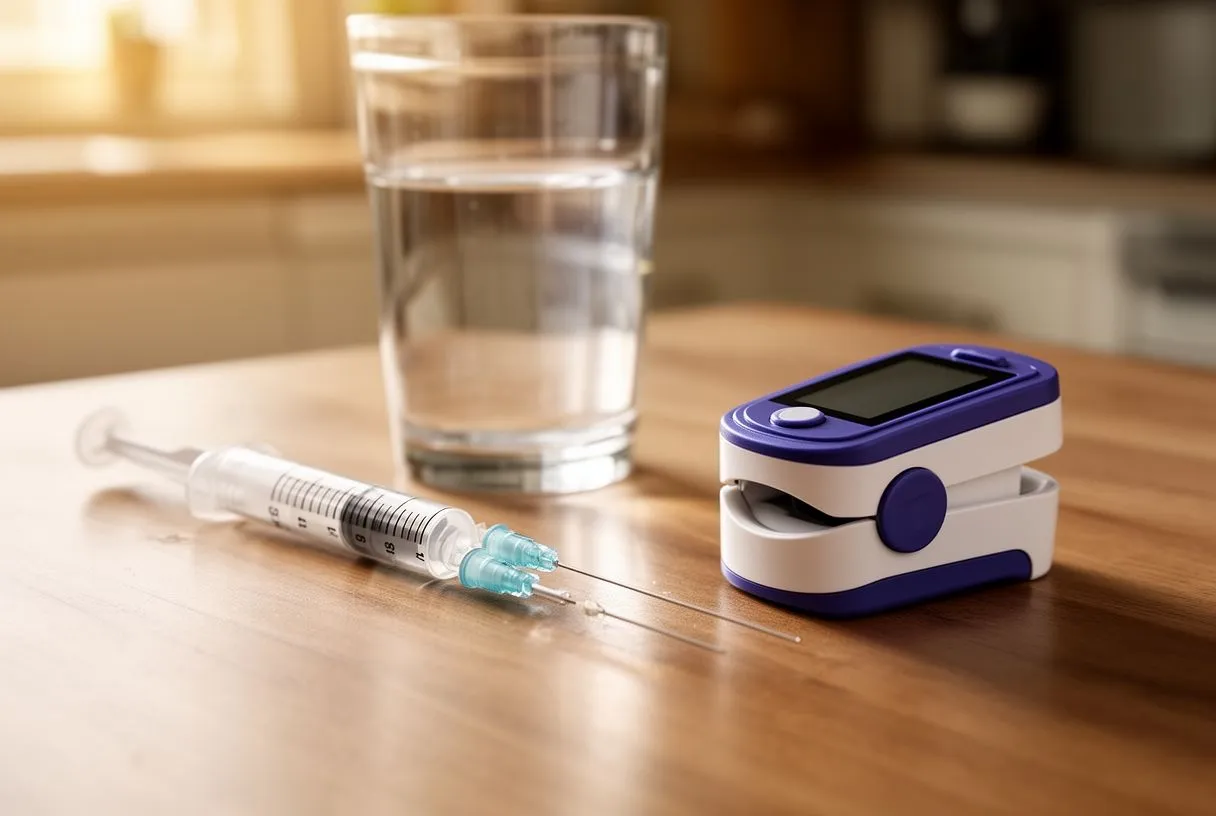
The short answer: when your team says so. The duration depends on what the operation was, how quickly you regained mobility, and whether you are switching to an oral blood thinner. A straightforward case might need two weeks of injections; a valve replacement patient going onto warfarin may need injections until the oral drug reaches a therapeutic level, which is checked with a blood test called INR.
Never stop early on your own. The most dangerous moment is often the last week, when you feel well and the routine has become tedious. Clot risk does not disappear the moment you feel better; it declines as you walk more and as healing settles. Stopping several days early because the syringes are inconvenient undoes the protection the whole course was designed to provide. Conversely, using up leftovers "to be safe" after the prescribed end date carries its own bleeding risks. The prescribed start and stop dates are both part of the treatment.
Special situations before other procedures. If you need a dental cleaning, a biopsy, or another operation while still on the injections, tell that doctor you are on an anticoagulant. LMWH is often held for twelve to twenty-four hours before certain procedures, but that decision belongs to the clinicians involved, coordinated with your cardiac team.
Low Molecular Weight Heparin vs Warfarin: Which Is Right After Surgery?
Different tools for different phases. This is rarely an either-or choice; the two drugs usually work in sequence. LMWH acts immediately and predictably, so it protects you from day one. Warfarin, a tablet, takes several days to build up its effect, so the injections cover the gap until the INR blood test shows the oral drug is working. This overlap is called bridging.
Why some patients never need warfarin. Many postoperative patients, especially those whose clot risk was tied purely to the surgery itself, finish their LMWH course and take nothing further. Others, such as mechanical valve recipients or patients with atrial fibrillation, transition permanently to warfarin or to newer oral anticoagulants. The decision depends on the valve type, the rhythm, and each patient's bleeding profile, and it should be revisited at follow-up rather than assumed at discharge.
Practical differences you will feel. Warfarin requires regular blood tests and careful attention to diet and drug interactions, particularly with vitamin K-rich greens and common antibiotics. Injections require no monitoring but demand a steady daily routine and safe sharps disposal. Cost differs too: in Mexico, LMWH syringes are a meaningful out-of-pocket expense for many families, which is one more reason the prescribed duration is kept to exactly what the evidence supports, no more and no less.
How Do You Live Well During Your Injection Period?
Movement is your partner, not your enemy. The injections protect you, but walking protects you too. Follow your surgeon's walking plan, typically short frequent walks from the first week, increasing gradually. Early mobilization is one of the strongest proven defenses against DVT, and it also speeds your overall recovery. Avoid long car trips as a passenger or any flight until your team clears you, since prolonged sitting reverses the benefit of everything else you are doing.
Organization removes the stress. Patients who build the injection into a fixed daily habit, such as right before breakfast, miss far fewer doses. Keep the syringes refrigerated unless the label says otherwise, set a phone reminder, and keep a simple tally so you always know which dose comes next. Arrange the sharps disposal plan before your first dose rather than improvising on day six.
Keep your follow-up appointments. The end of the injection course is a decision point, not just an ending: your team confirms that healing is on track, decides whether any ongoing anticoagulation is needed, and answers the questions that have accumulated. In our consulting rooms in Guadalajara, Querétaro and Hermosillo, the first contact for new patients is a free video consultation in which we review your studies, explain what they show in plain language, and identify only the tests that are still genuinely needed. We actively encourage second opinions, because choosing heart surgery, or deciding how to recover from it, deserves that level of care.
The weeks after heart surgery ask a lot of you, and a daily injection can feel like one burden too many. But these low molecular weight heparin injections are among the most thoroughly studied protections in modern surgery, the technique becomes second nature within days, and the course has a defined end. Follow the schedule your team gave you, watch for the warning signs described above, and bring every question to your follow-up visits. Your recovery deserves the same precision your operation received, and the right place to settle the details is always with your own cardiac team, not with a website. If you are facing heart surgery or have questions about your recovery plan, book a consultation with a qualified cardiac team and let them tailor the plan to you.