


Maze Procedure or Catheter Ablation for AFib
Maze procedure vs ablation compared by success rates, recovery time, and risks.
What Is the Maze Procedure vs Ablation?
When facing an irregular heartbeat, understanding the differences in the maze procedure vs ablation is the first step toward finding the lowest risk for your situation. Both treatments aim to restore a normal heart rhythm by creating strategic scars on the heart tissue, but they approach the heart from completely different angles. Catheter ablation is a minimally invasive procedure performed through blood vessels, while the surgical maze procedure involves operating directly on the heart. By reviewing independent medical guidelines, such as those published by BMJ, patients can better understand how these interventions fit into broader cardiovascular care.
Catheter Ablation Approach: A specialist threads thin wires called catheters through a vein in your groin and up into your heart. Using radiofrequency energy or extreme cold, they target the specific areas causing the irregular electrical signals. It does not require large surgical incisions, making it a common first-line invasive treatment.
Surgical Maze Procedure: In contrast, the maze procedure is performed by a cardiac surgeon. They make precise cuts or use energy sources to create a "maze" of scar tissue on the heart. Because scar tissue does not conduct electricity, this pattern blocks the chaotic signals. This approach is often chosen when a patient needs other heart surgeries, or when less invasive methods have not succeeded. Sometimes, before deciding on surgery, doctors will use Auscultation (listening to the heart with a stethoscope) or adjust medications like Aspirin to manage symptoms.
How Does AFib Affect the Atrium?
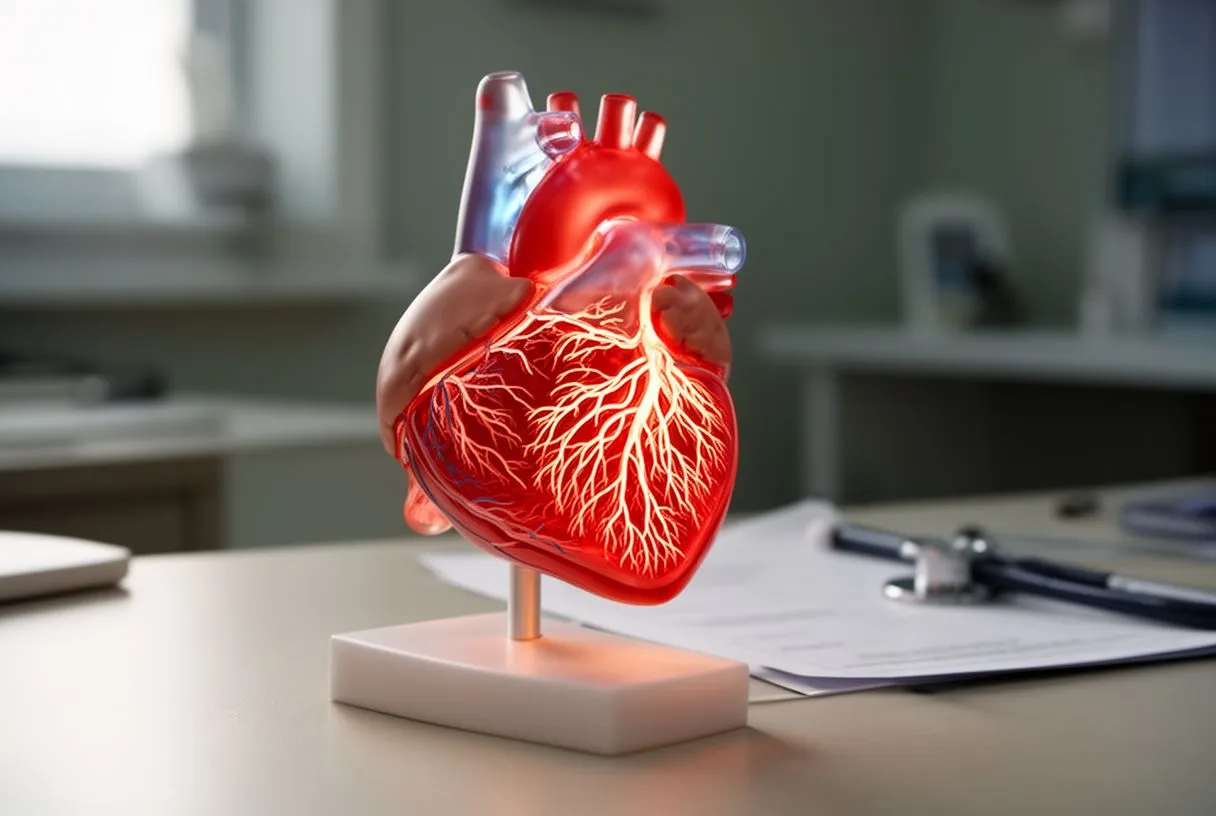
To understand why these procedures work, it helps to visualize what happens inside the heart during atrial fibrillation. The heart has four chambers, and the two upper chambers are called the Atrium. In a healthy heart, an electrical signal starts in the right atrium and travels down to the lower chambers, causing a coordinated heartbeat that efficiently pumps blood to the body.
Chaotic Electrical Signals: In atrial fibrillation, those upper chambers quiver instead of squeezing properly. Instead of one organized electrical wave, many chaotic signals fire at once. This can lead to a rapid, irregular pulse that you might feel as fluttering or pounding in the chest. A related condition, Atrial Flutter, is similar but usually features a more organized, saw-tooth electrical pattern that still requires intervention.
Blood Clot Risks: Because the upper chambers are not emptying fully, blood can pool and form clots. If a clot escapes into the bloodstream, it can travel to the brain and cause a stroke. The scarring created during ablation or maze procedures blocks these rogue signals, forcing the electricity to follow a single, controlled path and helping the heart pump efficiently again.
Types of Catheter Ablation for AFib
Catheter ablation has become a common choice for patients whose symptoms are not managed with medication. The procedure relies on advanced imaging and mapping technology to find the exact spots where the irregular signals originate, usually around the pulmonary veins. Clinical research, including studies designed under the CONSORT 2010 Explanation and Elaboration: updated guidelines for reporting parallel group randomised trials framework, helps guide how these techniques are applied safely and consistently across different medical centers.
Radiofrequency Ablation: This is the most frequent type of catheter ablation. The doctor uses heat generated by radiofrequency energy to destroy a small spot of tissue, creating a scar that blocks the rogue signals from reaching the rest of the heart.
Cryoballoon Ablation: Instead of heat, this method uses a balloon filled with liquid nitrogen to freeze the tissue around the pulmonary veins. Both methods aim for the same result, but the choice depends on the patient's anatomy and the doctor's expertise. Some patients experience mild Arm Pain during the recovery as they adjust to lying flat and the physical stress of the procedure.
What Happens During the Maze Procedure for AFib?
The maze procedure is a surgical intervention that requires direct access to the heart. During a full maze procedure, the surgeon makes incisions on the left and right atria. As these cuts heal, they form permanent scar tissue. Because the procedure is surgical, it often involves a heart-lung bypass machine to maintain circulation, utilizing an Arterial Cannula to route blood out of the body and back in safely while the heart is stopped.
Energy-Based Maze: Modern versions of the surgery often replace the cut-and-sew technique with energy sources like radiofrequency or cryotherapy. These tools create the same blocking scars without fully cutting the heart muscle. This makes the surgery faster while achieving the same electrical blocking effect, reducing the time a patient spends on the bypass machine.
Combining Surgeries: The maze procedure is frequently performed alongside other necessary heart surgeries. For example, if a patient has a severely blocked artery requiring an Arterial Graft, or if they need an operation on the Ascending Aorta, the surgeon can perform the maze procedure at the same time. Surgeons prioritize safety, sometimes using Autologous Blood (the patient's own blood) to minimize transfusion risks during these complex operations.
Comparing Maze Procedure vs Ablation Success Rates
When comparing the maze procedure vs ablation, patients often want to know which is more effective. It is important to understand that "success" means different things for different patients. Success is often measured by maintaining a normal heart rhythm without the need for anti-arrhythmic medications, as well as improving the patient's quality of life and reducing stroke risk.
Catheter Ablation Outcomes: Catheter ablation is highly effective for many patients, especially those with paroxysmal (intermittent) atrial fibrillation. However, some patients require a second catheter ablation if the first one does not fully block the rogue signals. It offers a shorter recovery and lower immediate risk compared to open surgery, making it an excellent first step for many.
Surgical Maze Outcomes: The surgical maze procedure generally has a higher rate of long-term success in keeping patients in a normal rhythm, especially for those with persistent or long-standing atrial fibrillation. However, this higher success rate comes with the increased risks associated with open surgery, including rare complications like an Atypical Infarction (an unusual pattern of heart tissue damage), which must be weighed carefully with your surgical team.
Maze Procedure Recovery Time vs Catheter Ablation Recovery
Recovery experiences differ vastly between these two treatments. Because catheter ablation is minimally invasive, the physical trauma to the body is limited to the puncture site in the vein. This allows for a much faster return to daily life and less overall physical discomfort.
Catheter Recovery: Patients usually stay in the hospital overnight for monitoring. An Arterial Line might be used during the procedure to continuously track blood pressure, but it is removed before you wake up. Most patients return to normal, non-strenuous activities within a few days, though full healing of the heart tissue takes a few weeks.
Maze Procedure Recovery: Surgical recovery is significantly longer and requires careful monitoring. Patients spend several days in the intensive care unit. In complex cases, technologies like Awake ECMO might be discussed as a temporary support option for heart and lung function, though it is not standard for routine maze recovery. You will likely spend a week or more in the hospital, and full recovery at home takes six to eight weeks or more, depending on whether other surgeries were performed simultaneously.
Are There Minimally Invasive Maze Procedure Options?
For patients who need a surgical approach but want to avoid a full open-chest incision, there are minimally invasive alternatives. These are sometimes called mini-maze procedures, and they offer a middle ground between catheter ablation and traditional open-heart surgery.
Keyhole Surgical Approach: Surgeons can use small incisions between the ribs and insert a camera and specialized tools to perform the ablation on the outside of the heart. This avoids splitting the breastbone, which reduces pain and speeds up healing compared to traditional surgery. Sometimes, an Autograft (tissue moved from one part of the body to another) might be used in conjunction with other concurrent repairs.
Hybrid Ablation: Another emerging option is a hybrid procedure, where a surgeon and an electrophysiologist work together. The surgeon ablates the outside of the heart through small incisions, and the electrophysiologist ablates the inside using catheters. This team approach targets the tissue from both sides, offering a highly effective blocking pattern without the extensive recovery of a full open-heart operation.
Catheter Ablation Risks and Complications
Every medical procedure carries risks, and understanding them is a vital part of planning your care. The risks associated with catheter ablation are generally low, but they are not zero. Being informed helps you recognize warning signs quickly during your recovery.
Vascular and Cardiac Risks: Because doctors access the heart through blood vessels, there is a risk of bleeding or damage at the puncture site in the groin. There is also a small risk of damaging the heart itself, such as puncturing the heart wall or damaging the esophagus, which sits very close to the left atrium. Patients with severe Atheromatous Plaque (fatty deposits in the arteries) may face additional technical challenges during vascular access.
Metabolic Considerations: Pre-existing conditions can influence risk levels during any cardiac intervention. For example, patients with high levels of Apolipoprotein B (a protein linked to LDL cholesterol) may have more widespread vascular disease, requiring careful planning by the medical team to ensure safe catheter navigation and optimal healing.
When to Consider Surgical Ablation vs Catheter Ablation
Deciding between surgical ablation vs catheter ablation depends on your specific heart anatomy, your overall health, and what other conditions you might have. The decision is always highly individualized and made in consultation with your cardiology team.
Choosing Catheter Ablation: This is usually the first-line invasive treatment for patients whose AFib cannot be managed with medications. It is ideal for patients who have no other structural heart disease requiring surgery, and who prefer a faster recovery with lower immediate surgical risk.
Choosing Surgical Maze: The maze procedure is typically recommended when a patient is already undergoing open-heart surgery for another reason. If you need a valve replacement using a Balloon-expandable Valve, a Balloon Aortic Valvuloplasty, or a Balloon Angioplasty that requires surgical intervention, the surgeon can add the maze procedure to fix the rhythm at the same time. It is also considered when catheter ablations have failed to control the rhythm.
- Structural Heart Disease: Patients requiring simultaneous valve repair or bypass often benefit from a combined surgical approach.
- Failed Catheter Ablation: If prior catheter treatments have not resolved the irregular rhythm, surgery offers a more durable lesion set.
- Overall Risk Profile: The decision balances the higher success rate of surgery against the lower immediate complication rate of catheters.

Choosing the Right AFib Treatment Alternatives
There is no single "best" treatment for atrial fibrillation. The goal is to find the lowest risk for your situation, weighing the benefits of a normal heart rhythm against the risks of intervention. Often, AFib can be managed with medication, but when that fails, ablation is a strong and established option.
Medical Management vs Procedures: Guidelines like the International consensus statement on an update of the classification criteria for definite antiphospholipid syndrome (APS) highlight how underlying conditions dictate treatment pathways. For some, stroke prevention is the primary goal, relying on blood thinners and emergency readiness, such as having access to an Automated External Defibrillator. Clinical studies like ARISTOTLE have shaped how we use modern blood thinners to prevent strokes in AFib patients safely.
Before making any decisions, you should have a thorough discussion with a qualified cardiac team. They will review your specific anatomy, your history with medications, and your personal risk factors. We encourage you to book a consultation to discuss your own situation rather than self-diagnosing, ensuring you choose the path that offers the greatest safety and quality of life for you.
- Comprehensive Evaluation: A full review of your heart structure and rhythm history is essential before choosing an ablation strategy.
- Medication First: Many patients find their symptoms are effectively managed with medication before considering invasive procedures.
- Team Approach: Your cardiologist and cardiac surgeon work together to recommend the safest, most effective path forward.






