

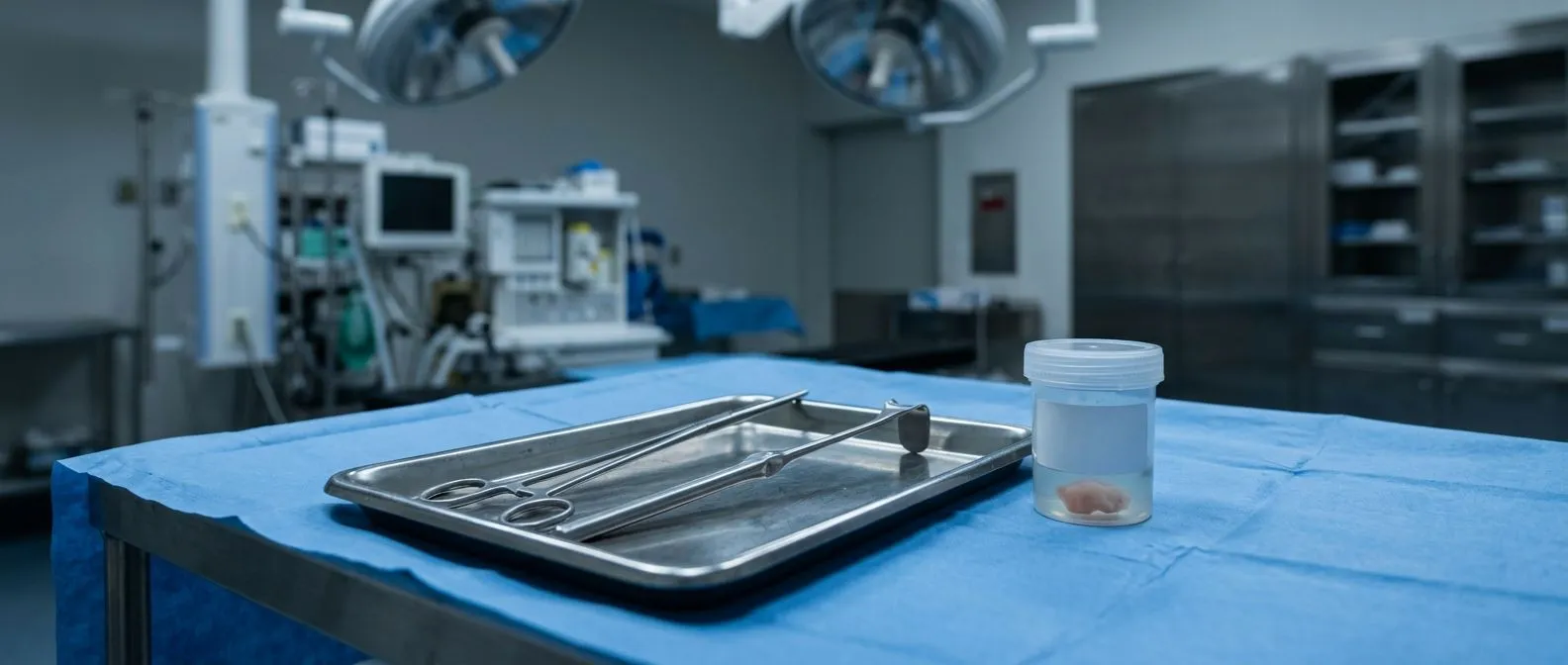
Myxoma Excision Urgency: How Soon Must a Heart Myxoma Come Out
Myxoma excision urgency matters—untreated heart myxomas can cause stroke or sudden death.
Hearing that a mass has been found inside your heart is frightening, and the first question most families ask is simple: how soon does this need to come out? When doctors talk about the urgency of myxoma excision, they are describing a real deadline, not an abstract one. A cardiac myxoma — the most common primary tumor of the heart — is benign, meaning it is not cancer, yet it can still cause a stroke, block blood flow inside the heart, or interfere with valve function at any moment. This guide walks through what a myxoma is, why timing matters, what the operation involves, and what recovery honestly looks like, so you can face the decision with clear information rather than fear.
What Is a Cardiac Myxoma and Why Does It Matter?
A cardiac myxoma is a soft, gelatinous growth that almost always forms in the left atrium, the upper chamber that receives oxygen-rich blood from the lungs. It usually attaches to the wall of the chamber by a small stalk, which lets it swing gently with every heartbeat. Because it is made of loose, jelly-like tissue rather than muscle, fragments can break off and travel with the bloodstream.
Where myxomas grow and what they do: roughly three out of four myxomas sit in the left atrium, often near the oval fossa, a thin area of the wall between the two upper chambers. The remainder appear in the right atrium or, less often, in the ventricles. Tumors that obstruct blood flow can mimic mitral stenosis — a narrowing of the mitral valve — causing breathlessness, fainting, or a sensation of pressure because the tumor physically blocks the valve opening as it flops back and forth.
Why a benign tumor is still dangerous: myxomas also behave a little like an inflamed organ. They can produce vague symptoms such as fever, weight loss, fatigue, and joint pain, which is why some patients are first suspected of having an infection or an autoimmune condition. In our team's experience reviewing these cases, the diagnosis often arrives by echocardiogram — an ultrasound of the heart — after weeks of unexplained symptoms, and that delay is precisely why we treat the timing of surgery as a serious matter.
How Serious Is a Mass on Your Heart?
Any mass inside the heart deserves urgent attention, whatever its final diagnosis. The heart is a pump with narrow openings and high flow, so even a small growth can obstruct a valve or shed debris into the circulation. When people ask how serious a mass on the heart is, the honest answer is that seriousness depends on location, size, and mobility — but a myxoma is never something to simply watch for months.
The embolism risk is the headline concern: an embolism happens when a fragment of tumor or a clot forming on its surface breaks loose and lodges in a distant artery. If that artery feeds the brain, the result is a stroke; if it feeds a limb or an organ, the result is sudden ischemia, meaning loss of blood supply. This tumor-to-embolism mechanism is the main reason cardiac myxoma is treated as a time-sensitive condition rather than an elective curiosity.
- Obstruction: the tumor can block the mitral valve opening, causing fainting, breathlessness, or in rare cases sudden cardiac arrest.
- Embolism: fragments or surface clots can travel to the brain or other organs, which is why some myxomas are discovered only after a stroke.
- Arrhythmia: irritation of the heart's electrical system can disturb the rhythm, adding another reason not to delay.
What Is the Urgency of Myxoma Excision?
The urgency of myxoma excision comes down to a simple trade-off: every week the tumor stays in place is a week in which embolism or obstruction can occur, and those events cannot be predicted or prevented with medication. Most cardiac centers treat myxoma removal as urgent — typically scheduling surgery within days to a few weeks of diagnosis — while reserving true emergency surgery for patients who have already suffered an embolic event or who are in hemodynamic distress, meaning the tumor is critically obstructing blood flow.
How urgency is graded: a patient who is stable, with a small mobile tumor and no symptoms, may be scheduled within a short planned window so the operation happens under optimal conditions with a full surgical team. A patient with transient neurological symptoms, a tumor obstructing the valve, or a large pedunculated mass swinging into the valve orifice with every beat is moved up sharply. In our practice, every case is reviewed by the multidisciplinary team against international practice guidelines before a recommendation is given, and the urgency level — and its reasoning — is explained to the patient in plain words.
What waiting too long costs: studies of atrial myxoma report that a meaningful share of patients present with embolic complications before surgery, and some of those events are permanent. Waiting for a "more convenient" date, or for symptoms to worsen before acting, converts a preventable event into a life-changing one. This is the core message we give every patient and family: the tumor's next move is not predictable, so the schedule should be set by the diagnosis, not by the calendar.
What Is the Surgical Approach for a Left Atrial Myxoma?
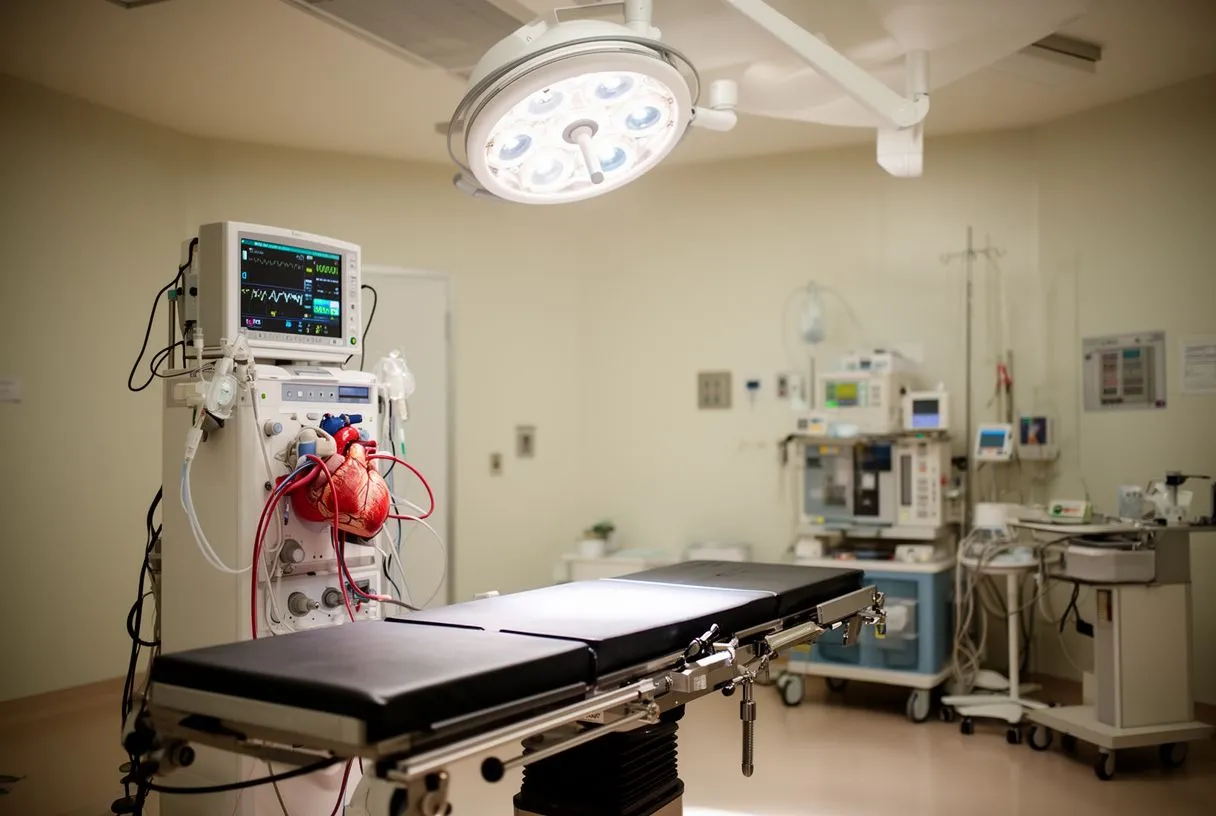
The standard operation for a left atrial myxoma is open-heart surgery performed under general anesthesia with the heart-lung machine, which takes over circulation so the surgeon can work inside a still, blood-free heart. The surgeon reaches the left atrium — most commonly through an incision in the right atrium and the wall between the atria — removes the tumor together with its attachment point, and examines the surrounding tissue to confirm the base of the tumor is gone.
Why the base matters as much as the tumor: myxomas attach by a stalk to the endocardium, the smooth inner lining of the heart. If the attachment is not removed completely, the tumor can recur, so the surgeon typically excises a small margin of the wall where the stalk rooted, and in some cases repairs or patches that area. The left atrium is also inspected in full, because occasionally more than one lesion exists.
Checking the valves at the same time: because a myxoma can rub against or even damage the mitral valve leaflets, the valve is assessed during the operation and repaired if needed. Registries and surgical series, including work registered through ClinicalTrials.gov, reflect the established consensus that complete excision with careful inspection of the attachment site and valves gives excellent long-term results. When we discuss this operation with patients, we explain exactly which approach we propose, why, and what the alternatives are — the final decision is always theirs.
Can a Minimally Invasive or Robotic Myxoma Excision Be Done?
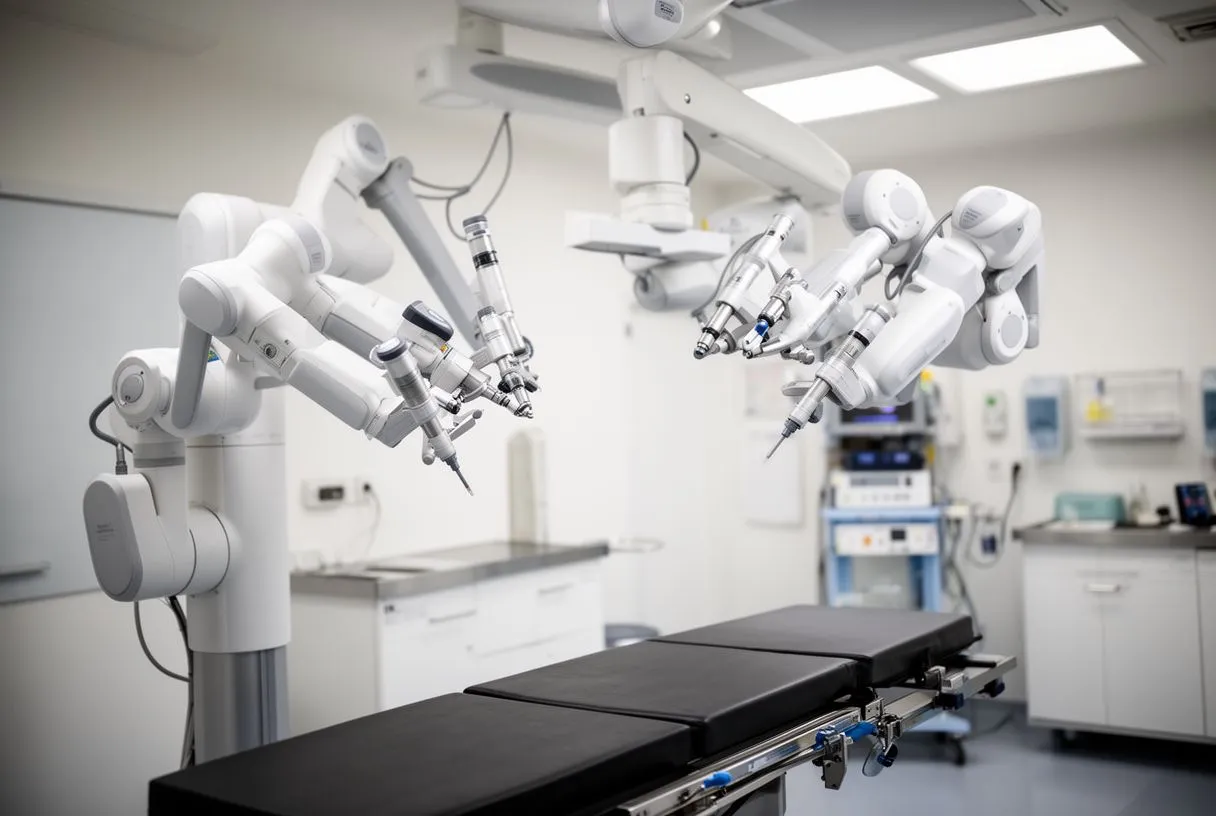
Yes — in appropriately selected patients, minimally invasive myxoma excision replaces the full breastbone incision with a small incision on the right side of the chest, and robotic heart tumor removal takes that concept further by using the surgical robot's instruments through even smaller ports. The surgeon visualizes the heart through a camera and works with wrist-controlled instruments, while the heart-lung machine is still used as in conventional surgery.
What the evidence and guidelines say: minimally invasive approaches to atrial myxoma resection are well described in the surgical literature, with the key requirement being complete removal of the tumor and its base — the goal is the same as open surgery, only through a different window. The right approach depends on the tumor's size and location, the patient's anatomy, and the surgeon's training and volume. We perform conventional, minimally invasive, robotic and transcatheter procedures, and we recommend the less invasive route only where the evidence supports it for that specific patient.
A word from our own experience: Dr Molina performed the first robotic mitral valve repair in the Ángeles Health System and the first robotic heart surgery in Guadalajara, and that training — from the University of Montreal in robotic and minimally invasive surgery, and from CHU Bordeaux in structural cardiology — shapes how we judge who is a candidate for a smaller incision and who should have the standard approach. What we never do is promise a technique before the imaging has been reviewed; the tumor decides the approach, not preference.
Is Myxoma Genetic?
Most cardiac myxomas are sporadic, meaning they appear once, by chance, with no family history and no identifiable cause. However, a small minority run in families as part of Carney complex, a rare genetic condition in which myxomas — cardiac and skin — appear together with pigmented skin spots and abnormalities of other hormone-producing glands. In familial cases, myxomas tend to appear at a younger age, in atypical locations, and can recur.
When genetic evaluation is worth considering: a family history of cardiac tumors or stroke at a young age, multiple myxomas, myxomas outside the usual left-atrial location, or features of Carney complex all justify a referral for genetic counseling. Screening first-degree relatives — parents, siblings, children — is done with echocardiography, which is painless and shows the heart chambers clearly.
Practical follow-up for everyone: even sporadic myxoma patients should have periodic echocardiograms after surgery, because recurrence, though uncommon, happens most often in the years soon after excision and is easier to treat when found small. In the consultation we take the time to explain what the studies actually show, in plain words, and to answer every question before any decision — including what follow-up schedule fits your particular case.
How Fast Should Heart Myxoma Removal Happen?
Families asking how fast a cardiac myxoma should be removed usually want a number, and the honest answer is that most guidelines and center protocols describe surgery within days to a few weeks from diagnosis for a stable patient, sooner for anyone with recent embolic symptoms or valve obstruction. There is no internationally fixed countdown clock, but the direction of consensus is unmistakable: this is urgent, not routine elective surgery.
What actually happens between diagnosis and surgery: the pre-operative workup is deliberately brief. It typically includes echocardiography to define the tumor's size, attachment and mobility, coronary imaging or catheterization depending on age and risk factors, and standard blood work. Patients sometimes ask whether the workup can be stretched out; the answer is no, because every added week is added exposure to embolism risk, and the tests exist to make the operation safe, not to buy time.
Second opinions and travel do not have to mean delay: we encourage second opinions and treat seeking one as a normal part of deciding about heart surgery. Our first contact is a free video consultation: we get to know the patient, talk through the condition, and say which studies are still needed so no unnecessary ones are ordered. When a patient with a myxoma contacts us, we triage the timeline first — the second opinion and the schedule are built around the urgency, never the other way round.
What Happens if a Myxoma Causes a Stroke?
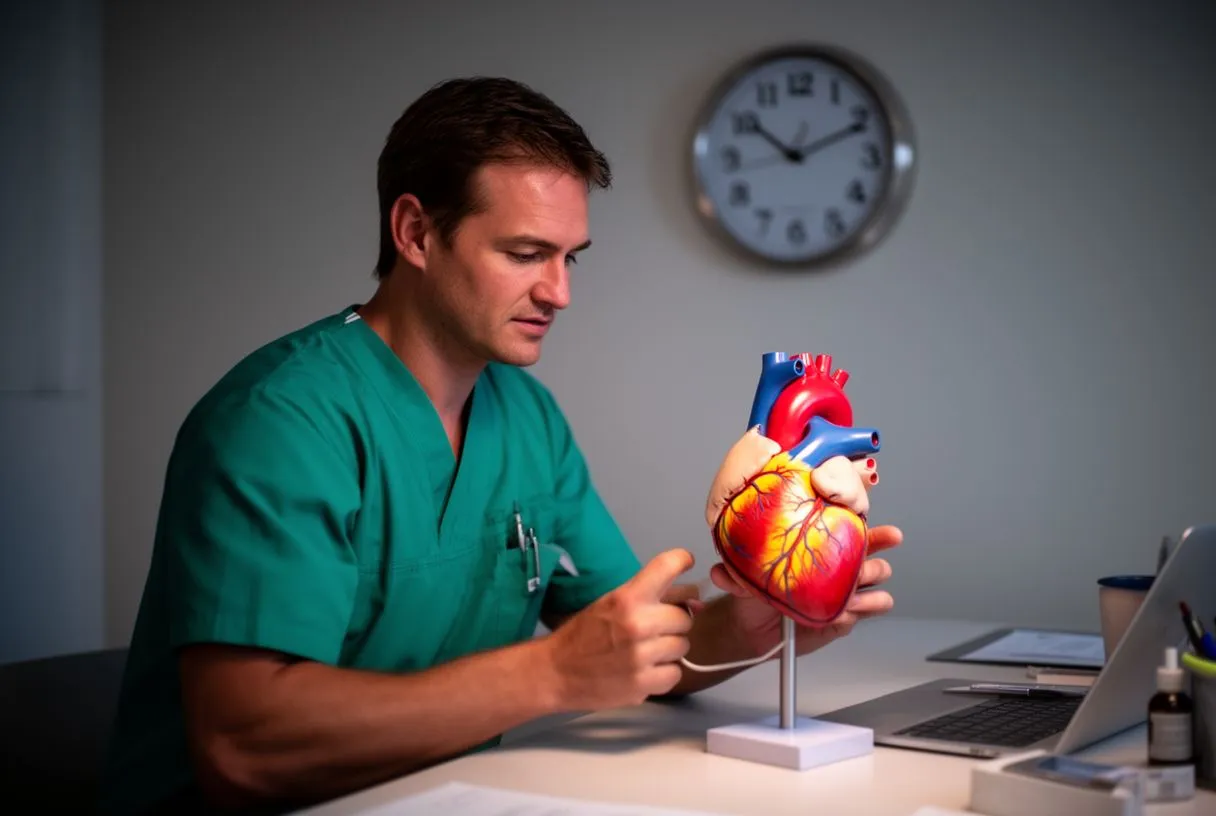
A myxoma causing stroke surgery timing question is one of the hardest in cardiac practice. When tumor fragments lodge in the brain's arteries, the patient may present with sudden weakness, speech difficulty, or vision loss. The neurological team needs to establish whether there is still salvageable brain tissue — by MRI imaging — before the heart team commits to anticoagulation and open-heart surgery with heparin, which can worsen bleeding into damaged brain tissue.
How the decision is made: the general framework reported in the literature is that small, stable infarcts allow earlier surgery, while large hemorrhagic strokes require a delay measured in weeks to let the brain recover. There is no single rule; it is a case-by-case judgment between neurology and cardiac surgery. This is exactly the kind of situation where a multidisciplinary review matters: our team reviews every case against international practice guidelines, and for these patients the discussion also involves neurological imaging before any recommendation is given.
What families should know while this is sorted out: if a myxoma has already embolized, the risk of a second embolic event is real and further waiting carries danger, which is why these patients are prioritized. Some patients also undergo emergency peripheral embolectomy — surgical removal of tumor fragment from a limb or organ artery — before the heart operation. The sequence is complex, but the underlying principle is constant: once the brain is safe, the tumor comes out promptly.
What Is Recovery Like After Atrial Myxoma Resection?
Recovery from atrial myxoma resection follows the general pattern of other open-heart operations. Most patients spend their first night in intensive care, move to a regular ward within a day or two, and go home within roughly a week if all goes smoothly. Sternal precautions — avoiding lifting, pushing, and driving for several weeks — apply to patients who had the breastbone divided; minimally invasive patients usually recover faster because the incision is smaller.
Complications to discuss honestly: like all heart operations, myxoma excision carries risks of bleeding, infection, arrhythmia, stroke, and kidney or lung complications. Older patients face an additional, well-documented risk: postoperative delirium, a temporary state of confusion after major surgery. Research on PLOS ONE has shown that in elderly patients undergoing major surgery, delirium is associated with worse short-term outcomes, which is why screening for cognitive risk before surgery and managing sleep, hearing aids, glasses, and early mobilization afterwards are part of good perioperative care.
The first weeks at home: expect fatigue that improves steadily week by week, a walking program that grows day by day, wound checks, and a follow-up echocardiogram to confirm the heart chambers are clear and the valve is working well. In our team's experience, patients who understand the recovery timeline in advance — rather than discovering each stage as it arrives — navigate the first month with far less anxiety, and that is why we walk every patient through it before the operation date is set.
What Is Life Expectancy After Myxoma Removal?
The outlook after complete myxoma removal is one of the best in cardiac surgery: for the great majority of patients, the tumor does not return, and life expectancy returns to that of the general population adjusted for age and other heart conditions. The cardiac myxoma prognosis after surgery is excellent precisely because the tumor is benign and complete excision is curative.
What long-term follow-up looks like: most centers recommend echocardiograms at regular intervals — commonly yearly for the first several years, then less often — to confirm no recurrence and to keep an eye on the valves. Recurrence is rare in sporadic cases and more frequent in familial cases such as Carney complex, which is one more reason the family history conversation matters. A second operation, when needed, is also curative in most reported cases.
Living normally afterwards: patients return to work, exercise, travel, and full daily life once the surgical recovery is complete. There is no chronic medication required specifically because of the myxoma itself.
The bottom line: the urgency of myxoma excision is real — a benign tumor in the heart is still a tumor that can stroke, obstruct, or embolize without warning, and timely surgery is the only reliable protection. Ask your medical team three questions: how urgently does my case need surgery, which surgical approach fits my tumor and my anatomy, and what follow-up plan will confirm the tumor is gone for good. If you have been diagnosed with a heart mass and want a clear, unhurried explanation of your options, our team offers a free video consultation as the first step — and we always welcome a second opinion. Book a consultation and let a qualified cardiac team review your case; you do not have to make this decision alone, and you should not make it on a guess.






