Pacemaker Implantation: What to Expect Before and After
Learn about pacemaker implantation recovery with our complete before-and-after guide.
If you or someone in your family has been told the heart needs a pacemaker, the weeks around the procedure are usually full of practical questions. How long is pacemaker implantation recovery, really? When can you drive again, sleep on your side, return to work? This guide walks through the whole journey — from the day the decision is made to the long-term check-ups — so you know what to expect before and after, and can plan your recovery with confidence rather than worry.
What Is Pacemaker Implantation and Why Is It Done?
A pacemaker is a small device placed under the skin, usually near the collarbone, that keeps the heart beating at a safe rhythm. It watches every heartbeat electrically and, when the heart pauses or beats too slowly, delivers a tiny pulse that triggers a contraction. The most common reason for pacemaker implantation is a heart rhythm that is too slow — a condition doctors call bradycardia — which can cause fainting, dizziness, breathlessness, or constant tiredness.
Why does the heart slow down? The heart has its own natural electrical system, and the "control box" is a cluster of cells called the sinoatrial node, in the right upper chamber. Age, certain medications, heart disease, or previous heart surgery can damage this wiring. When the signal falters, medication alone cannot fix it — the device is what restores a reliable rhythm.
When is it the right decision? Doctors base the recommendation on symptoms and on measurements from an electrocardiogram (ECG) or a small wearable monitor, not on a single number. Guidelines from major cardiology societies set clear thresholds: a device is recommended when slow rhythms cause symptoms, or when certain dangerous pauses are recorded even without symptoms. In our multidisciplinary team, every case is reviewed against international practice guidelines before any recommendation is made, and you receive a clear proposal with the alternatives so the final decision is always yours.
Is Pacemaker Implantation Major Surgery?
For most patients, no. A standard pacemaker implantation is a minor procedure compared with open heart surgery. It does not require opening the chest, does not use a heart-lung machine, and is usually done with local anaesthetic and light sedation — you are relaxed and comfortable, but not fully unconscious. Most people go home the same day or the next morning.
What makes it different from open heart surgery? The device sits just under the skin near the shoulder, and the leads — thin insulated wires — travel through a vein directly into the heart chambers. There is no incision in the chest wall and no need to stop the heart. Recovery after pacemaker surgery is measured in days to weeks, not months, which is one of the reasons doctors recommend it promptly when the heart rhythm truly requires it.
Are there exceptions? Yes. If a pacemaker is needed at the same time as another cardiac operation — for example a valve repair or coronary bypass — it is implanted during that larger surgery, and the overall recovery follows the bigger procedure. When a device is combined with heart surgery, both steps should be planned together rather than treated as separate problems.
What Are the Three Types of Pacemakers?
Not every slow heart needs the same device. The three main types differ in how many heart chambers they pace and how the leads are placed:
- Single-chamber pacemaker: one lead in one chamber, usually the right lower chamber (right ventricle). Simplest and quickest to implant, used when only one chamber needs support.
- Dual-chamber pacemaker: leads in the right atrium and right ventricle, coordinating the top and bottom of the heart in their natural sequence. The most common choice, because it preserves a more physiological rhythm.
- Leadless pacemaker: a tiny capsule-shaped device, about the size of a large vitamin pill, placed directly inside the right ventricle through a leg vein. No wires under the collarbone and no visible pocket — an option for selected patients.
Your cardiologist chooses between them based on your rhythm problem, your vein anatomy, your age, and your other conditions. It is a good question to ask at the consultation: why this type and not the others? A clear answer is a sign of a careful team. We take the time to explain what the studies actually show, in plain words, and to answer every question before any decision is made.
How Big Is a Pacemaker and Where Is It Placed?
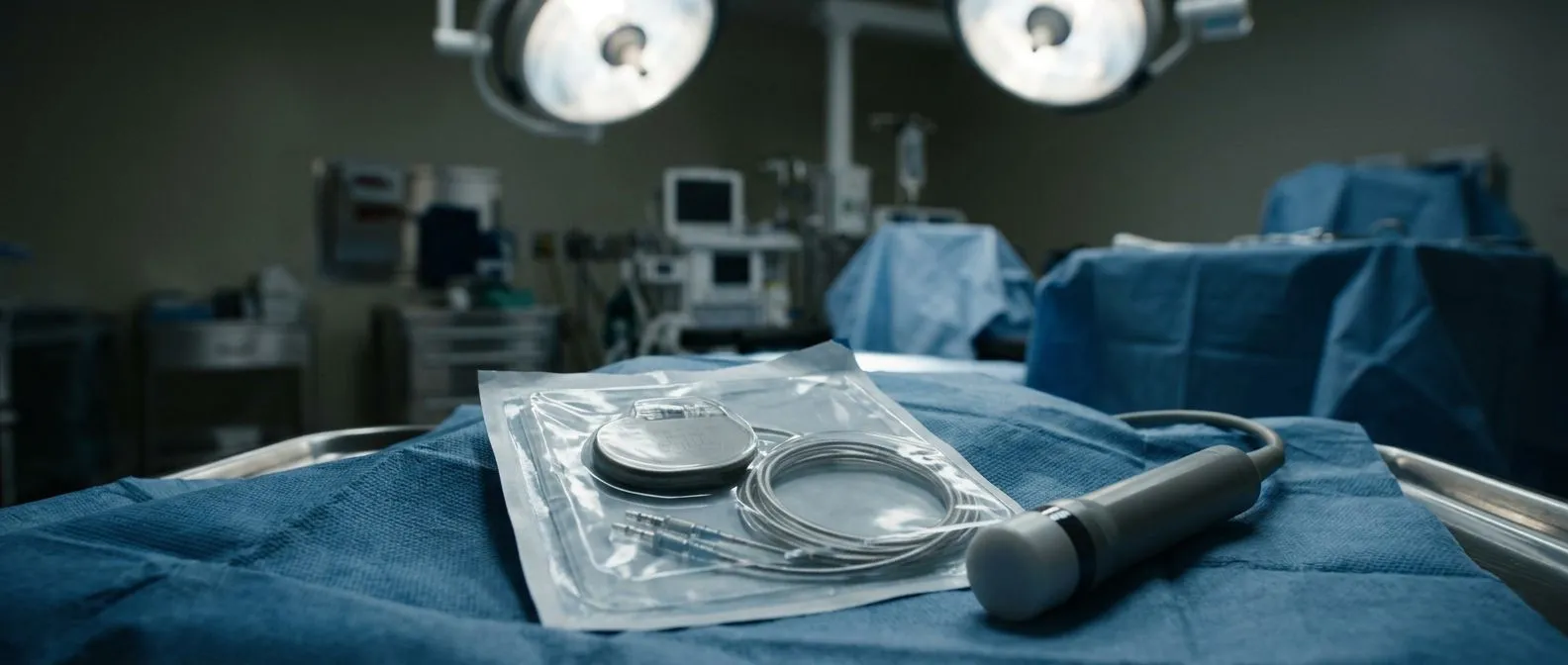
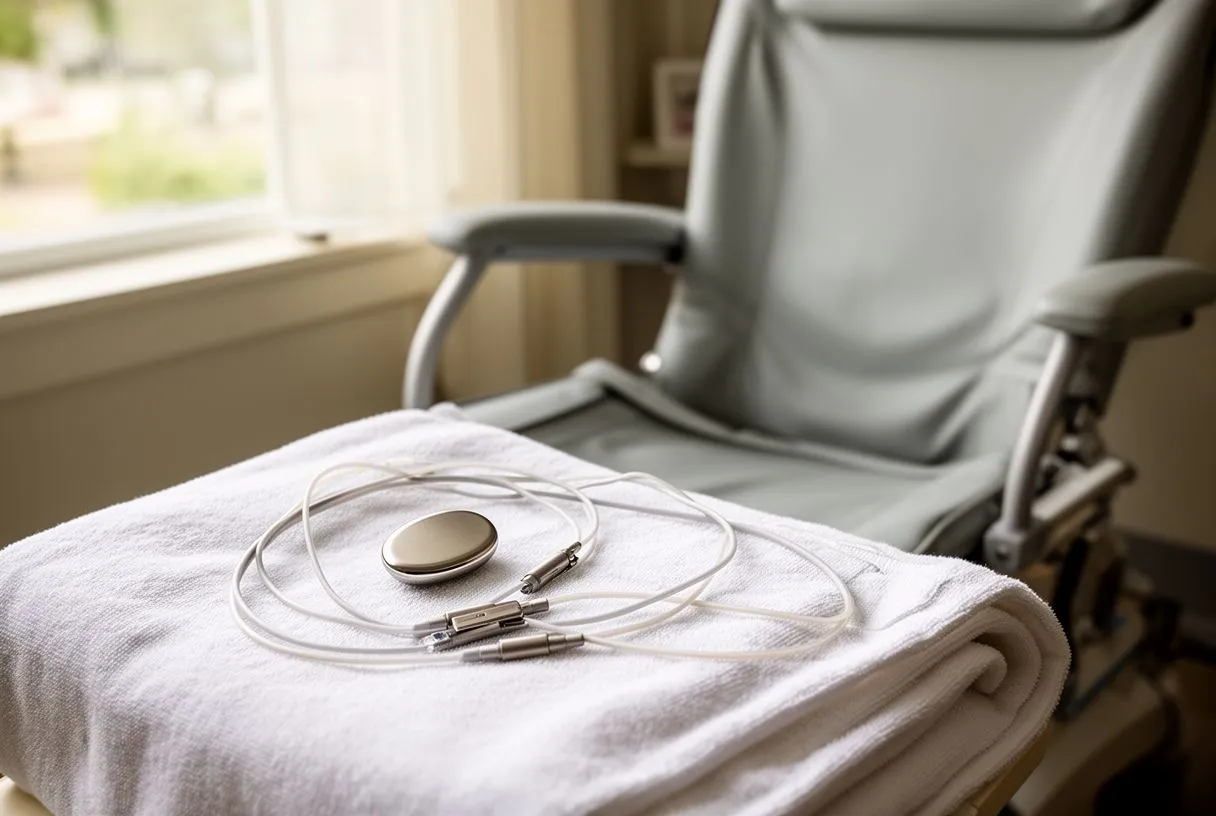
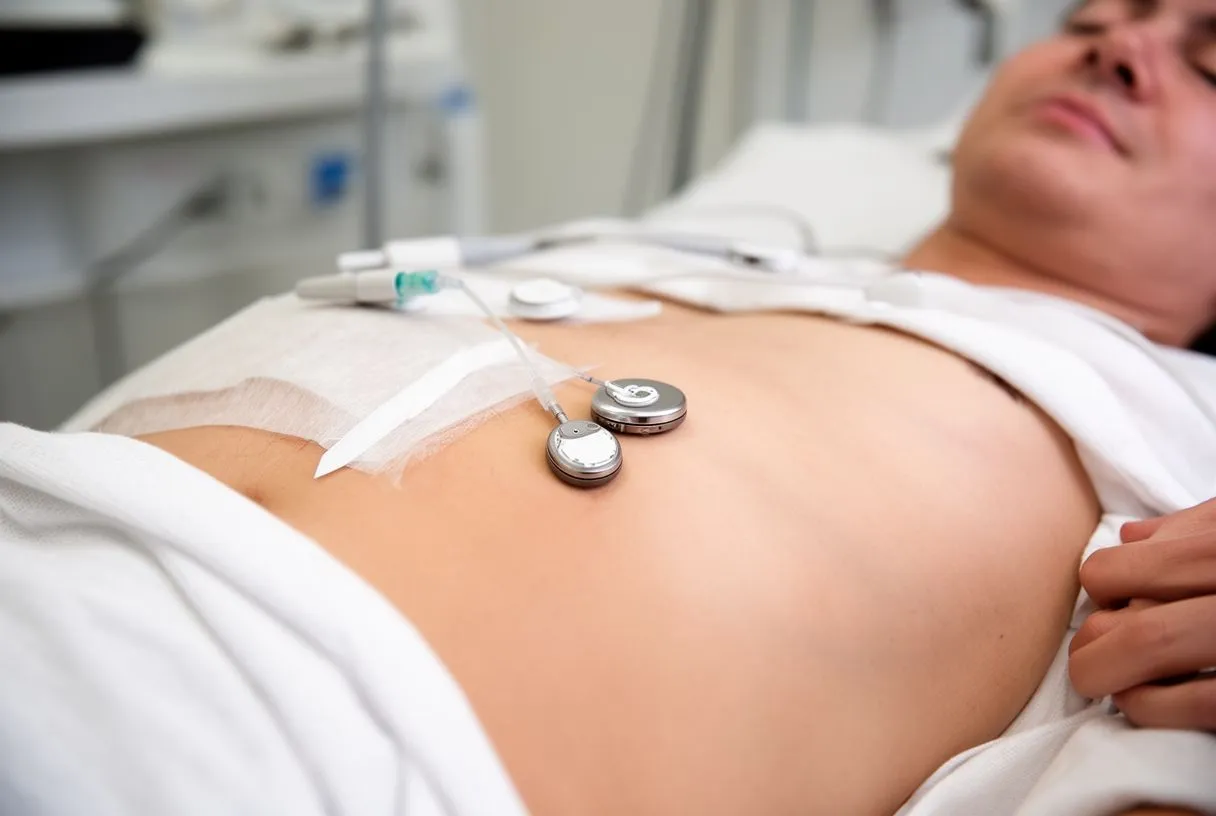
Modern devices are remarkably small — roughly the size of two stacked matchboxes or a large pocket watch, typically weighing 20 to 30 grams. The battery-and-generator unit is a flat, rounded case with smooth edges, designed to sit comfortably under the skin. Most people forget it is there within a few weeks.
Where exactly does it sit? The usual location is a small pocket just below the left or right collarbone, close to the large vein that leads down into the heart. The device is placed under the skin or, in some patients, beneath the chest muscle for a lower profile. The scar is typically 5 to 8 centimetres long, and pacemaker surgery scar healing follows the same course as any surgical wound: firm and slightly raised at first, then flatter and paler over several months.
Will it be visible? Usually barely. In slim patients the outline can be felt more than seen, and clothing normally conceals it completely. If cosmesis matters to you — and it legitimately does — mention it before the procedure; the implanting team can sometimes choose the side, the pocket depth, or even a leadless device to keep the profile minimal. In our consultations we discuss these preferences openly, because a device you will carry for years should fit your life, not just your ECG.
What Happens on the Day of Pacemaker Implant Surgery?
Knowing the sequence of the day removes much of the anxiety. You arrive at the hospital, change into a gown, and a nurse places an intravenous line. Anaesthetic is given — local numbing at the implant site plus sedation to keep you calm and drowsy. The skin is cleaned with antiseptic, and the whole area is covered with sterile drapes.
The implant itself: the doctor makes a small incision, finds the vein, and threads the leads under X-ray guidance into the heart chambers. Each lead is tested to make sure it senses and paces properly, then connected to the device, which is slipped into the pocket. The incision is closed with dissolvable stitches and covered with a dressing. What to expect after pacemaker surgery at this stage is simple: you rest in the Cleveland Clinic describes this as an outpatient-level procedure for most patients — recovery room for monitoring, then either home or a short overnight stay.
How long does the procedure take? Typically one to two hours from start to finish, though you should plan for most of the day at the hospital including preparation and monitoring. Most patients describe the experience as far easier than they feared — many doze through it and remember very little. If the device is being implanted after a transcatheter aortic valve replacement (TAVR), the timing and approach may differ slightly, because the two procedures interact; studies such as the REPRISE III trial analysis of pacemaker implantation after TAVR have clarified which patients are most likely to need a device in that setting, and we use that evidence when planning combined care.
How Long Does Pacemaker Surgery Take to Heal?
Healing happens on two separate tracks, and it helps to keep them apart. The incision — the skin pocket — heals superficially in about one to two weeks and settles fully in four to six weeks. The leads, which are the part that actually touches the heart, need about six weeks to firm up in place. That six-week window is why your care team gives you activity limits; nearly all early complications come from disturbing the leads before they are secure.
Pacemaker wound healing time, week by week: days 1 to 3, the area is tender and may bruise; days 4 to 10, bruising fades and the incision closes; weeks 2 to 4, the scar strengthens and tenderness disappears; weeks 4 to 6, internal healing completes. If your follow-up check at six weeks is clean, the restrictions are lifted. This pacemaker surgery recovery timeline is the standard one, but individual healing varies — diabetes, blood thinners, and steroid medications can slow it.
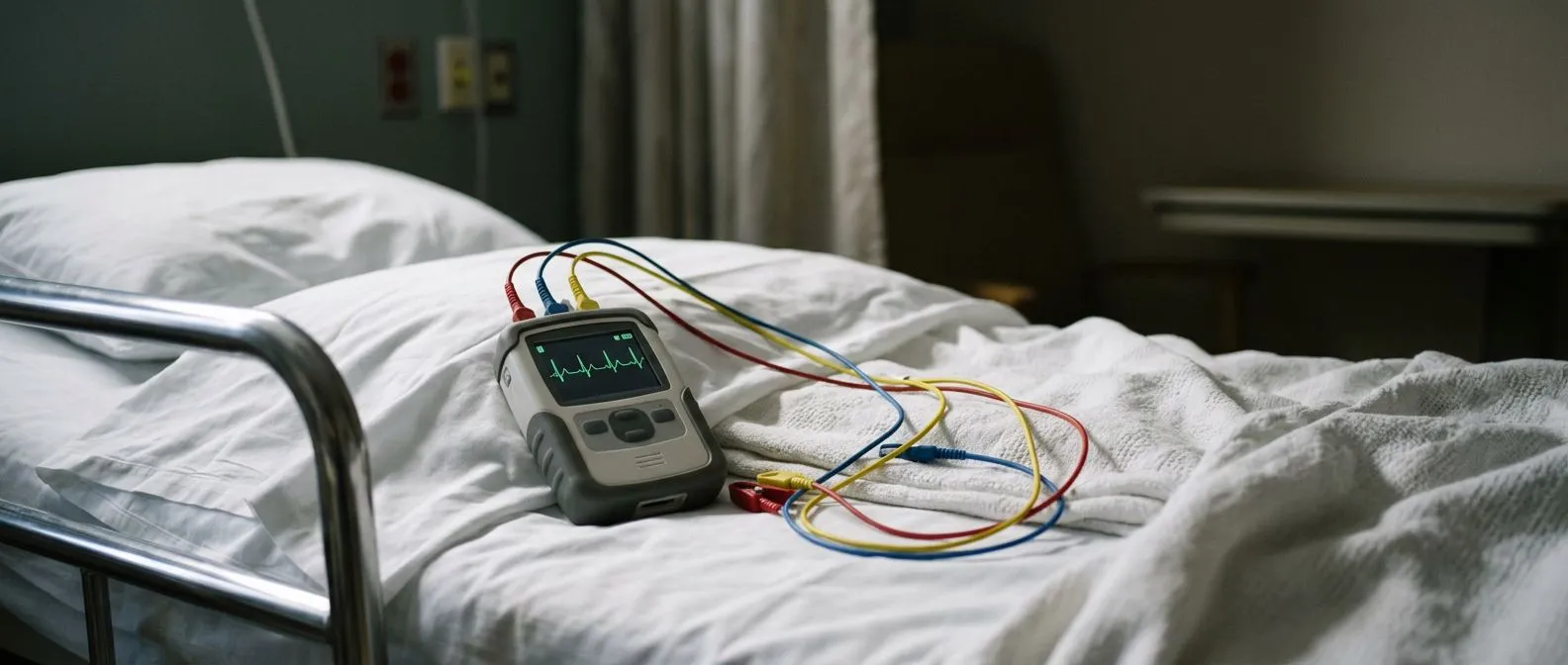
What does the first follow-up involve? A device check, usually within one to two weeks, uses a wireless wand or a remote monitor to confirm the leads are working and the battery is healthy. Patients should know exactly which warning signs should prompt an earlier call between scheduled checks.
What Activity Restrictions Follow a Pacemaker Procedure?
Pacemaker recovery restrictions sound strict, but they are short and very specific. They exist to protect the leads and the incision, not to slow your life down. The standard limits for the first six weeks are:
- No lifting over 5 kg (about 10 lb) with the arm on the implant side — this is the single most important rule for pacemaker implant recovery tips.
- No repetitive overhead reaching on that side — no hanging laundry, no Painting above shoulder height, no swimming strokes that stretch the shoulder.
- No driving for about one to two weeks (longer if you fainted before the procedure and local regulations require it).
- No pushing, pulling, or straining — heavy doors, lawn mowers, vacuum cleaners on stairs can all jerk the shoulder.
- Walking is encouraged from day one — gentle, regular walking speeds up healing and prevents stiffness.
Returning to work after pacemaker implantation: most desk-based patients go back within a week; physical jobs that involve lifting or overhead work usually need the full six weeks, and a doctor's note can arrange modified duties. Sleep position is a frequent worry — sleeping on the implant side is uncomfortable but not dangerous once the incision has closed; many patients prefer the opposite side or their back for the first fortnight. Ask your team for a written list of your specific limits, because exact advice varies with the type of device and the implant approach.
When can you exercise fully again? After the six-week check confirms the leads are stable, most patients resume normal activity, including swimming, golf, and gym training. Endurance exercise is generally excellent for pacemaker patients. Our team reviews each patient's activity goals at the follow-up visit and clears them individually, rather than applying one blanket rule to everyone.
What Lifestyle Changes Come With a Permanent Pacemaker?
A permanent pacemaker asks for fewer lifestyle changes than most people expect, but a handful of everyday situations deserve awareness. These are adjustments, not prohibitions — millions of people live completely full lives with devices.
Electromagnetic interference: strong magnetic and electrical fields can briefly confuse a pacemaker. Practical rules: keep mobile phones and smartwatches on the side opposite the device (or at least 15 cm away when resting), avoid leaning directly over the motor of a running car or generator, and tell staff at airport security — most detectors will not set the device off, and a device identification card makes the conversation quick. MRI scans are now possible with most modern devices, but the machine must be checked for MRI compatibility first.
Medical and dental care: tell every doctor, dentist, and physiotherapist you have a pacemaker before treatments. Some procedures — certain diathermy surgery tools, high-intensity radiation near the device, transcutaneous electrical nerve stimulation (TENS) units over the chest — need precautions or reprogramming. There is no special diet for pacemaker patients; heart-healthy eating advice applies the same as to anyone with heart disease.
Remote monitoring makes follow-up easier: many modern devices transmit data automatically to the clinic from a bedside monitor or your smartphone, so a growing share of pacemaker follow-up care happens without clinic visits. Where the device supports it, remote monitoring sends transmissions that are reviewed at set intervals, which means a developing problem is often caught before you feel anything. We also encourage second opinions and treat seeking one as a normal part of deciding about heart surgery — including decisions about device type.
How Risky Is Pacemaker Implantation?
Pacemaker implantation is one of the safest routine cardiac procedures, but "safe" is not the same as "risk-free", and an honest guide should say so. The most common problems are minor: bruising or a pocket collection of blood (haematoma) at the implant site, infection of the wound, or temporary pain. Serious complications — lead displacement, collapsed lung from vein access, device malfunction — are uncommon, and most are repairable without lasting harm.
What raises the risk? Anticoagulant (blood-thinning) medication is the biggest factor in pocket bleeding, so your team will plan when to pause or bridge it before the procedure. Kidney disease, diabetes, obesity, and a very thin chest wall each add some risk and are factored into planning. Being able to ask "how risky is this for me, specifically?" is one of the most valuable questions you can bring to a consultation — the honest answer is always more useful than a general statistic.
Warning signs after discharge: call your team immediately for fever over 38 °C, spreading redness or leaking fluid at the incision, sudden swelling of the pocket, worsening breathlessness, palpitations, dizziness, or a return of the fainting that led to the device. Before you leave hospital, ask for a written list of these signs and a number to call, because an early call on day two is far easier to manage than an emergency on day five.
What Is Life Expectancy After a Pacemaker Implant?
This is the question behind most patients' quietest worry, and the evidence is reassuring: for the large majority of people, a pacemaker does not shorten life — it extends it, by preventing the dangerous slow rhythms that caused symptoms in the first place. Life expectancy after a pacemaker implant depends overwhelmingly on the underlying heart condition and the person's age and general health, not on the device itself. A fit 65-year-old with an otherwise healthy heart who receives a pacemaker for slow rhythm can expect a normal lifespan; someone with advanced heart failure has a prognosis set by the heart failure, with the device protecting rhythm along the way.
How long does the battery last? Modern devices typically run 8 to 12 years or longer, depending on how much pacing the heart needs and whether remote monitoring is active. Battery replacement is a planned, minor procedure — the generator is swapped through the existing scar while the leads stay in place, usually as a day case, and battery replacement recovery is quicker than the original implant because no new leads are placed. Leadless devices, when the battery ends, are handled according to the manufacturer's guidance and the patient's situation.
Can a pacemaker be removed? The device can always be removed or replaced; the leads are more complicated. Leads that have been in place for years develop scar tissue around them, so removal (extraction) is a specialised procedure done only in experienced centres and only when clearly necessary — for infection, a lead recall, or a specific clinical reason. It is not something anyone plans for routinely, and the great majority of patients never need it.
Living well with your device: the long-term routine is simple — attend your device checks, keep your general heart care up to date, and carry your device card. If your slow rhythm arose after another heart procedure, such as a Transcatheter Aortic Valve Implantation or a cardiac operation, we follow both conditions together; research on pacemaker dependency after procedures like TAVR, including the trial work published in the Journal of the American Heart Association and ongoing trials such as NCT05889208 on prophylactic pacemakers in right bundle branch block patients, continues to refine which patients need a device and which can safely wait. Dr Molina trained in structural cardiology and TAVR at CHU Bordeaux, and the team reviews every case against international guidelines before recommending anything.
A pacemaker is one of the most reliable treatments in all of medicine, and pacemaker implantation recovery is shorter and easier than most people imagine: a day in hospital, six careful weeks, and then a life with very few limits. If you or a family member have been told a device may be needed — or you already have one and want a second opinion about your care — talk it through with a qualified cardiac team rather than deciding alone. You can start with a free video consultation, where we get to know you, talk through your condition, and tell you exactly which studies are still needed before anything else happens.