Patient-Controlled Analgesia After Heart Surgery
Patient-controlled analgesia heart surgery lets you manage pain safely with a PCA pump.
You have just come through open heart surgery, and the first hours in the Recovery Room are often the hardest to imagine beforehand. One of the biggest worries patients share with us is pain: how bad it will be, who decides when to give medication, and whether they will be left waiting. Patient-controlled analgesia after heart surgery answers that worry directly. It is a method that lets you press a button and receive a carefully measured dose of pain medicine whenever you need it, without waiting for a nurse to bring it. This guide explains how it works, what it feels like, what the risks are, and how pain relief evolves from the first day to life at home.
What Is Patient-Controlled Analgesia After Heart Surgery?
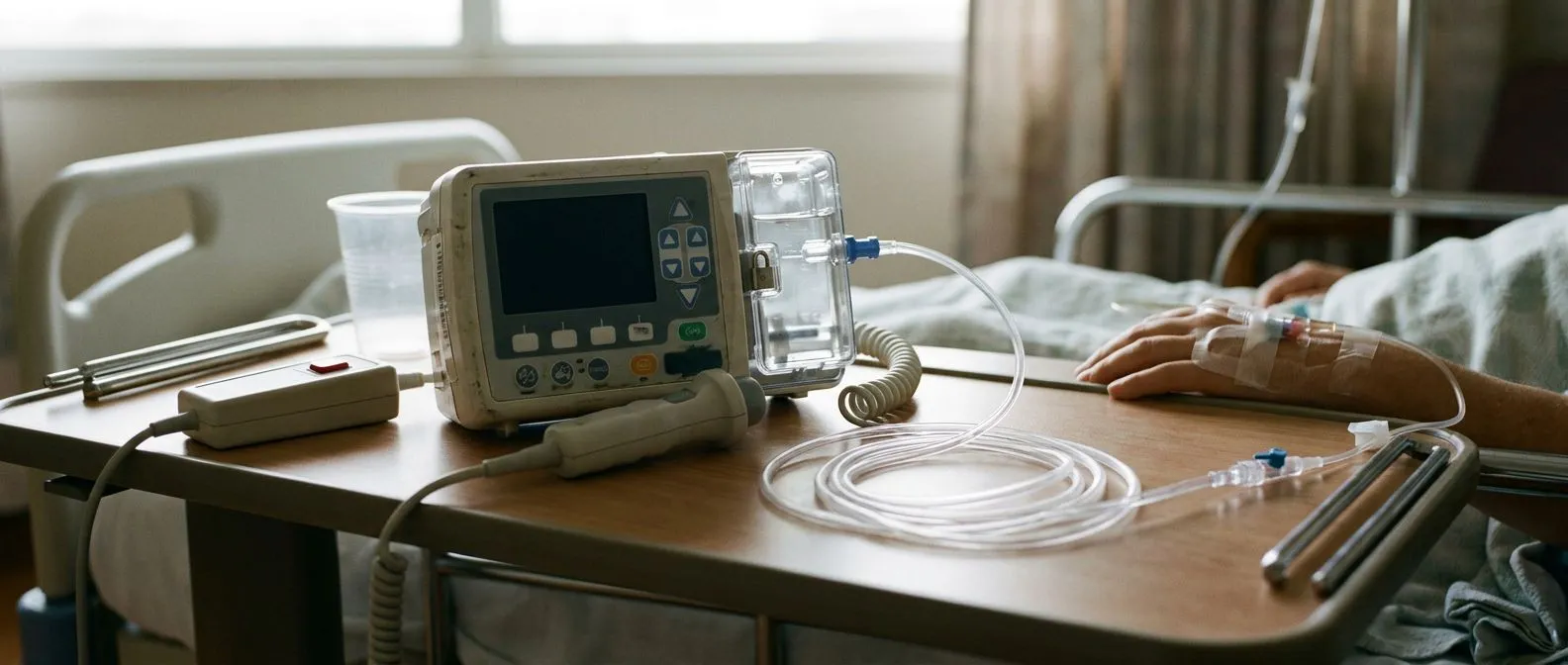
Patient-controlled Analgesia, usually shortened to PCA, is a system that lets you manage your own pain medicine within limits set by your care team. A small programmable pump is connected to your intravenous line. When you feel pain, you press a button, and the pump delivers a pre-set dose of medication. The machine enforces safety rules, so the total amount you receive stays within a range your doctors have chosen for you.
Why patients prefer it: the traditional alternative is calling a nurse, who checks your chart, prepares the dose, and administers it. That process can take fifteen to thirty minutes. With a PCA pump, relief arrives in seconds. Studies of post-surgical pain consistently show that patients report better pain control when they can respond to their pain themselves rather than waiting for scheduled doses, a point reflected in patient-education summaries from sources like Verywell Health.
What it does not mean: patient-controlled does not mean unlimited. The pump locks out extra doses for a set interval, typically several minutes, so pressing the button repeatedly cannot cause an overdose. In our practice, every pain plan is reviewed by the whole multidisciplinary team before surgery, and we explain these safety limits to patients in plain words so there are no surprises on day one.
How Does a PCA Pump Work in Cardiac Surgery?
A PCA pump cardiac surgery setup has three parts: the medication reservoir, the programmable pump, and your hand-held button. The reservoir holds the prescribed opioid or other pain medication. The pump is programmed with the dose size, the lockout interval, and often a maximum hourly limit. The button travels on a cord to your bed rail, so it is always within reach even when you cannot sit up.
Understanding the programming protects you: the lockout interval exists so your body has time to absorb each dose before another arrives. The hourly cap means that even if you pressed the button all night, you could not exceed a safe ceiling. Nurses record your total use, and that record tells the team how your pain is trending.
Who does the programming: the prescription is written by your surgical team. Because we perform conventional, minimally invasive, robotic and transcatheter procedures, the pain plan differs by approach: a TAVR patient may need very little PCA time, while a sternotomy patient often uses the pump for several days. The dose is always individualized.

PCA Morphine After Open Heart Surgery
PCA morphine heart surgery protocols are the most common choice for pain relief after a sternotomy, which is the opening of the breastbone for coronary bypass or valve surgery. Morphine is a strong opioid that works well for the deep, bone-related pain of a healing sternum. Other medications, such as hydromorphone, may be chosen instead depending on your kidney function and medical history.
Dosing is cautious in cardiac patients: opioids can slow breathing and lower blood pressure, so after cardiac surgery your team starts with conservative doses and adjusts based on how you respond. Many hospitals also combine the PCA with scheduled anti-inflammatory medication, which reduces how much opioid you need overall. This strategy is part of reducing opioid use in heart surgery recovery, a priority across modern cardiac units.
What the first day feels like: most patients describe pressure and soreness around the incision rather than sharp pain. Good pain control is not zero pain; it is enough relief to breathe deeply, cough, and sleep. Tell your nurse honestly how it feels. Underdosing is common because patients fear asking, and honest feedback lets the team adjust your prescription.
PCA vs Epidural Heart Surgery
An epidural places pain medicine directly around the spinal nerves, which can give excellent relief for chest incisions. In cardiac surgery, however, epidurals are used selectively. Bleeding near the spine is a serious complication, and cardiac surgery patients receive blood thinners, so many cardiac teams reserve epidurals for specific cases such as some thoracic and certain minimally invasive chest approaches.
For most open heart operations, IV PCA is the default: it avoids the risks of a needle near the spine, it works with any anticoagulation plan, and it covers pain wherever it appears. When patients and families ask us to compare the two, the honest answer is that the right choice depends on the surgical approach, the anticoagulation plan, and the patient's condition. Our team reviews every case against international practice guidelines before recommending an approach, and the patient receives a clear proposal with the alternatives, but the final decision is always theirs.
Some centers combine both: where an epidural is appropriate, a lighter IV PCA may run alongside it as a backup. What matters most is that someone explains the trade-offs in words you understand, so you can take part in the decision rather than simply receiving it.
Benefits of Patient-Controlled Analgesia for Cardiac Patients
Benefits of patient-controlled analgesia in cardiac care go beyond comfort: they affect your recovery directly. Pain relief you can trigger yourself means you are more willing to perform the breathing exercises, coughing, and early sitting that prevent pneumonia and other complications. Pain that is left untreated after open heart surgery can raise heart rate and blood pressure, which is exactly what a healing heart does not need.
- Safety built in: the pump enforces dose limits automatically, so patient control does not mean overdose risk.
- Better sleep: pressing the button once when you wake at night is faster than summoning a nurse, so rest comes more easily.
- Stronger breathing: when deep breaths hurt less, you cough and use the breathing device more often, which lowers lung complications.
- Less total opioid: small, frequent, self-timed doses often add up to less medication than large scheduled doses.
A genuine sense of control matters psychologically too: the days after cardiac surgery can feel like everything is being done to you. The PCA button returns one small piece of control, and many patients tell us that this alone reduced their anxiety. Many patients say that feeling in charge of their own relief made the hospital days easier to face.
The PCA Button After Surgery
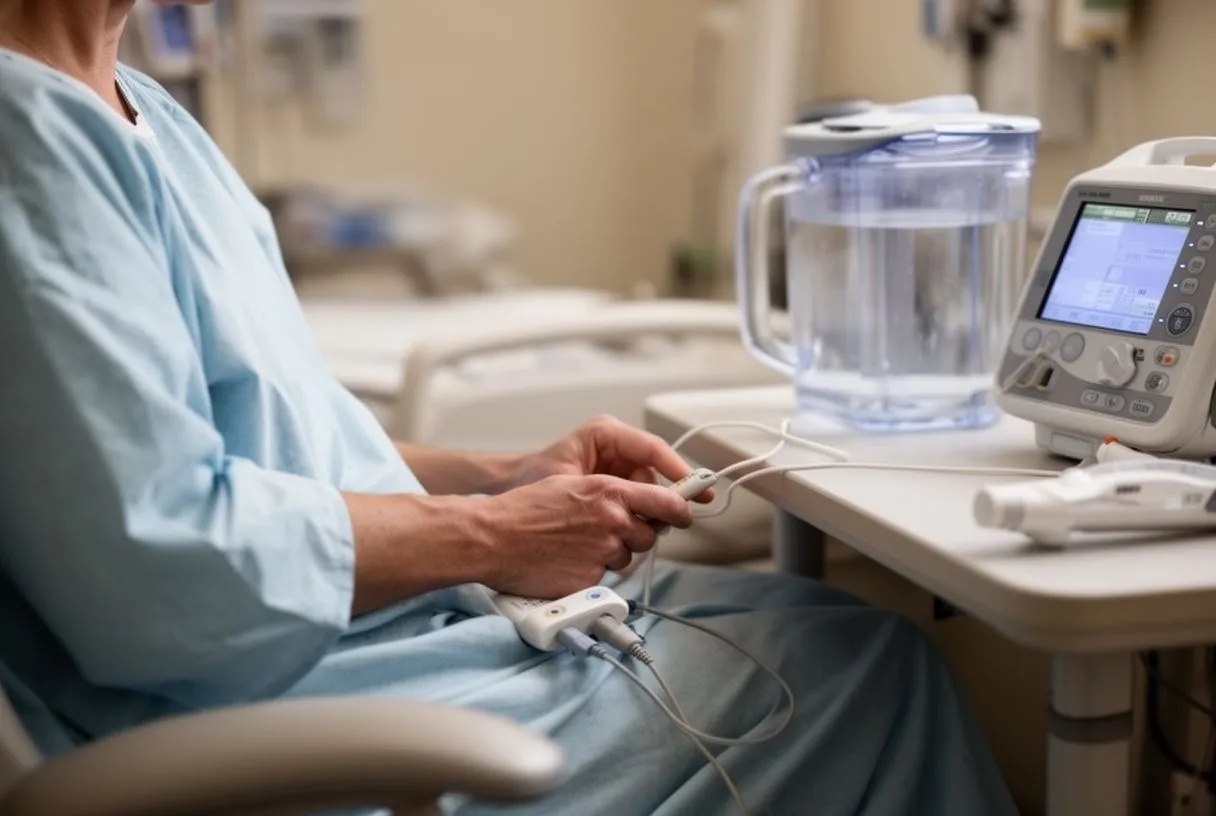
The PCA button after surgery is simple by design, but a few practical points help in the first hours. The button is on a cord attached only to the pump, not to your IV line, so nothing can be accidentally pulled loose. Press it once, firmly, and wait. The pump signals that the dose is being delivered. Pressing repeatedly does nothing beyond the lockout interval.
Common mistakes are easy to avoid: some patients wait too long between doses, tolerating heavy pain before pressing, and then need more time to catch up. Others fall asleep with unrelieved pain because they were reluctant to bother anyone. The button exists precisely so you never have to wait for anyone. Press it when pain first rises, not after it peaks.
One safety rule to remember: only you press your button. Family members sometimes want to help by pressing it while you sleep, and this is always refused. Your sedation level is part of the safety calculation, and someone else's finger cannot feel your pain.
Mobility After Heart Surgery and Pain Control
Mobility after heart surgery depends heavily on pain control: the two are inseparable. In most cardiac units, a nurse or physiotherapist helps you sit on the edge of the bed and stand within the first day, even with chest drains still in place. Every step of that progression is easier when pain is well managed by your PCA.
Why moving early matters so much: early walking reduces the risk of pneumonia, blood clots in the legs, and post-operative complications. It also helps your bowel function return after anesthesia and speeds overall recovery. The medicine from your pump does the pain control; walking does the rest.
Practical tips for the first walks: press the PCA button about ten to fifteen minutes before the planned walk, so the dose has time to work. Tell the physiotherapist how the movement feels. Pain during activity is expected to be manageable, not severe, and worsening pain with movement is always worth reporting.
PCA Complications After Heart Surgery
PCA complications are uncommon but worth understanding: the most frequent issue is underdosing, when a patient presses too cautiously and endures avoidable pain. The opposite problem, over-sedation, is rare because of the lockout settings, but nurses monitor your breathing rate and sedation level regularly as a safeguard. Itching and nausea are the most common side effects and are usually treatable with simple medication.
Specific risks in cardiac patients: opioids can cause constipation, slow bowel recovery, and in some patients cause confusion, especially in older adults or those with kidney impairment. Your team watches for these signs. Serious events like respiratory depression are prevented by the programming limits and routine monitoring rather than by luck.
Device problems are rare: a blocked IV line or an alarm on the pump is usually resolved quickly by nursing staff. In our own experience caring for patients through the post-operative days, we find that explaining the pump's safety limits in advance prevents most anxiety-driven problems, and we encourage patients and families to ask questions the moment something feels unclear. If anything feels wrong with the pump, say so; there is no need to wait for rounds.
When to Stop PCA After Cardiac Surgery
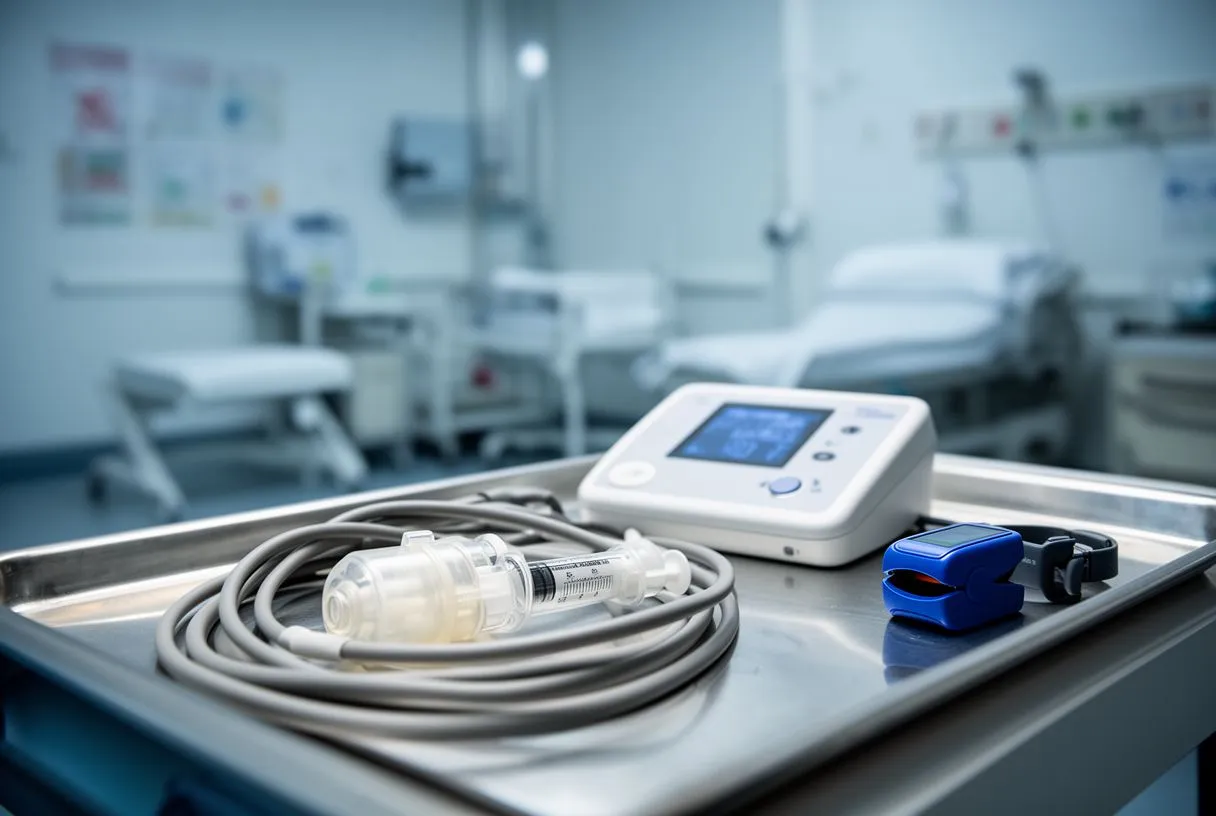
Knowing when to stop PCA after cardiac surgery follows a simple pattern: most patients step off intravenous pain medicine within two to four days, depending on the operation. The team watches your total pump use. When you are going several hours without pressing the button, they usually switch you to oral pain tablets, which you can also take at home.
The switch is a Bridge to Recovery, not a setback: oral medication gives steadier background relief and frees you from the IV line, which in turn makes walking and showering easier. Some patients worry that the pump is "stronger," but by that point the tablets match the pain you actually have. Sternum discomfort typically fades gradually over weeks, not days.
Your input matters at this stage: if pain suddenly worsens after the switch, tell the team, because that can signal something that needs checking, not just more medication. The transition should feel like a smooth reduction, and any jump in pain deserves an explanation.
Home Pain Management After Heart Surgery
Home pain management after heart surgery is usually straightforward: by discharge, most patients manage with scheduled paracetamol or acetaminophen, sometimes combined with a short course of an opioid taken only at night or before walks. Your discharge summary should name exactly which medicines, at what doses, and for how long. This is where a pharmacist's guidance has real value: research on pharmacist involvement in medication adherence after cardiac events shows that structured counseling measurably improves whether patients take their medicines correctly (Asian Journal of Pharmaceutical Sciences and Research).
A simple routine prevents most problems: take scheduled medication before it wears off rather than chasing pain, keep a written log for the first two weeks, and taper down only as your team advises. Sudden, sharp, or worsening pain around the sternum, or pain with fever, redness, or discharge at the incision, is a reason to call your surgeon, not to wait.
- Follow the schedule, not the pain: regular doses keep pain from building, and skipping doses makes recovery activity harder.
- Keep walking daily: gradual increase in walking is the single best recovery habit, and pain relief exists to make it possible.
- Know who to call: have your surgical team's contact details visible at home, including after-hours numbers.
Finally, discuss your situation rather than diagnosing yourself: pain plans differ by operation, by age, and by the medicines you already take. What helped a neighbor after bypass surgery may not be right for your valve repair. At Cirugía de Corazón, our first contact is a free video consultation: we get to know the patient, talk through the condition and the recovery plan, and say which studies are still needed so no unnecessary ones are ordered. Bring your questions about pain control to that conversation, and make sure any team you choose explains its plan in words you truly understand.