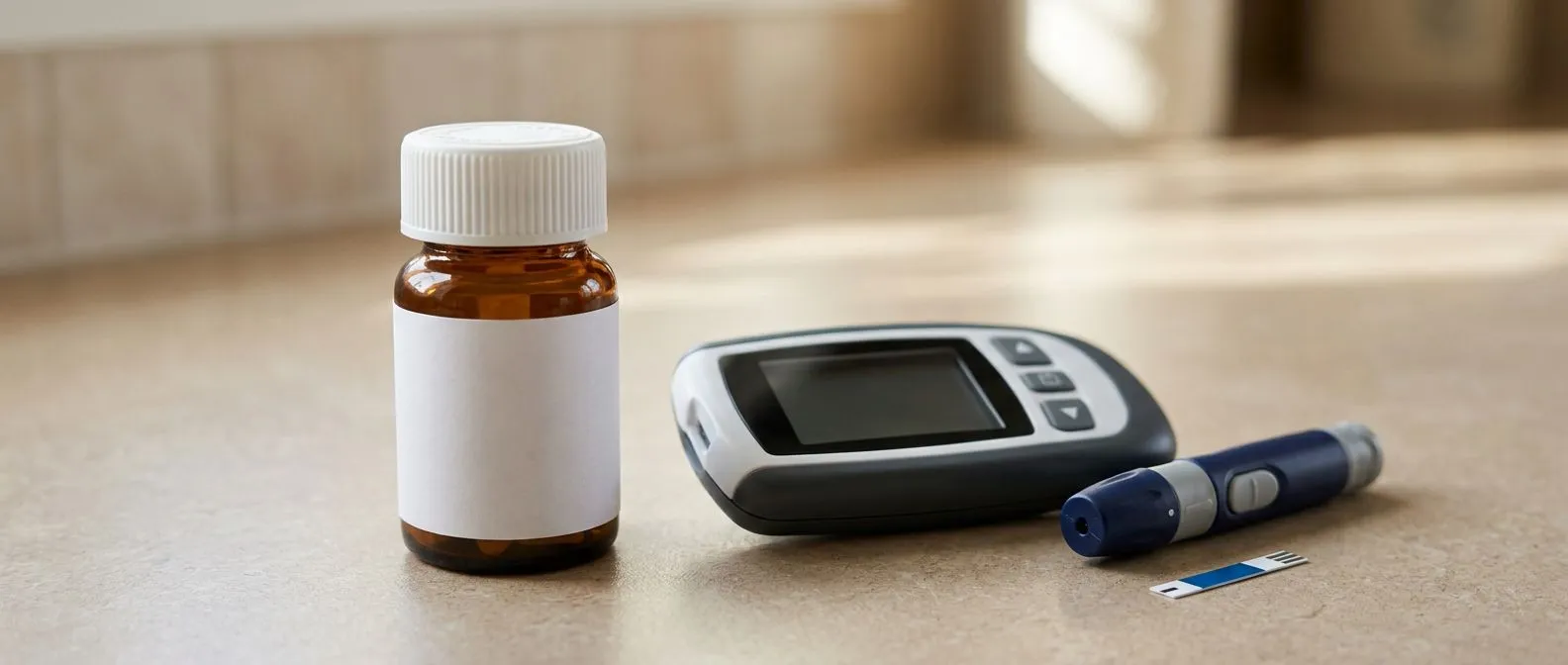
PCSK9 Inhibitors: Cholesterol Treatment When Statins Fall Short
PCSK9 inhibitor cholesterol treatment lowers LDL when statins aren't enough.
When managing heart health, getting cholesterol under control is often the first and most critical step in preventing severe cardiac events. For many patients, a daily statin pill does the job effectively, but others find their LDL numbers remain stubbornly high or experience side effects that make the oral medication unbearable. If you have been told your cholesterol is resistant to standard treatment, a PCSK9 inhibitor might be the advanced solution your cardiac team recommends. These medications represent a newer class of injectable therapies designed to dramatically lower bad cholesterol and protect your heart when traditional options fall short, offering hope for those struggling with complex lipid profiles.
What is a PCSK9 Inhibitor and How Does It Lower Cholesterol?
Understanding the PCSK9 protein's role in your body: A PCSK9 inhibitor is a monoclonal antibody cholesterol medication that targets a very specific protein produced by your liver. Your liver has specialized receptors on its surface designed to catch low-density lipoprotein (LDL)—the "bad" cholesterol—and pull it safely out of your bloodstream. The PCSK9 protein, however, naturally binds to these receptors and destroys them, leaving fewer receptors available to clear the cholesterol, which results in higher circulating LDL levels. By blocking this destructive protein, the inhibitor keeps the liver's clearing receptors active and working efficiently.
How Apolipoprotein B levels factor into your diagnosis: These medications do more than just lower standard LDL numbers on a basic lipid panel. They also help reduce Apolipoprotein B, a structural protein attached to LDL particles that is increasingly recognized as a highly accurate predictor of cardiovascular disease. When your blood work shows elevated Apolipoprotein B, it means there are simply too many cholesterol-carrying particles circulating in your system, which can easily penetrate and damage your artery walls. Targeting this specific protein ensures a more comprehensive and clinically significant approach to clearing your circulatory system.
The ultimate result of this targeted mechanism is a dramatic drop in circulating cholesterol, often reducing LDL by 50% or more, even in cases where maximum statin doses have failed to achieve these numbers. This injectable therapy acts directly on the liver's clearing mechanisms rather than relying on the metabolic pathways that oral medications use, which can sometimes trigger adverse systemic reactions. For patients with genetic conditions that cause lifelong high cholesterol, this direct biological intervention can finally bring their numbers into a safe, sustainable range, significantly lowering their risk of future cardiovascular complications.
How Do PCSK9 Inhibitors Work Compared to Statins?
Targeting liver enzymes versus neutralizing proteins: Statins have been the cornerstone of cholesterol management for decades, working inside the liver to block a specific enzyme responsible for synthesizing cholesterol. While highly effective for a large portion of the population, they rely heavily on your body tolerating the drug and responding appropriately to the enzymatic shift. Conversely, a PCSK9 inhibitor takes a fundamentally different biological route by using synthetic antibodies to neutralize the protein that destroys your liver's cholesterol-clearing receptors, creating a massive capacity for LDL removal that does not depend on blocking enzyme production.
Why statin alternative cholesterol therapies are increasingly needed: Some patients experience severe muscle pain, known medically as myopathy, when taking statins, making the daily pills physically unbearable and drastically reducing their quality of life. Others have a genetic condition called familial hypercholesterolemia, where the liver simply produces too much cholesterol for a standard statin to handle alone, regardless of the dosage prescribed. For these individuals facing treatment resistance or physical intolerance, an LDL lowering injection provides a vital alternative mechanism that bypasses the enzymatic pathway causing their discomfort or inadequate clinical response.
It is essential to understand that these treatments are not mutually exclusive and are often most powerful when used together as a combined therapy. Pairing an injectable antibody with a traditional oral statin can drive cholesterol down to extremely low levels rarely seen with single-drug treatments, offering maximum protection for high-risk patients. To understand the foundational aspects of managing high cholesterol and the role of different lipid-lowering therapies, resources like Verywell Health offer comprehensive overviews of cardiovascular treatments and patient experiences.
Who Needs a PCSK9 Inhibitor for Cholesterol Management?
Identifying familial hypercholesterolemia patients early: A PCSK9 inhibitor is typically reserved for specific, high-risk groups of patients rather than being prescribed as a first-line treatment for general population cholesterol management. The primary clinical candidates are those diagnosed with familial hypercholesterolemia, a genetic disorder that causes dangerously high LDL levels from a very young age. For these patients, lifestyle modifications, strict diets, and standard statin doses are rarely enough to reduce their lifelong risk of early heart attacks, making aggressive intervention a medical necessity rather than an option.
Patients with established clinical cardiovascular disease: Individuals who have already suffered a heart attack, undergone a complex Arterial Graft procedure, or have significant, obstructive Atheromatous Plaque buildup in their arteries are also prime candidates for this advanced therapy. Even if their baseline cholesterol numbers look "normal" to a general practitioner, specialized cardiac teams know that post-event patients need exceptionally low LDL targets to prevent a second, potentially fatal cardiovascular event. This targeted medication helps surgical and non-surgical patients alike achieve those aggressive clinical targets safely and effectively.
Finally, patients who are completely statin-intolerant make up a significant and growing portion of those prescribed this injectable therapy. If you have tried multiple different statins at varying doses and experienced debilitating side effects, such as severe joint pain or gastrointestinal distress, your cardiologist will likely explore alternative pathways. The goal in modern cardiology is always to find the lowest risk treatment for your specific situation while maintaining highly effective control over your cardiovascular health and long-term disease progression.
PCSK9 Inhibitor Names: Evolocumab and Alirocumab Injections
Understanding your specific pharmaceutical prescription: When your cardiologist discusses starting this advanced therapy, they will primarily mention two PCSK9 inhibitor names: evolocumab and alirocumab. Both of these medications are monoclonal antibodies that work via the exact same biological mechanism to lower LDL, but they are manufactured by different pharmaceutical companies under different brand names. Your cardiac team's choice between the two often depends on local pharmacy availability, your specific international insurance coverage, and slight differences in recommended dosing schedules that might better fit your lifestyle.
- Evolocumab: Typically administered as a subcutaneous injection once every two weeks, or once monthly if prescribed in a higher-dose format, offering flexibility for patient schedules.
- Alirocumab injection: Also given every two weeks, with the dosage carefully adjusted based on how much your baseline LDL needs to drop to reach your clinical targets.
- Clinical monitoring requirements: Both medications require regular follow-up blood tests to ensure your Apolipoprotein B and LDL levels are responding appropriately to the treatment.
While both drugs are highly effective and clinically proven, the patient experience regarding administration is quite similar across the board. Neither requires a time-consuming visit to a clinical infusion center for administration once you are properly trained on the device. The delivery mechanisms are specifically designed for self-injection at home, making it highly convenient to maintain your treatment schedule regardless of whether you are actively recovering from a major surgery on your Ascending Aorta or simply managing routine outpatient cardiac care.
What to Expect During a PCSK9 Inhibitor Injection Treatment
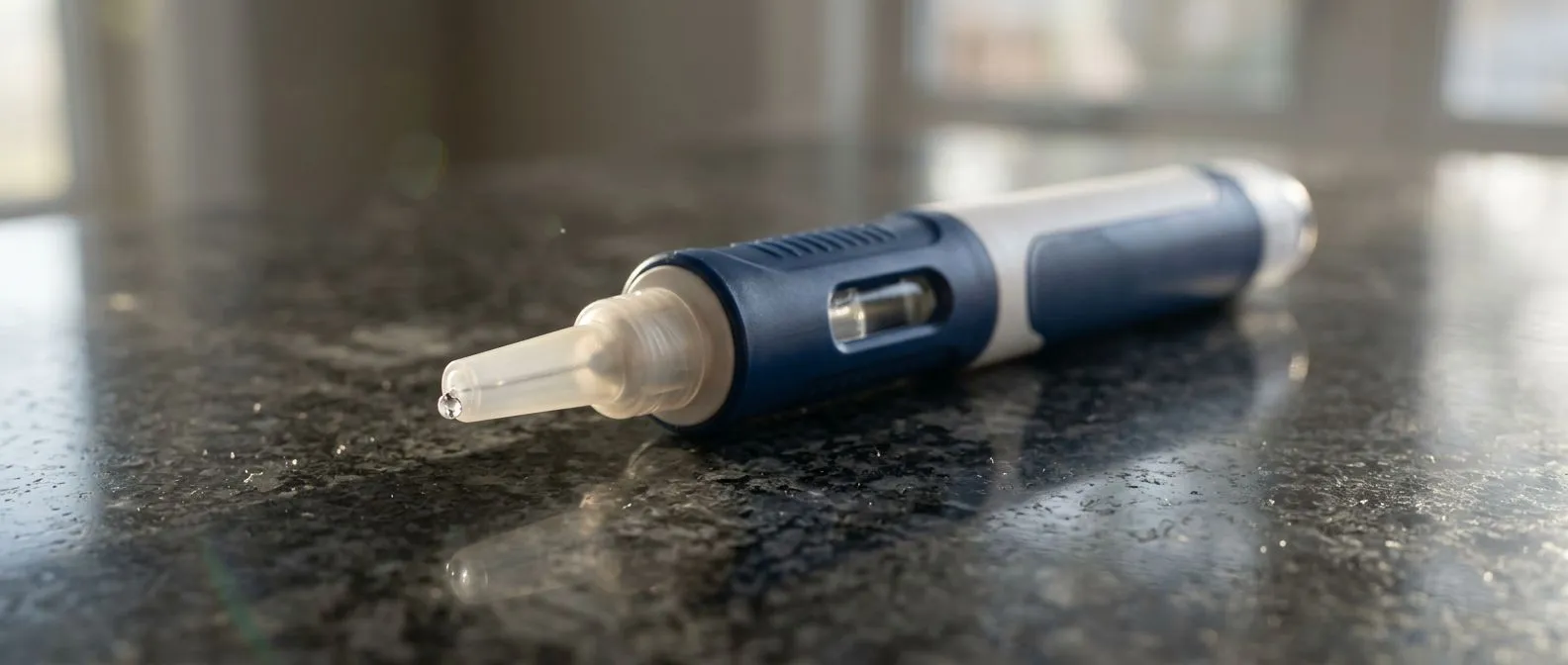
Learning the self-injection process confidently: A PCSK9 inhibitor injection comes in a pre-filled pen or syringe, meticulously designed for subcutaneous use, meaning it goes directly into the fatty tissue just beneath your skin. A specialized nurse or pharmacist will thoroughly teach you how to administer it, usually in the thigh, the abdomen, or the upper arm. The entire physical process takes only a few seconds, and the pen automatically deposits the medication and retracts the needle, minimizing both discomfort and any anxiety associated with handling sharps.
Managing mild injection site reactions effectively: The most common physical feedback patients notice after administration is mild redness, localized itching, or slight swelling directly at the injection site. This is a normal, localized skin reaction to the needle puncture or the injected fluid, not a systemic allergic response to the drug itself. Actively rotating injection sites—using the left thigh one week and the right side of the abdomen the next—helps prevent skin irritation from compounding and becoming chronically bothersome over time.
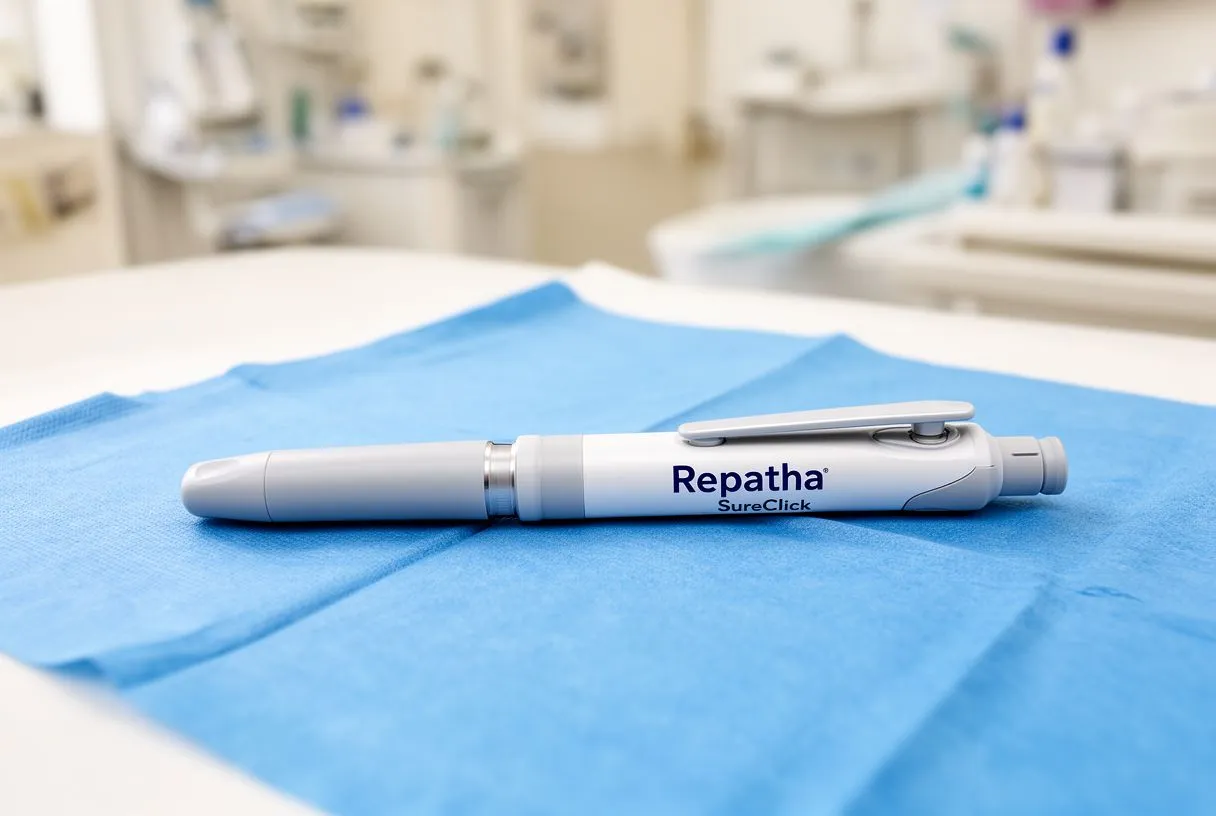
The injectable medication itself is quite cold because it must be stored in a refrigerator to maintain the stability of the monoclonal antibodies, so letting it sit at room temperature for about 30 minutes before your dose can significantly reduce the stinging sensation upon injection. You do not need to alter your daily routine or dietary habits significantly on the days you administer the drug; you can still take your prescribed Aspirin, eat your normal meals, and go about your regular activities. The overall simplicity and speed of the treatment is exactly what makes it an excellent, practical option for patients already managing complex and time-consuming cardiac histories.
Are PCSK9 Inhibitors Safe and What Are the Side Effects?
Distinguishing between mild nuisance and severe clinical risks: PCSK9 inhibitor side effects are generally considered mild, especially when compared directly to the severe muscle pain frequently associated with high-dose statin therapy. The most consistently reported issues in clinical trials are nasopharyngitis (essentially a common cold), upper respiratory tract infections, and minor flu-like symptoms that pass within a day or two. Because the medication is a complex protein-based antibody, there is always a theoretical risk of an allergic reaction, though severe anaphylaxis remains extremely rare in the general patient population.
Navigating complex medical and immunological histories: For patients with extensive surgical backgrounds or highly complex immunological profiles, safety profiles require very careful, individualized review by a specialist. For instance, some patients needing advanced cardiac interventions might have complex antibody profiles; reading specific studies such as the Occurrence of Fatal and Nonfatal Adverse Outcomes after Heart Transplantation in Patients with Pretransplant Noncytotoxic HLA Antibodies highlights how incredibly nuanced immune responses can be in advanced cardiac care. While a PCSK9 inhibitor is not an immunosuppressant, your doctor must always be aware of your complete immunological history before introducing biologic therapies.
Extensive long-term safety data has consistently shown that aggressively driving cholesterol to very low levels with these inhibitors does not appear to cause cognitive decline or increase the risk of developing diabetes, which were significant safety concerns with some older lipid-lowering therapies. The medication works purely on the liver's clearing receptors, leaving other crucial metabolic functions completely intact and uncompromised. This highly targeted, precise biological action is exactly why modern cardiac teams view it as a remarkably safe and vital clinical tool for achieving aggressive cholesterol reduction in vulnerable patient populations.
Because they are complex, laboratory-created monoclonal antibodies to manufacture, they do not carry the low, accessible price tags of generic oral statins that have been on the market for decades. However, the landscape of accessibility and drug pricing has shifted considerably in recent years, making these drugs far more attainable for the average patient.
- Insurance approval requirements: PCSK9 inhibitor insurance coverage usually requires strict documentation of a prior cardiovascular event or a formal diagnosis of familial hypercholesterolemia to justify the expense.
- Documenting statin failure thoroughly: Your cardiologist must often provide clinical evidence showing that you have tried at least two different statins and experienced intolerable side effects or an inadequate LDL reduction.
- Manufacturer assistance programs: Many pharmaceutical companies now offer copay cards or patient assistance foundations to help bridge the financial gap between insurance limits and out-of-pocket costs.
When strategically planning for long-term treatment, especially for international patients traveling to Mexico for specialized procedures like those performed at Cirugía de Corazón, it is absolutely vital to coordinate with your insurance provider long before the prescription is written. You must clarify whether your domestic policy covers a self inject cholesterol medication prescribed internationally when you return to your home country. Your treating medical team can provide the necessary, detailed clinical documentation to strongly support your case for coverage and minimize out-of-pocket expenses.

PCSK9 inhibitor cost and the realities of insurance coverage
Understanding the high initial cost of biological therapy: Historically, the cost of PCSK9 inhibitors has been a major financial barrier for many patients, since these advanced biological products were initially offered at thousands of dollars a month when they reached the market. Because they are complex laboratory-made monoclonal antibodies, their manufacture does not allow the low, accessible prices of oral generic statins, which have been on the market for decades. In recent years, however, the landscape of access and drug pricing has changed considerably, bringing these medicines much closer to the reach of the average patient.
- Insurance approval requirements: Insurance coverage for PCSK9 inhibitors generally requires strict documentation of a previous cardiovascular event or a formal diagnosis of familial hypercholesterolaemia to justify the expense.
- Document thoroughly that statins have not worked for you: Your cardiologist often has to present clinical evidence that you have tried at least two different statins and had intolerable side effects or an insufficient reduction in LDL.
- Manufacturer assistance programmes: Many pharmaceutical companies now offer co-pay cards or patient-assistance foundations that help cover the gap between insurance limits and out-of-pocket costs.
When planning long-term treatment strategically, especially if you travel to Mexico from another country for specialised procedures such as those performed at Cirugía de Corazón, it is essential to coordinate with your insurance provider well before the medicine is prescribed. You need to clarify whether your home policy will cover a self-injected cholesterol medicine prescribed in another country once you return home. Your treating medical team can provide the detailed clinical documentation needed to support your coverage claim firmly and keep your out-of-pocket costs to a minimum.
PCSK9 Inhibitor for Heart Attack Prevention and Atheromatous Plaque
Slowing the dangerous progression of arterial disease: The ultimate clinical goal of any intensive cholesterol treatment is direct, measurable heart attack prevention. High circulating LDL cholesterol actively leads to the formation of Atheromatous Plaque—a sticky, dangerous fatty deposit that builds up inside your arteries, progressively narrowing the available passage for vital blood flow. By aggressively lowering LDL to extremely low levels, a PCSK9 inhibitor actively helps stabilize these existing plaques, making them much less likely to rupture and trigger a fatal blood clot.
The connection between plaque reduction and surgical outcomes: If you are currently awaiting major cardiac surgery, reducing your systemic plaque burden and lowering vascular inflammation is absolutely crucial for a positive outcome. Stable, hardened plaques mean a significantly lower risk of an Atypical Infarction occurring unexpectedly before you ever reach the operating room. Furthermore, patients who need delicate interventions on major vessels like the Ascending Aorta benefit immensely from lower overall lipid levels, as it reduces the mechanical and inflammatory stress placed on the vascular walls.
The science of lowering cholesterol continues to evolve rapidly alongside much broader, experimental cardiac innovations. While studying extreme future treatments like animal-to-human heart transplants, as detailed in the Cardiac Xenotransplantation: A Narrative Review, researchers continuously emphasize that managing native vascular health remains the absolute frontline defense against heart disease. Aggressive, biologic lipid-lowering therapy remains a fundamental, non-negotiable cornerstone of keeping your native heart and vessels functioning optimally for as long as medically possible.
PCSK9 Inhibitor vs Statin: Which Cholesterol Treatment is Best?
Matching the drug to the patient's specific clinical profile: Deciding between a PCSK9 inhibitor vs statin is never about finding a universally "best" medication, but rather finding the safest, most effective fit for your specific anatomy and biochemical tolerance. Statins are incredibly cheap, widely accessible, and have decades of robust clinical data proving they effectively save lives by lowering heart attack risks across broad populations. If you can comfortably tolerate a statin without experiencing severe muscle pain or liver enzyme elevation, your cardiologist will almost certainly want you to remain on one for baseline protection.
Combining therapies for maximum, aggressive LDL reduction: For high-risk cardiac patients, the clinical choice is rarely binary or exclusive to one drug class. A specialized, forward-thinking cardiac team will often prescribe a high-intensity oral statin alongside an injectable PCSK9 inhibitor to synergistically drive LDL down to extremely low, highly protective levels that neither drug could achieve alone. This dual approach simultaneously attacks cholesterol production inside the liver while maximizing the liver's biological capacity to clear existing, circulating cholesterol from the blood.
If you have experienced conditions like Atrial Flutter, have an enlarged Atrium, or are actively recovering from a complex surgical procedure that required the temporary placement of an Arterial Line, your overall cardiac risk profile is inherently elevated. In these specific clinical scenarios, achieving the absolute lowest possible LDL is heavily prioritized over the sheer convenience of taking a single, daily pill. Your doctor will carefully weigh the proven clinical benefits of aggressive, dual cholesterol reduction against the logistical cost and effort of adding a biologic injectable therapy to your routine.
When to Talk to Your Cardiac Team About PCSK9 Inhibitors
Recognizing the clear signs your current treatment is failing: If you are faithfully taking your prescribed statins but your routine lab results continue to show persistently high LDL, or if you are actively experiencing joint and muscle pain that disrupts your daily life and mobility, it is time to ask pointed questions. However, do not simply stop taking your current cholesterol medication without professional medical guidance. Abruptly stopping statins without an alternative plan can cause a dangerous rebound effect in your cholesterol levels, putting your heart at immediate, unnecessary risk of a cardiac event.
Preparing thoroughly for your specialized cardiac consultation: Before you meet with your cardiologist, proactively gather your most recent lipid panels, write down a detailed list of any medications that caused side effects in the past, and record your complete family history of heart disease. If you have a direct relative who suffered a heart attack at an early age, be sure to explicitly mention this fact. This critical historical information helps your doctor accurately determine if you might have undiagnosed familial hypercholesterolemia, a condition that strongly supports the immediate need for advanced biologic therapies.
Managing stubborn, treatment-resistant cholesterol is a complex medical journey that requires expert, individualized navigation, especially when standard oral treatments fall short. A PCSK9 inhibitor can be a truly life-changing clinical tool, but it must be prescribed, dosed, and carefully monitored by a qualified, specialized cardiac team. We strongly encourage you to discuss your specific lipid levels, your medication side effects, and your long-term treatment options with a dedicated practice. Do not self-diagnose or rely solely on internet research—book a consultation with a cardiac specialist to create a personalized, evidence-based plan that actively protects your heart.