Pericardium Problems: Pericarditis, Effusion and Surgery
Pericardium problems like pericarditis and effusion need expert surgical care.
Pericardium problems are more common than most people realize, and they often masquerade as other conditions — a pulled chest muscle, a stomach bug, or simple anxiety. Because the pericardium is the thin sac that wraps around your heart, any irritation or swelling in it can cause chest pain that feels frighteningly similar to a heart attack. The good news is that most pericardium problems are manageable, and many resolve completely with the right treatment. This guide walks you through what the pericardium does, what goes wrong with it, and when surgery becomes the right answer.
What Is the Pericardium?
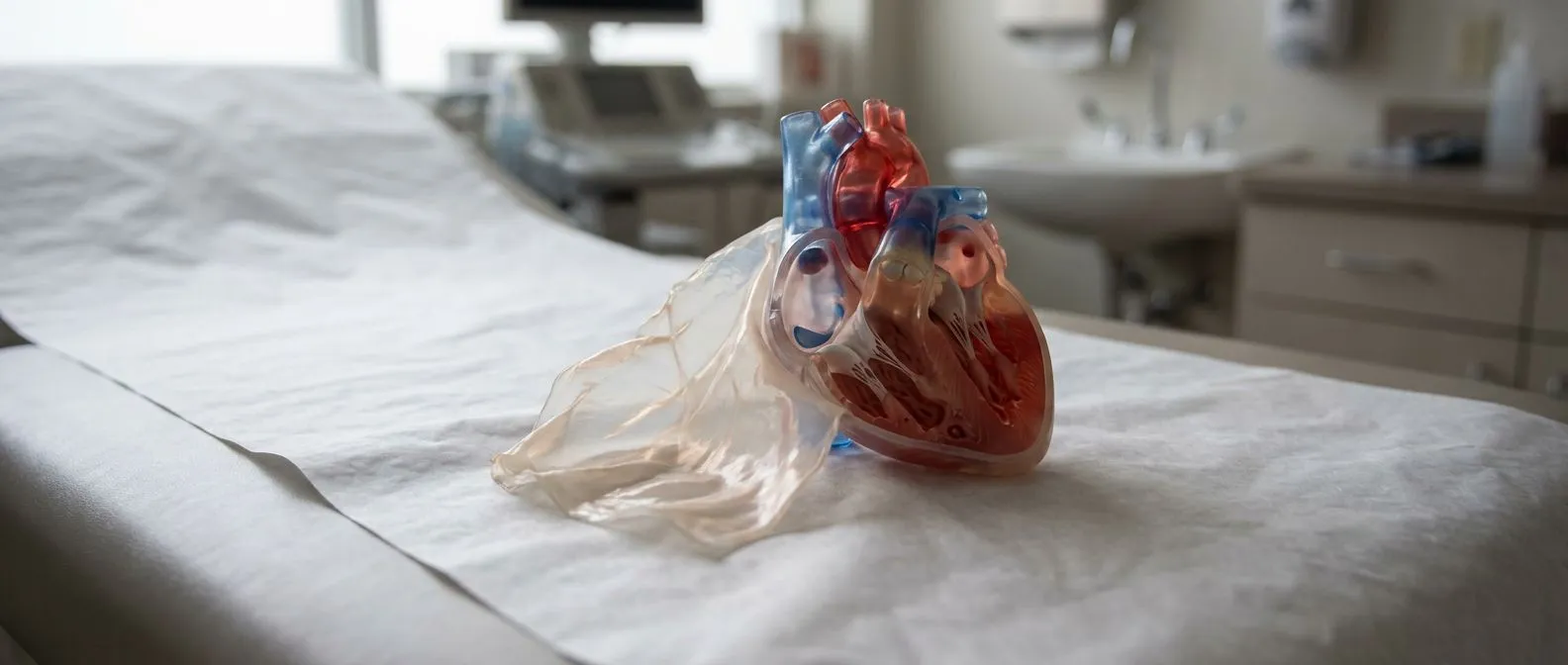
Another name for the pericardium is the pericardial sac. It is a double-layered membrane that surrounds the heart and the roots of the major blood vessels leaving it. Think of it as a protective envelope that holds the heart in place inside the chest while allowing it to beat freely.
Which best describes the pericardium? It is best described as a fibrous, saclike structure with a small amount of lubricating fluid between its two layers — enough to let the heart glide smoothly with every heartbeat, roughly 15 to 50 milliliters in a healthy adult.
The sac also serves as a barrier. It shields the heart from infection spreading from nearby organs, limits the heart's overexpansion when blood volume surges, and anchors it to surrounding structures so it does not shift inside the chest. In everyday terms, it is both a lubricated cushion and a seatbelt for the heart.
What Are the Three Layers of the Pericardium?
The pericardium has three distinct layers, each with its own job:
- Fibrous pericardium: the tough outer layer that protects the heart and anchors it to the breastbone and diaphragm.
- Parietal layer: the smooth inner lining of the fibrous sac, which produces the serous fluid that reduces friction.
- Visceral layer (epicardium): the delicate membrane that lies directly on the surface of the heart muscle itself.
Between the parietal and visceral layers sits a narrow space called the pericardial cavity. Under normal conditions this space holds only a teaspoon or two of fluid. Problems begin when inflammation makes that space fill with extra fluid, or when the layers stick together and stiffen. Understanding these layers matters because different pericardium problems affect different layers, and that shapes both the symptoms and the treatment plan.
What emotion is associated with the pericardium? In traditional Chinese medicine, the pericardium is called the "heart protector" and is linked to joy and emotional shielding. This is a cultural framework rather than a medical one, but the protective role it describes is anatomically real — the pericardium literally stands between the heart and the outside world.
What Is Pericarditis of the Heart?
Pericarditis is inflammation of the pericardium, usually caused by a viral infection. It is the most common pericardium problem and can affect anyone, though it is seen more often in men between the ages of 20 and 50. Autoimmune conditions, kidney failure, tuberculosis, and even certain medications can also trigger the inflammation.
Recurrent pericarditis causes deserve special attention. When inflammation flares again after an initial episode has settled, the cause is often an overactive immune response — the body keeps attacking pericardial tissue after the original infection is gone. Autoimmune pericarditis treatment therefore focuses on calming the immune system with medications such as colchicine, and in stubborn cases with targeted biologic agents, rather than simply repeating rounds of anti-inflammatory drugs.
Doctors classify pericarditis by how long it lasts: acute pericarditis resolves within weeks, while chronic pericarditis symptoms persist for three months or longer. Chronic pericarditis symptoms include ongoing fatigue, low-grade chest discomfort, and repeated flares that make planning daily life difficult. Most cases of pericardium inflammation treatment respond well to a combination of anti-inflammatory medication and rest, but the course needs to be followed properly to prevent complications.
What Does Pericardium Pain Feel Like?
Pericarditis chest pain relief starts with recognizing the pain's distinctive pattern. Unlike the crushing pressure of a heart attack, pericardial pain is typically sharp and stabbing, felt behind the breastbone or on the left side of the chest. It often worsens when you lie flat, breathe deeply, or swallow, and it eases noticeably when you sit up and lean forward.
Why the position matters. When you lie down, the inflamed pericardial layers press against each other with every heartbeat, so the pain intensifies. Sitting forward reduces the contact between the layers, which is why many patients instinctively hunch forward over a table to find relief. That posture — sitting up, leaning forward — is one of the classic clues doctors look for.
The pain may radiate to the left shoulder, neck, or back, and it can be accompanied by a dry cough, mild fever, or a racing heartbeat. Because these symptoms overlap with heart attack, lung problems, and acid reflux, the pain should always be evaluated promptly. In our team's experience, patients who arrive with this leaning-forward pattern and describe the pain as "sharp, not crushing" are frequently relieved to learn that a straightforward set of tests can distinguish pericarditis from a coronary problem.
Which Test Diagnoses Pericarditis?
The most useful pericarditis diagnosis test is the electrocardiogram, or ECG. In pericarditis, the ECG shows characteristic changes — widespread ST-segment elevation that appears in multiple territories at once, unlike the pattern of a blocked coronary artery. Doctors combine this with a careful physical exam: listening through a stethoscope for a pericardial friction rub, a scratchy or creaking sound made by the inflamed layers rubbing together.
Supporting tests. An echocardiogram (an ultrasound of the heart) checks whether fluid has accumulated around the heart and whether the pumping function is intact. Blood tests measure inflammatory markers such as CRP, and troponin levels help determine whether the heart muscle itself is involved — a condition called myopericarditis. A chest X-ray may show an enlarged cardiac silhouette if significant fluid is present.
When the picture is unclear. If diagnosis remains uncertain, cardiac MRI can visualize pericardial inflammation directly, and in selected cases a pericardial fluid sample is analyzed. Every case we review at our practice is examined by the multidisciplinary team against international practice guidelines before a diagnosis is confirmed, because mistaking pericarditis for a coronary event — or the reverse — changes everything about treatment.
How Is Pericardial Effusion Treated?
Pericardial effusion is an abnormal buildup of fluid in the space between the pericardial layers. Small effusions often cause no symptoms and may resolve on their own as the underlying cause — frequently a virus — runs its course. Larger effusions press on the heart and can interfere with its ability to fill, which is when treatment becomes necessary.
Pericardial effusion drainage is the definitive answer when fluid is causing symptoms. The most common approach is pericardiocentesis: a needle is guided, usually with ultrasound, through the chest wall into the pericardial space to withdraw the fluid. This can be done under local anesthesia, and removing the fluid often brings rapid relief of breathlessness and chest discomfort.
Choosing between approaches. For effusions that keep coming back, a pericardial window procedure may be recommended. This is a small surgical opening — created either through the chest below the breastbone or via minimally invasive techniques — that allows fluid to drain continuously into the chest cavity, where it is reabsorbed. The fluid is always sent for analysis, because its appearance and chemistry point to the cause: infection, malignancy, autoimmune disease, or uremia from kidney failure.
Surgery as a considered option. Pericardial effusion surgery is reserved for cases where drainage fails, fluid recurs repeatedly, or the underlying cause requires it. In our practice, Dr Alejandro Molina's multidisciplinary team reviews each case together and recommends the less invasive route only where the evidence supports it for that patient — sometimes that means a pericardial window, sometimes simply continued medical therapy. The patient receives a clear proposal with the alternatives, and the final decision is always theirs.
We encourage anyone facing this decision to seek a second opinion; treating it as a normal part of deciding about heart surgery is exactly how it should be. A free video consultation with our team is a practical first step: we talk through the condition, review which studies are genuinely still needed, and avoid ordering unnecessary ones.
What Is Pericardial Tamponade — an Emergency?
Pericardial tamponade is a pericardial tamponade emergency that requires immediate treatment. It occurs when fluid accumulates so quickly, or in such volume, that it compresses the heart and prevents it from filling properly. Blood pressure drops, the neck veins bulge, heart sounds become muffled, and the person may feel faint or short of breath. Without urgent drainage, tamponade can be fatal.
Warning signs to act on. Seek emergency care immediately if someone with a known effusion develops sudden breathlessness, lightheadedness, cold and clammy skin, or a rapid weak pulse. Tamponade is one of the few cardiac conditions where minutes genuinely matter, and emergency pericardiocentesis — draining the fluid with a needle at the bedside — is the life-saving treatment.
What follows the emergency. Once the patient is stabilized, the team works to identify why the effusion formed. Causes range from trauma and complications of cardiac procedures to cancer and infections. The emergency drainage itself is usually straightforward; the real work is in the investigation that follows, which determines whether the problem will return and whether surgery is needed to prevent it.
What Is Constrictive Pericarditis Surgery?
Constrictive pericarditis is the condition in which the pericardium becomes thick, stiff, and scarred, effectively forming a rigid cage around the heart. Instead of gliding freely, the heart is squeezed with every beat, and it cannot fill with blood normally. Patients typically develop swelling in the legs and abdomen, breathlessness, fatigue, and sometimes an abnormal "pop" sound in the heartbeat caused by the rigid sac.
Constrictive pericarditis surgery — a pericardiectomy — is the removal of part or all of the thickened pericardium, and it is the only definitive treatment once constriction is established. It is a major operation, usually performed through a sternotomy (opening the breastbone) or, in selected patients, through a minimally invasive approach. The surgeon carefully peels the diseased pericardium away from the heart surface, a delicate task because the pericardium lies directly against the coronary arteries.
Pericardiectomy recovery time. Most patients spend several days in hospital after the operation, with the first few in an intensive care unit where the heart's function is monitored closely. Full recovery typically takes six to twelve weeks, and symptoms such as leg swelling and breathlessness often improve gradually over several months as the heart readjusts to its freedom. I have seen patients describe the change as "being able to breathe again" — the physical sensation of a heart that is no longer fighting its own cage.
How we decide. Not every case of pericardial constriction needs immediate surgery, and imaging helps separate patients who will benefit from those whose symptoms are better managed medically. Our team reviews each case — conventional, minimally invasive, robotic, or transcatheter options — against international practice guidelines, and we recommend the less invasive route only where the evidence supports it for that specific patient. The patient receives a clear proposal with the alternatives and makes the final decision.

Pericarditis After Heart Surgery: What to Expect
Pericarditis after heart surgery is known as post-pericardiotomy syndrome. It occurs in a significant minority of patients who undergo cardiac operations — valve repairs, coronary bypass, or procedures that open the pericardium. The immune system reacts to the surgical trauma, and weeks or even months later the pericardium becomes inflamed again, producing chest pain, fever, and sometimes a new effusion.
Recognizing it early. The symptoms mirror classic pericarditis: sharp chest pain that worsens lying down, improves sitting forward, and is sometimes accompanied by a friction rub on examination. Patients who have just recovered from surgery often worry that something has gone wrong with the operation itself, which is why prompt evaluation matters — an echocardiogram and ECG usually distinguish post-pericardiotomy syndrome from other complications.
Treatment is usually medical: non-steroidal anti-inflammatory drugs and colchicine are the mainstay, and most cases settle within weeks. The pain typically responds well to medication, and the vast majority of patients make a complete recovery without surgery. What we see in our practice is that reassurance backed by clear explanations — showing patients the echo images and explaining what they actually show, in plain words — makes a real difference to how calmly this episode is experienced and resolved.
Can You Live Without a Pericardium?
Yes, you can live without a pericardium. The pericardiectomy procedures described above remove part or all of the sac, and many people go on to live full, active lives without it. The heart does not need the sac to pump — the anchoring and lubricating functions are simply lost, and the heart adapts.
What changes afterward. Without a pericardium, the heart is slightly more exposed to infections spreading from the chest and to overexpansion during extreme blood volume shifts. In practice, the body compensates remarkably well, and long-term restriction of daily activity is not typically required. Recovery from the operation itself is the demanding part — the pericardiectomy recovery time of six to twelve weeks reflects the scale of the surgery, not the loss of the sac itself.
For context on how common these conditions are and how they are managed, Medical News Today offers accessible overviews of pericarditis and its treatment options. The essential point for patients is this: pericardium problems span a spectrum from a self-limiting viral inflammation to a surgical emergency, and knowing where you sit on that spectrum requires proper evaluation. A friction rub, a pericardial effusion on an echo, and a constriction pattern on imaging each lead to very different decisions — and that judgment belongs to an experienced cardiac team.
When to seek help. Any new chest pain warrants prompt medical attention. For pericardium problems specifically, look for sharp pain that changes with position, breathlessness, leg or abdominal swelling, or recurrent fevers after a heart procedure. If you have been diagnosed with pericarditis, an effusion, or constriction and want a considered opinion, the team of Dr Alejandro Molina — with consulting rooms in Guadalajara, Querétaro and Hermosillo — offers a free first video consultation to review your studies and explain your options in plain words. Discuss your own situation with a qualified cardiac team rather than self-diagnosing; the pericardium problems that worry you most are often the ones most amenable to treatment.