

Pulmonary Artery Pressure: What High Readings Mean
Pulmonary artery pressure readings can reveal serious heart conditions.
What Are Normal Pulmonary Artery Pressure Values?
When your cardiologist mentions pulmonary artery pressure, they are referring to the force that blood exerts against the walls of the pulmonary arteries — the vessels that carry blood from the right side of your heart to your lungs to pick up oxygen. Normal pulmonary artery pressure values are considerably lower than the blood pressure measured in your arm, because the pulmonary circulation is a low-pressure system by design. Typical resting ranges are 15 to 30 mmHg systolic (peak), 4 to 12 mmHg diastolic (trough), and a mean of 9 to 18 mmHg. Knowing where your numbers fall on a pulmonary artery pressure chart gives you and your cardiac team a way to understand how hard your right heart is working.
The mean pulmonary artery pressure, often abbreviated mPAP, is the single value most often used in clinical decisions. Current guidelines define elevated pulmonary artery pressure as a mean of 20 mmHg or higher at rest. During exercise, normal values can rise modestly, but sustained readings above 30 mmHg during exertion warrant further investigation. Your doctor compares your readings against these established ranges rather than relying on any single number in isolation, and considers trends over time more meaningful than a one-time measurement.
Reading a pulmonary artery pressure chart: Charts typically display systolic, diastolic, and mean values alongside classification tiers — normal, mildly elevated, moderately elevated, and severe. These tiers help guide decisions about additional testing and treatment intensity. If your readings fall outside normal ranges, your cardiologist will consider the full clinical picture, including your symptoms, underlying conditions, and results from imaging studies such as echocardiography, before recommending next steps. The numbers provide a framework, but they are always interpreted in the context of your overall heart and lung health.
How Is Pulmonary Artery Pressure Measured?
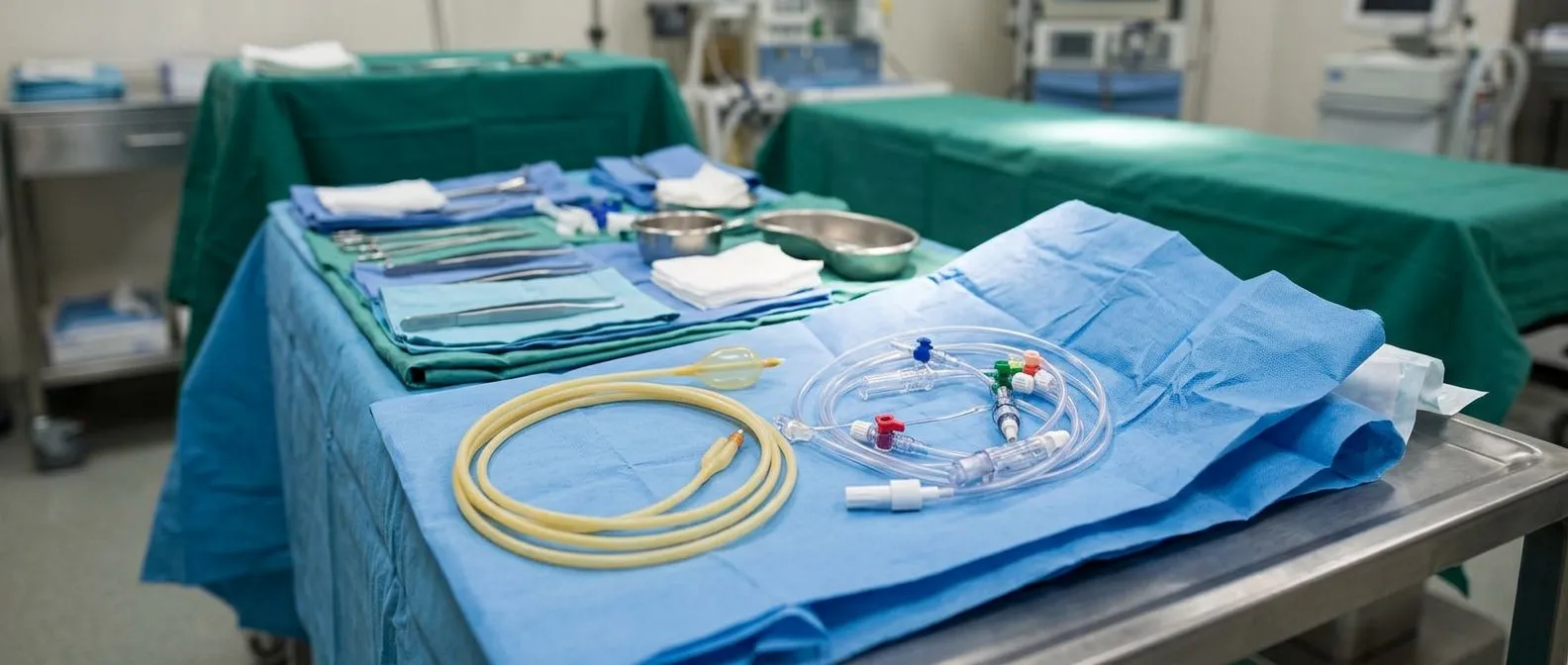
Pulmonary artery pressure measurement requires specialized techniques because a standard blood pressure cuff cannot capture pressures within the vessels of the lungs. The most accurate method is right heart catheterization, a procedure in which a thin, flexible tube called a Swan-Ganz catheter is guided through a vein in your neck or upper chest into the right atrium (the upper-right receiving chamber of the heart), then through the right ventricle and into the pulmonary artery. An arterial line may also be placed in your wrist to monitor systemic pressures simultaneously, giving your team a complete picture of both sides of the circulation.
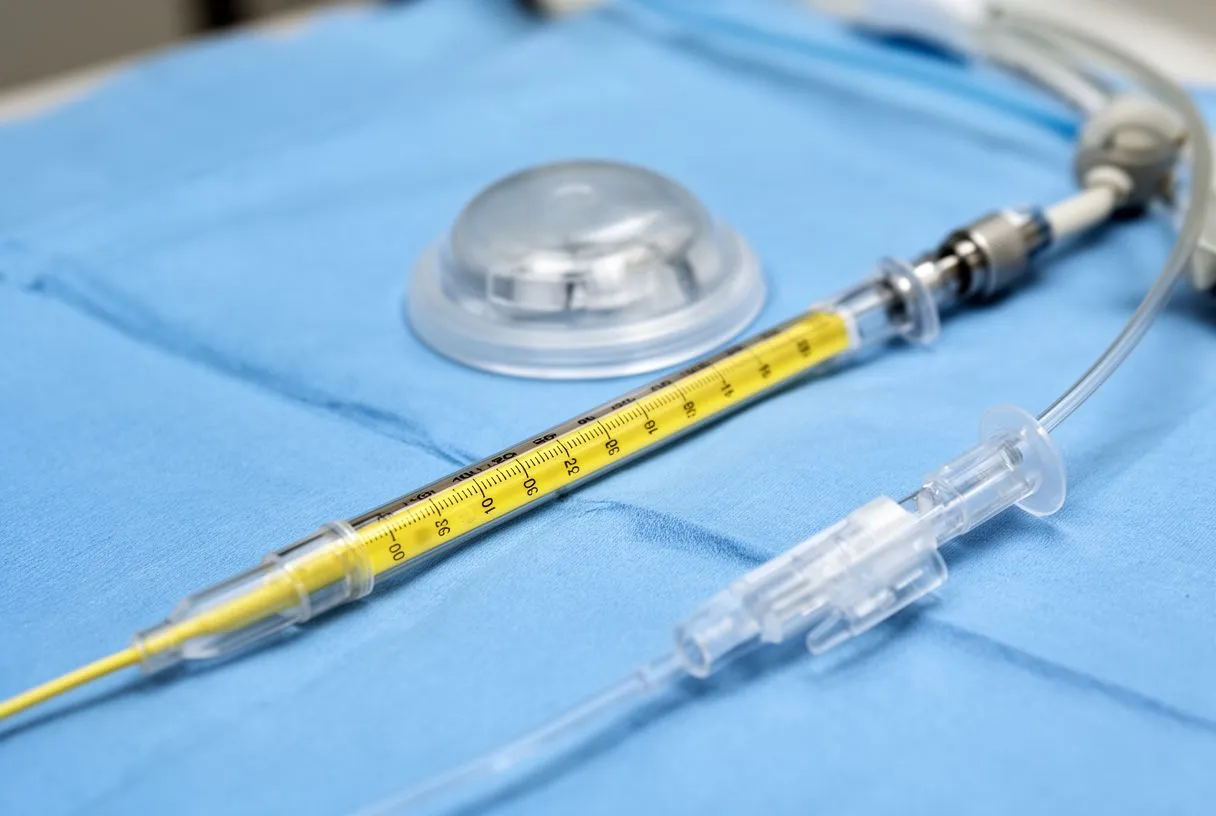
Echocardiography provides a non-invasive estimate of pulmonary artery pressure by measuring the speed of blood flow and using that data to calculate pressure gradients. While useful for screening and ongoing monitoring, echocardiographic estimates can vary and may overestimate or underestimate true values by a meaningful margin. When clinical decisions hinge on exact numbers — such as starting targeted medication therapy or evaluating someone for surgery — your team will usually confirm the findings with catheterization, the accepted gold standard for accuracy.
What to expect during a pulmonary artery pressure test: Right heart catheterization is typically performed under local anesthesia with mild sedation. Most patients feel pressure at the insertion site but not sharp pain. The procedure generally takes 30 to 60 minutes, and many people go home the same day. Your cardiologist will explain the specific risks — which are low overall but can include bleeding at the insertion site, temporary arrhythmia, or vessel irritation — and will discuss what the results mean for your individual situation before you leave.
What Causes Elevated Pulmonary Artery Pressure?
High pulmonary artery pressure readings can arise from several distinct mechanisms, and identifying the cause is essential because treatment differs dramatically depending on the source. The most common cause worldwide is left heart disease — conditions such as mitral valve disease, aortic valve disease, or heart failure with preserved ejection fraction. When the left side of the heart does not relax or pump efficiently, pressure backs up through the left atrium, into the pulmonary veins, and then into the pulmonary arteries, raising readings from the downstream side. According to the American Heart Association, left heart disease accounts for a substantial proportion of pulmonary hypertension cases encountered in routine clinical practice (ahajournals.org).
- Lung disease: Chronic obstructive pulmonary disease, interstitial fibrosis, and sleep apnea reduce blood oxygen levels, causing pulmonary arteries to constrict and their walls to thicken over time.
- Chronic thromboembolic disease: Old or recurrent blood clots in the pulmonary arteries narrow the vessels directly, creating a form of hypertension that can sometimes be treated surgically.
- Connective tissue and systemic disease: Conditions such as scleroderma, lupus, or chronic liver disease with portal hypertension can inflame and remodel the pulmonary vasculature independently of other causes.
Less common but important causes: Some cases stem from congenital heart defects present since birth, HIV infection, or exposure to certain medications and toxins. A family history of pulmonary hypertension also raises risk. Because the underlying cause drives every treatment decision, your cardiologist will order a thorough workup that may include blood tests, chest imaging, pulmonary function studies, and sometimes a ventilation-perfusion scan to identify or rule out each possibility before recommending a specific therapy.
Pulmonary Artery Hypertension Symptoms to Watch For
Pulmonary artery hypertension symptoms often begin subtly and can be mistaken for general fatigue or lack of fitness, which is why many people live with elevated pressure for months or even years before diagnosis. The earliest and most common symptom is shortness of breath during activity — climbing stairs, walking uphill, or carrying groceries. You may notice that tasks you once did easily now leave you winded, and that resting takes longer before you feel recovered. This breathlessness occurs because high pressure in the pulmonary arteries limits how much blood the right heart can push through the lungs, reducing oxygen delivery to your body.
As pressure rises further, symptoms tend to progress. Many patients develop chest discomfort or a feeling of pressure in the chest, especially with exertion. Some experience dizziness or lightheadedness, and in more advanced cases, fainting episodes called syncope can occur during physical effort. Swelling in the ankles, legs, or abdomen may develop as the right heart struggles to keep up, causing fluid to accumulate downstream. Your doctor may detect additional signs during auscultation — the process of listening to your heart and lungs with a stethoscope — such as a prominent pulmonary valve closing sound or a murmur suggesting tricuspid valve regurgitation.
When to seek medical evaluation: If you experience new or worsening shortness of breath, unexplained chest discomfort, fainting, or rapid swelling in your lower legs, contact your physician promptly. These symptoms are not specific to pulmonary hypertension — they overlap with many heart and lung conditions — but they signal that your circulation is under strain and deserves professional assessment. Early evaluation is particularly important if you have a known risk factor such as connective tissue disease, a family history of pulmonary hypertension, or chronic lung disease.
Types of Pulmonary Artery Pressure Classification
Pulmonary hypertension is not a single disease but a group of conditions unified by elevated pulmonary artery pressure, and clinicians classify them into five groups based on the underlying mechanism. This classification, developed by the World Health Organization and refined through international consensus, guides both prognosis and treatment. Group 1, pulmonary arterial hypertension, involves direct disease of the pulmonary arteries themselves — including idiopathic cases (where no cause is found), heritable forms, and those associated with connective tissue disease or congenital heart defects. Group 2, the most common, results from left heart disease such as valve dysfunction or heart failure.
Group 3 encompasses pulmonary hypertension caused by lung disease or chronic low oxygen levels, including COPD, interstitial lung disease, and sleep-disordered breathing. Group 4 is driven by chronic thromboembolic disease — old or recurrent clots that scar and narrow the pulmonary arteries. This group is especially important to identify because it is the one form that can potentially be cured with surgery, specifically a procedure called pulmonary endarterectomy. Group 5 covers miscellaneous causes with unclear or multifactorial mechanisms, such as blood disorders, metabolic diseases, and chronic kidney failure requiring dialysis.
Why the group matters for your treatment: A patient with Group 2 pulmonary hypertension related to a diseased mitral valve may benefit from valve repair or replacement, while someone with Group 1 disease might respond to targeted vasodilator medications that dilate the pulmonary arteries. A person with Group 4 disease could be evaluated for surgical clot removal. Treating the wrong group with the wrong therapy can be ineffective or even harmful, which is why your cardiologist invests significant effort in accurate classification before recommending a specific plan. The group assignment is not a label to memorize but a clinical tool that shapes every decision that follows.
Right Heart Catheterization for Pulmonary Artery Pressure
Right heart catheterization is the definitive pulmonary artery pressure test, and understanding what happens during the procedure can ease much of the anxiety that surrounds it. After local anesthesia is applied to the skin, the cardiologist inserts a thin sheath into a vein — usually the internal jugular vein in the neck or the femoral vein in the groin. Through this sheath, the Swan-Ganz catheter is advanced under fluoroscopic (live X-ray) guidance through the right atrium, across the tricuspid valve into the right ventricle, and finally through the pulmonary valve into the pulmonary artery. Pressure sensors at the catheter tip record readings at each location in real time.
Beyond simply measuring pressure, the catheterization provides data that echocardiography cannot. The procedure captures pulmonary capillary wedge pressure, which reflects the pressure in the left atrium and helps distinguish between pulmonary hypertension caused by left heart disease and that caused by primary lung or vascular disease. Your team can also measure cardiac output — how much blood the heart pumps per minute — and calculate pulmonary vascular resistance. In some cases, medications such as inhaled nitric oxide or intravenous vasodilators are administered during the procedure to see whether the pulmonary arteries respond by relaxing, a test known as vasoreactivity testing.
Recovery and what happens after: Most patients are observed for a few hours after catheterization and go home the same day. You may have a small dressing at the insertion site and will be advised to avoid strenuous activity for a short period. Your cardiologist will review the results with you at a follow-up visit, explaining the specific pressure values, what they indicate about the underlying cause, and how they inform the recommended treatment plan. If you are traveling from outside the region for this evaluation, ask your team about the expected timeline so you can plan accordingly.
Pulmonary Vascular Resistance and What It Tells Your Cardiologist
Pulmonary vascular resistance is a calculated value that describes how much the pulmonary blood vessels oppose blood flow, and it offers information that pressure alone cannot. Think of it this way: pressure is the force pushing blood forward, flow is how much blood moves, and resistance is how narrow or stiff the vessels are. A patient can have elevated pulmonary artery pressure simply because flow is very high — as happens in anemia or pregnancy — without the vessels themselves being diseased. Resistance distinguishes between high pressure from high flow and high pressure from diseased, narrowed vessels.
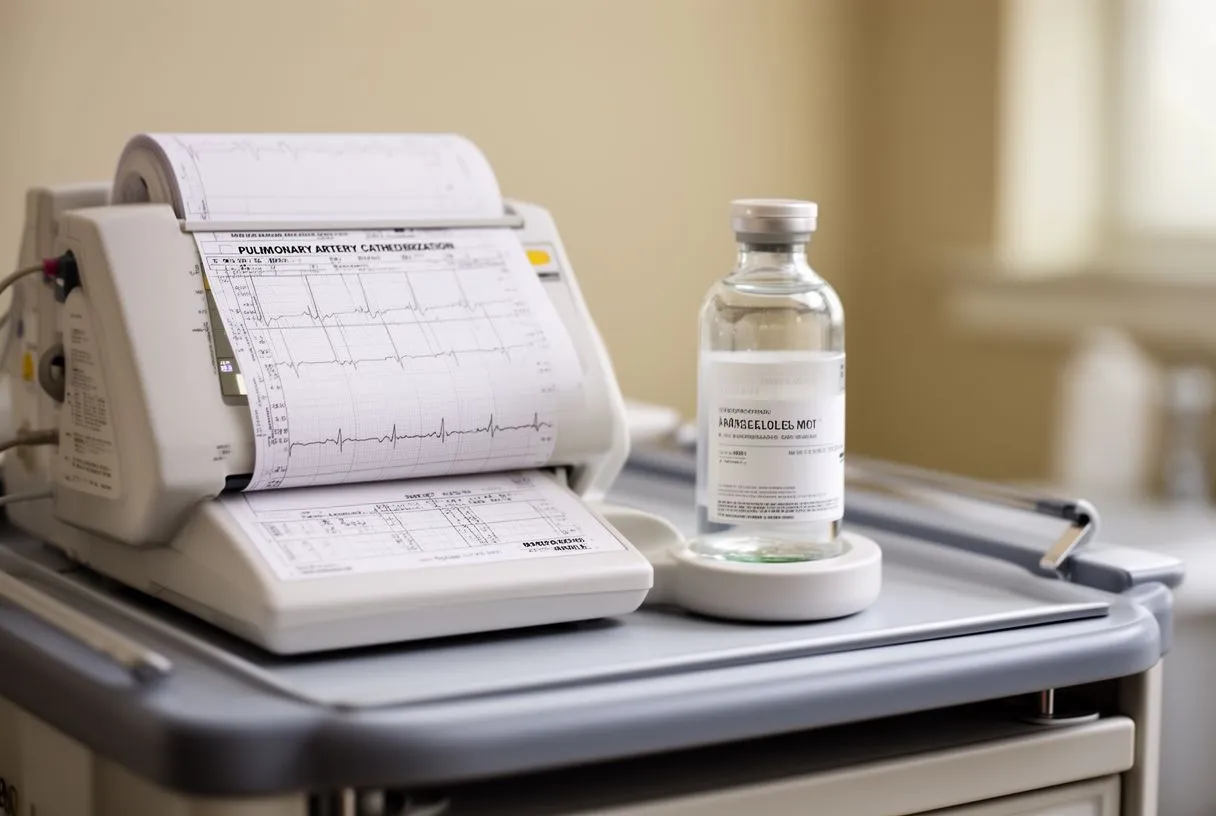
Normal pulmonary vascular resistance is roughly 1 to 2 Wood units (a standard clinical measure). Values above 3 Wood units indicate that the vessels themselves are abnormally narrowed or thickened, which points toward intrinsic pulmonary vascular disease rather than passive back-pressure from the left heart. This distinction matters enormously: a patient whose elevated pressure is driven by left heart disease may be treated with diuretics and valve correction, while someone with high resistance due to arterial disease may need targeted therapies that specifically dilate the pulmonary vasculature. Resistance also helps predict whether a patient will tolerate certain surgeries or interventions, including heart transplantation evaluation.
How resistance changes with treatment: In some forms of pulmonary hypertension, particularly Group 1, resistance can decrease meaningfully with targeted medication, indicating that the disease is responsive and the prognosis is more favorable. In advanced or fixed disease, resistance may remain high despite therapy, signaling that the vascular remodeling has become irreversible. Your cardiologist tracks resistance over time — alongside pressure, cardiac output, and your functional capacity — to judge whether your current treatment is working or whether adjustments are needed. No single value tells the whole story, but resistance is one of the most important pieces of the puzzle.
How Pulmonary Artery Pressure Affects the Right Heart
The right ventricle is the heart chamber responsible for pumping blood into the pulmonary arteries, and it is uniquely sensitive to changes in pulmonary artery pressure. Unlike the left ventricle, which is a thick, powerful muscle adapted to push against high systemic pressure, the right ventricle is thinner and designed for a low-pressure environment. When pulmonary artery pressure rises chronically, the right ventricle must work harder with every heartbeat to eject blood against that increased afterload. Over time, this sustained effort causes the muscle to thicken (hypertrophy) and eventually to dilate and weaken.
As the right ventricle begins to fail, a cascade of symptoms follows. The chamber cannot empty completely, pressure backs up into the right atrium and the systemic veins, and fluid accumulates in the legs, liver, and abdomen. Patients may notice swelling, abdominal fullness, and loss of appetite. Cardiac output falls, leading to fatigue, dizziness, and reduced exercise tolerance. Research has also explored whether inflammatory markers such as the ratio of high-density lipoprotein cholesterol to C-reactive protein can help predict outcomes in heart failure with preserved ejection fraction, a condition frequently linked to Group 2 pulmonary hypertension (High density lipoprotein cholesterol / C reactive protein ratio in heart failure with preserved ejection fraction). Arrhythmias such as atrial flutter can also develop as the right atrium stretches under chronic load.
Cor pulmonale and what it means: When right heart failure develops as a direct consequence of lung disease or pulmonary vascular disease, clinicians use the term cor pulmonale. This is not a separate diagnosis but a description of the end result: the lungs have placed such a burden on the right heart that it can no longer function adequately. Recognizing cor pulmonale early is critical because targeted treatment of the underlying pulmonary condition can sometimes reverse or stabilize the process before the right ventricle suffers irreversible damage. Your cardiac team monitors right heart function with echocardiography and sometimes cardiac MRI to track whether the heart is adapting or decompensating.
Treatment Options for High Pulmonary Artery Pressure
Treatment for high pulmonary artery pressure is always tailored to the underlying cause, the severity of the pressure elevation, and the individual patient's overall health. For Group 2 disease — where left heart problems drive the pressure — treating the primary cardiac condition is the cornerstone. This may involve repairing or replacing a diseased mitral or aortic valve, optimizing heart failure medications, or addressing arrhythmias such as atrial flutter with catheter ablation or medication. When the left heart problem is corrected, pulmonary pressure often falls substantially without needing any direct pulmonary vasodilator therapy.
For Group 1 pulmonary arterial hypertension and some Group 4 cases, targeted medications are the mainstay of treatment. These include endothelin receptor antagonists, phosphodiesterase-5 inhibitors, prostacyclin pathway agents, and soluble guanylate cyclase stimulators — each working through a different mechanism to relax and remodel the pulmonary arteries. Some patients benefit from combination therapy using two or more agents from different classes. Nurse-coordinated home-based cardiac rehabilitation programs have also shown promise in supporting patients with heart failure through structured exercise, education, and monitoring, as highlighted in a recent scoping review of the evidence (Nurse-coordinated home-based cardiac rehabilitation for patients with heart failure: A scoping review). In advanced cases, procedures such as balloon angioplasty of narrowed pulmonary arteries or, in selected Group 4 patients, pulmonary endarterectomy may be considered.
- Targeted vasodilator therapy: Medications that specifically dilate pulmonary arteries can lower pressure, improve symptoms, and slow disease progression in Group 1 and selected Group 4 patients.
- Diuretics and fluid management: When the right heart is struggling, careful use of diuretics reduces fluid overload and relieves swelling, though dosing must be balanced to avoid lowering cardiac output too aggressively.
- Supervised exercise and rehabilitation: Structured, monitored exercise programs improve functional capacity and quality of life for many patients, though they must be tailored to individual tolerance and disease severity.
Advanced therapies and transplant evaluation: When medical therapy is insufficient, your team may discuss more advanced options. These can include atrial septostomy — creating a small communication between the right and left atrium to relieve right heart pressure — or evaluation for lung or heart-lung transplantation. Transplant is reserved for the most severe cases where other treatments have failed, and candidacy depends on many factors including age, overall health, and disease progression. The decision is never made lightly and always involves a multidisciplinary team evaluating the risks and benefits specific to your situation.
Living With Pulmonary Artery Hypertension: Long-Term Outlook
Living with pulmonary artery hypertension requires ongoing partnership with your cardiac team, but many patients maintain meaningful quality of life with proper treatment and monitoring. The long-term outlook depends heavily on the underlying cause, how early the condition was diagnosed, and how well the pulmonary vasculature responds to therapy. Group 2 disease driven by a correctable valve problem may improve dramatically after surgery, while Group 1 disease often requires lifelong medication but can be managed effectively for years. Your cardiologist uses regular follow-up visits, echocardiography, and sometimes repeat catheterization to track whether your treatment is working and to adjust therapy as needed.
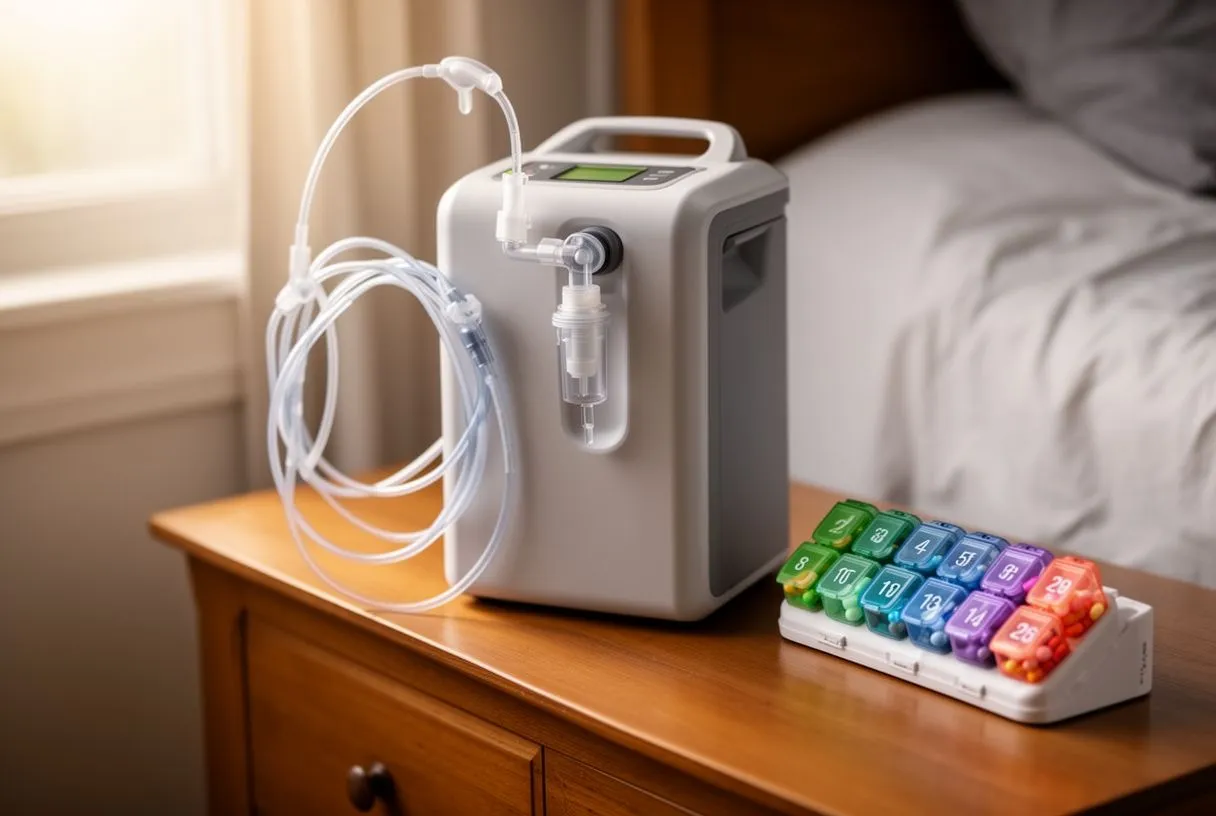
Day-to-day management involves several practical steps. Patients are generally advised to monitor their weight daily, as sudden gain can signal fluid retention and right heart strain. Staying physically active within your tolerance is encouraged — supervised, graded exercise helps maintain muscle tone and cardiovascular conditioning — but you should avoid pushing to the point of severe breathlessness. If you are prescribed medications such as targeted vasodilators or anticoagulants, taking them consistently and attending all follow-up appointments is essential. Some patients may also benefit from supplemental oxygen, particularly those with concurrent lung disease. If you are traveling internationally for treatment, discuss medication continuity and local follow-up options before you leave.
When to seek urgent care: Contact your medical team immediately if you experience sudden worsening of breathlessness, fainting, rapid or irregular heartbeat, chest pain at rest, or significant new swelling. These may indicate that your condition is progressing or that a new complication has developed. The goal of long-term management is not simply to extend life but to preserve the activities and experiences that matter to you. If you or a family member has received an abnormal pulmonary artery pressure reading or are experiencing symptoms that concern you, we encourage you to discuss your situation with a qualified cardiac team and book a consultation rather than self-diagnosing. Every patient's anatomy, history, and circumstances are unique, and the right plan can only be built through careful, individualized evaluation.






