

Robotic Mitral Repair: Recovery and Results
Robotic mitral repair recovery week by week: hospital stay, home recovery tips, success rates, and how it compares to open heart surgery.
If you have been told your mitral valve is leaking and that surgery is the best option, the word "robotic" can sound both promising and unsettling. What actually happens? How long does a robotic mitral repair recovery take, and how does it compare with open heart surgery? This guide walks through the whole journey, from the decision to operate to the day you get back to normal life, so you know what to expect at every stage.
What Is Robotic Mitral Repair Surgery?
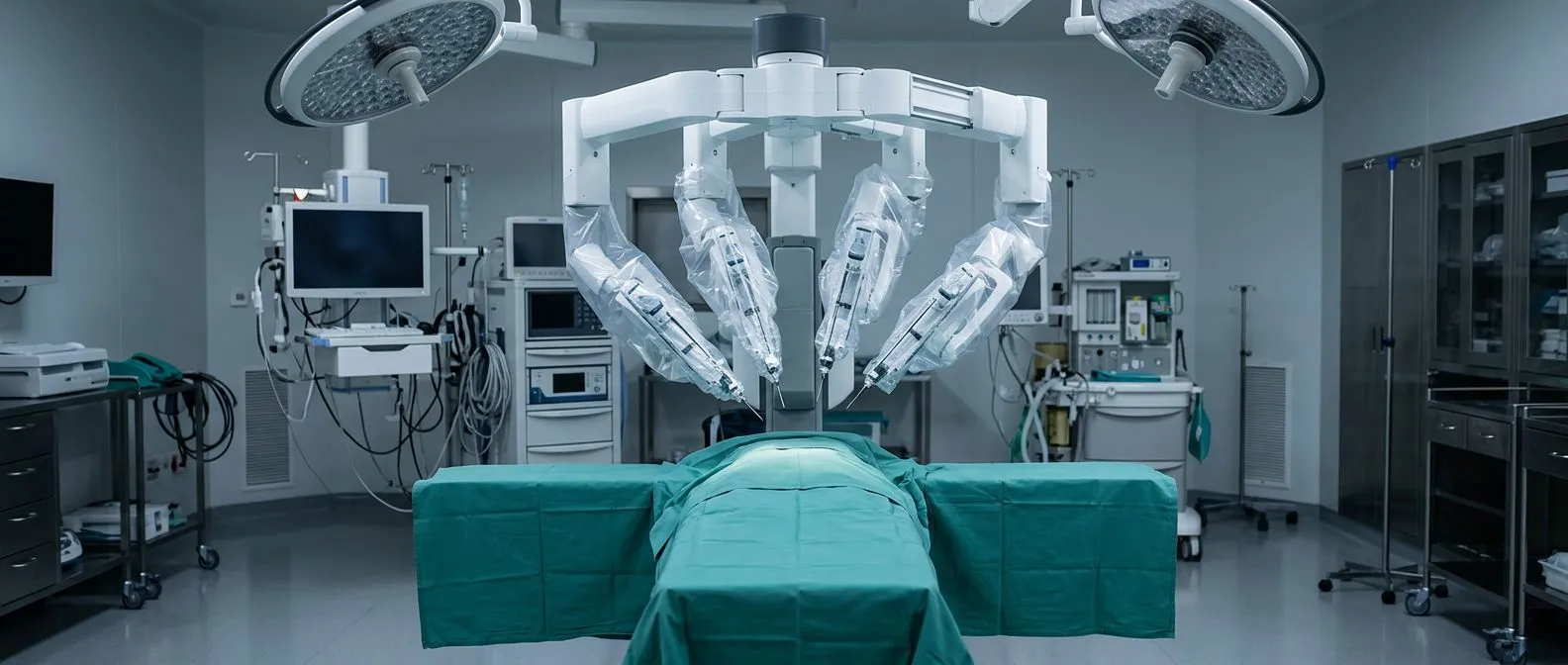
Robotic mitral repair is an operation to fix a leaking mitral valve without opening the chest through the breastbone. Instead, the surgeon makes a few small incisions between the ribs and controls surgical instruments from the console of a robotic system. The robot translates the surgeon's hand movements into precise, tremor-free motions inside the chest, while a camera gives a magnified, three-dimensional view of the valve.
Repair versus replacement: whenever possible, the surgeon repairs your own valve rather than replacing it with an artificial one. Preserved natural tissue tends to last well and avoids the need for lifelong blood thinners that some mechanical replacements require. Repair is the preferred approach for most degenerative valve disease, and Transcatheter Edge-to-edge Repair (TEER) is a less invasive alternative for carefully selected patients who cannot tolerate surgery.
Who performs it: this is a team operation demanding specific training. We are a multidisciplinary team of cardiac surgeons led by Dr Alejandro Molina, and we perform conventional, minimally invasive, robotic and transcatheter procedures — recommending the less invasive route only where the evidence supports it for that patient. Not every hospital or surgeon offers robotic mitral surgery, so asking about a surgeon's experience with this exact technique is a fair and sensible question.
Why Mitral Regurgitation Needs Repair
The mitral valve sits between the left atrium and the left ventricle, the two chambers on the left side of the heart. When it closes, it must seal completely so blood flows forward with each heartbeat. Mitral regurgitation means the valve leaks: blood flows backwards, the heart does extra work, and over time the heart enlarges and weakens.
Symptoms you may notice: breathlessness on exertion, fatigue, palpitations, or swelling of the ankles. Some patients feel almost nothing for years, which is why regular follow-up with echocardiography (an ultrasound of the heart) matters. When the leak becomes severe, guidelines recommend intervention before the heart muscle sustains lasting damage.
Timing the operation: cardiologists use measurements from your echocardiogram to decide when surgery should happen. In our consultations we take the time to explain what the studies actually show, in plain words, and to answer every question before any decision is made. Deciding early — while the heart is still working well — generally leads to better long-term results than waiting until symptoms are severe.
How Robotic Mitral Valve Repair Works Step by Step
Knowing the sequence of events can ease a great deal of anxiety, so here is the typical flow of a robotic mitral valve operation.
- Anaesthesia and preparation: you receive general anaesthesia, a breathing tube is placed, and a special ultrasound probe (transoesophageal echocardiogram) confirms the valve problem before and after the repair.
- Access incisions: the surgeon makes a small incision on the right side of the chest, about 3–4 cm, plus one or two tiny port sites for the robotic instruments.
- The heart-lung machine: blood is diverted through a pump (cardiopulmonary bypass) so the heart can be temporarily stopped and operated on in a still, bloodless field.
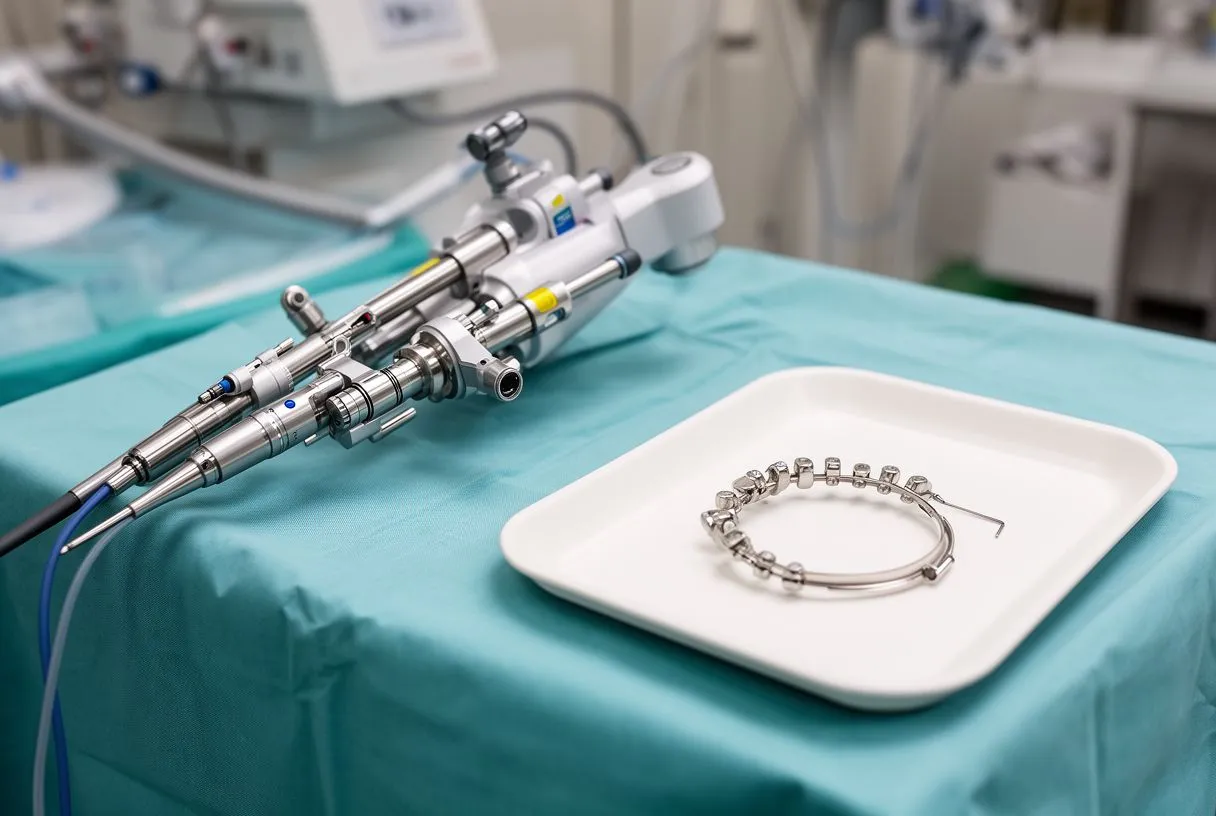
- The repair itself: depending on the valve problem, the surgeon may reattach stretched cords, remove redundant leaflet tissue, place an annuloplasty ring, or use other techniques.
- Checking the result: before closing, the ultrasound probe verifies that the leak is gone and the valve works properly.
Dr Molina performed the first robotic mitral valve repair in the Ángeles Health System and the first robotic heart surgery in Guadalajara, and trained in cardiac, minimally invasive, robotic and structural surgery at the University of Montreal. The operation itself usually takes three to four hours, though complex valves can take longer.
Robotic Mitral Repair Recovery: Week by Week
This is the question nearly every patient asks first, and the honest answer is that recovery comes in stages rather than a single date. A typical robotic mitral valve repair recovery time follows a pattern like this.
Days 1–5 in hospital: you wake up in an intensive care unit or a monitored Recovery Room, sit up the same day or the next, and start walking within a day or two. Chest tubes and the bladder catheter come out over the first few days. With robotic access there is no sternotomy wound, so breathing and moving are noticeably easier than after open surgery.
Weeks 1–3 at home: energy is the limiting factor. Short daily walks, gradually lengthening, are the main activity. Most patients feel well enough to manage light housework and short outings by the end of the second or third week. Driving usually resumes around two to four weeks, once your surgical team confirms it is safe and any pain medication is stopped.
Weeks 4–8: many patients return to desk work around four weeks and to more physically demanding jobs around six to eight weeks. A structured cardiac rehabilitation programme, where available, guides your progress safely. By two to three months, most patients feel essentially back to normal, and many say better than before — because the leaking valve is no longer burdening the heart.
Hospital Stay and the First Days After Surgery
What the first 48 hours feel like: expect soreness in the right chest and throat discomfort from the breathing tube. You will be encouraged to cough, breathe deeply, and move your legs frequently to protect the lungs and prevent clots. Pain after robotic surgery is usually modest and well managed with tablets rather than strong infusions.
Monitoring and checks: nurses track your heart rhythm, oxygen levels and urine output closely. Some patients notice a temporary irregular heartbeat (atrial fibrillation) in the days after any mitral operation; this is common and usually settles with medication. Small port wounds heal quickly, though bruising around them is normal for a week or two.
Going home: most robotic mitral patients leave hospital between three and five days after surgery, sometimes sooner. Before discharge, the healing wounds, the echo result and your medications should be reviewed, and you should leave with a clear plan and agreed follow-up dates. You will leave with specific instructions on wound care, activity limits, and when to call if something worries you.

Recovering at Home: Heart Valve Repair Recovery Tips
Home recovery is where most of the healing happens, and small habits make a real difference in heart valve repair recovery at home.
- Walk every day: start with 5–10 minutes two or three times a day and add a few minutes each day. Walking is the single best recovery exercise after mitral surgery.
- Eat for healing: aim for protein at every meal, plenty of vegetables, and follow any fluid or salt instructions your team gives you.
- Protect your sleep: plan daytime naps early on; sleep improves markedly over the first two to three weeks.
- Watch the wounds: mild redness is normal, but spreading redness, discharge, or fever needs a call to your team the same day.
- Respect the limits: no lifting more than about 5 kg, no pushing or pulling heavy objects, and no driving until cleared.
Emotional recovery is real too: many patients feel low, tearful or anxious in the first weeks. This is a recognised part of recovering from any heart operation and improves steadily. Family support, gentle routine, and talking about it openly all help. If low mood persists beyond a few weeks, mention it at your follow-up visit.
Robotic Surgery vs Open Heart Recovery
The incision is the biggest difference: traditional mitral valve surgery divides the breastbone (sternotomy), which needs roughly eight to twelve weeks of sternal precautions — no lifting, no pushing, no driving for longer — while the bone heals. Robotic access avoids this entirely, which is why restrictions lift much sooner.
What patients report: less pain medication, shorter hospital stay, faster return to work and driving, and smaller scars. For patients who work, care for others, or value a rapid return to normal life, these differences are meaningful. Studies of endoscopic and robotic mitral techniques have documented shorter stays and faster functional recovery compared with sternotomy, while achieving comparable repair quality for degenerative disease, including in complex cases.
It is not automatically better for everyone: factors such as lung disease, previous chest surgery, vascular problems in the legs, or severe valve complexity can make a conventional approach the safer choice. Every case is reviewed by our multidisciplinary team against international practice guidelines before a recommendation is given, and the patient receives a clear proposal with the alternatives — the final decision is always theirs.
How Successful Is Robotic Mitral Valve Repair?
Repair quality is the measure that matters: the goal is a durable, watertight repair with low operative risk. Experienced centres report high repair success rates for degenerative mitral disease, consistent with the best open-heart series. The key variable is the surgeon's experience, not the robot itself.
Evidence from transcatheter options: for patients who are not candidates for surgery, a meta-analysis of transcatheter edge-to-edge mitral repair devices shows these techniques reduce the leak and improve symptoms and outcomes in appropriately selected patients. Transcatheter Mitral Valve Replacement, where a new valve is delivered through a catheter, is an emerging option in specific circumstances.
Complexity matters: highly complex valve anatomy can still be repaired robotically in experienced centres, though some disease patterns are better suited to other approaches. When we review a case, we weigh the valve anatomy, the heart's function and the patient's overall health, and we recommend the least invasive option the evidence genuinely supports for that person. The European Society of Cardiology guidelines provide the framework most teams use for these decisions.
Disadvantages and Risks of Robotic Heart Surgery
Honest limitations: robotic surgery still uses the heart-lung machine and carries the same fundamental risks as any heart valve operation — bleeding, infection, stroke, arrhythmia and, rarely, conversion to an open approach if a problem arises. Robotic access also depends on the patient's chest anatomy and lung function, and it takes longer to set up than a standard incision.
Surgeon learning curve: outcomes improve with a team's experience, which is why case volume and training matter when comparing programmes. If a complication occurs mid-operation, the team must be able to convert safely to conventional surgery — so ask any centre you are considering how often that happens and how they handle it.
Who may not be a candidate: significant peripheral artery disease, severe lung disease, recent stroke, or extreme valve complexity can favour an open approach. Being turned down for robotic surgery is not bad news — it means your team is choosing the lowest-risk route for your situation. We also encourage second opinions and treat seeking one as a normal part of deciding about heart surgery.
Cost, Consultation, and Choosing a Heart Surgeon
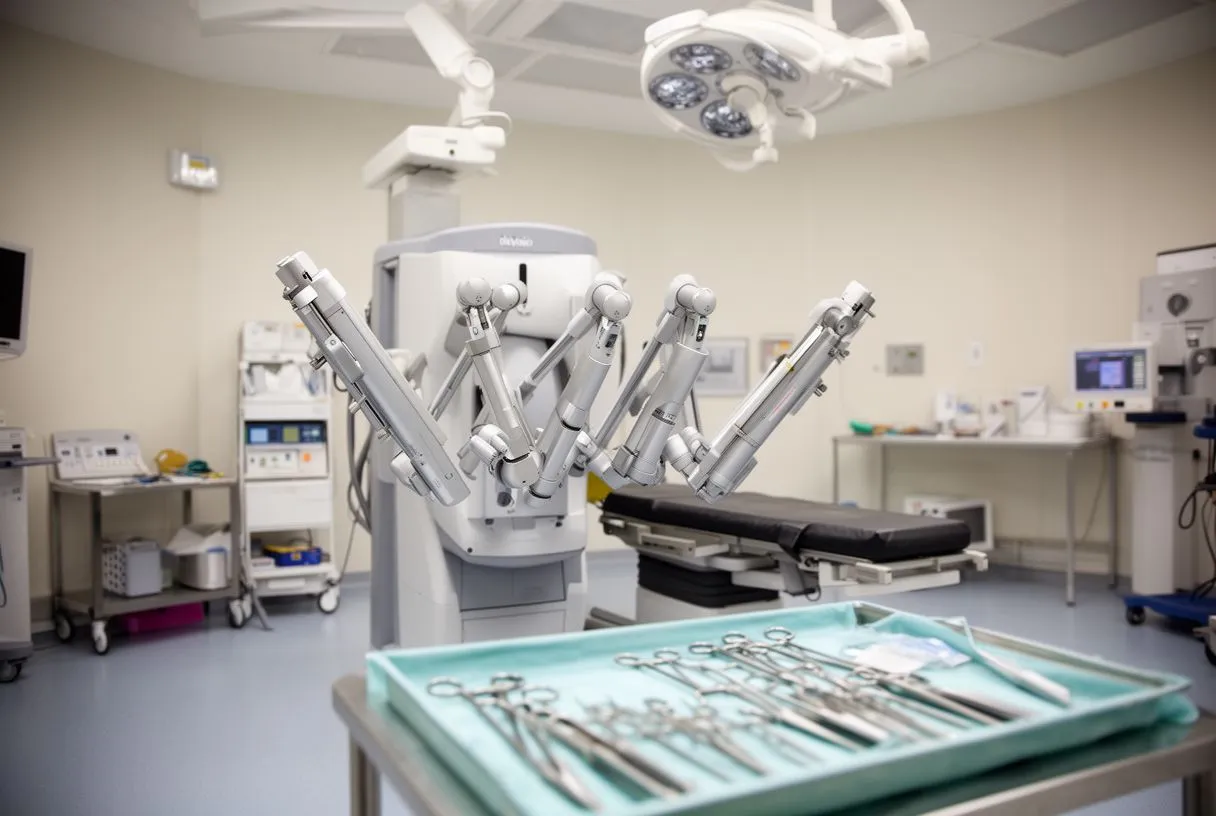
What drives the cost: the hospital where the operation is performed, the length of stay, the valve technology used, and whether your insurance covers robotic procedures. Robotic systems carry equipment costs, which can affect the price of the operation, although shorter stays sometimes offset that. If you are travelling internationally, add flights, accommodation for a companion, and a buffer for extra days of stay. Always ask for a written estimate covering the surgical fee, hospital, anaesthesia and any expected devices.
Questions worth asking any centre: how many robotic mitral repairs does your team perform each year? What are your repair success and conversion rates? What is your typical hospital stay and discharge plan? How is my follow-up arranged if I live abroad?
How we work with patients: the first contact is a free video consultation, where we get to know the patient, talk through the condition, and say which studies are still needed so no unnecessary ones are ordered — a face-to-face visit at our consulting rooms in Guadalajara, Querétaro or Hermosillo follows when the patient decides to go ahead. If you have been told you need mitral valve surgery, or you are simply unsure whether your leak needs treatment, the safest next step is a conversation with a qualified cardiac team rather than waiting for symptoms to worsen.
Conclusion: robotic mitral repair offers a durable fix for a leaking mitral valve with a much easier recovery than open surgery — most patients leave hospital within a few days, drive within a few weeks, and return to work around four to six weeks. The key questions are your valve anatomy, your heart's function, and the experience of the team you choose. If you have been diagnosed with mitral regurgitation, bring your latest echocardiogram to a consultation, ask every question you have, and make the decision only when you understand all the options.






