

Robotic Surgery Training for Heart Surgeons
Robotic surgery training heart surgeons need: a complete guide to robotic training programs, certification, and what credentials mean for your cardiac care.
Robotic surgery training for heart surgeons has quietly transformed how valve and coronary operations are performed around the world. For patients, it can mean smaller incisions, less blood loss, and a faster return to normal life. For surgeons, it demands an entirely new set of skills built on top of open-heart experience. This guide explains what that training involves, how long it takes, and how families in Mexico and beyond can judge whether a surgeon's robotic credentials genuinely match the operation they are being offered.
What Is Robotic Surgery Training for Heart Surgeons?
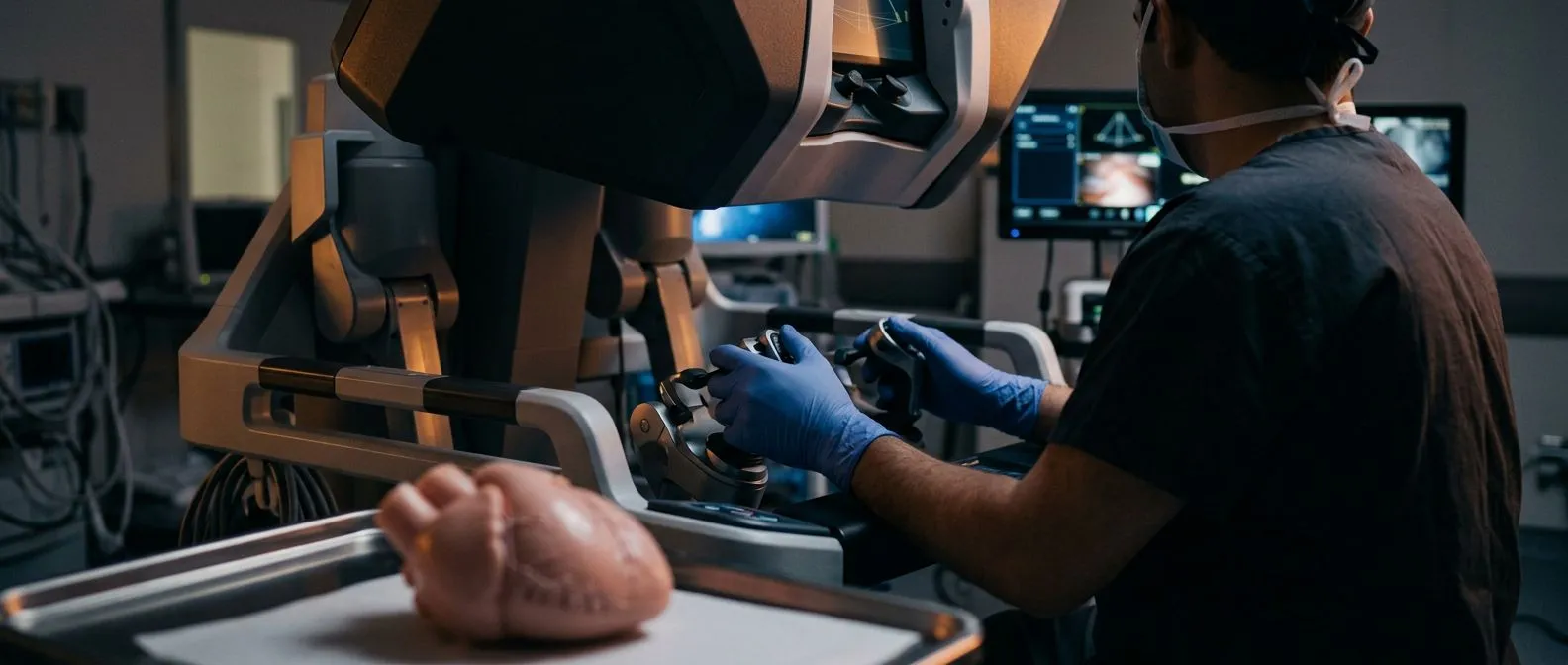
Robotic cardiac surgery means operating on the heart through a computer-assisted system rather than through a large opening of the chest. The surgeon sits at a console away from the operating table, controls articulated instruments with hand and finger movements, and views the surgical field in high-definition 3D. The robot does not act on its own; every motion is commanded and translated by the surgeon in real time.
Why this matters to patients. Traditional cardiac surgery requires splitting the breastbone, which takes weeks to heal and carries real recovery weight. A robotically assisted approach uses several small incisions between the ribs instead. Published reviews such as Robotic Applications in Cardiac Surgery describe how these techniques have been applied to mitral valve repair, coronary bypass, and other cardiac procedures with reduced surgical trauma.
What the training actually is. Robotic surgery training for heart surgeons is a structured curriculum: simulator practice, console exercises, case observation, supervised proctoring, and finally independent practice. It is layered on top of an already completed cardiothoracic residency. No surgeon begins robotic training as a beginner in heart surgery; the robot is a tool mastered by an experienced operator, not a substitute for surgical judgement.
How Does Robotic Cardiac Surgery Training Work?
Robotic cardiac surgery training follows a well-defined progression, and understanding it helps patients ask informed questions. The goal is simple: the surgeon must reach a level of fluency at the console before touching a real patient's heart.
- Knowledge phase: studying the platform's mechanics, instrument limitations, port placement, and how robotic anatomy differs from open anatomy.
- Simulator phase: dozens of hours on a virtual reality console building dexterity, camera control, and two-handed coordination.
- Assist phase: working at the patient's side during live robotic cases, managing ports and exchanging instruments.
- Supervised operative phase: performing steps of real cases under an experienced proctor until competence is documented.
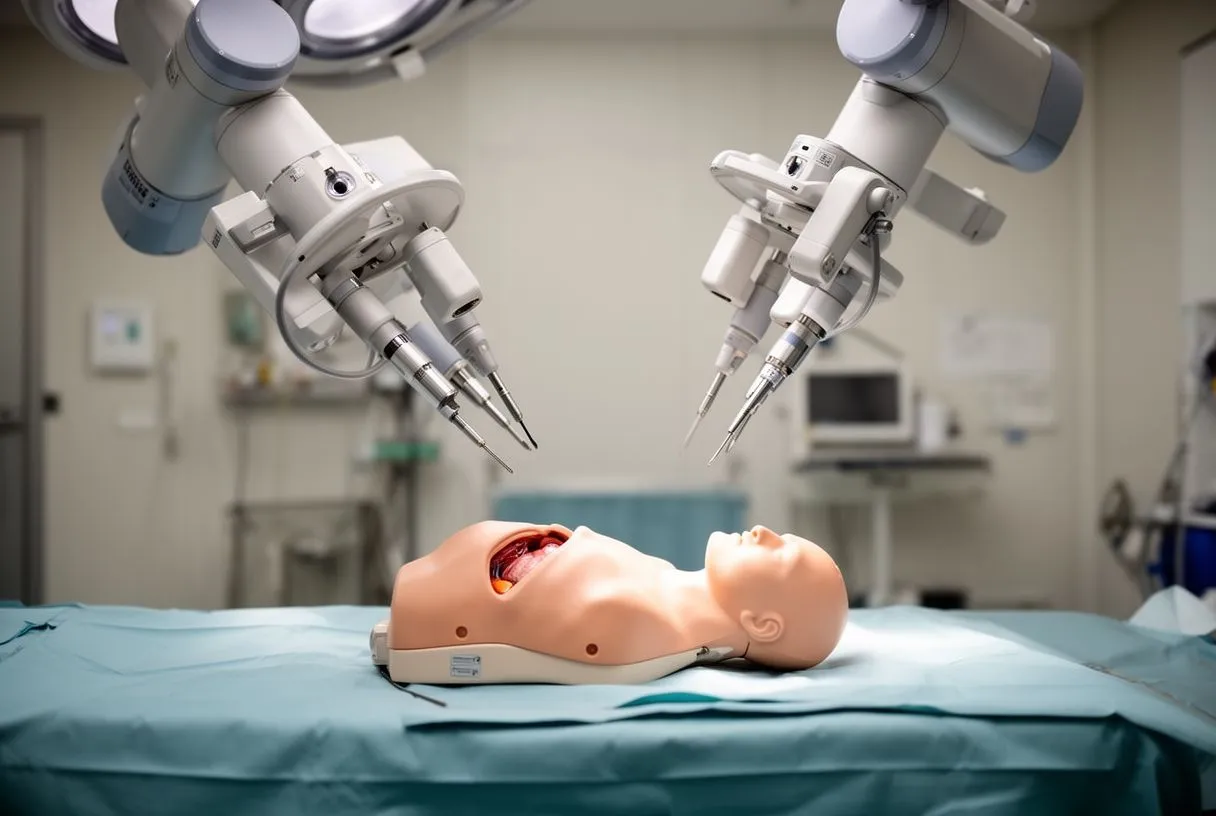
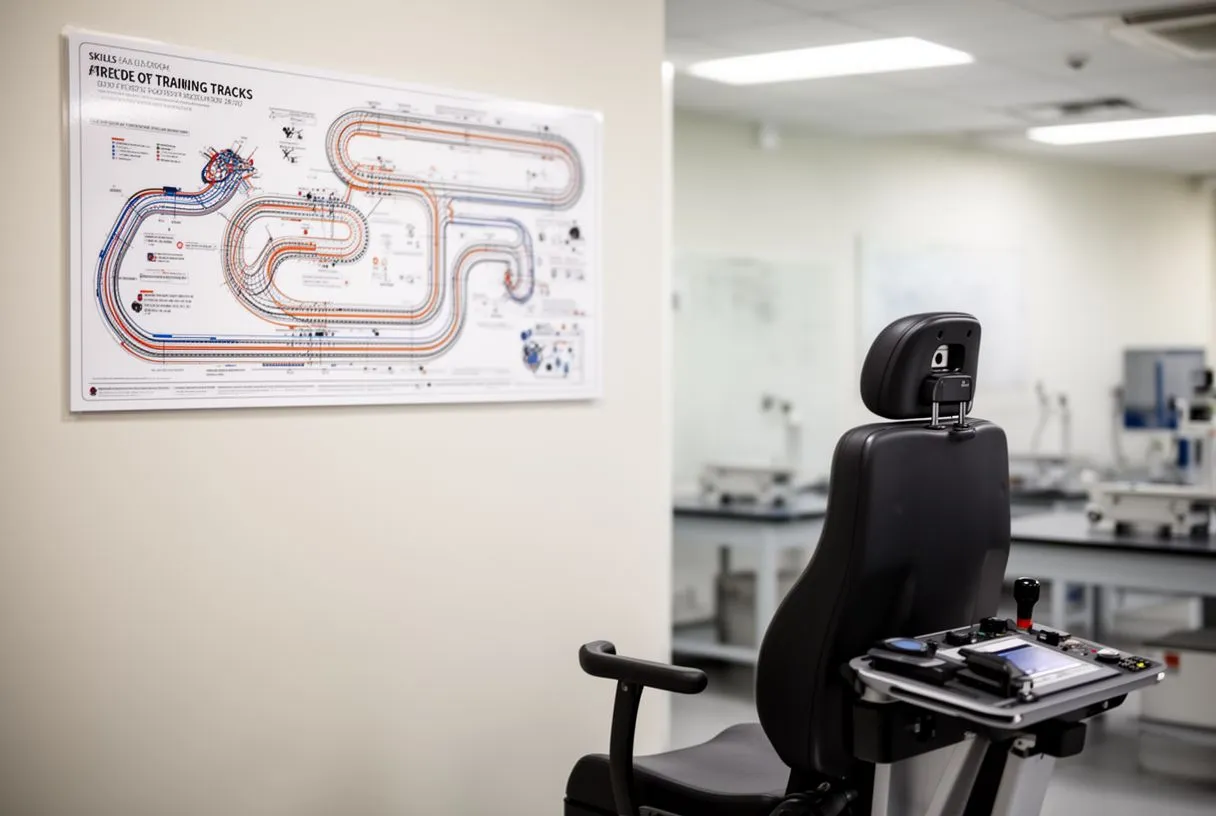
Simulator work comes first. Robotic surgery simulator training is not a formality. Platforms score each exercise on precision, economy of motion, and error rate, and surgeons must reach defined benchmarks before progressing. This mirrors how pilots are certified on simulators before flying new aircraft.
In our team's experience, the surgeon's own discipline matters more than the technology. Dr Molina trained in cardiac, minimally invasive, robotic and structural surgery at the University of Montreal.
What Is Robotic Heart Surgery Training?
When people search for robotic heart surgery training, they are usually referring to training on the surgical robot used in most robotic cardiac operations worldwide. Training on it is standardized by the manufacturer and by the surgical societies that credential surgeons for cardiac use.
The console itself. The surgeon sits with arms resting in a control pod, looking through a stereoscopic viewer that magnifies the field many times over. Foot pedals control the camera and clutching. Hand movements are scaled down and tremor-filtered, which is a genuine advantage when stitching delicate valve tissue.
Manufacturer pathways. Formal robotic training typically includes online modules, hands-on laboratory sessions on the actual hardware, and case observation. Harvard Health Publishing has noted the growth of robotic-assisted surgery across specialties and the importance of proper credentialing before surgeons operate independently.
From training to the heart. Cardiac use is among the most demanding applications of the platform because the heart moves, the working space between the ribs is narrow, and complications escalate quickly. That is why cardiac robotic credentialing is stricter than, say, urologic credentialing, and why a surgeon should be able to tell you exactly how they were credentialed.
How Long Does It Take to Learn Robotic Cardiac Surgery?
A common question from both patients and young surgeons is how long robotic surgery training actually takes. There is no single answer, but the honest range is measurable in years, not weekends.
For an already-trained cardiac surgeon. Adding robotic capability typically takes one to two years of dedicated effort: simulator certification, a robotic surgery fellowship or preceptorship, and a supervised series of cases. Surgeons already comfortable with minimally invasive mitral repair tend to progress faster because the port positions and surgical logic overlap.
For a resident or fellow. A cardiothoracic surgery residency takes roughly six to eight years after medical school. Subspecialty training in robotic cardiac surgery adds further time on top. A patient should be reassured by that, not alarmed: the long pipeline exists to protect them.
Learning never really stops. Robotic surgery fellowship cardiothoracic programs emphasize continued case volume as the true measure. A surgeon's recent and ongoing robotic case count predicts performance better than any certificate. When you meet a surgeon, asking "how many robotic cardiac cases did you do last year?" is a fair and reasonable question.
Types of Robotic Heart Surgery Training Programs
Not all programs are equal, and knowing the categories helps surgeons and referring cardiologists alike. Patients benefit too, because they can recognize the difference between a workshop and a fellowship.
- Fellowship-based training: a full year or more embedded in a high-volume robotic cardiac center, the gold standard route.
- Certificate courses and workshops: a minimally invasive robotic heart surgery course or robotic heart surgery workshop lasting days to weeks; valuable for exposure, never sufficient on its own for independence.
- Simulation-based programs: robotic surgery simulator training centers, some offering remote curricula and exam-style scoring.
- Proctoring programs: an experienced robotic surgeon supervises the candidate's first independent cases in their own hospital — robotic surgery proctoring for the heart is how most practicing surgeons transition safely.
Choosing among them. The best route depends on career stage. A fellow should prioritize volume and mentorship. An established open-heart surgeon should prioritize a structured proctoring pathway at a center with cardiac robotic experience. What should never happen is a surgeon declaring independence after a single course.
What we look for. When our team reviews a colleague's credentials or refers a case out, we ask about the supervised case series: how many operations, what mix of mitral and coronary work, and whether an experienced proctor signed off. That is the same scrutiny we encourage patients to apply.
Is a Robotic Heart Surgery Certificate Worth It?
Patients sometimes see certificates displayed and wonder what they prove. A robotic heart surgery certification documents completed training steps — simulator hours, lab work, coursework — but it is a milestone, not a promise of surgical skill.
What a certificate does prove. It shows the surgeon invested in a formal, verifiable pathway rather than a weekend course. It also shows a hospital had a credentialing process. Both are good signs of institutional seriousness.
What it does not prove. It does not tell you the surgeon's complication record, their case volume this year, or whether they can convert safely to an open operation if needed. Those answers come from direct conversation, not from a framed document.
The balanced view. Think of certification like a driving license. Passing the test matters, but you would still want to know how long someone has driven and in what conditions. The same logic applies when evaluating a cardiac surgeon's robotic credentials.
Robotic Mitral Valve Repair Training: What Surgeons Learn
The mitral valve, the valve between the heart's left upper and lower chambers, is the most common target of robotic cardiac surgery. Robotic mitral valve repair training is therefore the flagship curriculum in most programs, and it is technically the most demanding thing a console surgeon does.
The core skill is the repair itself. The surgeon places tiny artificial chords and a ring to restore the valve, working through ports with instruments barely wider than a pencil. Depth perception, suture tension, and knot placement are all learned on the simulator and in the lab long before the operating room.
Port placement and setup. Much of the learning curve involves the steps patients never see: patient positioning, lung isolation, port geometry, and docking the robot. Experienced robotic surgeons say setup discipline is what separates a smooth case from a difficult one.
Emergency conversion. Training also covers the rare moment when the robotic approach must be abandoned for an open operation. Surgeons drill this decision pathway because speed matters. In our team's practice, every case is reviewed by the multidisciplinary team against international practice guidelines before a recommendation is given — including an honest assessment of whether the robotic route is genuinely the lowest-risk option for that specific patient, and the final decision is always the patient's.
Are Robotic Heart Procedures Safe for Patients?
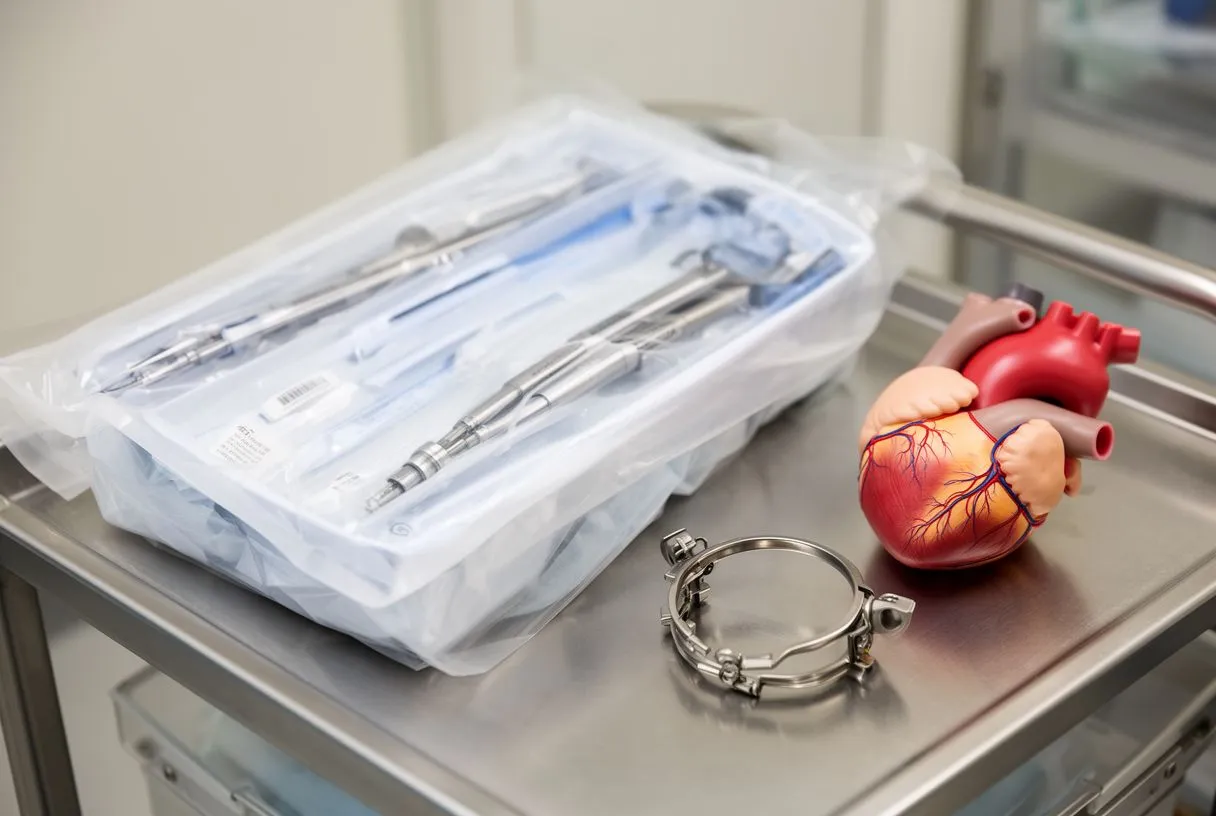
Safety is the question families ask first, and it deserves a plain answer: robotic heart surgery, in properly trained hands, is an accepted and evidence-supported approach for selected patients — but it is not automatically the right choice for everyone.
What the evidence shows. Studies summarized in reviews like A review of indocyanine green fluorescent imaging in surgery describe how advanced imaging used during robotic operations helps surgeons confirm tissue perfusion and valve function before closing. These are real technical advantages, documented in the surgical literature.
The honest trade-offs. Robotic operations take longer in the operating room. They require specific patient selection — some hearts, chest shapes, and lung conditions favor an open approach. And the technique's safety depends entirely on the surgeon's documented experience with it.
How patients should weigh it. Ask three things: is my anatomy suitable for a robotic approach, what is this surgeon's robotic volume, and what happens if conversion is needed? A trustworthy team answers all three without hesitation. In our practice, Dr Molina performed the first robotic mitral valve repair in the Ángeles Health System and the first robotic heart surgery in Guadalajara, and we recommend the less invasive route only where the evidence supports it for that patient.
How Do Patients Choose a Robotically Trained Cardiac Surgeon?
Choosing a cardiac surgeon is one of the most consequential decisions a family makes. The good news is that the questions are straightforward, and a good surgeon welcomes them.
Questions worth asking directly. Bring them written down to the consultation. They are not rude; they are exactly what a well-informed patient should ask.
- How many robotic cardiac cases did you personally perform in the past year?
- Were your first independent cases supervised by a proctor, and who was it?
- What is your approach if a robotic case needs to be converted to open surgery?
- Will my case be reviewed by a full multidisciplinary team before a recommendation?
Second opinions are normal. We encourage second opinions and treat seeking one as a normal part of deciding about heart surgery — no reputable team should ever pressure you to decide on the spot. If a surgeon resists the idea, that itself is information.
Red flags. Vague answers about volume, promises that robotic surgery is "painless," or dismissal of open surgery as obsolete should all prompt caution. The best robotic surgeons are also the first to say when an open operation is the wiser choice.
Robotic Cardiac Surgery Training in Mexico
Interest in robotic cardiac procedure training in Mexico has grown quickly, both among surgeons seeking programs and among patients seeking the smaller-incision option closer to home. Understanding the local landscape helps families in Guadalajara, Querétaro and Hermosillo make realistic plans.
Where training happens. Robotic cardiac surgery training in Mexico combines national residencies with international fellowships and proctorships. Mexican surgeons commonly complete part of their robotic preparation abroad — at centers in North America and Europe — and bring the technique back to hospitals equipped with the platform.
What patients should verify locally. The hospital must have the robotic platform, a trained bedside team, and a program for converting to open surgery. The surgeon must have a verifiable case series. Ask to see where the operation will happen and who the bedside team is; a well-organized program answers easily.
How a consultation with us works. The first contact is a free video consultation: we get to know the patient, talk through the condition, and say which studies are still needed so no unnecessary ones are ordered. In the consultation we explain what the studies actually show in plain words, answer every question before any decision, and a face-to-face visit follows only when the patient decides to go ahead.
Bringing it all together. Robotic surgery training for heart surgeons is a long, structured journey — simulator hours, fellowship or proctoring, supervised cases, and years of ongoing volume. For patients, the takeaway is not to fear or fetishize the robot, but to verify: the surgeon's training pathway, their case volume, and whether a multidisciplinary team honestly weighed the robotic option against alternatives for your specific heart. If you or a loved one is facing valve or coronary surgery, discuss your situation with a qualified cardiac team and book a consultation rather than self-diagnosing; the right decision is made with clear information and calm, unhurried conversation.






