Sternal Infection After Heart Surgery: Signs and Treatment
Learn sternal infection treatment after heart surgery—warning signs, surgical options, and recovery steps.
Most people who have heart surgery go home, heal, and never think about their breastbone again. But a small number of patients develop a sternal infection — an infection of the breastbone or the tissues around it after the chest is opened. Recognizing it early, understanding how it is treated, and knowing which symptoms deserve a call to your surgical team can make an enormous difference. This guide walks through the warning signs, the different types of sternal wound infection, how sternal infection treatment works step by step, and what recovery honestly looks like.
What Is a Sternal Infection After Heart Surgery?
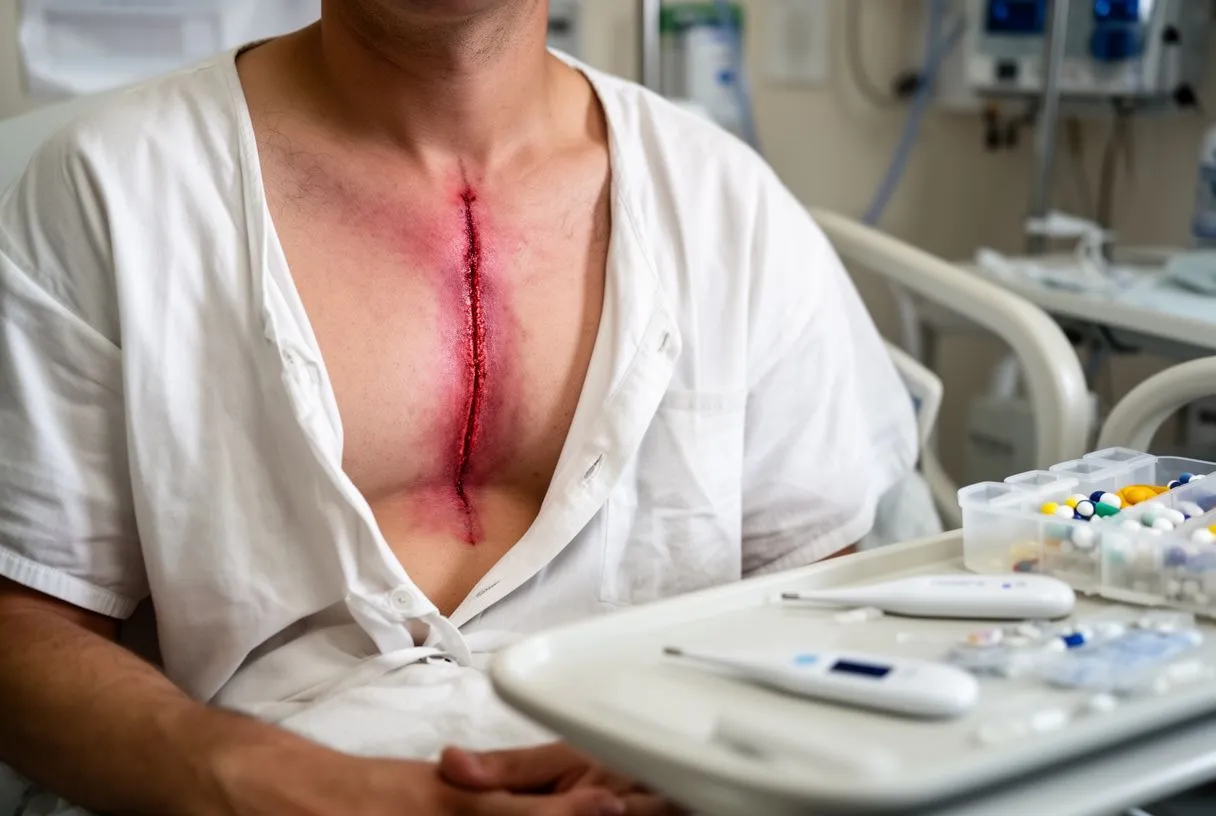
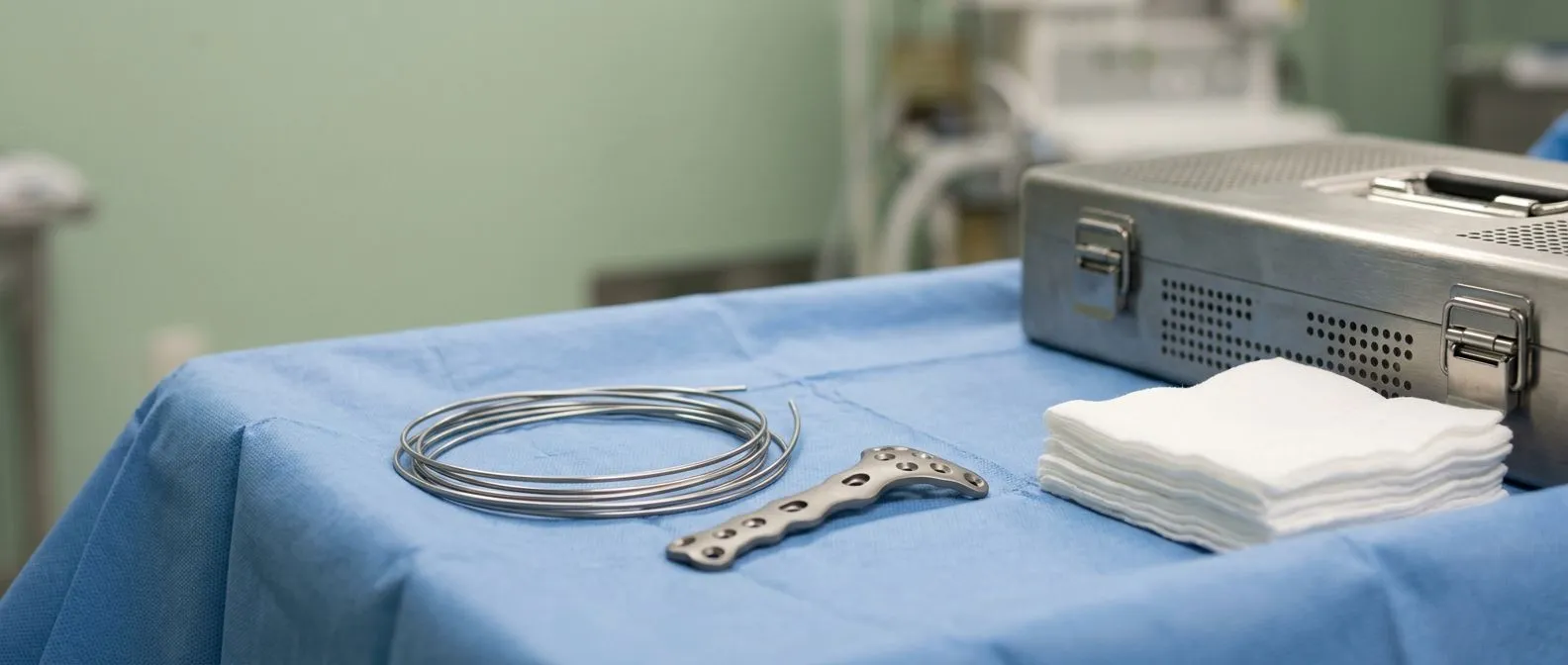
During traditional open-heart surgery, the surgeon divides the breastbone — the sternum — down the middle to reach the heart. This is called a median sternotomy. The bone is then closed with stainless steel sternal wires or, sometimes, small titanium plates, and the skin is stitched over them. A sternal infection is what happens when bacteria reach the wound and begin to grow in the skin, the tissue beneath it, the bone itself, or the space behind the bone called the mediastinum.
Why the sternum is vulnerable. Bone heals slowly, and the breastbone is constantly moving with every breath, cough, or sneeze. That motion, combined with reduced blood supply to the bone after surgery, gives bacteria a window to establish themselves. The sternal closure is usually very secure, but any infection around it can threaten the healing of the bone.
How common is it? Sternal wound infections occur in a small minority of cardiac surgery patients — typically between one and five percent — but they are among the most serious complications of heart surgery, because deep infections can involve the bone and the structures behind it. The encouraging news is that most are treatable, especially when caught early, and prevention protocols have improved steadily over the years.
What Are the Signs of Infection After Open Heart Surgery?
Every patient who has had chest surgery should know the warning signs. Your body fights an infection with visible and measurable signals — the trick is knowing which ones matter and when they appear. Some redness and mild soreness at the incision is normal in the first days. What follows is not.
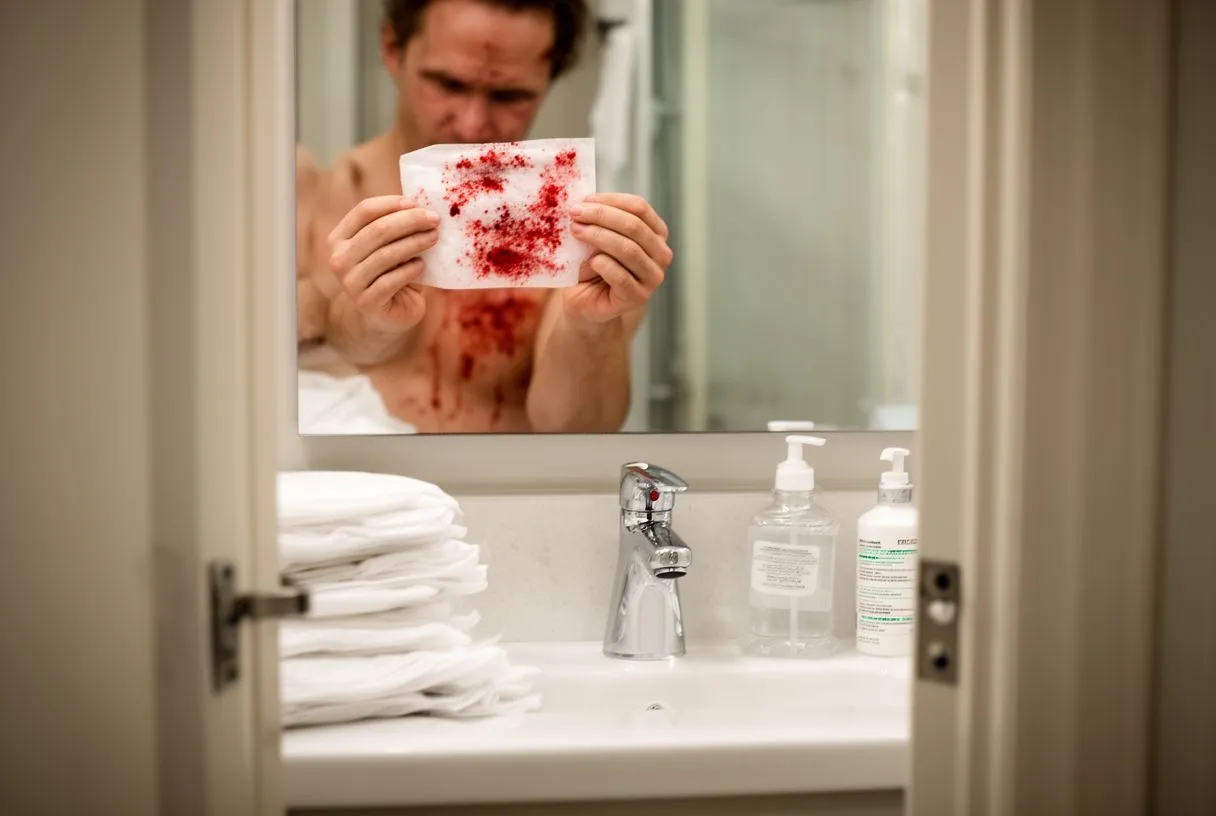
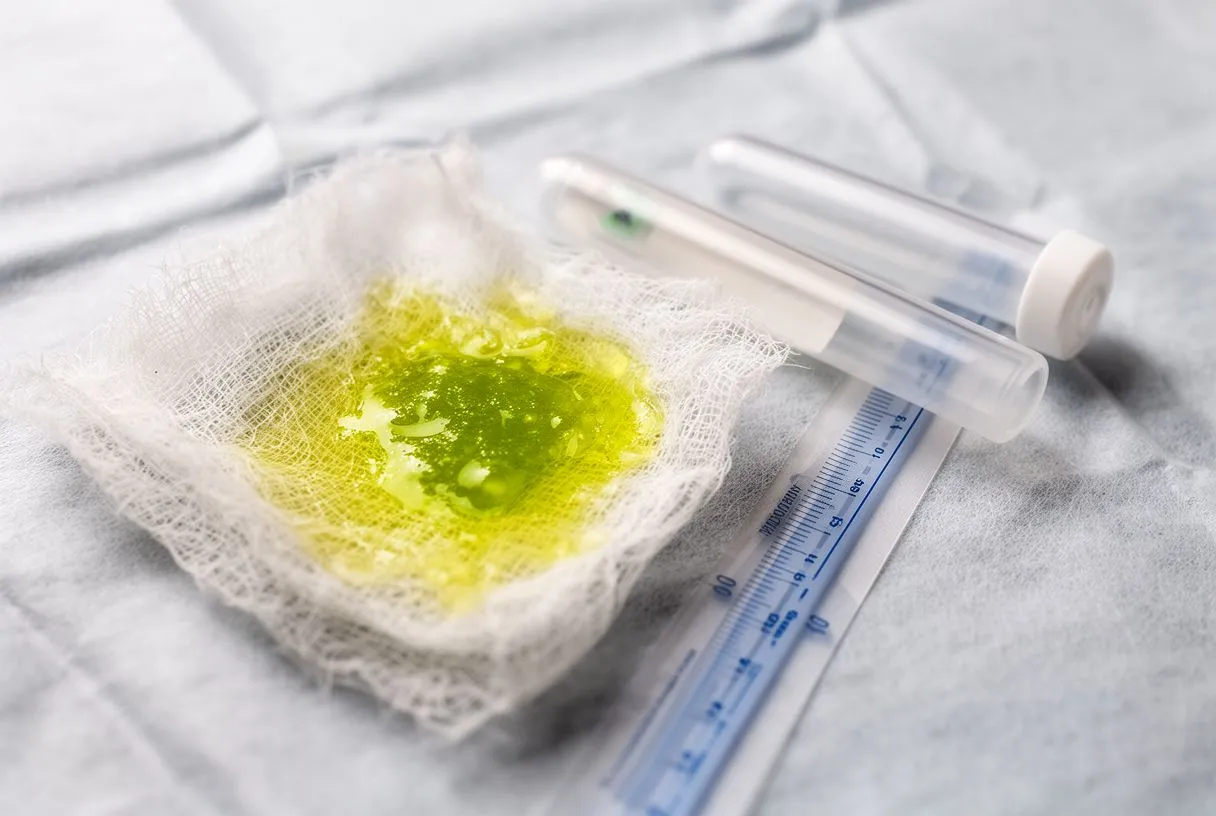
Signs at the wound itself. Watch for increasing redness that spreads beyond the incision line, warmth that feels hot to the touch, swelling that grows rather than settles, and any discharge — especially cloudy, yellow, or foul-smelling fluid. A wound that opens slightly or begins to leak fluid deserves urgent attention, even if you feel otherwise well.
Signs elsewhere in the body. Fever above 38°C (100.4°F), chills or shaking, unusual fatigue that deepens rather than improves, and pain that worsens instead of easing after the first week all suggest the infection may be spreading beyond the skin. If you notice any of these, contact your surgical team the same day.
- Spreading redness or warmth: the area around the incision becomes hotter, redder, or larger each day.
- Discharge: any fluid, pus, or clear drainage leaking from the wound after the first few days.
- Systemic signs: fever, chills, night sweats, or a general feeling of being unwell that worsens.
- Instability: a clicking, grinding, or popping sensation in the chest when you move or breathe.
Before discharge, ask exactly which changes to look for at the incision, because a phone call in week one is far easier than a readmission in week three. When in doubt, a photograph of the wound taken daily helps your team judge whether things are changing.
What Are the Types of Sternal Wound Infections?
Surgeons classify sternal wound infections into three categories, because the depth of the infection determines the treatment. Understanding the categories helps you understand why your team may respond so differently to what looks like a similar problem.
Superficial infections. These involve only the skin and the fat layer beneath it. The wound looks red and may discharge a little fluid, but the bone beneath is unaffected. Superficial infections usually respond well to antibiotics and careful wound care, often without any return to the operating room.
Deep sternal wound infections. Here the infection reaches the sternal wires or plates, the bone itself, or the mediastinum — the space behind the breastbone that contains the heart and great vessels. This is the most serious form, sometimes called mediastinitis, and it nearly always requires surgical treatment: reopening the wound, removing infected tissue, and reconstructing the closure. The risk of a deep sternal wound infection is highest in the first weeks after surgery, but late infections can occur months later.
What separates the two in practice. The distinction is usually made with a physical examination, blood tests showing inflammation, and imaging such as a CT scan. Sometimes the depth is only confirmed when the wound is explored in the operating room. Classification matters because it drives everything that follows — the urgency, the type of surgery, and the length of treatment.
Is Wound Dehiscence an Infection?
Wound dehiscence means the wound has come apart — the edges separate instead of staying closed. It is a different problem from an infection, although the two are closely related. Superficial wound dehiscence is when only the skin layers split open, often in the first week or two, sometimes because of tension, coughing, or early straining. Infection itself is one cause of dehiscence, because bacteria destroy the healing tissue and hold the wound open.
So which is it? A clean dehiscence without signs of infection — no redness, no discharge, no fever — may simply need wound care and time. A dehiscence that is red, wet, or painful usually means infection is either the cause or has followed. Retrograde infection is a term sometimes used to describe infection that works inward from an open wound toward the deeper structures; that is precisely the reason an open sternal wound should never be ignored, because the breastbone sits just millimeters beneath.
When dehiscence most commonly occurs. The peak risk is in the first two to three weeks after surgery, when the wound is weakest and the bone has barely begun to knit. This is why sternal precautions — no lifting more than a few kilos, no pushing with the arms, no driving — exist in the first place. They protect the healing bone and the closing wound.
How Is Sternal Infection Treatment Carried Out?
Sternal infection treatment depends on the depth. The plan is built around three questions: how deep is the infection, which bacteria are involved, and how stable is the sternal closure.
Antibiotics come first — but rarely alone. For superficial infections, targeted antibiotics after wound cultures often resolve the problem. Samples are taken from the wound so the laboratory can identify the exact bacteria and test which antibiotics kill them. This step is essential, because guessing the wrong antibiotic wastes time and lets the infection deepen.
Surgical debridement for deep infections. A deep sternal wound infection needs surgery to remove infected tissue and bone — a procedure called debridement. The surgeon reopens the wound, takes out infected or dead material, and often removes some or all of the sternal wires that have become colonized. The wound is then either closed again with new fixation or left to heal with a staged approach.
- Wound vacuum therapy: a vacuum-assisted closure device applies gentle suction, keeping the wound clean and encouraging granulation tissue before final closure.
- Revised sternal fixation: titanium plates or new wires may be used to hold the breastbone stable while it heals.
- Muscle or omental flap: in more extensive cases, the surgeon brings a healthy muscle or the omentum — a vascular layer from the abdomen — into the chest to fill the space and bring blood supply.
In our team, every complex sternal case is reviewed by the multidisciplinary group before a surgical plan is proposed, and we explain the options — including the simpler ones — so the patient makes the final decision with clear information. Treatment is a process, not a single operation: some patients need several procedures over weeks, others a single operation.
Harvard Health Publishing notes that careful wound hygiene and early treatment of any surgical wound infection sharply reduce the risk of complications spreading — a point worth remembering when you notice a small change at the incision.
When Does Sternal Infection Most Commonly Occur?
The timing of a sternal infection follows a pattern. Most infections appear within the first month after surgery, often in the second and third weeks. This is when the wound is still healing, the bone is not yet knit, and the tissues are at their most vulnerable.
Early infections. These appear within days to a few weeks. They tend to be dramatic — fever, marked discharge, pain — and are usually picked up quickly, often before the patient leaves hospital or shortly after discharge.
Late infections. Some sternal infections surface months or even years after surgery. These may follow a period of poor blood supply to the area, a dental procedure or other bacteremia that seeded the area, or a wire that loosened. Late infections can be more insidious: a draining sinus, a chronically tender spot, or a wound that never quite closes. Research on wound infections after total median sternotomy shows that risk factors such as diabetes, obesity, and prolonged surgery significantly influence both early and late presentation, and that microbiological analysis of the wound guides the choice of antibiotics.
Why timing matters. An infection that appears in week one is treated differently from one that appears in month twelve. Late infections often involve the bone — sternal osteomyelitis — and require longer antibiotic courses. Knowing the typical timeline helps you and your team put any symptom in context.
What Raises the Risk of Sternal Infection?
Not every patient carries the same risk. Some factors are fixed before surgery; others are within your control. Knowing them helps you and your team reduce the chance of infection.
Factors you cannot change. Diabetes — especially when blood sugar is poorly controlled — is one of the strongest risk factors, because high glucose impairs the immune response and wound healing. Obesity, chronic lung disease, kidney disease, and older age also raise the risk. Previous chest surgery or radiation to the chest further compromises healing tissue.
Factors you can influence. Stopping smoking well before surgery is one of the most effective steps you can take, because smoking reduces blood supply to the wound and slows bone healing. Controlling blood sugar in the weeks before and after surgery, maintaining a healthy weight, and treating any skin infection before the operation all reduce risk.
Factors in the operating room. The duration of surgery, the use of preventive antibiotics, and the technique of the sternal closure itself all influence infection rates. In our consultations, we review each patient's individual risk profile against international practice guidelines, and we recommend a minimally invasive approach only where the evidence supports it for that patient — sometimes avoiding the sternotomy altogether is the best prevention. Procedures like TAVR (transcatheter aortic valve replacement) reach the heart through a small puncture in the groin, so there is no sternotomy and no sternal wound at all.
How Long Does the Sternum Take to Heal After Heart Surgery?
The breastbone is a bone, and bones heal on a bone timetable. The first weeks bring the early knitting of the bone; complete healing takes months.
The first six weeks. The bone edges begin to knit together, but the closure is still fragile. This is the period when sternal precautions are strictest: no lifting, pushing, or pulling with the arms, and no driving. The wound skin usually closes within two weeks, but the bone beneath has only begun to heal.
Weeks six to twelve. The bone is much stronger. Most patients return to light daily activities, gentle walking, and, with their surgeon's approval, driving. Precautions are gradually relaxed as healing progresses.
Three to six months and beyond. Full bone healing — with the wires or plates becoming a permanent, stable part of the structure — typically takes three to six months. Most patients forget the wires are there. Some feel a small ridge or notice cold sensitivity over the scar; this is normal.
How healing affects infection risk. An unhealed sternum is a vulnerable sternum. Any infection in the first weeks can prevent the bone from knitting, which is why early detection and prompt treatment matter so much. Conversely, a well-healed sternum resists infection even if bacteria arrive later.
What Is Recovery Like After Sternal Infection Treatment?
Recovery from a sternal infection takes longer than recovery from the original heart surgery, and it is worth being honest about that from the start.
Hospital stay. A deep sternal wound infection can add weeks of hospital time. The patient may need one or more operations, daily wound care, and a prolonged course of intravenous antibiotics — often several weeks. Superficial infections, by contrast, may only add a few days of oral antibiotics and dressing changes at home.
The wound care phase. If vacuum therapy is used, the device is worn for weeks while the wound fills in from the bottom. Dressing changes happen every two to three days, either at home with a visiting nurse or at the clinic. Patients often find this phase tedious but very manageable once a routine is established.
What patients ask about most: the wires. A frequent question is whether infected sternal wires must be removed. The answer is: only the ones involved in the infection, and only when the surgical plan calls for it. When we assess a patient with a possible sternal wire infection, we examine the wound, review the imaging, and explain plainly whether the wires can stay, which ones need to come out, and what the reconstruction will look like — before any decision is made. Many patients keep their wires for life with no problem at all.
Quality of life afterward. Most patients who are treated for a sternal infection go on to full, active lives. The scar may be longer or more textured, and some patients need a longer course of antibiotics, but the infection itself usually resolves with proper treatment. What matters most is patience — the healing bone and the closing wound set their own pace.
When Should You Seek Help for a Sternal Infection?
The hardest part of recovery can be deciding whether a symptom is serious enough to call about. The honest answer: err on the side of calling. No surgical team resents a worried patient who asks about a wound change.
Call the same day if you notice. Any discharge from the wound after the first few days; spreading redness or warmth; fever above 38°C; pain that worsens rather than improves; a clicking or instability of the chest; or a wound that starts to open. These are the classic warning signs, and each one is a reason to be examined rather than observed at home.
Go to emergency care if. You have fever with chills and shaking, the wound is leaking pus heavily, the breastbone feels unstable, or you feel suddenly and severely unwell. Deep infections can move quickly, and hours matter.
What to expect when you call. Your team will ask what you see, when it started, and whether you have a fever. They may ask for a photograph of the wound or arrange blood tests and imaging. If the visit confirms infection, treatment starts immediately — antibiotics first, and surgery if the infection is deep. Our team offers a free video consultation as a first contact, where we get to know the patient, review what the studies show, and say which tests are genuinely needed — so nobody orders unnecessary tests or sits at home worrying without answers.
The takeaway. Sternal infection treatment is most successful when it starts early. Know your wound, know the warning signs, keep your sternal precautions in the healing weeks, and never hesitate to contact your cardiac team. If you have questions about your own recovery, or you are considering heart surgery and want a second opinion, our multidisciplinary cardiac team — led by Dr Alejandro Molina, with consulting rooms in Guadalajara, Querétaro and Hermosillo — is here to review your case, explain the options in plain words, and help you decide with confidence. Book a consultation rather than diagnosing yourself; a clear conversation with a qualified team is the safest first step.