Swan-Ganz Catheter: Monitoring the Heart After Surgery
Swan-Ganz catheter monitoring helps your cardiac team track heart recovery after surgery in Guadalajara.
What is a Swan-Ganz catheter and how is it used?
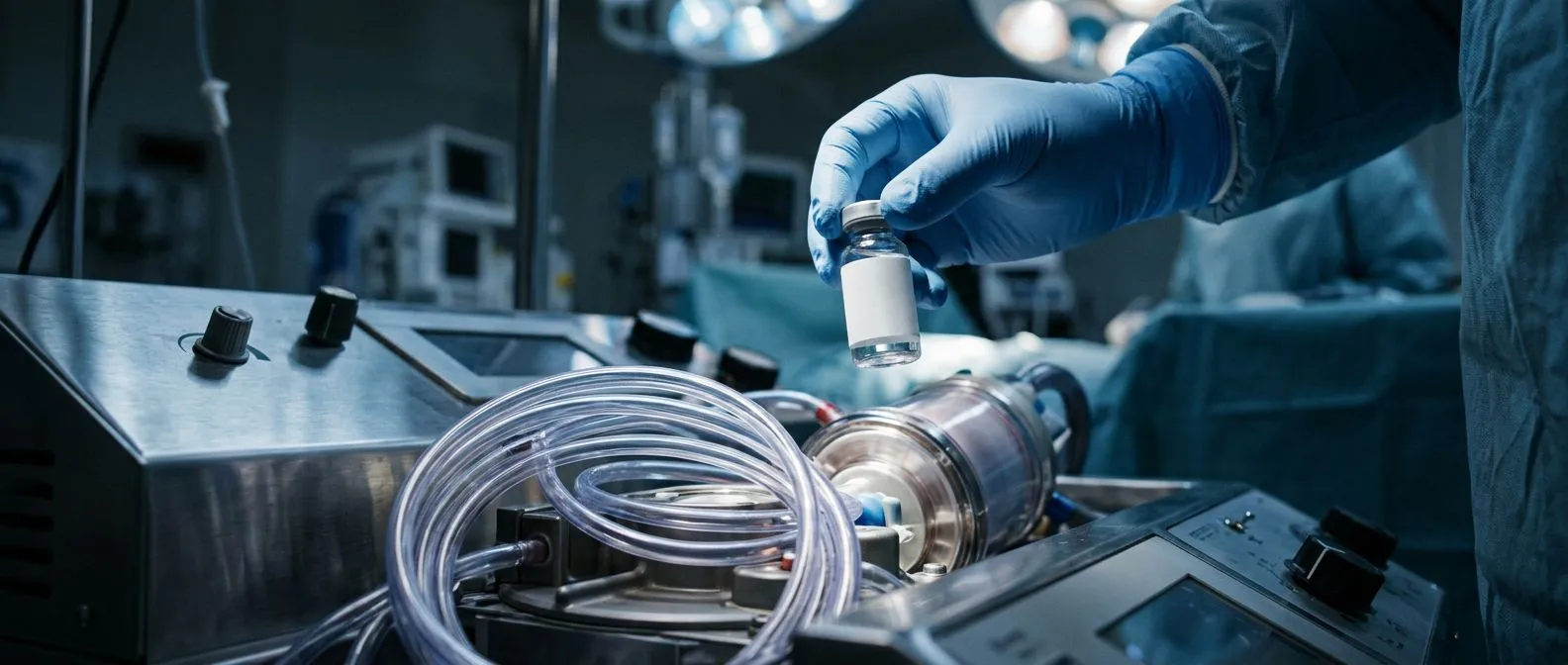
When you or a loved one undergoes major cardiac surgery, the immediate recovery period in the intensive care unit involves a web of monitors, tubes, and alarms. Among the most specialized tools your care team uses is the Swan-Ganz catheter, a thin, flexible tube that provides a real-time window into how the heart is functioning under stress. For international patients traveling to centers of excellence for procedures like valve replacements, understanding these tools demystifies the ICU experience. Rather than guessing how your heart is tolerating surgery, your surgical team relies on precise data to guide every medication adjustment and fluid decision.
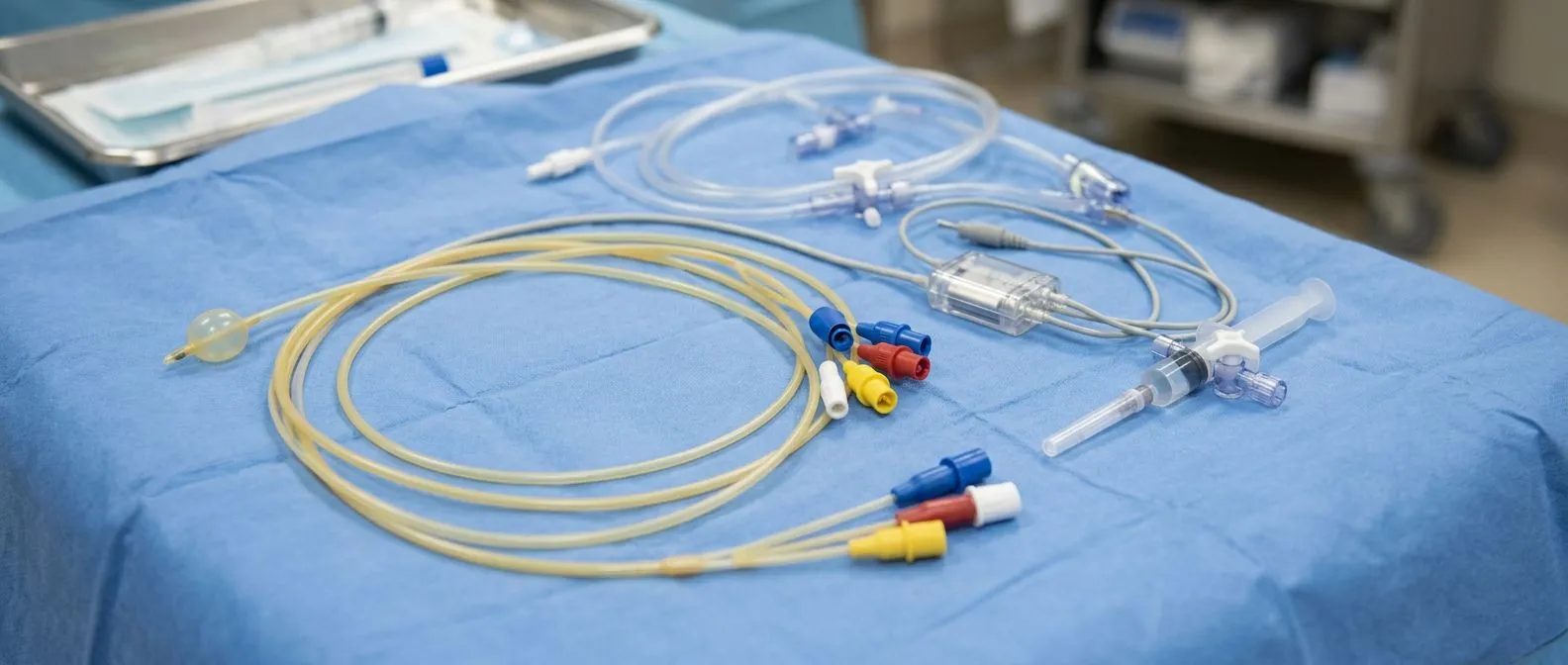
Anatomy of the device: The catheter is typically inserted through a large vein in the neck or upper chest and carefully threaded through the right side of the heart into the pulmonary artery. Unlike a standard peripheral IV, this central line sits directly in the core circulatory system. An Arterial Line, often placed in the wrist, is usually used in tandem to measure blood pressure from the left side of the heart. Together, these tools provide a comprehensive picture of your circulatory health.
Why it matters for your recovery: After complex procedures involving the Ascending Aorta or coronary arteries, the heart needs time to adapt to its new conditions. The Swan-Ganz catheter measures pressures inside the heart chambers that cannot be assessed by blood pressure cuffs or ECGs alone. This continuous feedback allows your physicians to optimize cardiac output, ensuring your organs receive the oxygen-rich blood they need to heal. By tracking these metrics, surgeons can prevent complications before they become visible.
How does Swan-Ganz catheter monitoring work during heart surgery recovery?
To understand how this monitoring guides your care, it helps to visualize the catheter's journey. Once inserted, the tip of the Swan-Ganz catheter comes to rest in the pulmonary artery, the vessel carrying blood from the right side of the heart to the lungs. Along its length, the catheter has tiny sensors and a small balloon at the tip. When inflated, this balloon briefly floats with the blood flow, allowing the device to measure the pressure in the left Atrium indirectly.
This measurement, known as the pulmonary capillary wedge pressure, is a critical indicator of left heart function and fluid status. If the heart is struggling to pump effectively, pressures build up, and the catheter detects this immediately. Your surgical team uses this data to balance fluids and medications. According to research indexed by europepmc.org, hemodynamic monitoring significantly reduces the guesswork in postoperative fluid management.
Translating data into treatment: Every number on the monitor translates to a specific physiological event. If the cardiac output reading drops, it signals that the heart might be weakening or that it needs medication to squeeze more forcefully. If the pressures are too high, it might indicate fluid overload, prompting the team to administer diuretics. This responsive approach ensures the heart is never overworked during its most vulnerable healing phase.
Why do cardiac surgeons use a Swan-Ganz catheter after surgery?
The period immediately following heart surgery is highly dynamic. The heart has just been manipulated, possibly stopped and restarted, and it must recover from the trauma of the operation. Using a Swan-Ganz catheter allows surgeons to manage this delicate transition. It provides the granular data needed to distinguish between normal postoperative adaptation and signs of impending failure.
Guiding fluid resuscitation: During surgery, patients receive significant amounts of intravenous fluids, and sometimes Autologous Blood is salvaged and returned to the body. Determining exactly how much fluid the heart can handle without causing fluid to back up into the lungs is crucial. The catheter provides the precise pressure readings needed to maintain this balance, preventing pulmonary edema while ensuring adequate circulation.
Furthermore, major operations often require an Arterial Cannula for cardiopulmonary bypass, and the transition off bypass can leave the heart stunned or temporarily weakened. The catheter helps assess how well the heart is recovering its intrinsic strength. Surgeons can titrate inotropic medications—drugs that strengthen the heart's contractions—based on the real-time cardiac output readings, ensuring the heart receives the exact pharmacological support it requires.
What are the risks of Swan-Ganz catheter insertion?
While the Swan-Ganz catheter is an invaluable diagnostic tool, its placement and use carry certain risks that patients and families should understand. Because the catheter travels through the major veins and directly into the heart, the insertion process requires meticulous sterile technique and ultrasound guidance to avoid complications. Your anesthesiologist and intensive care team weigh these risks against the benefits before deciding to place the line.
Common insertion site issues: Patients might experience mild Arm Pain or bruising at the insertion site, particularly if the internal jugular vein in the neck or a vein near the collarbone is accessed. Auscultation of the lungs is routinely performed after insertion to ensure the catheter hasn't caused a pneumothorax, a condition where air leaks into the space around the lungs. A follow-up chest X-ray is also standard to confirm the catheter's exact placement.
- Bleeding at the insertion site: Minor oozing is common but managed with pressure dressings.
- Arrhythmias: The catheter can irritate the heart muscle, causing temporary irregular beats.
- Infection risk: Minimized by sterile techniques and prompt removal when monitoring is no longer needed.
The most significant, though rare, risk is damage to the pulmonary artery itself. Because the catheter sits directly in this vessel, continuous monitoring is required to prevent the balloon from staying inflated too long or the tip from eroding the vessel wall. Your ICU nurses are specially trained to manage these devices and watch for any sudden changes in waveforms that might indicate a problem.
How long is a Swan-Ganz catheter left in after surgery?
The duration of Swan-Ganz catheter monitoring depends entirely on the patient's clinical trajectory. For uncomplicated cases, the catheter might only remain in place for 24 to 48 hours. Once the heart demonstrates stable hemodynamics—meaning blood pressure, cardiac output, and fluid balance are maintained without intensive medication support—the line is safely removed at the bedside.
Extended monitoring for complex cases: If a patient experiences an Atypical Infarction or requires prolonged pharmacological support, the catheter may stay in longer. During this time, medications like Aspirin are often initiated to prevent blood clots, while anticoagulation strategies—often guided by principles from landmark trials like ARISTOTLE—are adjusted if atrial fibrillation develops. The goal is always to remove invasive lines as soon as they are no longer necessary to minimize infection risks.
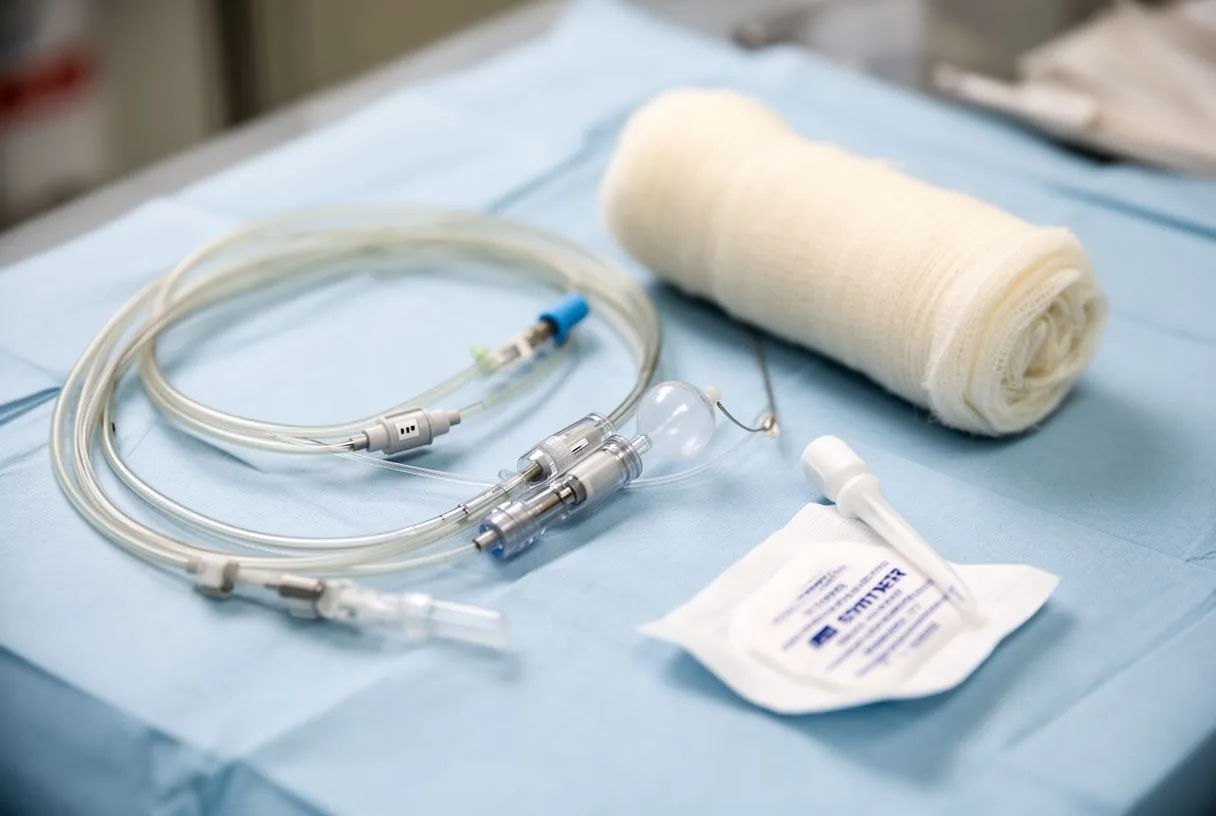
The decision to remove the catheter is a team effort, usually made during morning rounds when surgeons, cardiologists, and nurses review the overnight trends. Removal is a relatively quick procedure: the stitches holding the line in place are cut, and the catheter is gently pulled out. Firm pressure is applied to the site to prevent bleeding, and a small sterile dressing is applied.
Interpreting pulmonary capillary wedge pressure and cardiac output
Understanding the specific numbers the Swan-Ganz catheter provides can help families feel more oriented in the ICU. Two of the most critical measurements are cardiac output and pulmonary capillary wedge pressure. Cardiac output tells the team how much blood the heart is pumping every minute, indicating if the heart is meeting the body's demands.
What wedge pressure reveals: The pulmonary capillary wedge pressure reflects the pressure in the left side of the heart. If this number is too high, it suggests the left ventricle is struggling to push blood forward, causing fluid to back up into the lungs. This condition can sometimes be exacerbated by underlying issues like an Atheromatous Plaque, which is often associated with elevated Apolipoprotein B levels, or by arrhythmias such as Atrial Flutter, which complicate the heart's pumping efficiency.
By analyzing these numbers together, physicians can create a tailored treatment plan. If cardiac output is low but wedge pressure is high, the team knows the heart needs help pumping fluids out, so they might use diuretics. If both numbers are low, the patient might simply need more intravenous fluids to optimize preload. This data-driven approach ensures interventions are precise and effective.
What to expect during right heart catheterization in the ICU
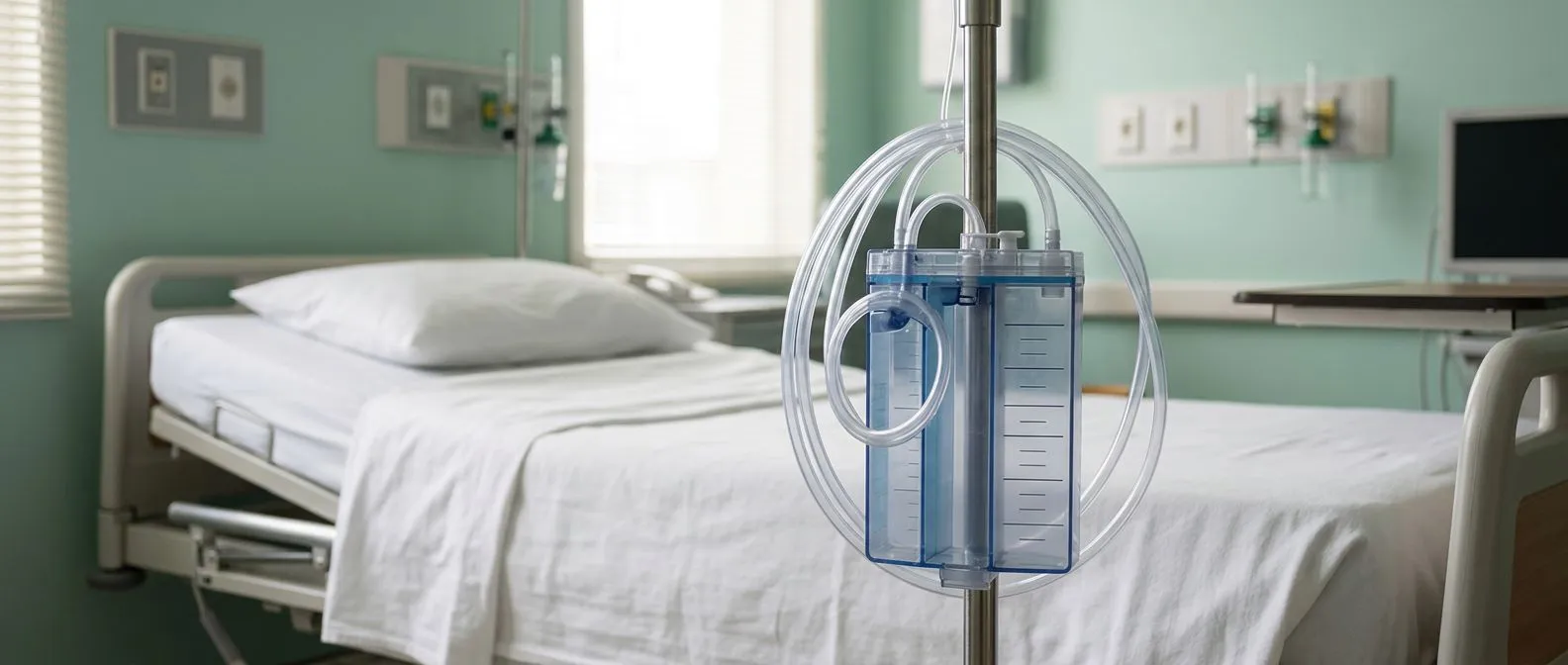
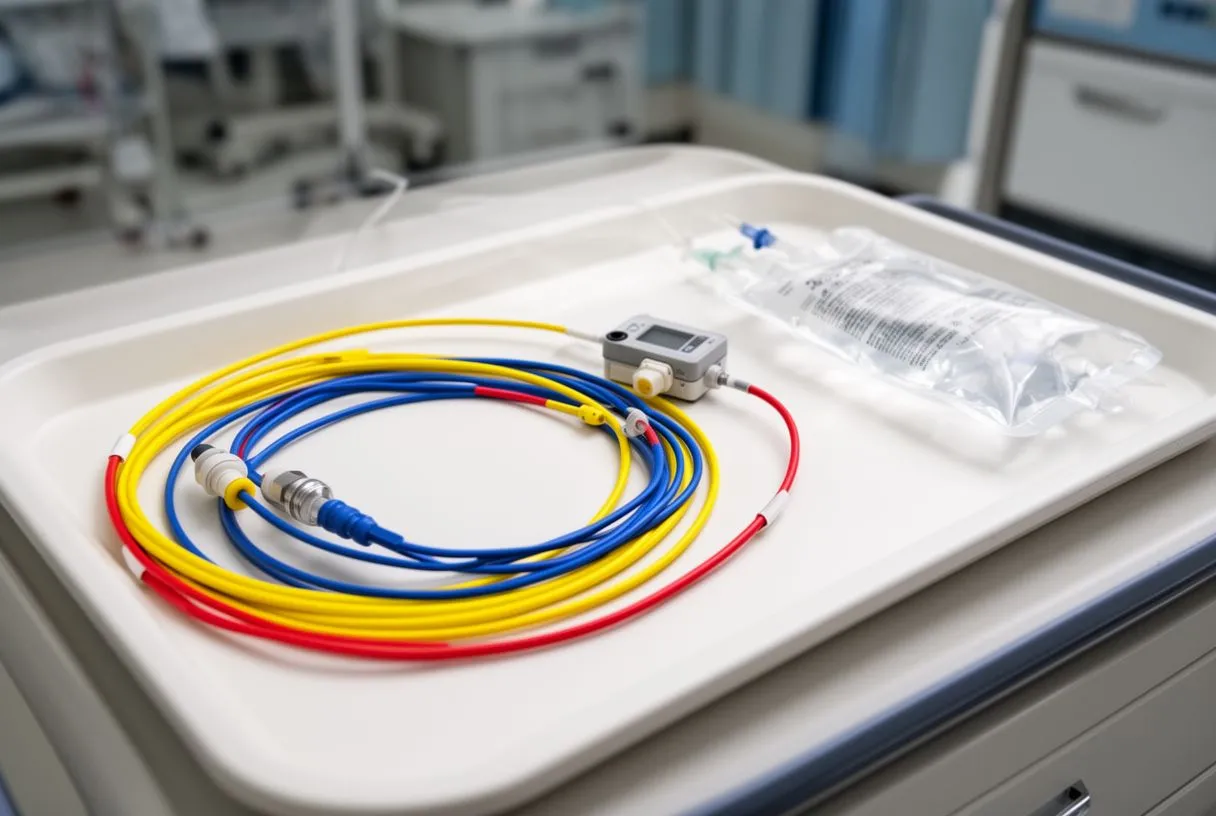
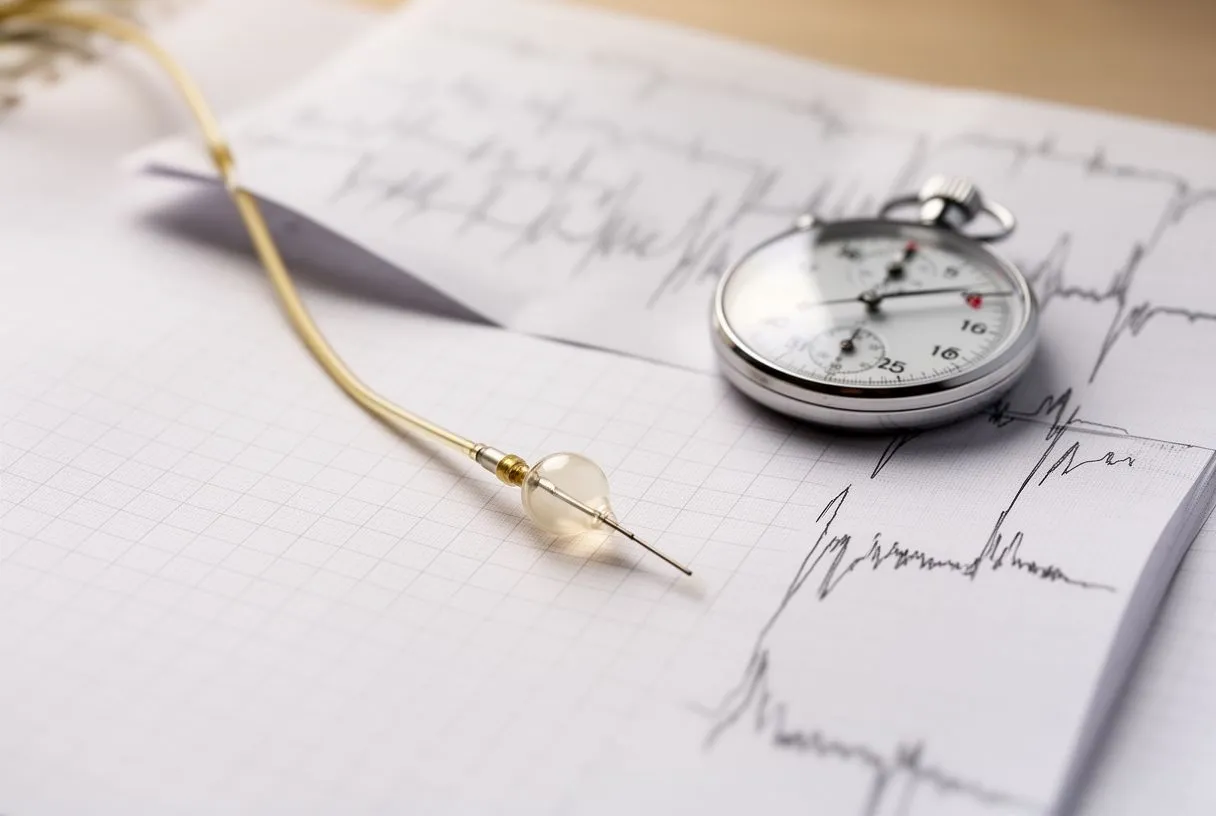
For families sitting at the bedside, right heart catheterization using a Swan-Ganz catheter looks like a tangle of tubing connected to a specialized monitor. The catheter itself is connected to a pressure transducer, a small device that converts the physical pressure inside the heart into an electrical signal displayed on the screen as a waveform. These waveforms are the continuous heartbeat of the monitoring system.
Recognizing normal monitoring routines: Nurses will frequently check the catheter site, assess the waveforms, and document pressure readings. Occasionally, a nurse might inject a small bolus of cold saline through the catheter to measure cardiac output using thermodilution. Patients should not be alarmed if they feel a brief cold sensation in the neck or chest during this test; it is a normal part of the assessment.
This intensive monitoring is standard in postoperative cardiac care, as noted in clinical guidelines and research, including the Comparative Analysis In The Treatment Of Myocardial Infarcted Patients In The Tertiary Care Hospital Of Peshawar Against American Heart Association (ASA) Treatment Guidelines (journalrmc.com). This level of scrutiny ensures that any deviation from the expected recovery path is caught immediately, allowing for rapid medical response.
Swan-Ganz catheter complications and when to seek help
While the ICU team continuously monitors the catheter, patients and families should be aware of potential complications. Recognizing the signs of trouble empowers families to advocate for their loved ones. Most complications are rare and preventable with rigorous nursing protocols, but early detection is always beneficial.
Signs of systemic issues: If a patient develops a sudden fever, it could indicate a catheter-related bloodstream infection, requiring immediate removal and culturing of the catheter tip. Sometimes, the catheter can irritate the heart and trigger dangerous arrhythmias. If this happens, a nurse might briefly deflate the balloon or reposition the catheter. In severe cases, an Automated External Defibrillator might be necessary if the arrhythmia causes cardiac arrest, though this is exceptionally rare.
Infection prevention is paramount. The use of an Autograft or other biological materials during surgery increases the importance of sterile line management. If the dressing around the insertion site becomes saturated with blood or fluid, it must be changed immediately using sterile technique. Families should never adjust the catheter or tubing and should notify a nurse if they notice any disconnections or sudden changes in the monitor's alarms.
Recovering from postoperative cardiac care and monitoring
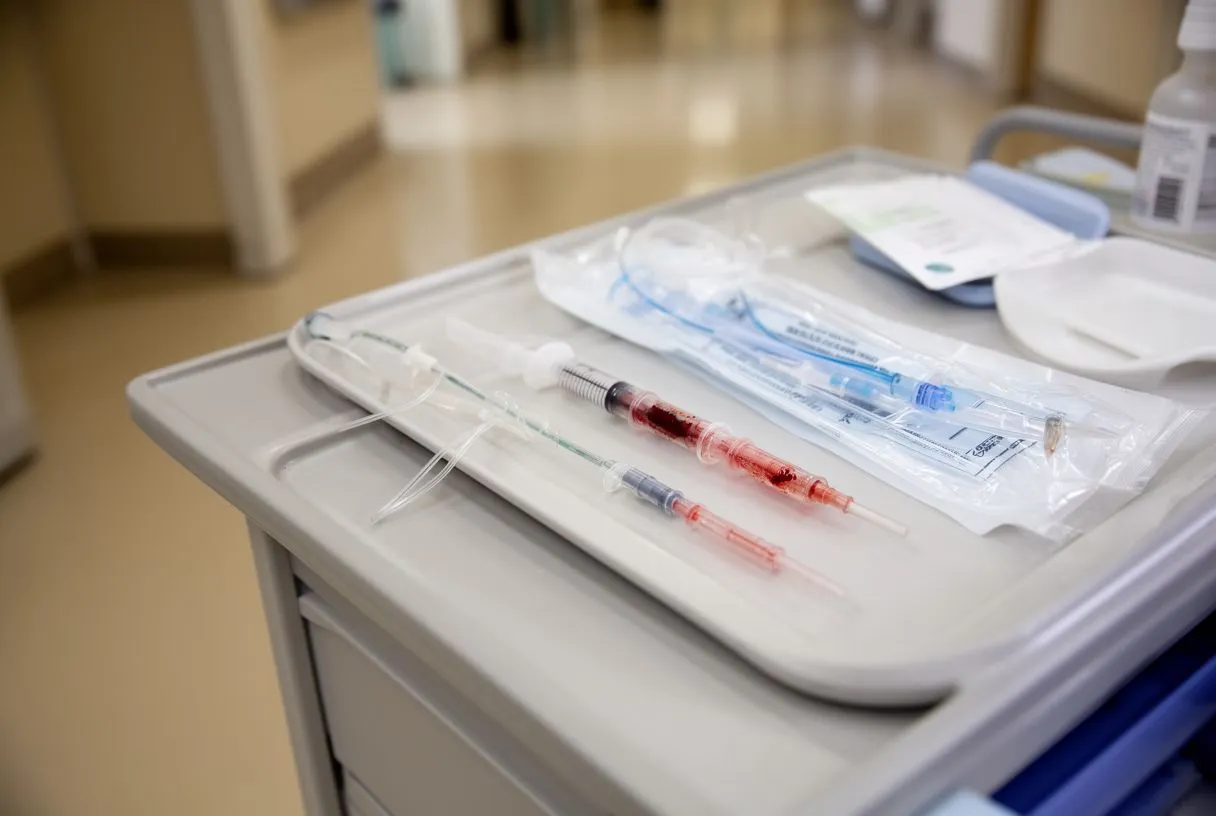
Once the Swan-Ganz catheter is removed, patients enter the next phase of recovery. The transition from intensive hemodynamic monitoring to standard ward care is a significant milestone. It means the heart has stabilized and is functioning well enough that minute-by-minute pressure readings are no longer necessary.
- ICU transition: Continuous monitoring tracks fluid shifts and cardiac output during the most vulnerable phase.
- Early mobilization: Gentle walking helps prevent complications as the heart heals and adjusts to new cardiac output levels.
- Medication optimization: Adjusting fluids and drugs based on hemodynamic data to prevent fluid overload and stabilize blood pressure.
Managing complex recoveries: Some patients, particularly those who had an Arterial Graft or require specialized support like Awake ECMO, might have a more gradual weaning process. The data gathered from the catheter helps the team fine-tune medications that will be continued after discharge. This period is about translating the precise ICU data into a sustainable home care plan.
This transition can feel overwhelming, but it is a positive step toward independence. The focus shifts from invasive monitoring to rehabilitation, nutrition, and wound care. The insights gained from the Swan-Ganz catheter inform the personalized discharge plan, ensuring the patient leaves the hospital with a medication regimen specifically tailored to their heart's demonstrated capacity.
Talking to your cardiac team about hemodynamic monitoring
Understanding the tools used in your surgery is a crucial part of feeling confident in your care. The Swan-Ganz catheter is just one part of a comprehensive strategy to protect your heart during its most fragile moments. By providing real-time, actionable data, it acts as a safety net that guides your surgical team through the complex recovery process.
If you are facing surgery that requires valve replacements, such as a TAVR procedure, a Balloon Aortic Valvuloplasty, or the placement of a Balloon-expandable Valve, discussing the postoperative monitoring plan with your surgeon is essential. Ask how long invasive monitoring is expected to last and what specific metrics they will be watching. Emerging therapies and surgical techniques, much like the exploration of stem cell therapies in Use of Stem Cells in the Treatment of Myocardial Infarction, continually refine how we approach cardiac recovery.
Every cardiac journey is unique. If you have questions about your upcoming procedure or how your heart will be monitored during recovery, the best step is to consult with a qualified cardiac team. We encourage you to reach out to our specialists to discuss your specific situation, understand the risks and benefits of procedures like Balloon Angioplasty, and book a consultation rather than relying on general information. Your heart deserves a care plan built precisely for you.