Temporary Accommodation for Heart Surgery Abroad
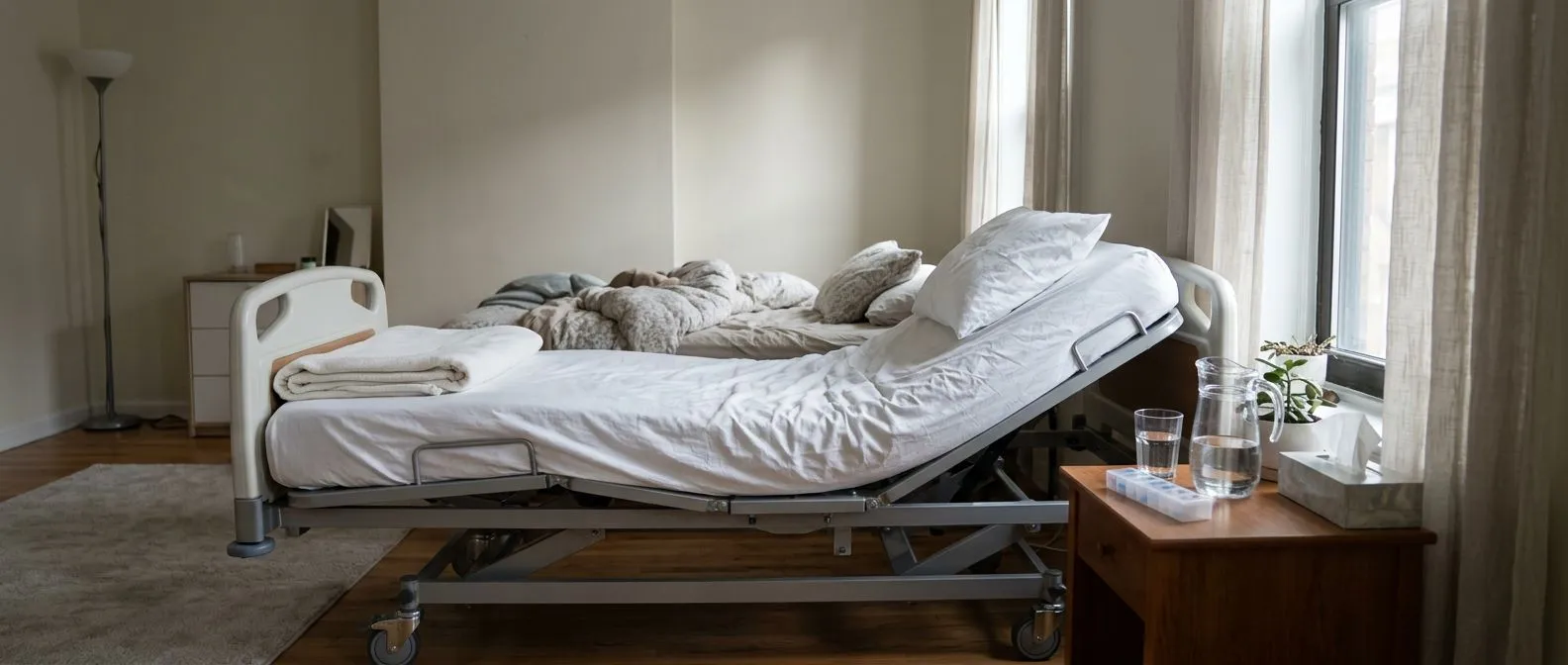
Temporary accommodation for heart surgery abroad in Guadalajara: furnished recovery stays near cardiac centers with companion space.
If you are travelling to another city or country for heart surgery, temporary accommodation for heart surgery is one of the first practical decisions you will face. Where you stay affects how well you rest, how easily you reach follow-up appointments, and how safe your first days at home after the operation really are. This guide walks through the options, the timing, and the details families most often overlook.
What Is Temporary Accommodation for Heart Surgery?
Temporary accommodation for heart surgery simply means a furnished place to stay — an apartment, an extended-stay hotel, or a guest house — booked for the weeks around your operation. It is not a hospital room and not a holiday rental in the usual sense. It is housing chosen for one purpose: supporting recovery from a cardiac procedure.
What does "temporary accommodations" mean in medical travel? The phrase covers any short-term lodging a patient uses while receiving care away from home. For heart patients, that usually spans the days before surgery for pre-operative tests, the hospital admission itself, and the weeks afterwards when follow-up visits and wound checks continue.
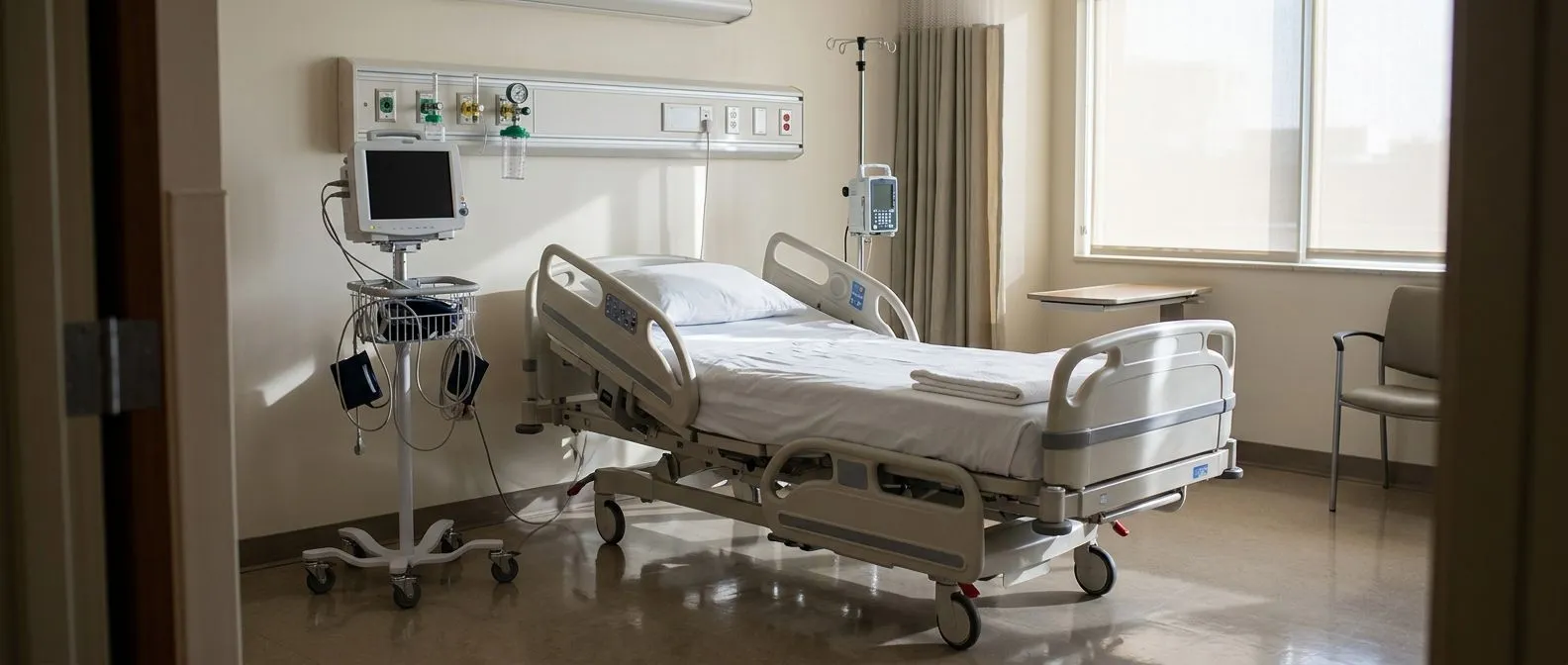
Good temporary housing sits close to the hospital, has space for a companion, and allows you to rest without climbing stairs or managing heavy housework. It fills the gap between discharge and the moment you are well enough to travel home safely.
Why Medical Travel Lodging Matters Before Cardiac Surgery
Cardiac surgery medical travel lodging does more than give you a bed. In the days before an operation, you will attend pre-admission testing, meet the anaesthesia team, and possibly repeat blood work. Staying nearby removes long journeys on those days and lowers stress at exactly the time you need calm.
Why not just stay in a regular hotel? Standard hotels are built for tourists, not recovery. They may lack a kitchen, a washing machine, quiet surroundings, or a lift. After open-heart surgery, lifting luggage, negotiating stairs, or eating restaurant food for three weeks becomes genuinely difficult.
Does location really change outcomes? Distance itself does not change your heart, but it changes your behaviour. Patients housed far from the hospital tend to skip follow-up visits or arrive exhausted. Recovery after major cardiac surgery demands rest and monitoring; the research community, including journals such as BMJ, has long emphasised that structured post-discharge care reduces complications and readmissions.
Where to Stay After Heart Surgery: Your Main Options
Wondering where to stay after heart surgery? Most medical travellers choose among four main types. Each has trade-offs in cost, comfort, and convenience.
- Furnished apartments: a cardiac recovery rental apartment offers a bedroom, kitchen, laundry, and space for a companion — usually the best balance for a two-to-four-week stay.
- Extended-stay hotels: weekly rates, housekeeping, and sometimes a small kitchen; convenient but less space to rest during the day.
- Hospital guest houses or recovery residences: some cardiac centres run lodging on or near campus, with staff who understand post-surgical needs.
- Family or friend homes nearby: often the cheapest option, but only workable if the home is calm, on one floor, and close to the hospital.
Whatever you choose, check for a lift, air conditioning, step-free access, and a bathroom you can enter without stepping over a high tub edge. These small details matter enormously in the first week after surgery.
How Long Should a Post Heart Surgery Recovery Stay Last?
How long can you be in temporary accommodation after surgery? A post heart surgery recovery stay typically runs from a few days before admission to one or two weeks after discharge, depending on the procedure and how far you must travel home.
Before the operation: plan two to five days. This covers pre-operative studies, final consultations, and any last-minute tests the surgical team requests. Arriving too close to surgery date leaves no margin if a test needs repeating.
After discharge: plan seven to fourteen days for most procedures. Less invasive options such as TAVR — transcatheter aortic valve replacement, where a new aortic valve is delivered through a catheter rather than through open surgery — usually require a shorter local stay than open-heart operations, but your team decides based on your own progress, not a calendar. In our experience, patients who fly home the day after discharge almost always regret it; stairs, luggage, and airport queues are hard on a fresh sternum or a fresh groin puncture.
Choosing Heart Surgery Recovery Housing Near the Hospital
Heart surgery recovery housing should be judged against a short checklist. The single most important criterion is proximity: ten to fifteen minutes from the hospital is ideal for follow-up visits and, rarely, for an urgent return.
What should the accommodation include? Look for a real bedroom with a bed you can get in and out of easily, a bathroom on the same floor, a kitchen so you can prepare the low-salt meals your team recommends, and laundry facilities. Wi-Fi matters too — you will likely have video follow-ups.
What about accessibility? Confirm there is a lift if the unit is not on the ground floor, wide doorways if you will use a walker, and no loose rugs or cables that could trip you while you move unsteadily.
Cardiac Patient Family Lodging: Room for Companions
Cardiac patient family lodging deserves its own planning. Nearly every patient recovering from heart surgery needs a companion for at least the first week — someone to cook, drive to appointments, collect prescriptions, and notice warning signs.
Who should come? One adult companion is usually enough for the first week. A second person can help later, but during hospital admission most units restrict visitors, so a large travelling party adds cost without adding value.
Heart surgery patient companion lodging checklist: the unit needs a second bed or sofa bed, enough bathroom access for two, and space for the companion to rest too. Caring for a recovering patient is tiring work, and an exhausted companion misses things. If family lodging means hosting relatives, also confirm they understand the recovery routine — quiet, medication schedules, wound care — before you arrive.
What Happens in the First Days of Your Recovery Stay
What happens in temporary accommodation during the first week? The rhythm is simple: rest, short walks, medication on schedule, wound checks, and one or two follow-up appointments. Knowing the routine in advance removes anxiety.
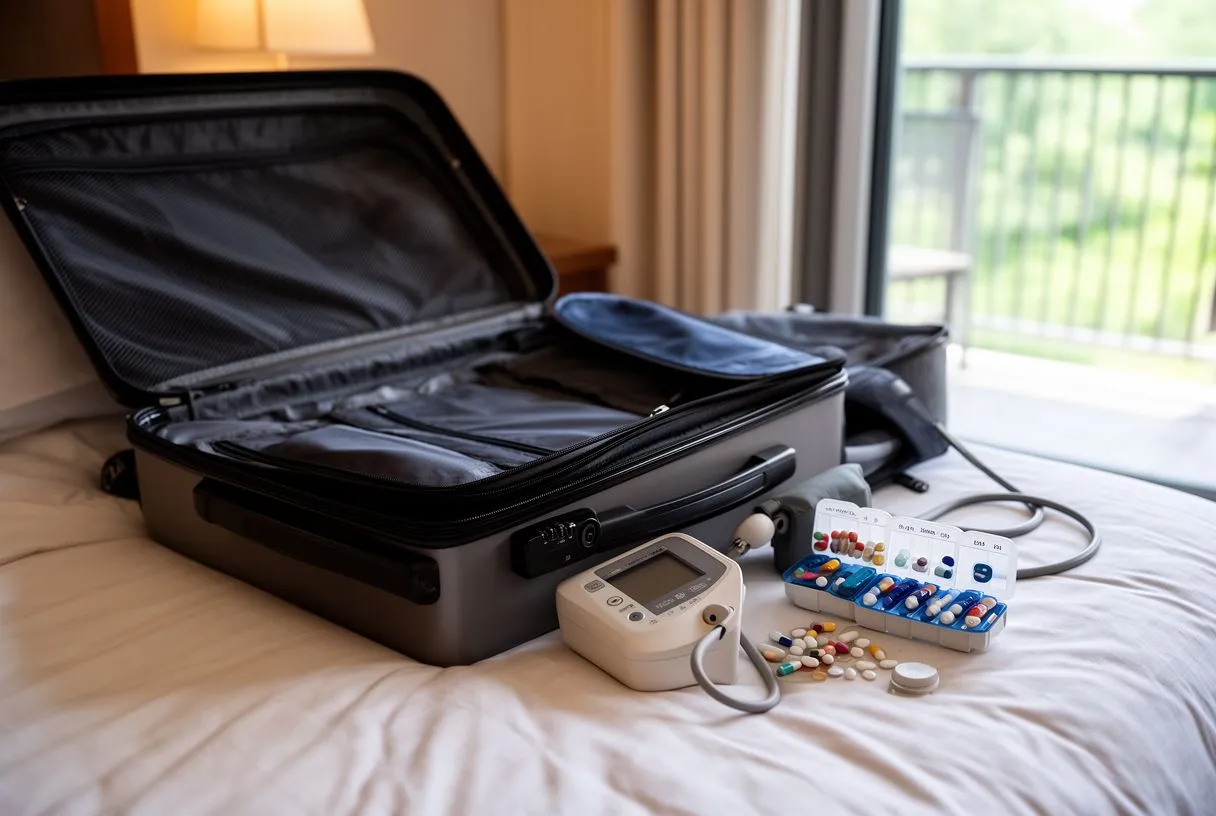
The daily routine: most teams ask you to walk a little more each day, keep the incision clean and dry, and watch for warning signs — fever, increasing redness or drainage at the wound, new breathlessness, or irregular heartbeat. Some patients leave hospital with temporary pacing wires still in place; your team will tell you exactly what to do and what to avoid while any such lines remain, and they are usually removed before discharge.
When to call for help: keep the clinic's number visible on the fridge. Chest pain, sudden breathlessness, or a wound that looks infected means a phone call, not waiting until the next appointment. Good temporary housing gives you a calm place to make that call and rest afterwards if you need observation.
This article covers the second. A two-to-four-week furnished apartment near a major cardiac centre typically costs a fraction of equivalent hotel pricing, because weekly and monthly rates carry steep discounts.

What drives the lodging budget? Length of stay matters more than nightly rate. Booking an apartment for three weeks at a weekly rate beats twenty-one nightly bookings. Season matters too: high season and holidays raise prices near hospitals in cities like Guadalajara, so booking early protects both availability and cost.
Medical tourism accommodation — heart edition — what is included? Some clinics and hospitals bundle extended stay heart surgery packages that include lodging, transfers, and follow-up visits. Compare bundles carefully: a cheap bundle with distant lodging can cost you more in taxis and lost rest than a slightly dearer apartment two blocks from the hospital. Prices vary by city and season, so ask for current figures rather than relying on older listings.
Cost of an Affordable Heart Surgery Stay in Mexico
An affordable heart surgery stay in Mexico comes down to two budgets: the medical one and the lodging one. This article covers the second. A two-to-four-week furnished apartment near a major cardiac centre typically costs a fraction of equivalent hotel pricing, because weekly and monthly rates carry steep discounts.
What drives the lodging budget? Length of stay matters more than nightly rate. Booking an apartment for three weeks at a weekly rate beats twenty-one nightly bookings. Season matters too: high season and holidays raise prices near hospitals in cities like Guadalajara, so booking early protects both availability and cost.
Medical tourism accommodation — heart edition — what is included? Some clinics and hospitals bundle extended stay heart surgery packages that include lodging, transfers, and follow-up visits. Compare bundles carefully: a cheap bundle with distant lodging can cost you more in taxis and lost rest than a slightly dearer apartment two blocks from the hospital. Prices vary by city and season, so ask for current figures rather than relying on older listings.
Heart Surgery Travel Accommodation Guide: Booking Tips
This heart surgery travel accommodation guide distils the practical lessons patients and families teach us most often. Good heart surgery medical travel tips are rarely dramatic — they are small habits that prevent big problems.
- Book refundable rates: surgery dates can shift for clinical reasons, so confirm the accommodation can move with your schedule without penalty.
- Confirm before you pay: ask for photos of the actual bedroom and bathroom, the lift, and the entrance — listing photos often show the best unit in the building, not yours.
- Check the bed height: getting out of a very low or very soft bed is genuinely hard in the first week after surgery.
- Plan transfers: confirm how you will get from airport to accommodation to hospital, and book a car with space for someone who cannot sit upright comfortably.
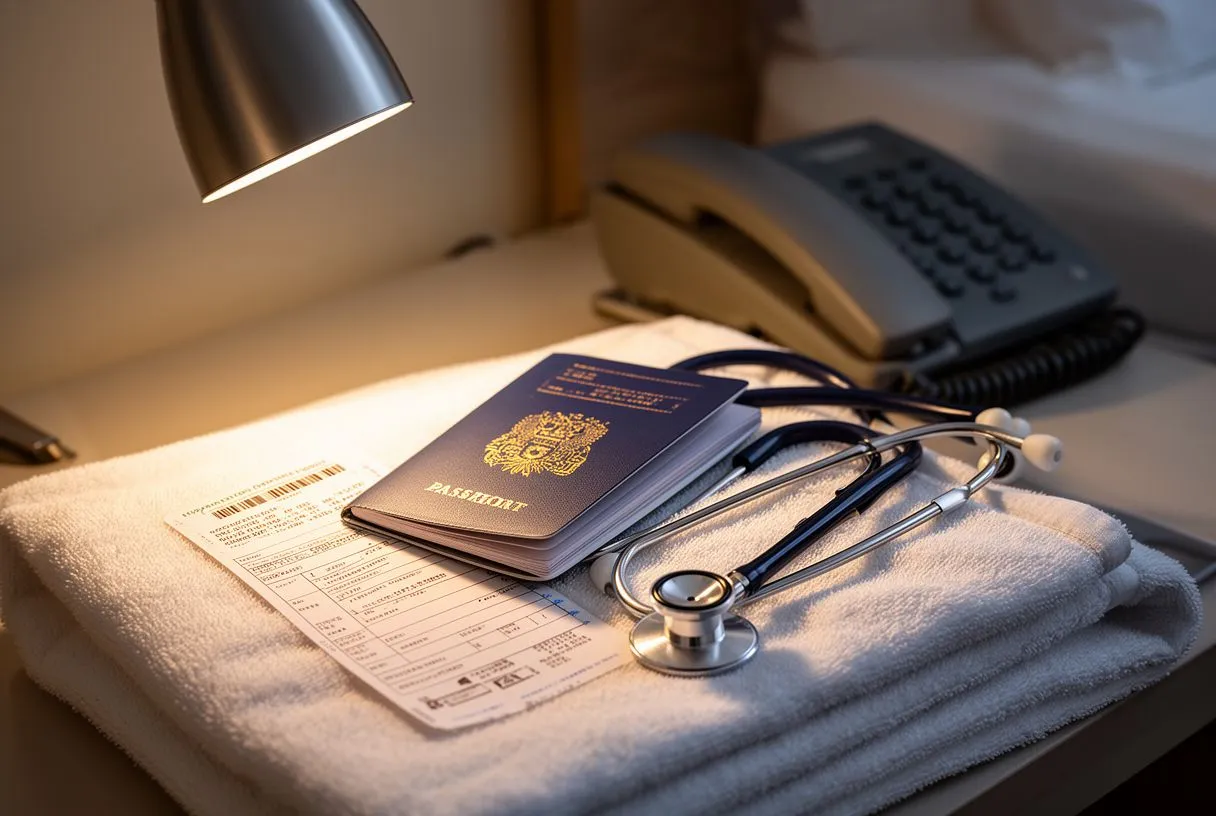
- Keep documents together: discharge summary, medication list, and clinic phone numbers in one folder at the apartment, not in a suitcase.
Medical travel heart surgery booking is easier when the clinic coordinates it. Ask whether the hospital or surgical team has a list of trusted lodging options nearby — many do, and their patients have already tested the practical details.
Planning Your Recovery Stay with a Cardiac Team
The best heart surgery abroad accommodation is planned together with your surgical team, not chosen last from a booking app. A team that knows your procedure can tell you how long to stay, what your first week will look like, and what support you will need in your temporary accommodation for heart surgery.
Our team, led by Dr Alejandro Molina, is multidisciplinary — cardiac surgery, structural cardiology, and anaesthesia — and every case is reviewed together against international practice guidelines before any recommendation is made. We perform conventional, minimally invasive, robotic and transcatheter procedures, and we recommend the less invasive route only where the evidence supports it for that specific patient. For some patients that means a shorter local stay; for others, open surgery means planning a longer one.
How does the process start? The first contact is a free video consultation: we get to know you, talk through your condition in plain words, and tell you exactly which studies are still needed — so you order no unnecessary tests before travelling. A face-to-face visit at the consulting rooms in Guadalajara, Querétaro or Hermosillo follows when you decide to go ahead. We also encourage second opinions; they are a normal, sensible part of deciding about heart surgery, and the final decision is always yours.
What should you ask before booking anything? Ask how long your specific procedure requires locally, whether a companion is expected to stay, which follow-up visits fall inside that window, and what warning signs should send you back to the clinic. Write the answers down. Then book housing that fits those facts.
Temporary accommodation for heart surgery is not a detail to sort out at the airport. Chosen well, it protects your recovery, keeps follow-up appointments easy, and gives your family a workable base during a demanding few weeks. If you are considering surgery away from home, discuss your timeline and lodging plan with a qualified cardiac team before you travel — and start with a consultation rather than a self-diagnosis.