

The Pericardial Skirt: How TAVR Valves Prevent Leaks
Pericardial skirt TAVR leak prevention explained by Guadalajara heart specialists.
If you or a family member have been told you need a new aortic valve, you may have heard your cardiologist mention a pericardial skirt TAVR leak and wondered what on earth that means. The phrase sounds technical, but the idea behind it is simple and reassuring: modern transcatheter valves are built with a soft tissue cuff, often called a skirt, whose whole job is to seal the valve against the wall of the aorta and stop blood from escaping around it. This guide walks you through what that skirt is, how it works, why leaks happen when it is not there or not seated well, and what you should ask your cardiac team before any valve procedure.
What Is a Pericardial Skirt TAVR Valve?
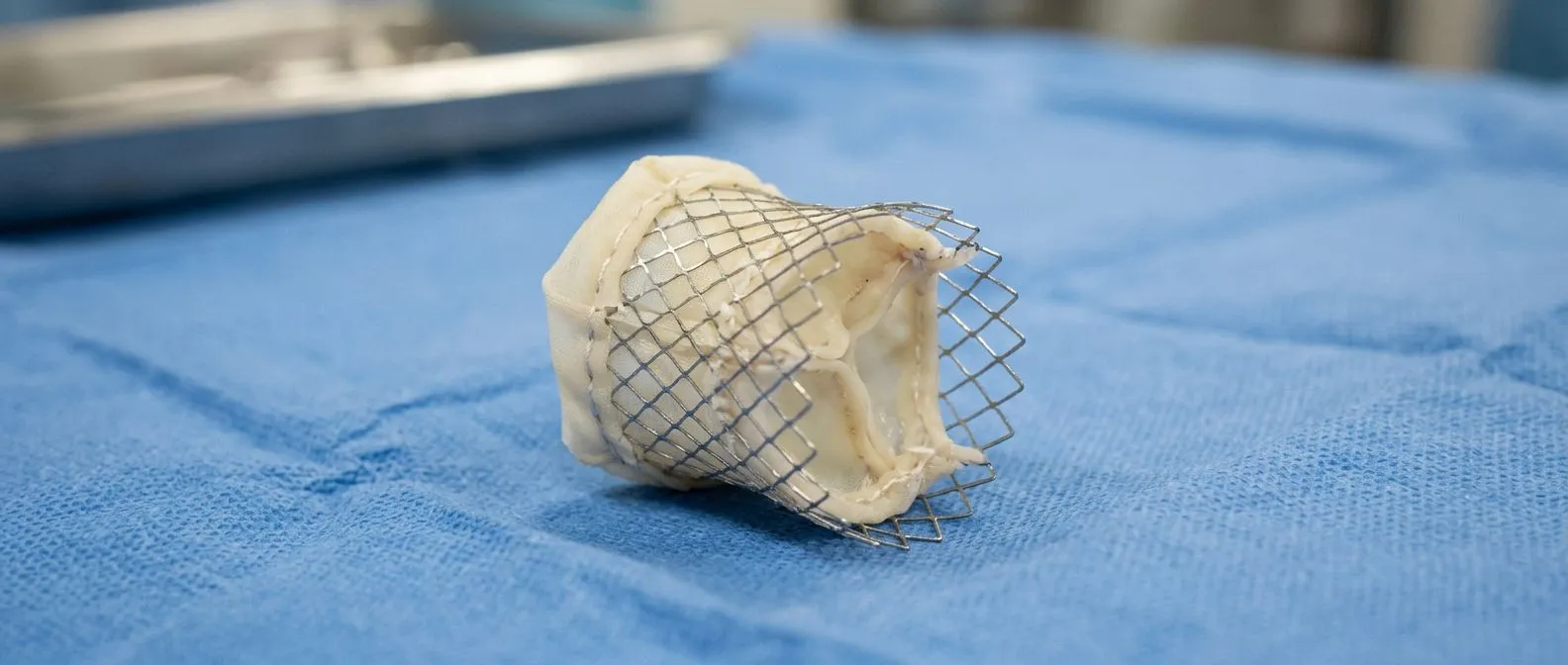
A pericardial skirt TAVR valve is a transcatheter valve wrapped in a cuff of treated tissue. TAVR, or transcatheter aortic valve replacement, is a procedure in which a replacement aortic valve is delivered through a thin tube, usually from an artery in the groin, and expanded inside your diseased valve without opening the chest. The valve itself is made of tissue leaflets, most commonly derived from cow or pig pericardium, mounted on a metal frame that springs open once in position.
The skirt is the outer layer. It is a band of pericardial tissue, chemically treated so the body will not reject it, that covers the lower portion of the valve frame. When the valve expands, the skirt presses against the calcified, irregular surface of your old valve and the aortic wall, filling in the small gaps that would otherwise let blood slip backward around the new valve.
Why does this matter so much? Because even a small leak around a new valve, called a paravalvular leak, can slowly strain the heart. The pericardial skirt heart valve design was developed precisely to reduce that risk, and it has become a standard feature of many contemporary transcatheter valves. In our team's experience, explaining this simple design detail to patients helps them understand why valve choice is a genuinely individual decision rather than a one-size-fits-all answer.
What Does the Pericardium Look Like?
The pericardium is a thin, tough, pearl-white sac that surrounds the heart. Picture a double-walled envelope with your heart sitting inside it. The inner layer lies directly on the heart's surface; the outer layer is more fibrous and anchors the heart to surrounding structures. Between the two layers is a tiny amount of lubricating fluid, roughly a few teaspoons, that lets the heart beat and move without friction.
The tissue is smooth and glistening, a bit like wet silk, yet remarkably strong. Surgeons use patches cut from bovine pericardium, the same material from cattle, to repair heart defects and to build valve leaflets, because the tissue is durable, flexible and well tolerated by the body. A Bovine Pericardial Valve uses leaflets made from this material, and the skirt on a transcatheter valve is made from it for the same reasons.
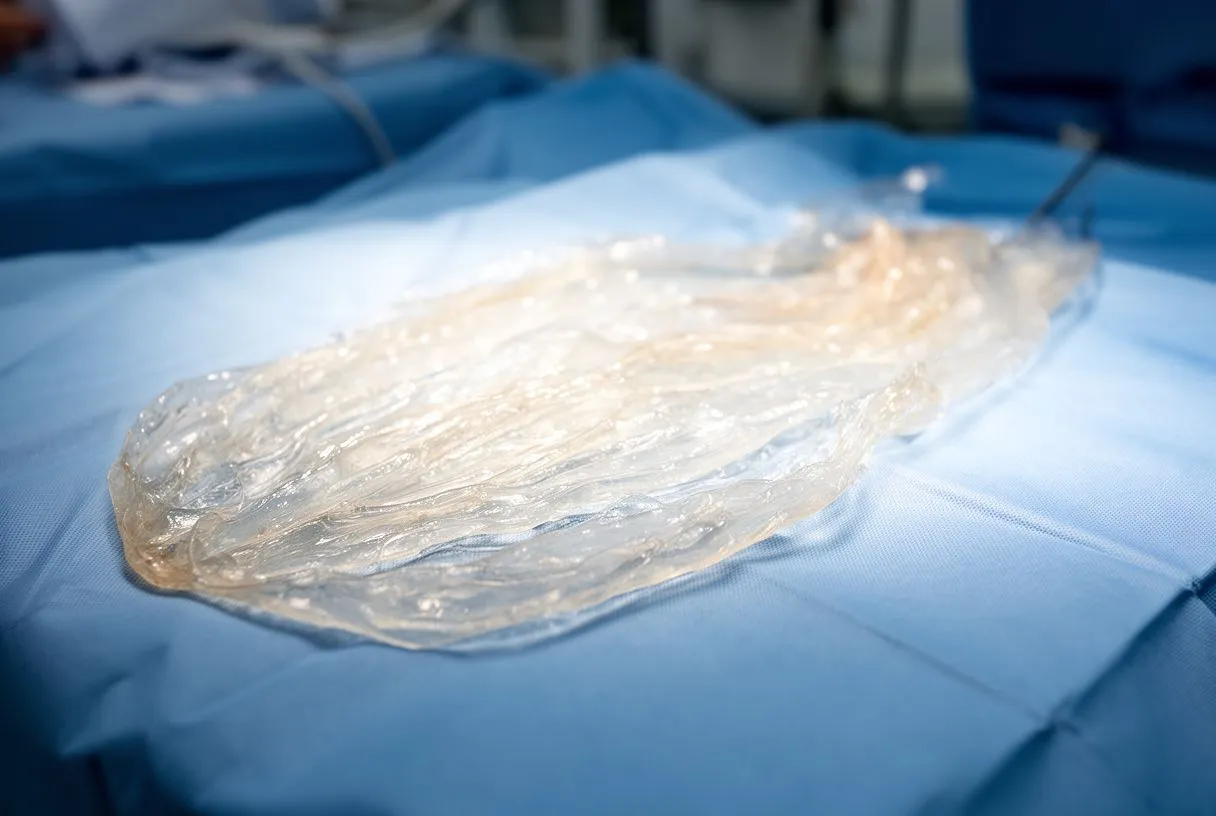
Understanding this tissue helps you understand the skirt. It is not a synthetic sponge or a plastic ring; it is processed natural tissue that has been proven, over decades of cardiac surgery, to sit comfortably inside the heart for many years. That track record is one reason engineers chose pericardial tissue for the sealing component of transcatheter valves.
What Is the Cardiac Pericardial Silhouette?
The cardiac pericardial silhouette is the shape of the heart and pericardial sac as it appears on a chest X-ray. When a radiologist looks at your chest film, the outline formed by the heart, the Pericardial Sac and the great vessels is called the silhouette. Its size, contour and sharpness tell the team a great deal before any intervention.
A normal silhouette has predictable curves. If the silhouette looks enlarged, that may suggest fluid accumulating around the heart, a condition known as Pericardial Effusion, or enlargement of one of the heart's chambers. If the border is blurred where it meets the lung, the report may mention a "silhouette sign," which points toward disease in the lung rather than the heart itself.
For patients being evaluated for TAVR, the silhouette on imaging is one of the first pieces of the puzzle. It guides the team toward more detailed studies, such as echocardiography and CT scanning, which map the exact anatomy of the aortic valve and help predict how well a transcatheter valve with its pericardial skirt will seat and seal.
What Can Cause Pericardial Effusion?
Pericardial effusion is an abnormal buildup of fluid inside the pericardial sac, and it has many possible causes. Because you asked what can cause it, here are the most common ones a cardiac team considers:
- Inflammation or infection: viral pericarditis, bacterial infection or tuberculosis can inflame the sac and trigger fluid production.
- Heart-related causes: heart failure, injury after a heart attack, or irritation after cardiac surgery or catheter procedures.
- Systemic conditions: kidney failure, an underactive thyroid, autoimmune diseases and some cancers can all produce effusion.
- Bleeding: trauma, a procedural complication or a tear in the aorta can fill the sac with blood, which is an emergency.
A small effusion often causes no symptoms and may simply be watched with repeat ultrasound scans. A large or rapidly accumulating effusion can compress the heart and prevent it from filling properly, a serious situation called tamponade that requires urgent drainage. This is why any new chest fullness, breathlessness or lightheadedness after a procedure should be reported immediately rather than waited out.
The link to valve procedures is direct. During any heart intervention, including TAVR, the team monitors for effusion, because early detection makes treatment simple. When effusion is drained early, most patients recover fully without lasting damage to the pericardial sac.
What Is a Pericardial Tissue Heart Valve?
A pericardial tissue heart valve is a valve whose leaflets are cut from pericardial tissue rather than taken from a whole animal heart valve. Traditional tissue valves, sometimes called bioprosthetic valves, use the aortic valve of a pig or the pericardium of a cow. Both work well, but pericardial tissue has some practical advantages: it can be trimmed and shaped with great precision, and its collagen structure tends to wear evenly over time.
In surgical valve replacement, a pericardial tissue valve is sewn onto a cloth-covered frame and implanted through open-heart surgery. In transcatheter valves, the same pericardial leaflets are mounted on a compressible metal stent so the entire valve can be folded into a catheter and expanded in place. The skirt that surrounds many of these valves is made of the same treated pericardial tissue, creating one continuous biological surface from leaflets to seal.
For you as a patient, the practical meaning is this: a pericardial tissue valve avoids the lifelong blood thinners that mechanical valves require, while offering durability measured in years to decades. Which trade-off suits you depends on your age, lifestyle and other conditions, and that is exactly the conversation a multidisciplinary team is best placed to have with you.
How Does the TAVR Sealing Mechanism Work?
The TAVR sealing mechanism pericardial skirt relies on gentle, even pressure against an irregular surface. The aortic valve opening in most patients is not smooth or round; it is rimmed with hard calcium deposits of unpredictable shape. When a bare metal valve frame expands inside it, tiny channels often remain between the metal struts and the uneven calcium, and blood under pressure finds every one of them.
The skirt changes this. Because it is a soft, pliable cuff of tissue, it conforms to the irregular anatomy rather than fighting it. The frame supplies the outward force; the skirt supplies the conformable surface. Together they create what engineers describe as a TAVR complete seal technology: the frame holds position while the skirt fills the microscopic gaps that the frame alone cannot close.
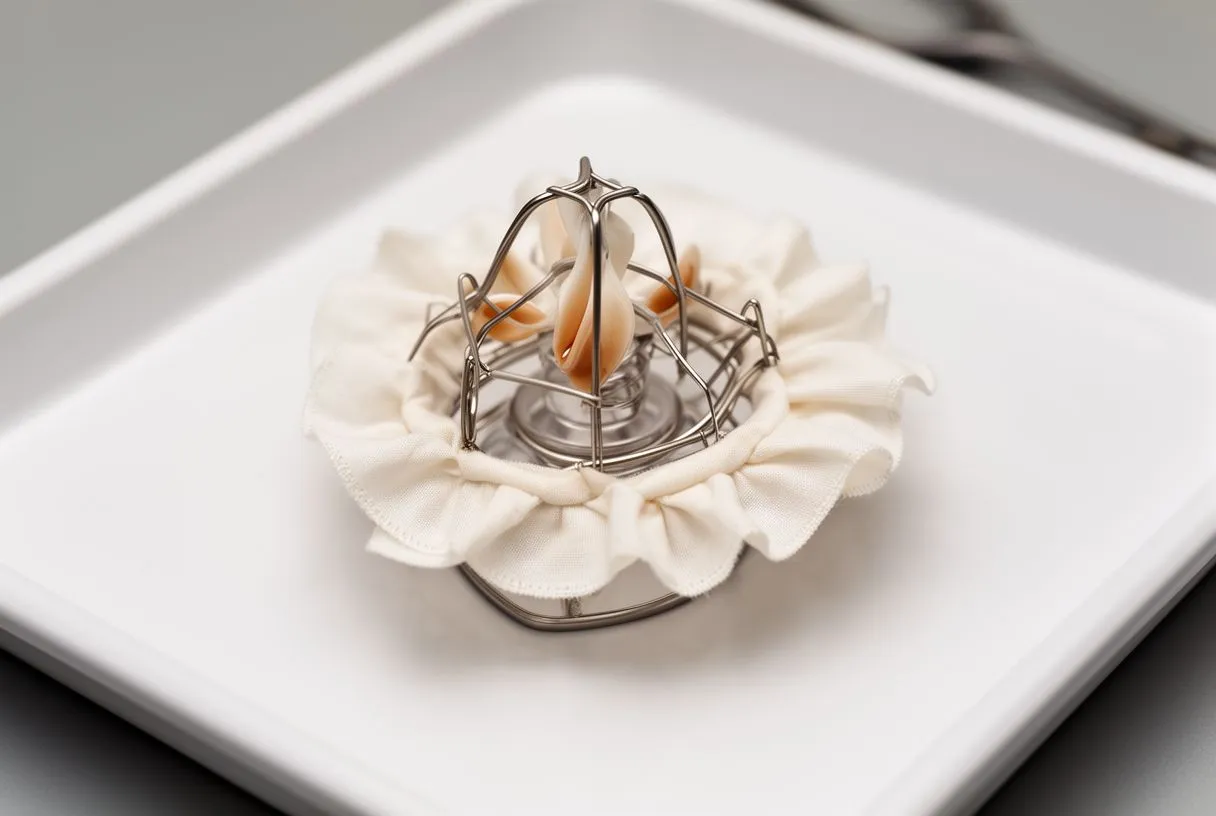
Think of it like a jar lid with a rubber gasket. A bare metal lid might sit crooked on a chipped jar rim; the gasket deforms to match the chip and keeps the seal. The pericardial skirt plays the gasket's role inside the aorta, and its width, placement and material thickness are all carefully chosen during the pericardial skirt implant design process for each valve model.
What Causes a Heart Valve Leak After TAVR?
A heart valve leak after TAVR, more precisely a paravalvular leak, usually starts where the frame fails to seal against the native anatomy. The PREDICT PVL study, published in Open Heart, examined predictors of paravalvular leak following implantation of a self-expanding transcatheter heart valve and found that factors such as valve sizing relative to the patient's anatomy, the degree and distribution of calcium, and implantation depth all influenced whether a leak developed. In other words, the leak usually comes from a mismatch between valve and anatomy, not from the valve failing on its own.
Severe calcium is one of the strongest contributors. Heavy, asymmetric calcification can hold one side of the valve frame away from the wall, leaving a gap on the other side. Oversizing the valve can help compress calcium, but oversizing too much raises other risks, so the choice is a genuine balancing act that depends on detailed CT measurements of your own anatomy.
Implantation depth matters as well. If the valve sits too low, part of the frame hangs below the native valve ring where the skirt cannot press against the calcium effectively. This is why transcatheter valve implantation is done with live imaging and careful positioning, and why operator experience is a legitimate question to ask any team you are considering.
Which TAVR Leak Prevention Methods Work Best?
TAVR leak prevention methods fall into three broad groups: better valve design, better planning, and better technique. Understanding the options helps you ask informed questions. Here is how they compare:
- Sealing skirts on the valve itself: pericardial or fabric cuffs that conform to irregular anatomy and close the small gaps a bare frame leaves. This is the most widespread design solution and the reason most modern valves carry a skirt.
- Pre-procedure imaging and sizing: CT scans that measure the valve ring, the calcium load and the aortic dimensions, allowing the team to choose valve size and approach with far greater accuracy than in TAVR's early years.
- Procedural technique: careful valve positioning, post-implantation balloon dilation when a leak is seen, and, in select cases, devices designed specifically for Paravalvular Leak Closure.
No single method is universal. The best approach is the one matched to your specific anatomy, which is why the planning phase matters as much as the procedure itself. A bare metal valve without a seal, compared with a pericardial skirt valve, has less built-in tolerance for a difficult landing zone; the pericardial skirt versus bare metal comparison is therefore less about which valve is universally better and more about which design suits your anatomy and your leak risk.
It is worth knowing that leaks are graded, from trace to severe, and the clinical response scales accordingly. A trace leak is usually just watched; a moderate leak prompts closer monitoring; a severe leak may need a second procedure to close it. Every case in our practice is reviewed by the multidisciplinary team against international practice guidelines before a recommendation is made, and the patient receives a clear proposal with the alternatives, the final decision always remaining theirs.
What Do Pericardial Skirt Clinical Outcomes Show?
Pericardial skirt clinical outcomes have improved steadily as seal designs matured. In the first generation of transcatheter valves, moderate or severe paravalvular regurgitation was reported in a meaningful minority of patients, and even mild leaks carried long-term prognostic weight. Successive valve generations added wider skirts, better cell designs and lower-frame profiles, and contemporary registries and trials show substantially lower rates of clinically significant regurgitation than the early era. Reviews of this progress are indexed in open-access literature repositories such as DOAJ.
The direction of the evidence is what matters for you. Trials comparing transcatheter and surgical aortic valve replacement, including the PARTNER 2 study of Transcatheter or Surgical Aortic-Valve Replacement in Intermediate-Risk Patients, demonstrated that TAVR outcomes in appropriate patients are comparable to surgery, and later work extended these findings to lower-risk groups. Paravalvular leak reduction has been one of the levers behind that improvement, and sealing skirts are central to it.
That said, honest interpretation matters. Skirts reduce leaks; they do not eliminate them, and outcomes still depend on anatomy, sizing and technique. Our team performs conventional, minimally invasive, robotic and transcatheter procedures, and we recommend the less invasive route only where the evidence supports it for that specific patient — a discipline that includes being candid about residual leak risk for any valve we consider.
When Should You Talk to a Team About Pericardial Skirt TAVR Leak Risk?
The right time to discuss pericardial skirt TAVR leak risk is before the procedure, not after. If you have severe aortic stenosis with symptoms such as breathlessness, chest tightness, fainting or declining exercise tolerance, the conversation about valve options should already include how each candidate valve seals in anatomy like yours. Bring your questions to the first meeting; a good team will welcome them.
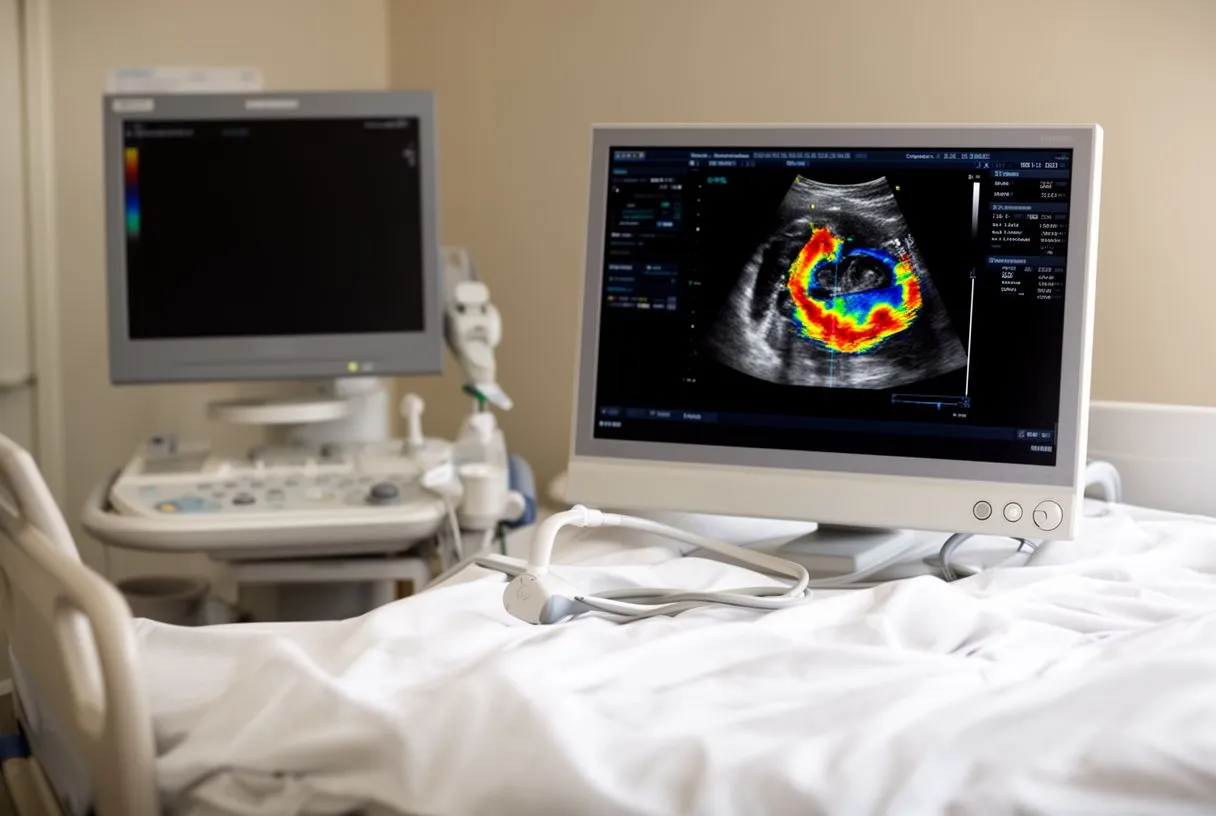
After TAVR, know the warning signs that deserve a call: new or worsening breathlessness, swelling of the ankles, palpitations, or a decline in how far you can comfortably walk. These can signal a leak or other issues, and an echocardiogram will answer the question quickly. Early detection turns a potential problem into a manageable one, and many small leaks never require intervention at all — they are simply monitored to reduce TAVR paravalvular regurgitation risk over time.
In our consulting rooms in Guadalajara, Querétaro and Hermosillo, the first contact is a free video consultation: we get to know the patient, talk through the condition in plain words, and identify exactly which studies are still needed so no unnecessary ones are ordered. If you are weighing a pericardial skirt TAVR leak decision for yourself or a loved one, we encourage second opinions and treat seeking one as a normal part of deciding about heart surgery. Book a consultation with a qualified cardiac team rather than self-diagnosing — the valve that seals best is the one chosen for your anatomy, with your participation.






