Under-Anticoagulation: Risks of a Low INR With a Valve
Under-anticoagulation risks with a mechanical valve can cause clots and stroke.
If you or a family member has had a mechanical heart valve implanted, you already know that warfarin (a blood-thinning medication) becomes part of daily life. What many patients do not fully understand until a scare happens is the risks of under-anticoagulation — what occurs when the blood becomes less thin than your valve requires. A mechanical valve is a wonderful piece of engineering, but it is also foreign material that blood clots can stick to. Keeping your INR (the blood test that measures how thin your blood is) within your target range is not a suggestion; it is the single most important daily task protecting you from stroke and valve failure. This guide explains, in plain language, what under-anticoagulation means, why it happens, what it can lead to, and exactly what to do about it.
What Is Under-Anticoagulation?
Anticoagulation means taking medication that slows down your blood's natural tendency to clot. Under-anticoagulation is the opposite problem from bleeding danger: it means your blood is clotting too easily because the medication level in your system has dipped below what your heart valve needs. Doctors measure this with the INR, or International Normalized Ratio, a simple blood test. For most people with a mechanical valve, the target INR range sits between 2.0 and 3.0, though your surgeon or cardiologist may set a higher target depending on your valve and your history.
Why the number matters so much: an INR below your target range means your blood can form clots on the valve surface. Those clots can grow, break loose, or block the valve itself. The consequences range from a small stroke that affects vision or speech for a few minutes, to a major disabling stroke, to a valve that stops working properly and needs emergency intervention. The risks of under-anticoagulation are therefore never trivial — they involve the brain, the valve, and sometimes the heart muscle itself.
Under-anticoagulation versus over-anticoagulation: patients often worry more about bleeding, because bleeding feels more immediate. But under-anticoagulation is the more common cause of serious valve-related complications in the first years after surgery, precisely because it develops quietly. There is no sensation that tells you your INR has drifted down to 1.6. Only a blood test reveals it, which is why regular monitoring is not optional.
Treat your INR like a vital sign — check it on schedule and call your team the moment a result looks off, rather than waiting for symptoms. In the consultation we take the time to explain what the studies actually show, in plain words, and to answer every question before any decision.
Why Mechanical Valves Need Warfarin
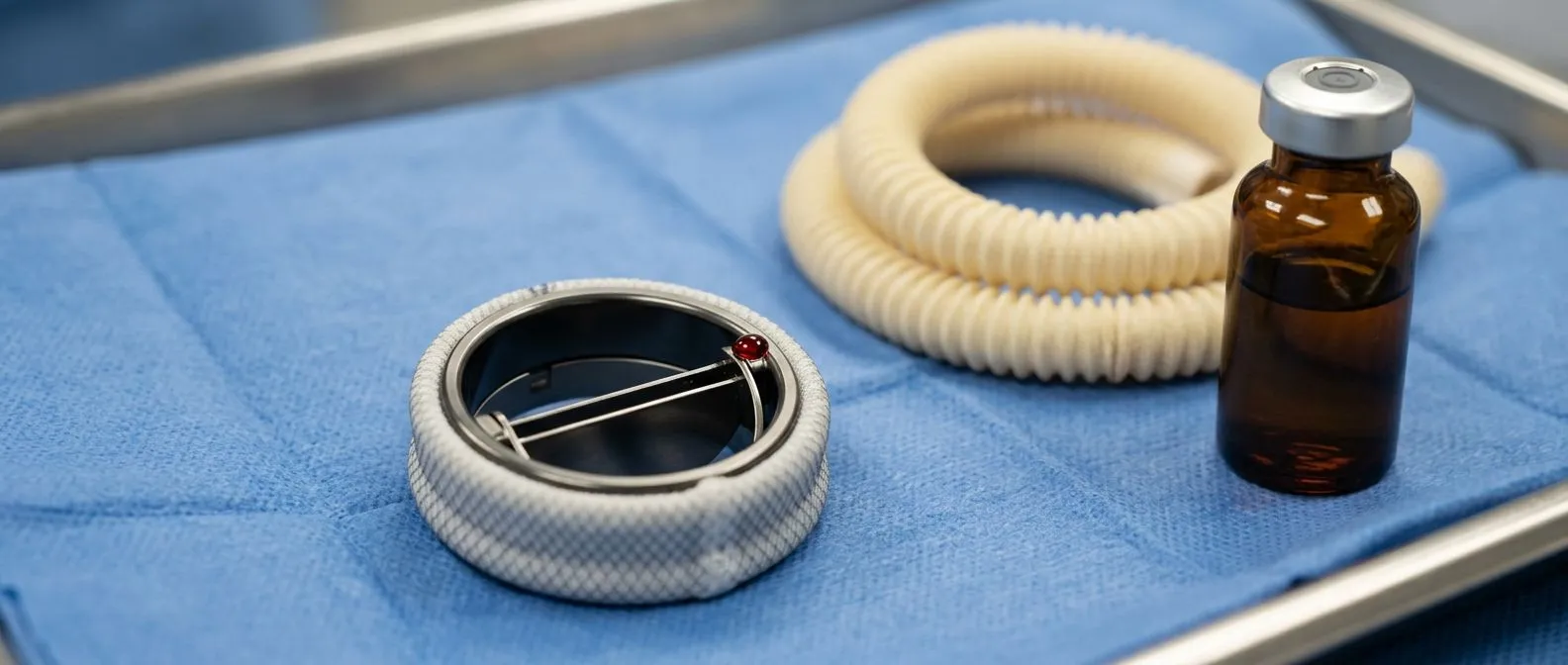
Mechanical valves are made of metals and pyrolytic carbon — materials the body recognizes as foreign. Whenever blood flows across an artificial surface, platelets (the tiny cells that start clots) tend to gather and begin forming a clot. With a natural valve, the living tissue does not trigger this reaction. With a mechanical valve, the trigger is constant, for life.
Why warfarin specifically: warfarin is the oral anticoagulant with the strongest evidence for mechanical heart valves. Newer blood thinners — the direct oral anticoagulants often advertised for atrial fibrillation — have been studied in mechanical valve patients and were found to be more dangerous than warfarin in this population, with more clots and more bleeding. That is why every major guideline still requires warfarin (or a related vitamin K antagonist) for mechanical valve patients. This is not conservatism; it is a lesson learned from real trials.
What warfarin actually does: it blocks the liver's use of vitamin K to make several clotting factors. Its effect is measured only by the INR, not by how you feel. Warfarin also interacts with many foods, antibiotics, and pain medications, which is exactly why the INR can drift without any change in your dose. Missing doses, starting a new medication, an illness with fever, or alcohol changes can all push your INR below target within days.
This is also why the choice of valve matters before surgery. Our multidisciplinary team reviews every case against international practice guidelines before recommending a mechanical valve, a tissue valve, or a transcatheter option, so that lifelong anticoagulation is only asked of patients for whom it genuinely is the best fit. Some patients — for instance those who already take warfarin for atrial fibrillation — accept the requirement gladly. Others are better served by a tissue valve such as a Porcine Valve or a Stented Valve, which typically needs only short-term anticoagulation. The patient receives a clear proposal with the alternatives, and the final decision is always theirs.
What Happens if INR Is Too Low With a Valve?
The question "what happens if INR is too low with a valve" has a direct answer: clot formation on or around the valve, and the complications that follow from it. There are two main scenarios, and both are serious.
- Embolic events: a small clot forms on the valve, breaks off, and travels with the bloodstream until it lodges in a brain artery, causing a stroke or transient ischemic attack (a "mini-stroke"). Clots can also travel to limbs or abdominal organs.
- Valve thrombosis: the clot builds up directly on the valve and interferes with its movement. The valve may become sticky (opening partially), narrowed, or in the worst case completely stuck — an emergency.
How fast can this happen? There is no safe grace period documented for a mechanical valve running below target. A patient whose INR falls to 1.5 and stays there for a week or two is at real risk, particularly in the first three months after surgery, when the valve surface is most thrombogenic (clot-prone). Some clots form and cause symptoms within days of a sharp INR drop; others develop silently over weeks. You cannot predict which patient will be affected, and the first sign may be the stroke itself.
What the clot does to the valve: when leaflets — the moving doors inside the valve — become coated with clot, they open less widely and snap shut less crisply. Patients sometimes notice this first as a change in the sound of their valve click, or as new breathlessness, because the valve is no longer letting blood through properly. Cardiac teams classify this as a mechanical valve anticoagulation failure, and it demands urgent imaging with echocardiography (an ultrasound of the heart) and usually fluoroscopy, a moving X-ray of the valve leaflets.
The risk is real and quantified: large registries and the American Heart Association's journals have documented that inadequate anticoagulation is one of the strongest predictors of thromboembolic events in mechanical valve patients. The American Heart Association maintains guidance recommending that mechanical valve patients maintain INR within their target range without interruption, and that any sub-therapeutic reading be corrected promptly. Before leaving hospital, make sure you have a written INR target and a monitoring schedule, and expect the anticoagulation plan to be reviewed at follow-up visits.
Heart Valve Thrombosis Prevention
Heart valve thrombosis prevention comes down to a small number of consistent habits. None of them are complicated, but all of them are daily commitments.
Take your warfarin at the same time every day: consistency is more protective than most patients realize. A missed dose is not a small thing — a single omission can move the INR meaningfully within 48 hours, especially in patients whose metabolism is fast. Use a pill organizer, set a phone alarm, and link the dose to an unbreakable daily habit such as brushing your teeth.
Keep your INR monitoring schedule: in the first months after surgery, INR may be checked twice weekly or more until it stabilizes; after that, most patients settle into a rhythm of every two to four weeks. If you miss a check, do not simply wait for the next one — arrange it. Point-of-care INR Testing (a finger-stick test done in a clinic or at home with a portable device) has made this far easier for many patients, and home monitoring is an option worth discussing with your team.
Report every new medication and supplement: antibiotics, anti-inflammatory painkillers, some herbal products, and even changes in green vegetable intake can interact with warfarin. Tell your anticoagulation clinic before you start anything new, including over-the-counter products. The goal is not to avoid these things — it is to adjust the dose and the monitoring around them, safely.
Prevention also depends on choosing the right valve strategy for each person from the start. We perform conventional, minimally invasive, robotic and transcatheter procedures, and we recommend the less invasive route only where the evidence supports it for that patient — including TAVR when a transcatheter approach is clearly the lowest-risk option for their situation. A TAVR valve, or a valve placed inside an old surgical valve (a Valve-in-valve procedure), carries different anticoagulation rules than a mechanical valve, and getting those rules right is part of the planning, not an afterthought.
Low INR Symptoms With an Artificial Valve
Here is the uncomfortable truth: low INR symptoms, artificial valve patients take note, are usually absent until something has already gone wrong. A low INR itself causes no sensation. What you can notice are the symptoms of the complications it produces, and knowing them can save your life.
Warning signs of a stroke or mini-stroke: sudden weakness or numbness on one side of the body, slurred or confused speech, sudden loss of vision in one eye, a sudden severe headache, or trouble with balance. These can be brief and then disappear — a transient ischemic attack — which many people dangerously shrug off. A TIA is a warning, not a reprieve; it means a clot reached your brain and, this time, broke up.
Warning signs of valve thrombosis: new or worsening breathlessness, especially on exertion; a change in the click sound of your valve; palpitations; chest discomfort; or sudden fatigue that is out of proportion. These symptoms mean the valve may not be opening and closing freely, and they require same-day medical evaluation.
Warning signs of a clot travelling elsewhere: sudden pain, coldness, or discoloration in a limb or fingers; abdominal pain with nausea. Clots that leave the valve can lodge in an artery in an arm, leg, or gut. These are less common than strokes but just as urgent.
Learn this symptom list before discharge, and ask family members to learn it too — often it is a spouse who notices slurred speech first. Keep a plain-language list of warning signs and a way to reach your care team, because recognizing an emergency early makes a real difference to the outcome.
Under-Anticoagulation Stroke Risk
The most feared consequence of under-anticoagulation is stroke, and the fear is proportionate. Blood clots formed on a mechanical valve travel upward through the aorta directly into the arteries of the brain. The under-anticoagulation stroke risk is therefore front-loaded and direct: the clot source sits millimeters from the vessels that feed the brain.
Why mechanical valve strokes are often severe: clots from valves are frequently larger than those from other sources, because they can grow on the valve surface for some time before dislodging. A larger clot blocks a larger artery, and a larger blockage means more brain tissue at risk. This is why the emphasis on prevention is so strong — treatment after a large valve-related stroke has limits, but prevention works.
Who is at highest risk: patients in the first three months after surgery; patients with a recent INR below 1.8; patients with atrial fibrillation (an irregular rhythm that itself promotes clotting); patients with a history of stroke or clot; and patients whose INR has been fluctuating widely. The same anticoagulation protects the valve and the brain, and each excursion below target chips away at that protection.
Modern research continues to sharpen how we manage these risks. Studies published in cardiovascular journals — including work on left ventricular remodeling following transcatheter versus surgical aortic valve replacement, a speckle tracking study that compared how the heart muscle recovers between the two approaches — show that both TAVR and surgical valve replacement bring real, measurable recovery when the valve is well chosen and follow-up is managed properly. The same principle applies to anticoagulation: careful, consistent management produces measurable protection. I review every patient's anticoagulation record personally before their follow-up, because a trend in the INR readings often tells me more than any single number.
INR Monitoring After Valve Replacement
Good INR monitoring after valve replacement is the practical backbone of everything in this article. The regime changes with time, and knowing the rhythm helps patients plan their lives.
- First weeks after surgery: frequent checks — often every few days — until the dose is stable, because warfarin takes several days to reach its full effect and the body's response varies between individuals.
- Stabilization phase: once readings are consistently in range, checks spread out to weekly, then every two weeks, with dose adjustments made in small, careful increments.
- Maintenance phase: most stable patients check every three to four weeks, either at a laboratory, an anticoagulation clinic, or at home with a point-of-care device if one is available.
What destabilizes the INR: the usual suspects are antibiotics, new pain medications, illness with fever or vomiting (which changes absorption), alcohol changes, big shifts in diet, and travel across time zones that disrupts the dosing schedule. None of these mean you must avoid them — they mean you check more often around them.
Home monitoring: for many patients, Point-of-care INR Testing at home means more frequent checks, faster dose adjustments, and fewer dangerous gaps. Evidence from anticoagulation programs has consistently associated self-testing with more time in the target range. If you travel often — and many of our patients come from abroad or travel between cities — a home device or a reliable clinic network in your destination is worth arranging before you leave. If you travel for care, plan your INR checks and follow-up before you go, so the anticoagulation does not become the thing that goes wrong.
Low INR Management for Valve Patients
Low INR management for valve patients follows a clear, stepwise logic. The response depends on how low the INR is, how recently the valve was placed, and the patient's overall risk.
For a mildly low INR (just under target, for example 1.8 on a 2.0–3.0 target): the usual response is a modest dose adjustment and a repeat INR within a few days. Missing one dose of the correction is what turns a small problem into a dangerous one, so the follow-up check matters as much as the dose change.
For a significantly low INR (well below target, for example 1.5): your team may add a fast-acting injectable anticoagulant — such as Low Molecular Weight Heparin, given under the skin — to bridge the gap until the warfarin dose catches up. This bridging is standard practice, especially in the first three months after surgery, when the valve is most clot-prone and the stakes are highest.
For a very low INR or a symptomatic patient: this is hospital territory. If the INR has collapsed (for example, after a missed week of doses) or if symptoms suggest clot on the valve, the team will arrange urgent echocardiography and intensify anticoagulation immediately, often intravenously. The same applies in reverse for over-anticoagulation — an INR far above target raises bleeding risk and also needs prompt, careful correction, because dropping the INR too fast in the other direction is its own hazard.
What you should never do: double up doses on your own, skip a dose to "correct" a high reading without guidance, stop warfarin before a dental or surgical procedure without a documented bridging plan, or wait out a low INR hoping it corrects itself. Anticoagulation management is a partnership — you do the daily discipline, and the team does the decisions that require medical judgement. Ideally every adjustment is agreed by the doctors involved, so that you get one clear plan rather than conflicting advice.
Under-Anticoagulation Emergency Signs
Under-anticoagulation emergency signs are the symptoms from the sections above, arriving suddenly. The rule is simple: sudden neurological symptoms, sudden breathlessness with a valve, or sudden loss of blood flow to a limb are all same-day emergencies. Call emergency services — do not drive yourself and do not wait to see whether it passes.
Act on the FAST principle: Face drooping, Arm weakness, Speech difficulty, Time to call. Every minute of delay in a valve-related stroke costs brain tissue that cannot be recovered. Emergency teams can only offer clot-dissolving treatment within a narrow window after symptoms start, and patients on warfarin need special evaluation — which is one more reason not to wait.
Valve emergencies look different: if your valve click changes, or you develop sudden severe breathlessness with a mechanical valve, the concern is acute valve thrombosis — the valve seizing up. This can progress to Low Cardiac Output Syndrome (the heart's output falling too low to supply the body), collapse, and death without urgent treatment. Some valve thromboses are treated with intensive clot-dissolving medication; others need urgent surgery or a catheter-based intervention. Only a heart team can decide which, and they need time to do it.
Tell every emergency provider you have a mechanical valve and take warfarin: carry a card or medical alert bracelet stating this. It changes every decision an emergency team makes — the imaging they order, the drugs they can give, and the specialist they call. In the emergency, this small piece of information can save twenty minutes, and twenty minutes can save brain or heart muscle. Carry a written summary — valve type, size, INR target and anticoagulation plan — so that any emergency team has what it needs quickly.
Living Well With a Mechanical Valve
It would be a disservice to end on fear alone. Patients with well-managed mechanical valves live full, active lives — working, traveling, raising families, exercising. The valve itself is durable for decades; the only thing standing between the patient and those decades of good health is consistent anticoagulation and honest follow-up.
Second opinions are normal, not disloyal: deciding about heart surgery — or about any change to a lifelong anticoagulation plan — deserves more than one perspective. We encourage every patient to seek a second opinion, and we see it as a healthy part of deciding, not as an insult. Our team treats asking for a second opinion as a normal step in a big decision, and we are happy to share records and reasoning with any other specialist the patient chooses. For patients weighing a mechanical valve against a tissue valve, or a surgical replacement against TAVR, that extra perspective often brings real peace of mind.
The first step is a real conversation: if you have a mechanical valve and your INR has been unstable, or you are experiencing any of the warning signs in this article, do not wait. The first contact with our team is a free video consultation: we get to know the patient, talk through the condition, and say which studies are still needed so no unnecessary ones are ordered. From consulting rooms in Guadalajara, Querétaro and Hermosillo, the team treats valve disease, coronary disease, the aorta and structural heart conditions.
The risks of under-anticoagulation are real, but so is the protection that good monitoring provides. Check your INR on schedule, take your warfarin without fail, know the warning signs, and keep a cardiac team you trust in the loop. Discuss your own situation with a qualified team rather than deciding alone — and if any doubt arises, book that consultation. It costs nothing to ask, and it may protect everything.