

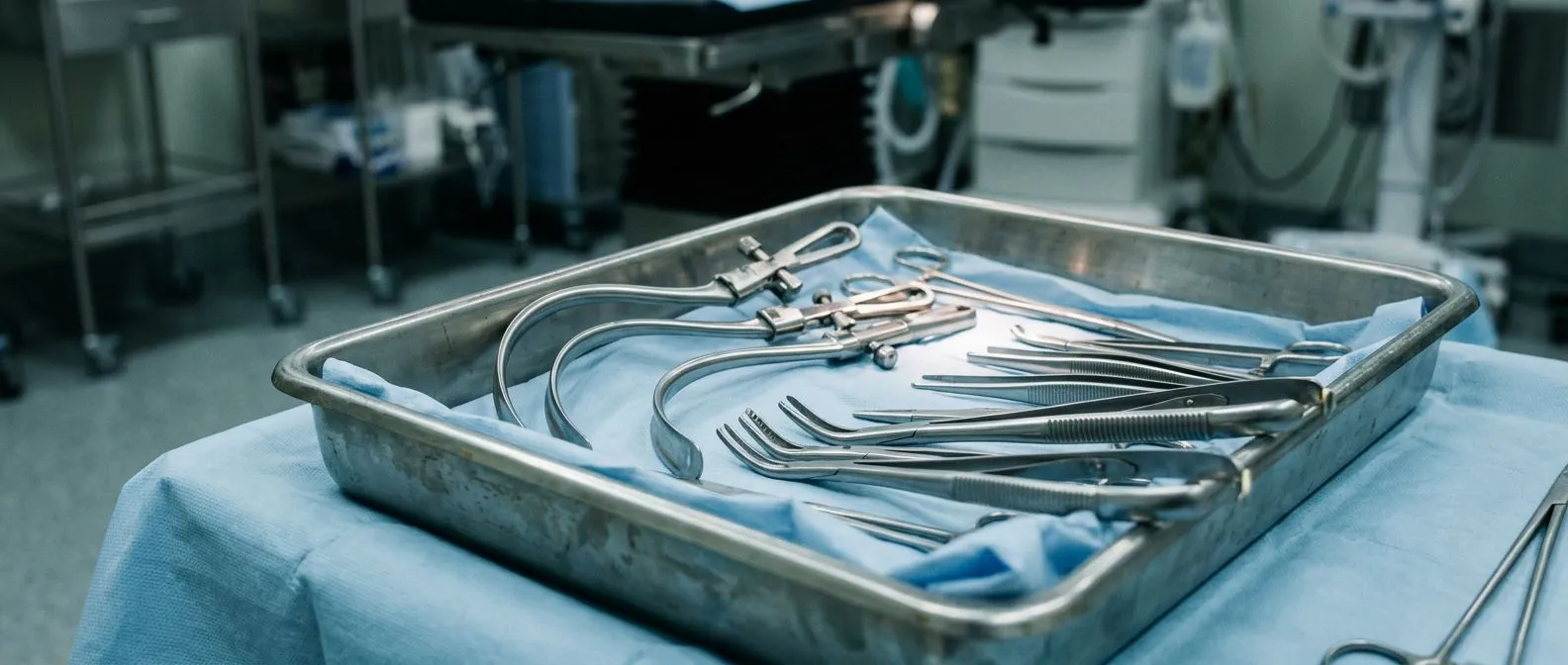
Urgent Heart Surgery: Preparing at Short Notice
Urgent heart surgery can be overwhelming.
When a doctor says your loved one needs urgent heart surgery, the words alone can feel overwhelming. An urgent heart surgery is an operation that cannot wait for a convenient date on a calendar — it must happen within days, or sometimes within hours, because the heart's condition is worsening or already unstable. Unlike planned surgery, it compresses every decision into a much shorter window. This guide walks you through what urgent surgery really means, how it differs from elective operations, what you can realistically prepare in a short time, and what recovery looks like afterwards. Our goal is simple: to replace panic with a clear picture, so you can make the decisions that matter.
What Is Urgent Heart Surgery?
Defining urgency in cardiac care. In heart surgery, "urgent" is a precise clinical label, not just an adjective. It means the operation should be performed during the current hospital admission, usually within 24 to 72 hours, because delaying it risks serious harm: a heart attack in progress, worsening heart failure, or a dangerous complication such as a torn aorta or an infected valve. This sits between truly emergency surgery (performed within hours) and elective surgery (planned weeks or months ahead). Knowing where your loved one's case falls on that spectrum helps you understand the pace of every decision that follows.
Why timing changes everything. The heart tolerates waiting poorly when it is already struggling. In some conditions — for example, an aortic aneurysm that has begun to tear, or a blocked coronary artery that stents cannot fix — every passing hour raises the risk of irreversible damage. This is why cardiac teams review the same imaging and test results repeatedly before urgent operations; the anatomy can change quickly. When a patient's condition demands surgery within a single working day, the team often refers to it as same day heart surgery, and hospital logistics shift around that clock.
What stays the same. Urgency changes the schedule, not the standards. A good cardiac team still confirms the diagnosis, checks the imaging, and reviews the surgical plan before the first incision. At our practice, every case — including the urgent ones — is reviewed by the multidisciplinary team against international practice guidelines before a recommendation is given, and the patient receives a clear proposal with the alternatives. Speed should never replace rigour; the two can and must coexist.
Urgent vs Elective Heart Surgery: What Changes for You
The calendar difference is only the beginning. In elective heart surgery, patients often have weeks to improve their fitness, stop smoking, control blood sugar, and arrange work leave. In urgent heart surgery, most of that runway disappears. What does not disappear is the information: you still deserve to know what operation is proposed, why it is the right one, and what the alternatives are. Elective patients sign consent after long conversations; urgent patients should still receive those conversations, just faster and more focused.
Preparation differences you will notice. Elective patients complete a full pre-anaesthetic workup in an outpatient clinic. Urgent patients undergo the same essential checks — heart function tests, kidney and lung function, blood work, imaging of the arteries — but compressed into hours rather than weeks. The key difference families feel is the rhythm: instead of weeks of appointments, you may see several specialists in a single afternoon, each one building on the last.
Emotional and practical trade-offs. There is a hidden cost to urgency: less time to process the news. Families often tell us the hardest part was not the surgery itself but the speed of the decisions around it. The trade-off cuts both ways — elective patients may wait weeks carrying anxiety, while urgent patients face intense pressure now. Neither is easier; they are simply different. What helps most in both is a team that explains clearly and answers questions without rushing, which is exactly what we insist on even when the clock is running.
Why Is Urgent Heart Surgery Needed?
Blocked coronary arteries that stents cannot treat. The most common reason for urgent cardiac surgery is coronary artery disease — narrowing of the arteries that feed the heart muscle. When one or more arteries become critically blocked and catheter-based stenting is not suitable (for example, with disease of the left main artery or multiple vessels), urgent coronary artery bypass grafting, or bypass surgery, may be needed to restore blood flow before a heart attack causes permanent damage. Cardiologists and cardiac surgeons make this call together, usually after an angiogram, the dye test that shows the arteries directly.
Valve emergencies. Heart valves are one-way doors; when one fails suddenly, blood flows backwards and the heart begins to drown in its own circulation. An acute valve problem — such as a torn mitral valve after an infection, or a leaking aortic valve from a dissecting aneurysm — can deteriorate within hours. The endoscopic mitral repair literature, which examines minimally invasive repair of degenerative mitral regurgitation, shows that even complex valve disease can be addressed through small incisions with good short- and mid-term results when the team is experienced (Journal of Cardiac Surgery). For older patients with a narrowed aortic valve, a TAVR — transcatheter aortic valve replacement, where a new valve is delivered through a catheter in the groin — may be the lower-risk route.
The aorta and structural emergencies. The aorta is the body's largest artery, leaving the heart like a garden hose from a tap. When it enlarges beyond roughly 5.5 centimetres, or begins to tear (a dissection), surgery becomes a matter of hours, not weeks. Infections of the heart's lining (endocarditis) and certain congenital structural problems can also trigger urgent operations. The common thread in all these scenarios is simple: the problem is inside the chest, it is progressing, and medicine alone cannot hold the line.
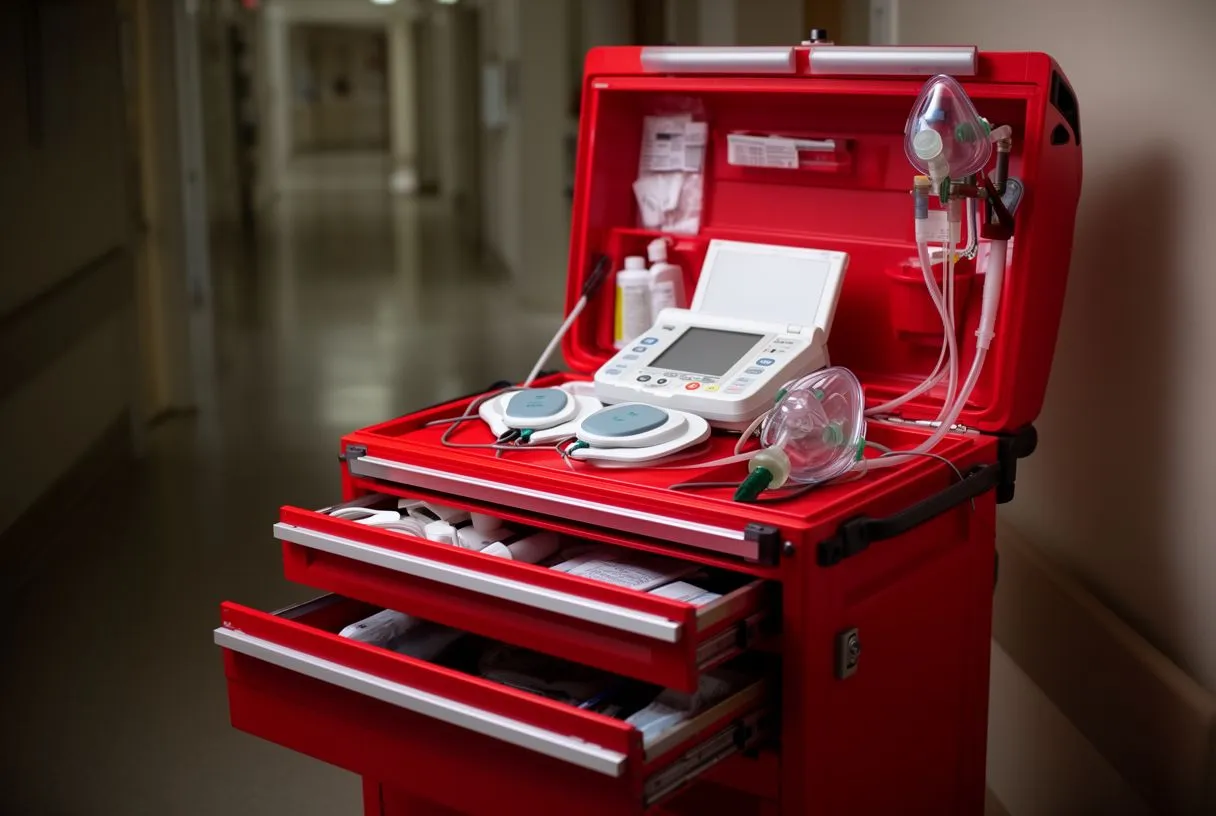
How to Prepare for Urgent Heart Surgery at Short Notice
Bring the information that matters. Even at short notice, accurate information saves hours. Before you arrive at the hospital, gather: a list of every medication with doses (especially blood thinners and diabetes drugs), recent test results or imaging discs if you have them, the name of the cardiologist who has been treating the patient, and any allergies. If the patient has had previous surgery or stents, say so early — it changes the surgical plan. This is the single most useful thing a family member can do in the first hour.
Understand the pre-operative tests. You can expect a focused round of studies: an echocardiogram (an ultrasound of the heart's chambers and valves), an angiogram or CT scan to map the arteries, chest X-ray, blood tests including kidney function, and sometimes a lung function check. None of these are optional extras; each one answers a specific question the surgeon must answer before operating. Ask the team to explain what each test showed in plain words — a good team will, even on a tight schedule.
Practical housekeeping for the family. While the clinical team prepares the patient, you can prepare the rest: identify one family spokesperson for communicating with doctors (this prevents conflicting updates and confusion), arrange coverage for work and childcare, pack essentials for a hospital stay of several days, and note down your questions in a notebook so none are forgotten when a surgeon pauses by the bedside. These small steps protect your energy for the decisions that genuinely need you.
- Medication list: every drug, its dose, and the last time it was taken — blood thinners matter most.
- Medical history in one page: past surgeries, stents, diabetes, kidney disease, allergies.
- One designated spokesperson: a single point of contact keeps updates consistent.
- Written questions: write them down; stress erases memory.
What to Expect: The Day of Urgent Heart Surgery
A timeline you can hold onto. On the day itself, the sequence is usually: a brief visit from the anaesthesia and surgical team, removal of hair from the chest area if needed, final blood work, then transfer to the operating theatre. Surgery itself may take three to six hours for a bypass or valve operation, longer for complex aortic work. The patient will be under general anaesthesia throughout — fully asleep, unaware, and continuously monitored. You will wait in a designated family area, and the surgical team will usually send an update partway through.
What the team is actually doing. Understanding the mechanics helps the waiting feel less opaque. In open-heart surgery, the chest is opened through the breastbone, the heart's function is temporarily taken over by a heart-lung machine, and the repair is performed — a new bypass conduit sewn in place, a valve repaired or replaced, or the aorta reconstructed. In minimally invasive and robotic approaches, the same repair happens through small incisions between the ribs, without dividing the breastbone. In TAVR, no chest incision is needed at all. The choice among these routes is not about fashion; it is about which approach carries the lowest risk for this specific patient's anatomy and condition.
After the operation ends. When surgery finishes, the patient goes to an intensive care unit (ICU), still sleepy, with a breathing tube that is usually removed within hours. Families often find the ICU sight — tubes, monitors, beeping alarms — alarming; almost all of it is routine and temporary. The surgeon will come out and speak with you about how the operation went and what the first hours will look like. In our consultations, we take the time to explain what the studies actually show, in plain words, and we carry that same discipline into the post-operative conversations — every question answered before you are asked to wait.
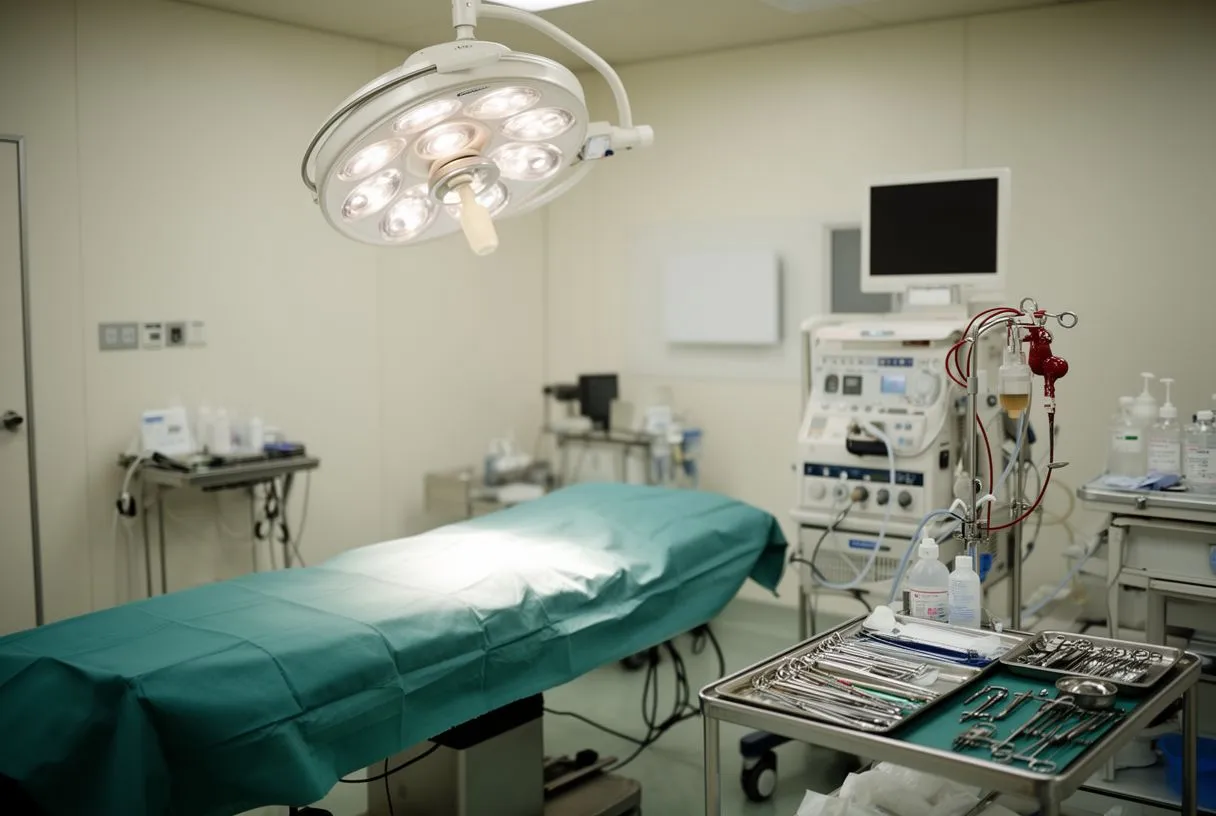
Urgent Heart Surgery Risks: What Families Should Know
Risk is higher, and honesty matters. It is true that urgent heart surgery carries a higher risk than the same operation done electively — the patient is usually sicker, and there is no time to optimise blood pressure, blood sugar, or fitness beforehand. Surgeons quantify this with tools such as the EuroSCORE II, a calculation that estimates operative risk from age, kidney function, lung function, and the urgency of the operation. Ask your team what the calculated risk is for your loved one; a number you understand is far less frightening than a vague reassurance.
The specific risks involved. The main risks of urgent cardiac surgery include bleeding requiring transfusion, infection of the chest wound, irregular heart rhythms (particularly atrial fibrillation, which is common and usually temporary), stroke, and kidney strain. Longer-term considerations include the durability of any bypass grafts or replacement valves. None of these are certainties; they are possibilities your team monitors for actively. Infection risk, for example, is reduced dramatically by simple measures — proper wound care, early mobilisation, and glucose control — which is why the checklist after surgery matters so much.
How teams reduce risk in a hurry. Experience is the strongest mitigator. In our own operating rooms, Dr Molina performed the first robotic mitral valve repair in the Ángeles Health System and the first robotic heart surgery in Guadalajara — and that experience shapes how we triage urgency itself. We recommend the less invasive route only where the evidence supports it for that patient. When a case is urgent, we look at whether a smaller, faster-recovering approach — robotic, endoscopic, or transcatheter — can achieve the same repair with less physiological stress on a body that is already under strain. That judgement is exactly where multidisciplinary review earns its keep.
Managing Anxiety Before Surgery: Ways That Actually Help
Information is the first medicine. Anxiety feeds on the unknown. Studies of surgical patients consistently show that patients who understand their procedure report less fear and recover more smoothly. Practical steps: ask the team to walk you through the operation step by step, request a printed summary of the plan, and write down the two or three things that scare you most so you can ask about them directly. As a surgeon, I have seen repeatedly that the patient who asks the most questions on the night before surgery is usually the calmest one in the pre-operative bay.
Breathing and body techniques. Simple physiological techniques genuinely work. Slow breathing — in for four counts, out for six — activates the parasympathetic nervous system, which is the body's natural brake pedal, and measurably lowers heart rate and blood pressure within minutes. Guided relaxation recordings, short mindfulness exercises, and even gentle music before surgery all have evidence behind them. These are not distractions from the medical process; they are part of it.
For families as much as patients. Families often absorb more stress than the patient, especially when the patient is sedated or focused on their own preparation. If you are the spouse or adult child reading this: eat, sleep, delegate tasks, and talk to someone about your own fear. The Harvard Health publishing arm of Harvard Medical School has written extensively on how chronic stress weakens the very resilience a family needs during a crisis (Harvard Health). Caring for yourself is not selfish here — it is what keeps you useful to the person in the bed.

Urgent Heart Surgery Recovery: Week by Week
The first week: hospital, not home. Recovery from urgent heart surgery typically begins with two to five days in hospital, of which the first one or two are in the ICU. Milestones come fast in the good sense: the breathing tube out within hours, sitting in a chair by day one or two, walking short distances by day three. Physiotherapists start breathing exercises almost immediately — these prevent lung complications and are the single most underrated part of early recovery. Do not be alarmed by chest soreness or fatigue; both are expected.
Weeks two through six: the sternal window. If the breastbone was divided (traditional open-heart surgery), it takes roughly six to eight weeks to knit, and this governs what is allowed. During this window patients must avoid lifting anything heavier than about five kilograms, no pushing or pulling with the arms, and no driving. Most people feel genuinely better by week four and substantially back to normal by week eight. One surprise for many patients: emotional lows in weeks three to six are common and temporary — surgery on the heart stirs up more than the body.
Weeks six to twelve and beyond. By the third month, most patients walk comfortably, return to desk work, and resume gentle exercise. Cardiac rehabilitation — a supervised programme of graded exercise and education — is strongly recommended and improves long-term outcomes. Full recovery from an urgent operation often takes a little longer than from an elective one, because the patient arrived in a weaker state; that difference closes steadily, and patients who engage with rehabilitation close it fastest.
- Walk daily: start in the hospital corridor, extend a few minutes each day.
- Take medications exactly as prescribed: especially the ones preventing clotting and irregular rhythm.
- Protect sleep and appetite: both drive healing more than patients expect.
What to Do After Surgery: A Practical Checklist
Watch the wound, not just the feelings. The chest incision needs daily attention. Look for increasing redness, swelling, oozing, or a gap opening at the edges — any of these should be reported the same day. A small amount of clear or pink drainage in the first week is normal; pus, spreading redness, or fever above 38°C is not. Keep the wound clean and dry as instructed, and do not apply creams or powders unless the team told you to.
Know the red flags by heart. Some symptoms after urgent cardiac surgery need immediate medical attention, not a wait-and-see approach:
- Chest pain that is new, severe, or different from ordinary wound soreness.
- Shortness of breath at rest, or suddenly worsening breathlessness, or waking at night unable to breathe.
- One leg swollen, red, or painful — possible clot.
- Palpitations that feel chaotic, very fast, or come with dizziness or fainting.
- Fever with chills, especially with wound changes.
The follow-up rhythm. A typical schedule after surgery: a wound check within the first two weeks, a cardiology review at four to six weeks, and an echocardiogram at around three months to confirm the repair is working. Between appointments, keep a simple log — weight (a sudden gain of two or more kilograms in a few days suggests fluid retention), blood pressure if you have a cuff at home, and how far you are walking. This log turns a vague "I feel okay" into concrete information your team can act on.
Urgent Heart Surgery, Travel and Second Opinions
What drives the cost of urgent heart surgery. The price of urgent cardiac surgery varies enormously — by country, by hospital, by the type of operation, and by the technology used. A robotic or transcatheter procedure involves expensive equipment and consumables; a conventional bypass does not. Urgency itself adds cost through ICU days and the diagnostic workup compressed into hours. For international patients considering treatment in Mexico, the practical questions to ask are: what exactly does the quoted package include, what would NOT be covered if a complication occurred, and what happens financially if the surgery turns out to be less extensive than planned. Ask these before consenting — a transparent team answers them without hesitation.
Second opinions when time is short. Urgency and second opinions are not enemies. Even in genuinely urgent situations, many cases allow hours or a day for another specialist to review the imaging and confirm the plan — and confirming is valuable in both directions. We encourage second opinions and treat seeking one as a normal part of deciding about heart surgery; a team confident in its recommendation will never fear another expert's eyes. If your case is so time-critical that even a same-day review is impossible, that itself tells you something about how the hospital is organised, and it is worth understanding.
How we make urgent decisions with patients. Our first contact is a free video consultation: we get to know the patient, talk through the condition, and identify which studies are still needed so no unnecessary ones are ordered; a face-to-face visit at our consulting rooms in Guadalajara, Querétaro or Hermosillo follows when the patient decides to go ahead. Even when the timeline is measured in days, that sequence protects patients from both delay and overtreatment. The final decision is always yours — our role is to make it an informed one. If you or a loved one has been told urgent heart surgery may be needed, or if a diagnosis simply does not add up to you, start with a conversation rather than a self-diagnosis; the earlier a cardiac team sees the full picture, the more options you will have. Recovery from surgery begins long before the operating room — it begins with a decision made calmly, with good information.






