Vitamin K Antagonists: Living on Warfarin Safely
Vitamin k antagonist warfarin therapy requires careful monitoring and lifestyle adjustments.
What Is a Vitamin K Antagonist and Why Is It Prescribed?
If your cardiologist has told you that you need a vitamin k antagonist, you may feel uncertain about what that means for your daily life. A vitamin k antagonist is a type of blood-thinning medication that slows down your body's ability to form blood clots. The most commonly prescribed vitamin k antagonist worldwide is warfarin, a medication that has been used for over sixty years to protect patients from dangerous clots that can cause strokes, heart attacks, or blockages in the lungs. If you have had a mechanical heart valve placed in the ascending aorta region, or if you have been diagnosed with atrial flutter, your cardiac team may have recommended this medication as part of your long-term care.
Why your heart condition requires anticoagulation: Certain heart conditions create stagnant or turbulent blood flow that invites clot formation. Atrial fibrillation, for example, causes the upper chambers of the heart (the atrium) to beat irregularly, so blood pools and can coagulate. If a clot breaks loose and travels to the brain, it causes a stroke. Warfarin reduces that risk by keeping the blood at a carefully controlled thinness — not too thin, not too thick. Your cardiologist calculates a target range based on your diagnosis, and regular blood tests confirm you stay within it. For patients with mechanical valves or certain types of arterial graft procedures, the alternative newer medications may not offer the same proven protection, which is why warfarin remains the standard of care for those specific situations.
Understanding the purpose behind the prescription helps you commit to the monitoring and lifestyle adjustments it requires. This is not a medication you can take casually and forget about. It demands a partnership between you and your medical team, regular blood draws, and a willingness to track what you eat and what other medications you take. For many patients — especially those travelling internationally for cardiac care in Mexico — understanding the "why" before the "how" makes the entire process feel less daunting. When you know that each pill and each blood test actively prevents a life-threatening event, the routine becomes a form of empowerment rather than a burden.
How Does Warfarin Work in Your Bloodstream?
The clotting cascade in plain language: Your liver produces several proteins called clotting factors that work together like a chain reaction to seal wounds. Several of these factors — specifically Factors II, VII, IX, and X — depend on vitamin K to function. Warfarin blocks an enzyme that recycles vitamin K, so your liver produces fewer active clotting factors. Think of it as turning down the volume on your body's clotting system rather than switching it off entirely. The medication does not dissolve existing clots, but it prevents new ones from forming and gives your body time to break down clots that have already developed.
The process takes time. Warfarin does not thin your blood immediately — it typically takes two to seven days to reach its full effect. This delayed onset is why some patients need bridging therapy with a faster-acting injectable anticoagulant when they first start treatment or when they need to stop warfarin for a procedure. Your international normalised ratio (INR) — the blood test that measures how long it takes your blood to clot — reflects whether the medication has reached the right level. If the INR is too low, you remain at risk for clots; if it is too high, you risk bleeding. According to research published in Nature, the molecular mechanisms underlying vitamin K cycling are more complex than originally understood, which helps explain why individual responses to warfarin vary so widely.
Genetic variation and individual dosing: No two patients process warfarin identically. Genetic differences in two specific enzymes — CYP2C9 and VKORC1 — can make some people slow metabolisers who need very small doses, while others clear the drug quickly and require higher amounts. Age, body weight, liver function, and even dietary habits all contribute to your personal dose. This is why your doctor starts you on a dose, checks your INR within a few days, and then adjusts up or down until you land in your target range. The process can feel slow, but it is deliberate and careful. Patience during those first weeks pays off in long-term stability.
Brand-Name vs Generic Warfarin: Understanding the Differences
When patients hear a brand name alongside "warfarin," they often wonder whether they are two different medications. They are not. Warfarin is the generic name of the drug, and it has also been sold under brand names. The best-known brand was discontinued in the United States, though generic warfarin remains widely available and is identical in active ingredient. Other brand names exist in different countries, including Marevan and Jantoven. What matters is that the active compound — warfarin sodium — is the same regardless of the label on the bottle.
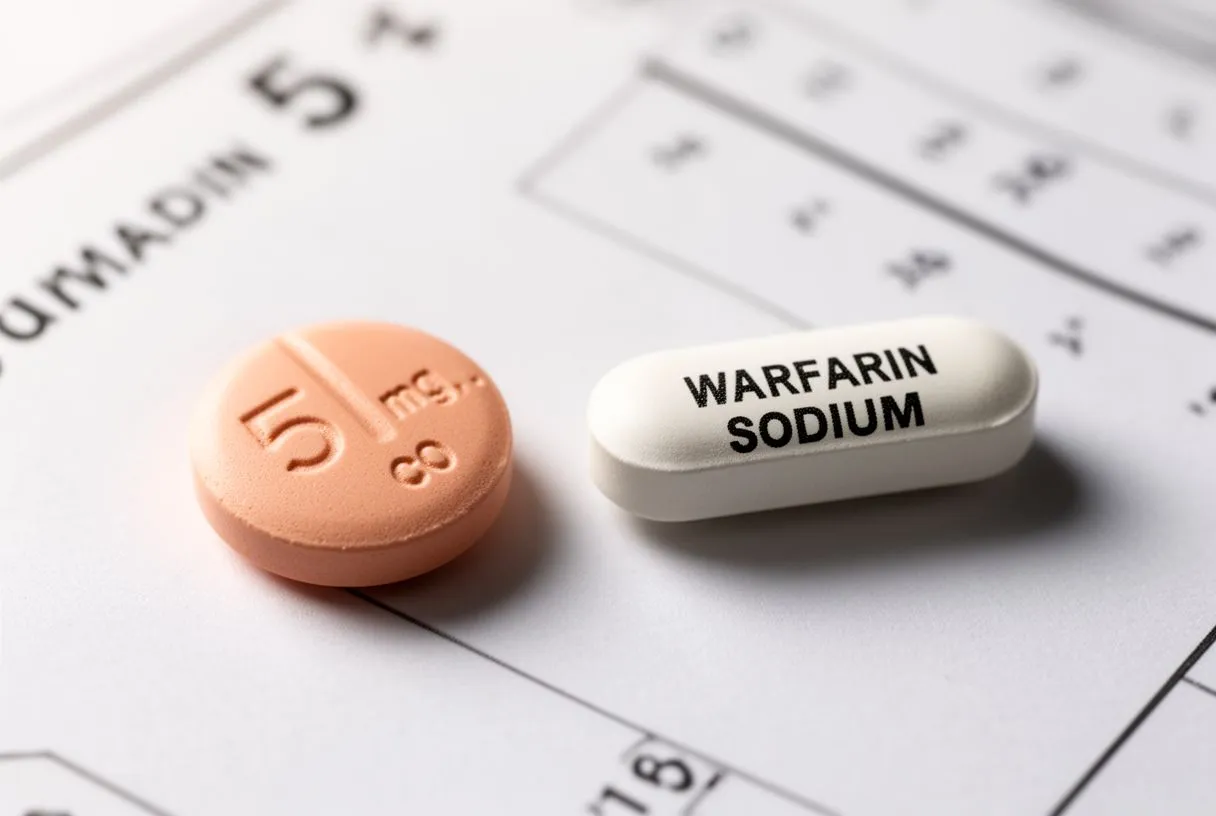
Does the brand or generic version matter? Regulatory agencies require generic medications to meet the same standards for active ingredients, strength, and absorption as their brand-name counterparts. However, some patients report slight differences in how they feel when switching between manufacturers, possibly due to variations in inactive ingredients or tablet formulations. If your INR fluctuates after a pharmacy switches your generic manufacturer, tell your anticoagulation management clinic immediately. They may ask you to stay with one manufacturer's product for consistency, or they may adjust your dose slightly to account for the change. The goal is stability, and consistency in the product you take helps achieve it.
For patients in Mexico who may fill prescriptions at different pharmacies or who travel between countries, this point deserves attention. A bottle labelled "warfarina" from a Mexican pharmacy contains the same active medication as one labelled "warfarin" in the United States or Canada. What changes is the tablet colour and strength markings. Always confirm the milligram strength on the packaging with your prescribing physician, because tablet colours vary between manufacturers and countries. Mistaking a 5 mg tablet for a 1 mg tablet — or vice versa — can cause dangerous INR swings. Keep a written record of your exact dose and bring it to every appointment.
Warfarin Diet Restrictions: What Foods to Watch
Vitamin K and warfarin are in direct competition: Because warfarin works by interfering with vitamin K recycling, the amount of vitamin K you consume directly affects how well the medication works. Foods high in vitamin K — primarily dark green, leafy vegetables — can make warfarin less effective if you suddenly eat large amounts. This does not mean you must eliminate these foods entirely. The key principle is consistency: your body can handle a steady, moderate intake of vitamin K, but a sudden surge — like eating a large kale salad every day for a week when you never ate kale before — can drop your INR into a range where clots become a risk.
Many patients feel anxious about dietary restrictions when they first start warfarin, imagining that they must give up healthy vegetables forever. That is not the case. Nutrition is an essential part of cardiac recovery, and vegetables are critical for long-term heart health, especially after procedures involving an arterial line or arterial cannula placement during surgery. The goal is to keep your vitamin K intake roughly the same from week to week. If you typically eat a modest serving of spinach twice a week, continue doing that. If you want to add a new vegetable to your diet, introduce it gradually and let your anticoagulation clinic know, so they can monitor your INR during the transition.
Hidden sources of vitamin K: Beyond leafy greens, vitamin K appears in some unexpected places. Certain cooking oils, particularly canola and soybean oil, contain moderate amounts. Nutritional supplements, protein shakes, and meal replacement drinks may include vitamin K in their vitamin blends. Some herbal teas, especially those containing green tea extract, can also contribute. Read supplement labels carefully and tell your doctor about anything new you start taking — including over-the-counter vitamins. A seemingly harmless "health drink" can interact with warfarin just as surely as a plate of broccoli. When in doubt, bring the label to your next clinic visit.
Vitamin K Foods to Avoid and Which Are Safe in Moderation
Understanding which foods contain high versus moderate amounts of vitamin K helps you make informed choices without fear. The following list summarises common foods by their vitamin K content so you can plan meals with confidence:
- High vitamin K (eat consistently, avoid sudden surges): Kale, spinach, Swiss chard, collard greens, turnip greens, parsley, Brussels sprouts, broccoli, and endive. These are nutritious and do not need to be banned — just keep portions steady week to week.
- Moderate vitamin K (generally safe in normal portions): Romaine lettuce, green beans, avocado, kiwi, asparagus, and peas. These contribute to a balanced diet without dramatically affecting INR in typical amounts.
- Low vitamin K (enjoy freely): Tomatoes, peppers, carrots, cucumbers, apples, bananas, oranges, berries, corn, potatoes, and most fruits and non-green vegetables. These form the foundation of a heart-healthy plate while on warfarin.

Cranberry products deserve special mention. Cranberry juice and supplements have been associated with increased warfarin potency in some case reports, though the evidence is mixed. Many anticoagulation clinics advise limiting cranberry juice to small amounts or avoiding cranberry supplements entirely. If you enjoy cranberry juice, tell your doctor and let them monitor your INR after you consume it. The same caution applies to grapefruit and grapefruit juice, which can interact with many medications — though warfarin's interaction with grapefruit is less significant than with some other drugs, it is still worth mentioning to your care team.
Families who cook together can support the patient on warfarin by simply keeping meals consistent. You do not need to prepare separate food. If the household normally eats a varied diet with leafy greens a few times a week, the person on warfarin can participate — the goal is to avoid dramatic changes. During holidays or travel, when eating patterns shift, extra INR checks provide reassurance. Many patients find that once they understand the principle of consistency rather than elimination, the diet feels manageable and much less restrictive than they feared.
INR Blood Test Frequency and Therapeutic Range Explained
The international normalised ratio — INR — is the single most important number in your warfarin therapy. It measures how long your blood takes to clot compared with a standard reference. A person not taking anticoagulants typically has an INR around 1.0. Most patients on warfarin have a target INR between 2.0 and 3.0, meaning their blood takes two to three times longer to clot than normal. For certain conditions, such as mechanical mitral valves, the target may be higher — typically 2.5 to 3.5. Your cardiologist sets your specific range based on your diagnosis, and every dose adjustment aims to keep you within it.
How often will you need blood drawn? When you first start warfarin, you will likely need an INR test every few days until your dose stabilises. As your levels become more predictable, the interval extends to weekly, then every two weeks, and eventually monthly. Some patients with very stable INRs over long periods may test every four to six weeks. Home INR monitors — small devices that use a finger-prick blood sample, similar to glucose monitors — allow some patients to test themselves and report results by phone or app. Your clinic can advise whether home monitoring suits your situation. Research on vascular health and inflammation, including work on intimal macrophages developing from circulating monocytes during vasculitis, underscores how complex blood chemistry interactions can be — which is why individualised monitoring matters so much.
Missing a blood test is one of the most common reasons patients fall out of their therapeutic range. If you travel between Mexico and your home country, plan ahead for where you will have your INR checked. Many international cardiac centres, including those in Guadalajara and Querétaro, offer anticoagulation monitoring for travelling patients. Keep a printed or digital record of your recent INR results and current dose so any clinician who sees you can understand your history quickly. If your INR comes back outside the target range, do not panic — your doctor will adjust the dose and recheck within a few days. One out-of-range result does not mean disaster; it means the dose needs fine-tuning.
Warfarin Side Effects and Bleeding Warning Signs
The most important thing to understand about warfarin side effects is that bleeding is the primary concern. Because the medication deliberately slows clotting, any injury — internal or external — may bleed longer or more heavily than it would in someone not taking anticoagulants. Minor bruising from everyday bumps is common and usually not alarming. However, certain signs indicate your blood may be too thin and your INR may be too high. Recognising these signs early allows you to seek help before a small problem becomes serious.
Warning signs that require urgent medical attention: Unusual bruising that appears without a known injury, bleeding gums when you brush your teeth that does not stop within a few minutes, nosebleeds that last longer than ten minutes despite pressure, blood in your urine (which may look pink, red, or brown), blood in your stool (which may appear dark or tarry), coughing up blood, or vomiting material that looks like coffee grounds. Severe headaches, sudden vision changes, or weakness on one side of the body may indicate bleeding in the brain and require emergency care immediately. Do not wait to see if these symptoms resolve on their own.
When to call your doctor versus when to go to the hospital: For minor concerns — a small cut that takes longer to stop bleeding, a few extra bruises than usual, or a slightly prolonged nosebleed — contact your anticoagulation clinic during business hours. They can check your INR and adjust your dose. For severe bleeding that will not stop, head pain with neurological symptoms, large amounts of blood in urine or stool, or any fall that hits your head, go to the nearest emergency department. Patients who have undergone procedures such as balloon angioplasty or balloon aortic valvuloplasty may have specific post-procedure bleeding risks, so always mention recent cardiac interventions to the treating team. Keep an updated list of your medications, dose, and recent INR results in your wallet or phone for exactly these moments.
Warfarin Drug Interactions: What Medications to Avoid
Warfarin interacts with more medications than almost any other prescription drug. Some interactions increase warfarin's effect and raise bleeding risk; others decrease it and raise clot risk. This happens because warfarin is processed by liver enzymes that also handle many other common drugs. When two medications compete for the same enzymes, one can build up faster or be cleared more quickly than expected, shifting your INR without any change in your warfarin dose itself.
Common over-the-counter medications that interact with warfarin:
- Aspirin and NSAIDs: Aspirin, ibuprofen, naproxen, and other non-steroidal anti-inflammatory drugs increase bleeding risk by interfering with platelet function on top of warfarin's anticoagulant effect. Acetaminophen (paracetamol) is generally safer for pain relief, but very high doses can also affect INR.
- Herbal supplements: Garlic, ginkgo biloba, ginseng, St. John's wort, and many others can either potentiate or reduce warfarin's effect. Treat supplements as seriously as prescription drugs.
- Antibiotics: Many antibiotics — especially those in the fluoroquinolone and macrolide families — can significantly raise INR. If you are prescribed antibiotics, ask your doctor whether you need an extra INR check within a few days of starting them.
Always carry a complete, updated medication list that includes prescriptions, over-the-counter drugs, supplements, and herbal products. Before any physician — even a dentist or dermatologist — prescribes something new, tell them you take warfarin and ask specifically whether it interacts. This conversation takes thirty seconds and can prevent weeks of instability. If you see multiple specialists, designate one clinician — usually your anticoagulation clinic or primary cardiologist — as the coordinator of your warfarin therapy. They can review all new prescriptions for interactions and adjust your warfarin dose proactively. This coordination is especially important for patients who receive cardiac care across different countries, where medication brand names and formulations may differ.
Warfarin and Alcohol: Can You Drink While on Therapy?
Alcohol and warfarin have a complicated relationship. Your liver processes both, and alcohol can change how efficiently your liver metabolises warfarin. Occasional, modest amounts of alcohol — such as a single glass of wine with dinner — usually do not cause significant INR changes in most patients. However, binge drinking or regular heavy consumption can raise INR to dangerous levels, increasing bleeding risk substantially. The safest approach is to discuss your drinking habits honestly with your cardiologist and follow their specific guidance for your situation.
Why even moderate drinking can matter: Alcohol irritates the stomach lining and can increase the risk of gastrointestinal bleeding — a concern that compounds with warfarin's anticoagulant effect. If you have a history of ulcers, gastritis, or liver disease, even small amounts of alcohol may be inadvisable. Patients with conditions such as atrial flutter or those who have received an autograft or other surgical intervention may have additional cardiovascular reasons to limit alcohol. Furthermore, alcohol can impair judgement, increasing the risk of falls and injuries — which are far more dangerous when your blood does not clot normally. The combination of a head injury and an elevated INR is a medical emergency, and intoxication raises the likelihood of such injuries.
If you choose to drink occasionally, keep it to one serving, do it with food, and never skip your warfarin dose to "compensate." Skipping doses destabilises your INR far more than a single drink would. Be aware that mixers and cocktails may contain herbal ingredients or fruit juices that also interact with warfarin. Tonic water, for example, contains quinine, which can affect platelet function. If you are attending social events where alcohol will be served, consider alternating with water and letting a trusted companion know you are on anticoagulants. This is not about fear — it is about awareness and planning so you can enjoy life while staying safe. Research on vascular endothelial function and metabolic control, including the association between glycemic control and morning blood surge with vascular endothelial dysfunction in type 2 diabetes mellitus patients, reminds us that metabolic health and vascular integrity are interconnected — and alcohol is one factor among many.
Warfarin Patient Education: Your Long-Term Management Plan
Living well on warfarin is entirely possible with a structured routine and a clear understanding of what matters most. The patients who do best are those who take ownership of their therapy: they know their target INR range, they keep a log of their doses and test results, they communicate openly with their clinic, and they make lifestyle choices that support stability. None of this requires medical training — it requires attention and consistency. Think of warfarin management as a daily health practice, similar to brushing your teeth or checking your blood pressure.
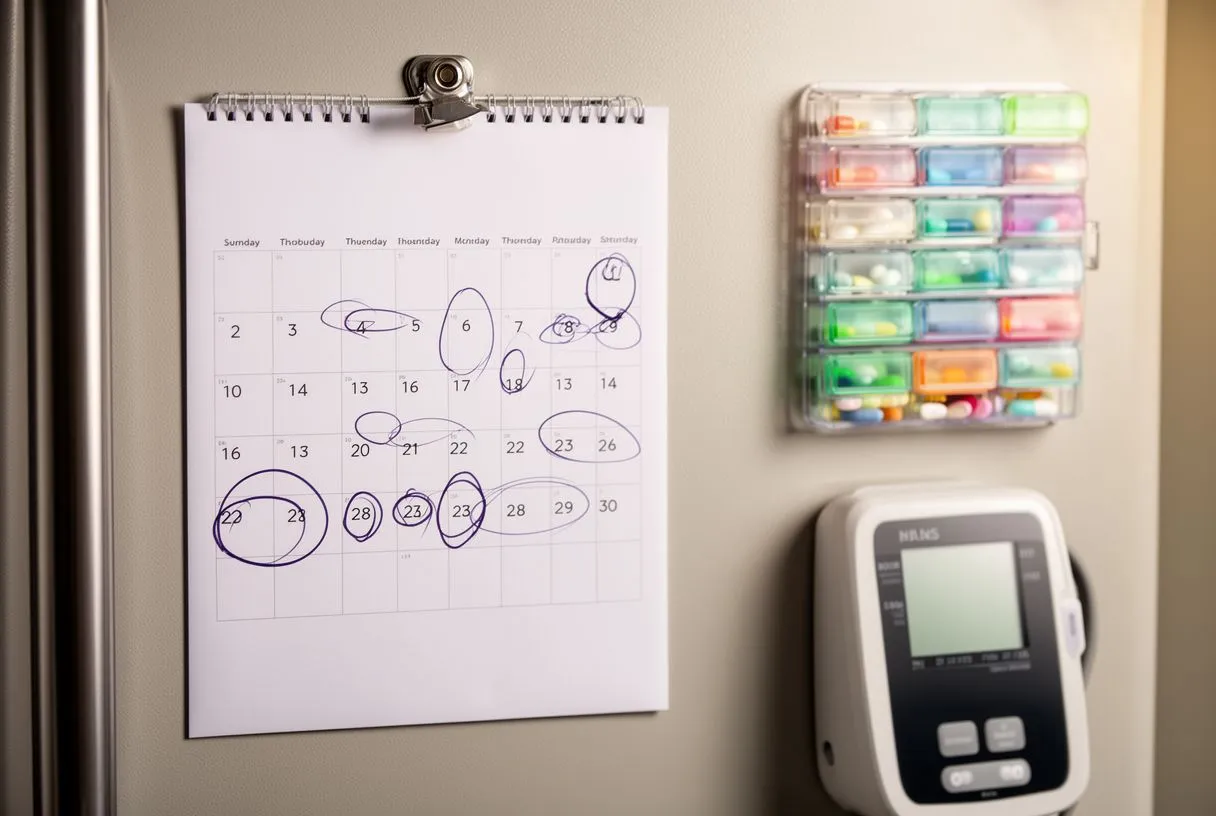
Building your personal warfarin toolkit: Keep a notebook or phone app where you record your daily dose, INR results, and any changes in diet, medications, or how you feel. Carry a medical alert card or wear identification that states you take warfarin — this is critical if you are ever unconscious or unable to communicate in an emergency. Tell your family members which medications you take and where you keep your records, so they can speak for you if needed. If you travel internationally for cardiac care, bring a letter from your prescribing physician that lists your diagnosis, medication, dose, and target INR range — this can smooth customs checks and help local clinicians understand your history quickly.
If you are comparing warfarin with newer oral anticoagulants, know that the choice depends entirely on your specific condition. Newer medications such as apixaban (studied in the ARISTOTLE trial) and rivaroxaban do not require INR monitoring and have fewer dietary interactions, but they are not suitable for patients with mechanical heart valves and may not be appropriate for certain other cardiac conditions. Some of these newer drugs also lack the rapid reversal options that warfarin has — vitamin K and specific reversal products can bring warfarin's effect under control within hours if needed. Your cardiac surgeon or cardiologist can explain which option carries the lowest risk for your situation, factoring in your valve type, your overall health, and your ability to maintain regular monitoring. Do not switch medications based on what a friend or relative takes — each case is individual.
Finally, remember that warfarin therapy is not a life sentence to anxiety. Most patients find that after the first few months, the routine becomes second nature. You learn your body's patterns, you build a relationship with your anticoagulation clinic, and you discover that the restrictions are less severe than they first appeared. The medication that once felt intimidating becomes a quiet, daily act of self-care that protects the heart you have invested so much in healing. If you have questions about starting warfarin, managing your current therapy, or exploring alternatives, we encourage you to discuss your personal situation with a qualified cardiac team. Book a consultation with Dr Alejandro Molina and his colleagues at Cirugía de Corazón in Guadalajara, Querétaro, or Hermosillo — they can review your full history, explain your options in clear terms, and help you find the approach that carries the lowest risk for your specific condition. Do not self-diagnose or adjust your medication on your own. Let experienced cardiac specialists guide you toward confident, informed decisions about your long-term heart health.