Vitamin K in Food: Eating Well on Warfarin
Vitamin k foods warfarin patients can eat safely—discover balanced meal tips, low-K options, and dining strategies.
At Cirugía de Corazón, we know that adjusting to life on a blood thinner can feel overwhelming, especially when it comes to your daily meals. Understanding how vitamin k foods interact with your medication is one of the most important steps you can take for your long-term heart health. Whether you are preparing for a procedure on your ascending aorta or managing an irregular heart rhythm, a consistent diet helps ensure your therapy remains effective. We encourage you to use this guide as a starting point and to discuss your specific nutritional needs with our cardiac team.
What Are Vitamin K Foods and Why Do They Matter on Warfarin?
Understanding the role of vitamin K in your body: Vitamin K is a naturally occurring nutrient essential for helping your blood clot properly. When you sustain an injury, this nutrient activates proteins that form a plug to stop bleeding. However, for patients taking warfarin—a medication designed to slow down this exact clotting process—sudden spikes in your intake of vitamin k foods can counteract the drug’s protective effects. Balancing your diet means allowing the medication to keep your blood at the right thickness, reducing the risk of dangerous clots without increasing your risk of bleeding.
Why consistency matters more than elimination: Many patients assume they must entirely eliminate leafy greens to stay safe, but this is a common misconception. The goal of a stable warfarin diet is consistency, not total restriction. If you usually eat a spinach salad three times a week, your medication dose can be adjusted to account for that intake. The real danger lies in sudden, drastic changes—like eating a massive bowl of kale one week and no greens the next. By keeping your daily intake steady, your blood tests will remain predictable and manageable.
At our practice, Dr Alejandro Molina and his team emphasize that eating well should not be a source of anxiety. Your heart health journey, whether it involves managing atrial flutter or recovering from a complex structural intervention, requires a sustainable approach to nutrition. By learning which foods contain high amounts of this nutrient and monitoring your portions, you can enjoy a varied, delicious diet while keeping your therapy perfectly on track.
How Does Warfarin Interact With Vitamin K in the Body?
The science behind the interaction: Warfarin works by blocking an enzyme in the liver that uses vitamin K to produce active clotting factors. When you consume foods rich in this nutrient, your liver has more raw materials to build these proteins, which can effectively lower the anticoagulant effect of your medication. This is why eating large amounts of vitamin k foods can make your blood clot faster than desired, potentially increasing the risk of a stroke or other thrombotic events.
To manage this delicate balance, regular monitoring of your International Normalized Ratio (INR) is essential. Your INR tells us how long it takes your blood to clot compared to a standard sample. According to Harvard Health, maintaining a steady intake of dietary vitamin K is crucial for keeping your INR within the therapeutic target range. If your INR drops too low, it means your blood is too thick, which is often directly linked to an unexpected increase in your vitamin K consumption.
Factors that alter your sensitivity: Every patient metabolizes medication differently. Factors like age, liver function, and other medications—including over-the-counter drugs like Aspirin—can alter how your body responds to dietary changes. Because your sensitivity can change over time, doses are adjusted to the individual rather than following a one-size-fits-all chart. Report any major dietary shifts promptly to the doctor managing your anticoagulation, so your levels can be tested and your prescription adjusted if necessary.
Which High Vitamin K Foods Should You Monitor Closely?
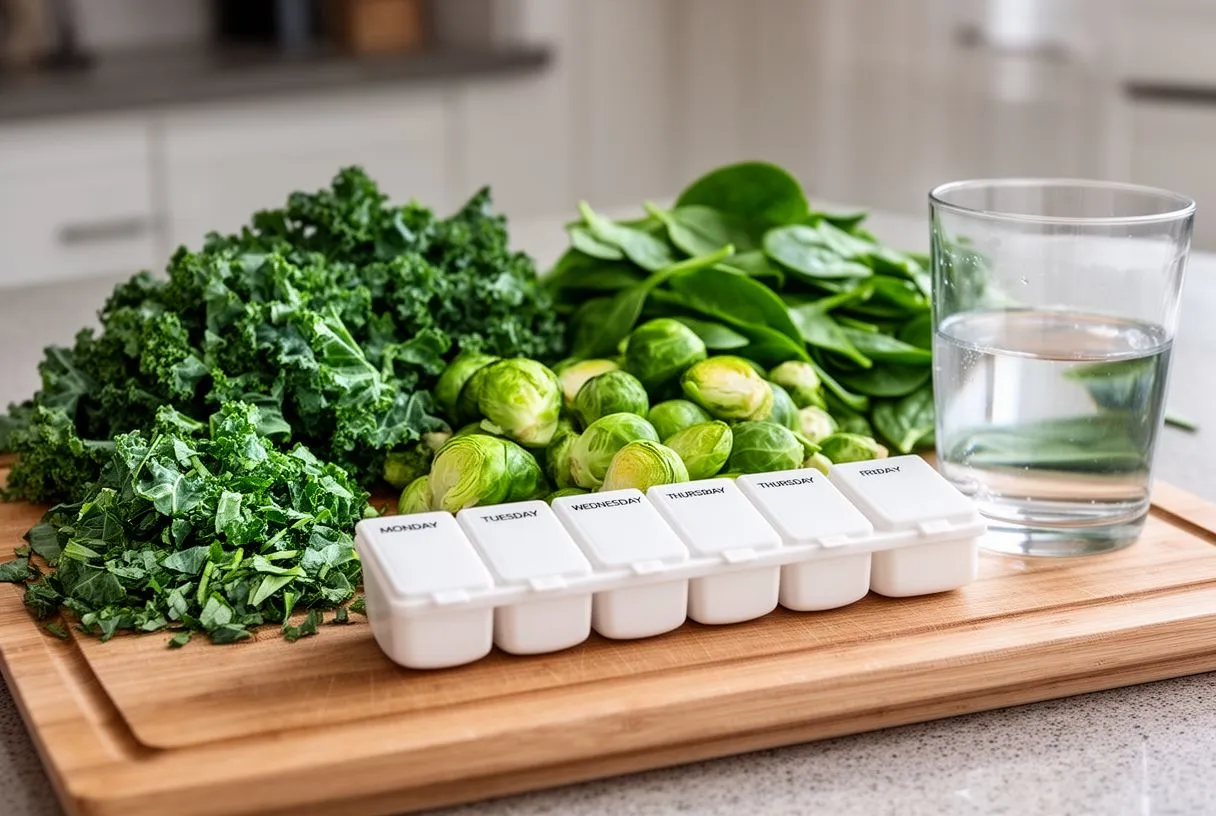
Identifying the highest sources of vitamin K: Dark, leafy green vegetables are the most concentrated sources of this nutrient. While they are incredibly healthy and packed with vitamins, minerals, and fiber, they require careful portion control when you are on a blood thinner. You do not have to avoid them entirely, but you should be acutely aware of how much you are eating on a given day or week.
Here are some of the most common foods that pack a high amount of this nutrient:
- Dark leafy greens: Kale, spinach, collard greens, and Swiss chard have the highest concentrations.
- Cruciferous vegetables: Brussels sprouts and broccoli are moderately high and should be portioned consistently.
- Herbs and garnishes: Parsley, cilantro, and green onions can add up quickly if used in large quantities.
Hidden sources in everyday meals: It is not just salads you have to watch. Certain oils and dressings, particularly soybean and canola oils, contain significant amounts of this nutrient. If you frequently cook with these oils or eat processed foods containing them, you may be consuming more than you realize. We recommend reading nutrition labels carefully and choosing olive oil as your primary cooking fat, as it is naturally very low in this vitamin.
Can You Eat Green Vegetables While Managing a Warfarin Diet?
Reframing your relationship with greens: Absolutely, you can—and should—eat green vegetables. Heart-healthy diets are built on fresh produce, and depriving your body of essential nutrients found in greens can lead to other health complications. The key is to select vegetables with lower amounts of the nutrient and to eat them in predictable, measured amounts. This approach supports your cardiovascular health while keeping your medication levels completely stable.
Choosing safer green alternatives: Many green vegetables contain only trace amounts of the nutrient and are safe to eat more freely. Iceberg lettuce, romaine, green beans, cucumbers, and zucchini are excellent choices that provide volume and fiber without heavily impacting your INR. If you enjoy a daily salad, building it with these base ingredients rather than spinach allows you to maintain a heart-healthy habit without disrupting your therapy.
If you are recovering from a procedure, such as a balloon angioplasty or the placement of a balloon aortic valvuloplasty device prior to a valve replacement, your body needs excellent nutrition to heal. We encourage patients to view their vegetable intake as a tool for recovery. By mapping out a weekly menu that includes a steady, moderate amount of greens, you give your body the building blocks it needs to repair tissue while respecting the boundaries of your medication.
Best Low Vitamin K Foods for Consistent Blood Thinner Therapy
Building a foundation of safe foods: A well-rounded warfarin diet relies heavily on foods that are naturally low in this nutrient. Proteins, grains, and most fruits are excellent staples because they have negligible effects on your clotting factors. By centering your meals around these safe options, you reduce the daily fluctuations that make managing your medication so difficult.
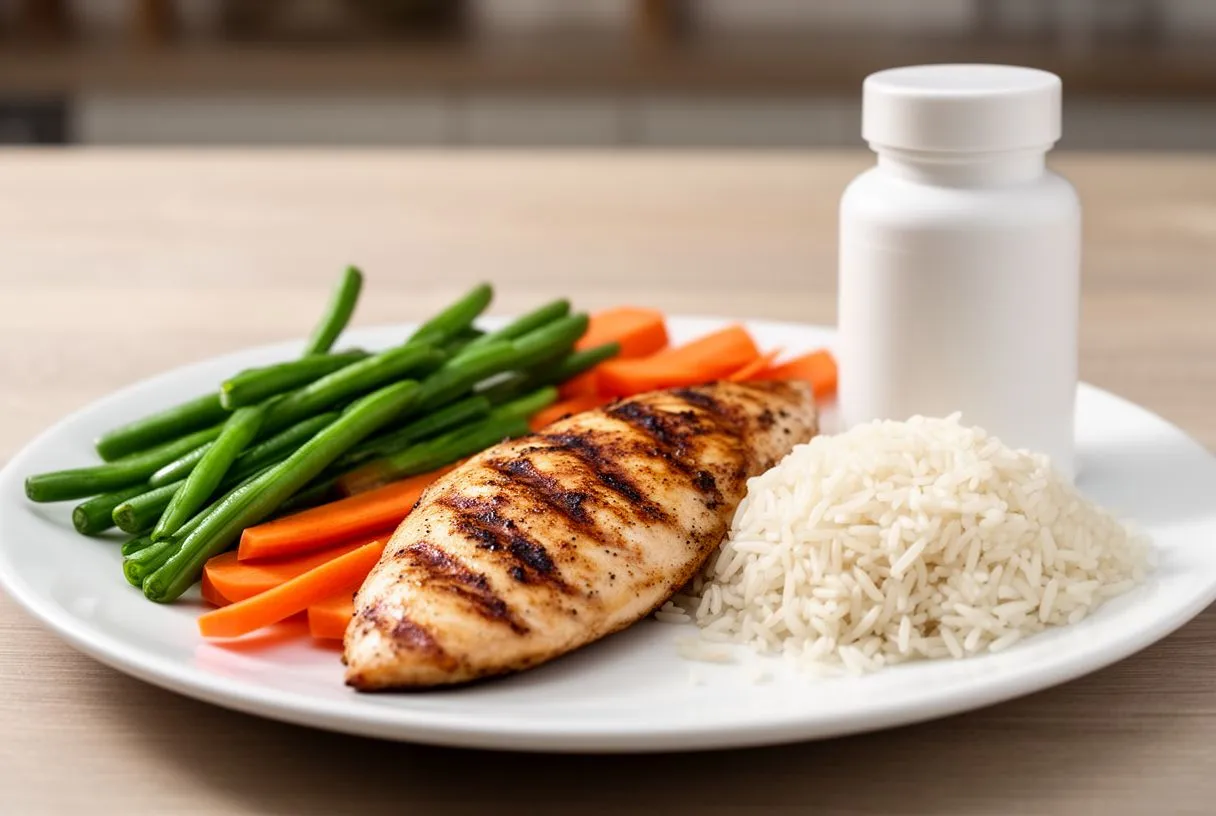
Excellent low-nutrient meal components: Focus on incorporating a variety of lean proteins and complex carbohydrates into your daily routine. These foods provide the energy and amino acids necessary for recovering from cardiac interventions, including surgeries that involve an arterial graft or the management of severe atheromatous plaque. Safe, delicious options include:
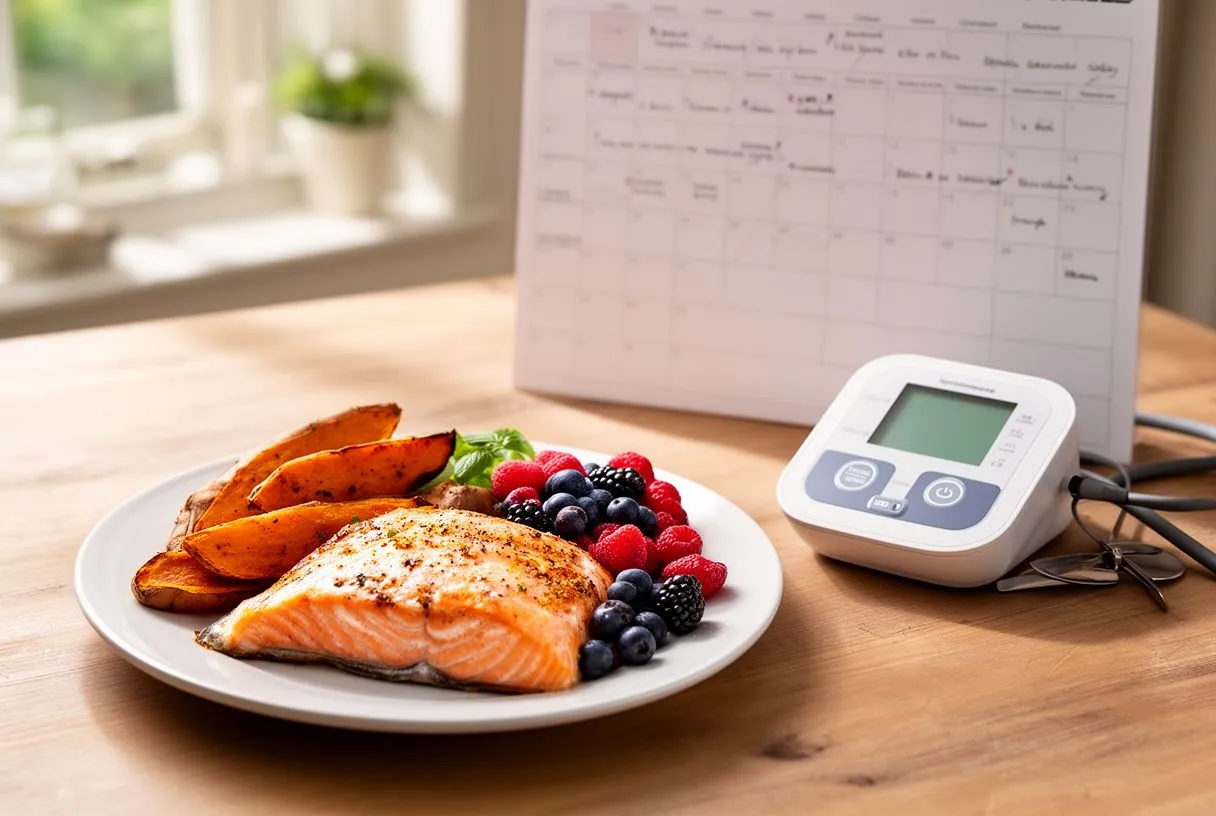
- Lean proteins: Chicken, turkey, fish, and eggs are virtually free of the nutrient.
- Grains and starches: Rice, pasta, potatoes, and bread provide steady energy without affecting your INR.
- Most fruits: Apples, bananas, melons, and berries are safe and highly nutritious.
Maintaining a varied diet is crucial for your overall well-being. When your meals are diverse and nutritionally complete, you are less likely to experience the fatigue and mood changes that can accompany a highly restrictive diet.
How to Build a Safe Warfarin Diet Plan for Heart Patients
Structuring your weekly meals: Creating a successful meal plan requires a bit of upfront effort, but it quickly becomes second nature. Start by writing down everything you eat for a typical week. This food journal helps us identify patterns and pinpoint where your vitamin k intake might be fluctuating. Once your baseline is established, a weekly template can help keep your portions consistent.
When planning your diet, it is important to consider your overall medical picture. If you have recently undergone treatment for an infection, such as a case similar to the Successful treatment of challenging case of infective endocarditis, your body requires robust nutrition to recover fully. Your diet plan should prioritize healing foods—like high-quality proteins and vitamin C-rich fruits—while carefully regulating the specific greens that interact with your blood thinner.
Practical tips for meal prep: Consistency is easiest to achieve when you prepare your meals in advance. Cook large batches of low-nutrient staples like rice or roasted potatoes, and pair them with a measured serving of your chosen protein. If you plan to include a higher-nutrient vegetable, measure it carefully using a kitchen scale so your portion remains identical week after week. This predictability is the secret to a stress-free warfarin diet.
What Are the Hidden Warfarin Food Interactions to Watch For?
Looking beyond vitamin K: While this nutrient is the most famous culprit, it is not the only dietary factor that can interfere with your blood thinner. Certain foods and beverages can alter how your liver metabolizes the medication, either making it build up to dangerous levels in your bloodstream or clearing it out too quickly. Being aware of these hidden interactions is just as critical as monitoring your greens.
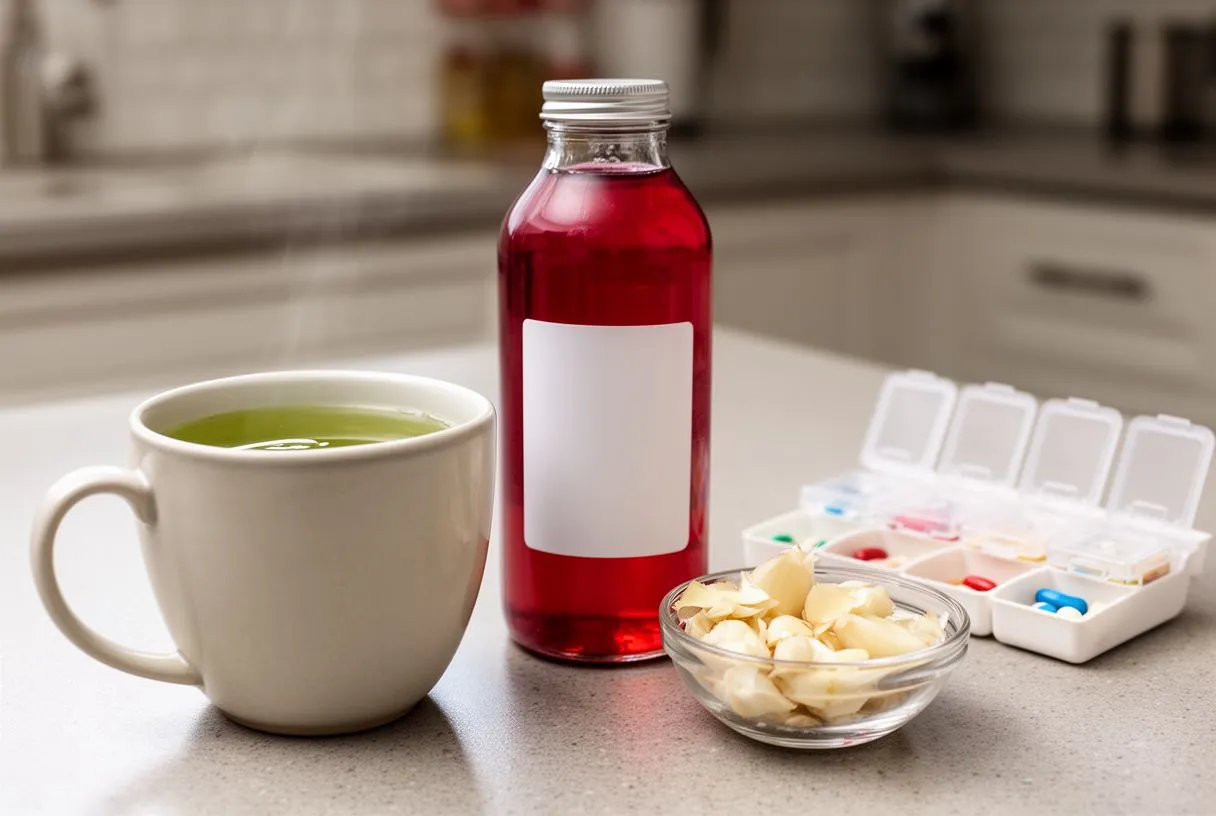
Always be cautious with cranberry juice and supplements, as they can potentiate the effect of your medication and increase your bleeding risk. Alcohol also has a profound effect; even moderate drinking can alter your liver's processing speed and destabilize your INR. Furthermore, herbal supplements like garlic, ginkgo biloba, and high doses of vitamin E have mild blood-thinning properties that can compound the effect of your prescription, leading to unexpected drops in your clotting levels.
If you experience symptoms like unexplained bruising, prolonged bleeding from minor cuts, or sudden arm pain that does not resolve, it may be a sign that your blood is too thin. These symptoms warrant an immediate call to your doctor. Your doctor can order a blood test to check your levels and review your recent diet and medication intake to identify the cause of the interaction.
Managing Warfarin Diet Restrictions When Dining Out
Navigating restaurant menus safely: Eating out should remain a joyful experience, not a source of stress. With a few strategic choices, you can enjoy meals at your favorite restaurants without compromising your therapy. The secret is to review the menu in advance, if possible, and to avoid establishments that specialize in dishes heavily reliant on dark greens, such as certain steakhouses that serve creamed spinach or specific vegetarian cafes.
Smart ordering strategies: When you arrive, communicate clearly with your server. You do not need to explain your entire medical history, but you can politely request modifications. Ask for salads to be made with iceberg or romaine lettuce instead of mixed greens or spinach. Request that dressings be served on the side, allowing you to control the amount of oil you consume. For main courses, prioritize grilled proteins and starchy side dishes, which are naturally safe and predictable.
Remember that during a physical exam, a doctor might use auscultation to listen to your heart and ensure your valve function remains optimal after a procedure. Just as we listen carefully to your body’s internal rhythms, you must listen to your own dietary boundaries when dining out. A moment of mindfulness while ordering can save you from a week of INR fluctuations and unnecessary worry.
Are There Specific Vitamin K Foods to Avoid After Valve Surgery?
Post-surgical dietary adjustments: After valve surgery, whether you have received a biological tissue valve or a mechanical valve, your body needs time to heal. Mechanical valves require lifelong anticoagulation to prevent clots from forming on the artificial leaflets. This means your dietary vigilance regarding vitamin k foods becomes a permanent, though manageable, part of your lifestyle. The immediate post-operative period requires the strictest consistency.
Connecting diet to your specific procedure: If you have undergone a transcatheter aortic valve replacement (TAVR) or surgery involving a balloon-expandable valve, your anticoagulation regimen might be temporary or adjusted based on your overall risk profile. However, for patients with mechanical replacements, the stakes are consistently high. A case report detailing the complexities of structural repairs, such as the Eyes wide shut - unusual two stage repair of pectus excavatum and annuloaortic ectasia in a 37 year old marfan patient, highlights how highly individualized surgical outcomes and subsequent care must be. Your diet is a crucial part of this tailored approach.
We recommend keeping a detailed food diary during the first three months after your surgery. This record helps your doctor fine-tune your medication dose as your body recovers and your appetite returns to normal. Avoid the temptation to binge on your favorite comfort foods if those foods happen to be high in the nutrient. Consistency from day one is the lowest risk strategy for ensuring your new valve functions perfectly and your blood remains at a safe thickness.
Eating Well on Warfarin: A Long-Term Heart Health Strategy
Adopting a sustainable mindset: Managing a blood thinner diet is a marathon, not a sprint. The initial learning curve feels steep, but within a few months, measuring your portions and tracking your greens will become as routine as brushing your teeth. The goal is to find a rhythm that works for your taste preferences, your cultural background, and your lifestyle, ensuring you can maintain this diet for years to come without feeling deprived.
The broader picture of cardiovascular wellness: Your diet does not exist in a vacuum. It works in tandem with your physical activity, your stress management, and your adherence to your medication schedule. A heart-healthy diet low in sodium and saturated fats, combined with a steady intake of safe vegetables and lean proteins, will support the longevity of your surgical results. Every meal is an opportunity to protect your heart and invest in your future.
In conclusion, managing your vitamin k intake while taking warfarin does not mean sacrificing the joy of eating. By focusing on consistency, understanding which foods affect your medication, and communicating openly with your cardiac team, you can successfully balance your diet and your therapy. We encourage you to reach out to Cirugía de Corazón to discuss your individual needs. Book a consultation with Dr Alejandro Molina and his team today, and let us help you build a safe, delicious, and heart-healthy eating plan tailored specifically to your journey.