When the Left Ventricle Weakens: Causes and Treatments
A weakening left ventricle: the causes, the symptoms and the treatments available.
What is left ventricle weakness and why it matters
The heart is a muscular pump, and the left ventricle is its main workhorse — the chamber responsible for pushing oxygen-rich blood out to every organ in your body. When a cardiologist speaks of left ventricle weakness, they mean this chamber has lost some of its squeezing power, so it no longer empties or fills as efficiently as it should. The result is that less blood reaches your tissues with each heartbeat, and over time that shortfall can affect everything from your breathing to your energy levels and kidney function.
What "weak pumping function" really means: the muscular wall of the left ventricle may have become stretched, thin, scarred, or simply too stiff. Doctors separate two broad patterns. Systolic dysfunction is when the muscle is too weak to contract forcefully — the ejection fraction (the percentage of blood pumped out with each beat) drops below the normal range. Diastolic dysfunction is when the muscle can still squeeze but has trouble relaxing and refilling, so the chamber holds less blood than it should. Both patterns leave you with the same practical problem: the body is not getting the circulation it needs.
Understanding left ventricle weakness matters because it is one of the most common reasons people develop heart failure — a condition in which the heart cannot keep up with the body's demands. The encouraging news is that modern cardiology has a wide range of tools to detect it early, treat the underlying cause, and help the heart work better. The key is recognising the signs and seeking expert evaluation rather than hoping they will pass on their own.
Causes of left ventricle weakness
Coronary artery disease is the leading cause: when the arteries that supply the heart muscle become narrowed or blocked, portions of the left ventricle are starved of oxygen. A heart attack can permanently damage muscle tissue, leaving a scarred area that no longer contracts. Even without a full heart attack, chronic reduced blood flow can gradually weaken the chamber. This is why chest pain, breathlessness, or a new diagnosis of coronary disease should always prompt a thorough assessment of left ventricle pumping function.
Several other conditions can produce the same weakening. Long-standing high blood pressure forces the left ventricle to pump against higher resistance year after year, eventually thickening and tiring the muscle. Heart valve problems — particularly a leaky or narrowed aortic valve at the Aortic Annulus — overload the chamber in different ways. Viral infections of the heart muscle (myocarditis), certain inherited conditions, heavy alcohol use, poorly controlled diabetes, and some chemotherapy drugs can all damage the left ventricle. According to the European Society of Cardiology, these diverse causes converge on a similar endpoint, which is why an accurate diagnosis of the underlying trigger is so important — see the patient and clinician resources at escardio.org.
Rarer but well-recognised causes include arrhythmias that let the heart beat too fast for long stretches, sleep apnoea that repeatedly drops oxygen levels overnight, and inflammatory diseases that affect the heart. Anaemia — a shortage of red blood cells — forces the heart to work harder to deliver oxygen and can worsen an already struggling ventricle. The important point for patients is that the cause shapes the treatment: strengthening the left ventricle is rarely a single approach, because the therapy must address what is weakening it in the first place.
Left ventricle weakness symptoms to watch for
Symptoms of a weakened left ventricle often develop slowly, which is why they are easy to dismiss. The earliest and most common sign is breathlessness, particularly with exertion or when lying flat at night. You may notice you need an extra pillow to breathe comfortably, or that walking up a gentle slope leaves you more winded than it used to. Fluid can also pool in the body because the heart is not moving blood forward efficiently, leading to ankle swelling that worsens as the day goes on.

Tiredness and reduced exercise tolerance: because the muscles are receiving less oxygen-rich blood, even routine tasks — carrying groceries, climbing a short flight of stairs, gardening — can feel disproportionately exhausting. Some people describe a heavy, dragging sensation rather than sharp pain. Others notice a fast or irregular heartbeat, dizziness on standing, or a persistent dry cough that worsens when lying down. None of these symptoms is unique to left ventricle weakness, but the combination and the gradual progression are what should prompt evaluation.
More advanced weakness can cause sudden weight gain from fluid retention, loss of appetite, and difficulty concentrating. In some cases the first warning is a fainting episode or a dangerous arrhythmia. If you ever experience chest discomfort with breathlessness, fainting, or a sense of doom, treat it as a medical emergency regardless of whether you already know you have a heart condition. Early recognition of symptoms is the single most powerful factor in preventing progression and protecting long-term quality of life.
How doctors diagnose a weakened left ventricle
Diagnosis begins with a careful conversation and physical examination. Your cardiologist will ask about symptoms, family history, blood pressure, and other conditions, then listen for signs such as a heart murmur or fluid in the lungs. Blood tests help check for kidney function, thyroid problems, anaemia, and markers of heart strain such as BNP or NT-proBNP, which rise when the heart is working harder than it should.
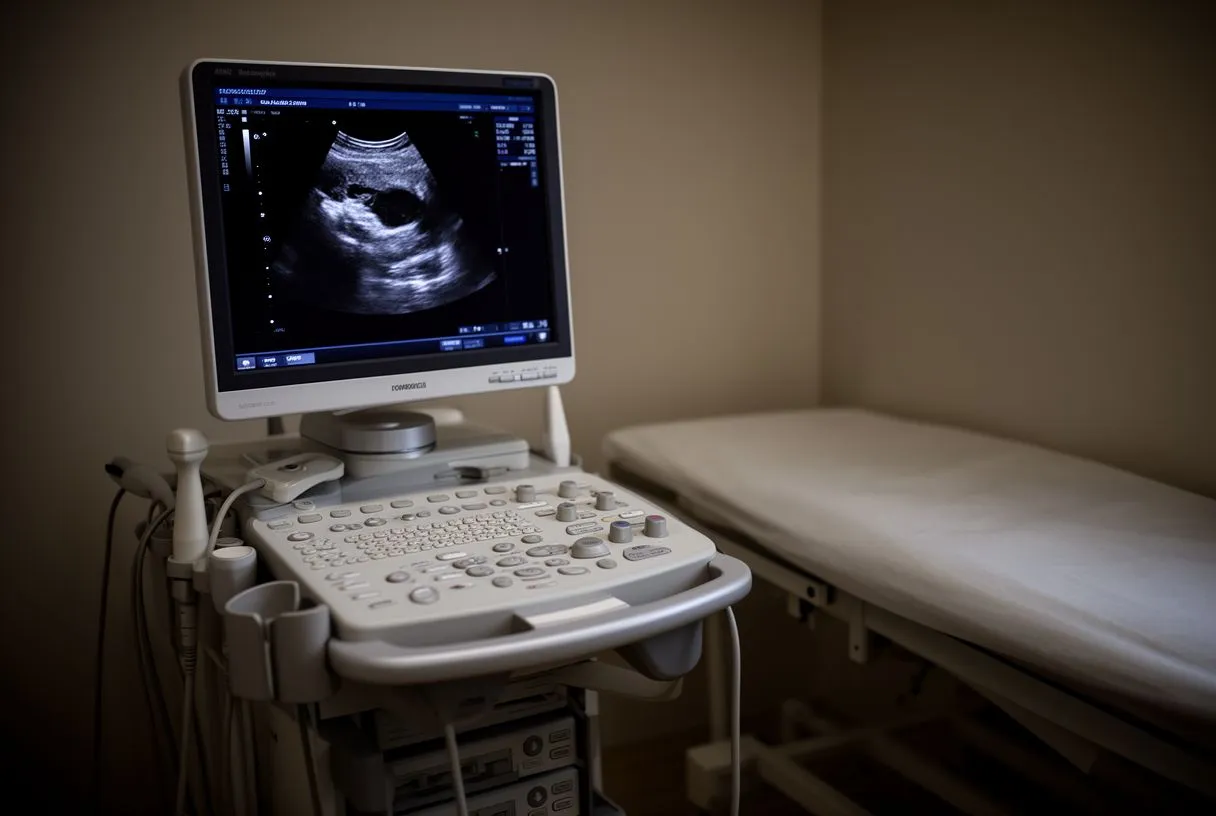
The cornerstone test is the echocardiogram — a painless ultrasound that shows the heart moving in real time. An Annual Echocardiogram may be recommended for people with known risk factors, because it reveals the size, thickness, and pumping strength of the left ventricle and can spot valve problems such as those requiring Annuloplasty or an Annuloplasty Ring to repair a leaking valve. The scan gives the ejection fraction, assesses how well the muscle relaxes, and identifies areas of scarring. Other tests may follow: an electrocardiogram (ECG) to map the electrical rhythm, a stress test to see how the heart copes with effort, cardiac MRI for detailed tissue imaging, and sometimes a coronary angiogram to look for blocked arteries.
Putting these results together allows the cardiac team to answer three questions: is the left ventricle weak, how weak is it, and what is causing it? That picture then guides every treatment decision. No single test tells the whole story, and a skilled cardiologist interprets the pattern rather than focusing on one number in isolation. This is also the stage at which a shared decision conversation helps patients understand their options clearly.
Left ventricle ejection fraction explained
Ejection fraction, usually written as EF, is the percentage of blood the left ventricle pumps out with each contraction. A normal EF is roughly between 50 and 70 percent, meaning more than half of the blood in the chamber is pushed forward each beat. When the EF falls below 40 percent, doctors usually describe this as systolic left ventricle weakness, or heart failure with reduced ejection fraction. A normal EF with symptoms of heart failure points to diastolic dysfunction, where the stiffness of the muscle is the main problem.
Why EF is a guide, not a verdict: the number is useful for choosing medications and estimating risk, but two people with the same EF can feel very different. Research such as the Study of Heart and Renal Protection, which examined the effects of lowering LDL cholesterol with simvastatin plus ezetimibe in patients with chronic kidney disease — see the published trial in Europe PMC — illustrates how related cardiovascular and kidney risks interact, reinforcing that EF is only one part of a broader clinical picture.
EF can also change over time. With the right treatment, some hearts recover a meaningful amount of function, a process sometimes called reverse remodelling. This is why cardiologists repeat the echocardiogram periodically rather than relying on a single measurement. Knowing your EF helps you understand your condition and take an active role in your care, but it should never be read in isolation or used to predict an individual outcome with false certainty.
Medication options for left ventricular dysfunction treatment
Medicines are the foundation of treatment for left ventricle weakness, and modern regimens are highly effective when taken consistently. The goals are to ease the heart's workload, correct hormone signals that worsen weakness, control the heart rate, and remove excess fluid. Several classes of drugs are now used together because each works on a different mechanism, and studies show the combination protects the heart far better than any single tablet alone.
What the standard drug groups do: ACE inhibitors or ARBs relax blood vessels and lower pressure against which the heart must pump; beta-blockers slow and protect the muscle; mineralocorticoid receptor antagonists reduce harmful scarring and fluid retention; and SGLT2 inhibitors, originally developed for diabetes, now help heart failure patients regardless of blood sugar levels. For people with rhythm disturbances, medications such as Amiodarone may be used to steady the heartbeat, while blood thinners or Antiplatelet Therapy may be needed when coronary disease is present. Patients on the older anticoagulant warfarin receive close monitoring to keep the dose in a safe range.
- ACE inhibitors / ARBs: lower pressure and ease the heart's workload.
- Beta-blockers: slow the heart rate and protect against strain.
- Diuretics ("water tablets"): remove excess fluid and ease breathlessness and swelling.
- SGLT2 inhibitors: support heart and kidney function even without diabetes.
Medication needs careful personalisation. A dose that suits one person may cause dizziness, kidney changes, or troublesome cough in another, so follow-up and honest reporting of side effects are essential. Never stop a heart medication abruptly or adjust doses on your own, because doing so can trigger a rapid worsening of symptoms. With the right combination and the right doses, most people feel considerably better and are far better protected against hospital admission.
Surgical treatments for a weak left ventricle
When medication alone is not enough, procedures and surgery may help the left ventricle by fixing the underlying problem. If coronary arteries are severely narrowed, a stent or a bypass operation can restore blood flow to the muscle. If a narrowed aortic valve is forcing the ventricle to work too hard, valve replacement can relieve that burden. In suitable patients who are too frail for open surgery, the minimally invasive option called transcatheter aortic valve replacement (TAVR) allows a new valve to be placed through a catheter without a large chest incision.
Repairing valves and reshaping the heart: a leaking mitral valve can be repaired using techniques such as Annuloplasty with an Annuloplasty Ring, often guided by careful Annulus Sizing to match the device to the patient's anatomy. When the aorta itself is diseased, an Aortic Aneurysm Repair or Aortic Arch Replacement may be needed, sometimes supported by Aortic Cross-clamp techniques and Antegrade Cerebral Perfusion to protect the brain during surgery. These are major procedures, and the decision always balances the expected benefit against the patient's overall health and frailty.
For some patients with very advanced weakness, advanced therapies such as a pacemaker that resynchronises the heart's pumping (cardiac resynchronisation therapy), an implantable defibrillator to prevent dangerous rhythms, or mechanical support devices may be considered. A small number of people ultimately require assessment for heart transplantation. These decisions are never made lightly; they involve a multidisciplinary team and are tailored to each individual's goals, values, and medical reality.
How to strengthen the left ventricle through lifestyle
Medical treatment works best when it sits inside a healthy way of living. Lifestyle measures do not replace medication or surgery, but they meaningfully reduce the strain on the left ventricle and can improve how you feel day to day. The most important step is controlling blood pressure, because every millimetre of extra pressure the heart must pump against adds to the muscle's workload over the years. Reducing salt, staying active within your limits, and taking prescribed blood pressure medicines consistently all help.
Practical habits that protect the heart: aim for a balanced diet rich in vegetables, fruit, whole grains, and lean protein; keep alcohol to modest amounts or avoid it entirely if advised; and never smoke. Good sleep matters too — treating sleep apnoea can ease a surprisingly large burden on the heart. Gentle, regular exercise such as walking, as recommended by your cardiac team, trains the body to use oxygen more efficiently and can reduce breathlessness. Cardiac rehabilitation programmes are particularly valuable after a heart attack or surgery, offering supervised exercise, education, and emotional support in one setting.
- Salt and fluids: follow your team's guidance on daily limits to avoid fluid overload.
- Movement: regular, moderate activity as approved by your cardiologist helps stamina and mood.
- Blood pressure control: consistent medication and home monitoring keep strain off the heart.
- Sleep and stress: treating apnoea and managing stress support heart recovery.
Before starting or changing any exercise routine, speak with your cardiac team, especially if symptoms have changed recently. They can help you find a safe level of activity that builds fitness without overloading the heart. Small, consistent changes are far more effective than dramatic efforts that cannot be sustained. Your everyday choices genuinely influence how well your heart copes with left ventricle weakness over time.
Left ventricle function recovery and prognosis
One of the most reassuring facts about left ventricle weakness is that the heart can recover function with the right treatment. Reverse remodelling — when the chamber shrinks back toward a normal size and pumps more strongly — is now well documented, particularly when treatment is started early and followed consistently. How much recovery is possible depends on the cause, the duration of weakness, and how much scarring is present, so no two people have exactly the same outlook.

What influences the long-term outlook: patients whose weakness is caused by a reversible problem — a blocked artery that can be opened, a valve that can be repaired, an overactive thyroid, or alcohol-related injury — often see meaningful improvement once the trigger is removed. The study of biological properties of extracellular vesicles and their physiological functions has opened promising research into how cells communicate and repair, and you can read more in this peer-reviewed article on extracellular vesicles. All-cause mortality — the overall risk of death from any cause — is tracked carefully in heart failure research, but it is a population statistic, not a prediction for an individual patient.
Practical signs that treatment is working include less breathlessness, better exercise tolerance, stable weight, and improved measurements on follow-up echocardiograms. Many people return to activities they had given up and live full, meaningful lives with a weakened left ventricle. The key is staying engaged with care: attending appointments, reporting new symptoms promptly, and never abandoning medication because you feel well. Feeling well often means the treatment is doing its job.
When to see a cardiac specialist about left ventricle weakness
Because left ventricle weakness can be silent in its early stages, anyone with risk factors — high blood pressure, diabetes, previous heart attack, valve disease, or a family history of heart failure — should have their heart checked periodically, even without symptoms. A prompt referral to a cardiologist is wise if you notice new breathlessness, ankle swelling, unexplained fatigue, or a change in exercise tolerance. These signs deserve professional attention, not waiting to see if they resolve on their own.
Preparing for your appointment: bring a list of symptoms, current medications, recent blood pressure readings, and questions you want to ask. If you have had an echocardiogram or ECG elsewhere, bring the results and images. Some patients benefit from Antibiotic Prophylaxis before certain dental or surgical procedures if there is significant valve disease, and an Antimicrobial Shower may be advised before planned surgery — these are decisions your team will guide. Honesty about symptoms, lifestyle, and concerns helps the cardiologist give you the most accurate advice.
At Cirugía de Corazón, Dr Alejandro Molina and his team care for patients across Guadalajara, Querétaro, and Hermosillo with a focus on clear, compassionate communication. If you or a loved one has concerns about left ventricle weakness, do not self-diagnose or rely on internet information alone. Booking a consultation with a qualified cardiac team is the safest way to understand your own situation and build a personalised plan. Taking that first step is often the most important decision you can make for your heart.