Wound and Infection Care at Home After Heart Surgery
Wound and infection care home after heart surgery keeps incisions clean and complications away.
What Is Wound and Infection Care at Home After Heart Surgery?
Wound and infection care at home after heart surgery means protecting the incision, keeping it clean, and spotting trouble early. Most patients go home within a week of a Surgical Wound being closed, so nearly all of the healing happens with you, not in the hospital. The breastbone incision, and sometimes smaller incisions on the leg, wrist or chest side, need daily attention for the first few weeks.
The goal is simple. Keep bacteria out, keep the skin edges together, and notice changes before they become problems. A closed incision is like a sealed door; any opening invites infection. When you understand what a healing wound looks like, day by day, you stop worrying about every small change and focus on the ones that matter.
Wound and infection care instructions should be given before discharge, in plain words, and it helps to bring a family member so nothing is missed.
How Do You Clean a Heart Surgery Incision?
Wash your hands first. This is the single most important step in heart surgery wound care at home, and it is the one people skip most often. Twenty seconds with soap and water, before and after touching the incision, removes the bacteria your hands pick up from doorknobs, phones and clothing.
Cleaning itself is gentle and quick. Use mild soap and running water, moving from the top of the incision downward, and pat dry with a clean towel. Never scrub, and never rub across the scar line. MedlinePlus advises gentle washing and thorough drying as the foundation of wound care once a surgical incision is closed (MedlinePlus).
How to clean heart surgery incision areas that are still covered by Steri-Strips is a common question. Leave those small paper strips alone; they fall off on their own, usually within ten to fourteen days. Do not pull them, even when the edges curl.
What Are the 7 Steps for Caring for a Wound?
A daily routine keeps you from guessing. The same sequence works for the breastbone incision and for any smaller surgical wound elsewhere on your body. Make it a habit tied to something you already do, such as your morning shower or the evening news.
- Wash your hands. Soap and water for twenty seconds before anything touches the incision.
- Inspect the wound. Look for redness, swelling, drainage or separated edges, using a good light.
- Clean gently. Mild soap and running water, top to bottom, no scrubbing.
- Pat dry. A clean, soft towel pressed, never rubbed, along the scar line.
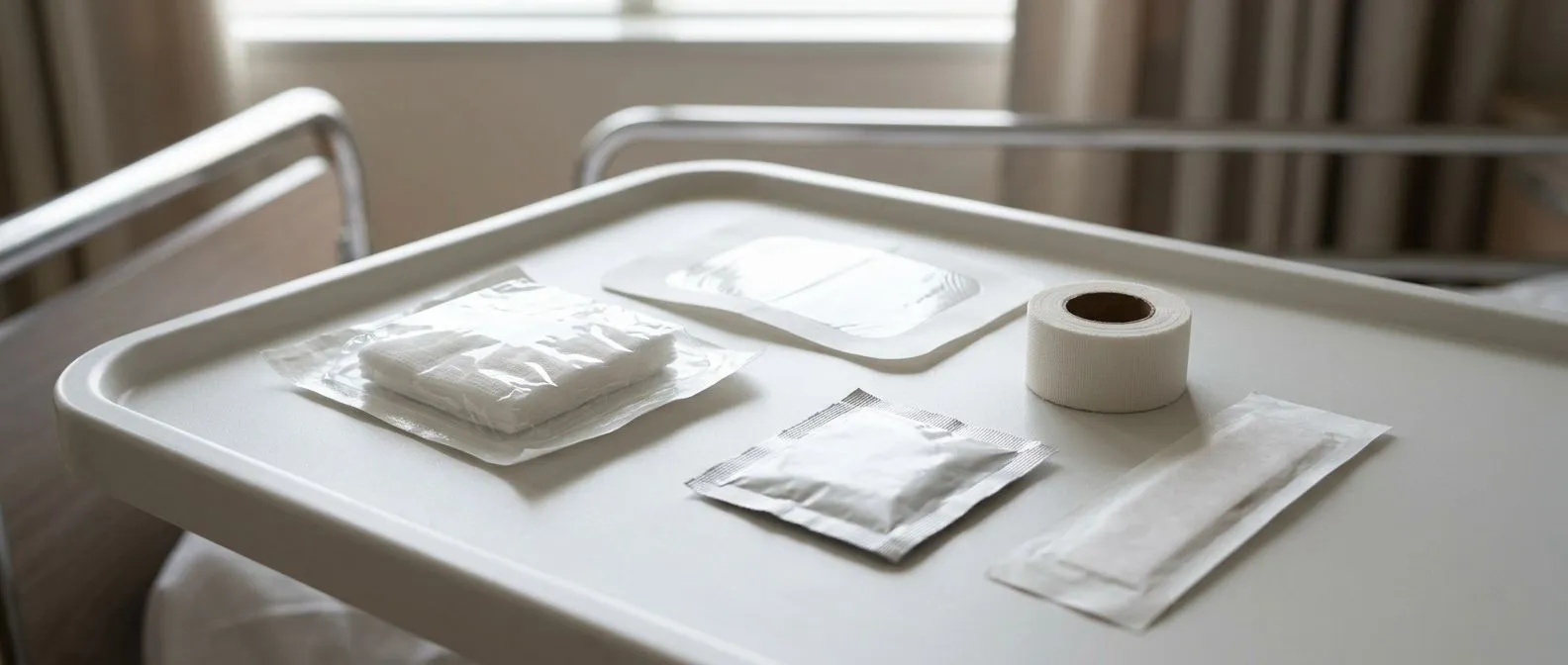
- Apply a fresh dressing if one is prescribed. Many closed incisions need none at all after a few days; follow your team's specific order.
- Note the date and what you saw. A phone photo and a one-line note make changes obvious over days.
- Wash your hands again. Finish the way you started, so the wound stays protected.
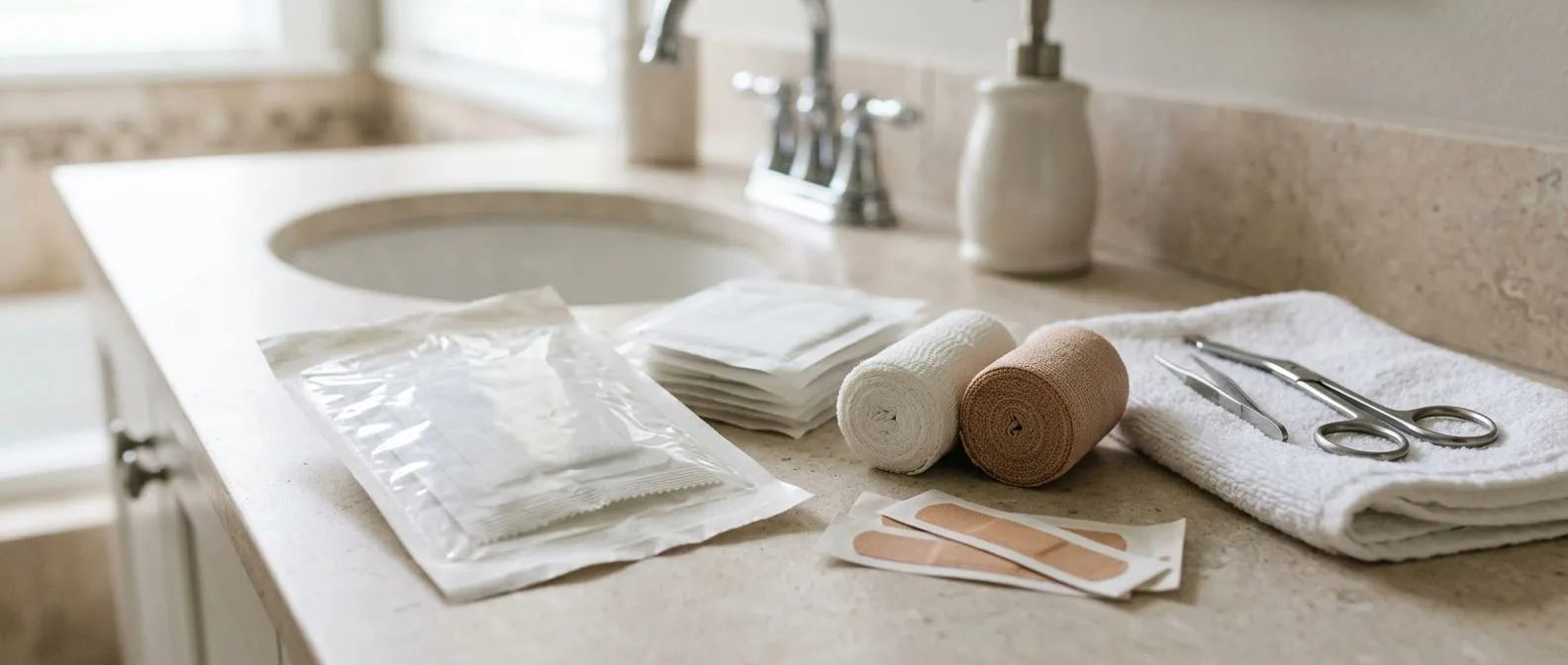
Keep supplies together. A small basket with mild soap, clean towels, any prescribed dressings, tape and a phone stand for photos turns this into a two-minute task instead of a scramble. Consistency matters more than fancy products.
What Are the 5 Signs of Infection After Heart Surgery?
Knowing the signs of infection after heart surgery turns anxiety into action. Some redness and tenderness along the incision is normal in the first days. What matters is change that worsens rather than improves. These post cardiac surgery infection symptoms are the ones every patient and family member should memorize.
- Increasing redness or swelling. Heart surgery incision redness that spreads outward from the wound, or swelling that feels firm and warm, is not normal healing.
- Fever. A temperature above 38 °C (100.4 °F) after the first few days at home deserves a call, not a wait-and-see.
- Drainage. Any cloudy, yellow, green or bad-smelling fluid coming from the incision.
- Worsening pain. Pain that increases after day three or four, rather than slowly fading.
- Opening edges. The incision separating, or an area that suddenly oozes, needs same-day attention.
Any one of these signs means you should contact your surgical team that day, not wait for your next appointment. If you notice a change, a clear photo of the incision can help your surgical team tell whether it is ordinary healing or needs a visit.
How Do You Prevent a Sternal Wound Infection?
The breastbone is the vulnerable spot. A Sternal Infection, an infection of the bone or the deep tissue behind it, is among the most serious complications after a total median sternotomy, the standard approach where the breastbone is divided to reach the heart. Research on wound infections after median sternotomy shows that patient factors such as diabetes, obesity and prolonged hospital stays raise the risk, and that early treatment changes outcomes (Trakia Journal of Science). Prevention, therefore, happens mostly at home.
Protect the closure. Avoid lifting anything heavier than a few kilograms, pushing out of a chair with your arms, or twisting at the chest. Sternal precautions exist because motion pulls on the healing bone. A firm pillow pressed gently against the chest when you cough or sneeze supports the closure and reduces pain.
Control blood sugar. High glucose slows healing and feeds infection. Evidence from the American Diabetes Association's care standards shows that tight glucose control after surgery lowers wound complications, which is why diabetic patients check sugar more often in the recovery weeks (Diabetes Care). Preventing mediastinitis at home, the deep chest infection surgeons fear most, is built from these small daily habits, not from any single heroic measure.
When Is Showering After Heart Surgery Safe for Your Wound?
Usually within a few days. Most patients can shower once any drain sites are sealed and the team gives the word, often before leaving hospital or within two or three days of getting home. Warm water and mild soap are fine; running water over a closed incision actually helps keep it clean.
Showering after heart surgery wound rules are short. Let water flow over the incision rather than aiming a jet at it. Pat dry with a fresh towel afterward. Skip baths, hot tubs, pools and swimming entirely for the first six weeks, or until your team clears you, because soaking softens the closure and carries bacteria into the wound.
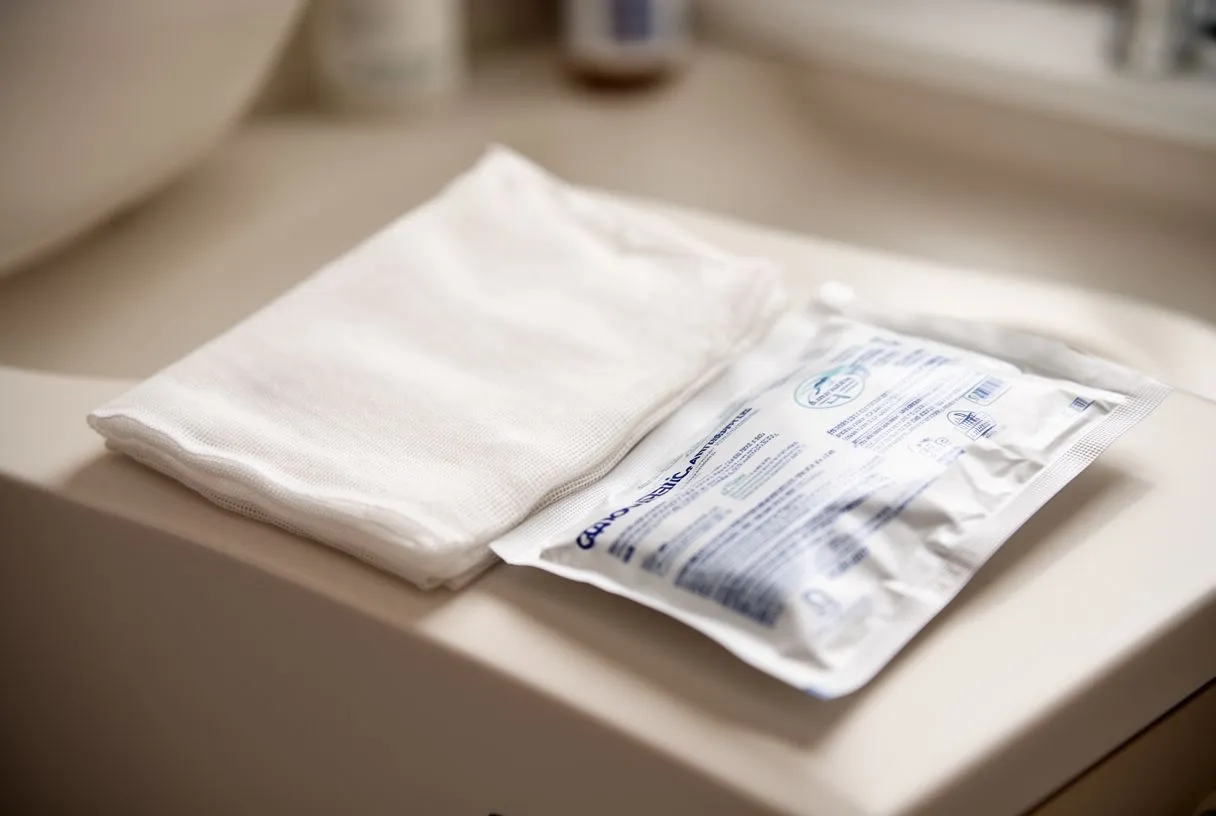
Showering after heart surgery wound care also includes dressing decisions: if your incision is still dressed, ask whether the dressing is waterproof. If it is not, protect it with a barrier and change it if it gets wet. When in doubt, call the team rather than guessing.
What Should You Never Put on an Open Wound?
Home chemistry can harm a healing wound. Alcohol, hydrogen peroxide and iodine destroy healthy new tissue as readily as they kill bacteria, so they delay healing when used repeatedly on an open wound. Creams, ointments and "natural" preparations should never be applied to a surgical incision unless your surgeon prescribed them by name.
Butter, toothpaste and folk remedies have no place here. They trap bacteria, interfere with drainage and complicate later cleaning. The same goes forpowders and antiseptic sprays on a wound that is still open or draining. Your incision needs only soap, water, air or a prescribed dressing, and patience.
Surgical wound dressing change home instructions should come from your own team, because they know how your incision was closed. Ask for each product to be explained by name before discharge; if a dressing is not in your written plan, it is not part of your plan.
Which Home Remedies Help Sternal Wound Healing?
The sternum is the hardest wound to heal. A breastbone that has been divided takes roughly six to eight weeks to knit, and full strength takes longer, so no kitchen remedy will speed the bone itself. The honest answer to "what heals wounds faster" is unglamorous: protein, rest, no smoking and steady follow-up.
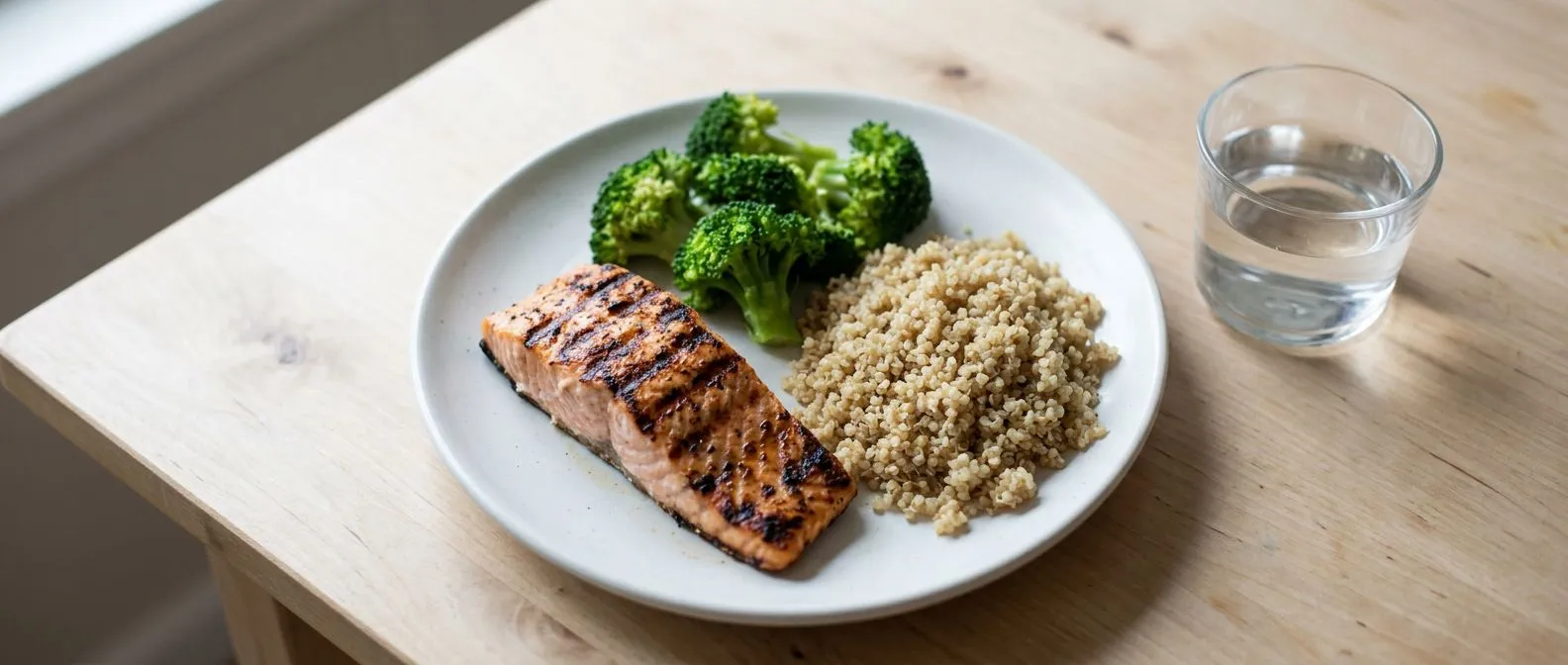
Real home remedies that help include eating enough protein at every meal, drinking water, sleeping well and walking a little more each day as your team allows. A good cream for fast healing wounds does not exist in the drugstore aisle; if the skin is dry and itchy as it heals, a plain fragrance-free moisturizer on the surrounding skin is safe once the incision is fully closed, keeping it off the scar line itself.
Sternal wound healing home tips also cover scar care: gentle massage after full closure, sun protection for a year, and patience with numbness along the scar. Heart surgery scar care instructions from your own team always override general advice, because closure techniques differ between conventional, minimally invasive and robotic approaches.
When Should You Call the Surgeon After Heart Surgery?
When to call the surgeon after heart surgery is never a judgment failure. Teams would far rather answer ten cautious calls than miss one real infection. Your discharge papers list a number; use it. Beyond the five infection signs above, a few situations are always urgent.
- Same-day call: fever, spreading redness, new drainage, or a gap opening along the incision. Wound Dehiscence, the wound edges pulling apart, needs immediate review.
- Same-day call: a leg incision that turns hot, swollen and painful, or calf pain with swelling, which may signal a clot.
- Same-day call: new breathlessness, chest pain different from surgical pain, or palpitations.
- Emergent: heavy bleeding from the incision, or a chest that feels unstable or clicks at the breastbone.
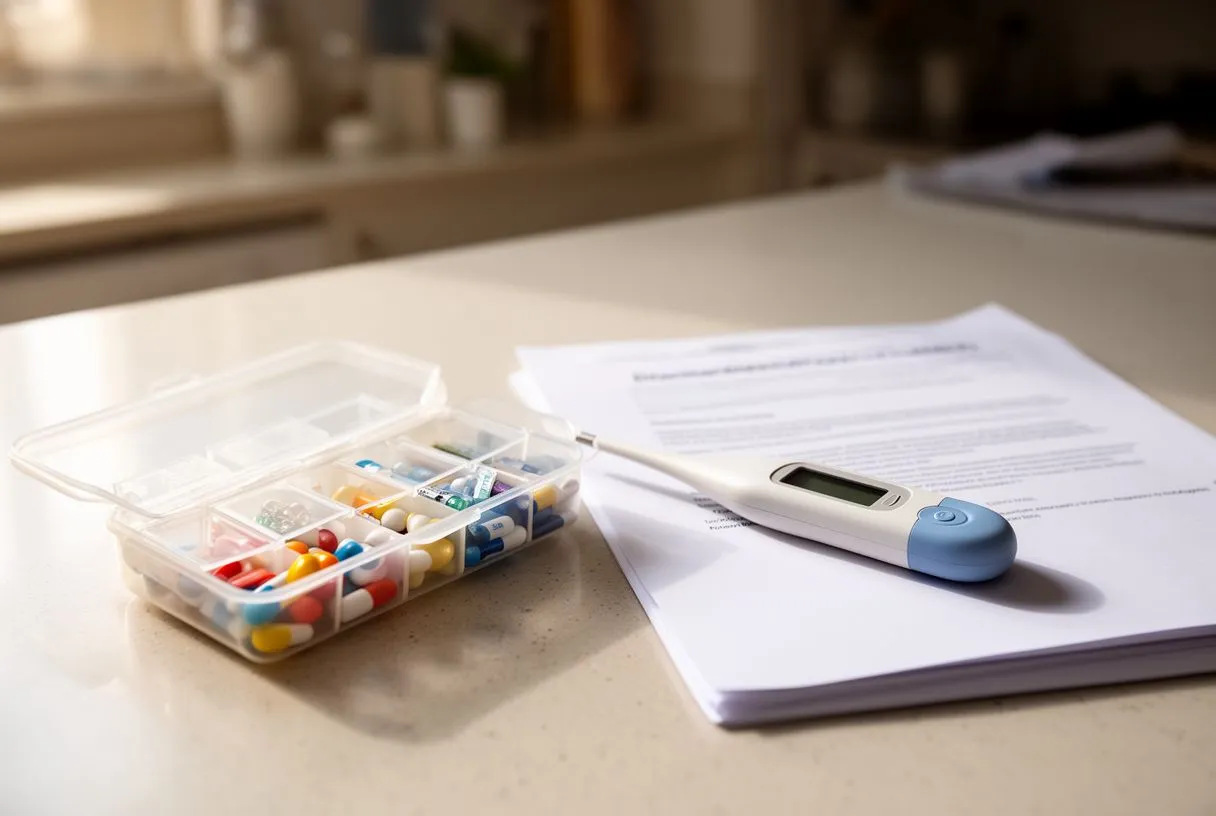
Patients on warfarin sometimes need Point-of-care INR Testing during recovery, and abnormal bleeding from the incision alongside a high INR is another clear reason to call. Staying in the Intensive Care Unit after surgery means your team watched the wound closely; once you are home, you are the eyes on the wound, and your calls are part of the system that keeps you safe.
How Do You Build a Daily Wound Care Routine as a Cardiac Patient?
A daily wound care routine cardiac patients can actually sustain has three anchors: morning inspection, shower cleaning, and a one-line note in the evening. Home care after open heart surgery involves far more than the wound, including medications, weigh-ins and walking, so attaching wound checks to habits you already keep makes the whole routine stick.
Heart surgery recovery wound management also happens alongside cardiac rehabilitation, where supervised exercise teams routinely check incisions and ask about drainage and pain. Cardiac rehabilitation home wound monitoring means the same questions continue between sessions: is the scar line closed, is the swelling settling, is the pain easing week by week.
Wound and infection care at home, done this way, becomes ordinary. Every case is reviewed by the multidisciplinary team before surgery, and good outcomes are built in follow-up as much as in the operating room. The first step is a free video consultation: we talk through your condition, explain which studies are genuinely needed, and answer every question before any decision. Bring your wound, your questions and your worries to a qualified cardiac team, and never manage a concerning incision alone.