Your Heart Surgery Scar: Healing and Long-Term Care
How a heart surgery scar heals and how to care for it long term, with practical recovery advice from the cardiac specialists in Guadalajara.
If you are reading this after open heart surgery — or you are helping a parent or partner recover — the line running down the chest can feel like a daily reminder of something frightening. Heart surgery scar healing is not only cosmetic. It is a window into how tissue, bone and circulation are repairing themselves, and it tells your care team whether recovery is moving in the right direction. This guide is written for patients and families in Guadalajara, Querétaro, Hermosillo and beyond who want calm, honest information rather than advertising promises.
What Heart Surgery Scar Healing Means
Scarring is repair, not failure. When a surgeon divides skin, fat, muscle and sometimes the sternum (breastbone) to reach the heart, the body lays down collagen — a structural protein — to close the gap. That collagen mat is the scar. It is strong, but it never perfectly matches the original tissue, which is why the area looks and feels different for months, sometimes years. Healing is the gradual process of that collagen remodeling itself into a flatter, softer, paler line through the body's own natural processes. These changes follow NIH-described phases that apply to all wounds.
Heart surgery scar healing has a physical and an emotional side. Physically, you are watching a wound close, a breastbone re-fuse, and circulation return to the chest wall. Emotionally, that line is a public record of a life event. Patients frequently tell their cardiologist they feel self-conscious in a swimsuit or at family gatherings. Both reactions are normal, and both deserve attention. The scar is part of your recovery story, not a defect to hide.
The breastbone matters as much as the skin. Sternotomy — the standard approach that splits the sternum — requires the bone edges to knit back together over roughly six to twelve weeks in most adults. During that window, the skin scar may already look sealed while the deeper structure is still healing. This is why your surgeon will give activity restrictions even when the surface looks fine: coughing, lifting, and twisting strain the deeper repair even when the skin feels completely closed.
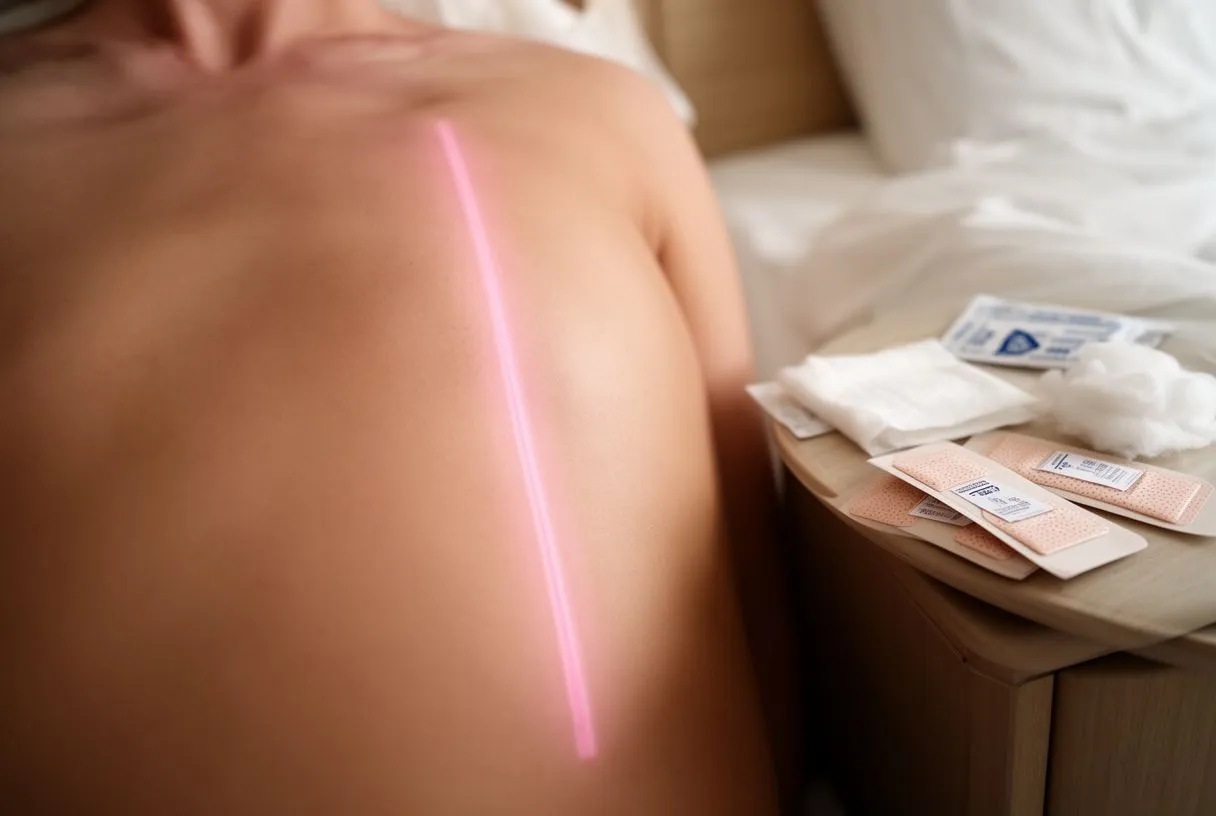
How Heart Surgery Scar Healing Unfolds
Phase one: inflammation and sealing. In the days after surgery, the body sends blood cells and proteins to the incision to close it and prevent infection. You will see swelling, redness and a raised, warm edge. This is expected and usually settles within the first week or two. Standards described by the Global Burden of Cardiovascular Diseases and Risk Factors, 1990-2019 highlight how closely surgical wound care links to long-term cardiovascular outcomes, which is why your team checks the incision at every early visit.
Phase two: proliferation. From roughly week two to week six, new tissue fills the wound and small blood vessels form (angiogenesis, the growth of new capillaries). The scar often looks pink or red and feels firm. Some patients worry it is getting worse. In fact, this is the opposite — it is a sign the repair is active and healthy.
Phase three: remodeling. From about month three through to eighteen months, collagen reorganizes. The scar flattens, softens and lightens. This is when scar massage, silicone sheets and sun protection genuinely change the final appearance. Patience is not passive here — it is the treatment. Trying to speed this phase rarely works and can irritate the tissue.
- Weeks 1–2: Incision closes, swelling and redness peak, staples or sutures typically removed.
- Weeks 2–6: New tissue formation, scar feels firm and pink, breastbone still fusing.
- Months 3–6: Scar begins flattening, color softens, massage can begin with approval.
- Months 6–18: Maturation continues, scar becomes paler, softer and less noticeable.
Types of Heart Surgery Scars
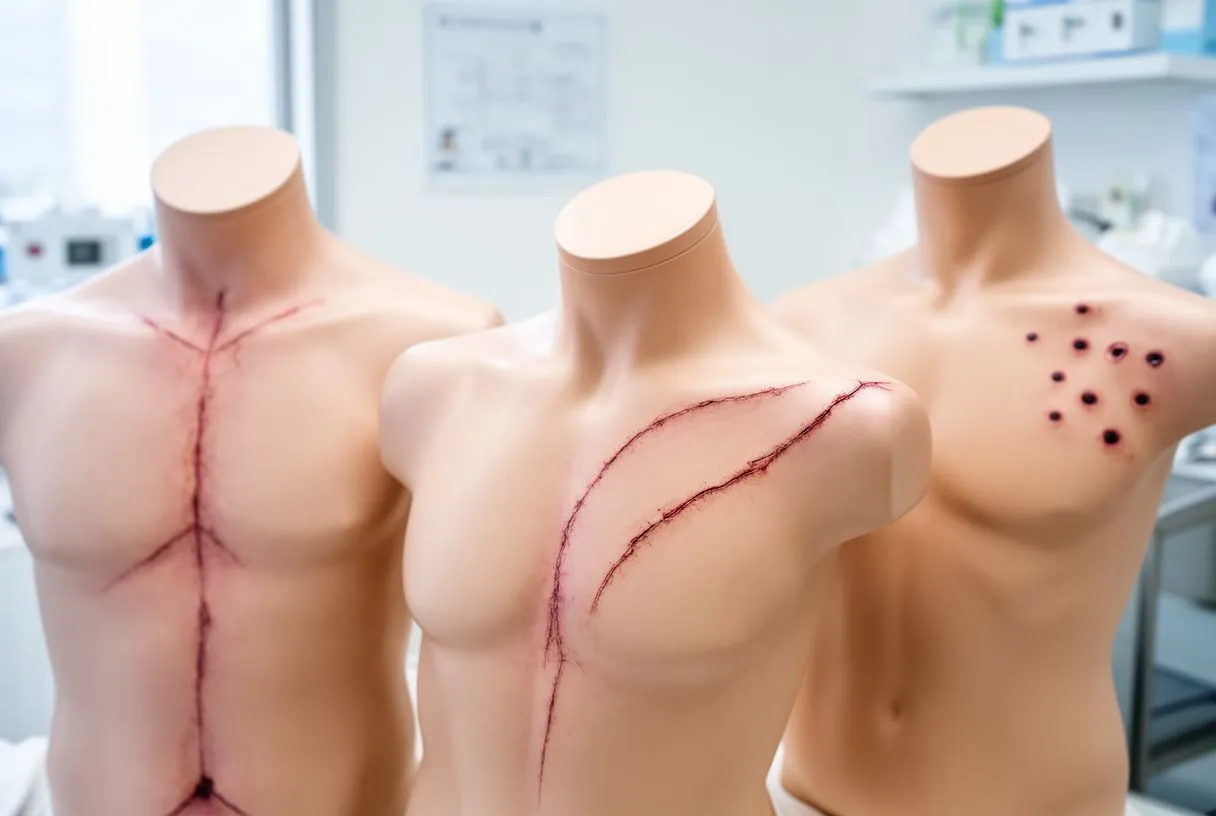
Full sternotomy. The classic vertical line down the center of the chest, usually about 15–20 cm. It is the most discussed cardiac surgery wound and allows the widest access to the heart. Healing involves both skin and bone, so restrictions on lifting typically last six to eight weeks.
Mini-sternotomy or partial sternotomy. A shorter upper or lower chest incision, often used for aortic valve work. Less bone is divided, so recovery from the wound itself is usually quicker, but the scar still follows the same healing phases and needs the same care. When surgeons choose between approaches, patient anatomy and the specific intervention — not scar preference — drive the decision.
Thoracotomy and port-access incisions. Some procedures, including certain TAVR (transcatheter aortic valve replacement) approaches and lung-heart cases, use small incisions between ribs or in the groin. These avoid splitting the sternum, but rib-spreading can produce nerve discomfort that lasts weeks. Groin-site incisions are smaller and easier to hide, but they also need monitoring for bleeding or a lump called a pseudoaneurysm.
How to Heal a Heart Surgery Scar
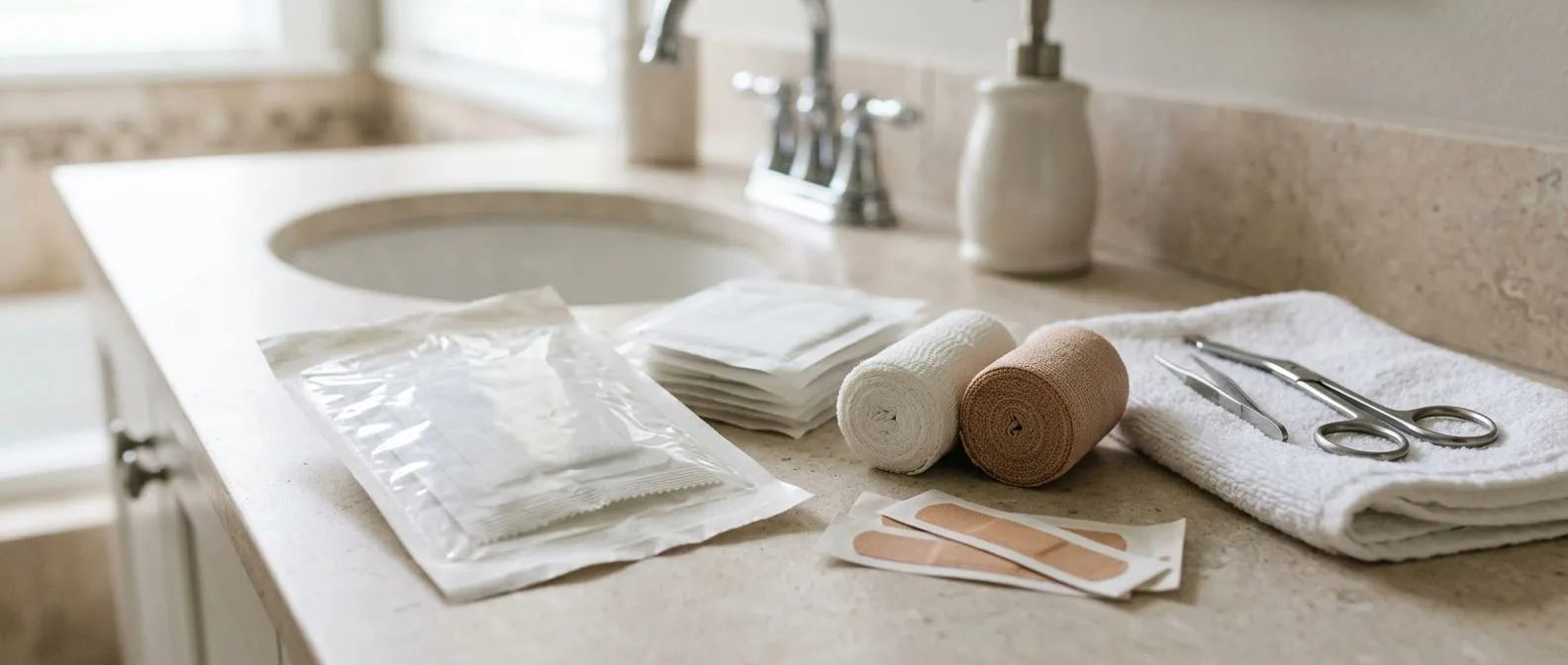
Keep it clean and dry in the first days. Most surgeons allow showering within 48–72 hours depending on the dressing used, but prolonged soaking — baths, pools, hot tubs — is generally avoided until the wound is fully sealed. Gently pat rather than rub. Do not apply powders, creams or home remedies unless your care team approves them. If you have diabetes or a condition affecting circulation, remind your surgeon so dressing choices can be tailored.
Support the chest when you cough. Splinting the incision with a folded pillow while coughing or sneezing reduces pulling on the fresh tissues. This simple habit protects both skin and breastbone and can meaningfully reduce discomfort. It is one of the most useful techniques families can practice with the patient in the first weeks.
Follow activity rules exactly. Lifting restrictions are not suggestions. Most cardiac surgery teams restrict lifting to around 5–10 kg for six to eight weeks, and they discourage pushing, pulling and reaching behind the body. Walk daily, use the incentive spirometer if prescribed, and let your sternum heal. Returning to full activity too early is one of the few things that can genuinely reopen the deeper repair.
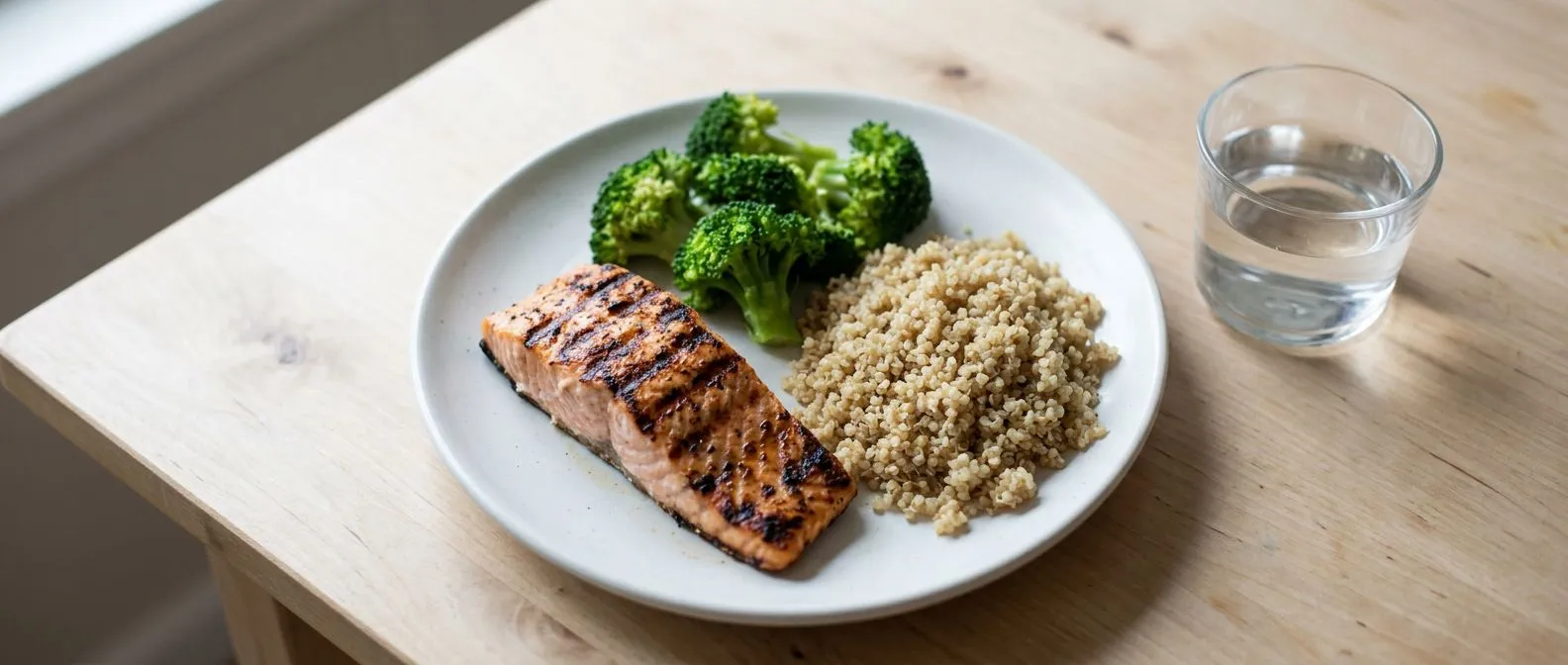
Nutrition can support healing too. Adequate protein, vitamin C and zinc are the building blocks the body uses to synthesize collagen. There is no single food that fades scars, but a well-nourished body heals more predictably. Ask your team whether you need any specific supplementation.
Sternal Scar Long-Term Care
Sun protection is the most underrated step. Fresh scar tissue has little melanin and burns easily. Ultraviolet exposure during the first twelve to eighteen months can make the scar permanently darker and more visible. Cover it with clothing or a broad-spectrum sunscreen. This is one of the few interventions that consistently makes a lasting difference and costs almost nothing.
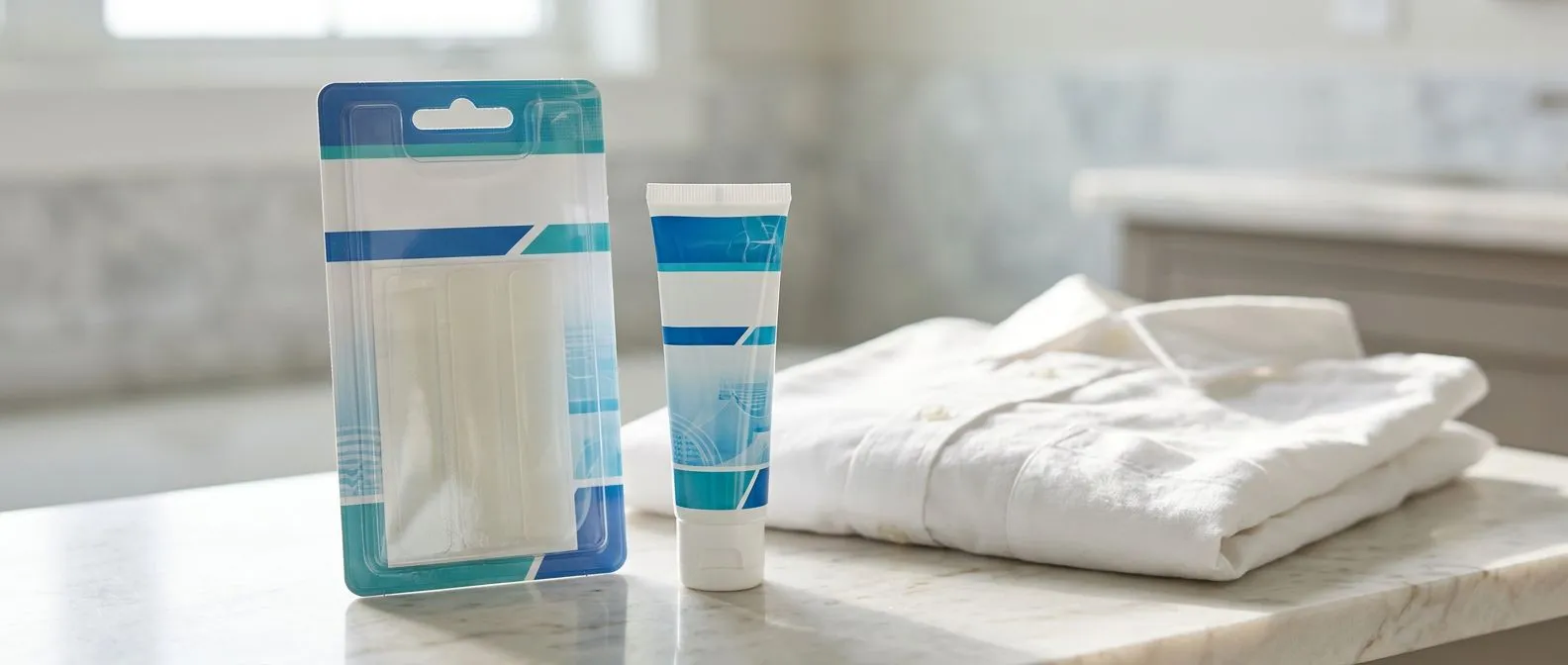
Moisturize and massage once cleared. Once your surgeon confirms the wound is fully closed, daily gentle massage with a fragrance-free moisturizer or scar gel can soften the tissue. Some patients prefer silicone sheeting; others do better with gel. Consistency matters far more than the brand you choose. Avoid vigorous rubbing on the sternum area for the first several weeks after clearance.
Watch for late breastbone issues. Rarely, sternal wires can loosen or cause persistent clicking, and a small number of patients develop chronic tenderness along the bone. Any new chest pain, popping sensation, or red swelling deserves prompt evaluation — never wait for a routine appointment. If you experience these symptoms after traveling home, contact the cardiac team that performed your surgery or a local cardiologist the same day.
- Sun: SPF 30+ or covered clothing for the first year.
- Moisture: Fragrance-free emollient twice daily after closure.
- Movement: Chest-opening stretches only once approved by your team.
- Review: Incision check at every follow-up, and any time something changes.
Cardiac Scar Recovery and Silicone Sheets
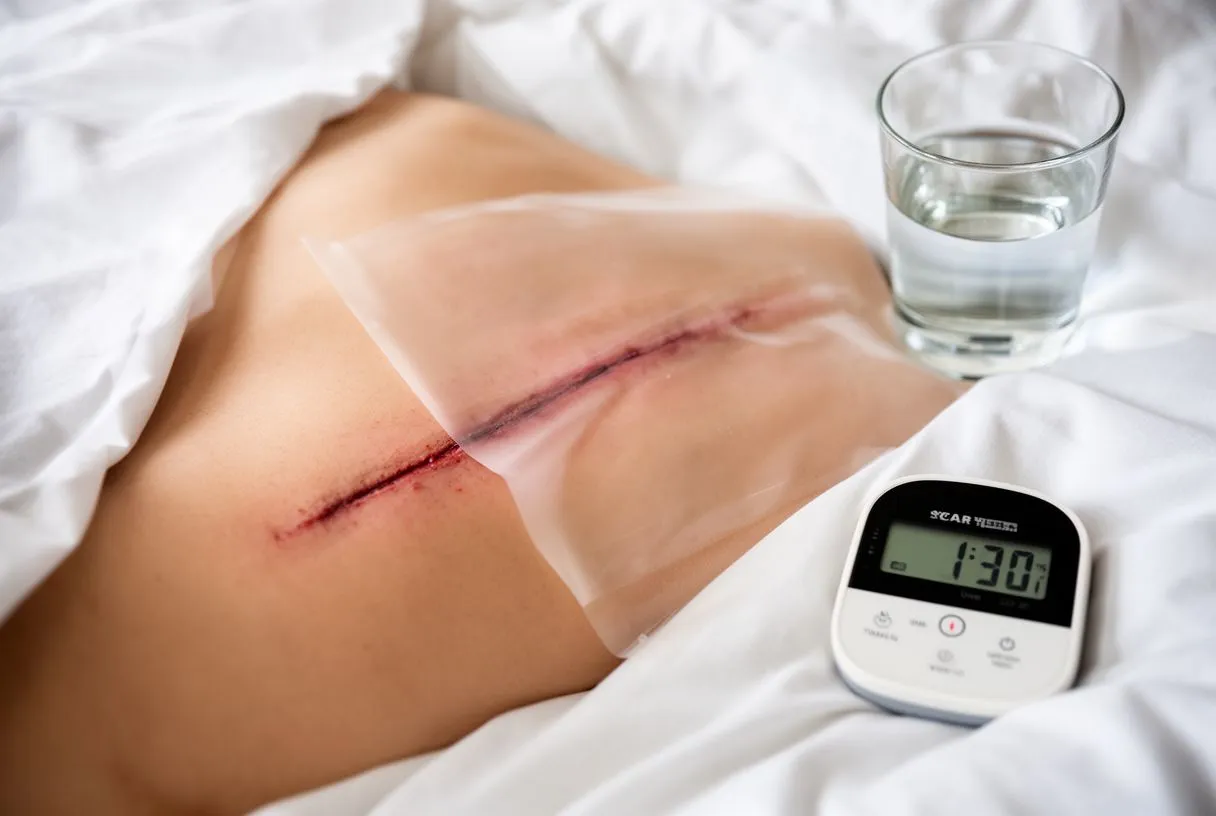
What silicone actually does. Medical-grade silicone sheets work by keeping the scar hydrated and gently regulating the pressure and oxygen balance over the tissue. Multiple studies support their use for flattening and softening hypertrophic (raised) scars and keloids, particularly when started once the wound has closed. They are not adhesive bandages that "erase" a scar — they support the body's own remodeling.
Realistic expectations. Silicone therapy is typically worn 12–24 hours a day for two to four months to see a meaningful change. Results vary widely. Some patients find the sheets convenient; others prefer gels because they stay on difficult body contours. Neither product can overcome poor overall healing or a keloid tendency, and neither replaces medical review if the wound is inflamed.
Ask before you start. Talk with your cardiac team about when to begin silicone, gel or massage. Premature use over an incompletely healed incision can trap bacteria or damage fragile new tissue. For patients traveling to Mexico for surgery, plan to discuss scar products at your pre-discharge visit so you leave with clear, written instructions. Post-surgery scar care should extend well beyond the operating room.
Heart Surgery Scar Massage
When to begin. Most surgeons clear scar massage once the incision is fully closed and there is no drainage, usually four to six weeks after surgery. Do not massage over scabs, open skin, drains or red areas. If you are unsure, ask before starting.
How to do it. Wash your hands, use a small amount of fragrance-free moisturizer, and use your fingertip to make slow circles along the length of the scar for about two to three minutes, once or twice a day. You are stretching the collagen gently, not pressing hard. Aim for a comfortable pull, not pain. Stop if anything bleeds or becomes painful.
What to expect. Massage can reduce itching, tightness and the sensation that the scar is pulling, particularly with movement. The scar may feel firmer at first and then gradually soften. Some patients notice small bumps — these are usually normal skin glands or tiny inclusions and typically settle. Persistent lumps, discharge or increasing redness are not normal and should be reviewed. Research on cardiovascular imaging and tissue characterization, such as the Standardized image interpretation and post processing in cardiovascular magnetic resonance guidance, shows how clinicians evaluate tissue change — which is why visual review at follow-up remains valuable.
Minimize Heart Surgery Scar Appearance
Start early, stay consistent. The biggest gains in minimizing a heart surgery scar come from consistent sun protection, moisture and gentle massage during the first year. These three pillars are unglamorous but reliably effective. Waiting until the scar is two years old limits what any topical product can do.
Options for raised or thickened scars. If a scar becomes hypertrophic or forms a keloid, treatments may include silicone therapy, intralesional steroid injections, or in selected cases laser therapy and surgical revision. These are performed by dermatologists or plastic surgeons experienced with surgical scars. Talk through benefits and risks with a specialist — no single approach works for every patient.
What does not work. Trying to scrub the scar, applying caustic home remedies, or using sunless tanning agents over an open wound can all worsen the result. Advertised "scar erasers" rarely live up to their marketing. Honest scar care is a slow, evidence-based process. Set realistic expectations with your team, not with a packaging claim.
Cardiac Surgery Wound Healing: Signs to Watch
Expected, benign changes. Mild redness along the incision edge, slight swelling, itching and a firm ridge are normal. A few small white bumps along the line are common and usually harmless. Scars are often firm and pink for weeks before they soften and fade.
Signs that warrant a call today. Increasing pain, spreading redness, warmth, foul-smelling drainage, fever, opening of the incision, or a clicking or popping sensation in the chest are all reasons to contact your cardiac team promptly. Do not wait for a scheduled visit if any of these appear. In rare cases, infection or sternal instability requires urgent care.
When to seek emergency help. Chest pain that feels like pressure, sudden shortness of breath, fainting, or a rapid, irregular heartbeat should be treated as a medical emergency regardless of how the scar looks. A scar can appear perfect while something else is happening inside the chest. Listen to your body's other signals.
Heart Surgery Scar Fading Over Time
Timeline. Most heart surgery scars become noticeably lighter between six and eighteen months. Some remain visible long-term, and a minority stay pink or raised. Fair-skinned patients often see less contrast; darker skin may show more pigmentation changes, which is normal and can be managed with sun protection and gentle care.
Beyond appearance. A scar that has healed well is a good sign of underlying recovery, but it is not the whole story. Regular follow-up with your cardiologist, cardiac rehabilitation and medication adherence matter more to long-term heart health than the color of the line. The scar will become background over time; the heart muscle and valves deserve the ongoing attention.
Talk with your care team. If you are concerned about the appearance or sensation of your cardiac surgery scar, or if you are preparing for heart surgery and want to understand what recovery will involve, bring your questions to your cardiac team. Dr Alejandro Molina and colleagues across Guadalajara, Querétaro and Hermosillo welcome patients and families who want clear explanations and realistic planning, not sales pitches. No online article can replace a proper examination — your scar and your heart are best assessed in person. Book a consultation and let a qualified team guide your recovery, one visit at a time.