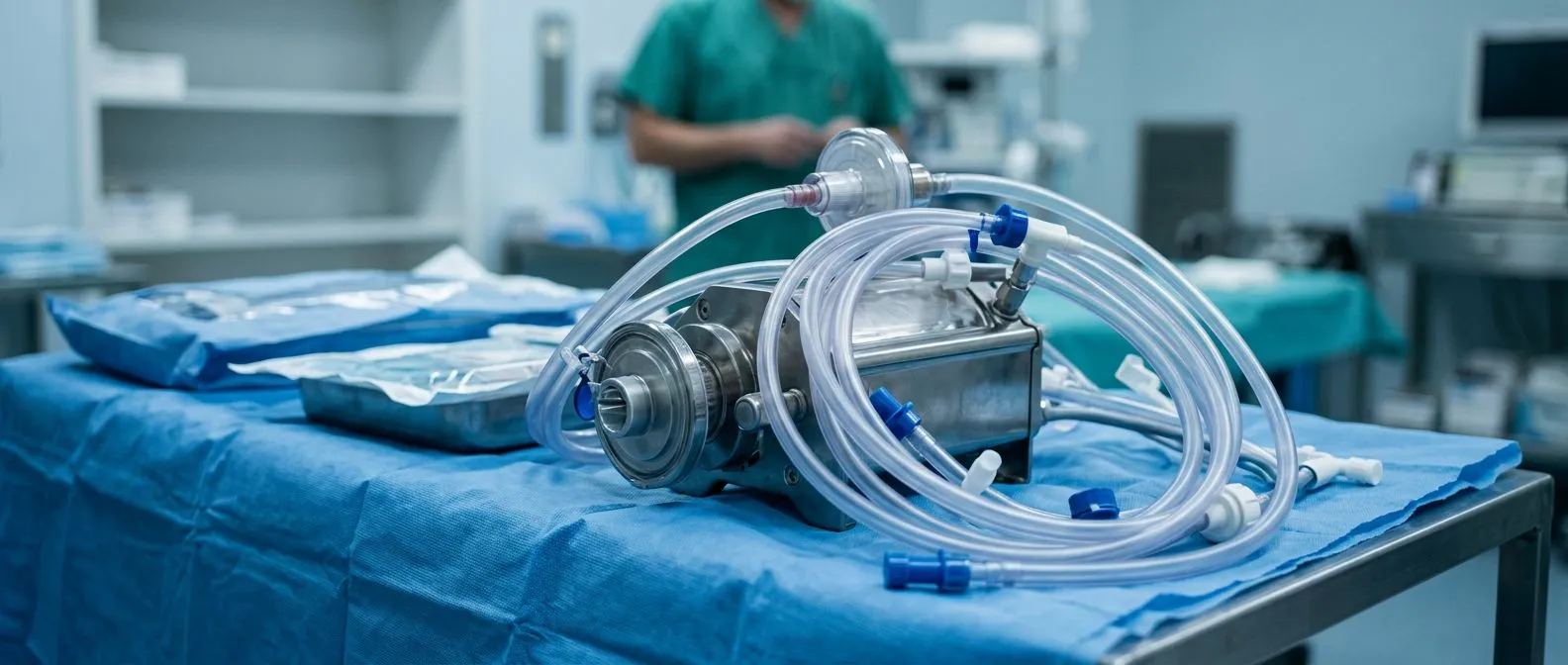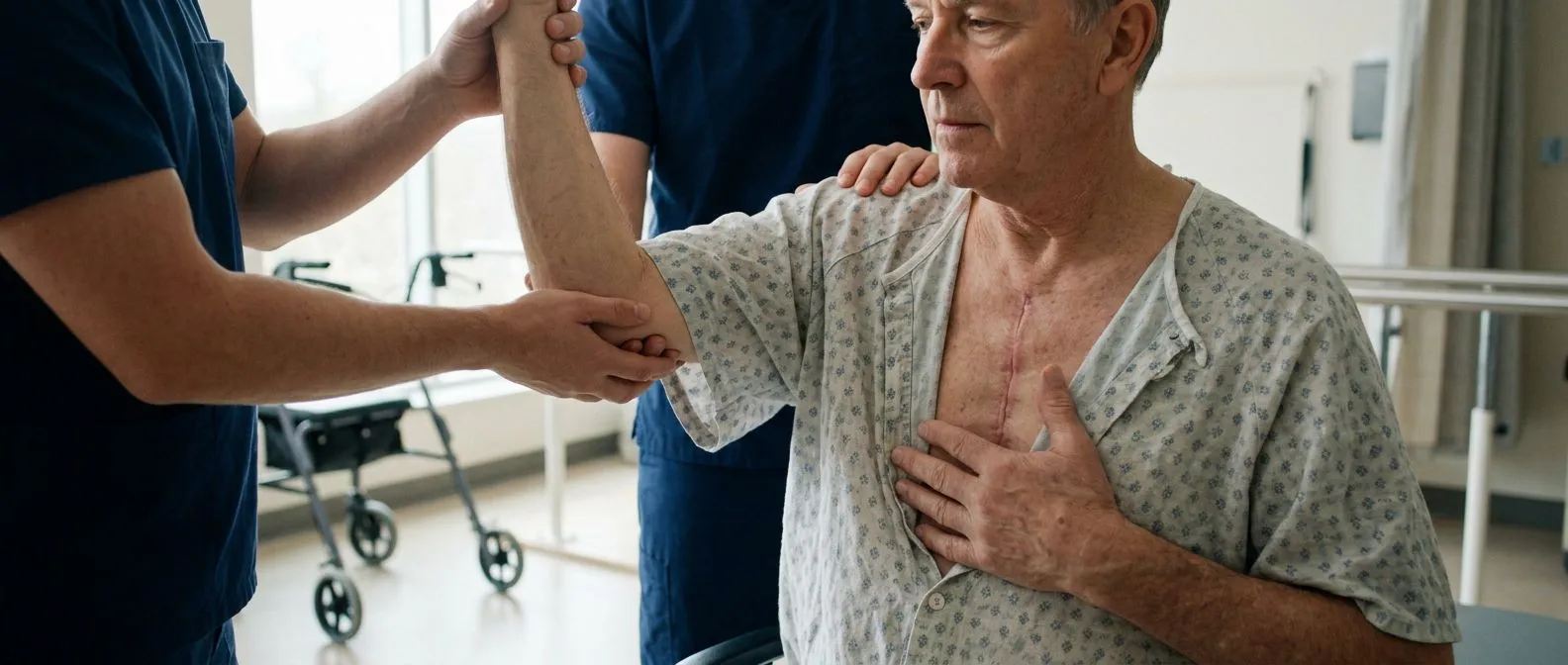
Your Physiotherapist After Heart Surgery: Getting Moving
A physiotherapist after heart surgery guides your safe recovery from day one.
A physiotherapist after heart surgery is one of the most important people on your recovery team, yet many patients meet one for the first time the day after their operation, still tired and attached to tubes. If you or a family member are preparing for valve repair, a coronary bypass, a TAVR procedure or another cardiac intervention, understanding what this professional does — and why the early days matter so much — takes away much of the fear. This guide walks you through the whole journey: from your first steps in the hospital corridor to a walking program at home, the breathing exercises that protect your lungs, the precautions that guard your breastbone, and how to know when something is not right.
What Does a Physiotherapist Do After Heart Surgery?
The full scope of the role. A physiotherapist is a licensed rehabilitation professional who helps your body recover movement, strength and breathing capacity. In the cardiac setting, their work covers four main areas: getting you out of bed safely, restoring your lung function after the breathing tube is removed, rebuilding muscle strength lost during hospital rest, and teaching you how to move without straining your healing chest. A Journal of the American Medical Association review of cardiac rehabilitation programs found that structured, supervised exercise after a cardiac event improves long-term outcomes compared with recovery without it — and the physiotherapist is the person who makes that supervision safe and personal.
Where they work. You will encounter physiotherapists in three places. In the Intensive Care Unit, they help you sit up and take your first steps within the first day or two. On the hospital ward, they progress your walking and breathing exercises daily. And after discharge, they may continue in an outpatient cardiac rehabilitation program, where your heart rhythm and blood pressure are monitored during exercise sessions.
Physiotherapist versus physiologist. Patients often ask why they would go to a physiologist instead. A clinical exercise physiologist designs and supervises exercise programs but does not perform hands-on mobilization, manual therapy or airway-clearance techniques. After heart surgery, you need both: the physiotherapist for the bedside, hands-on recovery work, and sometimes an exercise physiologist for the longer-term fitness phase. Meeting the rehabilitation team before surgery, where possible, means the recovery plan can start soon after you leave the operating room.
When to Start Physiotherapy After Heart Surgery?
Earlier than most people expect. The answer to "when to start physiotherapy after heart surgery" surprises many families: usually within 24 hours of leaving the operating room. Modern cardiac care has moved firmly toward early mobilization, and international critical-care research — including work presented at the International Symposium on Intensive Care and Emergency Medicine — shows that getting ICU patients moving early reduces complications such as muscle weakness and prolonged ventilation. After open heart surgery, this means sitting on the edge of the bed, then standing, then a few steps, often on day one or two.
Why the rush is safe. Your heart has just been repaired, but bed rest is its own risk. Lying still causes fluid to pool in the lungs, blood to move slowly in the legs, and muscles to weaken quickly — roughly one to two percent of leg strength per day of complete rest. Early, gentle movement counteracts all three. The physiotherapist chooses movements matched to what your body has just been through.
Different surgeries, different clocks. Recovery pacing depends on the procedure. After a minimally invasive or robotic valve repair, patients are often up and walking sooner because the chest is not opened through the breastbone. After TAVR, a transcatheter aortic valve replacement delivered through a small puncture in the groin, mobilization can begin within hours, since there is no large incision to protect. Conventional open surgery through the sternum requires the most caution. Because our team performs conventional, minimally invasive, robotic and transcatheter procedures, we match the rehabilitation timeline to the exact operation each patient had, not to a generic schedule.
Sternal Precautions Physiotherapy: Protecting Your Breastbone
What sternal precautions actually mean. In conventional open heart surgery, the surgeon divides the sternum — the breastbone — and holds it apart to reach the heart, then closes it with wire. That bone takes six to eight weeks to knit, like any fracture. Sternal precautions physiotherapy is the set of movement rules designed to protect it: no lifting anything heavier than roughly four to five kilograms, no pushing up from a chair with your arms, no driving until your surgeon clears you, and no reaching overhead with force.
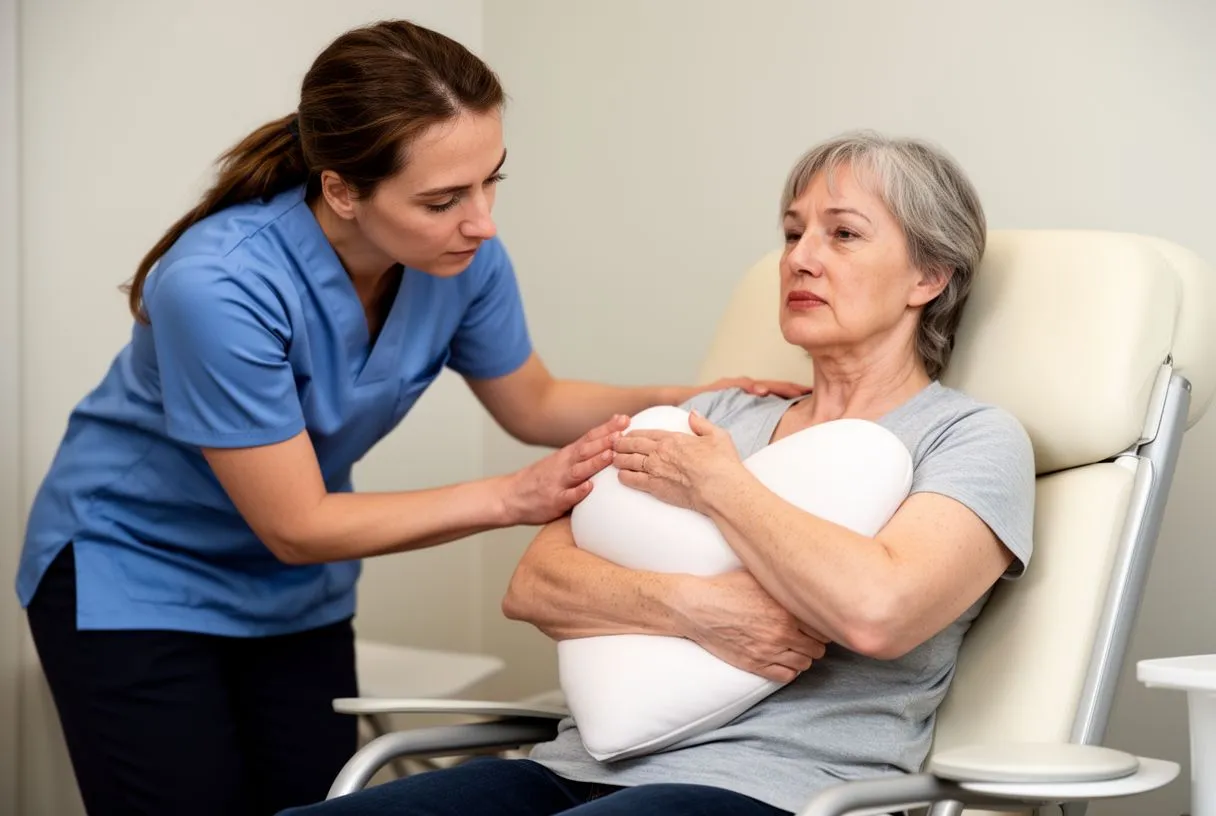
The heart pillow and the cough. You will be given a small pillow or cushion to hold against your chest whenever you cough, sneeze, laugh or strain. Pressing it in splints the breastbone and makes coughing — which you must do to clear your lungs — far more comfortable. A physiotherapist after heart surgery will teach you the " splinted cough " technique on day one and watch that you are doing it correctly.
Moving without straining. The physiotherapist re-teaches you everyday movements in a sternum-safe way: rolling onto your side first before sitting up in bed, using your legs rather than your arms to stand, keeping your elbows close to your body when carrying. These habits feel awkward for the first week and become automatic soon after. Rehearsing these movements before surgery, with family if possible, means the day the chest feels sore is not the first day you practise them.
Breathing Exercises After Heart Surgery: Why They Matter
Why lungs suffer after a chest operation. After any surgery involving the chest, people breathe shallowly — it simply hurts less. But shallow breathing lets small airways in the lower lungs close, and secretions settle there, which raises the risk of a chest infection and a condition called atelectasis, where parts of the lung collapse. Breathing exercises after heart surgery exist precisely to reopen those airways.
The exercises you will be taught. Your physiotherapist will show you two or three simple techniques, and you will repeat them many times a day during the first two weeks:
- Deep breathing with a hold: breathe in slowly through your nose, hold for two to three seconds, then breathe out fully — this reopens closed airways.
- Incentive spirometry: breathing through a small hand-held device that shows you a marker rising as you inhale, turning good deep breaths into a measurable habit.
- Supported coughing: pressing the pillow to your chest and huffing or coughing from low in the lungs to clear secretions, several times an hour when awake.
How long to keep it up. Most patients continue breathing exercises for two to four weeks after discharge, tapering as breathing becomes naturally deep again. If you had lung problems before surgery, or you smoke, your physiotherapist may extend this. If breathing becomes harder rather than easier after the first week, that is a reason to contact your surgical team rather than push through.
Walking Program After Cardiac Surgery: Your First Milestone
Walking is the core prescription. Of every exercise a physiotherapist after heart surgery prescribes, walking is the one that matters most. It is aerobic, it rebuilds endurance, it prevents blood clots in the legs, and it is the activity you will keep doing for life. A structured walking program after cardiac surgery usually begins in the corridor: the first day, walk a short distance two or three times; then add a few minutes each day.
The talk test. Your physiotherapist will teach you to pace yourself by how hard you can talk. You should be able to hold a conversation while walking — slightly breathless but not gasping. If you cannot speak, slow down. If you can sing, you can go a little faster. This simple rule keeps you in the safe, training zone of effort without any equipment.
Building to six weeks. A typical home progression looks like this by discharge week:
- Weeks 1–2: short walks, five to ten minutes, three to four times a day, flat ground, with someone nearby at first.
- Weeks 3–4: one or two longer walks daily, building toward twenty to thirty minutes at a comfortable pace.
- Weeks 5–6: continuous walks of thirty minutes most days, gentle slopes as tolerated — and a review with your cardiac team before adding anything more demanding.
Outpatient cardiac rehabilitation. Where available, formal cardiac rehab physiotherapist-led programs take over at this point, offering monitored exercise two or three times a week for six to twelve weeks. These programs are the setting where the long-term benefits of cardiac rehabilitation are earned, and we encourage every suitable patient to attend one.
Cardiac Surgery Rehabilitation Exercises You Can Do at Home
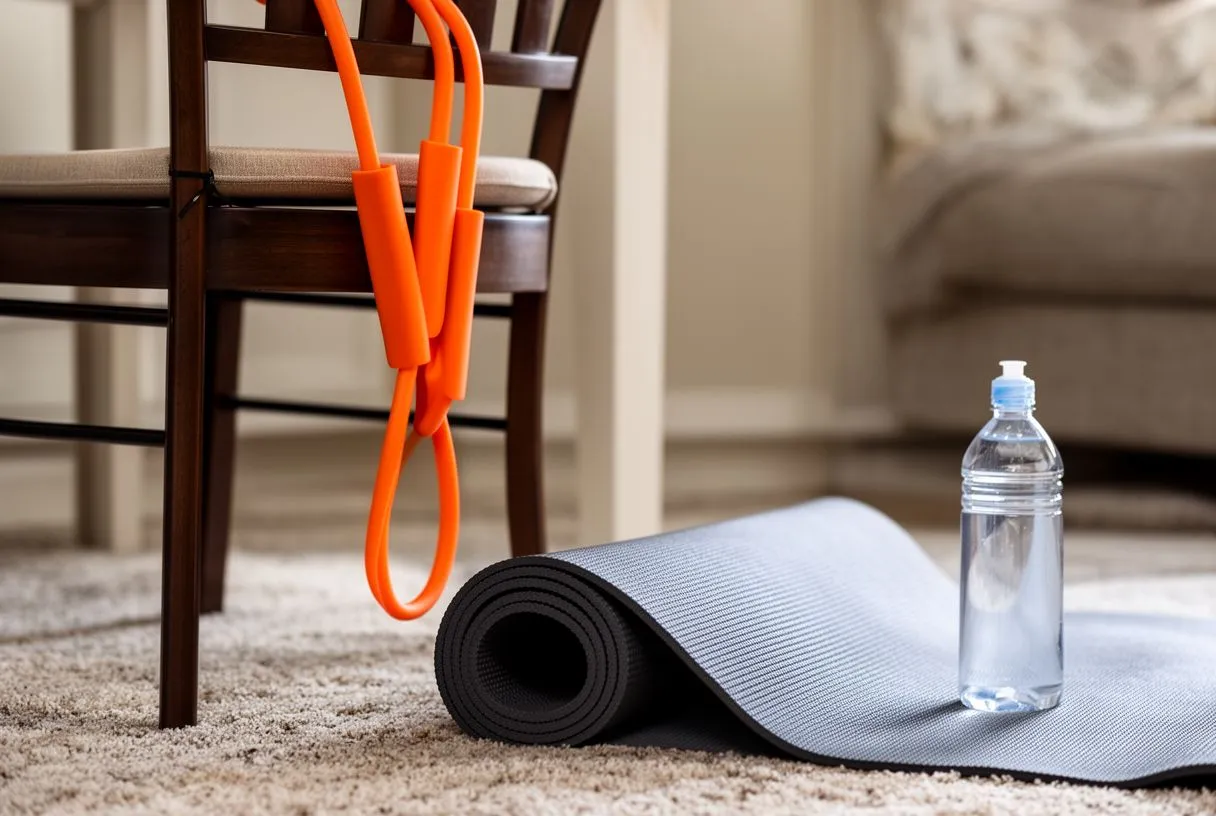
Beyond walking: gentle strength work. Cardiac surgery rehabilitation exercises at home add light resistance and mobility work to your walking. The physiotherapist's goal is not bodybuilding — it is restoring the strength you need for daily life: getting out of a chair, climbing stairs, carrying groceries, dressing without exhaustion.
What a typical home program includes. Expect simple, low-load movements, usually starting in week two or three and only after your surgeon confirms your breastbone is healing well:
- Sit-to-stand practice: rising from a firm chair using your legs, which rebuilds thigh strength without loading the arms.
- Shoulder rolls and gentle arm circles: keeping the shoulders loose after weeks of protective posture, done slowly and never pulling against the chest.
- Stair climbing, deliberately: stairs are excellent rehabilitation, started slowly with a hand on the rail and your breathing under control.
What to avoid at home. No lifting laundry baskets, grandchildren or heavy shopping; no pushing, pulling or twisting motions that load the arms against the chest; no swimming or driving until your surgeon formally clears you, usually around six to eight weeks for driving after open surgery. Every home program should be individually reviewed before you start it. Ask for a written, stage-by-stage exercise plan matched to your operation, and review it at follow-up so nothing is left to guesswork.
What Happens in a Physiotherapy Session — and How Long Does It Last?
The shape of a session. Patients want to know what actually happens when they meet a physiotherapist after heart surgery, and how long a physiotherapy session lasts. In hospital, early sessions are short — ten to twenty minutes of sitting, standing and first steps, plus breathing exercises repeated through the day. Outpatient sessions typically run forty-five minutes to an hour: a check of your blood pressure and heart rate, a warm-up, supervised exercise, breathing work, a cool-down, and time to review how your week went.
What the physiotherapist is watching. Every session is a monitoring opportunity. The physiotherapist checks your heart rate response to exercise, whether your breathing recovers quickly at rest, how your wound looks, how swollen your legs are, and whether you are sleeping and eating. They are often the first professional to notice something that needs the surgeon's attention — which is exactly why supervised sessions are more valuable than exercising alone.
Should you see a physiotherapist or your doctor first for pain? A common question is whether muscle or chest-wall pain after surgery should go to the doctor or straight to physiotherapy. After cardiac surgery, the answer is your surgical team first: chest discomfort in the first weeks must be assessed by the people who operated on you, because they need to distinguish normal healing pain from anything else. Once cleared, the physiotherapist is exactly the right person to treat muscle stiffness and postural pain from your new movement habits.
How many sessions you will need. This varies with the operation and your condition before it. Many patients need only a handful of hospital sessions plus a period of outpatient rehabilitation; others, particularly older patients or those who were frail before surgery, benefit from a longer program. Your physiotherapist will set expectations at the first session and adjust as you progress.
How Do You Become a Physiotherapist — and How Do You Choose a Good One?
What the training involves. Families often ask how you become a physiotherapist, because they want to know the person guiding their recovery is properly qualified. The path requires a university degree in physiotherapy — in Mexico, a four to five-year licenciatura — followed by professional licensing. Physiotherapists who work in cardiac rehabilitation typically add postgraduate training or certification in cardiopulmonary physiotherapy, and experience in hospital intensive care and cardiac wards.
What to look for in a cardiac rehab physiotherapist. Not every physiotherapist works with hearts, and after surgery you want one who does. Look for someone who:
- Has specific cardiac experience: they can tell you how many post-surgical patients they have treated and describe how they monitor heart rate and blood pressure during exercise.
- Works from your surgeon's instructions: a good cardiac physiotherapist asks for your operation report and follows the sternal precautions your own team set, rather than a generic protocol.
- Explains and involves you: you should always understand why each exercise is prescribed and what progress should look like week by week.
Why your surgical team should coordinate this. Rehabilitation works best when it is part of one plan, not a separate stream. In our practice, every case is reviewed by the multidisciplinary team against international practice guidelines before we recommend anything, and that same review defines the rehabilitation pathway each patient follows after their procedure.
Is Physiotherapy After Heart Surgery Safe? Warning Signs to Watch
Safety is the whole design. Patients and families sometimes worry that exercise could damage the repair or trigger a problem. Supervised physiotherapy after heart surgery is designed to be safe: the intensity is graded, the movements are chosen to protect healing tissue, and the physiotherapist monitors your body's response at every step. The far greater danger after heart surgery is doing nothing — staying still invites lung infections, clots and deconditioning.
Normal discomfort versus warning signs. Some things after surgery are expected and not emergencies: chest-wall soreness that improves week by week, muscle aching after walking, mild tiredness. Other signs mean stop and call your team. Learn the difference before you need it:
- Chest pain that is new, heavy, pressure-like or spreading to the arm, jaw or back — stop, rest, and seek urgent medical attention.
- A racing or irregular heartbeat that does not settle with rest, or dizziness and near-fainting during activity.
- Signs at the wound: increasing redness, drainage, opening of the incision, or a click or grinding feeling from the breastbone.
- Breathlessness that is getting worse rather than better, or new swelling in the legs and ankles.
Who decides your limits. Your limits are set by your surgical team and physiotherapist together, based on your operation, your other conditions and how you respond — not by a generic internet schedule. Palliative care teams may also be involved for patients with advanced heart disease, focusing on comfort and quality of life alongside, or instead of, exercise-focused rehabilitation. At follow-up, ask which symptoms are normal for your stage and which should bring you straight back, and get that in writing.
What to budget for. Families coming to Mexico for cardiac surgery — or Mexican patients planning ahead — reasonably ask about physiotherapy cost after heart surgery. Mexico offers no single fixed price: hospital-based sessions during your admission are usually included in the surgical package, but outpatient cardiac rehabilitation afterwards is typically paid per session or per program, and fees vary widely by city, clinic and whether a supervised monitored program or independent sessions are involved. The practical advice: ask your surgical team before the operation exactly which rehabilitation sessions are included and which you will need to arrange and pay for separately, and get it in writing.
For international patients. If you are travelling to Guadalajara, Querétaro or another Mexican city for surgery, build your recovery stay into the plan. You should not fly home immediately after open heart surgery; most teams want you nearby through the early recovery weeks, when complications are most likely to appear and sternal precautions are strictest. Ask where a suitable physiotherapist or rehabilitation program is located relative to where you will be staying, and whether your travel insurance covers post-discharge rehabilitation.
Questions to ask before surgery. Preparing these questions ahead of time makes the first consultation far more useful:
- Timeline: When will I start physiotherapy, and how long will supervised rehabilitation last in my case?
- Coverage: Which rehabilitation sessions are included in my surgical package, and what will I need to arrange separately?
- Home program: What exercises will I do at home, and who do I contact if something feels wrong?
Your recovery is a team effort — and the decision is yours. Physiotherapy after heart surgery is not an optional extra; it is the bridge between a successful operation and a life where you can walk, work and travel again. The most valuable thing you can do before surgery is understand that bridge and ask your team exactly how you will cross it. At our practice, the first contact is a free video consultation: we get to know you, explain in plain words what the studies show, identify which tests are genuinely still needed, and give you a clear proposal — including a less invasive option only where the evidence supports it for you — while the final decision always remains yours, and we welcome a second opinion as a normal part of that decision. If you or a family member are facing heart surgery and want to understand your recovery before you commit to anything, we invite you to book a consultation and discuss your own situation with our team.