Hospital Discharge After Heart Surgery: Your Checklist
Hospital discharge heart surgery: get your complete recovery checklist covering medications, wound care, activity limits, and follow-ups.
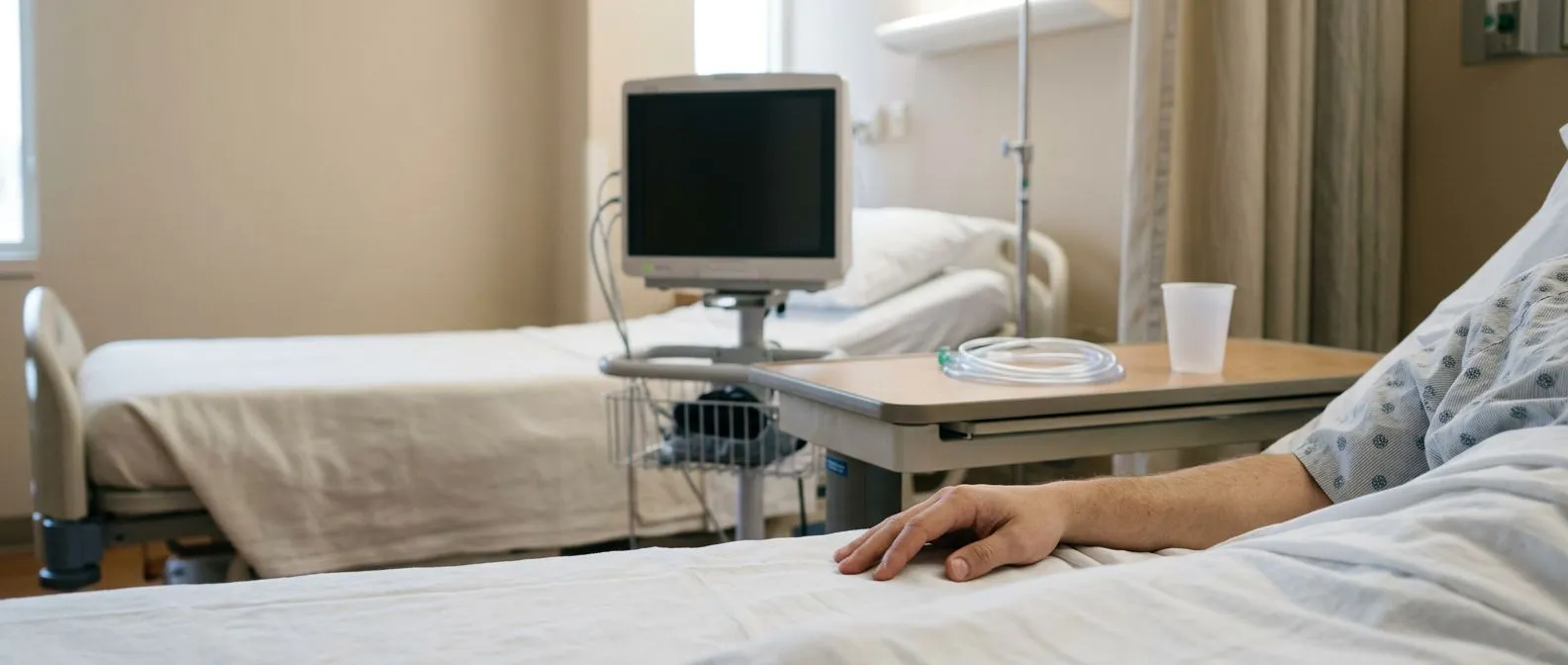
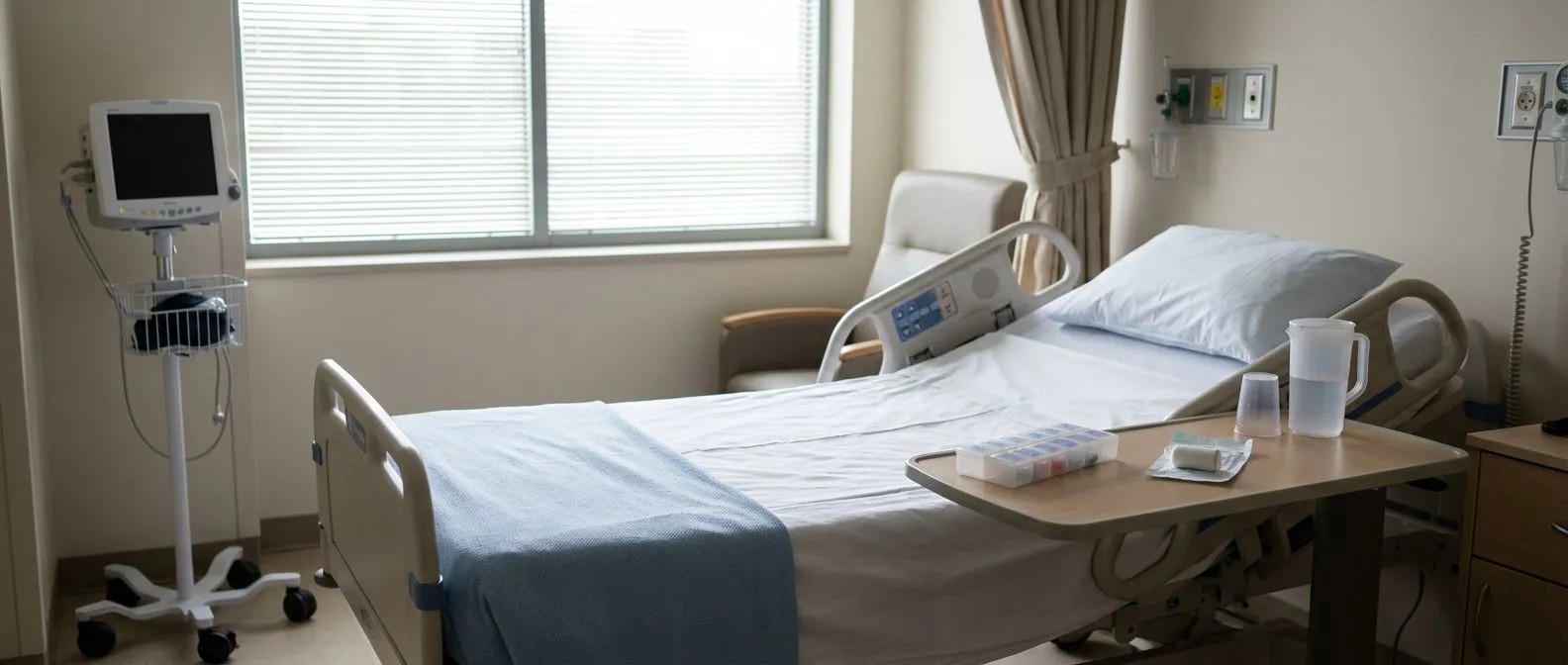
Leaving the hospital after cardiac surgery marks a major milestone in your recovery, but the journey does not end at the door. Hospital discharge after heart surgery is a carefully planned transition that involves medications, wound care instructions, activity guidelines, and follow-up appointments designed to keep you safe and supported. For patients and families travelling to Guadalajara, Querétaro, or Hermosillo for cardiac care with Dr Alejandro Molina, understanding exactly what happens during this transition helps reduce anxiety and sets the stage for a smooth recovery at home.
What Is Hospital Discharge After Heart Surgery
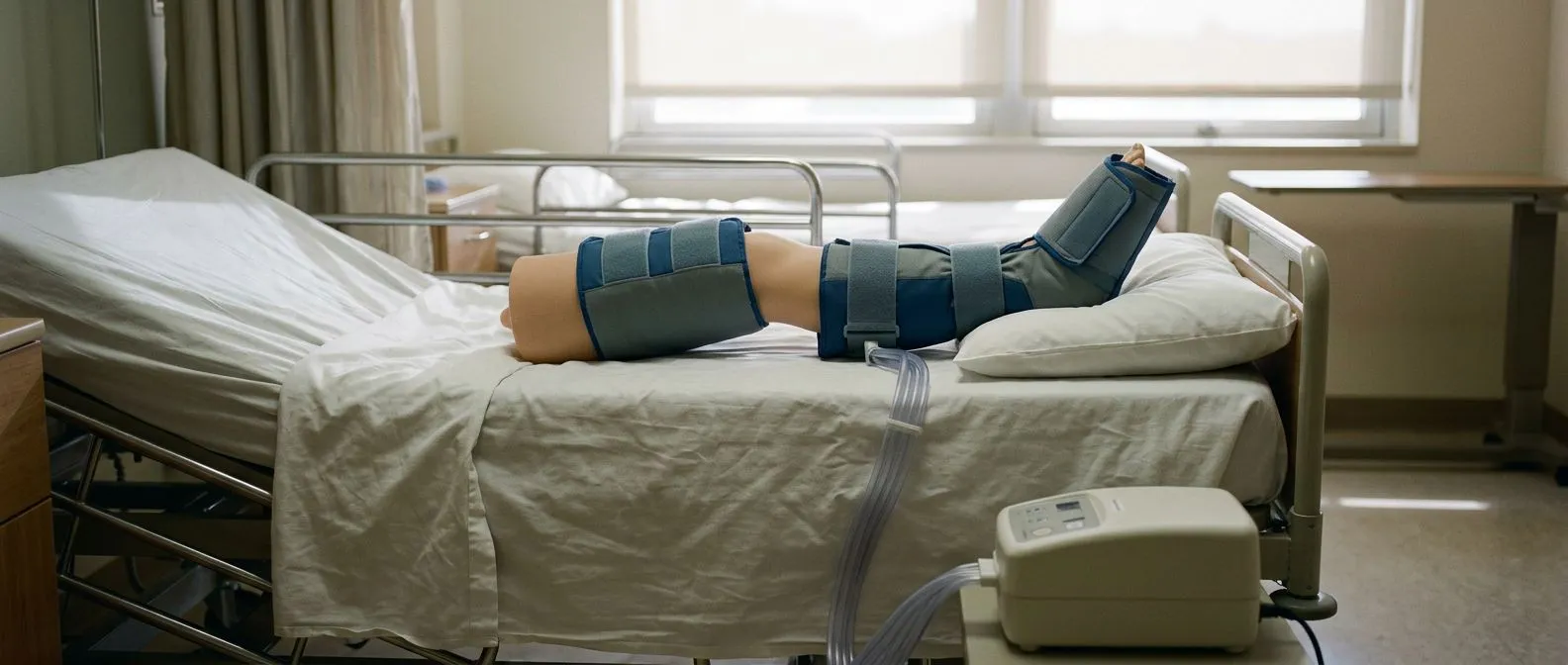
Hospital discharge after heart surgery is not simply the moment you walk out the door — it is a structured, multi-day process that your cardiac team begins planning well before your operation. From the moment you arrive in the intensive care unit, nurses, surgeons, and rehabilitation specialists are tracking your progress against specific milestones: stable heart rhythm, controlled pain, ability to walk short distances, and normal breathing without supplemental oxygen. Each of these benchmarks must be met before the team signs off on your release.
Who is involved in the discharge planning process? Your cardiac surgeon leads the decision, but a coordinated team carries it forward. Ward nurses monitor your vitals and wound healing, physiotherapists assess whether you can climb stairs safely, a pharmacist reviews your medication schedule, and often a social worker or care coordinator addresses logistics like transportation and home support. If you have travelled from outside Mexico for surgery, the team will also coordinate travel documents and discuss whether a local hotel stay near the hospital is advisable before your flight home.
The discharge plan is typically documented in writing and handed to you before you leave. This document summarises your surgical procedure, lists every prescribed medication with dosing instructions, outlines activity restrictions, and provides contact numbers for emergencies. Keep this paperwork in a folder you carry at all times during the first few weeks, as you will need to present it at follow-up visits and to any healthcare provider who sees you for related issues.
How Long Is the Heart Surgery Recovery Timeline
Most patients remain in the hospital for five to seven days after a conventional open-heart procedure, though this varies based on the specific operation and your overall health. According to Stanford Health Care, recovery timelines depend on the type of surgery, the patient's age, and the presence of other medical conditions. Patients who undergo less invasive approaches, such as a minimally invasive valve repair or transcatheter aortic valve replacement (TAVR), often go home in three to five days. The key point is that discharge timing is individualised — there is no universal clock.
What milestones must you reach before going home? Your cardiac team looks for several indicators: your heart rate and blood pressure must be stable without intravenous medications, your chest drainage tubes must have been removed, you must be able to walk independently to the bathroom, and your pain must be controllable with oral medications alone. You will also need to demonstrate that you can perform basic breathing exercises using an incentive spirometer — a handheld device that encourages deep lung expansion to prevent pneumonia. None of these milestones are negotiable; they exist to ensure you can manage safely outside a monitored hospital environment.
Once you are home, the initial recovery phase typically lasts six to eight weeks. During this period your breastbone (sternum) is actively healing, your energy levels will fluctuate, and you will gradually increase your walking distance. Full recovery — meaning the point at which most patients return to all normal activities including work — generally takes three to six months. For patients who had an arterial graft placed during bypass surgery, the internal mammary artery used as the graft also needs time to adapt to its new role supplying blood to the heart muscle.
What to Expect After Open Heart Surgery at Home
The first few days at home can feel both relieving and overwhelming. You are in familiar surroundings, but you may notice that simple tasks — showering, dressing, preparing a meal — require more effort and planning than you expected. This is completely normal. Your body is directing enormous amounts of energy toward healing the surgical incision on your chest, rebuilding tissue around the heart, and adjusting to changes in blood flow. Plan to rest frequently and accept help from family members without guilt.
How should your home environment be prepared? Before you arrive, your caregiver should ensure that essentials are within easy reach — not on high shelves or in low cabinets that require bending or stretching. A firm chair with armrests is ideal for sitting and rising, as your arms will need to do the work your chest muscles normally handle during the first weeks. If your home has stairs, your physiotherapist will have practised stair climbing with you in the hospital, but limit trips to once or twice daily initially. For patients who had surgery involving the ascending aorta or other structures deep in the chest, extra caution with twisting movements is especially important during early healing.

For international patients who travelled to Mexico for their procedure, the journey home deserves careful thought. If you flew in, discuss with your surgeon whether a cabin pressure environment is safe for your stage of recovery — most teams recommend waiting at least two to four weeks before air travel. Some patients benefit from staying locally for an additional week with telemedicine check-ins before making a long journey. Factor in the availability of cardiac care near your destination, and carry your discharge documents, medication list, and surgeon's contact information at all times during transit.
Cardiac Surgery Wound Care and Sternal Healing
Your sternum is intentionally cut lengthwise during traditional open-heart surgery to give the surgeon access to your heart. After the procedure, the two halves are wired back together with stainless steel sutures, and the skin is closed over them. This bony healing process takes approximately six to eight weeks, and during that time the sternum is vulnerable to separation if subjected to excessive force. This is why you will be told not to lift anything heavier than about five kilograms, to avoid pushing yourself up with your arms when getting out of bed, and to use a small pillow against your chest when coughing or sneezing.
What does proper incision care look like on a daily basis? Once your surgical dressing is removed — usually within the first week — you will need to inspect the incision daily for changes. Gently wash the area with mild soap and water, pat it dry, and avoid applying lotions, creams, or powders directly on the healing scar. Research on tissue scaffolding and wound repair, including studies such as Application of Collagen Scaffold in Tissue Engineering: Recent Advances and New Perspectives, underscores how collagen deposition and remodelling drive the healing cascade in deep surgical wounds. Keeping the incision clean and dry supports this natural repair process.
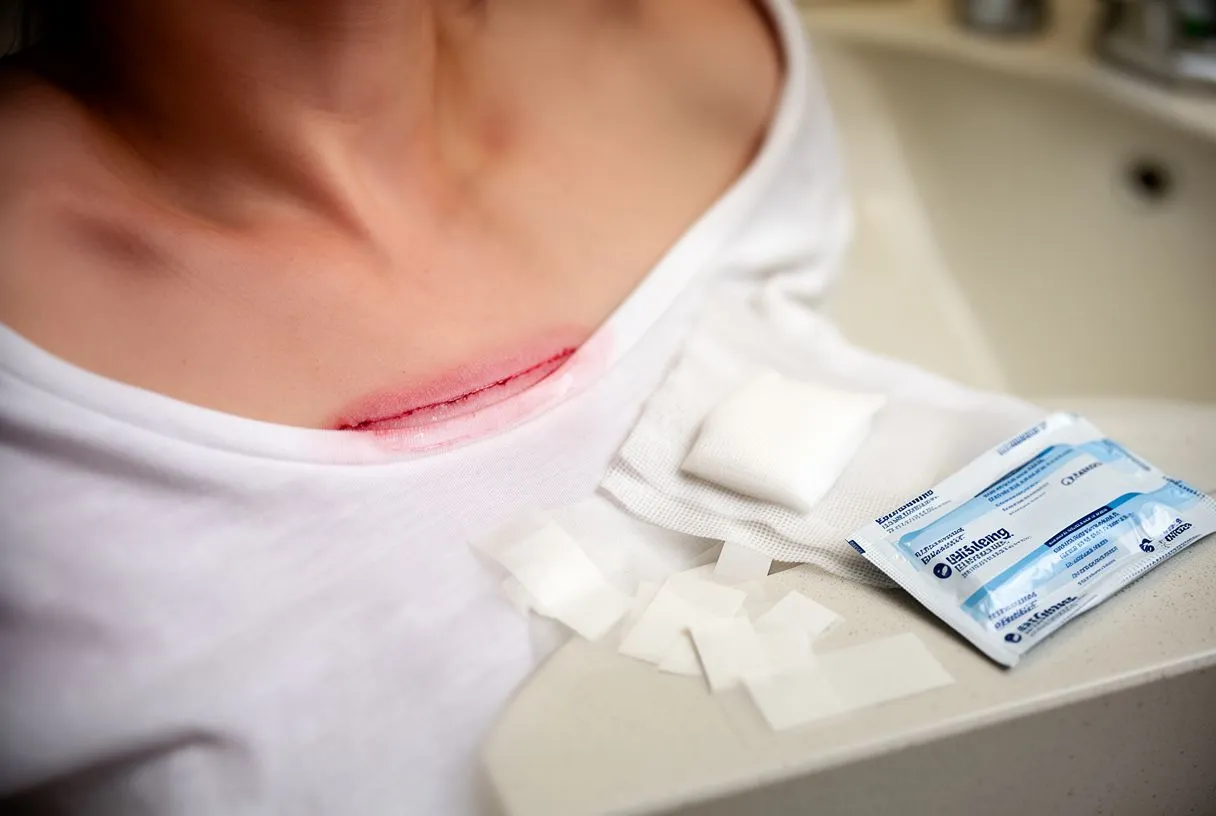
Some patients notice mild swelling, bruising, or a small amount of clear or pinkish drainage at the incision edges during the first week. This can be normal as the tissue settles. However, if the wound opens, if drainage becomes thick, yellow, or foul-smelling, or if the skin around the incision becomes increasingly red and warm, these are signs that warrant prompt medical attention. Your surgical team will have given you specific guidance on when to call versus when to head to an emergency department — follow that guidance rather than waiting to see if symptoms resolve on their own.
Activity Restrictions After Heart Surgery Explained
Activity guidelines after cardiac surgery exist to protect your healing sternum and your recovering heart. The restrictions feel restrictive at first, but they follow a clear logic: your chest bone needs mechanical stability to knit together, and your heart muscle needs gradual rather than sudden increases in workload. Most patients can walk short distances within days of surgery, and walking is actually encouraged — it prevents blood clots, improves lung function, and boosts your overall sense of wellbeing. The restrictions focus on lifting, pushing, and twisting movements rather than on gentle mobility.
When can you start driving again? Most cardiac surgeons recommend waiting four to six weeks before getting behind the wheel. The reasons are practical and safety-related: sudden braking or turning engages your chest muscles and puts stress on the healing sternum, and the airbag deployment in even a minor collision could cause serious injury to an unprotected chest. If you are a passenger, use a small pillow between your chest and the seatbelt for cushioning. Here is a quick summary of common activity guidelines during the first six weeks:
- Walking: Encouraged daily, starting with short distances and gradually increasing as tolerated.
- Lifting: Nothing heavier than five kilograms; avoid grocery bags, children, and furniture.
- Driving: Wait four to six weeks unless your surgeon advises otherwise.
- Bathing: Showers are fine once the dressing is removed; avoid soaking in tubs or pools until the wound is fully healed.
- Housework: Light tasks only; no vacuuming, mopping, or anything that requires pushing or pulling.
Returning to exercise beyond walking should be guided by your cardiac rehabilitation team. They will perform a stress test or functional assessment around four to six weeks after surgery and design a personalised programme based on your results. For patients who were physically active before surgery, the temptation to resume running, cycling, or swimming too early is understandable — resist it. Your heart may feel ready, but your sternum and surrounding tissues need the full healing window to reach the strength necessary for higher-impact activities.
Cardiac Medications After Surgery: A Simple Guide
You will likely leave the hospital with a new or adjusted medication regimen. These prescriptions are not arbitrary — each drug serves a specific purpose in protecting your heart during the vulnerable healing period and preventing future complications. The exact combination depends on your specific procedure, but common categories include antiplatelet agents, beta-blockers, cholesterol-lowering drugs, and sometimes anticoagulants. Understanding what each medication does helps you take it correctly and recognise side effects early.
Which medications are most common after cardiac surgery? Aspirin is one of the most frequently prescribed drugs, particularly after bypass surgery or valve replacement, because it reduces the risk of blood clots forming on damaged vessel walls or around prosthetic valves. If you had an atheromatous plaque removed or a stent placed, you may also receive a second antiplatelet medication for a defined period. Beta-blockers help control your heart rate and reduce the heart's oxygen demand during recovery. Statins are prescribed to lower cholesterol and stabilise remaining plaque in your coronary arteries, even if your LDL numbers look acceptable. Research models that study cardiovascular disease in animals, including work described in The pig: a model for human infectious diseases, have contributed to our understanding of how medications interact with healing cardiac tissue and post-surgical infection risks.
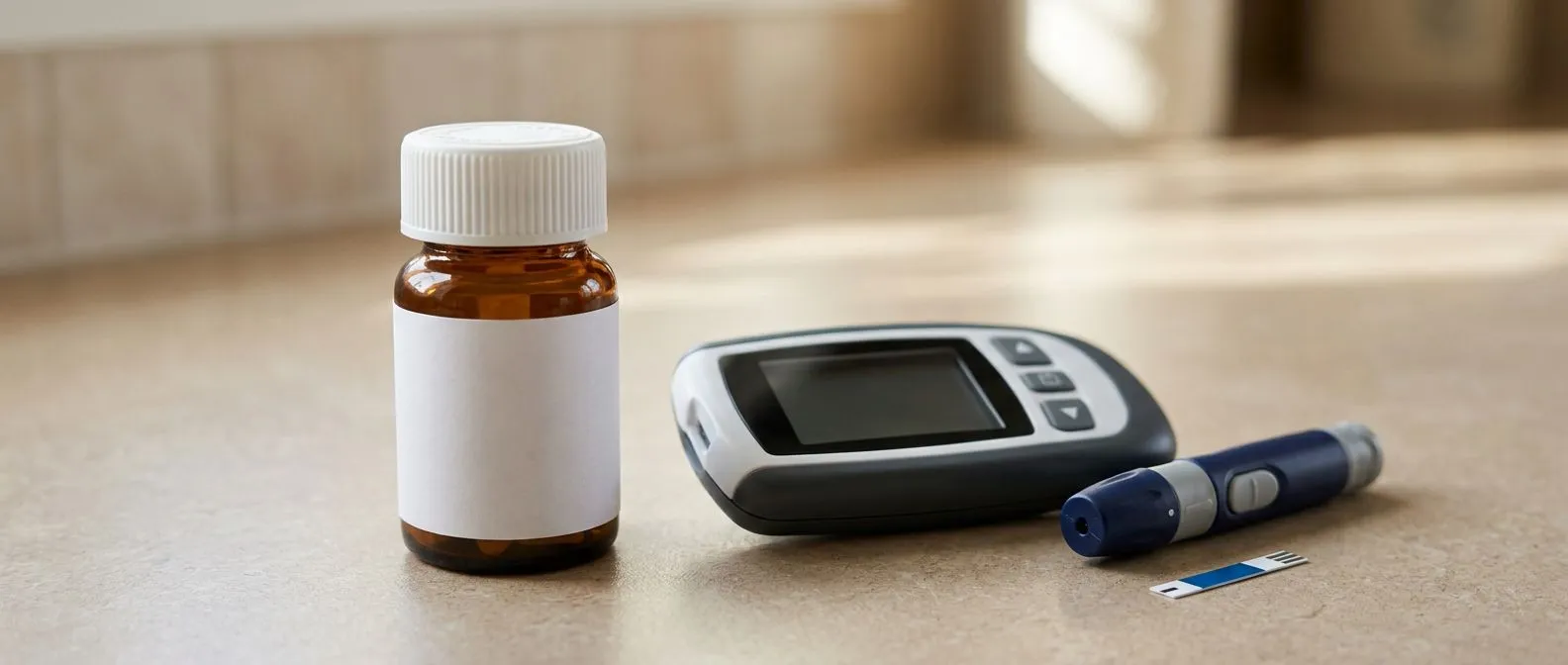
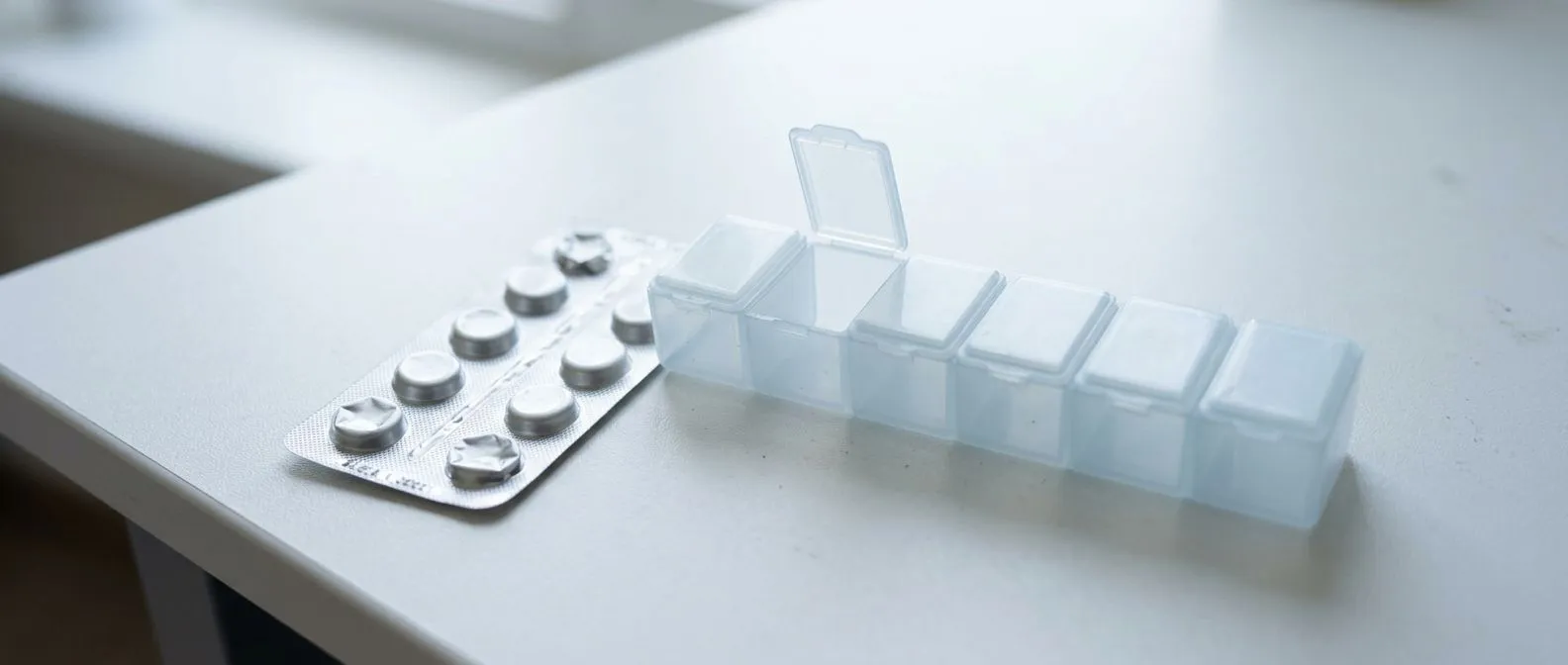
Take all medications exactly as prescribed and never stop any drug without consulting your surgeon or cardiologist first. Even if you feel well, abruptly discontinuing a beta-blocker can cause a dangerous spike in heart rate, and stopping antiplatelets can lead to clot formation. Set up a pill organiser, use a medication reminder app, or ask your caregiver to help manage the schedule. If you experience side effects such as dizziness, unusual bruising, persistent nausea, or a rash, contact your medical team promptly — they can adjust doses or switch to alternatives rather than having you stop treatment altogether.
Signs of Infection After Heart Surgery to Watch For
Surgical site infection is a recognised complication of cardiac surgery, occurring in a small percentage of patients. While the risk is low, the consequences of missing an early infection can be serious, so vigilance during the first few weeks at home is essential. Infections can develop at the chest incision, at the site where a vein was harvested (commonly the leg), or in the deeper tissues around the sternum. The earlier an infection is caught, the more effectively it can be managed with antibiotics rather than requiring further intervention.
What are the early warning signs of a post-surgical infection? Watch for the following indicators at your incision sites and report them to your surgical team promptly:
- Fever: A temperature above 38°C (100.4°F) that persists or recurs, especially after the first 48 hours at home.
- Redness: Spreading redness around the incision that extends beyond the immediate wound margin or expands over time.
- Drainage: New or increased discharge from the wound, particularly if it is cloudy, yellow, green, or foul-smelling.
- Heat: The skin around the incision feels notably warmer than the surrounding area when you touch it.
- Pain: Worsening pain at the incision site that does not respond to your prescribed pain medications.
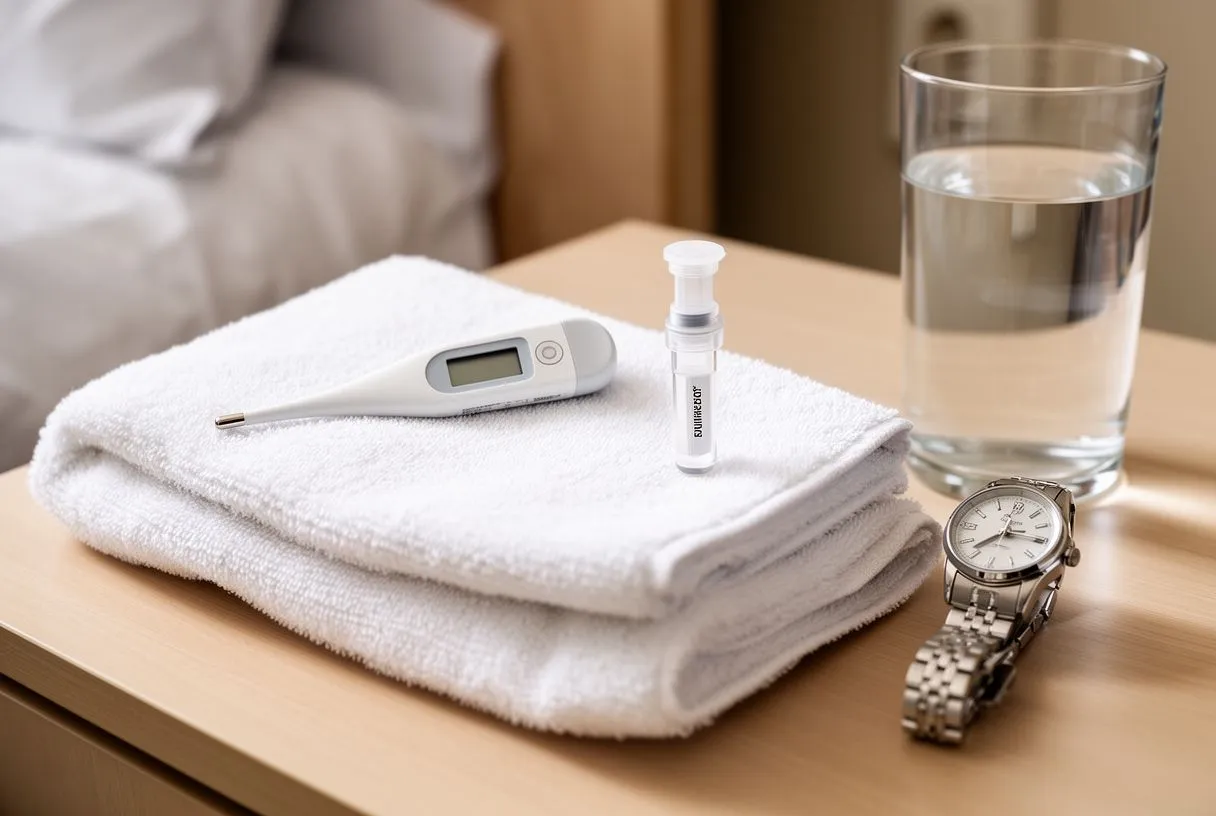
If you suspect an infection, call your surgeon's office immediately. During a routine assessment, your doctor may use auscultation — listening to your chest with a stethoscope — to detect any fluid accumulation or irregular sounds that could indicate a deeper complication. Do not wait to see if symptoms improve on their own, and do not apply home remedies or over-the-counter antibiotic ointments to the surgical site unless specifically instructed. Deep sternal infections require prompt medical evaluation and sometimes surgical intervention, so early communication with your cardiac team is always the safest course.
Heart Surgery Home Care: Breathing and Sleep Recovery
Many patients are surprised by how significantly heart surgery affects their breathing and sleep patterns. During surgery, a breathing tube is placed in your windpipe, and your lungs are temporarily deflated to give the surgeon access to your heart. After the tube is removed, your lungs need time to fully re-expand, and the surrounding muscles and nerves need to recover from the mechanical stress. This is why you may feel short of breath with minimal exertion during the first couple of weeks, even if your heart function is excellent.
How does surgery affect your breathing and what exercises help? Your hospital team will have introduced you to an incentive spirometer — a device that measures how deeply you can inhale. Continue using it several times a day at home, aiming for gradually increasing volumes. Deep breathing exercises help re-expand lung tissue, clear secretions, and reduce the risk of pneumonia. Pair these exercises with gentle coughing techniques, using a pillow pressed firmly against your chest for support. Some patients develop an irregular heart rhythm called atrial flutter during recovery, which can cause a sensation of breathlessness or palpitations — report any new irregular heartbeat sensations to your team, as this condition is common and treatable with medication.
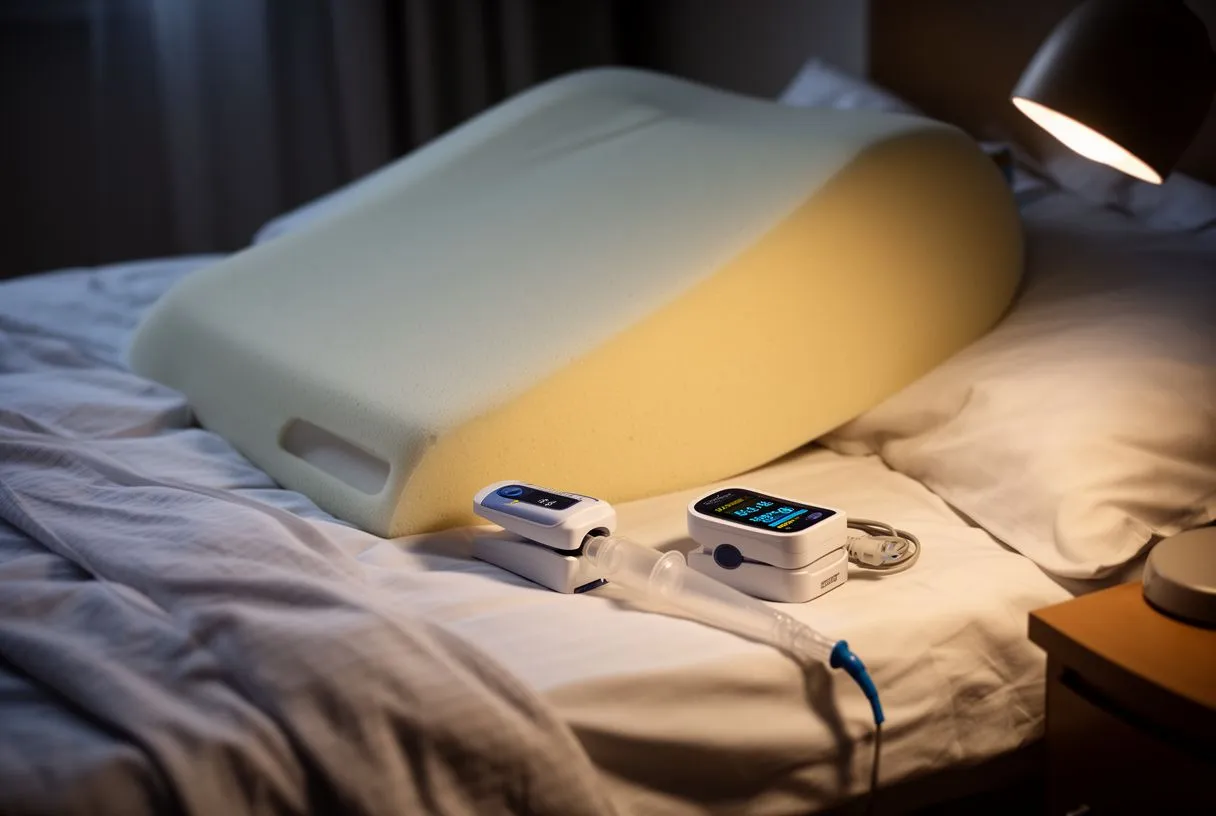
Sleep disturbance is another frequent but under-discussed aspect of recovery. You may find it difficult to get comfortable in bed because lying flat puts pressure on your healing chest, and you will likely need to sleep on your back in a semi-upright position for several weeks. Many patients find a wedge pillow or a reclining chair more comfortable than a flat mattress. Sleep can also be fragmented by night-time waking, vivid dreams, or anxiety about your recovery. These disruptions typically improve as your body heals, but if insomnia persists beyond a few weeks, mention it at your follow-up appointment — your team can recommend strategies or evaluate whether any medication adjustments are needed.
Heart Patient Follow-Up Appointments and Cardiac Rehab
Your discharge paperwork will include a schedule of follow-up appointments, and attending every one of them is non-negotiable for a safe recovery. The first check-up usually happens within one to two weeks of discharge, either in person or via telemedicine if you have returned to a distant location. During this visit, your surgeon will inspect your incisions, review your medications, check for signs of fluid retention, and assess your overall progress. An echocardiogram — an ultrasound of your heart — may be performed to evaluate valve function or the strength of your heart's pumping action after surgery.
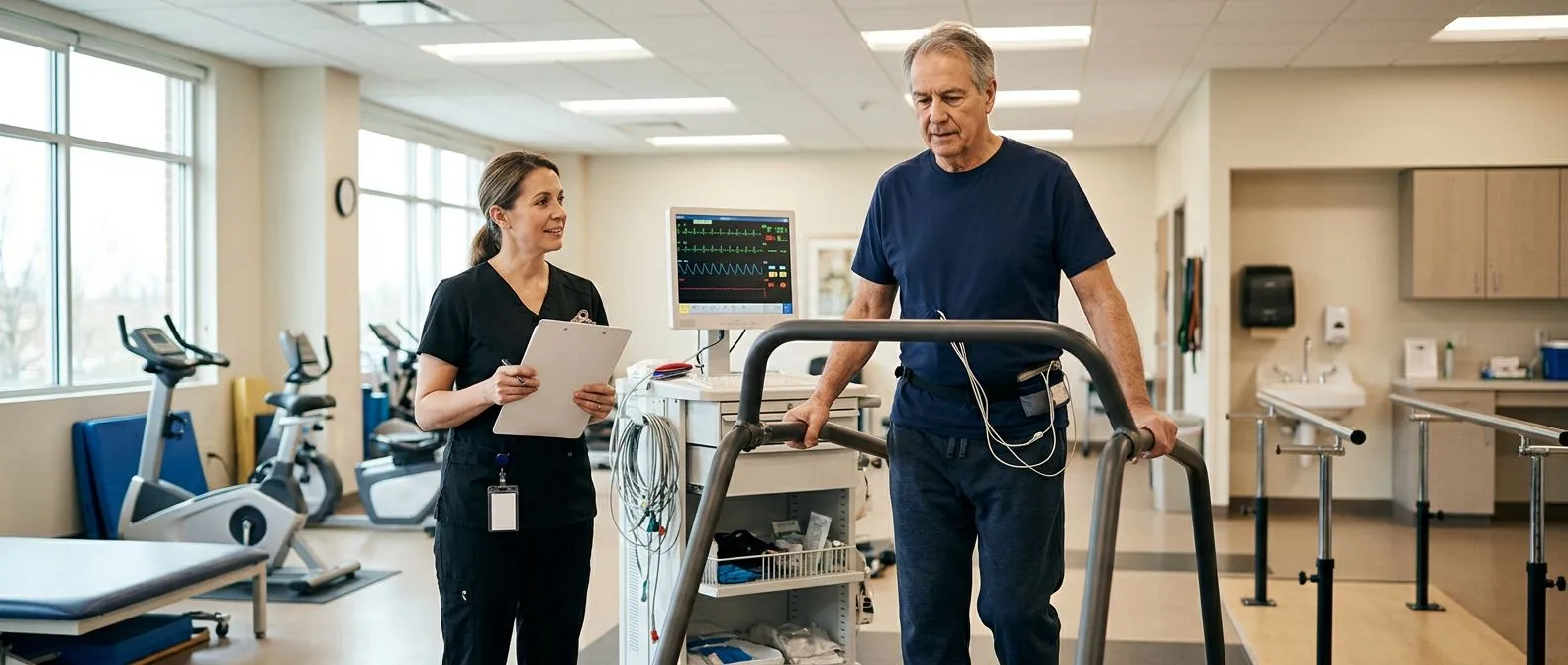
What does cardiac rehabilitation involve? Cardiac rehab is a structured, supervised exercise and education programme that typically begins four to six weeks after surgery and lasts for several months. Sessions are held two to three times per week and include monitored exercise on treadmills or stationary bikes, with your heart rhythm tracked via electrocardiogram. Education components cover nutrition, stress management, medication adherence, and lifestyle changes designed to protect your long-term heart health. Studies consistently show that patients who complete a full cardiac rehab programme have better outcomes than those who do not, including lower rates of hospital readmission and improved exercise capacity. If cost or travel distance is a concern, discuss options with your team — some programmes offer home-based components or reduced-frequency schedules.
For patients who underwent valve replacement with a prosthetic valve, follow-up care also includes monitoring for signs of valve dysfunction, and you will need to take precautions before dental procedures or certain surgeries to prevent bacteria from entering your bloodstream and settling on the artificial valve. Your cardiologist will give you an endocarditis prevention card to carry with you, and any dentist or physician you see in the future should be informed of your valve replacement. These long-term considerations are part of the reason follow-up appointments continue well beyond the initial recovery window.
Heart Surgery Caregiver Guide for Returning Home
If you are reading this as a family member or friend preparing to care for someone after cardiac surgery, your role is one of the most important factors in a successful recovery. The patient will rely on you for practical help — meal preparation, medication reminders, wound monitoring, and transportation to appointments — but equally important is the emotional support you provide. Recovery from heart surgery can be physically and psychologically taxing, and a calm, informed, and patient caregiver makes a measurable difference.

What should a caregiver prepare before the patient comes home? Stock the kitchen with heart-healthy, easy-to-prepare meals that are low in sodium and saturated fat. Arrange the sleeping area so the patient can rest in a semi-upright position. Obtain a blood pressure cuff and a thermometer for daily monitoring, and keep a log of readings to share at follow-up visits. Ensure you know where the nearest emergency department is and have your surgeon's contact numbers saved in your phone. If the patient has been prescribed an automated external defibrillator for home use due to a high-risk arrhythmia, make sure you have been trained on how to operate it — your hospital team will arrange this training before discharge.
Caregiving can be physically and emotionally demanding, so recognise your own limits and build in support for yourself. Accept help from other family members, and do not hesitate to contact your surgical team if you are unsure whether a symptom is concerning. You are the patient's eyes and ears during recovery, and your observations — changes in appetite, mood, energy, or wound appearance — provide valuable information that the patient themselves may not notice or may dismiss. By the end of the recovery period, most patients look back and identify their caregiver as the single most important element of their journey back to health.
Recovery from heart surgery is a marathon, not a sprint. Every milestone — leaving the hospital, walking to the mailbox, sleeping through the night, returning to work — is a step toward full health. Follow your discharge instructions carefully, attend every follow-up appointment, take your medications as prescribed, and listen to your body. If you have questions about your specific recovery plan or would like to discuss your cardiac condition with a qualified surgical team, we encourage you to book a consultation with Dr Alejandro Molina at Cirugía de Corazón in Guadalajara, Querétaro, or Hermosillo. Do not self-diagnose or make medical decisions based on this guide alone — let an experienced cardiac team evaluate your individual situation and guide you toward the safest path forward.