
Apolipoprotein B and Heart Risk: A Sharper Test
Apolipoprotein B heart risk testing reveals hidden cardiovascular dangers better than standard cholesterol panels.
What Is Apolipoprotein B and Why Does It Matter?
When your doctor orders a cholesterol panel, the results usually focus on LDL cholesterol — the so-called "bad cholesterol." But apolipoprotein b heart risk assessment goes deeper than that number. Apolipoprotein B is a protein that sits on the surface of every cholesterol-carrying particle in your blood that can enter your artery walls and form plaque. Each of these particles carries exactly one molecule of apolipoprotein b, which means measuring this protein tells your doctor precisely how many harmful particles are circulating, not just how much cholesterol they carry in total.
The particle problem standard tests miss: Two people can have the same LDL cholesterol reading but very different numbers of LDL particles. If your particles are smaller and denser, they carry less cholesterol each — so a standard panel might look reassuring while a high particle count silently drives atheromatous plaque formation in your coronary arteries. This is why some patients with "normal" cholesterol still suffer heart attacks, and why apolipoprotein b heart risk testing is gaining recognition among cardiologists who want a clearer picture of cardiovascular danger.
For patients and families navigating cardiac care decisions, understanding this distinction matters. If you have been told your cholesterol is fine but you carry other risk factors — family history of early heart disease, diabetes, or high blood pressure — asking your cardiac team about an apolipoprotein b test may reveal risks that a standard lipid panel overlooks. The test is a simple blood draw, but the information it provides can change the conversation about whether medication or lifestyle changes are warranted for your specific situation.
How Does Apolipoprotein B Testing Work?
The apolipoprotein b blood test is straightforward from the patient's perspective: a single tube of blood, typically drawn after fasting for 9 to 12 hours, is sent to a laboratory for analysis. The lab uses an immunoturbidimetric or nephelometric method — essentially, antibodies that bind specifically to the apolipoprotein b protein and produce a measurable signal. Results usually return within a few days and are reported in milligrams per decilitre (mg/dL) or grams per litre (g/L), depending on the laboratory's standard.
What the number actually counts: Because each atherogenic lipoprotein particle — whether it is a VLDL, intermediate-density lipoprotein, LDL, or lipoprotein(a) — carries exactly one apolipoprotein b molecule, the test result reflects the total number of plaque-forming particles in your bloodstream. This is conceptually different from LDL cholesterol, which measures the mass of cholesterol inside LDL particles. Think of it as counting individual delivery trucks rather than weighing the cargo they carry. More trucks on the road means more opportunities for cholesterol to be deposited in your artery walls.
Fasting requirements can vary. Some modern laboratories accept non-fasting apolipoprotein b measurements because the protein itself does not fluctuate dramatically after meals the way triglycerides do. If you are having blood work done before a consultation, ask ahead whether fasting is required for your specific test. According to WebMD, apolipoprotein b testing is increasingly recommended for patients whose standard lipid panels do not fully explain their cardiovascular risk, particularly those with metabolic syndrome or a strong family history of early coronary events.
Apolipoprotein B vs LDL Cholesterol: Which Is Better?
The question of whether apolipoprotein b is better than LDL cholesterol is not about one test being universally superior — it is about which test more accurately predicts cardiovascular events in specific patient groups. LDL cholesterol has been the cornerstone of cardiac screening for decades, and it remains useful for population-level risk assessment and for monitoring response to statin therapy. However, LDL cholesterol can underestimate risk in people whose LDL particles are small and dense, a pattern common in insulin resistance, type 2 diabetes, and metabolic syndrome.
When the two numbers disagree: Studies have consistently shown that apolipoprotein b is a stronger predictor of cardiovascular events than LDL cholesterol when the two measurements discord — meaning when LDL cholesterol looks acceptable but apolipoprotein b is elevated. This discordance occurs in roughly 15 to 20 percent of patients. In those individuals, relying on LDL alone would give false reassurance. The apolipoprotein b particle number captures the total burden of atherogenic particles regardless of how much cholesterol each one carries, making it a more reliable indicator when standard results leave clinical questions unanswered.
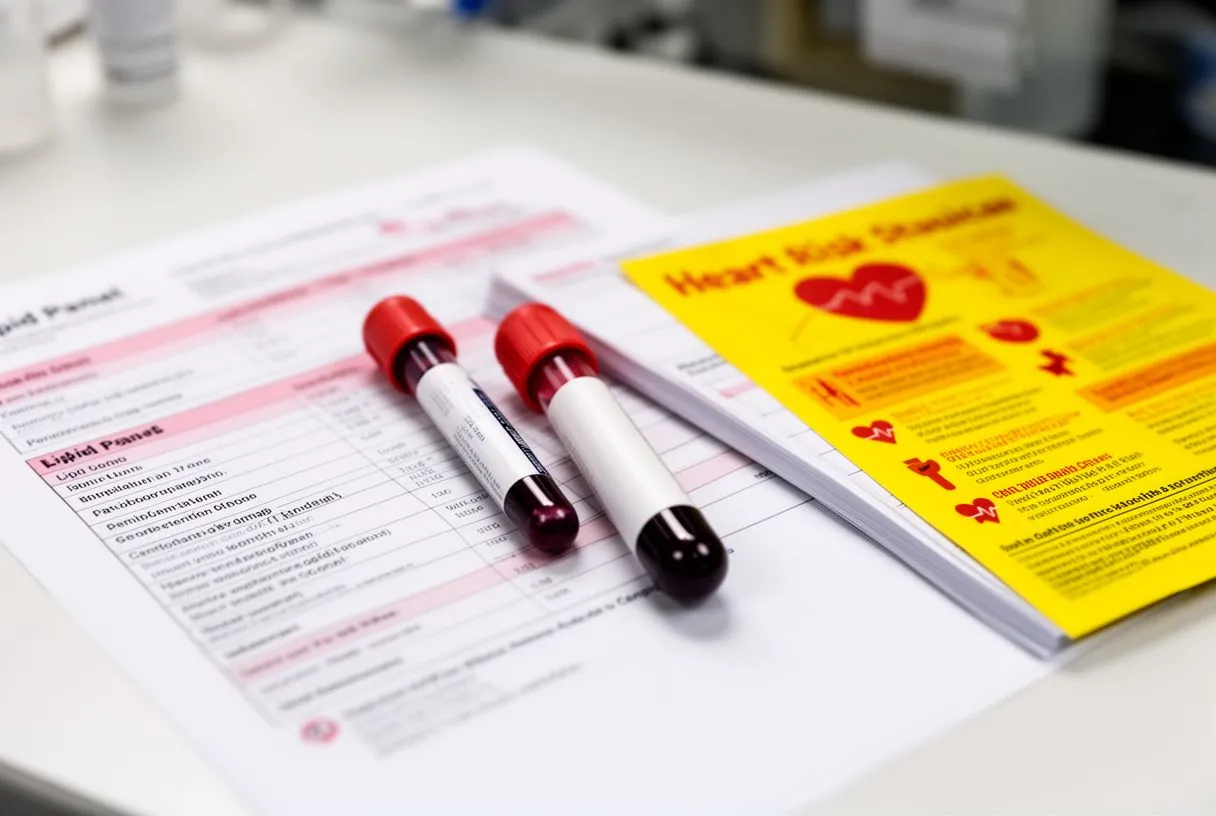
For patients weighing treatment decisions, this distinction has real consequences. If your LDL is at target but your apolipoprotein b remains high, your cardiac team may recommend intensifying therapy — adding or adjusting medications, revisiting dietary strategies, or investigating secondary causes such as hypothyroidism or nephrotic syndrome. The goal is not to chase a number in isolation but to use apolipoprotein b heart risk data as part of a comprehensive assessment that includes blood pressure, smoking status, family history, and imaging findings such as coronary calcium scores.
What Are Normal Apolipoprotein B Levels?
Reference ranges for apolipoprotein b vary slightly between laboratories, but consensus guidelines from cardiology societies provide useful benchmarks. The European Atherosclerosis Society and the American College of Cardiology have suggested target values based on cardiovascular risk category rather than a single "normal" range. For individuals at low to moderate risk, an apolipoprotein b level below 100 mg/dL is generally considered desirable. For those at high risk — such as patients with established coronary disease or diabetes — the target drops to below 80 mg/dL, and for very high-risk patients, below 65 mg/dL.
Understanding your individual target: These thresholds are not one-size-fits-all. Your cardiac team calculates your risk using tools that incorporate age, sex, blood pressure, smoking history, and existing conditions. A younger patient with no risk factors and an apolipoprotein b of 95 mg/dL may need only lifestyle monitoring, while someone with a prior stent placement or a documented atheromatous plaque in the ascending aorta may need medication to push the same value well below 80 mg/dL. The number matters most when interpreted alongside your full clinical picture.
It is also worth noting that apolipoprotein b levels can be influenced by factors beyond diet and genetics. Pregnancy, kidney disease, liver disease, and certain medications can all shift the value. If your result surprises you — either unexpectedly high or unexpectedly low — discuss whether any underlying condition or temporary factor might be contributing. Never self-diagnose based on a laboratory range printed on a report. A qualified cardiac specialist can contextualise the result within your overall health status and recommend appropriate next steps, whether that means reassurance, lifestyle modification, or medical therapy.
What Causes High Apolipoprotein B Levels?
High apolipoprotein b levels arise from a combination of genetic, metabolic, dietary, and lifestyle factors. Familial hypercholesterolemia — an inherited condition affecting the LDL receptor — is one of the most significant genetic causes, producing elevated particle counts from birth. Even without a diagnosed genetic disorder, family history plays a role: if your parents had high particle numbers, your likelihood of the same pattern increases substantially. Genetic testing can identify specific variants, but in most clinical settings, a thorough family history combined with apolipoprotein b testing provides enough information to guide decisions.
Metabolic and dietary drivers: Insulin resistance and type 2 diabetes frequently produce a pattern of high apolipoprotein b with relatively normal LDL cholesterol, because these conditions increase the number of small, dense LDL particles. Diets high in saturated fat and refined carbohydrates can also elevate particle counts, as can excessive alcohol intake and a sedentary lifestyle. Hypothyroidism, chronic kidney disease, and certain medications such as anabolic steroids or thiazide diuretics may contribute as well. Identifying the root cause is essential because it determines whether the primary intervention should be dietary, pharmacological, or both.

For some patients, the cause is multifactorial. A middle-aged patient with a family history of early heart disease, a desk-bound job, and a diet rich in processed foods may have a high apolipoprotein b that reflects several overlapping contributors. In such cases, the cardiac team works through each factor systematically — ordering thyroid function tests, evaluating glycaemic control, reviewing medications, and discussing dietary patterns. The aim is not to assign blame but to map every controllable variable so that treatment targets the underlying mechanisms rather than merely suppressing a laboratory value. Research on electrolyte imbalance and regional wall motion abnormalities in STEMI patients underscores how interconnected metabolic disturbances are, with cascading effects on cardiac function that extend well beyond lipid numbers alone.
How Does Apolipoprotein B Predict Heart Attack Risk?
The predictive power of apolipoprotein b rests on a straightforward biological mechanism. Every particle carrying this protein has the potential to cross the endothelial lining of your artery walls, deposit cholesterol, and trigger the inflammatory cascade that produces atheromatous plaque. More particles mean more opportunities for deposition, which means faster plaque growth and greater likelihood that a plaque will become vulnerable — thin-capped, lipid-rich, and prone to rupture. When a plaque ruptures, a blood clot forms on top of it; if the clot is large enough, it blocks the artery entirely, causing a heart attack.
From particle count to clinical event: Large epidemiological studies have demonstrated that apolipoprotein b predicts cardiovascular events more accurately than LDL cholesterol, particularly when the two are discordant. This makes intuitive sense: a patient with 1,400 LDL particles carrying relatively little cholesterol each may have an LDL cholesterol reading that looks unremarkable, but the sheer number of particles invading the artery wall is high. Apolipoprotein b captures that risk. For patients with existing coronary disease, monitoring apolipoprotein b can help your team judge whether plaque progression is likely to continue despite current therapy.
It is important to frame this as probability, not certainty. A high apolipoprotein b does not mean a heart attack is inevitable, and a low value does not guarantee immunity. Other factors — inflammation, blood pressure, smoking, clotting tendency — all contribute to whether a given plaque will rupture at a given time. The value of the test lies in stratifying risk more accurately so that you and your cardiac team can make informed decisions about the intensity of prevention. In some cases, that may mean starting aspirin therapy or discussing whether more aggressive lipid-lowering is appropriate for your individual risk profile.
Can Diet Lower Apolipoprotein B Naturally?
Diet plays a meaningful role in modulating apolipoprotein b levels, though it is rarely sufficient alone for patients with significantly elevated values driven by genetics or metabolic disease. The dietary patterns with the strongest evidence for reducing atherogenic particle counts are those that emphasise whole foods, replace saturated fats with unsaturated fats, and minimise refined carbohydrates. Mediterranean-style eating — rich in vegetables, legumes, nuts, olive oil, and fish — has been shown to improve lipid profiles in ways that extend beyond LDL cholesterol reduction.
Specific dietary changes with measurable impact: Reducing saturated fat intake from animal sources such as red meat, full-fat dairy, and butter can lower apolipoprotein b, particularly when those fats are replaced with monounsaturated fats from olive oil or polyunsaturated fats from fish and seeds. Increasing soluble fibre from oats, beans, and fruit reduces cholesterol absorption in the gut, which can modestly lower particle counts. Limiting added sugars and refined grains addresses the insulin resistance that drives small, dense particle formation. These changes are cumulative and work best as a sustained dietary pattern rather than a short-term restriction.

For patients managing multiple risk factors, dietary modification should be viewed as one pillar of a broader strategy. If your apolipoprotein b remains above target despite three to six months of consistent dietary change, your cardiac team will likely recommend medication. Statins remain the first-line pharmacological approach, sometimes combined with other agents depending on your full lipid profile. The decision to start medication is not a failure of lifestyle effort — it reflects the recognition that genetic and metabolic factors may require additional tools. A study on intravenous beta-1-adrenoblocker esmolol in STEMI patients illustrates how cardiac care increasingly integrates precise medication timing with individual patient physiology, and the same principle applies to lipid management: the right intervention at the right intensity for your specific situation.
When Should You Get an Apolipoprotein B Test?
Current guidelines do not recommend universal apolipoprotein b screening for every adult, but they do support testing in specific clinical scenarios. If you have a family history of early heart disease — meaning a male relative diagnosed before age 55 or a female relative before age 65 — apolipoprotein b testing can clarify whether an inherited lipid abnormality is contributing to your risk. Patients with diabetes, metabolic syndrome, or chronic kidney disease also benefit, as these conditions frequently produce discordant results where LDL cholesterol underestimates true particle burden.
Additional scenarios where testing adds value: If you are already on statin therapy and your LDL cholesterol has reached target but your overall cardiovascular risk remains high, an apolipoprotein b test can determine whether residual particle burden warrants treatment intensification. Patients with borderline LDL cholesterol and intermediate cardiovascular risk scores may also find that apolipoprotein b helps clarify whether to start medication. Finally, anyone with a prior cardiac event — whether a heart attack, a stent placement, or balloon angioplasty — should consider this test part of ongoing secondary prevention monitoring.
Having the result interpreted alongside a full clinical assessment means it is read in context rather than as an isolated number. If you are travelling, ask whether blood can be drawn locally and the results shared electronically. Planning ahead avoids delays and ensures your appointment time is used for discussion and decision-making rather than waiting for laboratory turnaround.
What Do Apolipoprotein B Results Mean for Treatment?
When apolipoprotein b results come back elevated, treatment decisions follow a structured pathway. The first question is whether lifestyle modification alone is realistic and sufficient for your risk level. For lower-risk patients with modestly elevated values, a three-to-six-month trial of dietary change, increased physical activity, weight management, and smoking cessation may be appropriate before reconsidering medication. For higher-risk patients — those with established disease, diabetes, or very high apolipoprotein b values — medication is typically initiated alongside lifestyle changes rather than waiting to see if diet alone works.
Medication options your team may discuss: Statins remain the foundation of lipid-lowering therapy and reduce apolipoprotein b by decreasing hepatic cholesterol synthesis, which upregulates LDL receptors and clears more particles from circulation. Ezetimibe, which blocks cholesterol absorption in the intestine, adds a complementary mechanism. For patients with persistently elevated apolipoprotein b despite maximal statin and ezetimibe therapy, newer agents such as PCSK9 inhibitors may be considered, particularly for those with genetic hypercholesterolemia or very high cardiovascular risk. Each medication carries its own benefit and risk profile, and the choice depends on your individual situation.
Patients sometimes ask whether treatment should target apolipoprotein b directly rather than LDL cholesterol. In practice, the medications that lower LDL cholesterol also lower apolipoprotein b because they reduce the number of atherogenic particles. The distinction matters most for monitoring: if your team uses apolipoprotein b as the treatment target, they are confirming that particle number — not just cholesterol mass — has been adequately reduced. This is particularly relevant for patients whose LDL cholesterol and apolipoprotein b were discordant at baseline. In those cases, tracking apolipoprotein b ensures that therapy is genuinely addressing the elevated particle burden that standard LDL monitoring might miss.
Where to Get Apolipoprotein B Testing in Mexico?
Patients in Mexico can access apolipoprotein b testing through private laboratories. The test is widely available in major urban centres, though availability in smaller cities may be limited. If you are travelling specifically for cardiac assessment, confirming that the laboratory your team uses offers apolipoprotein b measurement before your appointment avoids the frustration of discovering mid-consultation that an additional blood draw is needed.
Practical considerations for international and travelling patients: If you are coming from outside Mexico or travelling between states, ask whether recent blood work from another laboratory can be used or whether the team prefers samples drawn through their own laboratory network. Fasting requirements, appointment scheduling, and result turnaround times vary. For patients with insurance, check whether apolipoprotein b testing is covered under your policy, as some insurers classify it as advanced or non-routine screening. For self-paying patients, the apolipoprotein b test cost in Mexico is generally modest compared to comprehensive cardiac imaging or invasive procedures, making it a cost-effective component of a thorough risk evaluation.
- Confirm availability: Not every laboratory in Mexico offers apolipoprotein b testing, so verify with your cardiac team's preferred lab before travelling.
- Ask about fasting: Some labs require 9–12 hours of fasting; clarify whether water and essential morning medications are permitted.
- Check insurance coverage: Some insurers treat apolipoprotein b as advanced screening; self-pay rates are typically reasonable but confirm ahead.
- Plan for follow-up: Schedule a consultation alongside testing so results are interpreted in context rather than viewed in isolation.
If you have been told your cholesterol is fine but you still feel uncertain about your heart risk — perhaps because of family history, diabetes, or a borderline LDL that sits just at the edge of normal — an apolipoprotein b test may provide the clarity you need. The decision to undergo advanced screening should always be made in conversation with a qualified cardiac team that can interpret results within your full clinical picture and recommend appropriate next steps. Rather than self-diagnosing or relying on standard panels alone, we encourage you to book a consultation with Dr Alejandro Molina's team to discuss whether apolipoprotein b testing is right for your individual situation. A deeper look at your particle numbers today can inform better decisions about your cardiovascular health for years to come.