
Arm Pain and Your Heart: When to Suspect Angina
Arm pain heart attack warning signs could save your life.
Arm Pain and Heart Attack: When Is It Heart-Related?
Arm pain is one of the most common symptoms people experience, and in the vast majority of cases it comes from a muscle strain, a pinched nerve, or an overuse injury. Yet arm pain can also be one of the earliest warning signs that your heart is not getting enough oxygen. Distinguishing between harmless arm pain and arm pain that signals a cardiac event is a skill every adult should understand, especially if you carry risk factors for heart disease such as high blood pressure, diabetes, or a family history of coronary artery problems. Arm pain from a heart attack has features that set it apart, and this guide explains them.
Referred pain explained: The heart and the arm share nerve pathways that travel through the same segments of the spinal cord. When the heart muscle lacks adequate blood flow — a condition called ischemia — the brain can misinterpret the signal as coming from the arm, shoulder, jaw, or chest. This phenomenon, known as referred pain, is why a heart attack rarely causes pain only in the chest. The discomfort radiates outward along shared neural routes, making arm pain a legitimate and well-documented cardiac symptom rather than a side effect.
The key question is not whether arm pain can come from the heart — it absolutely can — but whether your specific pattern of arm pain fits the profile of cardiac origin. Cardiac arm pain tends to be diffuse, aching, and associated with other symptoms, whereas musculoskeletal arm pain is usually sharp, localized, and reproducible by moving the limb. Learning to read these differences is the first step in protecting yourself and knowing when to call for help.
How Does Angina Cause Arm Pain?
Angina is the medical term for chest discomfort that occurs when the heart muscle temporarily does not receive enough oxygen-rich blood. Atheromatous plaque — a buildup of cholesterol, fat, and calcium inside the coronary arteries — narrows the channel through which blood flows. When you exert yourself, your heart demands more oxygen, but the narrowed artery cannot deliver it, producing the characteristic discomfort of angina that often radiates as arm pain.
During an angina episode, the brain receives pain signals from the heart through the autonomic nervous system. Because the nerve roots that serve the heart also supply the left arm, shoulder, and jaw, the brain maps the distress to those areas. This is why patients with angina frequently describe a heaviness, tightness, or dull ache spreading down the left arm rather than a sharp, stabbing pain. The discomfort usually lasts a few minutes and eases with rest. According to Healthline, this referred pattern is one of the hallmark features that distinguishes angina from other causes of arm discomfort.
Stable vs unstable angina: Stable angina follows a predictable pattern — it appears during exertion and resolves with rest or medication such as nitroglycerin. Unstable angina is more dangerous: it can occur at rest, last longer, and signal that a plaque has ruptured or a clot is forming. If your arm pain appears for the first time at rest, or if it worsens in intensity or frequency, treat it as a medical emergency rather than a routine flare-up.
What Are the Warning Signs of a Heart Attack in the Arm?
When arm pain is caused by a heart attack — clinically called a myocardial infarction — it rarely arrives alone. It typically accompanies a cluster of symptoms that together form a recognizable pattern. The arm pain itself is usually described as an ache, heaviness, or pressure rather than a sharp jab, and it most commonly affects the left arm, though the right arm can also be involved.
The sensation often begins in the chest and travels down the inside of the arm, sometimes reaching the elbow, wrist, or fingers. Patients may also notice numbness or tingling, which can make them dismiss the symptom as a pinched nerve. But when this arm numbness appears alongside chest pressure, shortness of breath, cold sweat, or nausea, the combination strongly suggests a cardiac event rather than a musculoskeletal one. A phenomenon known as atypical infarction — where the usual chest pain is absent or minimal — can make arm pain the dominant warning sign, especially in women and older adults.

Timing matters: Heart attack arm pain usually comes on over several minutes, not instantaneously. It does not change with repositioning the arm, and pressing on the arm does not make it worse. If you notice arm pain that fits this description and lasts more than a few minutes, do not wait to see if it resolves on its own — call emergency services immediately.
How Arm Pain Differs Between Men and Women
Research has consistently shown that women experience heart attack symptoms differently from men. While men typically report the classic crushing chest pressure, women more often present with subtler symptoms — and arm pain is one of the most prominent. Women may describe a sudden, unexplained ache in one or both arms, sometimes without significant chest discomfort at all.
Atypical presentations: Women are more likely to experience what cardiologists call atypical infarction, in which arm pain, jaw pain, profound fatigue, or shortness of breath take center stage while chest pain is mild or absent. This pattern is well documented but still contributes to dangerous delays in treatment, because both patients and sometimes clinicians assume the symptoms are non-cardiac. Understanding that arm pain can be the primary symptom of a heart attack in women is essential for timely care.
- Sudden arm ache: New, unexplained pain in one or both arms without any preceding injury or physical strain.
- Fatigue with arm heaviness: Overwhelming tiredness paired with a sensation of weight or pressure in the arms that does not resolve with rest.
- Jaw, neck, or back discomfort: Pain that travels upward to the jaw or through the upper body alongside arm symptoms, forming a cluster rather than an isolated complaint.
Hormonal differences, smaller blood vessel size, and variations in how the autonomic nervous system processes pain signals all contribute to these sex-based differences. Post-menopausal women are particularly vulnerable, as the protective effect of estrogen on blood vessels diminishes. If you are a woman experiencing new, unexplained arm pain — especially with fatigue, nausea, or back discomfort — do not attribute it to stress or overwork without a proper medical evaluation.
Left Arm Pain vs Right Arm Pain: What Does It Mean?
Left arm pain has long been considered the classic cardiac symptom, and for good reason. The left side of the heart — particularly the left ventricle, which pumps oxygenated blood to the entire body — shares more nerve pathways with the left arm. When a coronary artery narrows or blocks, the resulting pain signals frequently travel to the left arm, shoulder, and even the left side of the jaw.
Right arm pain and the heart: Although less common, right arm pain can also originate from the heart. Studies and case reports have documented patients whose primary cardiac symptom was right-sided arm discomfort. A notable case described in Cardiac Myxoma Removal and Coronary Artery Bypass Grafting in a Middle-Aged Woman: A Case Report illustrates how unusual presentations can still reflect serious cardiac pathology. The key takeaway is that dismissing right arm pain as automatically non-cardiac is a mistake — the pattern of symptoms matters more than the side.

When evaluating which arm is affected, pay attention to the overall symptom picture. If the pain radiates from the chest, is accompanied by shortness of breath, or appears during physical exertion, the side becomes less important than the context. Both left and right arm pain warrant evaluation when they fit the cardiac profile, and neither should be ignored simply because it does not follow the textbook pattern.
When Should You Seek Emergency Care for Arm Pain?
Deciding when arm pain warrants an emergency room visit can feel daunting, especially when you are not sure whether the discomfort comes from your heart or a sore muscle. The general rule is this: if arm pain is new, unexplained, and accompanied by any other potential cardiac symptom, treat it as an emergency until proven otherwise. Minutes matter during a heart attack, and the damage to heart muscle is time-sensitive.
Red flags that demand immediate action: Call emergency services if your arm pain appears with any of the following: chest pressure or tightness, shortness of breath, cold sweating, nausea or vomiting, dizziness, or a feeling of impending doom. If you have been prescribed nitroglycerin or Aspirin for known coronary disease and your usual pattern of angina changes — becoming more frequent, more severe, or occurring at rest — this too is an emergency. Do not drive yourself to the hospital; let paramedics evaluate and monitor you en route.
If your arm pain is clearly related to a specific movement — it hurts only when you lift something, twist your wrist, or press on a particular spot — it is far more likely to be musculoskeletal. Even so, new arm pain that persists beyond a few days, or that interferes with daily activities, deserves a medical evaluation even if it is not an emergency. A thorough assessment can identify whether the discomfort is a harmless strain or an early signal of coronary artery disease that requires treatment.
How Is Angina Diagnosed When Arm Pain Is the Main Symptom?
When you present with arm pain that a physician suspects may be cardiac in origin, the diagnostic process begins with a detailed history and physical examination. Your doctor will ask about the character of the pain — is it sharp or dull, constant or intermittent, brought on by exertion or present at rest? They will also ask about family history, risk factors such as smoking and high cholesterol, and any medications you currently take.
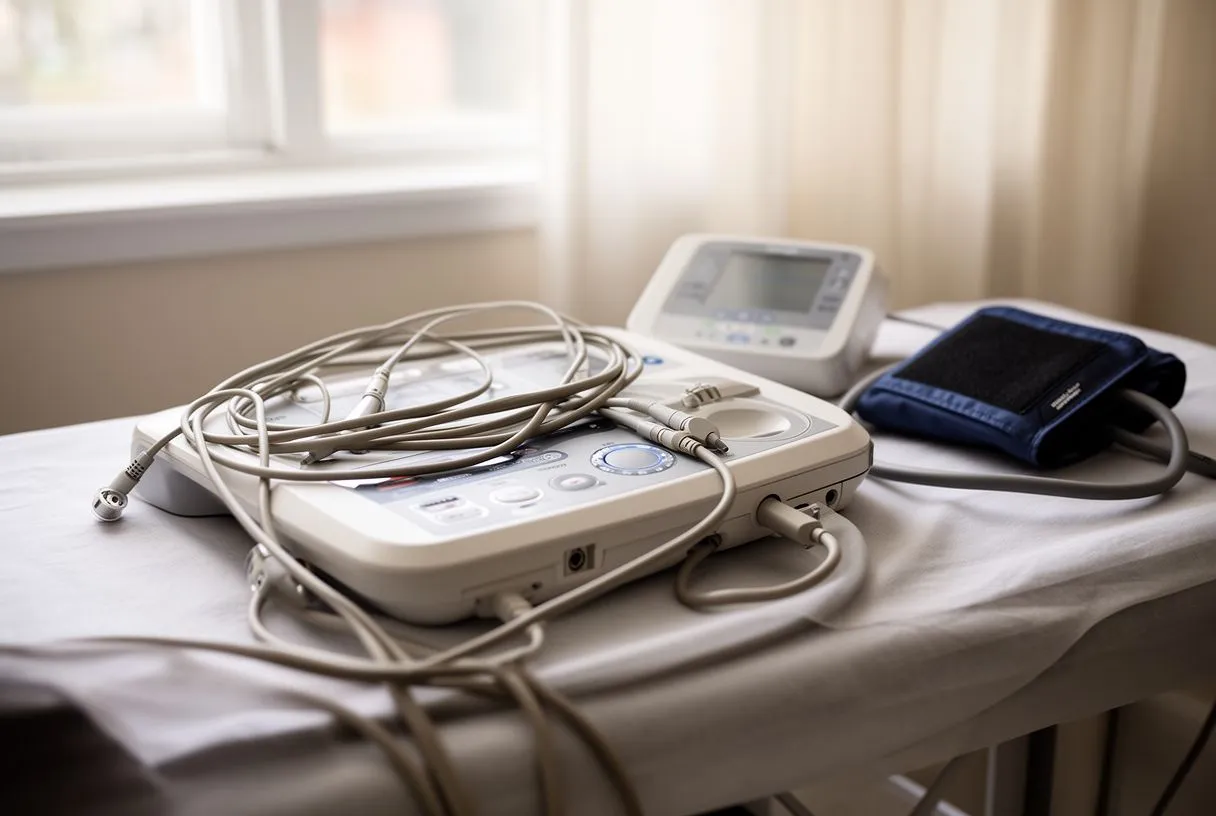
An electrocardiogram (ECG) is typically the first test performed, as it can reveal signs of reduced blood flow or damage to the heart muscle within minutes. Blood tests looking for cardiac enzymes — proteins released when heart muscle is injured — help confirm or rule out a heart attack. A doctor may also use auscultation, listening to the heart with a stethoscope, to detect murmurs or irregular rhythms such as atrial flutter that could contribute to poor cardiac output. Imaging studies, including stress tests and coronary angiograms, provide a more detailed picture of whether atheromatous plaque is restricting blood flow through the coronary arteries.
What the results tell you: If tests confirm that your arm pain is linked to angina or a heart attack, your cardiac team will discuss treatment options ranging from medication to interventional procedures. If the tests are negative, your doctor may investigate other causes — nerve compression, cervical spine problems, tendonitis, or even anxiety — all of which can produce arm pain that mimics cardiac symptoms. The goal is not simply to rule out the heart but to identify the true cause so you receive appropriate treatment.
What Heart Conditions Cause Radiating Arm Pain?
Angina and heart attacks are the most well-known cardiac causes of arm pain, but they are not the only ones. Several other heart conditions can produce discomfort that radiates to the arm, and understanding these can help you and your physician narrow the diagnosis rather than focusing exclusively on coronary artery blockage.
Conditions that may cause radiating arm pain include:
- Coronary artery spasm: A sudden tightening of the artery wall that temporarily restricts blood flow, producing angina-like arm pain even in people without major plaque buildup.
- Atrial flutter and other arrhythmias: Rapid, irregular heart rhythms can reduce pumping efficiency, causing the heart to work harder and triggering chest and arm discomfort.
- Pericarditis: Inflammation of the sac surrounding the heart can produce sharp chest pain that radiates to the arm and worsens with deep breathing or lying flat.
- Aortic dissection: A tear in the wall of the ascending aorta — the body's main artery — can cause severe, tearing pain that radiates to the arm or back, a true surgical emergency.
A comprehensive evaluation published in SÍNDROME CORONARIO AGUDO DE CAUSA NO ATEROESCLERÓTICA / Acute coronary syndrome of non-atherosclerotic origin describes how even rare cardiac conditions — such as a cardiac tumor — can produce acute coronary symptoms including arm pain without the typical atherosclerotic cause. This underscores the importance of a thorough diagnostic workup rather than assuming every case of cardiac arm pain follows the same script.
Treatment Options for Angina and Arm Pain
When arm pain is confirmed to be cardiac in origin, treatment focuses on improving blood flow to the heart muscle and preventing future episodes. The approach depends on whether the underlying problem is stable angina, unstable angina, or a full heart attack — and on the anatomy of the coronary arteries as revealed by angiography and other imaging studies.
Medications first: For many patients, medication is the foundation of treatment. Nitrates such as nitroglycerin dilate the coronary arteries to improve blood flow during episodes. Antiplatelet drugs, including Aspirin, help prevent clot formation inside narrowed arteries. Beta-blockers reduce the heart's workload by slowing its rate and lowering blood pressure, while statins target cholesterol — particularly apolipoprotein B, the protein that carries harmful LDL cholesterol — to stabilize existing plaque and slow its growth. These medications together can dramatically reduce the frequency and severity of angina-related arm pain.
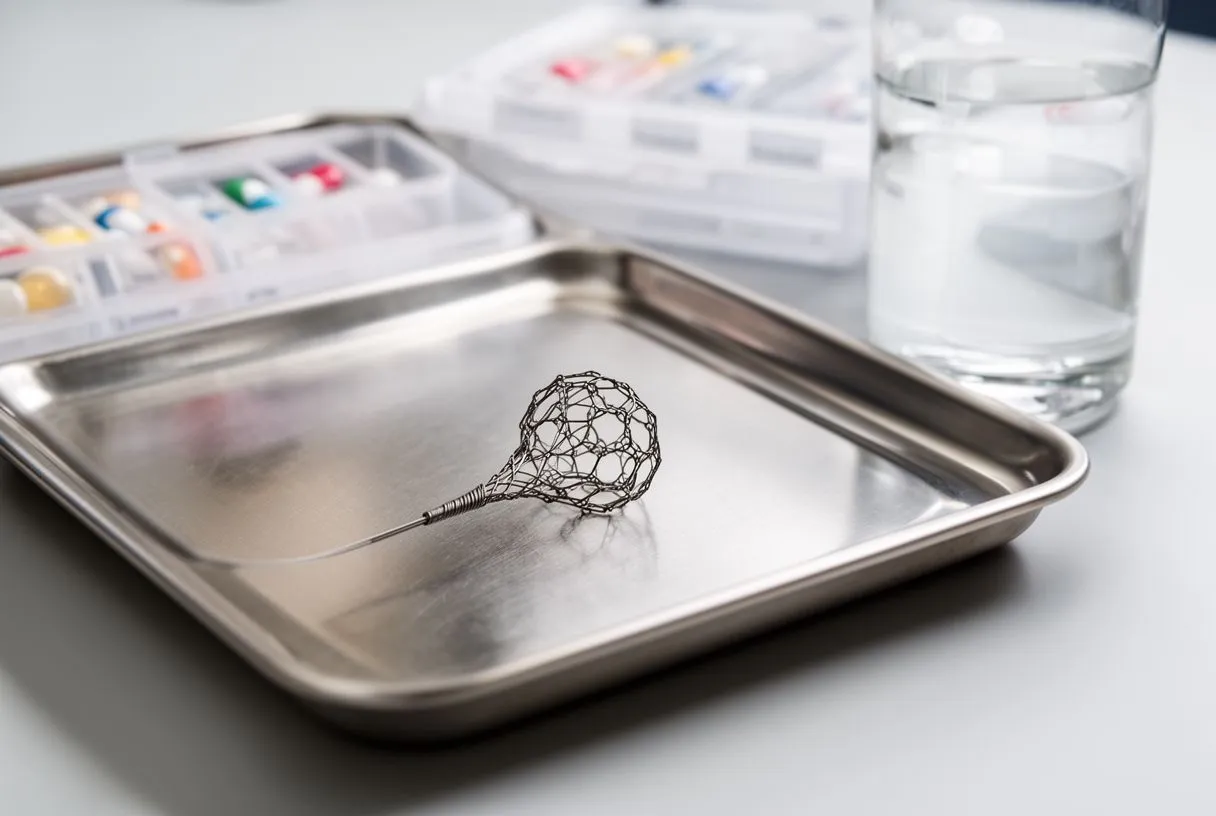
When medication alone is insufficient, interventional procedures may be necessary. Balloon angioplasty — in which a small balloon is inflated inside the narrowed artery to widen it — is often combined with the placement of a stent to keep the vessel open. In more extensive coronary disease, a surgical bypass using an arterial graft may be recommended to route blood around the blocked segment. Each option carries its own risks and recovery timeline, and the right choice depends on the number, location, and severity of the blockages, as well as your overall health. Your cardiac surgeon will discuss which approach offers the lowest risk for your situation.
Living With Angina: Managing Arm Pain and Heart Health
A diagnosis of angina does not mean the end of an active life — it means learning to live within new boundaries. Many patients successfully manage their condition for years with a combination of medication, lifestyle changes, and regular cardiac follow-up. The goal is to prevent arm pain and chest discomfort from progressing to a heart attack while maintaining the best possible quality of life.
Daily habits that protect your heart: Quitting smoking is the single most impactful change you can make, as tobacco accelerates plaque formation and narrows arteries further. A heart-healthy diet — rich in vegetables, fruits, whole grains, and lean protein, and low in saturated fat and sodium — helps control cholesterol and blood pressure. Regular, moderate exercise, such as walking, strengthens the heart muscle and improves circulation, but it should be calibrated to avoid triggering angina. Your cardiac team can help you identify a safe level of exertion. Carrying nitroglycerin and knowing when to use it gives you a practical tool for managing episodes of arm pain when they occur.
The most important step you can take is to build a partnership with a cardiac team you trust. If you are experiencing arm pain that concerns you — whether it is new, changing, or persistent — do not rely on self-diagnosis. Book a consultation with a qualified cardiac specialist who can evaluate your symptoms, run the appropriate tests, and guide you toward the treatment plan that fits your individual risk profile. Your heart deserves the same careful attention you would give any other vital organ, and the right care can make all the difference.