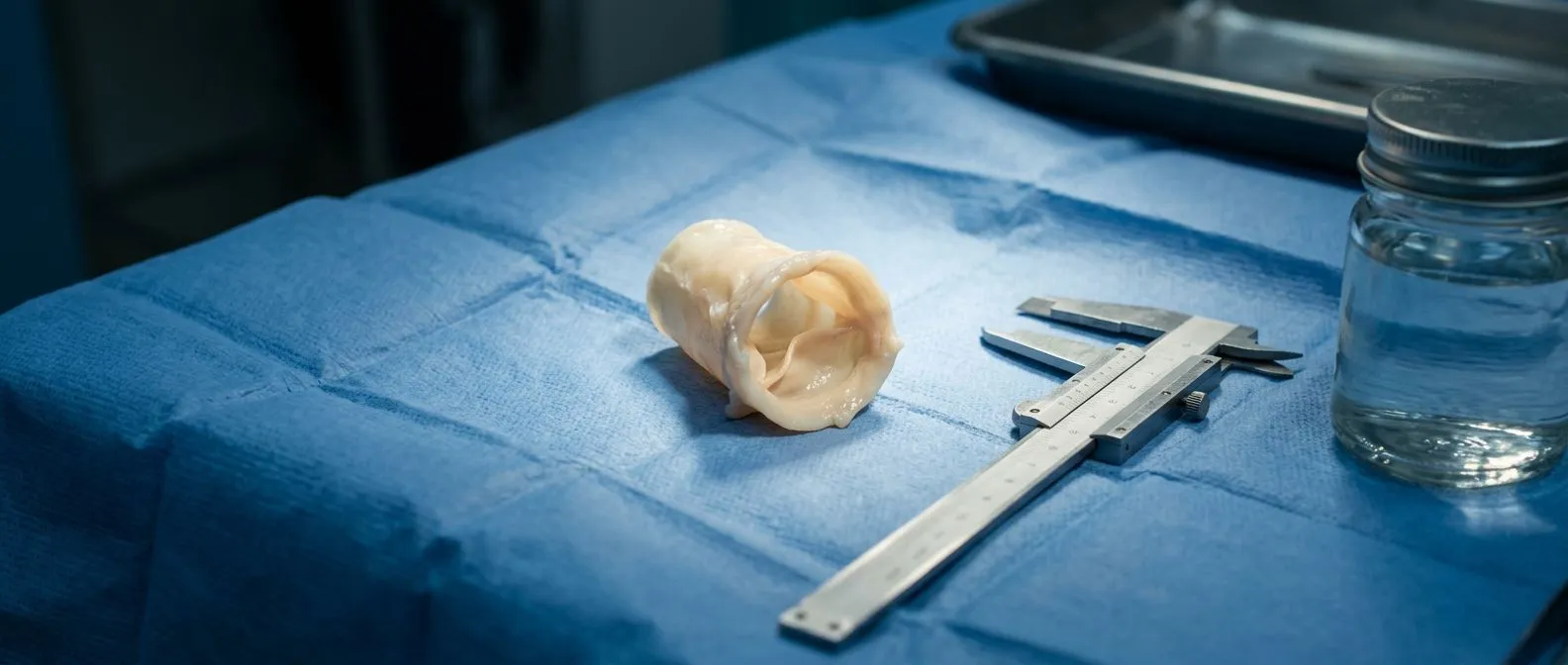
Autograft Valves: The Ross Procedure Explained
An autograft ross procedure replaces your aortic valve with your own pulmonary valve—no blood thinners needed.
If your aortic valve — the gate that controls blood leaving the heart to the body — has been damaged by disease, you will eventually face a choice about how to replace it. One option that has earned renewed attention, especially in younger and active patients, is the autograft Ross procedure. In this operation, your surgeon replaces the diseased aortic valve with your own pulmonary valve, the valve that controls blood flow to the lungs. It sounds ambitious, and it is. But for the right patient, it offers something no artificial valve can fully match: living tissue that grows, adapts and does not require lifelong blood thinners. This guide walks you through what the procedure involves, who benefits most, what recovery really looks like, and the questions worth asking before you decide.
What Is an Autograft and What Does It Mean for Your Heart?
An autograft is tissue transplanted from one part of your own body to another. In heart surgery, the term matters because tissue you own behaves differently from any manufactured or donor material. Your immune system recognizes it as self, so there is no rejection response, and living valve tissue can remodel and even grow over the years.
Autograft vs allograft and synthetic valves. An allograft is tissue donated from another person; a synthetic valve is built from man-made materials. Each has a place in heart surgery. But an autograft taken from the patient's own pulmonary valve is uniquely alive. It responds to the body's demands in a way that no prosthesis can.
Why "living" tissue changes the equation. Because the autograft is your own tissue, it has the potential to last decades and to grow with a young patient — a property that matters enormously in children, teenagers and young adults whose bodies are still changing. This is precisely why the autograft Ross procedure has found its strongest advocates among surgeons who treat younger patients with aortic valve disease.
Heart Valves as a topic covers all of these options, and understanding where the autograft sits among them is the first step to an informed decision. It is not the answer for everyone, but it is a genuinely distinct option with distinct advantages.
What Is the Ross Procedure and Why Do Surgeons Use Your Own Tissue?
The Ross procedure, first performed by Donald Ross in 1967, is a valve replacement strategy built on a clever trade. The surgeon removes your diseased aortic valve and replaces it with your own pulmonary valve — the autograft. The pulmonary valve, in turn, is replaced with a donor valve from a human tissue bank, called a homograft.
The "double valve switch" explained simply. Think of it as moving your best spare part to the position under the most stress. The aortic position endures higher pressures than the pulmonary position. Your pulmonary valve, built to handle lower pressure, is actually over-engineered for the job when moved to the aortic position, which is one reason it tends to perform well there for many years.
Why the pulmonary valve tolerates the move. The pulmonary valve lives in a lower-pressure environment, so when it is relocated to the aortic position it operates with a comfortable margin. Decades of follow-up have shown that the pulmonary autograft in the aortic position can function remarkably well, particularly in younger patients.
In our practice, every case is reviewed by the multidisciplinary team against international practice guidelines before a recommendation is made, and the patient receives a clear proposal with the alternatives — the final decision is always theirs. We encourage second opinions and treat seeking one as a normal part of deciding about heart surgery.
Who Is a Candidate for the Autograft Ross Procedure?
Ross procedure candidacy is most commonly discussed for children, teenagers and adults under about 50 years of age who need aortic valve replacement. The classic candidates are young people with congenital bicuspid aortic valve disease — a valve born with two leaflets instead of three — who develop either aortic stenosis (a narrowed, stiff valve) or aortic regurgitation (a leaky valve).
Eligibility requirements surgeons actually weigh. Age matters because the autograft's advantage — durability and growth — matters most over decades. Anatomy matters too: the procedure works best when the aortic root (the wide base where the valve sits) is suitable for reconstruction. The rest of the heart's condition, other valve disease, and overall health all enter the picture.
- Typical good candidates: children and young adults with bicuspid aortic valve disease, active patients who want to avoid lifelong anticoagulation, and women of childbearing age for whom blood thinners complicate pregnancy planning.
- Situations that call for caution: older patients, significant enlargement of the aortic root beyond what can be repaired, severe disease of other heart valves, or weakened heart muscle where a longer operation may not be advisable.
In the consultation we take the time to explain what the studies actually show, in plain words, and to answer every question before any decision is made. Our first contact is a free video consultation: we get to know the patient, talk through the condition, and say which studies are still needed so no unnecessary ones are ordered.
How Does Pulmonary Autograft Aortic Valve Replacement Work?
Pulmonary autograft aortic valve replacement is the technical name for what happens during the Ross operation. The surgery is performed under general anesthesia with the heart stopped and a heart-lung machine circulating your blood, much like any open-heart valve operation.
Step by step through the operation. The surgeon harvests the pulmonary valve with a small cuff of the pulmonary artery attached. The diseased aortic valve is removed. The pulmonary valve is then sewn into the aortic position — either within the old valve's ring or as a full root replacement, where the autograft replaces the entire aortic root and the coronary arteries are reattached to it. Finally, a donor homograft valve is placed where the pulmonary valve used to be.
Why surgical skill matters so much here. The Ross is technically demanding. It involves two valve replacements and, often, reimplantation of the coronary arteries. Outcomes are strongly associated with surgeon and center experience — one reason patients sometimes travel to centers and surgeons who perform this operation regularly. Dr Molina trained in cardiac, minimally invasive, robotic and structural surgery at the University of Montreal, and in structural cardiology and TAVR at CHU Bordeaux; our team also trained at Jena, Bad Berka and Buffalo, and we bring that combined experience to every valve decision.
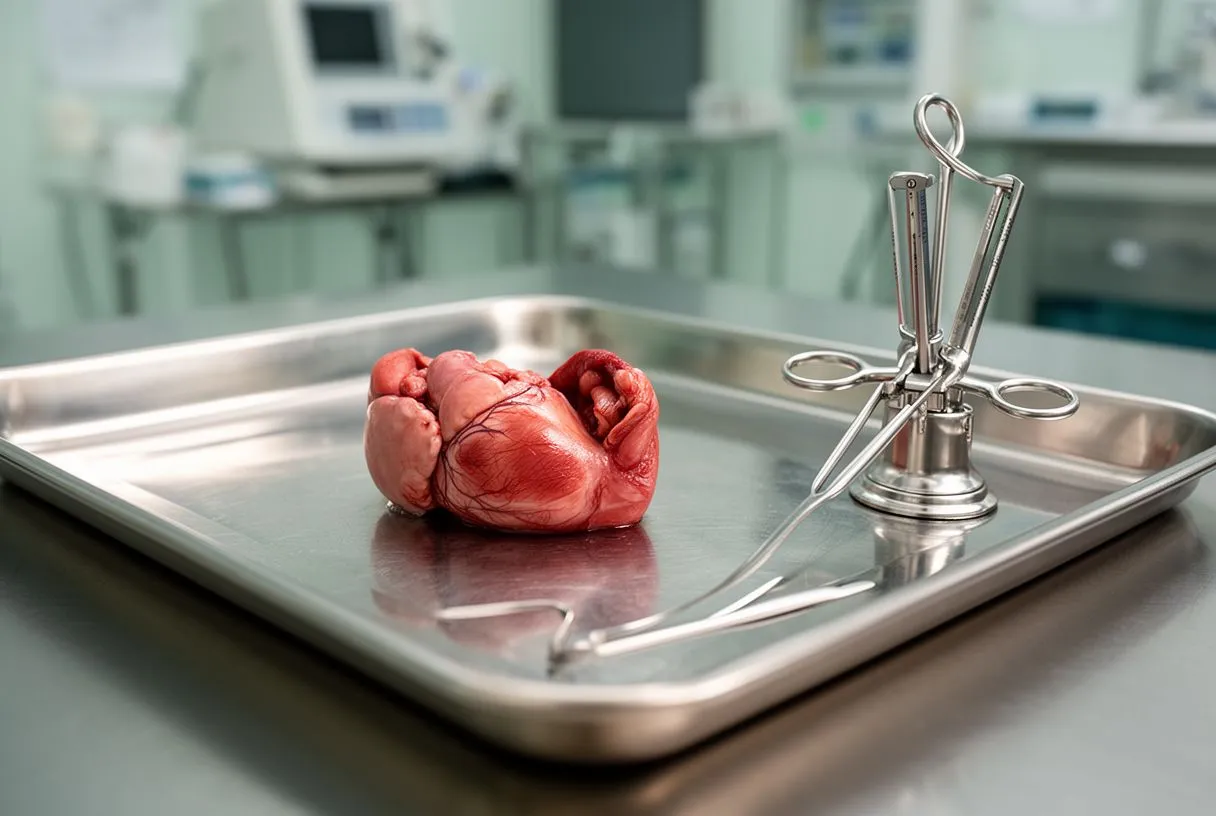
Ross Procedure vs Mechanical Valve: Which Is Right for You?
A Ross procedure vs mechanical valve comparison comes up in nearly every consultation with a young patient. A mechanical valve is made of durable synthetic materials and can last a lifetime — but it requires lifelong anticoagulation with warfarin, a blood thinner that carries bleeding risks and requires regular monitoring, and it makes pregnancy planning and some activities more complicated.
What the mechanical option does well. Durability is its great strength. For patients who are already on warfarin for other reasons, or who are older and less concerned about decades of anticoagulation, a mechanical valve is an excellent, proven choice. Guidelines support it, and it should never be dismissed.
What the Ross offers that the mechanical valve cannot. The autograft Ross procedure allows many patients to live without blood thinners, with a valve that behaves like their own tissue. Physical activity, pregnancy, and the simple freedom from daily anticoagulation are the reasons young patients often choose it — balanced against the reality that a second operation may eventually be needed decades later, and that the donor homograft on the pulmonary side may need attention before the autograft does.
There is no universal winner. We recommend the less invasive route only where the evidence supports it for that specific patient, and the same principle applies here: the right valve is the one that fits your age, your anatomy and your life.
What Are the Risks of Autograft Valve Surgery?
Honest discussion of risk is part of good cardiac care. The autograft Ross procedure carries the general risks of open-heart surgery — bleeding, infection, stroke, arrhythmia and the risks of anesthesia — plus some considerations specific to the technique itself.
The autograft can dilate over time. The pulmonary valve, placed into the high-pressure aortic position, can slowly widen in some patients, leading to leakiness. Surgical technique matters here: reinforcing the autograft and careful patient selection reduce this risk, and modern root-replacement techniques have improved long-term stability considerably.
The homograft side has its own timeline. The donor valve placed in the pulmonary position is not living tissue in the same way, and it can calcify and stiffen over the years. The reassuring part is that the pulmonary position is accessible and lower-risk to reoperate on than the aortic position — many patients who need it can even have that valve treated with a catheter-based procedure rather than open surgery.
- Ask your surgical team: how many Ross procedures does the surgeon perform per year, what are their published results, and how are autograft dilation and homograft failure monitored over time?
- Follow-up is lifelong but not burdensome: periodic echocardiograms — ultrasound scans of the heart — track both valves. Most patients see their cardiologist once a year once they are past the first recovery phase.
We see this monitoring plan as a partnership: the surgery is one day, but the care around it spans decades. Structured follow-up imaging means any change in either valve is caught early, while options are still simple.
Ross Procedure Recovery Timeline: What to Expect Week by Week
The ross operation recovery time follows the general pattern of open-heart valve surgery, and knowing the shape of it helps families plan realistically rather than hopefully.
The first days in hospital. Most patients spend one to two days in intensive care, then several more on the ward. You will be encouraged to sit up, breathe deeply and walk short distances early — movement is medicine after cardiac surgery. Chest tubes come out within days, and most patients are discharged within about a week.
Weeks one through six. Sternum healing governs this phase: no lifting anything heavier than a few kilograms, no driving until your surgeon clears you, and gradual walking that increases daily. Sternotomy precautions — protecting the healing breastbone — are the main rule of these weeks.
Months two through six and beyond. Cardiac rehabilitation, a supervised program of progressive exercise, usually begins in this window. Most patients return to desk work around six to eight weeks; fuller activity, including most sports, builds back over the following months. The recovery timeline for the Ross closely mirrors other aortic valve replacements, with the reward at the end being a valve that is entirely your own tissue.

Ross Procedure Long-Term Outcomes: What the Evidence Shows
Ross procedure long-term outcomes have accumulated in the literature over decades, and the picture is encouraging for carefully selected patients — particularly young ones operated on by experienced teams.
What follow-up studies report. Published series following Ross patients for ten and twenty years show that the pulmonary autograft continues to function well in the aortic position in the large majority of patients, with survival in many series approaching that of the general matched population. Reoperation rates exist and are not zero, but they are concentrated in the homograft position and in a subset of patients with autograft dilation.
How the autograft compares with biological valves. Standard tissue valves — typically made from animal tissue — have a well-known limitation: they degenerate, often within ten to fifteen years, especially in younger patients whose metabolism breaks the tissue down faster. Related experience with bioprosthetic valves in younger patients, including via catheter-based approaches, reinforces the same principle: biological tissue in young patients wears. The living autograft, by contrast, is designed to avoid precisely that degeneration. This is why the autograft Ross procedure holds its appeal for the young despite its technical complexity.
For context on how valve replacement outcomes are studied and reported in general, resources from the National Heart, Lung, and Blood Institute offer reliable patient-level explanations of heart valve disease and its treatments.
For many international patients, ross procedure cost and logistics in Guadalajara and other Mexican cities are practical questions that shape the decision alongside the medical one. We address them plainly, because uncertainty about cost is a real barrier to good care.
What drives the cost of a Ross operation. The operation is longer and more complex than a standard valve replacement, which affects surgical fees, operating room time and hospital stay. Costs also include preoperative imaging — echocardiogram, CT scan of the aorta, cardiac catheterization in some cases — the donor homograft itself, and the hospitalization and rehabilitation that follow.
Travel and coordination for international patients. Patients traveling from abroad need to plan for preoperative evaluation on arrival, a hospital stay of roughly a week, and a recovery period in Mexico before flying home — typically several weeks, cleared by the surgical team. The pathway starts with a free video consultation, where the team explains which studies are genuinely needed, and face-to-face care at our consulting rooms in Guadalajara, Querétaro or Hermosillo follows once you decide to proceed. Insurance coverage varies widely; patients should check with their insurer about coverage for surgery abroad before travel.
Ross Procedure Cost and Travel to Mexico for Heart Surgery
For many international patients, ross procedure cost and logistics in Guadalajara and other Mexican cities are practical questions that shape the decision alongside the medical one. We address them plainly, because uncertainty about cost is a real barrier to good care.
What drives the cost of a Ross operation. The operation is longer and more complex than a standard valve replacement, which affects surgical fees, operating room time and hospital stay. Costs also include preoperative imaging — echocardiogram, CT scan of the aorta, cardiac catheterization in some cases — the donor homograft itself, and the hospitalization and rehabilitation that follow. Exact figures vary by hospital, case complexity and the studies each patient needs, so we do not quote a single number in a blog post; we quote it after we have seen your case.
Travel and coordination for international patients. Patients traveling from abroad need to plan for preoperative evaluation on arrival, a hospital stay of roughly a week, and a recovery period in Mexico before flying home — typically several weeks, cleared by the surgical team. We coordinate the full pathway for international patients: the free video consultation first, a clear list of which studies are genuinely needed, and face-to-face care at our consulting rooms in Guadalajara, Querétaro or Hermosillo once you decide to proceed. Insurance coverage varies widely; patients should check with their insurer about coverage for surgery abroad before travel.
How to Know if the Ross Operation Is Right for You
The honest answer is that you cannot know from an article — you know from a proper evaluation and a conversation with a team that performs the operation. What an article like this can do is equip you with the right questions.
Questions worth bringing to any consultation. Ask whether your anatomy favors the Ross. Ask your age relative to the options: mechanical valve, tissue valve, TAVR — transcatheter aortic valve replacement, a catheter-based option generally reserved for patients for whom open surgery is higher risk — and the Ross. Ask about your surgeon's specific experience with this operation. Ask what follow-up looks like and what would trigger a recommendation to intervene later.
When to seek help rather than wait. If you have been told you have a bicuspid aortic valve, worsening shortness of breath, chest discomfort, fainting with exertion, or an abnormal echocardiogram, do not wait for symptoms to become severe. Aortic valve disease often progresses silently for years and then accelerates. In our consultations, Dr Molina takes the time to explain what the studies actually show, in plain words, and to answer every question before any decision — because an informed patient makes the best surgical partner.
The autograft Ross procedure is not the right answer for everyone, and it is not presented as such. But for young and active patients facing aortic valve replacement, it offers a living valve, freedom from lifelong blood thinners and long-term function that manufactured valves cannot replicate. Bring your questions to a qualified cardiac team, ask for a second opinion if you want one, and make the decision with full information. If you would like to discuss your own situation with Dr Molina's team, the first step is simple: book a consultation and start the conversation.