Cardiogenic Shock: Emergency Treatment and Recovery
Cardiogenic shock treatment explained: emergency protocols, mechanical support like ECMO, ICU care, and recovery steps.
What is cardiogenic shock and why does it happen
Cardiogenic shock is a life-threatening condition in which the heart suddenly cannot pump enough blood to meet the body's needs. When this happens, organs and tissues are starved of oxygen, and without rapid cardiogenic shock treatment, the situation can become fatal within minutes to hours. The most common cause is a massive heart attack — specifically, an atypical infarction or a large anterior wall infarction that damages a significant portion of the left ventricle, the heart's main pumping chamber.
What causes the heart to fail so suddenly: Beyond a heart attack, other causes include severe inflammation of the heart muscle (myocarditis), a ruptured heart valve, a dangerous heart rhythm disturbance such as atrial flutter that degenerates into a more chaotic rhythm, or a large blood clot in the lungs that suddenly blocks blood return to the heart. In each scenario, the underlying problem is the same: cardiac output drops so low that blood pressure cannot sustain life. An atheromatous plaque rupturing inside a coronary artery is the trigger in the majority of cases, cutting off blood supply to heart muscle and causing it to die.
Understanding the mechanism helps families grasp why decisions must be made quickly. The heart is essentially a pump made of muscle. When a large area of that muscle is damaged or the electrical system fails, the pump stalls. Blood backs up into the lungs, causing fluid accumulation, while simultaneously the rest of the body receives too little oxygenated blood. This dual failure — forward pump failure and backward congestion — is what makes cardiogenic shock so dangerous and why it requires immediate, coordinated emergency care.
Cardiogenic shock signs and symptoms to watch for
Recognizing the signs early can save a life. The hallmark symptoms of cardiogenic shock include dangerously low blood pressure, a rapid and weak pulse, cold and clammy skin especially in the arms and legs, confusion or reduced alertness, and markedly reduced urine output. Patients may also experience severe shortness of breath, pale or bluish-tinged skin, and a feeling of impending doom. These symptoms reflect the body's desperate attempt to redirect the remaining blood flow to the brain and heart at the expense of every other organ.
Early warning signs before full shock develops: Before complete collapse, many patients show a progressive decline. They may become increasingly lethargic, complain of chest pain that does not resolve with rest, or develop a dusky complexion. On auscultation — the clinical term for listening to the chest with a stethoscope — a physician may hear crackling sounds in the lungs indicating fluid buildup, or a murmur suggesting valve dysfunction. These earlier signs matter because cardiogenic shock emergency care is far more effective when initiated before the blood pressure has catastrophically collapsed.
If someone you know has had a heart attack and is deteriorating — becoming cold, confused, breathless, or unresponsive — this is a medical emergency requiring an ambulance immediately. Do not wait to see if symptoms resolve. According to Harvard Health, early recognition and rapid transfer to a cardiac intensive care unit significantly improve survival. Time is muscle, and time is also organ function — every minute of delayed cardiogenic shock treatment reduces the odds of a meaningful recovery.
How does cardiogenic shock treatment work
Cardiogenic shock treatment works on two parallel fronts: restoring blood flow to the body immediately, and fixing the underlying cause of the pump failure. In the emergency department or intensive care unit, the team first stabilizes blood pressure and oxygen delivery. This often involves intravenous medications called vasopressors that constrict blood vessels to raise pressure, and inotropes that strengthen the heart's contractions. Simultaneously, the team works to identify and address the root problem — whether that means opening a blocked coronary artery, repairing a valve, or treating a dangerous rhythm.
Why both immediate support and definitive repair are necessary: Providing medications alone without treating the cause is like bailing water from a boat without patching the hole. If the cause is a blocked coronary artery, the definitive treatment may involve emergency balloon angioplasty to open the vessel and restore blood flow to the dying heart muscle. If the cause is a failed heart valve, surgical repair or replacement becomes essential. The strategy is always the same: keep the patient alive long enough to deliver the definitive intervention that reverses the shock.
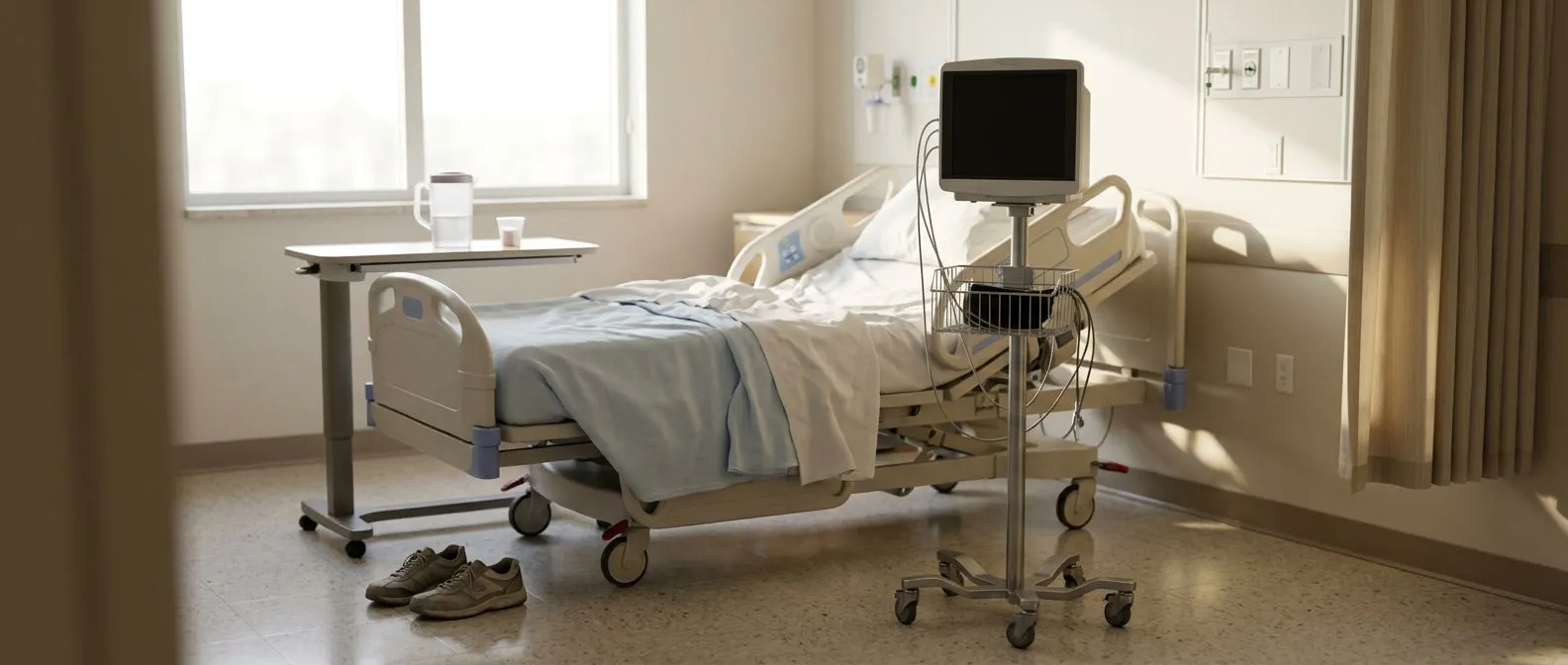
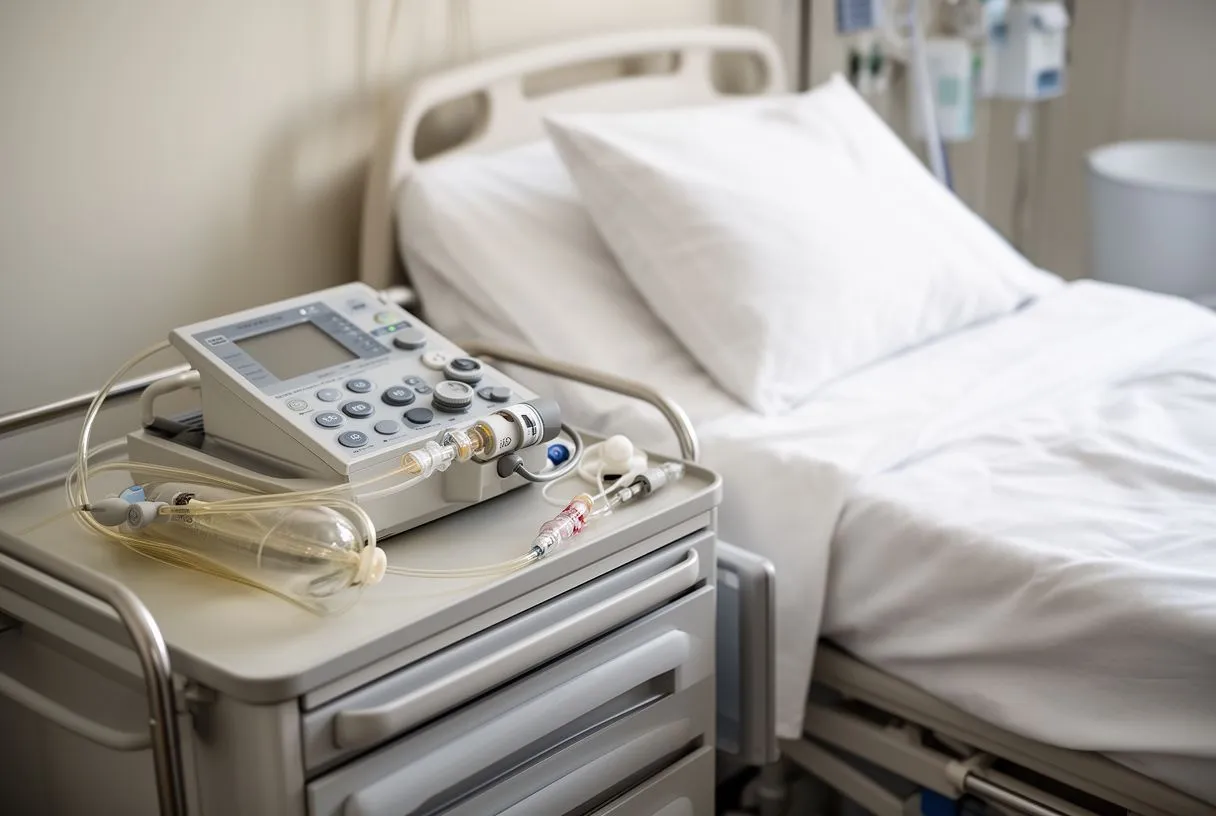
Families often ask why so many tubes, medications, and machines are involved. The answer is that every organ needs oxygenated blood continuously, and when the heart fails, the medical team must artificially support circulation while diagnosing and treating the cause. This may involve an arterial line — a thin catheter placed in an artery for continuous, second-by-second blood pressure monitoring — as well as central venous access for powerful medications. The complexity of this care is why cardiogenic shock management happens in specialized cardiac intensive care units, not on general wards.
Emergency protocols for cardiogenic shock management
When a patient arrives in cardiogenic shock, the clinical team follows structured emergency protocols designed to reverse the crisis step by step. The first priority is securing the airway and ensuring adequate oxygenation — some patients require immediate intubation and mechanical ventilation because their lungs are filling with fluid. Next, intravenous access is established rapidly, often with large-bore central lines, so that vasopressors and inotropes can be delivered directly into the central circulation.
Key steps in the emergency protocol:
- Immediate assessment: Rapid clinical evaluation including physical examination, electrocardiogram, and bedside ultrasound to identify the cause of shock within minutes.
- Vasoactive medications: Initiation of vasopressors such as norepinephrine to restore a minimum mean blood pressure that sustains organ perfusion.
- Definitive intervention: Emergent coronary angiography with percutaneous intervention if a blocked artery is the cause, or surgical planning if a mechanical complication is identified.
Time targets are critical. Guidelines generally recommend that the blocked artery be opened within 90 minutes of the patient's arrival at a hospital capable of performing the procedure — a benchmark known as the door-to-balloon time. Research published as a systematic review of cardiac complications in COVID-19 patients has also underscored how systemic inflammation and thrombotic risk can compound cardiogenic shock scenarios, making protocol-driven, rapid-response care even more essential in complex cases.
Medications used in cardiogenic shock treatment
Several classes of medications form the pharmacological backbone of cardiogenic shock treatment. Vasopressors, such as norepinephrine, are typically the first-line agents to raise blood pressure and ensure blood reaches the brain and kidneys. Inotropes, including dobutamine and milrinone, are added to strengthen the pumping force of the heart muscle itself. These medications are powerful and require continuous dose titration based on real-time hemodynamic monitoring, which is why they are always administered in an intensive care setting.
How different drugs address different parts of the problem: Norepinephrine primarily squeezes blood vessels to increase pressure, while dobutamine focuses on making the heart contract more forcefully. Milrinone offers a longer-acting inotropic effect and also helps dilate blood vessels in the lungs, which can reduce the workload on a failing right ventricle. Aspirin is universally administered early if acute coronary syndrome is the trigger, to prevent further clot formation inside the coronary arteries. Each medication has a specific role, and the team adjusts combinations continuously as the patient's condition evolves.
It is important for families to understand that these are not mild medications — they carry significant side effects, including the risk of dangerous heart rhythms, increased heart oxygen demand, and, in some cases, constriction of blood vessels that can reduce blood flow to extremities. The intensive care team weighs these risks constantly against the immediate threat of death from untreated shock. The goal is always to use the lowest effective doses for the shortest necessary duration, tapering medications as the heart begins to recover its own function.
Mechanical support devices for cardiogenic shock
When medications alone cannot maintain blood pressure and organ perfusion, mechanical circulatory support devices become essential in cardiogenic shock management. These devices physically assist or replace the pumping function of the failing heart, buying time for either recovery of the heart muscle or a definitive surgical intervention. The choice of device depends on the severity of shock, the expected duration of support needed, and the specific anatomy and cause of the cardiac failure.
Types of mechanical support and their roles: An intra-aortic balloon pump is one of the oldest and most widely available devices; it sits in the aorta and inflates and deflates in sync with the cardiac cycle, improving coronary blood flow and reducing the workload on the left ventricle. More advanced options include percutaneous ventricular assist devices, which actively pump blood from the left side of the heart into the aorta, and extracorporeal membrane oxygenation, which takes over both heart and lung function entirely. The decision to escalate from medications to mechanical support is based on whether the patient is stabilizing or deteriorating despite optimal drug therapy.
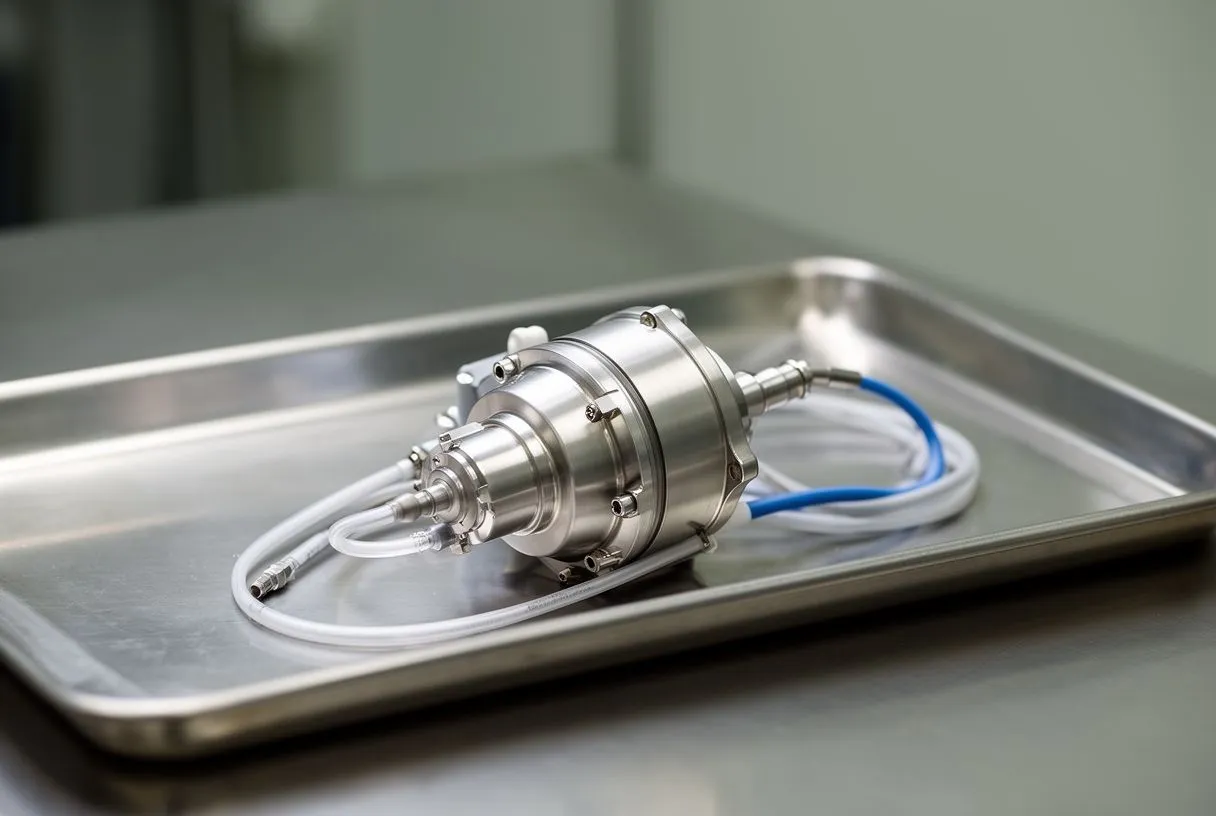
The ascending aorta and the major vessels branching from it are central to how several of these devices function. For instance, the balloon pump requires careful positioning just below the left subclavian artery to avoid compromising blood flow to the brain. Patients who receive mechanical support are among the sickest in any hospital, and these therapies are bridges — not destinations. They exist to keep the patient alive until the heart can heal, until a definitive repair can be performed, or until a longer-term solution such as a durable ventricular assist device or transplant evaluation can be arranged.
ECMO therapy for cardiogenic shock recovery
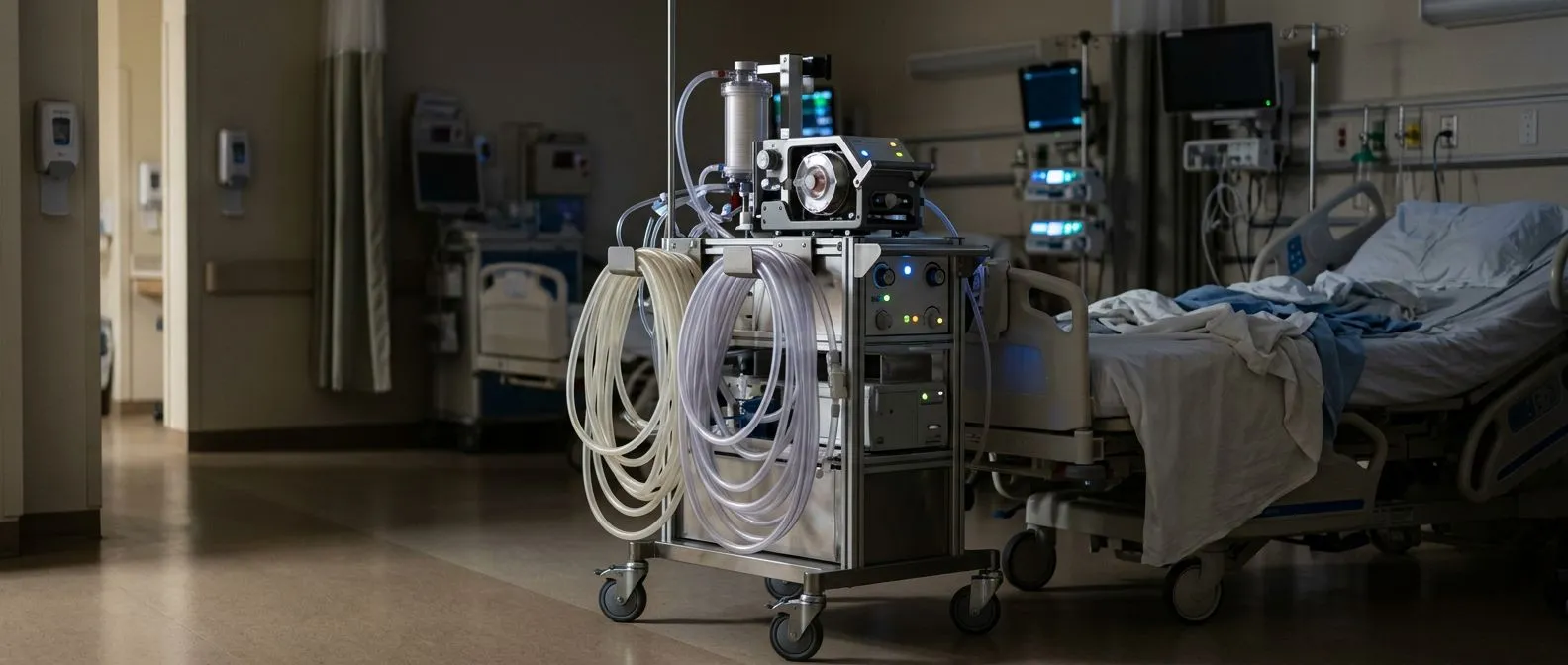
Extracorporeal membrane oxygenation, commonly called ECMO, represents the most advanced form of life support available for cardiogenic shock. When the heart and lungs cannot sustain life even with medications and simpler mechanical devices, ECMO takes over completely. Blood is drained from the patient, oxygenated by an external machine, and returned to the body under pressure, effectively replacing the function of both the heart and lungs. There is also a specific approach known as awake ECMO, which allows certain carefully selected patients to remain conscious and breathing without a ventilator tube, improving comfort and communication during treatment.
When ECMO is the right choice and what it involves: ECMO is typically reserved for patients in refractory shock — meaning shock that has not responded to conventional treatment. It requires a specialized team, large-bore cannulas placed in major blood vessels, and continuous anticoagulation to prevent clots from forming in the external circuit. A case report on low-dose catheter-directed thrombolysis for massive pulmonary embolism illustrates how individually tailored dosing and advanced circulatory support strategies must be carefully coordinated, particularly in patients where bleeding risk and clot risk coexist.
Families should know that while ECMO can be lifesaving, it is not without serious risks. These include bleeding from anticoagulation, stroke, infection, and complications at the cannula insertion sites. The decision to initiate ECMO is made by a multidisciplinary team weighing the probability of heart recovery or eligibility for further interventions against these risks. It is a powerful tool in the cardiogenic shock treatment arsenal, but it is used selectively and with full transparency about its complexities.
Cardiogenic shock ICU care and monitoring
Once a patient is stabilized, the focus shifts to meticulous intensive care monitoring. Cardiogenic shock ICU care is among the most resource-intensive in all of medicine. Patients have multiple invasive lines, continuous electrocardiographic monitoring, frequent blood tests, and often imaging studies performed at the bedside. An arterial cannula provides beat-to-beat blood pressure data, while a central venous catheter allows measurement of filling pressures and delivery of concentrated medications directly into the heart's circulation.
What the team monitors and why each parameter matters: The team tracks blood pressure, heart rate, oxygen saturation, urine output, mental status, and blood chemistry continuously. Trends matter more than single values — a slowly rising lactate level, for example, can signal that tissues are still not receiving enough oxygen even if blood pressure looks acceptable. The atrium and the ventricles are evaluated repeatedly with ultrasound to assess whether the heart is recovering, stagnating, or deteriorating. If a patient develops atrial flutter or another unstable rhythm, the team must act immediately, sometimes using an automated external defibrillator or synchronized cardioversion to restore a viable rhythm.
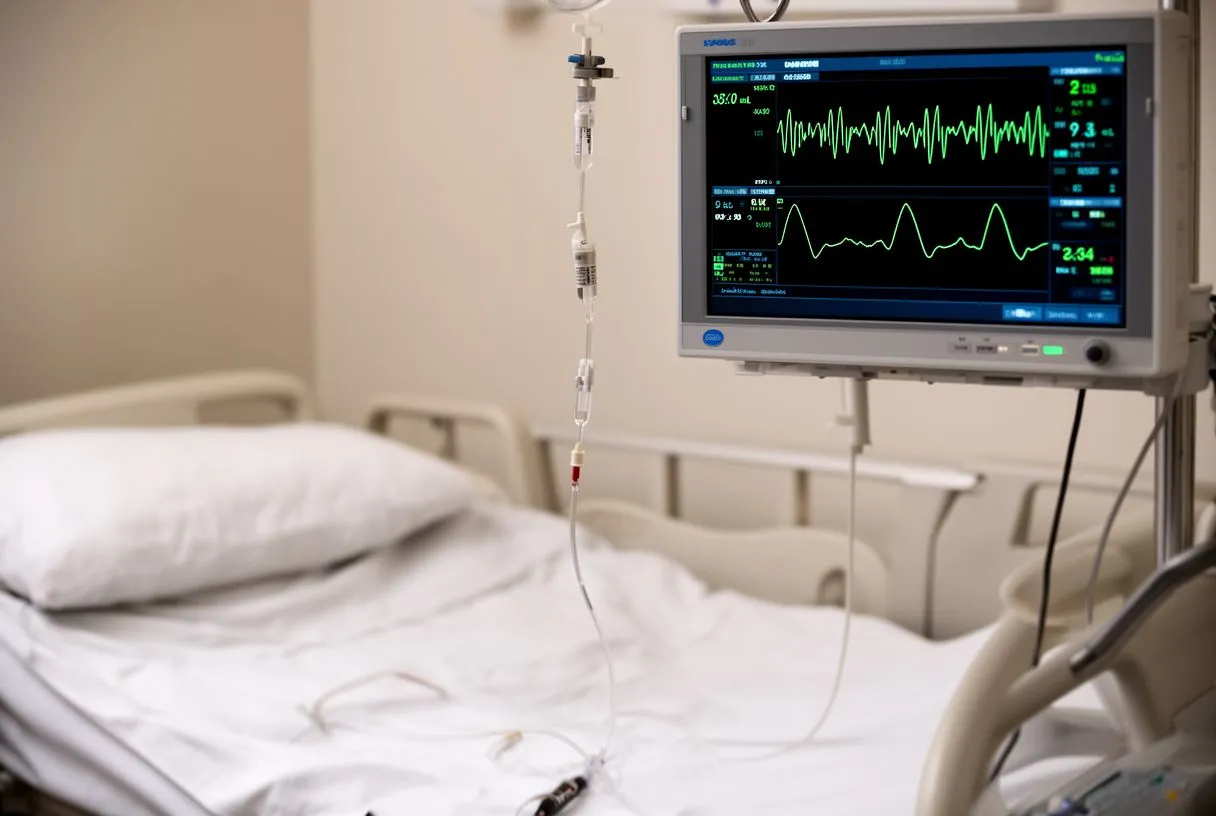
The ICU stay is also when complications are most likely to emerge. Kidney injury is common because the kidneys are highly sensitive to low blood flow; some patients require temporary dialysis. Liver dysfunction, blood infections from invasive lines, and bedsores from prolonged immobility are all risks the team works vigilantly to prevent. This is why the quality of ICU care — nursing ratios, physician availability, and access to advanced technology — directly influences cardiogenic shock survival rates. Families should feel empowered to ask about the experience level of the team and the availability of advanced support capabilities.
Recovery after cardiogenic shock treatment
Surviving cardiogenic shock is only the beginning of a long recovery journey. Once the acute crisis has passed and the patient is stable enough to leave the ICU, the focus shifts to rehabilitation and secondary prevention. Cardiogenic shock recovery is rarely linear — there are good days and setbacks, and the timeline varies enormously depending on the underlying cause, the extent of heart damage, and the patient's overall health before the event. Most patients spend weeks in hospital, followed by months of supervised cardiac rehabilitation.
What recovery looks like in practical terms: In the early weeks, patients work on regaining the strength to walk, dress, and perform daily activities. Fatigue is profound and expected. Medications that were started during the acute phase are gradually adjusted — some vasopressors and inotropes are discontinued, while long-term heart failure medications such as beta-blockers and ACE inhibitors are introduced and slowly up-titrated. If a balloon angioplasty or stent was placed, dual antiplatelet therapy is essential to prevent clotting inside the stent. For patients who received a balloon-expandable valve or other structural intervention, follow-up imaging is scheduled to confirm the repair is functioning as intended.
Emotional recovery is as important as physical recovery. Many survivors experience anxiety, depression, or post-traumatic stress related to their ICU stay, particularly if they have fragmented memories of the event. Families play a crucial role in providing reassurance and a calm environment. Cardiac rehabilitation programs — which combine supervised exercise, education, and psychological support — have been shown to improve long-term outcomes and should be considered an essential part of cardiogenic shock treatment, not an optional add-on.
Life expectancy and outcomes after cardiogenic shock
Outcomes after cardiogenic shock depend on many interacting factors: the speed of treatment, the cause, the patient's age and comorbidities, and the degree of residual heart damage. While published mortality figures remain sobering, advances in mechanical support and protocol-driven care have improved survival over the past two decades. Patients who are treated rapidly, who have reversible causes, and who receive comprehensive follow-up care have meaningfully better life expectancy than historical averages suggest.
Factors that influence long-term survival: The single most important predictor of outcome is how quickly the underlying cause is addressed. A patient whose blocked artery is opened within the guideline-recommended window has a substantially better prognosis than one who presents late. Other factors include the presence of diabetes, kidney disease, or prior heart attacks, all of which reduce the heart's reserve. If the heart's pumping function remains severely reduced after recovery — typically measured as an ejection fraction below 35% — the patient may need long-term heart failure management, and in some cases, evaluation for advanced therapies such as a durable ventricular assist device or transplant.

For patients and families facing this diagnosis, the most important step is open, honest conversation with a qualified cardiac team about the specific situation. Every patient is different, and generalized statistics cannot predict an individual outcome. We encourage you to discuss your case — or your loved one's case — with specialists who can assess the clinical picture, explain the treatment options and their trade-offs, and guide you toward the lowest-risk path for your situation. If you are in Mexico or traveling for care, our team at Cirugía de Corazón is available for consultation in Guadalajara, Querétaro, and Hermosillo. Book a consultation rather than relying on self-diagnosis — timely expert evaluation can make a decisive difference.