

Cardiovascular Surgery: Types of Operations Explained
Learn cardiovascular surgery types, from bypass to valve repair.
When a cardiologist first mentions surgery, most families hear only the word "operation" and nothing else. The truth is that cardiovascular surgery types differ enormously from one another — in what they fix, how the chest is opened, and how long recovery takes. This guide walks through the main operations a heart surgeon performs, what each one actually involves, and what the days and weeks afterwards really look like. Our aim is simple: by the end, you should be able to ask your own surgical team better questions.
What Is Cardiovascular Surgery?
Cardiovascular surgery is the branch of medicine that treats diseases of the heart and the blood vessels connected to it by direct surgical repair. It covers operations on the coronary arteries, the four heart valves, the aorta (the body's main artery), and certain structural problems inside the heart itself. The Lancet has documented how surgical treatment of heart disease has become one of the most studied interventions in modern medicine, which is reassuring context for anyone weighing a recommendation.
What is considered cardiovascular surgery? Any operation where a surgeon works directly on the heart or its great vessels counts — bypass grafting, valve repair or replacement, aortic repair, and implanted devices placed surgically. Procedures done through a catheter inside an artery, by contrast, are usually called interventional cardiology, though the line between the two is now deliberately blurred in some treatments.
In our practice, the cardiovascular surgery types we perform span conventional open operations, minimally invasive approaches, robotic procedures, and transcatheter techniques — and we recommend the less invasive route only where the evidence supports it for that specific patient. That last point matters: newer is not automatically better for everyone.
What Are the Three Types of Cardiac Surgery?
Most teaching hospitals group cardiac operations into three broad families. The grouping is a useful mental map when a surgeon starts explaining options, because each family answers a different anatomical problem.
- Coronary surgery: operations that reroute blood around blocked arteries feeding the heart muscle, most commonly coronary artery bypass surgery.
- Valve surgery: operations that repair or replace valves that no longer open or close properly, restoring normal one-way flow through the heart.
- Aortic and structural surgery: operations on the aorta itself — including repair of an aortic dissection, a true cardiovascular emergency — and correction of structural defects inside the heart.
Why does the grouping matter? Because each family carries its own risk profile, its own recovery curve, and its own decision thresholds. A blocked artery and a leaking valve are different diseases with different operations, and knowing which one is on the table helps you judge the advice you receive.
There is also a technical axis that cuts across all three: how the surgeon reaches the heart. Some operations are done through the full breastbone, others through small incisions between the ribs, and some with robotic instruments or through a catheter in the groin. The same valve problem, for example, might be treatable three different ways.
Coronary Artery Bypass Surgery: What It Is and When It Is Needed
Coronary artery bypass surgery is the most common cardiac surgery performed worldwide. The surgeon takes a healthy blood vessel — usually an artery from inside the chest or a vein from the leg — and attaches it above and below the blocked coronary artery, creating a detour that restores blood flow to the heart muscle.
When is heart surgery needed rather than a stent? Bypass is generally preferred when there are several blocked arteries, when the main left coronary artery is severely diseased, or when the anatomy of the blockages makes stenting impractical. Diabetes and the location of the blockages often tip the balance toward surgery. Your team should explain exactly which factor applies to you.
During the operation, the heart may be temporarily stopped while a heart-lung machine takes over circulation — the traditional "on-pump" approach — or the surgeon may work on the beating heart with stabilising instruments. Both are established techniques; the choice depends on the patient and the surgical plan. We review every coronary case as a multidisciplinary team against international practice guidelines before recommending surgery, and the patient receives a clear proposal with the alternatives laid out side by side.
Heart Valve Surgery Types: Repair and Replacement
The heart has four valves — the mitral, aortic, tricuspid and pulmonary — that keep blood moving in one direction. When a valve narrows (stenosis) or leaks (regurgitation), the heart must work harder, and eventually symptoms appear: breathlessness, fatigue, swelling, or fainting.
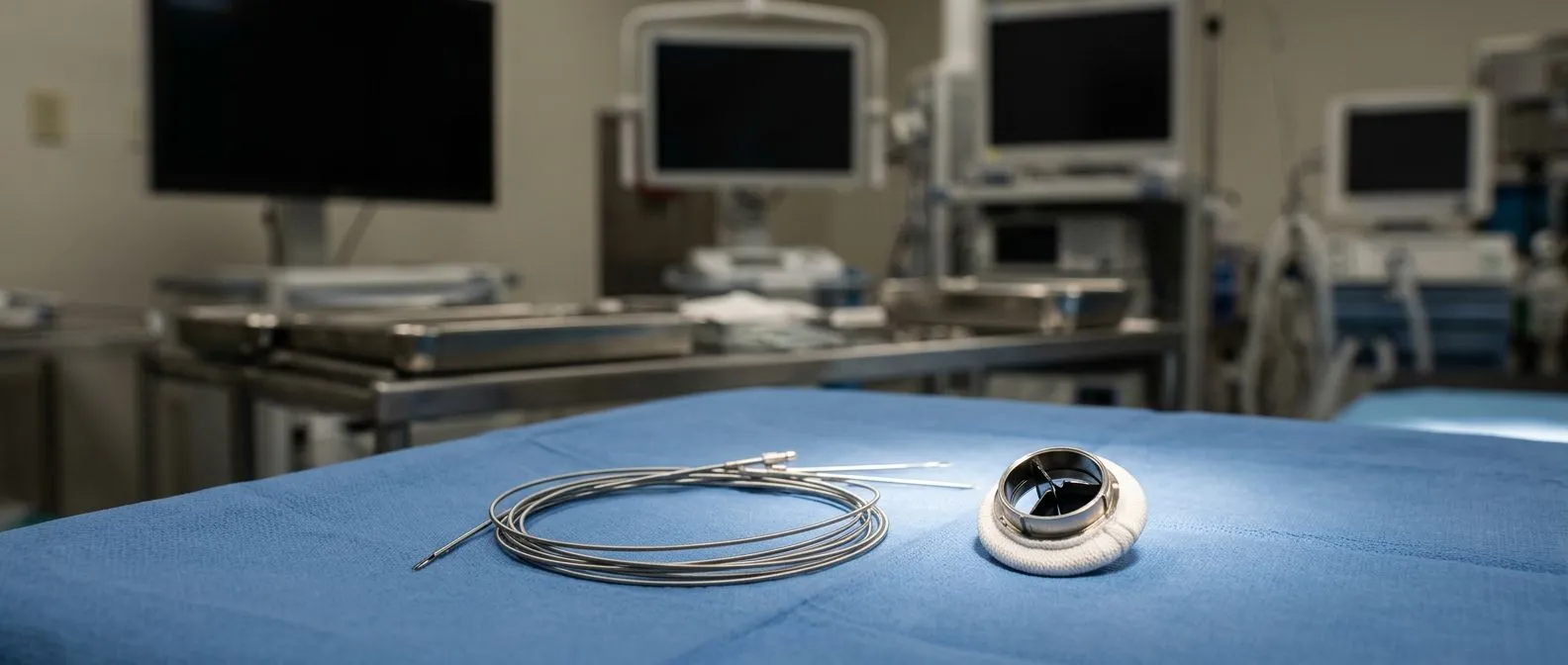
Repair versus replacement: whenever possible, surgeons repair the patient's own valve, because a repaired native valve keeps its natural tissue and often avoids lifelong blood thinners. Mitral valves in particular are frequently repairable. When repair is not feasible, the valve is replaced with a tissue valve from animal or human donors, or a mechanical valve made of durable synthetic material.
Tissue valves avoid long-term anticoagulation but may need replacement after a number of years; mechanical valves last decades but require daily blood-thinning medication. This trade-off is one of the most personal decisions in heart surgery, and it depends heavily on your age, lifestyle, and tolerance for medication. In the consultation we take the time to explain what the studies actually show — in plain words — and to answer every question before any decision about valve choice is made.
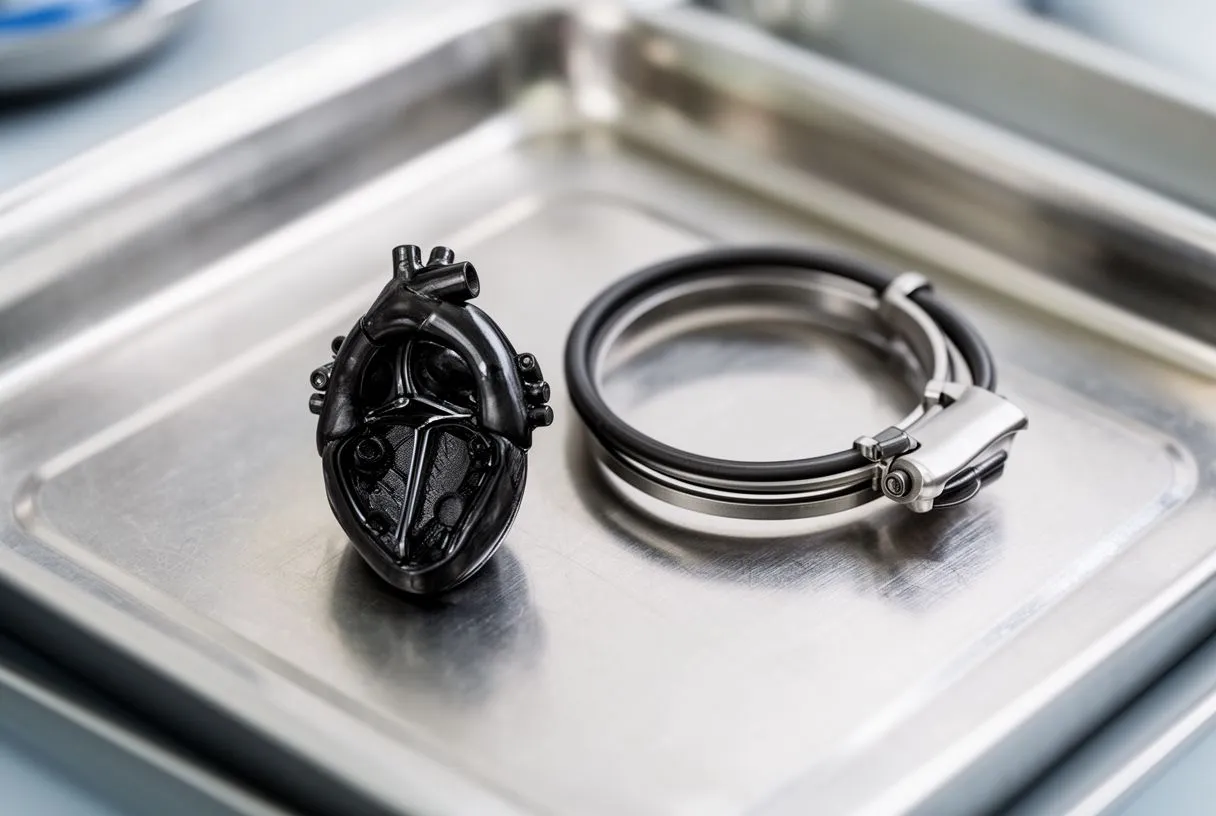
Minimally invasive and robotic valve surgery: many valve operations can now be done through small incisions between the ribs, sometimes with robotic instruments that give the surgeon enhanced precision through tiny working ports. Dr Molina performed the first robotic mitral valve repair in the Ángeles Health System and the first robotic heart surgery in Guadalajara, and our team continues to offer these approaches where the anatomy and evidence support them. The surgical result should be equivalent; the benefit is a smaller incision and, for many patients, an easier early recovery.
Aortic Surgery Procedures and When the Aorta Needs Fixing
The aorta is the body's largest artery, carrying every heartbeat's output from the left ventricle to the rest of the body. Aortic surgery procedures address three main problems: aneurysms (bulges in the vessel wall), dissections (tears in its layers), and valve-related disease where the aortic root must be replaced along with the valve.
Guideline thresholds drive the timing. An ascending aortic aneurysm is typically considered for repair once its diameter exceeds about 5.5 cm, earlier in patients with connective tissue conditions such as Marfan syndrome or a family history of dissection. These thresholds are not arbitrary — they reflect the point at which rupture and dissection risk begins to outweigh surgical risk.
An aortic dissection — a true cardiovascular emergency — occurs when the inner layer of the aorta tears and blood surges between the vessel walls. Type A dissections, involving the ascending aorta, require immediate surgery; this is one of the few operations where hours genuinely matter.
Our team's work covers the aorta alongside valve and coronary disease, and every aneurysm or dissection case is reviewed against international guidelines before any repair strategy is proposed.
Open Heart Surgery Types Versus Minimally Invasive Options
"Open heart" strictly means the surgeon works on an opened heart, usually with the heart-lung machine supporting circulation. It does not automatically mean a huge incision. The spectrum today runs from the classic full breastbone incision to mini-thoracotomy (a small incision between the ribs) to fully robotic approaches to purely catheter-based procedures.
What actually differs for the patient? Mostly the incision and the early recovery. The internal operation — what the surgeon does to the valve or artery — should meet the same standard whichever route is chosen. A smaller incision typically means less pain, a shorter hospital stay, and a faster return to normal activity, but it is not suitable for every anatomy or every urgency.
Dr Molina trained in cardiac, minimally invasive, robotic and structural surgery at the University of Montreal, and we recommend the less invasive route only where the evidence supports it for that patient. The honest answer to "which is better" is: the one appropriate for your specific disease, anatomy, and overall health.
Cardiac Surgery vs Interventional Cardiology: Which Is Right?
Interventional cardiology treats heart disease through catheters threaded from an artery in the wrist or groin — no chest incision, no heart-lung machine. Stents for blocked coronaries and TAVR (transcatheter aortic valve replacement) for aortic stenosis are its flagship procedures. Cardiovascular surgery, by contrast, works directly on the heart and vessels.
TAVR deserves its own explanation. TAVR delivers a replacement aortic valve through a catheter, usually via the femoral artery in the groin, and expands it inside the diseased valve. It was developed initially for patients too frail for open surgery, and its use has expanded as evidence has grown — but it is not automatically superior to surgical replacement for everyone, and factors like age, valve anatomy and other valve disease matter in the choice.
The honest framing is that these are complementary, not competing, disciplines. Some patients need a surgical bypass; others are better served by a stent. Some need surgical valve repair; others fit TAVR perfectly. Because we perform both conventional and transcatheter procedures, we can recommend a strategy without an in-built bias toward one technique — and we actively encourage second opinions, treating them as a normal part of deciding about heart surgery.
What to Expect After Heart Surgery?
Knowing the sequence ahead reduces anxiety more than any reassurance can. Most patients follow a predictable arc, though individual recovery varies with age, fitness, and the operation performed.
- Intensive care (day 0–1): you wake with a breathing tube briefly in place, then monitors; most patients sit up and begin breathing exercises within the first day.
- Ward phase (days 2–5): walking the corridors starts early — often day one or two — because early mobilisation reduces complications. Drainage tubes and the temporary pacemaker wires (if used) come out within days.
- Home recovery (weeks 1–8): the breastbone takes roughly six to eight weeks to knit. You will be given sternal precautions — no lifting, pushing or pulling heavy objects with your arms during that period.
- Cardiac rehabilitation (weeks 2–12): a supervised programme of gradually increasing exercise, education and support, which genuinely improves long-term outcomes.
Cardiac surgery recovery time varies: many patients return to desk work around six to eight weeks, while physical occupations take longer. Fatigue is normal for several weeks — the body is healing a major incision and adapting to a repaired circulation. Patients who follow the sternal precautions and attend rehabilitation consistently tend to recover more predictably than those who rush the timeline.
Warning signs that need immediate attention include fever, increasing redness or discharge from the wound, new or worsening breathlessness, chest pain unlike the expected healing discomfort, or palpitations. Contact your surgical team promptly rather than waiting.
What Do I Need at Home After Heart Surgery?
Preparation before the hospital stay makes the return home dramatically easier. Families often underestimate how much simple logistics matter during the first fortnight.
Practical preparations worth making in advance: a ground-floor sleeping arrangement if stairs are unavoidable several times a day; a shower stool and a long-handled sponge (you cannot push up with your arms for weeks); pre-cooked meals in the freezer; and a pill organiser, since medication schedules after valve surgery can be detailed. Arrange a ride home — driving is usually off-limits for several weeks.

Who should be around? Ideally someone stays with or near you for at least the first week. This is not because you will be helpless, but because fatigue and the lifting restrictions make daily tasks genuinely awkward. Simple aids — a grabber tool, a small backpack worn on both shoulders for carrying light items — solve most problems.
Wound and medication care: keep the incision clean and dry, watch for signs of infection, and take prescribed medication exactly as directed — particularly blood thinners after mechanical valve replacement, where doses are not optional. Attending every follow-up appointment matters as much as any of the above.
When Is Heart Surgery Needed and How to Choose Your Team?
The clearest signal that surgery is on the table is a cardiologist's formal assessment — typically an echocardiogram, a coronary angiogram, and sometimes a CT scan — showing disease that medication or catheter treatment cannot adequately fix. Symptoms such as increasing breathlessness, chest pain on exertion, fainting, or ankle swelling should always be evaluated rather than endured.
Choosing a cardiovascular surgeon wisely: look for a team that performs the specific operation you need regularly, explains all the options rather than only one, and is comfortable discussing outcomes honestly. Asking "what are my alternatives, including doing nothing for now?" is a fair question that a good team welcomes. For patients considering care in Mexico, confirm the hospital's accreditation and ask directly about the team's volume for your procedure.
Our multidisciplinary team, led by Dr Alejandro Molina, holds consulting rooms in Guadalajara, Querétaro and Hermosillo, and the first contact is a free video consultation: we get to know the patient, talk through the condition, and identify which studies are still needed so no unnecessary ones are ordered. If you are weighing cardiovascular surgery types for yourself or a family member, the sensible next step is a proper conversation with a qualified cardiac team — book a consultation rather than trying to self-diagnose. The right operation, chosen calmly and with full information, is one of the most reliable treatments in all of medicine.






