

Central Venous Catheter After Heart Surgery: Care and Risks
Central venous catheter care after heart surgery reduces infection and complications.
After heart surgery, waking up to find tubes and lines attached to your body can feel overwhelming. Among these, the central venous catheter is a vital tool that helps your cardiac team monitor your heart and deliver medications safely. Understanding how to manage this line helps reduce anxiety and supports a smoother recovery as you heal.
What is a central venous catheter after heart surgery?
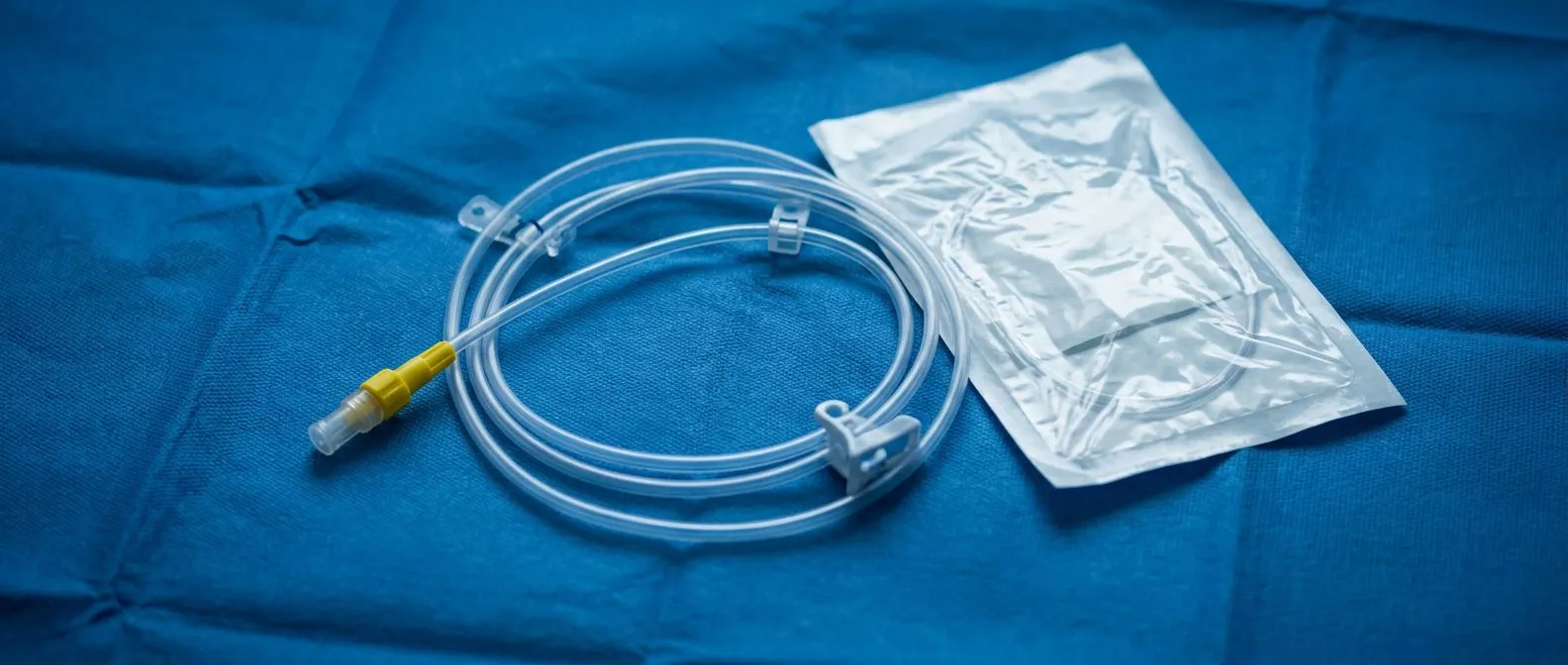
Understanding the central venous catheter. A central venous catheter, often called a central line, is a thin, flexible tube placed into a large vein in your neck, chest, or groin. Unlike a standard intravenous line in your hand, this catheter advances until its tip rests near the right Atrium of the heart. During procedures involving the Ascending Aorta, this access allows your surgical team to closely track your heart's function and fluid status without repeatedly poking your arms.
Distinguishing between access lines. It is common to have multiple lines after cardiac surgery. You may also have an Arterial Line to continuously monitor your blood pressure, which is different from a venous catheter. The arterial version usually goes into your wrist, while the central line accesses a major vein. Sometimes an Arterial Cannula is used during heart-lung bypass, but the central venous catheter remains after surgery to deliver fluids, nutrition, and medications directly to the heart.
Why you wake up with a CVC. The central venous catheter acts as a secure highway for your medical team. If you experienced an Atypical Infarction or needed an Autograft for valve repair, your body requires precise fluid management afterward. The CVC lets nurses draw blood easily and administer powerful medications that might irritate smaller veins. It is a standard part of the immediate postoperative journey.
Why is central venous catheter care essential for recovery?
Monitoring your heart's workload. Careful central venous catheter care ensures the line functions correctly to measure the pressure inside your heart. If you developed Atrial Flutter or another arrhythmia, the CVC provides a direct route to deliver rhythm-controlling drugs. By tracking the venous pressure, your team ensures your heart is not overloaded with fluid, which is a critical balance during the first few days of recovery.
Protecting against bloodstream infections. A central line goes straight to your heart, meaning any bacteria entering the catheter can cause a severe bloodstream infection. Rigorous CVC care guidelines prevent these dangerous central line complications. According to NCBI, strict sterile techniques during insertion and maintenance drastically reduce the risk of catheter-related infections. Diligent dressing changes and proper hygiene are your best defenses.
Supporting complex medication regimens. After surgery, you might need multiple medications, such as Aspirin to prevent clots, or drugs tested in the ARISTOTLE clinical trial to prevent strokes. A CVC allows these medications to mix quickly with your blood. If you required Autologous Blood transfusions during your procedure, the central line can also facilitate rapid fluid replacement, ensuring your blood pressure remains stable while your heart heals.
How does central venous catheter placement work?
The insertion process explained. If the central venous catheter was not placed during your surgery, a specialist will insert it in the intensive care unit. They use ultrasound guidance to find a large vein, usually in your neck or beneath your collarbone. You receive local anesthesia to numb the area, though you might feel pressure or mild Arm Pain if the catheter is routed through a vein in your upper arm.
Confirming the correct position. Once the tube is in place, the team takes a quick X-ray to ensure the tip sits perfectly near the heart. This precision prevents irritation to the heart walls. Meanwhile, doctors may use Auscultation, listening to your heart and lungs, to ensure the procedure did not cause a collapsed lung. The placement is quick, but maintaining that perfect position requires you to avoid certain sudden movements.
Integrating with your surgical plan. Your CVC is just one part of the access network established for your operation. If you underwent a bypass to clear an Atheromatous Plaque, or if you had an Arterial Graft placed to bypass a blockage, the central line helps monitor the success of that new plumbing. It allows the team to verify that your heart is tolerating the new blood flow without strain.
What are the common central line complications?
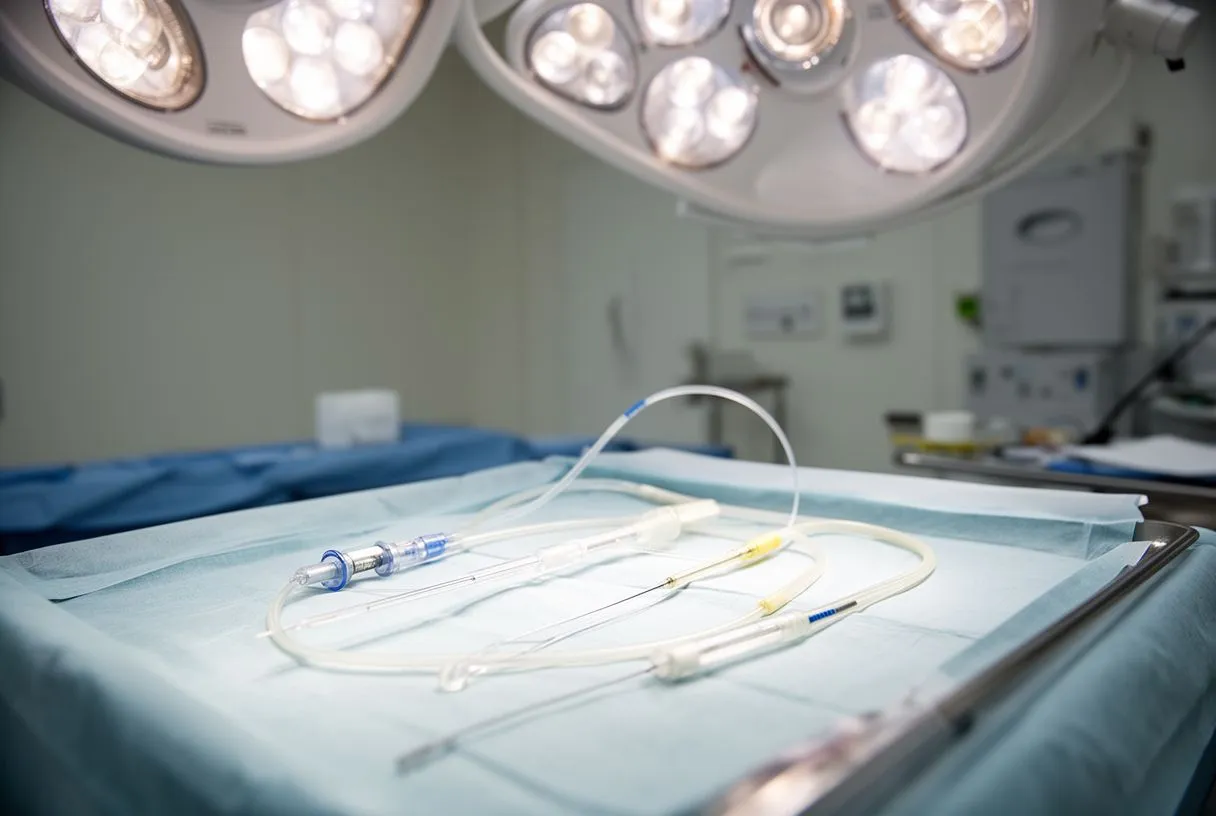
Recognizing mechanical and clotting issues. Even with perfect care, central line complications can occur. Sometimes a blood clot forms inside the catheter, blocking the flow of medications. Nurses use a flushing protocol with saline or heparin to keep the line open. If you have a complex airway situation post-surgery, managing these lines requires extreme care, as noted in research regarding the Safety and feasibility of hybrid tracheostomy, which highlights the delicate balance of multiple critical tubes in the neck.
Identifying signs of infection. Infection is the most significant risk associated with a CVC. Watch for redness, swelling, or drainage at the exit site. If bacteria travel down the catheter, you might develop a fever or chills. Central line infection prevention relies on keeping the site clean and dry. If an infection is suspected, the catheter is often removed immediately and cultured to identify the specific bacteria.
Addressing rare but serious risks. Though rare, a catheter can shift out of place if you pull on it. It could also puncture the vein wall. If your surgery was complex—perhaps you were on Awake ECMO or needed an Automated External Defibrillator post-op—your team monitors the line continuously. Any sudden shortness of breath or chest pain near the site warrants an immediate evaluation to rule out a pneumothorax.
How to perform central venous catheter maintenance at home?
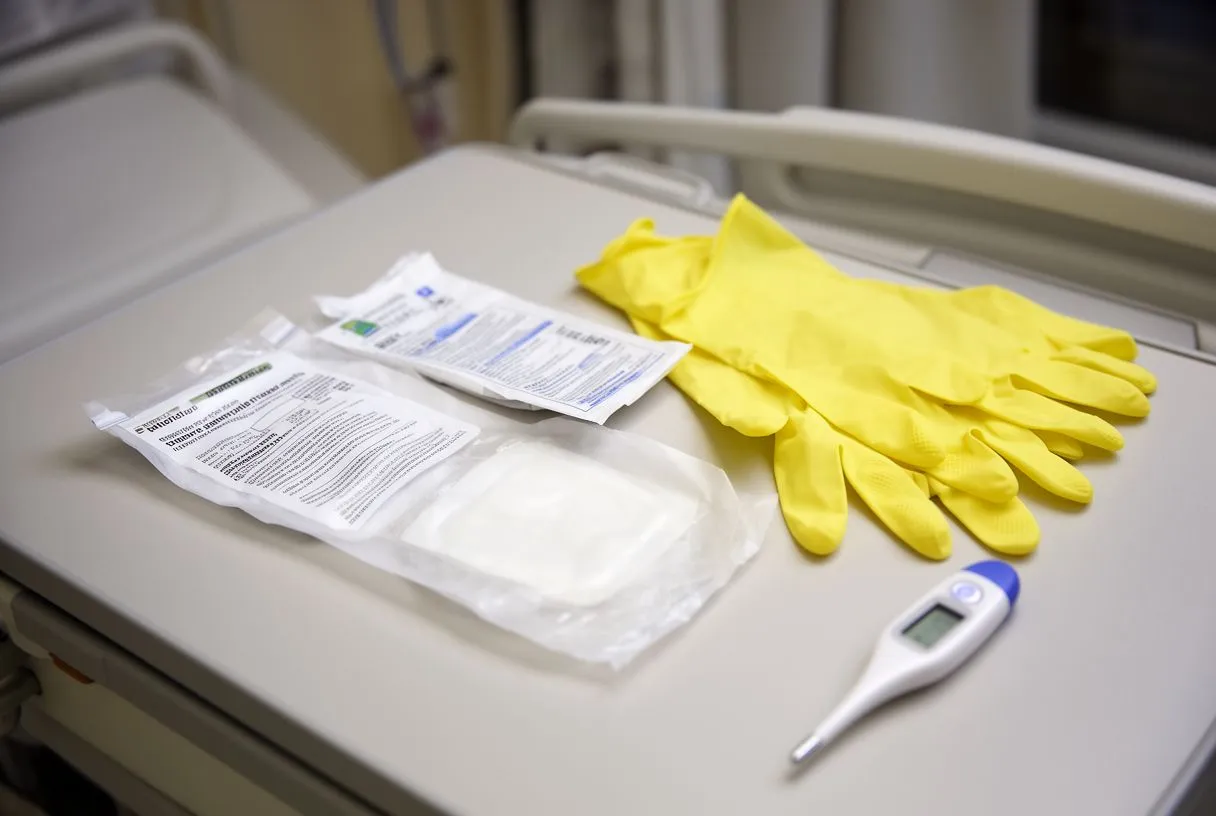
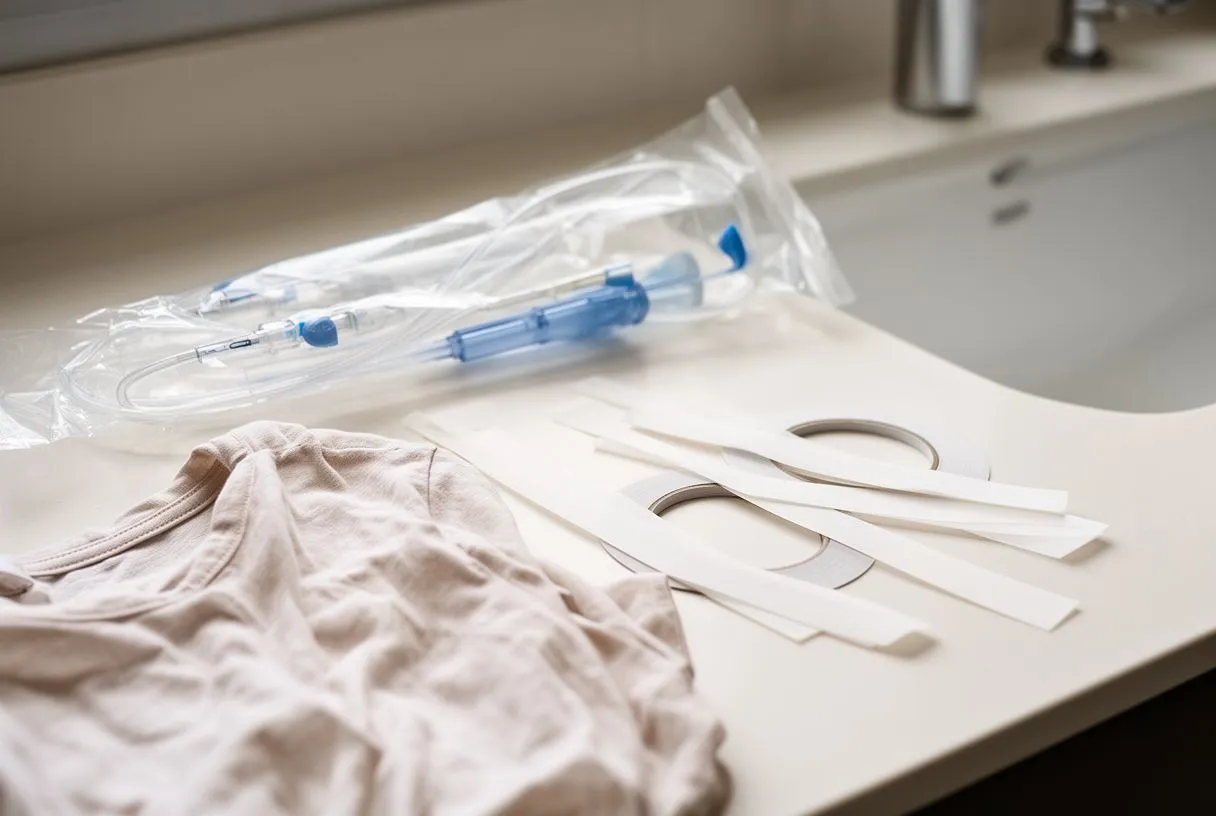
Mastering the CVC dressing change. If you are discharged with a central line, your nursing team will train you on central venous catheter maintenance. The most important task is the CVC dressing change. You will learn to peel away the old transparent dressing carefully, clean the site with chlorhexidine, and apply a fresh sterile barrier. This keeps bacteria out and lets you see the skin for any redness.
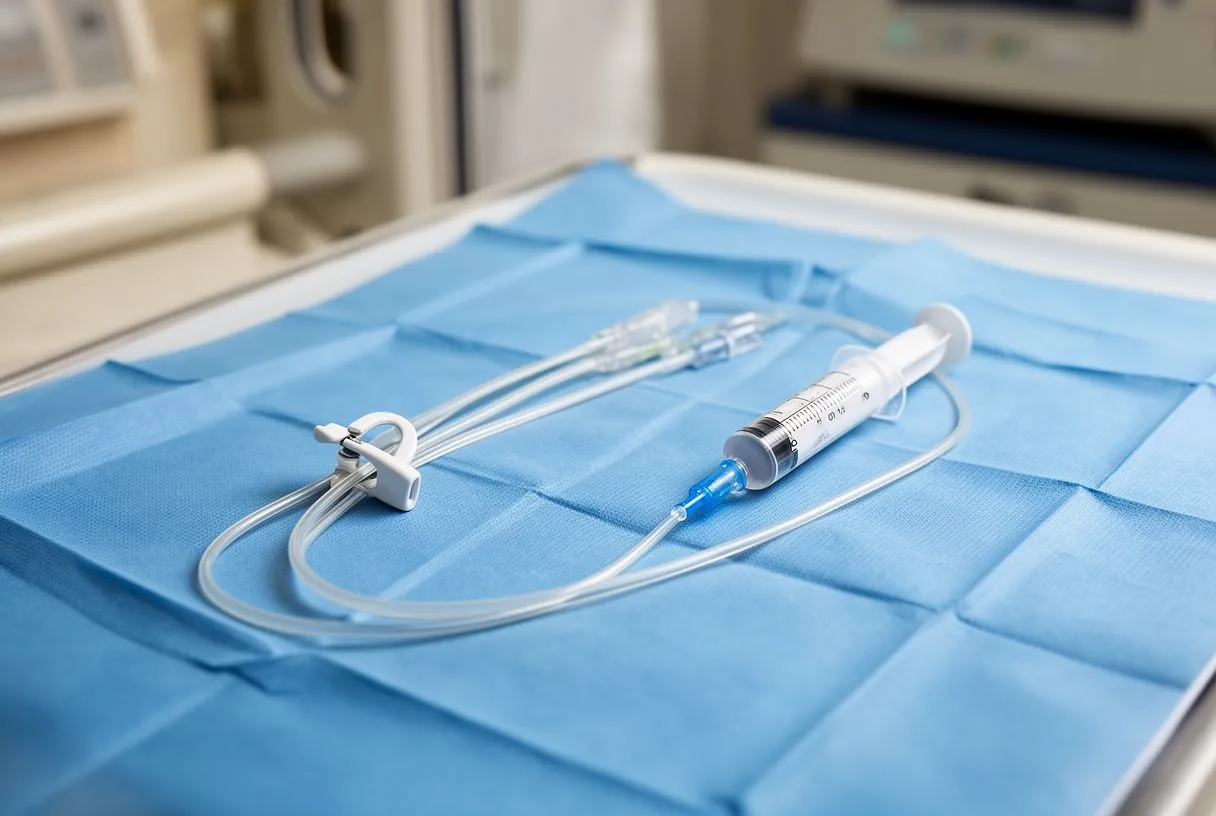
Keeping the line clear. To prevent blood from clotting inside the tube, you must follow a central line flushing protocol. Usually, this involves pushing a small syringe of saline through the cap at the end of the catheter. You must use a clean technique, wiping the cap with alcohol before and after. Never force the flush; if it feels stuck, contact your clinic immediately to avoid rupturing the line.
Managing daily hygiene safely. You must keep the catheter site completely dry. Showers require special precautions, such as covering the site with a waterproof seal. You cannot swim or take baths while the CVC is in place. Maintaining these habits prevents moisture from trapping bacteria against the skin, which is a critical step in central line care after cardiac surgery.
- Keep it dry: Cover the site completely before showering and avoid submerging in water.
- Sterile changes: Change the dressing immediately if it becomes wet, loose, or visibly soiled.
- Never pull: Avoid tugging the line and secure the tubing to your skin to prevent accidental dislodgement.
Central line infection prevention and warning signs
Knowing when to seek urgent help. Central line infection prevention depends on your vigilance. If you notice the skin around the catheter becoming warm, red, or tender, you must act quickly. A fever of 38°C (100.4°F) or higher, especially accompanied by chills, suggests the infection may have entered your bloodstream.
Understanding the stakes of sepsis. When bacteria enter the blood through a CVC, it can lead to sepsis, a life-threatening systemic response. Your cardiovascular system is already healing from surgery, whether you had a Balloon Aortic Valvuloplasty or a full bypass. An infection forces your heart to work harder. Severe circulation issues can mimic those seen in complex vascular cases, similar to challenges outlined in a report on Simultaneous great saphenous vein arterialization and drug-eluting balloon venous angioplasty in no-option chronic limb-threatening ischemia: a case report, emphasizing how vital healthy blood flow is.
Acting on systemic symptoms. Sometimes a local site looks fine, but you feel unwell. Fatigue, rapid heartbeat, or confusion can be signs of a deeper infection. Never assume these symptoms are just normal post-surgery fatigue if you have a central line. Call your cardiac surgeon or go to the emergency room immediately. Quick removal of the catheter and intravenous antibiotics are the standard treatment.
Central venous catheter removal and healing process
The removal procedure. Once your heart is stable and you no longer need intravenous medications, it is time for central venous catheter removal. A nurse or doctor gently pulls the tube out. This takes only a few seconds. They apply firm pressure to the site for a few minutes to stop any bleeding, then cover it with a small bandage.
What to expect during healing. After the catheter is out, the small puncture site will heal over a week or two. You might notice a small bruise, which is normal. The risk of infection drops to nearly zero once the skin closes over. Your overall recovery can now progress to focusing purely on your heart, such as managing cholesterol with guidance on Apolipoprotein B levels to protect new valves or grafts.
Resuming normal circulation monitoring. With the CVC gone, your medical team will rely on non-invasive ways to monitor you. They might check your blood pressure the standard way, rather than through an arterial line. This transition marks a major milestone in your recovery, proving your heart can handle its workload without the continuous intensive care support the catheter provided.
How does a central line affect your daily activities?
Adjusting your movement. While the central venous catheter is in place, you must adjust how you move. If the line is in your neck, you should avoid turning your head sharply. If it is in your chest, do not lift your arms above your shoulders or lift anything heavy. These restrictions prevent the catheter tip from shifting and tearing the vein.
Sleeping comfortably. Finding a comfortable sleeping position can be challenging. Try to sleep on your back or on the side opposite the catheter. Use pillows to prop up your arms and prevent rolling onto the tubes during the night. Good sleep helps your heart heal, so take the time to arrange your bedding safely.
Transitioning to outpatient care. Once the line is removed, your mobility returns to normal. You can focus on cardiac rehabilitation exercises. If you previously had a Balloon Angioplasty or a Balloon-expandable Valve placed via transcatheter aortic valve replacement (TAVR), your physical therapy will be tailored to those specific procedures. The absence of the central line frees you to move more naturally.
When to call your cardiac team about your CVC
Identifying red flags. Knowing exactly when to call your cardiac team about your CVC is crucial for your safety. If you see blood soaking through the dressing, or if the catheter looks like it has slipped out further than it should, call immediately. Do not try to push the catheter back in, as this can introduce bacteria directly into your bloodstream.
Understanding risk thresholds. Your doctors use specific metrics to manage your recovery. For example, if aortic diameter > 5.5 cm is noted on your scans, or your EuroSCORE II indicates a higher baseline surgical risk, your team will be more conservative with your postoperative care. Always communicate these baseline numbers if you visit a local emergency room near your home.
Handling unexpected pain. Pain at the site is common initially, but new or worsening pain is a warning sign. If the area becomes firm, hot, or starts leaking yellow or green fluid, you need antibiotics. If you are unsure whether your symptoms warrant an immediate trip to the hospital, contact your surgical team or emergency services.
- Bleeding: Call if blood soaks through the transparent dressing and cannot be stopped with pressure.
- Fever: A temperature over 38°C (100.4°F) indicates a potential systemic infection.
- Slipping: Never push a slipped catheter back in; secure it and seek immediate help.
Moving forward after central line removal
Focusing on long-term heart health. Moving forward after central line removal means shifting your focus from line maintenance to holistic heart health. The catheter was a temporary bridge to keep you safe during the most fragile phase of recovery. Now, your energy should go toward walking, eating well, and attending cardiac rehabilitation to strengthen your cardiovascular system.
Continuing your medication routine. You will still need to take oral medications after the central line is gone. You may continue on Aspirin or other blood thinners to protect your new grafts or valves. Managing conditions like Atrial Flutter might require daily pills instead of intravenous drips. Consistency with your medication schedule is vital to prevent future blockages or rhythm issues.
Partnering with your cardiac team. As you recover, remember that your journey is unique. The central venous catheter was just one tool in a larger surgical plan. We encourage you to discuss your specific recovery milestones, lingering symptoms, and future cardiac health plans with a qualified cardiac team. Book a consultation with Dr Alejandro Molina to review your progress and ensure your heart is healing as it should.






