Defibrillation and ICDs: Living With a Shocking Device
Defibrillation ICD living made simple: recovery tips, daily routines, and when to seek care.
Receiving an implantable cardioverter defibrillator is a profound step in managing severe heart rhythm disorders, and defibrillation ICD living becomes a new, vital chapter in your healthcare journey. For many patients, the decision to implant a device comes after careful evaluation by a cardiologist or electrophysiologist. This guide explains exactly what it means to live with an ICD, bridging complex electrophysiology with clear, everyday language so you and your family can navigate recovery and daily life with confidence.
What Is an Implantable Cardioverter Defibrillator?
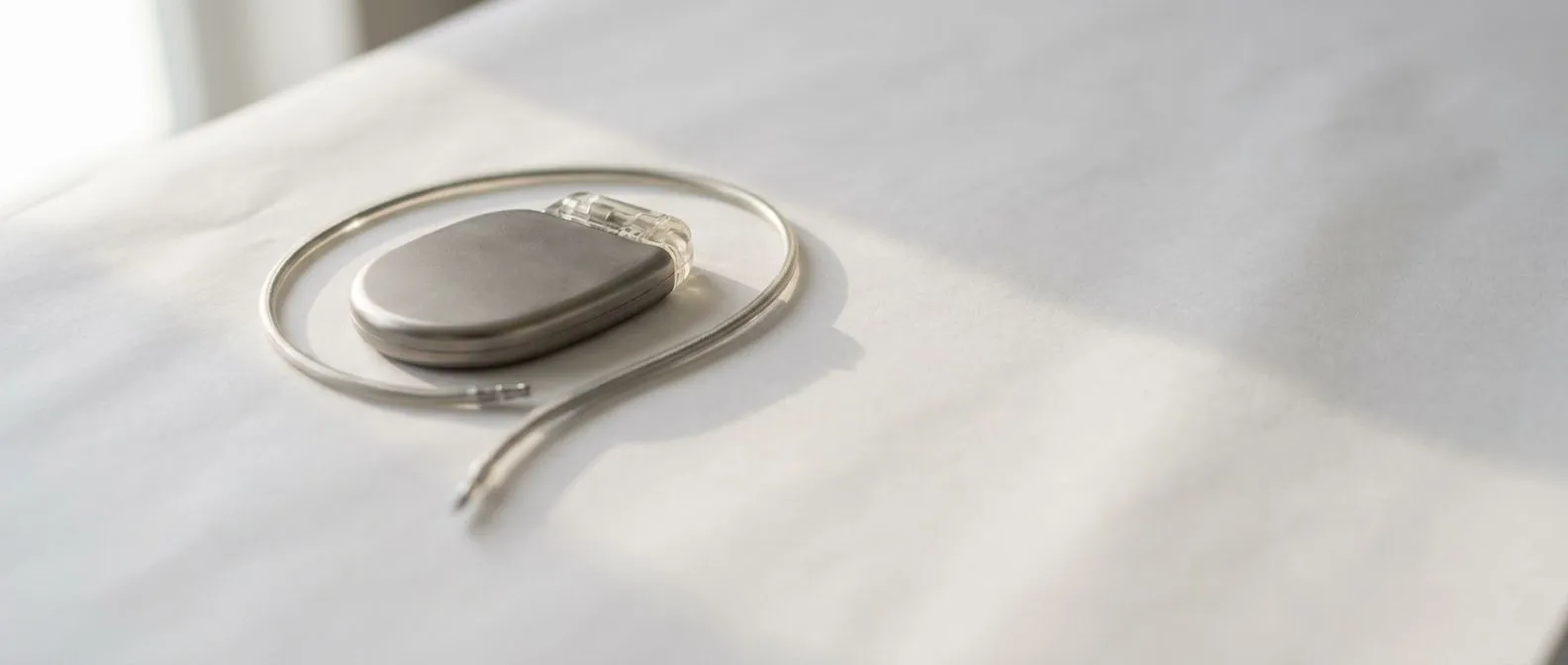
Understanding the device's primary purpose: An implantable cardioverter defibrillator (ICD) is a small, sophisticated electronic device placed under the skin of your chest or abdomen to monitor your heart's electrical activity. Unlike a standard pacemaker that primarily prevents the heart from beating too slowly, an ICD is specifically designed to detect and stop dangerously fast, life-threatening heartbeats. It acts as a constant, silent guardian, ready to deliver life-saving energy precisely when your heart needs it most.
Distinguishing between internal and external devices: You may have seen an automated external defibrillator on the wall of an airport or gym, used by bystanders to shock a collapsed person. An ICD performs a similar function but does so internally, automatically, and without the need for external pads. The device consists of a generator (the small metal case containing the battery and circuitry) and one or more leads (wires) that tunnel into the heart muscle to deliver therapy directly to the interior structures, including the right atrium or the lower pumping chambers.
Why specific patients require this technology: ICDs are generally recommended for individuals who have survived a prior cardiac arrest, those with severely weakened heart muscles, or patients with inherited conditions that predispose them to sudden fatal arrhythmias. If you have a history of severe coronary artery disease—perhaps marked by elevated apolipoprotein B levels indicating aggressive plaque buildup—or if you take blood thinners managed under protocols like the ARISTOTLE clinical trial guidelines, your cardiac electrophysiologist may determine that an ICD provides the lowest risk protection for your specific situation.
How Does Defibrillation Work Inside the Heart?
The mechanics of detecting dangerous rhythms: The leads of your ICD continuously sense the electrical signals of your heartbeat. When these signals become chaotic and abnormally fast—a condition that can stem from various sources, including structural disease or an atypical infarction where heart tissue damage occurs without classic chest pain—the device identifies the crisis. It specifically looks for ventricular tachycardia or ventricular fibrillation, rhythms where the lower chambers quiver uselessly instead of pumping blood.
Delivering painless pacing versus a full shock: Defibrillation inside the body is not always a dramatic, painful event. For moderately fast rhythms, the ICD often begins with anti-tachycardia pacing, a series of rapid, painless electrical pulses designed to gently interrupt the abnormal loop and reset the heart's natural rhythm. If this fails, or if the rhythm is immediately critical, the device charges its capacitors and delivers a high-energy shock to the heart muscle to restore a normal beat.
Connecting rhythm disorders to underlying anatomy: It is important to understand that electrical chaos rarely happens in a vacuum; it is often tied to physical changes in the heart's structure. An old atheromatous plaque rupture might have left scar tissue that disrupts electrical pathways, or structural changes might lead to chaotic upper chamber rhythms like atrial flutter. During your preoperative assessment, your surgeon may use auscultation—listening to your heart with a stethoscope—alongside advanced imaging to map these structural realities before placing your device.
Preparing for ICD Surgery in Mexico
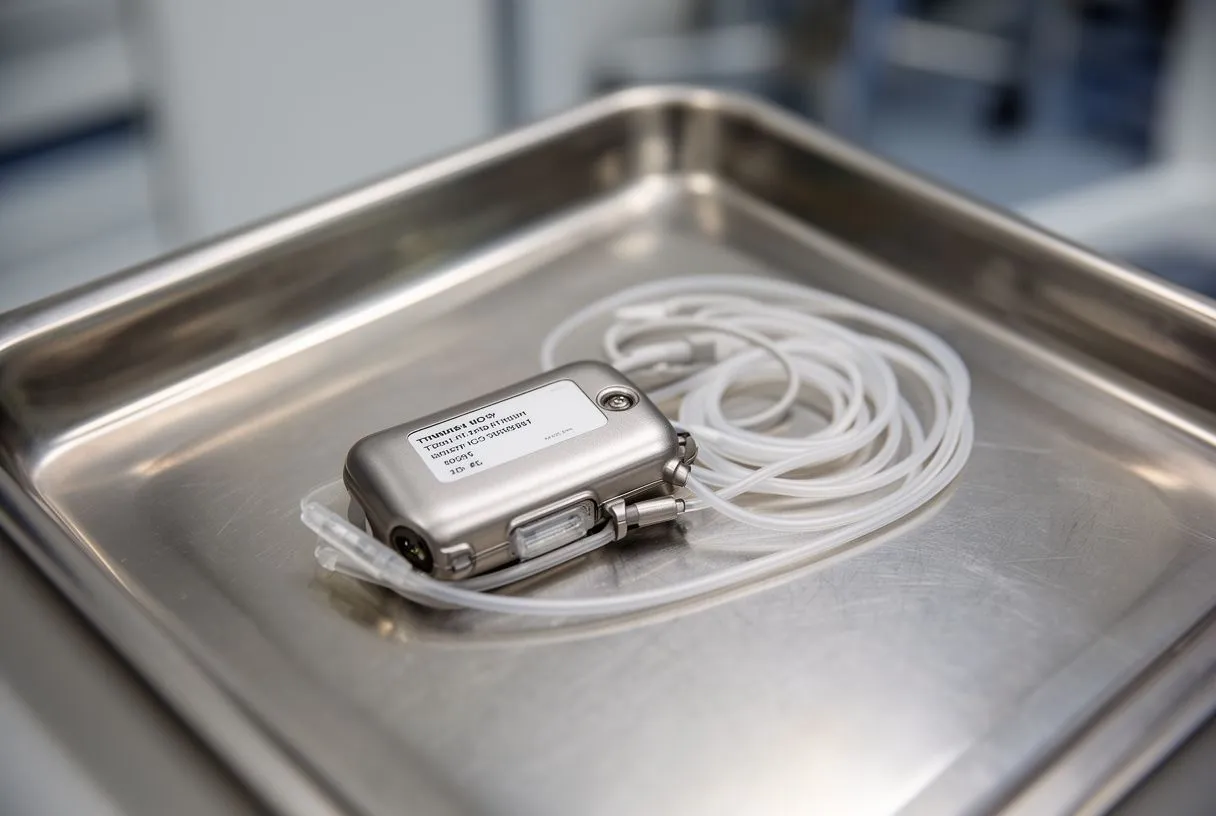
Navigating international cardiac care logistics: Traveling from abroad or within Mexico to Guadalajara, Querétaro, or Hermosillo for cardiac surgery requires meticulous planning.
Understanding the preoperative medical evaluation: Before surgery, Dr Alejandro Molina will conduct a thorough review of your cardiovascular health. Although ICD implantation is minimally invasive compared to open-heart surgery, it still involves monitoring, typically through peripheral access rather than central lines like an arterial line or arterial cannula used in major bypass operations. Your care team may arrange any blood products you might need, using carefully screened autologous blood (your own previously donated blood) when medically appropriate and feasible.
Setting realistic expectations for the procedure: The implantation usually takes between one to two hours and is performed under local anesthesia with sedation, meaning you will be sleepy but breathing on your own. You will not feel the leads being guided into your heart. For patients who have complex histories, such as prior surgeries involving the ascending aorta, the surgical approach might be slightly modified to ensure the leads secure properly in the heart tissue without interfering with existing grafts or repairs.
What to Expect During ICD Implant Recovery
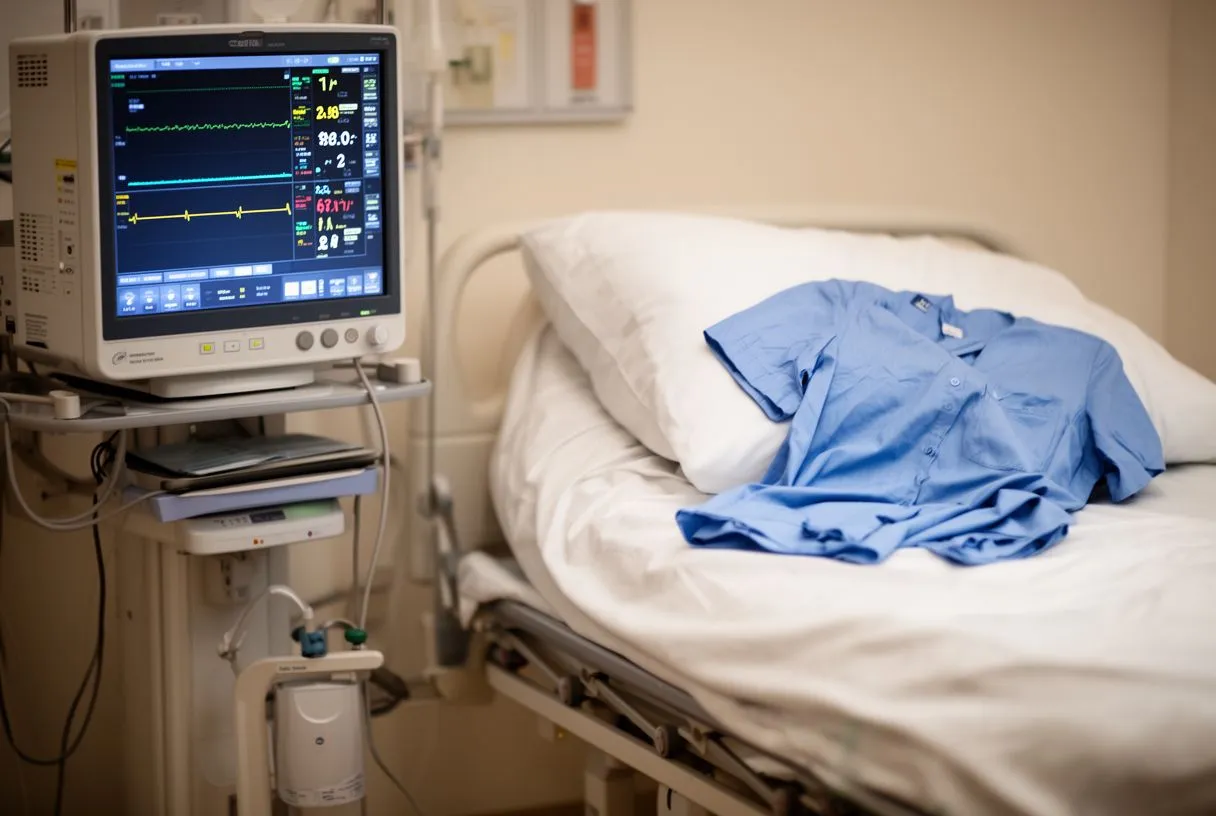
The immediate postoperative period: After your ICD is placed, you will spend a few hours in a recovery suite where nurses monitor your vital signs and the incision site. You may feel some soreness at the pocket where the generator sits beneath your skin, usually in the upper left chest. This discomfort is normal and is typically managed with simple over-the-counter pain relievers or mild prescription medication, ensuring you remain comfortable without heavy sedation.
Managing movement and arm restrictions: One of the most critical aspects of early recovery involves protecting the surgical site and the newly placed leads. You will be instructed to avoid raising your arm on the surgical side above shoulder level or lifting anything heavier than a few pounds for several weeks. This restriction helps prevent arm pain and ensures the leads do not dislodge from the heart wall before scar tissue firmly anchors them in place.
Long-term medication considerations: While the ICD manages electrical rhythms, it does not treat underlying coronary artery disease. You will likely continue taking medications to manage blood pressure, cholesterol, or thin the blood. For instance, you may remain on aspirin to prevent clots, especially if you have a history of blocked arteries or a prior arterial graft from a bypass surgery. Your device is part of a holistic strategy, working in tandem with your daily medications to keep your heart stable.
Living With an ICD: Daily Life and Exercise
Returning to normal activities: Once your initial recovery period concludes, living with an ICD is designed to be unobtrusive. You can return to work, travel, and enjoy your hobbies. The goal of the device is to protect you so you can live your life fully, not to confine you. Many patients find that once they heal, they actually exercise more freely, knowing they have a built-in safety net guarding against sudden cardiac events.
Exercise restrictions and device interactions: Regular, moderate exercise is highly encouraged for cardiovascular health, but contact sports that might involve direct blows to the chest should be avoided to prevent damaging the generator. Additionally, you must be mindful of your environment, as strong electromagnetic fields can temporarily interfere with the device's sensing capabilities.
- Avoid contact sports: Football, martial arts, and hockey pose a direct risk of impact to the device site.
- Keep magnets at a distance: Keep large stereo speakers, magnetic therapy pads, and industrial magnets away from your chest.
- Be cautious with security wands: At airports, inform security personnel of your device and request a manual pat-down rather than a handheld wand search.
Diet and overall heart health: The device does not mitigate the need for a heart-healthy lifestyle. If you had valve surgery in the past and received an autograft—using your own tissue for repair—your surgeon will emphasize that maintaining excellent cardiovascular health protects all your cardiac structures. Eating a balanced diet, managing stress, and attending regular follow-up appointments are as essential as the device itself in ensuring your long-term well-being.
Understanding ICD Battery Life and Replacement
How long the generator lasts: The battery inside your ICD is remarkably durable, but it does not last forever. Depending on how frequently your device paces your heart or delivers shocks, the battery typically lasts between five and eight years. Your cardiac electrophysiologist will monitor the battery status during your routine check-ups, which can often be done remotely from your home using a special bedside monitor that transmits data to the clinic.
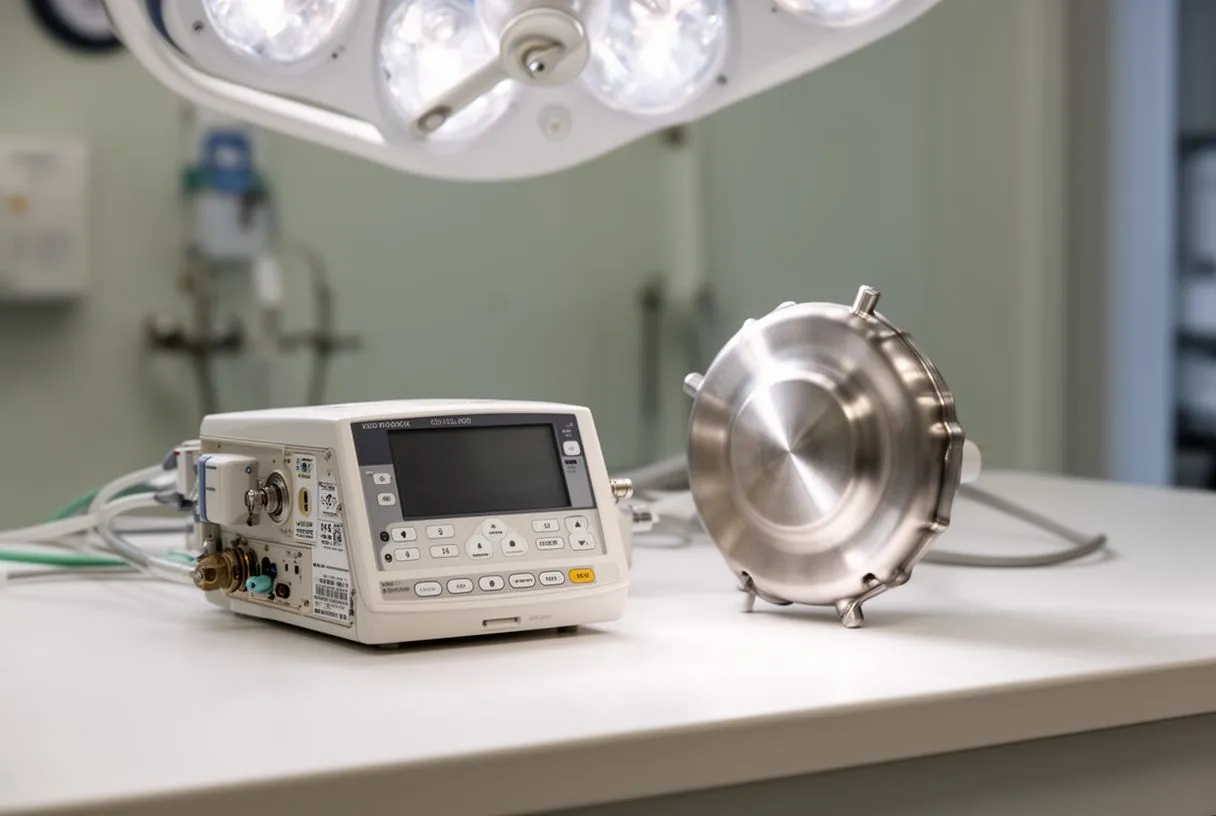
The replacement procedure: When the battery approaches depletion, a replacement procedure is scheduled. This is a much simpler surgery than the initial implantation. The surgeon makes a small incision over the existing generator, unclips the leads from the old battery, and connects them to a new generator, which is then placed back into the same pocket under your skin. The leads themselves almost never need to be replaced during a battery change.
Assessing surgical risks for generator changes: Although replacing the generator is a minor procedure, it still carries standard surgical risks, such as infection or bleeding. When evaluating risks for related cardiac procedures and surgeries, factors such as those discussed in Acute kidney injury following transcatheter aortic valve implantation: predictive factors, prognostic value, and comparison with surgical aortic valve replacement. highlight the importance of comprehensive preoperative assessment. Understanding a patient's baseline kidney function and overall surgical risk is crucial before any intervention, even a routine device exchange.
What a Defibrillator Shock Actually Feels Like
The physical sensation of a shock: If your device determines that you are in a life-threatening arrhythmia and delivers a full-energy shock, the sensation is often described as a sudden, intense blow to the chest, sometimes compared to being kicked by a horse. It is startling and overwhelming, but it lasts only a fraction of a second. Many patients lose consciousness just before the shock occurs due to the lack of blood flow to the brain, and therefore wake up after the device has already restored their rhythm.
What to do if you receive a shock: If you receive a single shock and feel completely normal immediately afterward, it is generally advised to call your cardiologist's office to report the event and schedule a prompt check-up. However, if you feel dizzy, faint, or receive multiple shocks in a short period, you must seek emergency medical attention immediately. Do not drive yourself to the hospital; call for an ambulance.
Dealing with the psychological aftermath: The fear of a shock can be more debilitating than the shock itself. It is entirely normal to feel anxious or traumatized after receiving a shock from your device. According to escardio.org, understanding that the device performed exactly as intended to save your life is a crucial cognitive step in processing the event. Your medical team is there to help you adjust your medications to prevent future shocks and to support your emotional recovery.
Managing ICD Psychological Adjustment and Anxiety
Acknowledging the emotional burden: Living with an ICD is not just a physical adjustment; it is a profound psychological transition. Many patients experience significant anxiety, hyper-vigilance about their heartbeats, or depression following implantation. The constant awareness that a device might deliver a shock can alter your sleep, your willingness to leave the house, and your overall quality of life. Recognizing these feelings as a normal response to a major life change is the first step toward healing.
The role of frailty and resilience: A patient's overall resilience plays a significant role in their psychological recovery. In older patients, assessing baseline frailty helps clinicians understand their capacity to bounce back from both physical and emotional stressors. A comprehensive understanding of these metrics, as explored in A scoping review of the Clinical Frailty Scale., demonstrates how physical vulnerability intersects with psychological coping mechanisms, guiding more personalized, empathetic care.

Seeking support and reclaiming normalcy: You do not have to navigate this adjustment alone. Joining a support group for ICD patients, speaking with a therapist who specializes in chronic illness, or simply maintaining open communication with your family can drastically reduce anxiety. Dr Molina and the team at Cirugía de Corazón encourage patients to voice their fears, as psychological well-being is intrinsically linked to physical cardiac health.
Defibrillator Infection Prevention and Care
Proper incision site care: Preventing infection is a critical component of your postoperative care. You will receive specific instructions on how to keep the incision clean and dry while it heals. It is essential to avoid soaking the area in water—meaning no baths or swimming—until the skin has fully closed and healed, which usually takes a few weeks. Showers are generally permitted after the first few days once the initial dressing is removed.
Recognizing the warning signs: While infections are rare, they are a serious complication that requires immediate medical attention. You must monitor the pocket site daily for any changes. If an infection takes hold in the generator pocket, it often requires the entire device to be removed and re-implanted in a different location after the infection is cleared with antibiotics.
- Fever or chills: A systemic sign that your body may be fighting an infection.
- Increased redness or warmth: Localized inflammation at the incision site that worsens over time.
- Drainage: Any pus or persistent fluid leaking from the wound requires urgent evaluation.
Proactive antibiotic management: Before your original implantation, you will receive intravenous antibiotics to prevent surgical site infections. Moving forward, it is vital to inform dentists and other doctors about your ICD, as certain procedures can introduce bacteria into the bloodstream that might seed on the device leads. Prophylactic antibiotics may be recommended before major dental work or invasive procedures to protect your heart and your device.
When to Seek Help for Your Cardiac Device
Responding to audible alerts: Modern ICDs are programmed to emit a quiet beep or vibration if they detect an issue that needs attention, such as a low battery or a lead problem. If you hear your device beeping, do not panic, but do call your clinic immediately. Your remote monitor can usually interrogate the device to determine the exact nature of the alert, allowing your doctor to advise you on the next steps without necessarily requiring an emergency room visit.
Recognizing syncope and physical emergencies: If you experience fainting (syncope), severe dizziness, chest pain, or palpitations that do not stop, you must seek emergency care. While the device is designed to handle severe arrhythmias, these symptoms could indicate other cardiac issues, such as progressive heart failure or a problem with the device's ability to effectively pace or shock the heart. Always err on the side of caution when your body signals distress.
Living successfully with an ICD is an ongoing partnership between you and your cardiac team. We encourage you to keep a log of any unusual symptoms, shocks, or device alerts, and to bring this log to every appointment. If you are experiencing symptoms or have concerns about your cardiac rhythm device, please do not attempt to self-diagnose.