Chest Drains After Heart Surgery: Why and How Long
Chest drain after heart surgery—learn how long tubes stay in, what fluid color means, removal pain, and recovery tips.
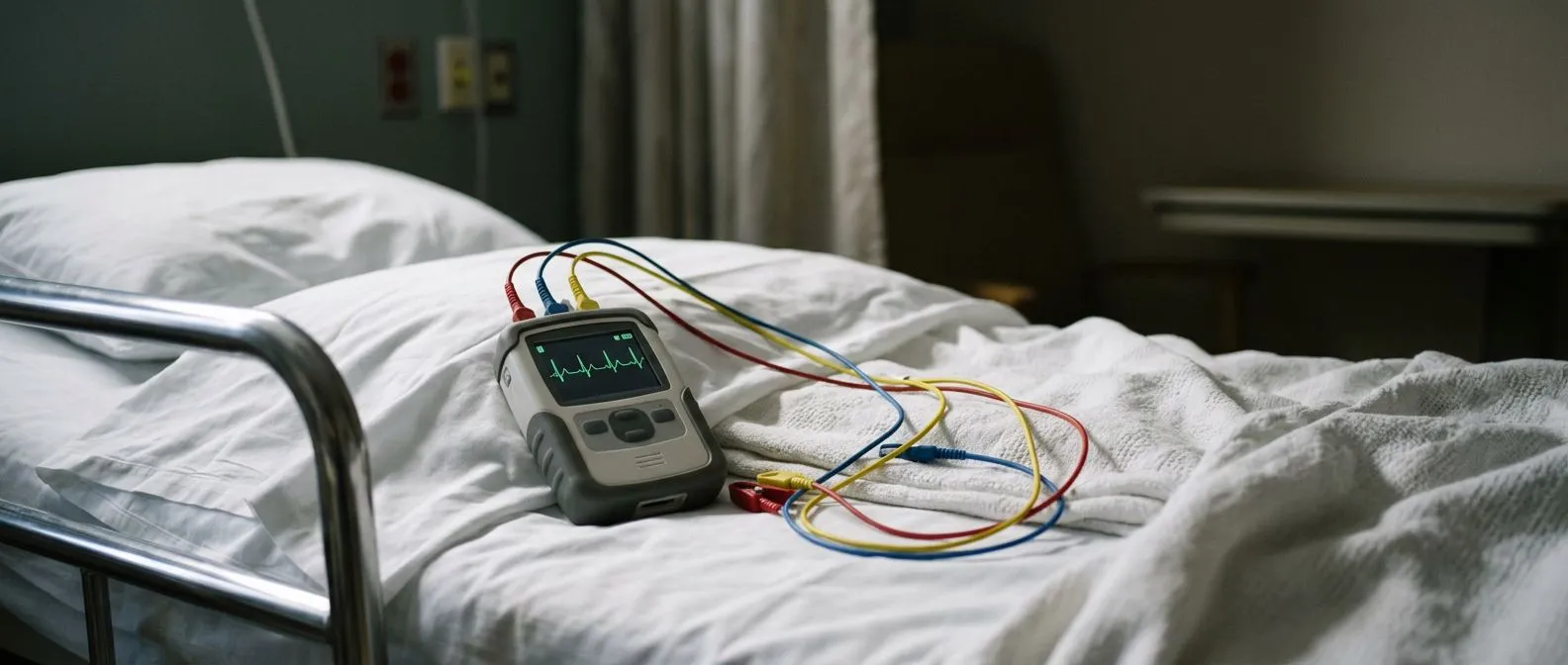
Almost every patient who wakes up in intensive care after open heart surgery finds one or more tubes coming out of the chest. If you are preparing for bypass surgery, valve repair, or another cardiac procedure, understanding a chest drain after heart surgery takes away much of the fear of the unknown. This guide explains why these tubes are placed, where they sit, what the fluid inside means, how long chest drain stays after heart surgery, and what recovery looks like day by day.
What Is a Chest Drain After Heart Surgery?
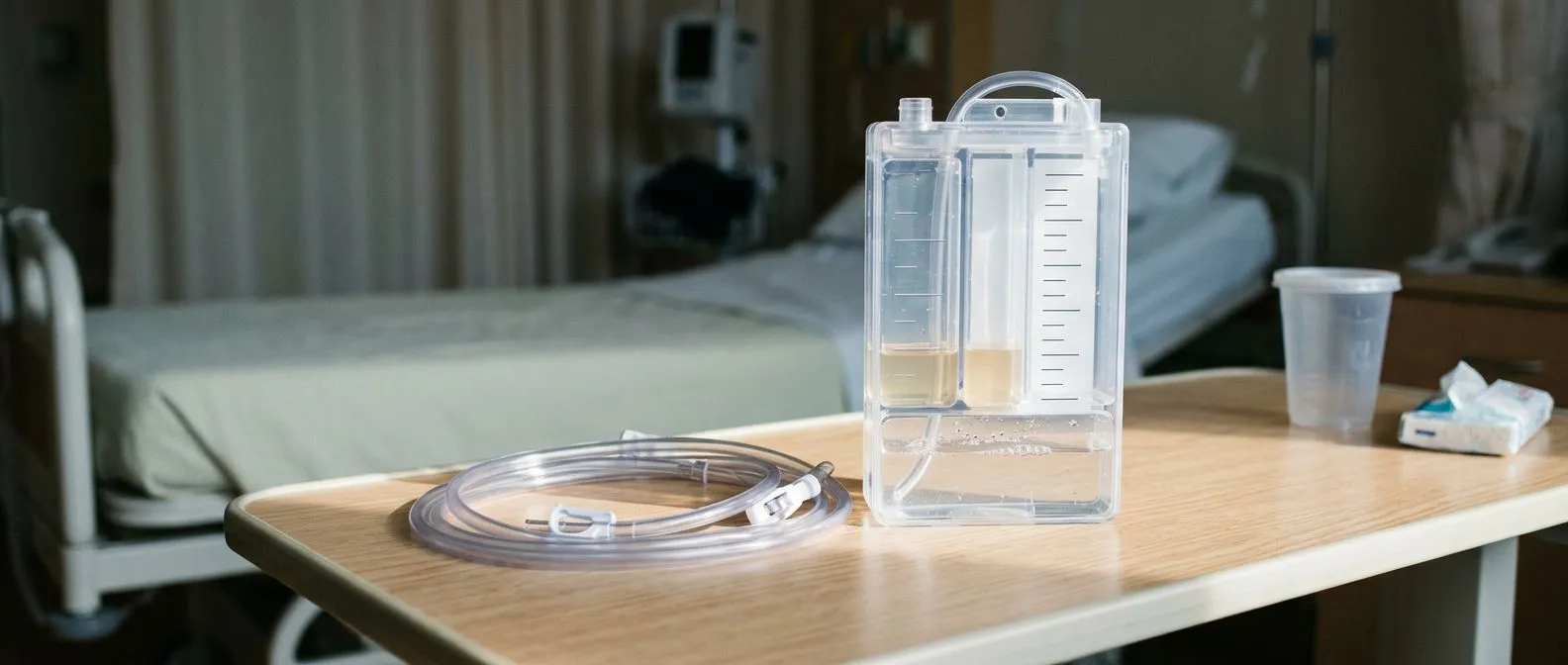
A chest drain is a soft, flexible tube that surgeons place through the skin between the ribs, so that air and fluid can leave the chest instead of collecting around the heart and lungs. You may also hear it called a chest tube or a pleural drain. The external end connects to a sealed collection bottle or chamber that sits below the level of your chest, often with measured markings so nurses can track exactly how much fluid drains each shift.
Why gravity matters: the collection system works by gravity and a gentle seal, not by suctioning the chest aggressively. Fluid and air flow down the tubing into the chamber. The seal stops air from being drawn back in when you breathe. This is why your nurse will remind you never to lift the drainage unit above chest level.
Different tubes, different jobs: a mediastinal drain sits directly behind the breastbone, close to the heart, and removes blood that collects in that space after surgery. A pleural drain sits between the lung and the chest wall, in the space called the pleural cavity. Most cardiac surgery patients have one of each, or two of both, placed while you are still under anesthesia at the end of the operation. You will not feel them being placed, and you will be asleep when they go in.
Why Do You Need a Chest Drain After Heart Surgery?
Heart surgery always leaves some bleeding and oozing from the tissues that were cut and sewn. Even when the surgeon's work is perfect, the raw surfaces inside the chest weep small amounts of blood for the first day or two. If that blood is not removed, it can pool around the heart and squeeze it, a serious complication called cardiac tamponade. A chest drain after heart surgery is the safety valve that prevents this.
Draining fluid is only half the story: the tubes also let air escape. During surgery, the chest is opened and the lungs are deliberately held still. When the chest is closed, any air left behind needs a route out so the lungs can fully re-expand. Without a drain, trapped air can partially collapse a lung and make breathing harder.
Monitoring is the hidden benefit: the drain tells your team how you are doing internally. The volume and color of the output guide decisions about transfusion, medication, and whether you are safe to get out of bed. Drain output is reviewed against international practice guidelines before the next step is decided, so the numbers on the collection chamber actually drive the plan.
Where Do They Put a Chest Drain?
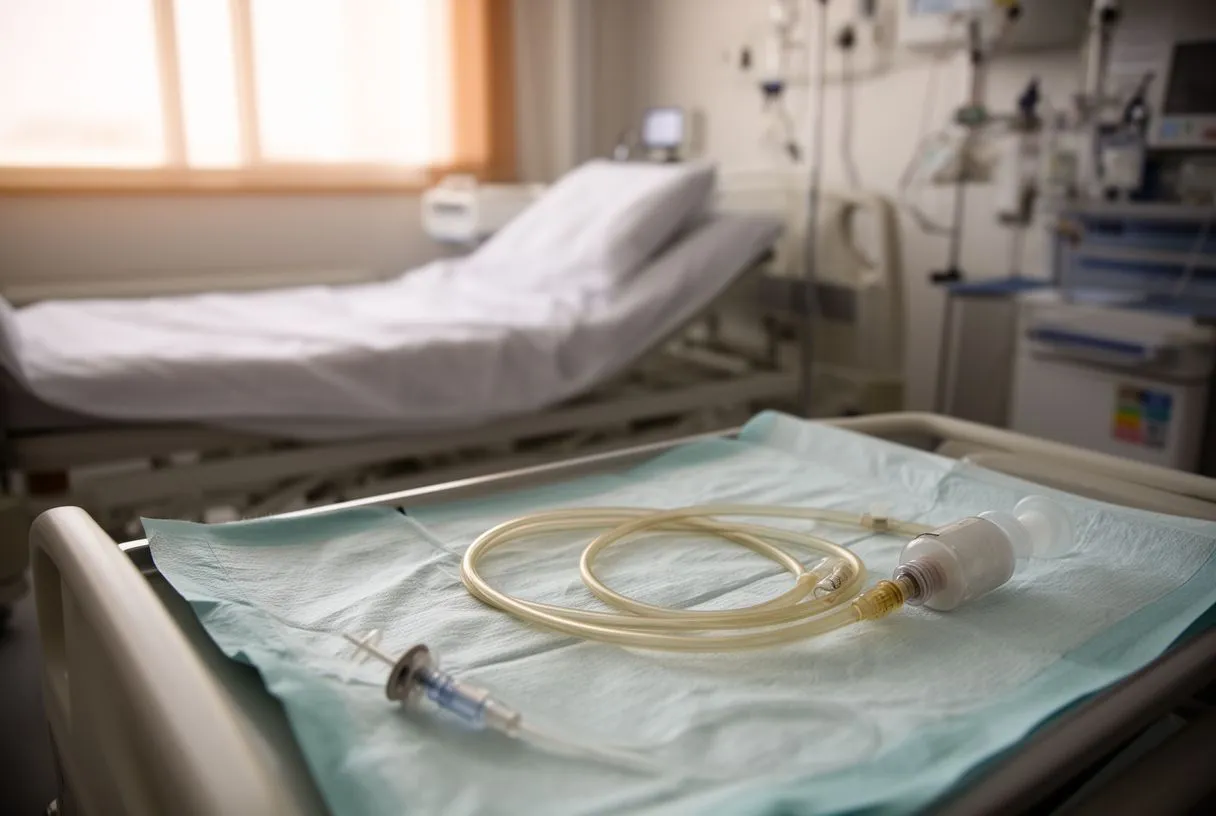
For cardiac surgery, drains are placed through small incisions just below the breastbone and sometimes just under the collarbone or at the lower side of the chest. The exact spots depend on the operation. A mediastinal drain passes behind the breastbone, next to the heart. A pleural drain enters at the side, between two ribs, to drain the space around the lung.
What you will see and feel: each tube is secured to the skin with stitches and covered with a clear dressing. The tubing runs to the collection unit beside your bed. You will feel the tubing pull slightly when you turn or sit up, but most patients are surprised at how quickly they stop noticing it. The tubes are removed at the bedside, and the small entry scars fade over the following months.
Because the position matters, your team confirms placement with a chest X-ray soon after surgery, before you leave the operating theater or intensive care. This simple image shows the tubes, the lungs, and any remaining air or fluid, all in one look.
How Long Does a Chest Drain Stay In After Heart Surgery?
For most patients, drains come out within the first one to three days after surgery, once the output has slowed and changed from blood to a lighter, clearer fluid. There is no fixed number of hours. The decision is based on how much fluid the tube is collecting each day, whether air is still escaping, and how your lungs look on the chest X-ray.
The usual timeline:
- First 24 hours: the highest output, often 100 to 300 milliliters per hour in the early hours, falling steadily as oozing settles.
- Day 2 to 3: output drops below roughly 20 to 30 milliliters per hour, the lung is fully expanded, and tubes are removed, often before you leave the hospital.
These figures vary with the operation and the patient, so treat them as a rough map rather than a promise. The mediastinal chest tube duration is usually the shortest. When a pleural effusion, a collection of fluid around the lung, has built up before surgery, that pleural drain after open heart surgery may need to stay in longer to drain fully.
In our consultations we take the time to explain what the drain outputs actually mean in plain words, because patients who understand the numbers stop worrying about every milliliter. If your surgery is a bypass operation, the pattern is predictable: the chest drain after CABG surgery timeline rarely extends past day three unless something specific is being watched.
What Does Chest Drain Output Color Meaning Tell Your Team?
The fluid in the collection chamber tells a story, and nurses check it every shift. In the first hours, chest tube drainage after surgery is normal if it looks dark red and bloody, like venous blood. Over the next day it should lighten progressively, moving to pink and then to a pale, straw-colored fluid. That color change is one of the strongest signals that bleeding has stopped and healing is underway.
Colors that prompt action: bright red output that stays heavy rather than tapering suggests ongoing bleeding. Milky or cloudy fluid can suggest infection or a chyle leak, which is drainage of lymph fluid from the chest. A sudden gush of fresh blood needs immediate assessment. None of these are common, but they are exactly why the output is measured and recorded so carefully.
Studies on chest tube management after cardiac surgery, indexed in PubMed, consistently show that early removal once output slows is safe and shortens hospital stay without increasing complications. That evidence base is why most teams remove drains as soon as the criteria are met rather than leaving them in out of habit.
What Does Tidaling Mean in a Chest Tube?
Tidaling is the gentle rise and fall of fluid in the drainage tubing that matches your breathing. When you inhale, pressure in the chest changes and the fluid level moves; when you exhale, it settles back. Seeing tidaling is usually reassuring, because it tells the team the tube is open and the connection to your chest is working.
When tidaling stops: if the fluid column in the tubing stops moving completely, it can mean either that the lung has fully expanded and sealed, which is good news near removal time, or that the tube has become blocked by clot. Nurses distinguish between the two by checking your breathing, your X-ray, and the tube itself. A sudden stop in tidaling on day one, with rising output, is worth investigating rather than ignoring.
For patients, the practical takeaway is simple: the moving fluid in the tubing is normal and expected. If you notice the chamber or tubing looking different from one hour to the next, mention it, but do not be alarmed by the movement itself.
Is It Painful to Have a Chest Drain Removed?
Removal takes under a minute. The nurse or doctor cuts the holding stitch, asks you to take a deep breath and hold it, and slides the tube out in one smooth movement. A dressing goes over the small entry point immediately, and the hole seals on its own within a day or two.
What it actually feels like: most patients describe a brief pulling or burning sensation, sometimes compared to a strong stitch being pulled out. It is uncomfortable for a few seconds, not prolonged pain. Some teams give a dose of pain medication shortly beforehand. When patients ask about chest drain pain after heart surgery, we are candid: the tube causes more nuisance than pain, and removal is the moment people dread most and rate as the easiest part of the whole stay.
Afterward, a small adhesive dressing covers the site and you can usually shower normally the next day.
How Long Does It Take to Recover from a Chest Drain?
The drain itself has a short recovery, separate from the longer healing of your sternum and heart. The entry points typically close within days. Mild soreness at the site can persist for a week or two. Stitches, if external ones were used, come out at a follow-up visit. Most patients forget the drains existed within a few weeks.
Caring for the site at home: once the drain is out, keep the small dressing clean and dry for the first day or two. Watch the spot as it heals. A tiny amount of clear or pink ooze in the first day is common. Caring for a chest drain at home before removal is rare in cardiac surgery, since most tubes come out during the hospital stay, but if you go home with one, your team will teach you the specific checks before discharge.
- Keep it clean: wash hands before touching the site, and never pull at the dressing or tubing.
- Keep moving: walking and breathing exercises speed lung recovery more than rest does, even while tubes are still in place.
Heart surgery recovery with chest tube in place is mostly about getting out of bed early. Sitting up, walking to the door, and doing breathing exercises all help the lung expand and the fluid drain, which shortens how long the tubes stay in. Early mobilization is generally encouraged from the first days, because it supports lung recovery and can help the drain come out sooner.

What Are the Complications of a Chest Tube After Heart Surgery?
Chest tubes are routine and generally safe, but honest information includes the complications, however uncommon. Knowing what to look for means problems are caught early, when they are simple to fix.
The main risks:
- Bleeding or blockage: a clot can block the tube, hiding real bleeding; surgeons watch output trends rather than single numbers to catch this.
- Air leak: sometimes the lung continues to leak air around the tube, which can extend how long chest drain stays after heart surgery by a day or two until the leak seals.
- Infection: any tube through the skin is a small doorway for bacteria, which is why dressings stay sealed and the system stays closed.
Less common issues include a retained pocket of fluid that later needs draining, or a lung that partially collapses when the tube comes out. These are the exception, not the rule. When we review a case, every member of our multidisciplinary team weighs the risk of keeping a tube against the risk of removing it, and the patient receives a clear explanation of that reasoning before any decision.
When Should You Worry? Signs of Infection Around a Chest Drain
Whether your drain is still in the hospital or you have gone home with one, the warning signs are the same. Signs of infection around a chest drain include increasing redness, swelling, warmth, or pus at the entry site, along with fever, chills, or feeling generally unwell. New or worsening chest pain, shortness of breath, or a sudden rise in drainage also warrant an immediate call to your team.
Fluid that has already drained: sometimes fluid re-accumulates weeks after a tube is removed, particularly after a pleural effusion. Yes, the fluid can fill back up after a pleural effusion is drained, especially in the first weeks after surgery. A new feeling of chest pressure or tightness, or breathlessness that returns, should be checked with an examination and a chest X-ray rather than waited out.
I have seen many patients delay calling because they did not want to be a bother, and in every case the earlier call made the problem simpler to solve. A quick video consultation is often all that is needed to decide whether a visit, an ultrasound, or simple reassurance is the right answer.

Closing Thoughts on Life After the Drain Comes Out
A chest drain after heart surgery is a temporary tool with a very specific job: to keep air and fluid out of the space around your heart and lungs while they heal. For most patients it stays in one to three days, comes out with brief discomfort at the bedside, and leaves only a small scar. The output it collects is one of the most useful sources of information your team has, guiding everything from transfusions to the timing of your discharge.
What to remember going forward: the color changes from red to straw, the output slows day by day, and tidaling settles as the lung seals. When those things happen together, removal follows. If your recovery does not follow this pattern, that is precisely what your surgical team is there for, and asking early is always the right move.
Every patient's situation is different, and this article is general information, not a personal assessment. If you are facing heart surgery or recovering from it and want to talk through your own case, our team offers a free first video consultation: we get to know you, review what studies you have, and tell you which ones are still needed so nothing unnecessary is ordered. We encourage second opinions as a normal part of deciding about heart surgery, and the final decision is always yours. Book a consultation with a qualified cardiac team rather than managing chest symptoms on your own.