


Chest Pressure: Heart Attack Signs You Should Not Ignore
Chest pressure heart attack warning signs can save your life.
If you have ever felt a heavy weight sitting on your chest, you know how frightening it can be. Most people immediately wonder whether they are having a heart attack. The truth is that chest pressure has many possible causes, and only some of them are cardiac. Knowing which signs demand an emergency call and which can wait for a doctor's appointment can protect your life and your peace of mind. This guide explains what chest pressure feels like, what causes it, how doctors tell a heart attack apart from less dangerous conditions, and what you should do in each situation.
What Does Chest Pressure Feel Like?
People describe chest pressure in remarkably consistent ways. The most common comparison is a heavy weight, a band squeezing around the chest, or an elephant sitting on the breastbone. Unlike a sharp stab, pressure is a sustained sensation that may last several minutes. It often sits in the centre or left side of the chest and can spread to the shoulder, jaw, neck or arm.
Quality of the sensation matters. Cardiac chest pressure tends to be dull, heavy and diffuse rather than pinpointed. It usually does not change when you press on the chest wall or shift position. If you can reproduce the feeling by pressing on a specific spot or by twisting your torso, the cause is more likely muscular or skeletal than cardiac.
Duration is another clue. Pressure that lasts a few seconds and then vanishes is rarely the heart. Pressure lasting more than five minutes, especially with sweating, nausea or shortness of breath, deserves urgent medical attention. When in doubt, it is always safer to have it checked than to wait it out at home.
What Could Be Causing My Chest Discomfort?
Not every case of chest pressure comes from the heart. In fact, a large share of chest discomfort seen in clinics comes from other systems entirely. Understanding the main categories helps you describe your symptoms more accurately to a doctor.
- Cardiac causes: reduced blood flow to the heart muscle (angina), a heart attack, inflammation of the heart sac, or aortic problems.
- Pulmonary causes: a blood clot in the lung, pneumonia, pleurisy or a collapsed lung.
- Digestive causes: acid reflux, oesophageal spasm or swallowing disorders that mimic cardiac pain remarkably well.
- Musculoskeletal causes: strained chest wall muscles, inflamed rib cartilage or arthritis of the spine.
- Psychological causes: anxiety and panic attacks, which can produce genuine, intense chest pressure.
Why the source matters. Each category needs a completely different treatment. Antacids will do nothing for blocked coronary arteries, and heart medication will not fix a strained rib muscle. This is why doctors rely on tests such as an ECG, blood tests and imaging to sort out the cause before recommending treatment.
Chest Pressure Heart Attack Signs You Should Not Ignore
Certain combinations of symptoms point strongly to a heart attack, and recognising them early can save heart muscle and lives. The classic picture of a chest pressure heart attack event is pressure or squeezing in the centre of the chest lasting more than a few minutes, often accompanied by pain radiating to the left arm, jaw or back.
Accompanying symptoms raise the alarm. Cold sweats, nausea or vomiting, sudden shortness of breath, lightheadedness and an overwhelming sense of unease frequently accompany a cardiac event. When pressure appears with exertion — climbing stairs, carrying shopping — and eases with rest, doctors call this angina, a warning that the heart muscle is not receiving enough blood.
Where does a heart attack typically feel painful? Most people feel it behind the breastbone, but the discomfort can appear in the left shoulder, both arms, the neck, the jaw, the upper back or even the stomach. Some people, particularly those with diabetes, feel surprisingly little pain and instead report fatigue or breathlessness. The National Heart, Lung, and Blood Institute emphasises that calling emergency services immediately, rather than driving yourself to hospital, leads to faster treatment and better outcomes.
When Should I Worry About Chest Tightness?
Chest tightness exists on a spectrum from harmless to life-threatening. A useful rule: any new, severe or prolonged tightness warrants immediate evaluation. Tightness that is recurrent, predictable with exertion, or accompanied by risk factors such as diabetes, smoking, high blood pressure or a family history of heart disease also deserves prompt assessment.
Red flags that demand an emergency call. Seek help right away if the tightness comes with fainting, confusion, a rapid irregular heartbeat, severe breathlessness at rest, or coughing up blood. These can signal a pulmonary embolism, a serious arrhythmia or an evolving heart attack. Time is muscle: the longer the heart is deprived of blood, the more damage occurs.
When a routine visit is enough. Brief twinges unrelated to effort, tightness clearly tied to a muscle strain after unusual activity, or burning that improves with antacids can usually wait for a scheduled appointment. Even so, if you have known heart disease, mention every new episode to your cardiologist. In our practice we tell patients that no one has ever regretted reporting a symptom too early — the regret belongs to those who waited too long.
Chest Pain Heart Attack Difference: How to Tell Them Apart
Patients often ask how to know the chest pain heart attack difference from less serious discomfort. The honest answer is that you cannot reliably tell them apart on your own — that is what tests are for. However, certain patterns give useful clues.
Heart-related discomfort tends to be:
- Triggered by physical exertion or emotional stress and relieved by rest.
- Diffuse, hard to point to with one finger, and centred behind the breastbone.
- Accompanied by sweating, nausea, breathlessness or radiation to arm and jaw.
Non-cardiac discomfort tends to be: sharp, stabbing, related to breathing or movement, reproducible by pressing on the chest, or relieved quickly by antacids or changing position. Reflux, for example, typically burns upward after a large meal or when lying down. Chest wall pain worsens when you twist, cough or press the sore spot.
Why testing matters anyway. An ECG, blood tests measuring troponin, and imaging such as a chest X-ray or coronary angiography are the tools that separate these conditions definitively. Every case in our team is reviewed against international practice guidelines before a recommendation is given, and the patient receives a clear proposal with the alternatives — the final decision is always theirs.
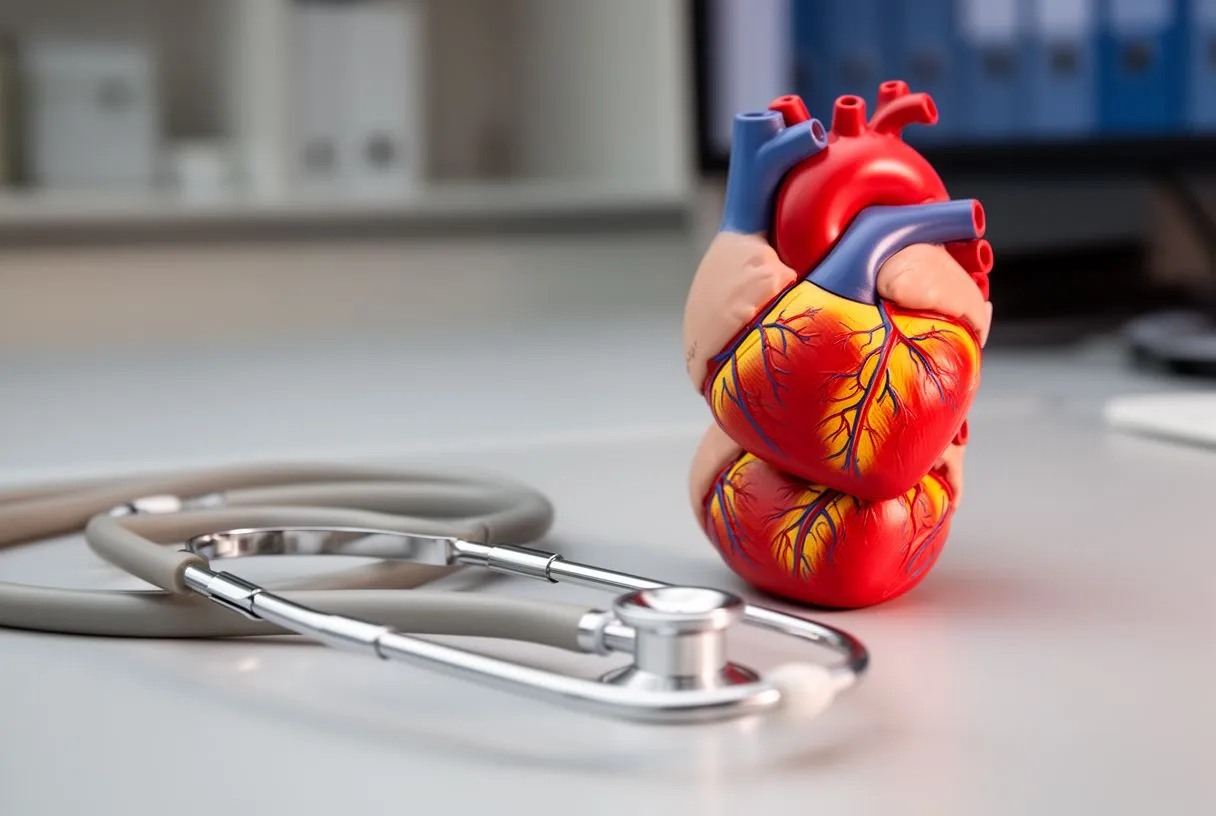
Self-diagnosis carries real risk. People with atypical symptoms often talk themselves out of seeking help, while people with muscle strain sometimes panic unnecessarily. A proper evaluation resolves both problems in a single visit.
Chest Pressure Heart Attack: Women vs Men
Chest pressure heart attack symptoms do not look identical in everyone. Men more often report the classic crushing central pressure with arm radiation. Women, and also older adults and people with diabetes, are more likely to present with atypical features that are easy to dismiss.
Atypical presentations in women. Women may experience unusual fatigue that lasts days, sleep disturbance, shortness of breath without chest discomfort, jaw or back pain, nausea mistaken for a stomach bug, or a general feeling that something is deeply wrong. These subtle signs contribute to delays in treatment, which is one reason awareness matters so much.
What this means for you. If your body is sending a new and unusual signal — even without dramatic chest pressure — take it seriously, especially after age 50 or with existing risk factors. Ask directly whether your symptoms could be cardiac. Doctors would much rather run an ECG and find nothing than miss a heart attack presenting quietly.
Why Do I Get Chest Pain When I'm Angry or Stressed?
Emotional stress genuinely affects the heart. Strong emotions trigger a surge of adrenaline, which raises heart rate and blood pressure and can cause coronary arteries to tighten temporarily. In people with narrowed arteries, this can reduce blood flow enough to cause real chest pain — stress-induced angina is a recognised medical phenomenon, not imagination.
Panic attacks mimic heart attacks. A panic attack can produce intense chest pressure, a pounding heartbeat, tingling hands and a terrifying sense of doom. The symptoms are real, but the mechanism is different. The difficulty is that you cannot tell them apart in the moment, so a first episode should always be evaluated medically.
Managing the stress-heart connection. Regular exercise, adequate sleep, breathing techniques and treatment of anxiety all reduce stress-related chest symptoms. If episodes of stress-triggered chest pain are frequent, ask your doctor whether underlying coronary disease should be ruled out first. Our team encourages patients to bring these patterns to the consultation — we take the time to explain what the studies actually show, in plain words, and to answer every question before any decision.
What Could Be Causing Sharp Pain in My Chest When I Breathe?
Sharp pain that changes with breathing usually points away from the heart and towards the lungs, the pleura (the membrane around the lungs) or the chest wall. Pleuritic pain — sharp, knife-like, worse on deep breaths — has several possible causes of varying seriousness.
Pulmonary embolism is the most urgent possibility. A clot that travels to the lungs causes sudden sharp chest pain, breathlessness, a fast heartbeat and sometimes coughing up blood. It is a medical emergency. Risk rises after long flights, surgery, immobility or with certain clotting disorders.
Other respiratory causes. Pleurisy from a viral infection, pneumonia, or inflammation of the cartilage joining the ribs to the breastbone can all cause breathing-related pain. Muscular strains from coughing fits or heavy lifting also fit this pattern. A chest X-ray, and sometimes a CT scan, distinguishes between these quickly and safely.
Chest Pressure Heart Attack: What to Do in an Emergency
Knowing the chest pressure heart attack emergency steps beforehand removes hesitation when it counts. The single most important action is calling emergency services immediately rather than waiting to see whether symptoms pass. In Mexico, dial 911. Paramedics can begin treatment en route and take you to a hospital equipped for cardiac care.
While you wait for help:
- Sit down and rest; do not walk or drive yourself.
- If prescribed nitroglycerin, take it as directed; if not prescribed, do not take someone else's.
- Unlock the door so paramedics can reach you, and stay on the line with the dispatcher.
What happens at the hospital. Expect an ECG within minutes of arrival, blood tests for cardiac markers, and possibly immediate treatment to reopen a blocked artery. Fast treatment preserves heart muscle — this is why the emergency call matters more than anything else you could do.
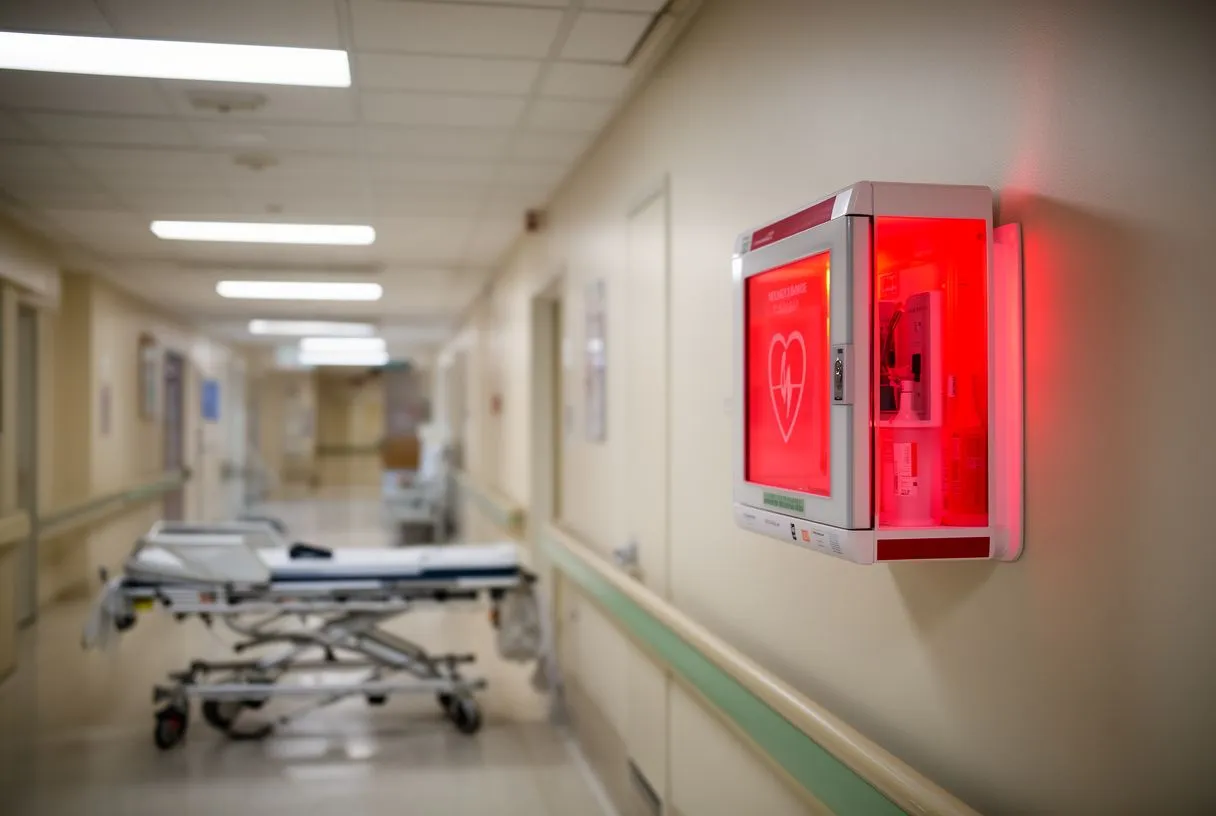
Never drive yourself to the hospital during a suspected heart attack. If you feel faint or your condition worsens behind the wheel, you risk your life and others'. The ambulance is the safer and faster route to definitive care.
Chest Pressure Heart Attack Prevention and Screening
Chest pressure heart attack risk can be reduced substantially, though never eliminated. Prevention works on the factors that narrow the coronary arteries over decades: smoking, high blood pressure, high cholesterol, diabetes, obesity, inactivity and chronic stress.
Diet and exercise. A Mediterranean-style diet rich in vegetables, legumes, fish and olive oil, with limited processed food and salt, supports healthy arteries. Regular moderate exercise — most days of the week — strengthens the heart and improves blood pressure and cholesterol. If chest symptoms appear during exercise, stop and seek evaluation before continuing any programme.
Screening and early detection. Blood pressure checks, cholesterol panels, diabetes screening and, where indicated, stress tests or coronary calcium scans help identify risk before symptoms appear. Discuss with your doctor which tests make sense for your age and family history.
Getting a proper evaluation. If you have been experiencing unexplained chest pressure, a thorough cardiac assessment brings clarity. The first contact with our team is a free video consultation: we get to know the patient, talk through the condition, and say which studies are still needed so no unnecessary ones are ordered. We encourage second opinions and treat seeking one as a normal part of deciding about heart care.

Recovery after a cardiac event also depends on follow-through. Cardiac rehabilitation, medication adherence and lifestyle change all reduce the chance of another event. Our multidisciplinary team of cardiac surgeons, led by Dr Alejandro Molina, reviews every case together before recommending conventional, minimally invasive, robotic or transcatheter options — and we recommend the less invasive route only where the evidence supports it for that patient.
Chest pressure is a symptom that always deserves respect, but it does not always mean disaster. Learn the patterns: prolonged pressure with sweating and breathlessness means call emergency services now; brief, position-related or meal-related discomfort can usually wait for a scheduled visit. Women and people with diabetes should be especially alert to atypical signs. If you are unsure where your own symptoms fit, do not self-diagnose — discuss your situation with a qualified cardiac team. A consultation, even a simple video call, is the surest way to turn worry into a clear, evidence-based plan.






