Clopidogrel After a Stent or Bypass: What Patients Should Know
Clopidogrel after stent or bypass protects your heart.
What Is Clopidogrel After a Stent?
Clopidogrel is the medication most patients take after receiving a coronary stent, and understanding it is one of the most important parts of cardiac stent care. A stent is a tiny metal mesh tube that holds a narrowed coronary artery open. When you take clopidogrel after stent placement, you are protecting that scaffold while your artery heals around it. Without it, the body can treat the new device as an injury and form a clot on top of it.
How the drug actually works: Clopidogrel is an antiplatelet medicine. Platelets are the small blood cells that clump together to form clots. The drug blocks a receptor on the platelet surface, so the cells cannot stick to each other as easily. This effect is deliberate and lasts for the life of each platelet, which is why daily consistency matters so much.
Clopidogrel post stent healing: In the first weeks after a procedure, the artery wall has not yet grown a smooth lining over the stent. During this window, a clot inside the stent can be life-threatening. As a surgical team, we review every case together before a recommendation is made, so the medication plan fits the exact stent and the exact patient. Our multidisciplinary team, led by Dr Alejandro Molina, reviews each patient's stent type, bleeding risk and other conditions against international guidelines before settling on the medication plan.
How Long to Take Clopidogrel After a Stent or Bypass
One of the first questions patients ask is how long to take clopidogrel after a stent or after coronary artery bypass grafting. The answer depends on what was done. Most patients who receive a drug-eluting stent — a stent coated with medication that slowly releases to prevent re-narrowing — continue clopidogrel for a defined period, commonly around six to twelve months, decided case by case. Your cardiologist balances the risk of clotting against the risk of bleeding when setting that clock.
Clopidogrel after bypass surgery: Patients who undergo coronary artery bypass grafting, with or without a cardiopulmonary bypass machine, follow a different logic. In bypass surgery the narrowed artery is replaced with a healthy vessel taken from the leg, arm or chest, so there is no stent to protect. Antiplatelet therapy after CABG still matters — aspirin is usually started early — but clopidogrel is added selectively, for example when grafts or vessels remain critically narrowed.
Clopidogrel duration and restenosis: Over months and years, some stents develop in-stent restenosis, which is re-narrowing of the artery inside the stent. Long-term outcome studies comparing procedures on stented versus newly narrowed arteries show why duration decisions are individual, not automatic. When we map out a medication timeline, we sit with the patient and explain in plain words what the studies actually show for their specific anatomy.
Clopidogrel and Aspirin Together: Dual Antiplatelet Therapy
Taking clopidogrel and aspirin together is called dual antiplatelet therapy, or DAPT. The two drugs attack clotting through different pathways. Aspirin blocks a chemical signal that recruits platelets; clopidogrel blocks the receptor they use to grab onto each other. Used together, they provide overlapping protection during the period when a new stent is most vulnerable to clotting.
Why both are prescribed: Stent thrombosis — a clot that suddenly blocks the stented artery — is rare but can cause a serious heart attack. Professional guidance, including patient education from the American Heart Association, emphasizes that antiplatelet medication is a cornerstone of recovery after stenting. The dual phase is usually the shortest safe period, after which one drug is stepped down.
Stepping down safely: In most cases, aspirin continues long-term at a low dose while clopidogrel is the drug that eventually stops. The timing of that step-down is a medical decision, made with your bleeding risk and healing progress in view. It should never be a personal guess based on how well you feel, because feeling well is a sign the therapy is working, not that it is finished.

What to Avoid With Clopidogrel: Diet and Medication Interactions
Knowing what to avoid with clopidogrel prevents two problems: extra bleeding on one side and a weakened effect on the other. Some medications interfere with the drug, some add to its bleeding tendency, and a few do both. This is why every patient should keep an updated list of everything they take — prescriptions, over-the-counter remedies and supplements — and show it at each visit.
Medications that interact: Pain relievers in the ibuprofen and naproxen family, known as NSAIDs, can irritate the stomach and raise bleeding risk when combined with an antiplatelet. Certain antidepressants, antifungals and seizure medicines can also interfere with how clopidogrel is activated in the liver. Always check with your pharmacist before adding anything new, even a simple cold remedy.
Clopidogrel diet restrictions: The dietary picture is thankfully simple. There is no strict banned-food list, and moderate amounts of ordinary foods are fine. The main caution is alcohol, which can irritate the stomach lining and compound bleeding risk. Herbal products deserve care too:
- NSAID painkillers: ibuprofen and naproxen add to stomach bleeding risk — ask about paracetamol instead.
- Bleeding-prone supplements: ginkgo, high-dose fish oil and vitamin E can thin the blood further.
- Heavy alcohol: irritates the stomach and raises the chance of bleeding anywhere in the body.
Clopidogrel Side Effects and Bleeding Risk: What Is Normal?
Most patients tolerate clopidogrel well, but clopidogrel side effects deserve honest discussion. The most common effect is easier bruising and slightly slower clotting — a small cut may take a few extra minutes to seal. This is the medication doing exactly what it was prescribed to do, and for most people it is manageable with simple care: an electric razor, a soft toothbrush, and sensible caution in the kitchen.
Clopidogrel bleeding risk — warning signs: Minor bruising is expected; significant bleeding is not. Nosebleeds that will not stop, blood in the urine or stool, black tarry stools, coughing up blood, or unusual dizziness and weakness all warrant immediate medical attention. Internal bleeding can be silent, so a sudden change in how you feel is worth reporting even if you see nothing.
When to call your team: Keep the contact details of your cardiac team where you can reach them quickly. In our consultations we take time to go through exactly which symptoms are routine and which should send the patient straight to an emergency department, so nobody is left guessing. A short phone call is always cheaper than an unnecessary emergency visit — and far safer than ignoring a real warning.

Is Clopidogrel a Good Drug? Contraindications to Know
Patients often ask whether clopidogrel is a good drug, and the fair answer is that it is a well-studied, effective medication when it is prescribed for the right person. Decades of use after stenting and heart attacks have shown it reduces dangerous clotting events. Like every powerful medicine, its value depends entirely on matching the drug to the patient's situation — which is why it comes from a specialist, not a shelf.
Contraindications for clopidogrel: The clearest contraindication is active, significant bleeding anywhere in the body. A history of serious reactions to the drug itself is another. Severe liver impairment can change how the drug is processed. Some patients carry genetic variants that make clopidogrel less effective, which is why doctors sometimes adjust the plan based on response and other medicines being taken.
Discussing alternatives: Newer antiplatelet drugs exist, and in some situations a different one is chosen. The decision is individual, based on bleeding risk, other conditions and cost. We encourage every patient to seek a second opinion and treat it as a normal part of deciding about heart treatment — a good plan survives scrutiny. If you were told to take clopidogrel and something about it worries you, that conversation belongs with your cardiac team, not with an internet forum.
Clopidogrel Missed Dose: What to Do If You Forget
A clopidogrel missed dose happens to almost everyone at some point, and the rule is simple. Take the forgotten tablet as soon as you remember. If you are already close to the time for the next dose, skip the missed one and continue on schedule. Never take two tablets at once to catch up — doubling up raises bleeding risk without adding protection.
Why consistency matters so much: Clopidogrel works by permanently disabling platelets for their lifespan, but the body constantly makes new ones. A single late dose has a small effect; a pattern of missed doses steadily erodes protection. Forgetting several days in a row can leave a healing stent exposed, so repeated forgetfulness should be raised with your doctor rather than shrugged off.
Building a reliable routine: Small systems beat willpower:
- Anchor it to a habit: take it with breakfast or brushing your teeth, at the same time daily.
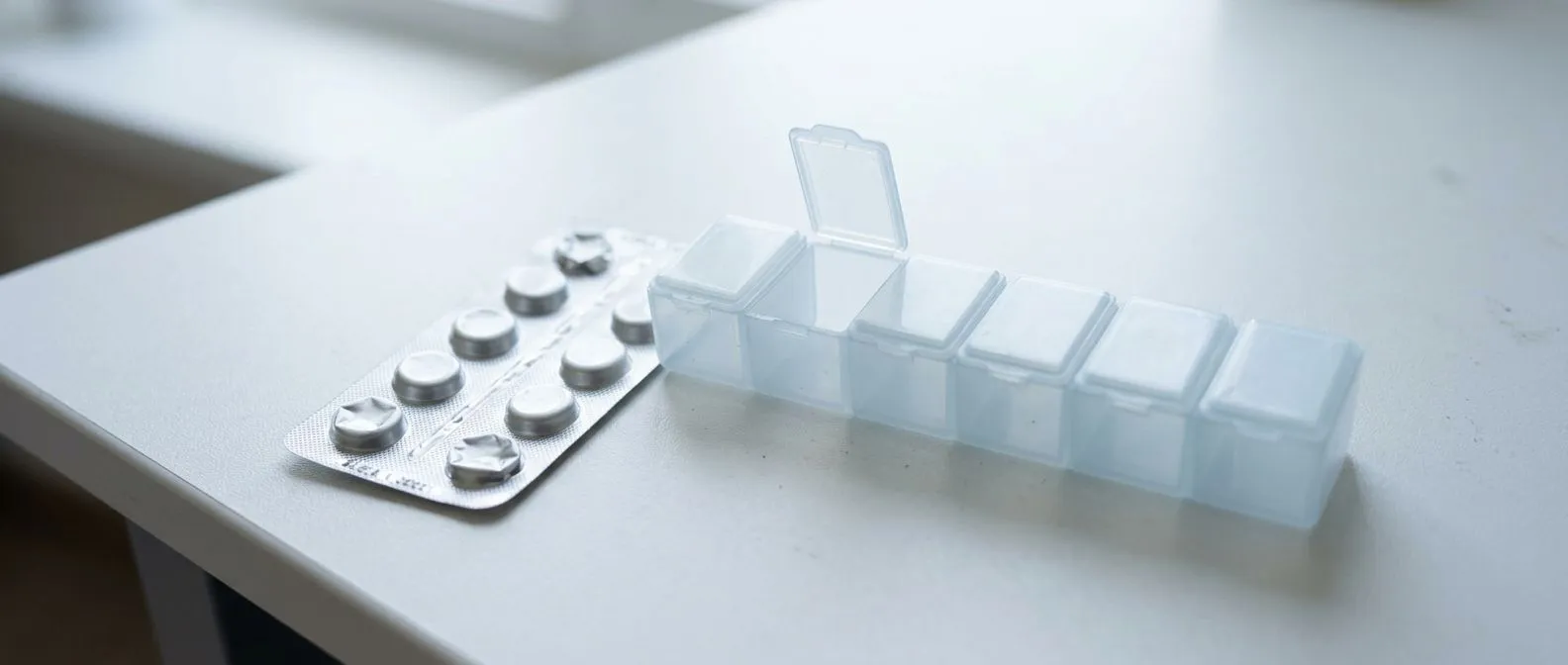
- Use a pill organizer: a weekly box makes a missed day visible at a glance.
- Call after multiple misses: if you have skipped more than one or two doses, contact your cardiologist for advice before resuming.

Clopidogrel Before Surgery: Why Stopping Clopidogrel Early Is Dangerous
Planning clopidogrel before surgery — dental extractions, endoscopy, orthopedic operations — is a coordination task, not a solo decision. Because clopidogrel is the blood thinner after heart surgery that guards the stent, stopping it early is one of the most dangerous things a stent patient can do. The risk is stent thrombosis: a sudden clot inside the stent that can cause a major heart attack. Studies of patients who developed serious complications after stenting show how severe this event can be.
Timing elective procedures: Whenever a procedure can be safely postponed, it is usually best to wait until the prescribed clopidogrel course is finished. Your surgeon and cardiologist should talk to each other and agree on a plan. If the operation cannot wait, the team may shorten the interruption to the minimum safe window and restart the medication as soon as bleeding risk allows.
Communicating with every provider: Tell your dentist and surgeon that you are on an antiplatelet before they schedule anything. Do not stop the drug on your own because a procedure is approaching — that decision belongs to the doctors managing the stent.
Clopidogrel Generics vs the Brand-Name Version: What Patients Need to Know
The comparison of clopidogrel generics vs the brand-name version comes up constantly, especially among patients managing long-term costs. Generic clopidogrel contains exactly the same active ingredient as the brand and must meet the same standards for safety, quality and effectiveness. The differences are in the inactive ingredients that give the tablet its shape and color — not in the medicine itself.
What does clopidogrel look like? Brand-name clopidogrel tablets are typically pink, film-coated, and rounded oblong. Generic versions vary by manufacturer in color and shape, and some are marketed under names such as Clopid 75, with 75 mg being the standard maintenance dose. If your tablets suddenly look different, it is usually a change of generic supplier — worth confirming with the pharmacist, but rarely a cause for alarm.
Cost and sticking with it: The real advantage of generics is affordability, and affordability is what keeps patients taking the drug for the full prescribed period. Financial strain is one of the most common reasons people quietly ration tablets — a decision that can have serious consequences after a stent.
Your Heart Stent Medication Guide: Recovery and Next Steps
This heart stent medication guide comes down to a few essentials. Take clopidogrel exactly as prescribed, at the same time each day. Know the interactions — NSAIDs, certain supplements, heavy alcohol — and check before adding anything new. Recognize the difference between routine bruising and genuine bleeding. And never stop the drug, pause it, or change it without your cardiac team's agreement.
Clopidogrel as one part of recovery: Medication is the foundation of stent recovery, but it works alongside the rest of a heart-healthy life — blood pressure control, gentle progressive exercise, no smoking, and follow-up appointments. Recovery after major heart surgery is a process of steady weaning from intensive support back to normal life, and each stage has its own milestones. Professional organizations such as the American Heart Association offer reliable guidance on life after a heart procedure, and your own team can translate it to your situation.
Getting personalized answers: Every stent is different, and so is every recovery plan. Our team offers a free first video consultation: we get to know the patient, talk through the condition, and identify which studies are genuinely still needed, so no unnecessary tests are ordered. If you have questions about clopidogrel, your stent, or whether surgery or another intervention is right for you, discuss it with a qualified cardiac team — and book a consultation rather than trying to answer these questions alone.