
Confusion After Heart Surgery: Causes and Recovery
Confusion after heart surgery is common and treatable.
If you or a loved one has just come out of heart surgery and the person in the bed is not quite themselves, you are not alone. Confusion after heart surgery is one of the most common experiences patients and families describe, and it is also one of the most misunderstood. It does not usually mean something has gone wrong with the surgery itself. In many cases, it is a temporary, expected response of the brain to the combined stresses of anesthesia, the heart-lung machine, pain medications, and an unfamiliar hospital environment. This guide walks through what postoperative confusion actually is, why it happens, how long it typically lasts, and what you can do about it. The goal is to replace fear with understanding so you can focus on recovery.
What Is Confusion After Heart Surgery?
Delirium is the medical term. When doctors talk about confusion after heart surgery, they are usually describing postoperative delirium, a state of sudden mental disturbance that can include disorientation, difficulty focusing, fluctuating attention, and sometimes seeing or hearing things that are not there. It is different from dementia, which is a long-term progressive condition. Delirium comes on quickly, often within hours or days, and it tends to change throughout the day, meaning the person may be clear-headed in the morning and disoriented by evening.
It is not a sign of weakness or permanent damage. Many families worry that seeing a parent confused after heart surgery means the brain has been injured. In most cases, the brain is temporarily overwhelmed by a combination of factors: the anesthesia drugs, the inflammation that follows any major surgery, changes in blood flow, disrupted sleep, and the sensory overload of the intensive care unit. Once those factors settle, thinking usually returns to baseline.
Two main patterns exist. Hyperactive delirium makes the person agitated, restless, and sometimes pulling at IV lines or trying to get out of bed. Hypoactive delirium is quieter and easier to miss; the person seems withdrawn, drowsy, or unresponsive, but is actually confused. A mixed pattern shifts between the two. Hypoactive delirium is often overlooked because it looks like calm, so families should be aware it exists.
How Common Is Confusion After Cardiac Surgery?
It is remarkably frequent. Studies of patients who have undergone cardiac surgery, including coronary bypass, valve replacement, and combined procedures, consistently show that a substantial portion of patients experience some degree of delirium in the days following surgery, particularly among older adults. The exact rate varies depending on the type of surgery, the patient's age, and other health factors, but the medical literature, including narrative reviews on delirium after cardiac surgery, places it among the most common postoperative complications in this field.
Why it matters to know this. Understanding that confusion after cardiac surgery is common rather than rare changes the emotional experience entirely. Families who expect it are less likely to panic, and patients who are prepared for it are less likely to be frightened by their own experience. Studies on postoperative delirium in seniors note that anticipatory education reduces distress for both the patient and the caregiver.
It is not limited to open-heart surgery. Even less invasive cardiac procedures, including TAVR, which is transcatheter aortic valve replacement, can be followed by a period of confusion. The stress of the procedure, the anesthesia, and the hospital stay contribute to the risk regardless of how the surgery is performed. If you would like to understand how your specific procedure and personal risk factors shape this, our team reviews every case individually and can explain what to expect based on your particular situation.
What Causes Delirium After Heart Surgery?
Anesthesia and medications. General anesthesia is designed to put you to sleep and keep you still during surgery, but the drugs used can leave the brain in a temporarily altered state. Pain medications, particularly opioids, can add to this effect. Older adults process these medications more slowly, which can extend the period of confusion. Newer anesthesia protocols and careful pain management strategies reduce, but do not entirely eliminate, this risk.
The heart-lung machine and inflammation. In conventional open-heart surgery, the heart-lung machine temporarily takes over the work of the heart and lungs. This is a remarkable feat of engineering, but it also means the blood is circulated outside the body, which can trigger a mild inflammatory response. This inflammation can affect the brain. Research into delirium after cardiac surgery identifies this as a contributing factor, alongside surgical stress itself.
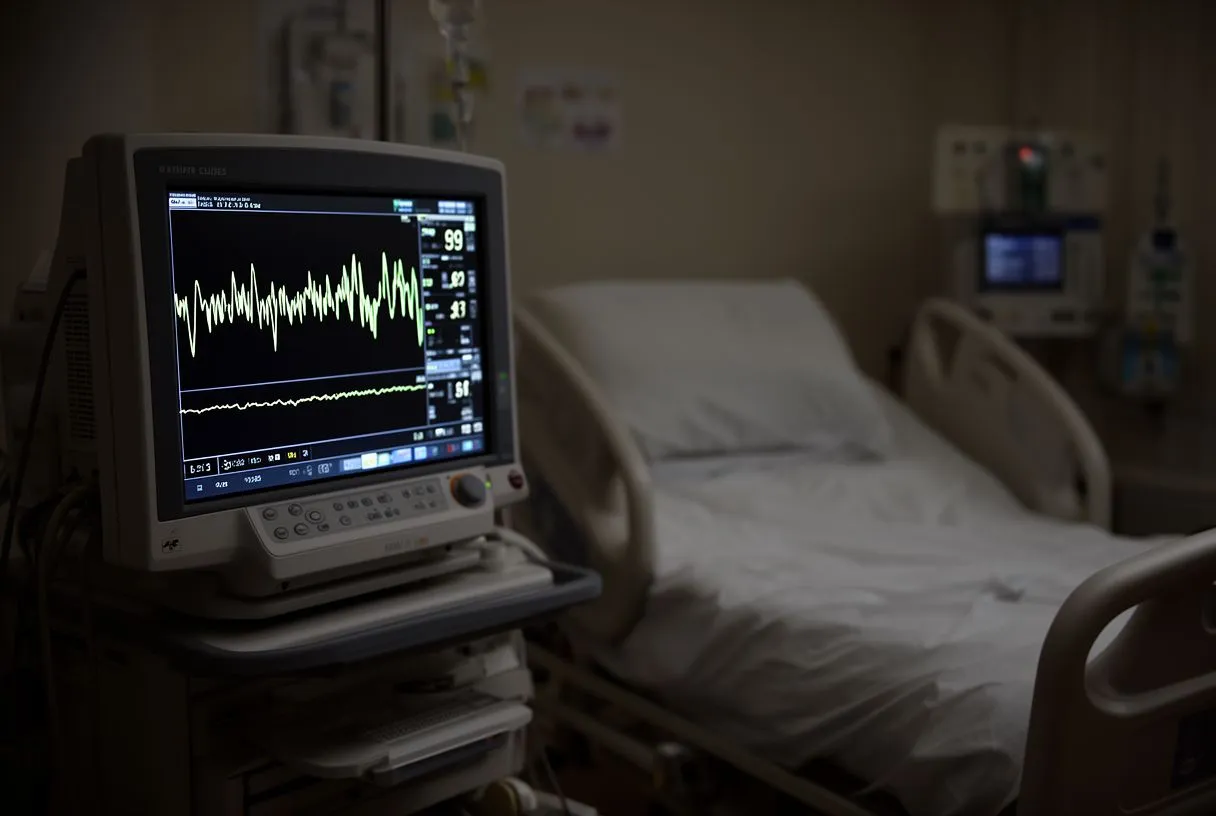
Environmental and sensory factors. The intensive care unit, or ICU, is intentionally loud, bright, and busy. Constant monitoring, beeping machines, alarms, and lights that stay on all night disrupt normal sleep patterns, which is a major contributor to delirium. Loss of familiar cues, unfamiliar faces, not knowing the time of day, and being unable to move freely all compound this effect. Something as simple as a clock on the wall and a window with visible daylight can help anchor a person.
Underlying health conditions. Pre-existing conditions such as diabetes, kidney disease, or mild cognitive impairment, along with factors like dehydration, low blood pressure, infection, or blood sugar swings, all raise the likelihood of confusion after heart surgery. This is why the medical team reviews each patient's history carefully before surgery to anticipate and manage these risks.
Why Are Older Adults More Prone to Postoperative Confusion?
The aging brain is more sensitive. Postoperative confusion in elderly patients has been studied extensively, and the reason is not that the brain is "weaker" but that it is more sensitive to disruption. Sleep-wake cycles, neurotransmitter balance, and the brain's ability to filter out sensory noise become less robust with age. A medication dose that barely registers in a 40-year-old can produce a noticeable effect in a 75-year-old.
Baseline cognitive health matters. Someone with mild memory problems before surgery, even if undiagnosed, is more likely to experience noticeable confusion afterward. This is why doctors ask about memory and thinking during the pre-surgery assessment. It is not a judgment; it simply helps the team anticipate and plan for postoperative care.
Multiple medications and health conditions. Older adults often take several medications for blood pressure, cholesterol, diabetes, or other conditions. Some of these interact with anesthesia or postoperative pain medications in ways that increase confusion. Studies on postoperative delirium in seniors, including the Global Burden of Disease research, emphasize that careful medication review before surgery reduces the risk of delirium and improves outcomes.
What Does ICU Delirium Look Like During Heart Surgery Recovery?
Recognizing the signs early. In the first days after cardiac surgery, ICU delirium can take several forms. Some patients become agitated, pulling at lines, calling out, or trying to climb out of bed. Others become quiet and withdrawn, which can be mistaken for depression or exhaustion. The key feature is that the person's mental state is noticeably different from their normal self and fluctuates throughout the day. This is a normal part of the recovery process for many people, and it does not mean the surgery has failed or the brain has been damaged.
Common behaviors to expect. A patient might:
- Not know what time of day it is or where they are
- Repeat the same question or conversation within a short period
- See or hear things that are not there, often described as "shadows" or "voices"
- Have reversed sleep-wake cycles, sleeping in the day and waking at night
- Struggle to concentrate, follow a simple instruction, or remember a recent conversation
What families can do in the ICU. You can help by bringing familiar items, such as photographs, glasses, hearing aids, or dentures. Speaking in a calm voice, orienting the patient gently ("It's Tuesday morning, we're in the hospital in Guadalajara, and you just had surgery"), and keeping the room light during the day and dark at night all help reset the internal clock. Studies on reducing confusion in older patients after surgery emphasize the importance of these simple, non-drug interventions.

How Long Does Confusion Last After Heart Surgery?
Most cases resolve within days. For many patients, the fog begins to lift within the first few days after surgery and is largely gone by the time they are discharged from the hospital. Some people feel slightly "off" for a week or two, noticing that they are slower to think or remember things, but they return to their normal baseline within a few weeks.
Some people take longer. In a minority of patients, particularly those who are older, had a longer or more complex surgery, or had pre-existing cognitive issues, confusion can persist for weeks. Research on cognitive changes after heart surgery identifies this as a real phenomenon that deserves attention, though it is usually not permanent. The timeline for recovery varies widely from person to person.
Postoperative cognitive dysfunction is a separate category. When the changes in thinking last longer than expected, doctors sometimes use the term postoperative cognitive dysfunction, or POCD, to describe a subtle but measurable decline in memory or concentration that persists beyond the acute period. Studies of cognitive changes after heart surgery are ongoing, and while most people recover fully, this is an active area of research. It is important not to panic; the majority of patients return to their normal mental state.
Home recovery and mental clarity. Once home, patients often report that they feel sharper within a few weeks, particularly with good sleep, gentle exercise, social interaction, and a structured routine. Studies on home recovery for heart patients emphasize the value of maintaining mental stimulation and connection with others during this period. If you or a family member notices ongoing confusion weeks after heart surgery, it should be discussed with the medical team.
Memory Problems After Bypass Surgery: What to Expect?
Why memory can be affected. Coronary artery bypass surgery, or CABG, involves using the heart-lung machine, which circulates the blood outside the body. This can temporarily affect the small blood vessels in the brain, which may show up as subtle changes in memory or concentration after the procedure. Studies on cognitive changes after coronary bypass have documented these effects. It is worth noting that these changes are usually subtle, often resolve within weeks or months, and are not the same as dementia.
Practical strategies for patients. Keeping a notebook for important information, using a wall calendar for appointments, setting reminders on a phone, and breaking tasks into small steps all help during the period of recovery. Family members can support by reminding the patient that this is temporary and that their mental sharpness is likely to return.
What the surgical team does.

Cognitive Changes After Valve Replacement?
How the approach matters. Valve replacement can be done through open-heart surgery with a heart-lung machine, through minimally invasive approaches, or through a transcatheter procedure called TAVR. Research on delirium after cardiac surgery notes that less invasive approaches can sometimes be associated with lower rates of postoperative confusion, partly because they avoid or reduce the use of the heart-lung machine and involve less overall surgical stress. The choice depends on the patient's specific valve problem, anatomy, and overall health.
What patients report after TAVR. Patients who undergo TAVR, a procedure where a new valve is inserted via a catheter, usually through a blood vessel in the groin, sometimes report a short period of confusion or fogginess. This is usually mild and resolves quickly. In patients who are older and frail, the risk of postoperative delirium is still present and requires careful attention.
Deciding between approaches. The decision between surgical valve replacement and TAVR is a medical decision that should be based on the patient's specific circumstances. In our consultations, we review each patient's valve condition, age, and overall health against international practice guidelines and present the options with the trade-offs so the patient can make an informed decision.
How to Prevent Delirium After Cardiac Surgery?
What you can do before surgery. Prevention starts well before the operation. Bring a list of all your medications to your pre-surgery consultation, including any over-the-counter drugs, herbal remedies, and supplements, because some of these can interact with anesthesia or postoperative medications. If you use glasses, hearing aids, or dentures, make sure they come to the hospital with you. These small sensory anchors help keep your brain oriented during the disorienting days after surgery.
What the hospital team does. Hospitals increasingly use protocols to reduce delirium, sometimes called "delirium prevention bundles." These include minimizing sedative medications, encouraging early mobilization, getting the patient out of bed and walking as soon as it is safe, keeping normal sleep-wake cycles by dimming lights at night, keeping patients hydrated, and involving family members in the care team. These are not optional extras; they are proven strategies that reduce the duration and severity of confusion.
What families can do during recovery. Simple, consistent actions help:
- Reorient the patient gently: "It's morning," "You're in the hospital," "You just had surgery"
- Keep the room light during the day and dark at night to help reset the body clock
- Bring familiar personal items, glasses, hearing aids, and photos
- Encourage the patient to sit up and move as soon as the care team allows
- Discourage staff from using sedatives for convenience unless the patient is at risk of harm
Realistic expectations. No strategy eliminates delirium entirely, and it is important not to blame yourself if it happens anyway. Prevention reduces the risk and the duration. What matters most is recognizing it early, supporting the patient calmly, and communicating with the care team.
When to Call the Doctor About Confusion After Surgery?
Normal variation versus red flags. Some fogginess, slow thinking, or mild forgetfulness in the first days after heart surgery is common. However, certain signs warrant a call to the medical team. If you notice sudden worsening confusion, new hallucinations, a fever, a severe headache, vision changes, weakness on one side of the body, difficulty speaking, or the person is not returning to baseline over time, contact the care team promptly.
After discharge, at home. The recovery period does not end at the hospital door. If you are caring for someone recovering at home and notice that they are more confused than when they left the hospital, are not eating or drinking properly, are sleeping excessively, or are unable to manage basic self-care, this should be brought to the medical team's attention. It is always better to ask than to wait and worry.
You are part of the team. Family members are often the first to notice that something is not right, because they know the patient's normal baseline. Your observations matter and are valuable information for the doctors and nurses.
Getting help and a second opinion. If you feel uncertain about the care you are receiving, or you want reassurance about what is normal and what is not, seeking a second opinion is entirely reasonable. We treat second opinions as a normal part of deciding about heart surgery, and we encourage patients to ask questions until they feel confident in their plan.
Taking the next step. Confusion after heart surgery is common, usually temporary, and manageable with good care. The most important thing is knowing what to expect, recognizing the signs early, and communicating with the medical team. If you or a loved one is facing heart surgery and you would like to understand what to expect in your specific case, our team offers a free video consultation where we talk through your condition, review which studies are actually needed, and answer every question before any decision is made. The final decision about your care is always yours, and the first step is simply a conversation.
Nature