Costal Cartilage Pain After Heart Surgery
Costal cartilage pain after heart surgery: causes, the usual recovery timeline and ways to relieve it, from the cardiac specialists in Guadalajara.
When you wake up from heart surgery, the chest discomfort you feel is often not just from the heart itself, but from the bones and tissues that were carefully opened to reach it. Costal cartilage pain originates in the flexible tissue connecting your ribs to your sternum, or breastbone. During a median sternotomy, the surgeon makes a vertical incision through the sternum and separates the rib cage to access the heart. This process stretches and sometimes irritates the costal cartilage, leading to localized inflammation known as costochondritis. Understanding the root of this discomfort is the first step toward managing it effectively and reclaiming your quality of life after a major cardiac procedure.
What is Costal Cartilage Pain After Heart Surgery?
The rib cage is a dynamic, living structure rather than a rigid box. The costal cartilage acts as a crucial shock absorber, allowing your ribs to expand and contract seamlessly as you breathe, twist, and move throughout the day. When this cartilage is manipulated, stretched, or stressed during surgery, it becomes inflamed and highly sensitive, sending sharp or aching signals through the nerves in your chest wall. You might notice this specific discomfort most when taking a deep breath, twisting your torso to reach for an object, or pressing gently on the front of your chest.
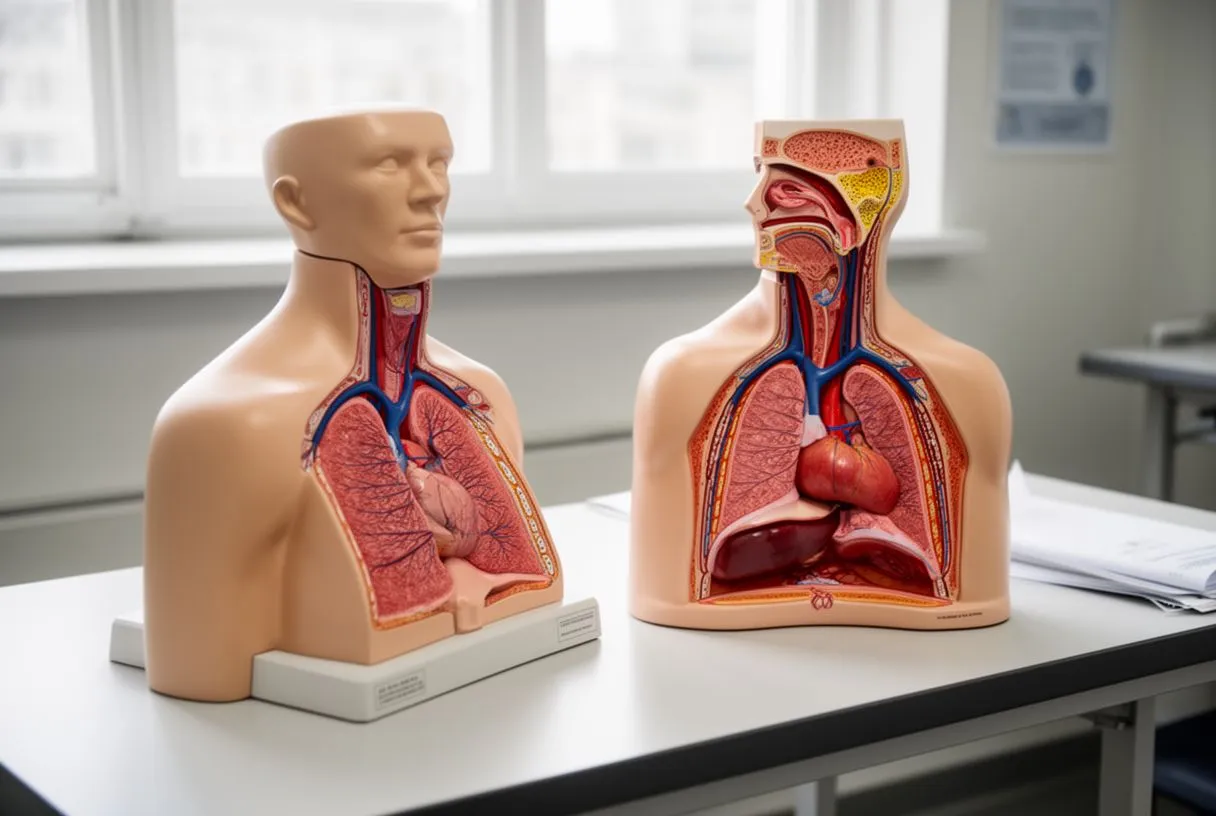
Understanding the anatomy of the chest wall: The costal arch is the curved lower border of the rib cage formed by the cartilaginous ends of the false ribs. During a sternotomy, the forces exerted to open the chest can slightly detach or strain the connections at this arch. This mechanical trauma is a direct result of the life-saving access your surgeon required to repair your heart. The resulting inflammation is a natural biological response, triggering increased blood flow and cellular repair mechanisms in the affected area.
Distinguishing surgical pain from cardiac pain: It is entirely natural to feel anxious when your chest hurts after a cardiac procedure, but learning to distinguish the types of pain can bring peace of mind. Pain originating from the chest wall is typically sharp, highly localized, and tender to the touch. It predictably changes or worsens with movement, deep breathing, or physical palpation. Cardiac pain, on the other hand, is usually a deep, heavy, or crushing pressure that does not change when you press on the chest or shift your body position. Recognizing this distinction is a vital skill during your recovery.
How Long Does Costal Cartilage Pain Last After Cardiac Surgery?
The timeline for bone and cartilage healing: Recovery from heart surgery is a marathon, not a sprint, requiring immense patience. The sternum itself takes about six to eight weeks to heal firmly enough to bear normal daily stresses, but the surrounding cartilage can take considerably longer to settle completely. For many patients, costal cartilage pain peaks in the first two weeks after discharge and gradually subsides over the following three to six months. Some individuals may notice mild, weather-related discomfort or sensitivity in the costal arch for up to a year as the tissues fully remodel and mature.
Every patient's recovery trajectory is deeply personal and influenced by a variety of factors. Your age, overall physical health, bone density, and the specific surgical approach—whether a traditional full sternotomy or a minimally invasive technique—all play a significant role. Patients who undergo procedures involving the harvesting of an arterial graft or extensive manipulation of the ascending aorta may experience slightly different pain patterns compared to those who have isolated valve replacements. It is vital to set realistic expectations and track your overall progress week by week rather than judging your recovery day by day.
Recognizing normal fluctuations in pain: Healing is rarely a linear, upward trajectory. You might experience several consecutive good days followed by a day where your rib pain flares up unexpectedly after a long walk or a poor night's sleep. This fluctuation is a completely normal part of the healing process. If the pain remains constant at a high level despite medication, or if it suddenly worsens without an obvious physical trigger, it warrants a prompt conversation with your cardiac team to rule out other complications.

Why Does the Rib Cage Click or Pop During Sternotomy Recovery?
Hearing or feeling a click, pop, or grinding sensation in your chest after surgery can be deeply unsettling, but it is a surprisingly common experience. The sternum is held firmly together by stainless steel wires during the procedure, but the cartilaginous joints where the ribs meet the breastbone can remain slightly mobile while they heal. When you move, breathe deeply, or transition from sitting to standing, these flexible structures shift against one another, creating mechanical noises that resonate through your chest cavity.
Assessing the stability of your sternum: A slight click is usually harmless, simply the sound of cartilage and healing bone shifting under tension as your body moves. However, if the clicking is accompanied by a sudden, severe pain, or if you feel a visible step-off or separation in your breastbone, you must contact your surgeon immediately. This could indicate sternum instability, a rare but serious complication that requires prompt evaluation. Your surgical team will provide specific guidelines on how to monitor your chest wall stability during your follow-up appointments.
To minimize these mechanical stresses, it is essential to support your chest during sudden, forceful movements. Holding a firm pillow tightly against your chest when you cough or sneeze splints the rib cage, drastically reducing the strain on the healing costal cartilage. This simple habit protects the cartilage from sudden shearing forces that could prolong your recovery. According to MedlinePlus, splinting the chest is a standard, highly recommended practice for postoperative care.
Best Sleeping Positions for Costochondritis Post Surgery
Finding a comfortable resting posture: Sleep is a critical component of healing, but finding a comfortable position can be a major challenge when dealing with costal cartilage pain. Lying completely flat often increases the gravitational pressure on the chest wall, making breathing feel heavy, restricted, and painful. The most effective position for the first few weeks is sleeping on your back, elevated at a 30- to 45-degree angle, using a specialized wedge pillow or a sturdy recliner chair.
- Back sleeping elevated: Use a wedge pillow to maintain a 45-degree angle, keeping the chest relaxed and open.
- Knee support: Place a small pillow under the knees to flatten the lower back and reduce pulling tension on the chest.
- Avoid side sleeping: Refrain from side or stomach positions for at least six weeks post-surgery to prevent uneven pressure.
This elevated position reduces the gravitational pull on the chest cavity and relieves tension on the sternum and costal arch. It also helps minimize postoperative swelling and makes it easier to get out of bed independently. If you must transition out of bed, use the log-roll technique: keep your arms crossed over your chest, roll onto your side as a single rigid unit, and use your elbows to push yourself up. This technique prevents you from using your chest muscles to sit up, protecting the healing costal cartilage.
Managing Coughing and Sneezing When Ribs Hurt After Heart Surgery
The challenge of sudden chest movements: Coughing, sneezing, and even sudden bouts of laughter can feel agonizing after a sternotomy. These actions create an explosive, sudden increase in intra-thoracic pressure, violently expanding the rib cage and pulling aggressively on the inflamed costal cartilage. While you cannot always predict when a sneeze will strike or when you will need to clear your throat, you can control how your body manages the physical impact of these sudden movements.
The golden rule of postoperative care is to never suppress a productive cough, as clearing your lungs is vital for preventing serious pneumonia after surgery. Instead, you must actively splint your chest. Keep a firm heart pillow or a tightly folded blanket within reach at all times, whether in your bed, your favorite chair, or even in the car. When you feel a cough or sneeze coming, press the pillow firmly against your chest and lean slightly forward. This provides essential external counter-pressure, absorbing the shock and stabilizing the cartilage.
Clearing your lungs safely: If you have a productive cough due to fluid in the lungs—a common occurrence after being on a bypass machine—take your prescribed pain medication thirty minutes before doing your deep breathing exercises. Deep breathing using an incentive spirometer expands the lungs and prevents collapse, but it will inevitably stretch the chest wall. Balancing adequate pain management with consistent lung exercises ensures you heal without developing respiratory complications.

Physical Therapy Exercises for Sternotomy and Rib Pain
Starting gentle mobility routines: Movement is medicine, but it must be dosed very carefully after heart surgery. Cardiac rehabilitation usually begins a few weeks after discharge, focusing on gradually restoring your cardiovascular fitness and chest wall mobility without overloading the healing structures. Gentle range-of-motion exercises for the shoulders and upper back help prevent stiffness without directly stressing the costal cartilage.
Your physical therapist will guide you through specific, targeted movements designed for your stage of recovery. Initially, these might include gentle shoulder rolls, pendulum swings, and slow, controlled walking on flat surfaces. You will be strictly advised to avoid lifting anything heavier than a few pounds and to resist pushing or pulling with your arms. Experiencing sudden arm pain or sharp, pulling twinges in your chest during therapy is a clear signal to stop, rest, and reassess your limits.
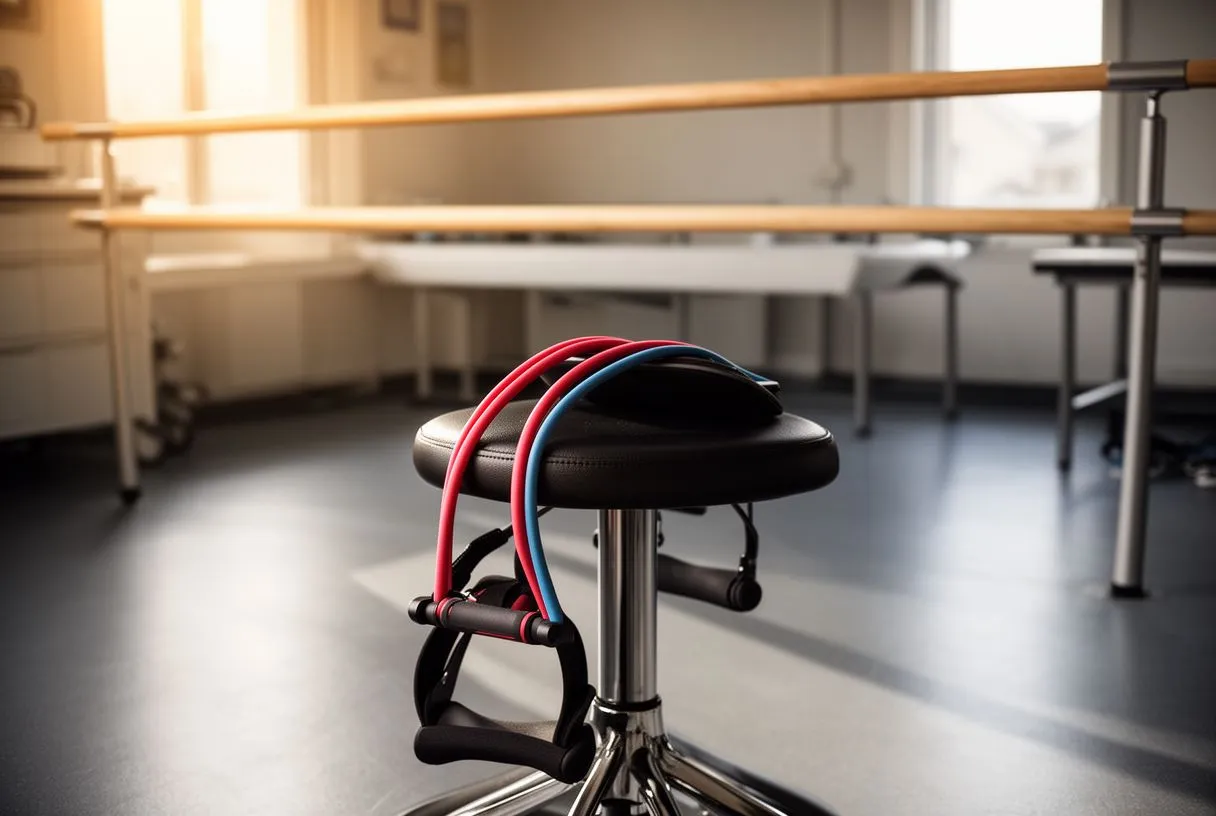
Progressing through your recovery: As the weeks pass and the cartilage heals, your exercises will naturally evolve in complexity and intensity. You will gradually introduce light resistance bands and cardiovascular conditioning. Community awareness of basic life support and recovery protocols can significantly improve long-term outcomes, as highlighted by an Analysis of the Status Quo and Influencing Factors of Community Residents' Awareness of Basic Life Support and Willingness to Attempt Rescue. Proper rehabilitation ensures your chest wall heals correctly while steadily rebuilding your overall physical strength.
When to Worry About Chest Wall Pain Cardiac Surgery
Identifying red flags in your recovery: While costal cartilage pain is an expected part of the healing process, certain symptoms should never be ignored or dismissed as normal surgical discomfort. Distinguishing between expected musculoskeletal pain and signs of a serious complication is vital for your safety. If your chest pain changes from a sharp, localized ache to a deep, heavy pressure, or if it radiates down your left arm or up into your jaw, you must seek emergency medical attention immediately.
Other critical red flags include shortness of breath that worsens despite resting, a persistent fever, or any new drainage from your healing incision. Unexplained palpitations, a racing heart, or an irregular heartbeat could indicate cardiac rhythm issues like atrial flutter, which require prompt medical evaluation. While chest wall inflammation is common, the heart itself could be experiencing issues that mimic muscular pain, making professional assessment non-negotiable when things feel fundamentally wrong.
Understanding atypical symptoms: Sometimes, heart issues present in unusual ways, known medically as an atypical infarction. You should never assume chest discomfort is just cartilage pain if it feels fundamentally different from what you have experienced so far in your recovery. Trust your instincts; if something feels wrong or your pain feels cardiac in nature rather than skeletal, seek help immediately. A medical team would always rather evaluate a false alarm than miss a critical warning sign.
Costal Cartilage Inflammation Treatment Options
Medical management of post-surgical pain: Treating costal cartilage pain involves a multi-layered approach tailored to your specific medical history. Over-the-counter pain relievers are often the first line of defense. Nonsteroidal anti-inflammatory drugs (NSAIDs) can effectively reduce inflammation, but they must be used cautiously and only under your surgeon's guidance, as they can interact with other postoperative medications or affect kidney function. Acetaminophen is generally considered safer for managing baseline discomfort in the early weeks.
- Over-the-counter relief: Acetaminophen is generally safe, while NSAIDs require explicit surgeon approval.
- Temperature therapy: Cold or heat packs applied near the chest wall to soothe deep inflammation.
- Targeted injections: Rare localized steroid injections for persistent costochondritis lasting months.
In some cases, your doctor might prescribe stronger medications for the initial acute phase of recovery. If the pain is severe and highly localized, targeted interventions might be recommended. Localized therapies, such as heat or cold packs applied to the chest wall—never directly on the incision unless cleared by your doctor—can provide significant relief by numbing the area and reducing swelling in the costal arch.
Advanced interventions for stubborn pain: If the costochondritis persists for months despite conservative measures, your cardiac team might discuss other options. These could include topical anesthetic patches or, in rare cases, localized steroid injections to calm the inflamed cartilage directly. The goal is always to manage the pain with the lowest risk for your situation, allowing you to participate fully in cardiac rehabilitation and daily activities.
Heart Surgery Chest Tightness vs. Cartilage Pain
Decoding different types of chest sensations: Postoperative chest tightness is a frequent complaint that causes significant anxiety among recovering patients. However, tightness often has different origins than sharp costal cartilage pain. Tightness can result from the stretching of the pericardium—the fluid-filled sac surrounding the heart—during surgery, or from general inflammation in the chest cavity. It can also be a muscular sensation as your chest muscles adapt to the new mechanics of your healing rib cage.
When the heart is manipulated, for instance during the placement of a balloon aortic valvuloplasty or complex bypass procedures, the surrounding tissues react defensively. The sensation of tightness is often a diffuse, band-like pressure across the entire chest, unlike the pinpoint tenderness of costochondritis. It often improves predictably with rest and gentle walking as the body slowly absorbs the residual inflammation over several weeks.
Monitoring for changes in sensation: It is crucial to carefully observe how your symptoms behave in different situations. If the tightness occurs exclusively when you twist your torso or take a very deep breath, it is almost certainly related to the chest wall and cartilage. If the tightness comes on at rest, feels crushing, or is accompanied by sweating and nausea, it could be a cardiac event. Even rare surgical complications, such as those discussed in the case report REVERSIBLE CORTICAL BLINDNESS FOLLOWING SUCCESSFUL SURGICAL REPAIR OF TWO STAB WOUNDS IN THE HEART, remind us that unexpected symptoms require immediate, rigorous medical evaluation.
Recovering from Thoracic Pain After Bypass: What to Expect
The long-term outlook for chest wall healing: Recovering from thoracic pain after bypass surgery is a journey of gradual, steady improvements. By the three-month mark, most patients find that severe, sharp costal cartilage pain has resolved, replaced by occasional mild aches during cold weather or heavy physical exertion. The human body is remarkably resilient, and the costal cartilage will eventually stabilize and integrate smoothly with the healed sternum, restoring your chest to full strength.
Maintaining a healthy lifestyle supports this long-term healing process. Eating a balanced diet rich in protein and vitamins supports bone and tissue repair. Gentle, consistent physical activity prevents the chest wall from becoming stiff while promoting cardiovascular health. It is also important to manage your overall risk factors; keeping conditions like high blood pressure and cholesterol in check, monitoring your Apolipoprotein B levels, and taking medications like Aspirin as prescribed will protect your surgical results and overall heart health for years to come.
Knowing when to consult your cardiac team: You should never feel alone in your recovery journey. If months pass and your rib pain remains a significant barrier to your quality of life, or if you develop new, unexplained symptoms, reach out to your surgeon. Private heart surgery teams in Guadalajara and other specialized centers offer comprehensive follow-up care. We encourage you to discuss your specific situation, your pain patterns, and your recovery milestones with a qualified cardiac team to ensure your healing is on the right track, rather than self-diagnosing. Book a consultation to review your progress and take the next step confidently.